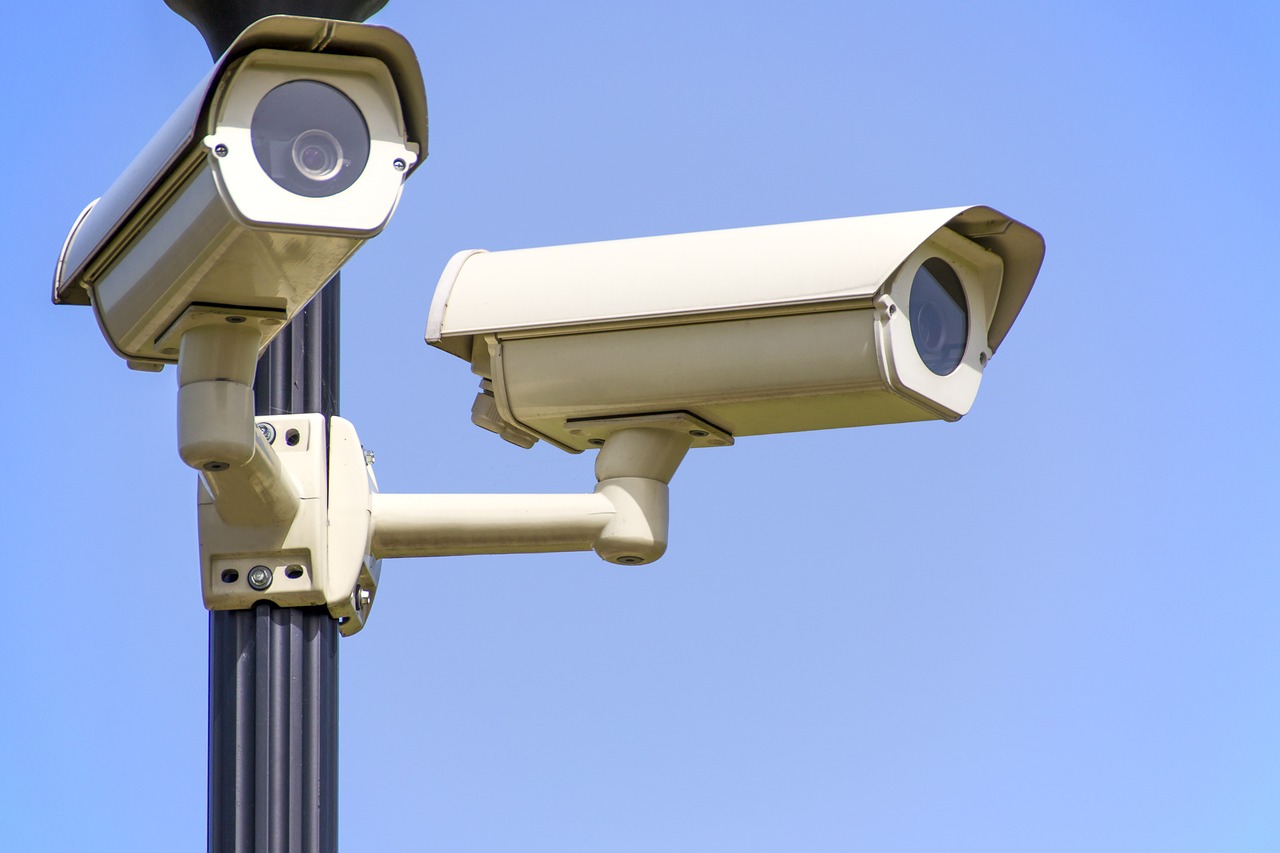
A growing wave of gun violence across Antigua and Barbuda has pushed the national government to evaluate a major expansion of the country’s public CCTV surveillance network, as policymakers and law enforcement race to curb brazen criminal activity that has shaken public confidence in security. Speaking to media over the weekend, Prime Minister Gaston Browne outlined the current state of the country’s surveillance infrastructure: roughly 200 monitoring cameras are already active in populated areas across the twin-island nation, but gaps in coverage have left communities vulnerable to attacks that criminals increasingly carry out in broad daylight. Browne pointed specifically to a recent daylight shooting near the capital’s bustling West Bus Station as a stark example of how emboldened criminal groups have become. In that incident, two young men were wounded in an attack that sent panicked commuters scrambling for safety; the case remains open and active as investigators work to identify and apprehend the perpetrators. That shooting is not an isolated event: it is the latest in a string of violent incidents that have sparked urgent public and official concern over rising gang activity, the proliferation of unregulated illegal firearms, and a worrying increase in violence involving young people as both perpetrators and victims. To address the escalating crisis, a high-stakes interagency meeting has been scheduled for Monday, bringing together top leaders from national law enforcement units, border control agencies, and the Ministry of Information and Communications Technology. Attendees will review a slate of additional crime-fighting strategies beyond surveillance expansion, ranging from tightened border security to community intervention programs targeting at-risk youth. While Browne acknowledged that expanding surveillance could act as a powerful deterrent to would-be criminals and provide critical evidence to help law enforcement identify and prosecute suspects, he emphasized that technological tools alone cannot reverse the trend of rising violence. The prime minister stressed that long-term success in curbing gun and gang violence depends on active cooperation from local residents, urging anyone with information about ongoing criminal activity or pending attacks to come forward and share details with investigators to help keep communities safe.
Government Plans More Surveillance Cameras as Gun Violence Raises Alarm