博客

  • Belize Launches Inclusive Education Coach Training

    Belize Launches Inclusive Education Coach Training

    Against a global backdrop of advancing equitable education for all learners, the Central American nation of Belize has introduced an ambitious nationwide program designed to embed inclusive education principles into its education system and bolster targeted support for students with special education needs and disabilities (SEND).

    The project is led by Belize’s Ministry of Education, Culture, Science and Technology (MoECST), with strategic partnership and funding support from two major international education bodies: the Inter-American Development Bank (IDB) and the Global Partnership for Education (GPE). Implemented under the umbrella of the IDB’s Skills for the Future Program, the initiative centers on upskilling educators through comprehensive training in inclusive teaching practices and the design of customized Individual Education Plans (IEPs) tailored to each student’s unique needs.

    The program’s foundational first phase kicked off with 55 participating teachers and Special Education Officers, who are working to earn professional certification as Special and Inclusive Education Coaches. This opening stage of training takes the form of a week-long intensive residential program, split between two of Belize’s leading education institutions: the University of Belize in the capital city of Belmopan, and the Technical and Vocational Education and Training (TVET) Institute in Belize City.

    After the conclusion of in-person instructional sessions, participating trainees will continue their professional development journey through a structured blend of online coursework and one-on-one mentorship. This extended learning phase is designed to reinforce core competencies and ensure coaches are prepared to provide ongoing, hands-on support to schools across the country.

    Once fully trained, the new cohort of coaches will establish a interconnected national support network. Their core mandate will be to guide frontline classroom teachers, share evidence-based best practices for inclusive instruction, and drive the transformation of learning spaces into accessible, welcoming environments that accommodate the needs of all learners regardless of ability.

    Over the full lifecycle of the initiative, program leaders aim to deliver inclusive education training to more than 500 teachers across Belize. This scaled-up training is expected to build a more robust, sustainable foundation for equitable learning opportunities that are accessible to every student in the country.

    Government education officials note that the new initiative underscores Belize’s long-standing commitment to upholding the principle of inclusive education, and aligns the country’s national education strategy with widely accepted international development goals that affirm universal access to education as a fundamental human right. With financial and technical backing from the IDB’s Skills for the Future Program and GPE grant funding, Belize is actively expanding its national capacity to ensure that students with all types of diverse learning needs receive the targeted support they require to thrive academically and socially.
  • Straughn urges investors to unlock Caribbean wealth, resilience

    Straughn urges investors to unlock Caribbean wealth, resilience

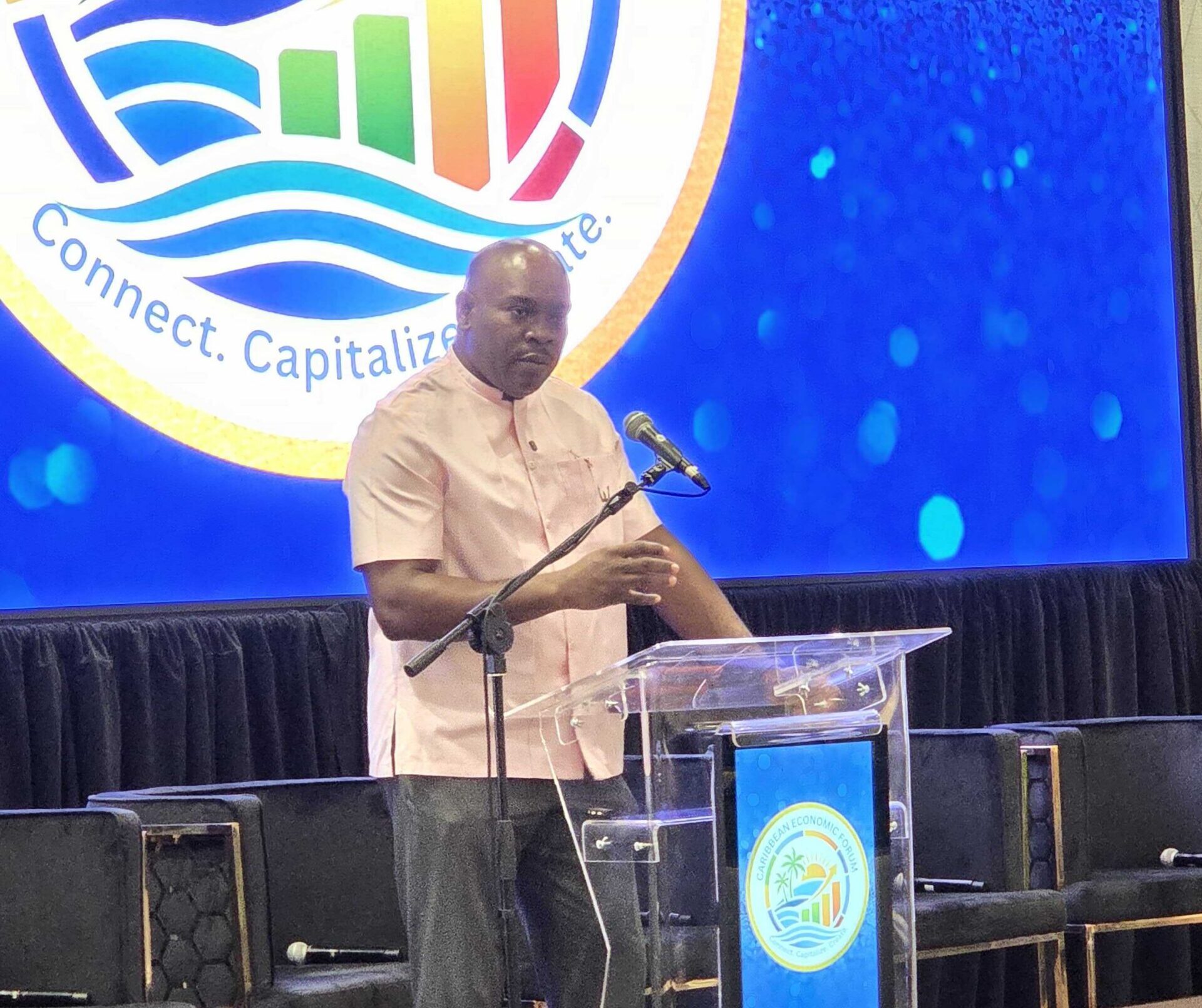
    Speaking at the opening session of the Caribbean Economic Forum on Thursday, Barbados Finance Minister Ryan Straughn issued a urgent call for stronger, unified collaboration to unlock regional domestic capital and draw high-value international investment, framing the push as a non-negotiable step to close the persistent gap in investment returns between the Caribbean and developed global markets and deliver shared, long-term prosperity for regional residents.

    Straughn outlined a stark, long-overlooked economic disparity shaping the region’s growth prospects: while Caribbean households maintain among the highest savings rates in the Americas, the investment returns generated from those savings regularly fall to less than half the levels that investors in North American and European markets routinely enjoy. To address this inequity, he argued that regional financial and governance institutions must overhaul their collaborative frameworks to more effectively aggregate and mobilize local savings, ensuring Caribbean citizens can access the same equitable financial rewards that investors in other advanced jurisdictions take for granted.

    “We have a duty to work alongside regional institutions to mobilize regional savings and direct them toward productive local investment, so that Caribbean people can earn returns equal or comparable to what their counterparts see elsewhere,” Straughn told attendees. “Given our region’s unique history of economic disenfranchisement, we would be failing every one of our citizens if we do not build this functional, inclusive mechanism for economic empowerment.”

    The finance minister emphasized that building broad economic resilience across the region cannot be separated from delivering direct, tangible benefits to ordinary working people. Creating a stable, transparent regulatory and policy ecosystem to attract reputable international financial partners, he explained, is not just a goal for policymakers—it is the foundation for unlocking untapped local talent and nurturing intergenerational prosperity.

    “Generating durable wealth that can be passed from one generation to the next is a core pillar of building long-term societal and economic resilience for all people,” he said. “Every policy decision we make must be deliberate and intentional, because the future of our citizens and the future of the entire Caribbean depends on us building that right ecosystem to attract the right partners to work alongside our communities.”

    Highlighting Barbados’s own progress in fiscal reform as a proof of concept for regional action, Straughn announced that the country has cut its national debt-to-GDP ratio dramatically in recent years, dropping from a peak of 178% to 93.3% by the end of March 2024. He noted that if not for widespread economic disruptions triggered by the COVID-19 pandemic, the ratio would have already fallen to 84%, a milestone that has created new fiscal space to develop safe, high-impact investment assets that blend private capital, multilateral development bank funding, and philanthropic resources.

    Turning to pressing regional challenges, Straughn zeroed in on the rapidly rising cost of climate-related reinsurance, a burden that he says is disproportionately siphoning much-needed capital out of the Caribbean. The region, which sits on the frontline of accelerating climate change impacts, has seen premiums surge in recent years as global insurance pools reallocate capacity to high-risk markets in places like Florida and California. Straughn urged global insurance industry leaders and private sector stakeholders to partner with the region to redirect a share of these annual premium payments into critical climate-resilient regional infrastructure, including renewable energy projects, water security systems, and upgraded transportation networks.

    “We feel climate change first-hand here on the frontline, but we also feel it directly on our national balance sheets, as insurance premiums climb higher year after year,” Straughn said. “Redirecting a portion of these premium flows into strategic investment will be critical to unlocking the capital we need to solve our most pressing challenges, from energy access to water security to transportation and beyond.”

    Innovation in sustainable industry remains a central pillar of Barbados’s national economic strategy, Straughn added, pointing to emerging projects across the country’s iconic rum sector and agricultural industry as proof of concept. He highlighted an innovative initiative led by Sargassum that converts invasive seaweed waste into low-carbon biofuel, a project designed to insulate the Barbadian and broader Caribbean economy from volatile global oil prices and disruptive geopolitical shocks that roil energy markets.

    Straughn closed by framing the Caribbean Economic Forum as a platform for tangible, deal-driven action rather than empty discussion, positioning the gathering as a key complement to the broader Bridgetown Initiative, which advocates for sweeping reform of the global international financial architecture to better support vulnerable developing nations.

    “This is not a talk shop,” Straughn said of the forum. “It is a space for us to stand together with a firm commitment to solving problems on behalf of the Caribbean people. Sharpen your pencils, and let’s get these deals done for the benefit of all our communities.”

  • Barbados positioning as regional gateway for global investment

    Barbados positioning as regional gateway for global investment

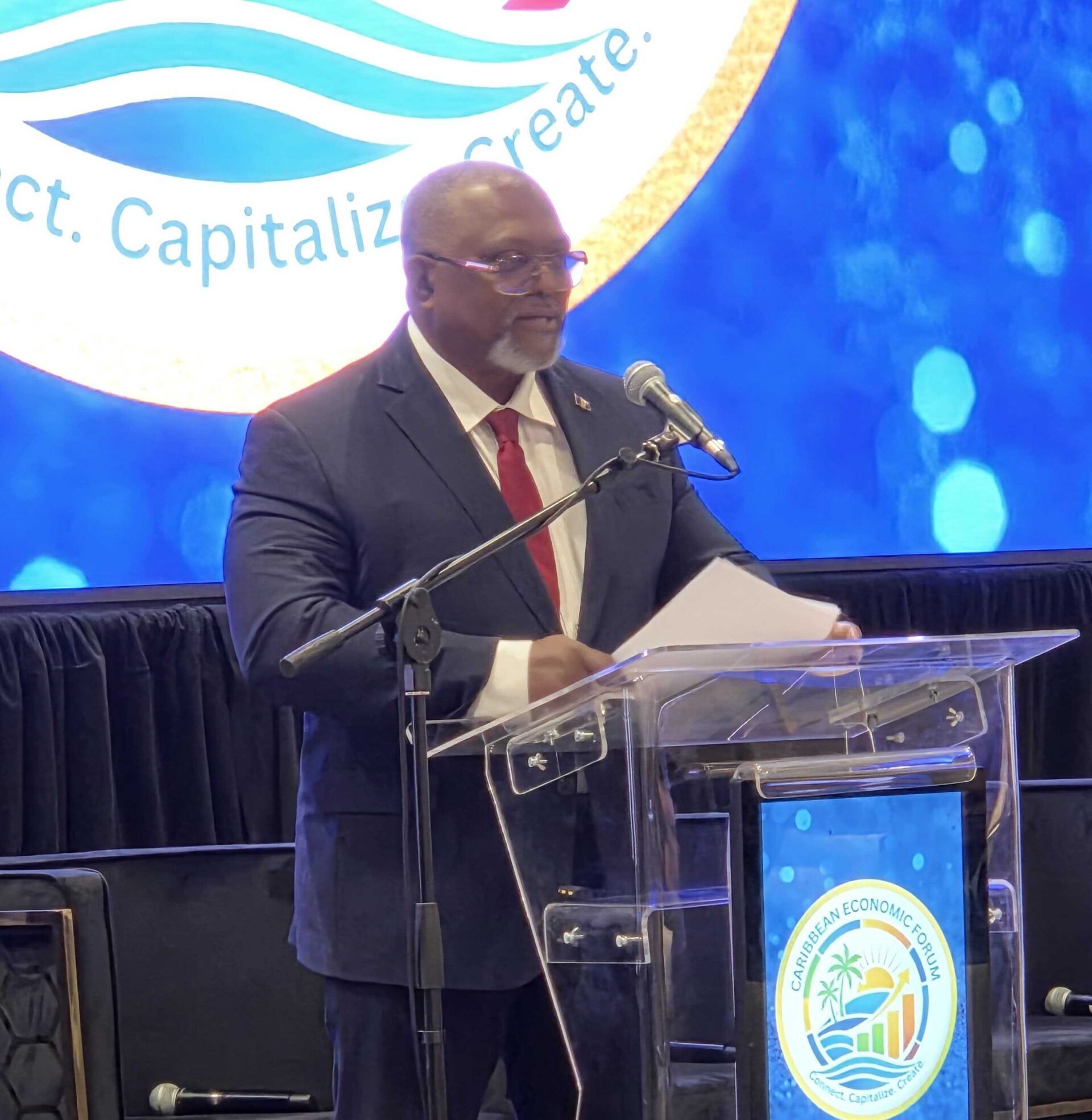
    Against a backdrop of growing global economic fragmentation and escalating geopolitical tensions, small island nation Barbados is executing an ambitious strategy to cement its status as the leading entry point for international capital seeking access to the broader Caribbean market. Speaking at the inaugural Caribbean Economic Forum, which brought together hundreds of international financiers, startup founders, and regional policy leaders to explore cross-sector transformation in renewable energy, digital infrastructure, and the blue economy, Public and Private Investment Minister Indar Weir laid out the government’s comprehensive plan to capitalize on the country’s longstanding reputation for stability. Weir emphasized that shifting global conditions have fundamentally rewired investor priorities: in an era defined by systemic uncertainty, businesses no longer chase just low costs — they prioritize jurisdictions that can deliver consistent, predictable operating environments. For decades, Barbados has built its foundations on exactly those attributes, he argued, making it uniquely positioned to meet the new demands of global capital. “When investors across the world are asking where they can find stability, security, and certainty in an uncertain landscape, Barbados has been answering that question for generations,” Weir told attendees. While international audiences often associate Barbados solely with its world-class leisure tourism sector, the minister pointed out that the country’s most valuable competitive asset is an intangible ecosystem of trust, strong institutions, consistent policy, rule of law, and accountable governance forged over 60 years of sovereign independence. This track record, he noted, gives multinational firms the confidence to anchor their regional headquarters on the island, using it as a stable base to expand across the Caribbean. Unlike many small economies that frame their limited geographic size as a disadvantage, the Barbadian government is repositioning its small footprint as a unique strategic advantage. Weir explained that the government’s ability to coordinate and roll out unified cross-ministerial policies allows the country to adapt to shifting global market trends far faster than much larger, more bureaucratic economies can manage. “Our size is not a limitation — it is a strategic asset,” Weir stressed. “As a small island developing state, we can implement a whole-of-government response to new challenges and opportunities far quicker than larger nations, all while upholding our commitment to supporting the international business and investment community.” As a concrete example of this adaptive agility, Weir pointed to the landmark Barbados Welcome Stamp Programme launched at the height of the COVID-19 pandemic. Recognizing the coming shift to global remote work before peer competitors, Barbados pioneered a purpose-built remote work visa that attracted thousands of global professionals to the island, keeping international business connectivity intact even when global travel ground to a halt. That early, proactive move cemented Barbados’ reputation as a forward-thinking, reliable base for global workers and businesses. The push to position the country as a regional investment hub comes as Barbados is already seeing a significant surge in commercial activity. The country was recently named the fastest-growing travel destination in the Americas and Caribbean for 2026, driving a sharp uptick in foreign direct investment across sectors. “Barbados is currently in one of the most intense periods of tourism investment in our entire history,” Weir shared. “In just the last 12 months, we have an unprecedented number of hotel developments under construction at the same time, representing well over $1 billion in total investment — and we’re ready to unlock even more capital from that momentum.” To support this growth and maintain the country’s competitive edge as a global gateway, the Mia Mottley administration has prioritized sweeping modernization of Barbados’ fiscal and regulatory infrastructure. Just one week before the forum, the government launched the Caribbean’s first standalone national payment system, a major reform that will speed up cross-border financial transactions and sharply reduce operational costs for both domestic and international businesses operating on the island. Understanding that international investors require streamlined, predictable regulatory processes to commit capital, the government also established the dedicated Ministry of Public and Private Investment earlier this year. The new ministry acts as a centralized one-stop facilitation body, working in lockstep with the national investment promotion agency Invest Barbados to cut through bureaucratic red tape and accelerate the approval and delivery of high-value regional projects. “The ministry was created with a clear mandate: strengthen investment facilitation, deepen productive public-private partnerships, and ensure investors have a seamless journey from initial inquiry to full project implementation,” Weir said. The new body is also designed to act as a bridge between global capital providers and project developers across the wider Caribbean, turning exploratory interest into tangible, job-creating infrastructure across the region. In closing remarks to forum delegates, Weir called on attendees to leverage Barbados’ unique strategic position to unlock inclusive, long-term growth across the Caribbean, urging collaborative investments that will deliver benefits for multiple generations. “This forum is about bringing stakeholders together to unlock new opportunities, build durable partnerships, and generate investment returns that lift communities across our region for decades to come,” Weir said. “But above all, this is about doing good business together. I welcome all of you to partner with Barbados, and let’s capitalize on every opportunity we have to grow together.”

  • Villagers: ‘We’re Facing An Ant Invasion!’

    Villagers: ‘We’re Facing An Ant Invasion!’

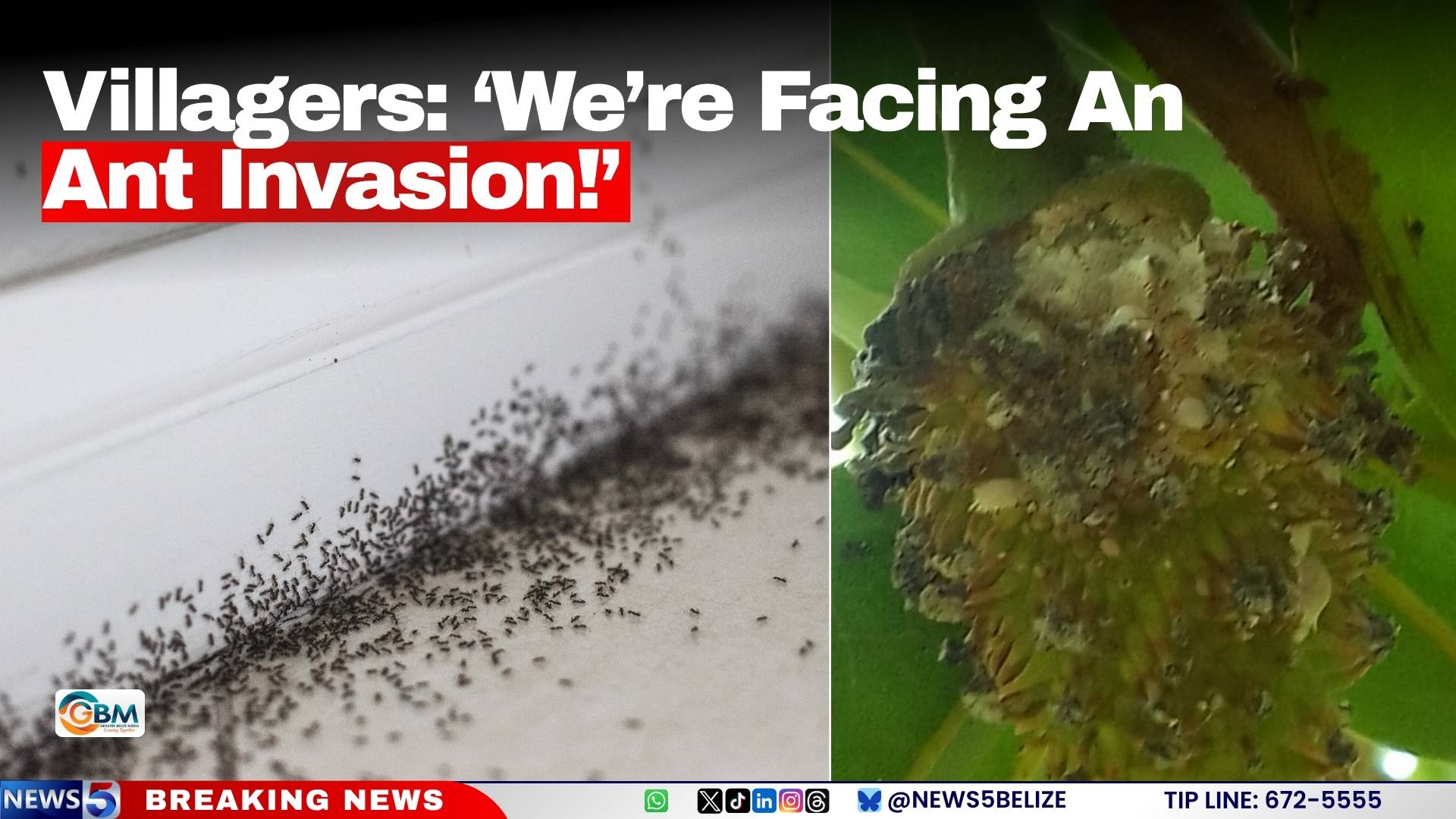
    Nestled in Belize, the quiet small community of Scotland Halfmoon Village has been upended by an escalating crisis that local officials have so far left unaddressed: a massive, spreading black ant infestation that took root in the aftermath of Hurricane Lisa, and has now overrun private properties, farmlands, and multiple residential homes.

    For years, this creeping ecological nuisance has grown steadily worse, turning daily life for dozens of local residents into a constant fight against the invasive insects. Norman Anthony, one of the hardest-hit villagers, shared his ordeal with local outlet News 5, describing how the ants have completely changed the way residents interact with their own land. “Right now if you walk in the yard, they will start crawling all over your feet,” Anthony explained. He also noted a striking shift in the local insect population: the black invaders appear to have displaced the native red ant population entirely, leaving the village dominated by this far more disruptive species.

    According to Anthony’s estimates, the infestation currently stretches across 40 to 50 acres of the village’s land, impacting roughly five to six households. Unlike many pest outbreaks that are concentrated in a handful of nests, these black ants are scattered across the entire affected area, making large-scale eradication efforts far more difficult for residents to carry out on their own. Lifting any object left resting on the ground, Anthony says, reveals hundreds of visible white ant eggs, confirming the population is still growing rapidly.

    The damage caused by the invasion extends far beyond mere nuisance. The ants have been attacking local fruit orchards, burrowing into tree roots and slowly killing valuable crops that many residents rely on for food and income. They also pose a direct threat to local livestock: newborn farm animals have been harmed as the ants crawl into their sensitive eyes and soft tissues. When rainy weather approaches, the colonies surge into residential homes in search of higher ground, forcing families to coexist with the insects inside their own living spaces.

    Local residents have not stood idly by. They have tested a wide range of commercial pesticides and homemade eradication strategies, but none have delivered long-term relief. While some treatments temporarily drive the ants away from small areas, the colonies always rebound and return within days, leaving residents trapped in a cycle of repeated, futile efforts to control the population.

    Community leaders and affected residents say they formally requested assistance from the Belize Agricultural Health Authority (BAHA) weeks ago, but as of yet no inspection team has been dispatched to the village to evaluate the scale of the crisis. For the villagers, their ask is modest: they do not demand immediate, large-scale relief, only that a representative from a relevant government agency visit the community to see the infestation firsthand, and work with residents to develop a viable solution to eliminate the ants and restore normal life to the village. “It’s really terrible,” Anthony said of the ongoing crisis, echoing the frustration of the entire affected community.

  • CARICOM Eminent Persons Group | Postponed Visit to Haiti

    CARICOM Eminent Persons Group | Postponed Visit to Haiti

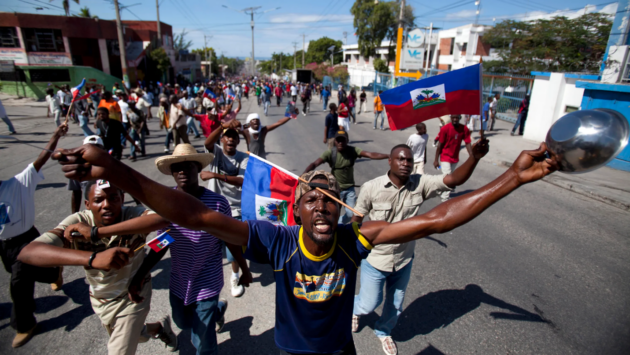
    As the political landscape in Haiti remains fluid and uncertain, the CARICOM Eminent Persons Group (EPG) is maintaining close, real-time monitoring of developments through continuous virtual dialogue with a broad cross-section of Haitian stakeholders. These conversations span across government leadership, opposition political blocs, and grassroots civil society organizations, giving the group a grounded, multi-faceted understanding of the crisis unfolding on the ground.

    Recognizing that digital engagements cannot replace the nuance and trust-building of face-to-face interactions, the EPG has made clear its intention to deploy an on-the-ground delegation to Haiti as soon as logistical and security conditions allow. Once in the country, the group plans to hold direct talks with all major stakeholders to facilitate dialogue and support Haitian-led efforts to resolve ongoing political divisions.

    To provide context, the Caribbean Community (CARICOM) – the regional bloc that convened the EPG – was founded in 1973 following the signing of the Treaty of Chaguaramas, with a major 2001 revision of the accord that paved the way for a single integrated market and economy across the Caribbean. Today, the bloc counts 15 full member states and six associate members, representing a combined population of roughly 16 million people, 60 percent of whom are under the age of 30.

    CARICOM structures its work around four core pillars: deepening economic integration across member states, coordinating collective foreign policy, advancing inclusive human and social development, and strengthening cross-border security cooperation. The bloc’s overarching mission is to build an integrated, inclusive, and resilient regional community powered by innovation, knowledge, and shared productivity. It aims to position the Caribbean as a unified competitive force on the global stage, where every resident has equal access to opportunity, guaranteed human rights, and social justice, and can share in the region’s collective economic, social, and cultural prosperity.

    Widely recognized as one of the most successful regional integration projects among developing nations, CARICOM carries out its day-to-day operations through its central administrative body, the CARICOM Secretariat, which is permanently based in Georgetown, Guyana.

  • Firms eye expanded CAF financing as government pushes export-led growth

    Firms eye expanded CAF financing as government pushes export-led growth

    Barbados is stepping into a pivotal economic transition, with government officials and regional development leaders partnering to position the private sector at the heart of a new export-focused growth strategy. CAF – Development Bank of Latin America and the Caribbean has announced it will expand its support for private sector expansion and public-private partnerships (PPPs), opening the door for Barbadian firms to access expanded financing options and break into untapped regional markets.

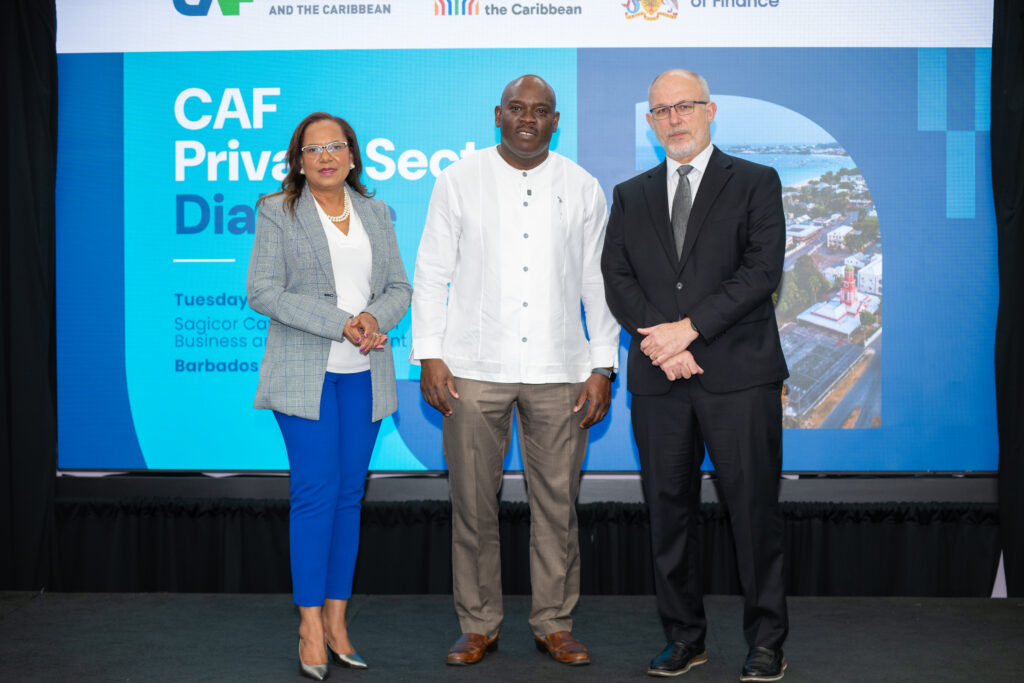
    The collaborative agenda was the centerpiece of a high-level private sector dialogue co-hosted by CAF and Barbados’ Ministry of Finance, which brought together C-suite business leaders, senior financial institution executives and top government officials. Attendees explored how innovative financing mechanisms can help local companies scale production capabilities, enter new cross-border markets and accelerate broad-based national economic growth.

    The talks come just weeks after Prime Minister Mia Mottley framed Barbados’ current moment as a “critical historical crossroads”, stressing that an urgent shift to an export-led economic model is non-negotiable for long-term prosperity. Mottley emphasized that for sustainable growth to be achieved, local businesses must look beyond the small domestic market and pursue international opportunities.

    Minister of Finance Ryan Straughn doubled down on this vision, making clear that the private sector will not play a supporting role in this transition – it will lead it. “Export-led growth is not a government project with the private sector as cheerleaders on the sideline. It requires investment, risk and the kind of bold commercial decision-making that only you in this room can make,” Straughn told attendees. He added that after eight years of fiscal consolidation that put Barbados on a stable financial footing, the next phase of national development hinges on the private sector driving the country to new economic strength. “What we are asking now is for the private sector to help make Barbados economically formidable,” he said.

    Straughn also outlined the multifaceted value CAF brings to the table beyond direct capital. The bank’s extensive regional network across Latin America and the Caribbean, he noted, can connect Barbadian enterprises to new export markets, attract cross-border investment and forge strategic partnerships that would otherwise be out of reach for many local firms. This regional connectivity, he added, is critical to helping Barbados earn more foreign exchange, compete more aggressively in global markets, and build homegrown businesses capable of generating wealth across the Caribbean region.

    Dr Stacy Richards-Kennedy, CAF’s regional manager for the Caribbean and country representative for Barbados, explained that the high-level dialogue was intentionally structured to tackle practical, actionable solutions to unlocking private sector potential. “If we are serious about economic growth, jobs, exports and resilience, then the private sector cannot be on the margins of development. It has to be at the centre,” she said. “The question before us is how do we work together to unlock more of its potential.”

    Richards-Kennedy highlighted that Barbados’ current economic landscape offers significant untapped opportunities across three high-impact sectors: infrastructure development, renewable energy deployment, and tourism-related investment. These segments, she noted, are primed to create new jobs and expand the country’s overall productive capacity. She also emphasized that PPPs are uniquely valuable for small island developing states like Barbados, as these collaborative models align public development priorities with private sector capital to accelerate project delivery in sectors critical to national growth.

    Antonio Silveira, CAF vice-president for private sector, detailed the full suite of financing tools the bank has available to support private companies and PPP projects across the country. These instruments include non-sovereign guaranteed loans, dedicated lines of credit, structured finance arrangements, risk mitigation guarantees, equity investments, and hands-on technical assistance to help businesses bring projects to completion.

    Silveira noted that CAF’s private sector-focused strategy aligns directly with the government of Barbados’ BERT 3.0 economic framework, which positions the private sector as the lead driver of national development. “We are keen to engage with Barbados on initiatives that can be developed in a sustainable way,” he said.

    CAF data shows its private sector division approved $10.3 billion in total operations across the region in 2025, accounting for 55% of the bank’s total project approvals for the year. The institution confirmed it is already ramping up support for small and medium-sized and large enterprises across the Caribbean, and is working closely with regional partners to develop additional tailored financing tools to help companies expand their export footprint and compete effectively in new markets.

  • Established math formula determines membership of parliamentary committees, as FGM’s Walton-Desir cries “hypocrisy”

    Established math formula determines membership of parliamentary committees, as FGM’s Walton-Desir cries “hypocrisy”

    On June 18, 2026, a heated political controversy over parliamentary committee representation has emerged in Guyana, centered on a decades-old mathematical seat allocation formula that has left the tiny Forward Guyana Movement (FGM) locked out of all legislative committees. The dispute comes after FGM leader Amanza Walton-Desir, the party’s sole elected representative in the 65-seat National Assembly, was formally deemed ineligible to claim a committee seat, prompting her to accuse the governing People’s Progressive Party/Civic (PPP/C) of blatant hypocrisy in applying parliamentary rules.

    Shortly after Walton-Desir raised public concerns about the process, National Assembly Clerk Sherlock Isaacs released the full text of the long-used formula to both the government and opposition chief whips, confirming the outcome that excludes FGM. Isaacs emphasized in an official statement that the proportional allocation method is not a new policy crafted for this situation, but a framework that has guided committee composition for decades. The system, he explained, allocates committee seats proportionally based on each political party’s total share of seats in the full National Assembly, a requirement explicitly backed by two sections of the National Assembly’s Standing Orders. Standing Order 94(1) mandates that every select committee be constituted to reflect the overall party balance of the full legislature as closely as possible, while Standing Order 94(2) grants the Committee of Selection authority to set the size of each committee unless the assembly votes otherwise. Isaacs also clarified that the committee selection process follows a separate set of rules from the election of the Speaker and Deputy Speaker, which are held via floor vote in a full sitting of the assembly regardless of party size.

    The released calculation results confirm that FGM, which holds just 1.54% of assembly seats, does not meet the threshold for a committee seat. But Walton-Desir, a lawyer and former Shadow Foreign Affairs Minister, has pushed back hard against the decision, arguing that the governing PPP/C and its Chief Whip Gail Teixeira are selectively applying the formula to shut out opposition voices. She frames the dispute not as a personal bid for a position, but as a matter of democratic accountability for the Guyanese people.

    In her critique, Walton-Desir points to two recent precedents that she says expose the inconsistency of the government’s approach. In 2020, Teixeira nominated Lennox Shuman for Deputy Speaker, despite Shuman’s Liberty and Justice Party only winning 2,657 votes in that year’s general election. The PPP/C used its parliamentary majority to push through Shuman’s election without any reference to a vote-count eligibility threshold. Similarly, in 2023, Teixeira nominated Dr. Asha Kissoon of The New Movement – a small party that won just 244 votes in the 2020 election – for the same Deputy Speaker position, and again the PPP/C majority secured her election without any debate over vote share eligibility. By contrast, Walton-Desir notes that FGM won 4,585 votes in the September 2025 general election, more than both of the previous small-party nominees, yet the same government and same chief whip are now invoking a formal formula to block her from a committee seat. “The hypocrisy is glaring,” she said.

    Walton-Desir added that she has already reached out to Foreign Relations Sectoral Committee Chair Primus, offering to lend her expertise to support the committee’s work and any other legislative panel that could benefit from her input. She also pushed back against what she described as the PPP/C’s attempts to consolidate control over the opposition through obstruction, misinformation spread via social media, and abuse of public communication channels. “The work continues, and it will continue in spite of PPP’s attempts to control the opposition,” she emphasized.

  • Minister Michael Joseph Receives Youth Consultation Findings to Inform Mental Health Reform

    Minister Michael Joseph Receives Youth Consultation Findings to Inform Mental Health Reform

    On June 15, 2026, Antigua and Barbuda’s senior health official took a landmark step toward youth-centered mental health reform, accepting finalized consultation findings that will guide the drafting of new national mental health legislation focused on children and adolescents.

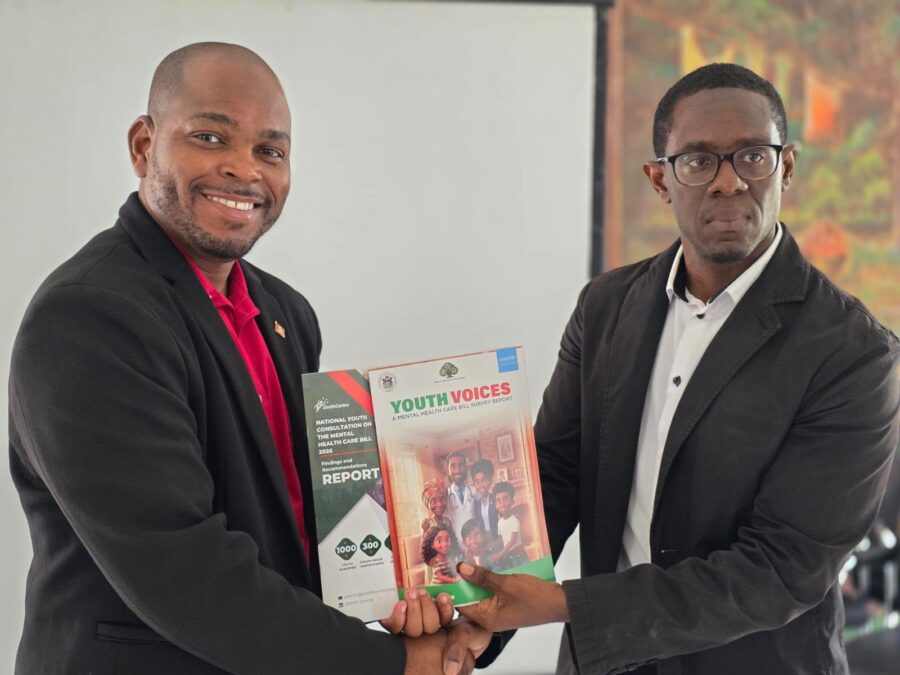
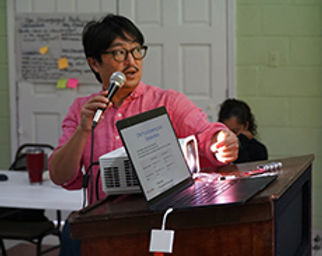
    Honourable Michael Joseph, Minister of Health, Wellness, Environment and Civil Service Affairs, formally received two complementary reports documenting outcomes from months of inclusive national engagement with young people across the country. The documents — *National Youth Consultation on the Mental Health Care Bill 2026: Findings and Recommendations Report* and *Youth Voices: A Mental Health Care Bill Survey Report* — were presented by Jameel Lee, a representative of the local Zenith Centre.

    The consultation initiative is the product of cross-sector and international collaboration, bringing together the Ministry of Health, Ministry of Education, Science and Technology, the Zenith Centre, the United Nations Children’s Fund (UNICEF), and the Pan American Health Organization (PAHO). It grew out of the Antigua and Barbuda government’s long-standing commitment to building a modern, rights-aligned mental health framework, with a deliberate focus on centering the perspectives of the population most affected by new youth-focused rules.

    To gather robust, representative input, organizers reached more than 1,300 young people across the nation: approximately 1,000 participants completed written surveys, while an additional 300 contributors joined 10 targeted focus group discussions. Participants were drawn from a diverse cross-section of youth, including students from primary and secondary schools, as well as learners at the Antigua and Barbuda College of Advanced Studies (ABCAS), ensuring input reflected a wide range of experiences and needs.

    The recommendations and insights outlined in the final reports are designed to advance four core goals: boosting public awareness of youth mental health challenges, expanding equitable access to critical care services, reducing harmful social stigma around mental illness, and ensuring the upcoming legislative framework directly addresses the unique priorities of children and adolescents.

    In his remarks after accepting the reports, Minister Joseph praised the meaningful contribution of Antigua and Barbuda’s young people to the policy process, emphasizing that inclusive, data-driven policymaking is the only path to effective reform. “The perspectives of our children and young people matter,” he said. “Meaningful reform requires that those who will live with the outcomes of our decisions have an opportunity to contribute to them.”

    Joseph added that the consultation findings will be integral to ensuring both the new Mental Health Care Bill and the broader national mental health system adapt to the actual needs and lived realities of young people across the twin-island nation.

    The minister also extended recognition to all partner organizations that supported the initiative, noting that durable, meaningful mental health reform depends on cross-sector cooperation and ongoing, open engagement with local communities. “This work would not have been possible without the shared commitment of every group that brought their expertise and resources to the table,” he noted.

    Moving forward, the government of Antigua and Barbuda reaffirmed its long-term commitment to strengthening national mental health services and advancing legislation that upholds human dignity, protects fundamental rights, and reflects the evolving needs and aspirations of all the people it serves.

  • interCaribbean Airways dedicates aircraft Spirit of Turks and Caicos Islands

    interCaribbean Airways dedicates aircraft Spirit of Turks and Caicos Islands

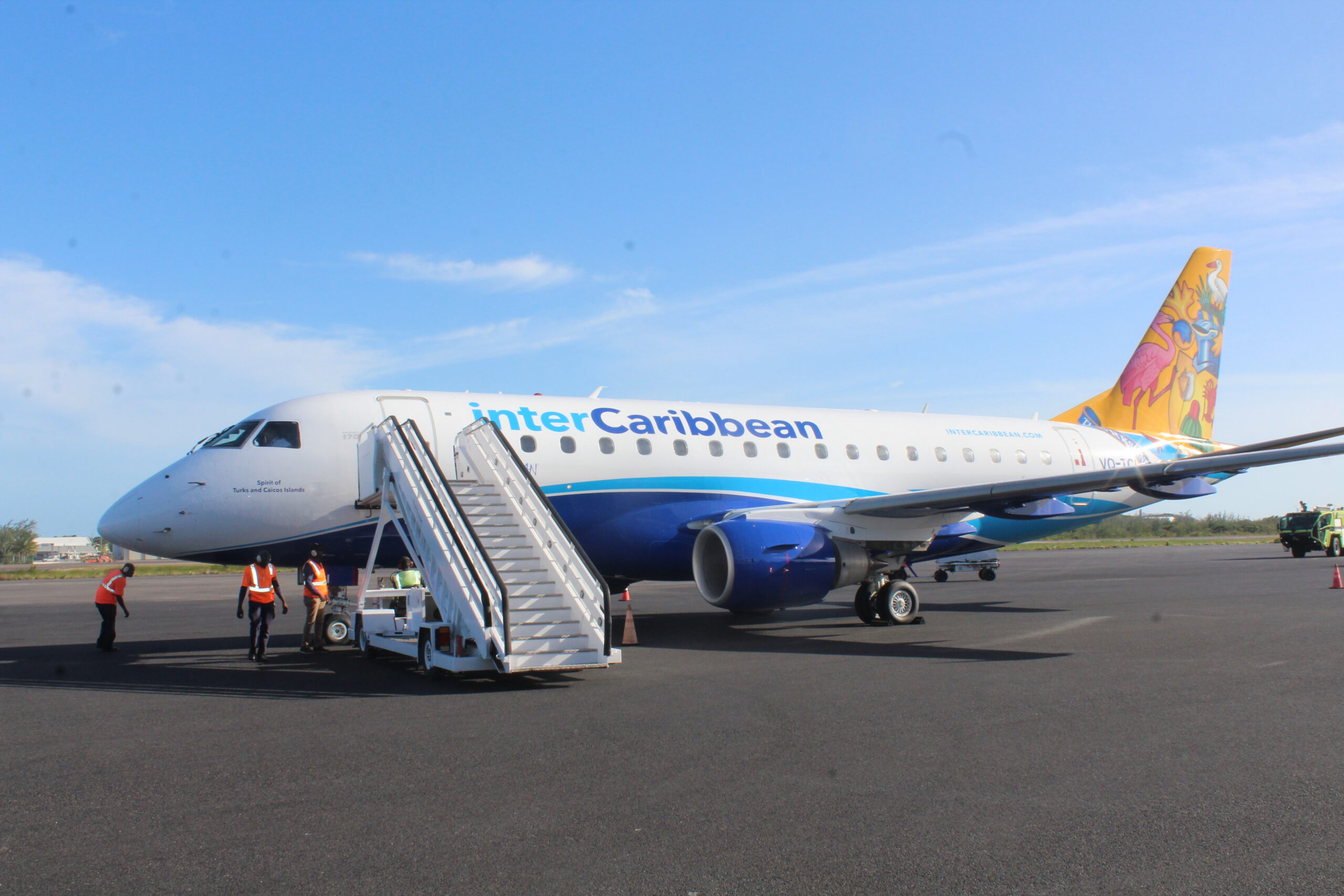
    In a landmark celebration of local heritage and corporate growth, interCaribbean Airways has debuted its uniquely customized Embraer E170 jet, registered as VQ-TCI, at the airline’s primary base in Providenciales, Turks and Caicos Islands. The aircraft bears the official name “Spirit of Turks and Caicos Islands” emblazoned across its nose, while the iconic coat of arms of the island nation adorns its tail, turning the commercial jet into a flying symbol of national identity for the carrier that calls the archipelago its founding home.

    The special dedication ceremony drew key senior leadership from both the public and private sectors. Attendees included Turks and Caicos Islands Premier Charles Washington Misick, the full cabinet of the local government, interCaribbean Chairman Lyndon Gardiner, and Chief Executive Officer Trevor Sadler. In a traditional warm welcome for new aircraft, the Turks and Caicos Airport Authority (TCIAA) greeted the jet with a ceremonial water cannon salute as it taxied into position in front of the gathered crowd of government officials, tourism industry leaders, and aviation stakeholders.

    For Chairman Gardiner, the rollout of the airline’s first ERJ170 marked a deeply meaningful milestone in the company’s ongoing fleet expansion. “We have named aircraft for individual destinations across our entire network for years, but this one carries the flag of the islands where interCaribbean was born and still calls home,” Gardiner explained during the ceremony. “Every time it takes off, it will carry the pride of these islands and our promise to connect the Turks and Caicos to the wider Caribbean through its culture, community and cuisine.”

    The event doubled as a tribute to interCaribbean’s decades-long roots in the Turks and Caicos, highlighting the airline’s central role in linking the archipelago to neighboring Caribbean markets and communities. The newly unveiled jet will operate across interCaribbean’s full route network, serving as a roaming ambassador for the Turks and Caicos Islands and its residents. This aircraft is the latest addition to the airline’s collection of custom “Spirit of” branded jets, which already honor other Caribbean nations including Grenada, St Kitts and Nevis, Guyana, and Barbados, each representing the airline’s deep ties to communities across the region.

    Founded and headquartered in the Turks and Caicos Islands, interCaribbean is a privately owned and operated regional carrier registered under the United Kingdom flag. Its modern mixed fleet includes Embraer E170 jets, 50-seat Embraer ERJ145 regional jets, 70-seat Bombardier CRJ700 aircraft, and a range of turboprop planes: 68-seat ATR72s, 48-seat ATR42s, 30-seat EMB120s, and 19-seat Twin Otters. Today, the airline’s network spans 28 cities across 17 Caribbean nations, reaching from Georgetown, Guyana in the south to Barbados in the east, Havana, Cuba in the west, and Nassau, Bahamas in the north. Travelers can find more information or book flights directly through the airline’s official website, interCaribbean.com.

  • World Cup’s New Hydration Breaks Spark Global Debate

    World Cup’s New Hydration Breaks Spark Global Debate

    As the 2026 FIFA World Cup unfolds across North America, it has already delivered no shortage of breathtaking goals, tense on-pitch drama, and iconic moments that have captured the attention of football fans worldwide. Yet far from the action of penalty shootouts and last-minute winning goals, one unexpected off-pitch issue has become the tournament’s most divisive talking point barely a week into the competition.

    The source of the heated debate is FIFA’s new mandatory hydration break policy, rolled out as a flagship player welfare initiative for this summer’s tournament. The rule requires play to stop for three minutes at the midpoint of each half of every match, giving players a scheduled window to replenish fluids and lower their core body temperatures amid the typically hot and humid summer conditions common across host cities in the United States, Canada, and Mexico.

    FIFA has defended the policy as a evidence-based measure to protect athlete health. The initiative has also received public backing from leading sports medicine and health experts, who have long warned of the risks of heat exhaustion and heat-related illness for elite footballers competing in high temperatures.

    But critics have quickly pushed back against the universal application of the rule, pointing out that the mandatory breaks are enforced for every fixture regardless of actual on-site weather conditions. Critics highlight recent matches played in far more moderate conditions, including a Toronto game where temperatures hovered around a comfortable 19 degrees Celsius. Even matches held in fully enclosed, climate-controlled stadiums are required to take the three-minute breaks, a quirk of the policy that has led many observers to question whether player welfare is the only driving force behind the new rule.

    A key point of contention is the structural impact of the breaks on match flow: the mid-half stoppages effectively split the traditional 45-minute halves into two distinct segments, turning the standard 90-minute match into four implicit quarters. This restructuring creates extra natural stoppages that television broadcasters can leverage for additional commercial advertising, and major network partners—particularly those in the large U.S. broadcast market—have already moved to capitalize on the extra airtime.

    This has fueled widespread speculation and concern that commercial revenue interests, rather than just athlete safety, have shaped the new policy. Despite the growing backlash from players, coaches, fans, and pundits alike, FIFA has given no public signal that it plans to review or adjust the rule for the remainder of the 2026 tournament.