博客

  • Antigua toughens legislation dealing with cybercrime

    Antigua toughens legislation dealing with cybercrime

    In a decisive move to modernize the country’s criminal investigation framework, the Parliament of Antigua and Barbuda has approved sweeping amendments to the nation’s electronic crimes legislation, introducing unprecedentedly harsh financial penalties and potential prison time for individuals and corporate entities that refuse to surrender requested digital data to law enforcement during active criminal probes.

    Attorney General Sir Steadroy Benjamin, the lead sponsor of the Electronic Crimes Amendment Bill, told lawmakers the updated regulatory framework was crafted to resolve a persistent, years-long barrier that has stymied investigators working on cases ranging from financial fraud to violent organized crime. For years, Benjamin explained, service providers have repeatedly stonewalled police requests for critical digital evidence—including cell phone location pings, social media posts, and user activity logs that are essential to tracing the mechanics of criminal activity and building prosecutable cases.

    “Police require this evidence to map out how crimes were committed, but providers have consistently refused to comply with these lawful requests,” Benjamin stated during parliamentary debate.

    The new legislation outlines a tiered system of penalties for non-compliance. For defendants facing summary conviction, any individual or entity that fails to comply with a court-issued production order within the mandated timeframe—without a verifiable reasonable excuse—will be subject to fines reaching as high as 100,000 Eastern Caribbean dollars, alongside potential prison time, or both. For more severe charges brought by indictment, penalties jump to a maximum fine of one million Eastern Caribbean dollars, up to seven years of imprisonment, or both.

    A key targeted provision addresses a common loophole that service providers have long used to delay investigations: passing the buck to overseas corporate headquarters. Benjamin noted that local managers of telecommunication firms and other digital service providers have frequently claimed they lack the authority to comply with information requests, insisting that formal approval must come from executives based outside the country. To close this gap, the amended legislation explicitly holds on-island managers and local executives legally responsible for complying with production orders. Any company operating within Antigua and Barbuda’s borders is now legally required to cooperate with lawful information requests, rather than shifting responsibility to foreign leadership to stall investigative progress.

    The debate around the bill featured a personal testimony from Education Minister Daryll Matthew, who shared that he had recently fallen victim to a sophisticated financial scam, highlighting the urgent need for stronger digital investigation powers. “I was a target of financial crime,” Matthew confirmed, noting that his bank is currently working to resolve the incident.

    Cross-party support for the legislation was widespread, with opposition lawmakers backing the government’s effort to streamline criminal investigations. One opposition legislator praised the initiative, noting that the government’s move to update regulatory powers to enable faster access to digital evidence was a commendable step forward for public safety.

    Government officials emphasized that the amendments are just one component of a broader, long-term strategy to boost Antigua and Barbuda’s capacity to combat evolving criminal threats. As transnational cybercrime, financial fraud, and other modern offenses increasingly depend on digital communications and electronic record-keeping, updating legal frameworks to allow for timely evidence gathering has become a critical priority for national security.
  • New BHTA chair urges private sector to move from ‘sidelines to table’

    New BHTA chair urges private sector to move from ‘sidelines to table’

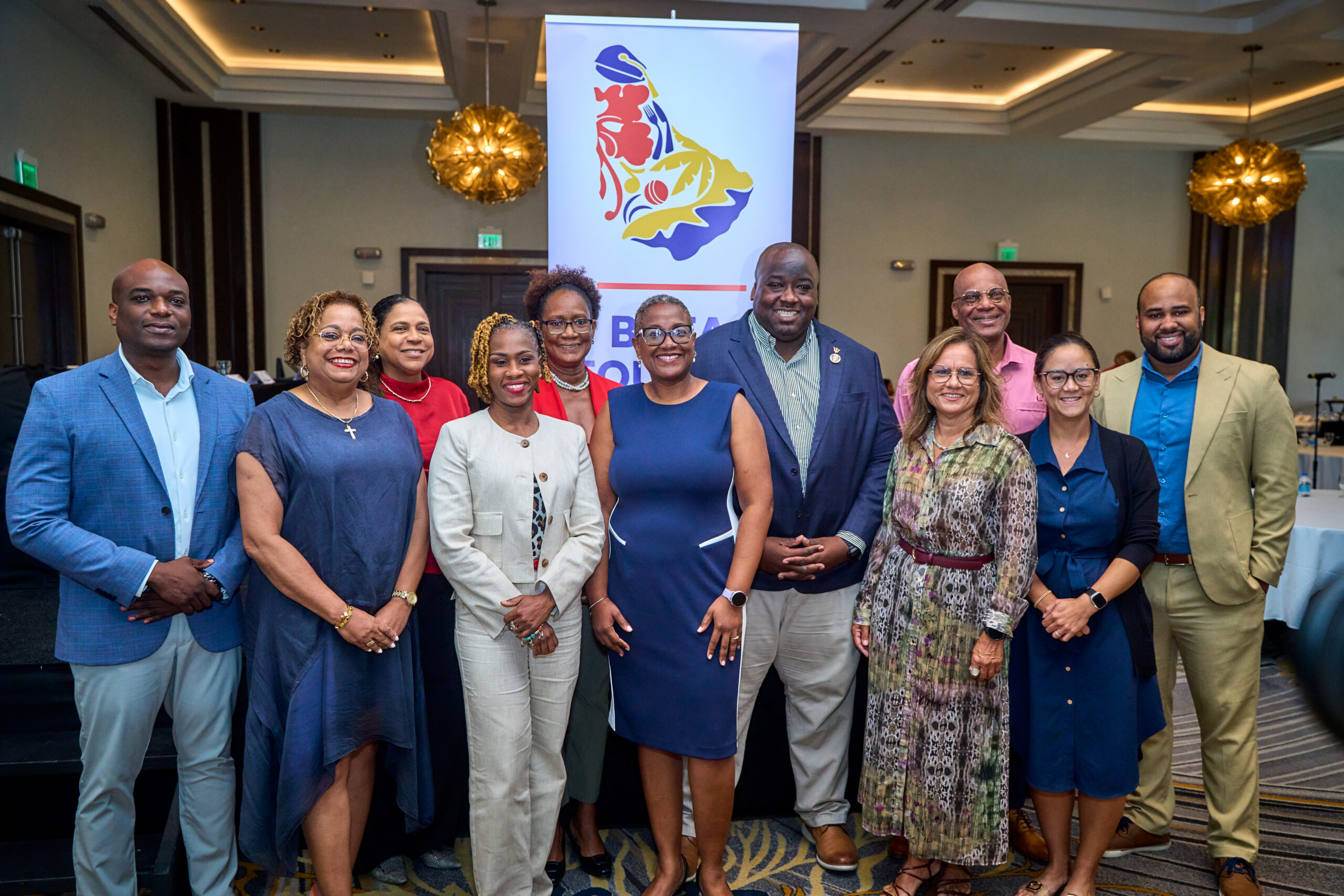
    Barbados’ tourism industry is currently hitting historic highs, but deep-seated disengagement among private sector stakeholders puts its long-term prosperity at severe risk, according to newly elected Barbados Hotel and Tourism Association (BHTA) Chair Kelly-Ann Payne. In her first address after winning the leadership post at the association’s annual general meeting, the veteran hospitality executive did not hold back in sounding the alarm over a growing culture of apathy that is eroding the industry’s institutional foundation.

  • Judicial data gaps undermine court efficiency, chief justice warns

    Judicial data gaps undermine court efficiency, chief justice warns

    As a regional workshop focused on standardizing case management procedures for Caribbean judicial bodies got underway this week, Chief Justice Leslie Haynes has delivered a stark warning: the absence of reliable, systematically collected judicial data is actively undermining regional efforts to cut through crippling case backlogs and boost overall court performance across the Caribbean. He is calling for immediate action to build formal, structured frameworks for gathering and analyzing court data to evidence-based justice reform.

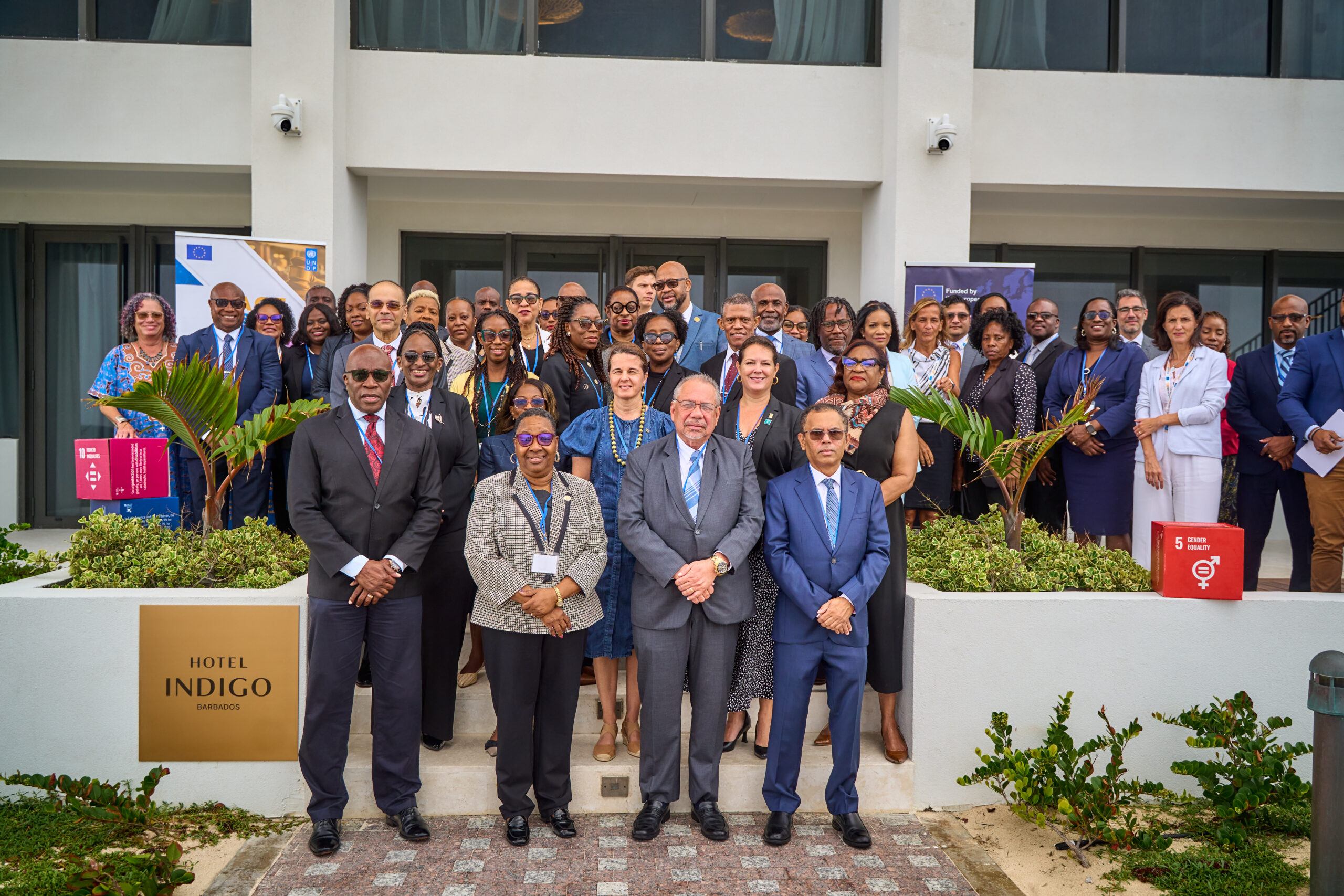
    Opening the two-day workshop on judicial case management standard operating procedures (SOPs) at Hotel Indigo on Thursday, Haynes emphasized that meaningful, lasting change to the region’s justice systems will remain out of reach without consistent, credible information to guide policy and operational decision-making. Currently, the region lacks any standardized, institutionalized framework for judicial data collection, he explained. Instead, data gathering tasks are most often delegated informally to overstretched legal assistants, judicial support staff and court clerks, with no clear, unified protocols in place to standardize collection or storage.

    Even in jurisdictions where some data is collected, Haynes noted, continuity of records is frequently broken when staff transition to new roles or leave their positions, leaving gaps that erase institutional knowledge. Without a formal data collection framework, Haynes argued, judicial leaders are forced to make critical reform decisions based on anecdotal observation rather than hard evidence. “There is a necessity for us to create a framework for the collection of this data because if we do not, we will be unable to make the necessary decisions that we ought to make, and our decisions will be based on anecdotal evidence,” Haynes told attendees.

    Haynes was careful to reframe judicial data not as a tool for disciplinary blame, but as a diagnostic instrument to pinpoint and resolve systemic inefficiencies across court operations. “We need data to understand where the bottlenecks exist, and having gathered the data, to resolve the issue,” he said. Beyond data infrastructure, the chief justice also pushed back on the common assumption that technology alone can solve the judiciary’s most pressing challenges. Organizational culture and institutional accountability, he argued, are equally critical to sustainable reform. He put it bluntly: “Culture eats technology for breakfast.” Meaningful change, he explained, requires a fundamental shift in institutional mindset that cannot be achieved through digital upgrades alone. Successful reform, he added, demands greater operational discipline, consistent accountability, respect for procedural timelines, a shared commitment to efficiency, and a widespread willingness to adapt to new processes across the judiciary.

    Haynes stressed that the regional workshop could not be more timely, noting that criminal justice systems across every Caribbean territory are facing growing, unsustainable pressures. The region can no longer be reduced to the outdated, romanticized image of a laid-back tropical paradise, he argued: shifting social and economic realities have brought new, complex security and public safety challenges that demand a modernized justice response. “The Caribbean region can no longer be described as an easy-going paradise where we drink coconut water in various mixtures,” he said. “That crime is now an everyday reality for us is reflected in the songs that we sing, the movies that we watch, the news reports that we listen to, and the day-to-day stories shared by our friends and neighbours.”

    Rising crime rates have driven a sharp increase in court caseloads, placing unprecedented demand on a justice sector already constrained by limited resources. Combined with evolving complex social issues and rising public expectations for faster, fairer justice, these pressures have made systemic reform an urgent priority, Haynes said. He highlighted that collaborative discussions across the two-day workshop will play a pivotal role in strengthening three core pillars of the regional criminal justice system: credibility, efficiency, and fairness. Improvements to these areas, he added, will in turn rebuild and strengthen public trust and confidence in how justice is administered across the Caribbean.

  • LETTER: Mental Health Stigma in the Workplace & the Society

    LETTER: Mental Health Stigma in the Workplace & the Society

    Across workplaces and broader communities, a quiet crisis of unfair treatment toward people living with mental health challenges is gaining long-overdue attention. Multiple informal reports and on-the-ground observations have documented repeated cases of bias and mistreatment targeting individuals who manage mental health conditions or navigate acute mental health crises, often at the hands of their own colleagues.

    Mental health struggles do not discriminate by profession, income bracket, background, or age – they touch every corner of society. Most people can name at least one person, whether a close connection or a distant acquaintance, who is quietly grappling with these challenges away from public view. A wide spectrum of triggers can spark mental health distress, from unmanageable workplace burnout and the grief of personal loss to crippling financial strain and other unexpected life upheavals, many of which remain hidden from outside observers.

    The treatment that many of these individuals face in professional settings is both deeply unjust and alarming. Being met with mockery, harmful gossip, and implicit or explicit bias simply for experiencing a mental health episode does more than erode a person’s sense of dignity at work. It also creates a crippling barrier that stops people from reaching out for the life-saving support and care they need, trapping them in cycles of silence and distress.

    To reverse this harmful trend, workplaces and community institutions must center empathy, intentional understanding, and radical inclusivity as core values. Mental health status must never be used as a justification for discrimination or social exclusion. Instead, all spaces should be cultivated to be safe, supportive environments where every person feels respected, regardless of the mental health challenges they navigate.

    Currently, preliminary discussions are already underway around the development of a dedicated national mental health bill. There is widespread, cautious curiosity about how the proposed legislation will be structured, and whether it will deliver tangible progress on three critical fronts: reducing the persistent social stigma attached to mental illness, strengthening legal protections for the rights of people living with mental health challenges, and expanding access to affordable, accessible support services for all those who need them.

    As a collective society, the time has come to move beyond performative, selective compassion. We have a shared responsibility to extend consistent, unwavering empathy to all members of our communities, especially the most vulnerable among us who are navigating the isolation of mental health distress.

  • SEA opens all-male youth workshop amid concern over crime among boys

    SEA opens all-male youth workshop amid concern over crime among boys

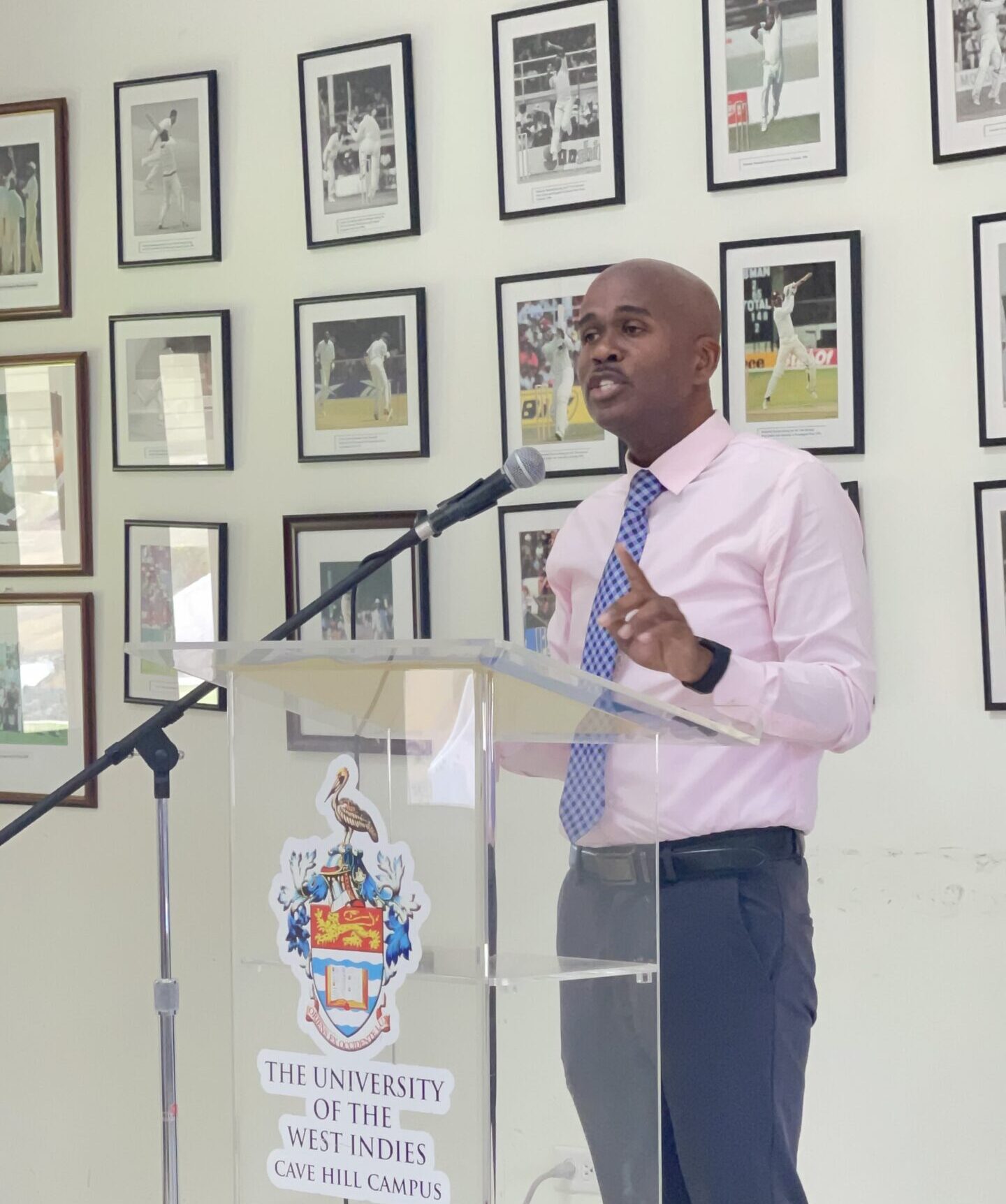
    Against a backdrop of growing concern over rising youth violence, increasing encounters with the justice system, and shifting social pressures reshaping adolescence for Barbadian boys, the Social Empowerment Agency (SEA) launched a targeted all-male workshop for 12 to 16-year-olds Thursday at the 3Ws Pavilion on the Cave Hill campus of the University of the West Indies.

    Titled *The Blueprint: Designing the Man You Want to Be*, the initiative brought together cross-sector experts ranging from local law enforcement and drug counselling specialists to healthcare providers, legal representatives, probation officers and educators. The collective goal is to arm at-risk young males with practical tools to navigate an increasingly complex and risky social landscape that looks far different than it did just a generation ago.

    SEA Deputy Chairman Carl Applewhaite explained that the workshop was intentionally designed to create a judgment-free, safe space where young men can feel seen, supported, and heard, aligned with the agency’s community-centered mission. Drawing a connection to local Barbadian culture, he noted that the agency’s acronym SEA sounds identical to the Bajan phrase “we see you” — a core promise from the prime minister that the social service body would remain rooted in local identity and priorities.

    Applewhaite emphasized that the challenges facing young Barbadians have shifted dramatically in recent years, requiring a new approach to intervention. “We are fighting a different fight in 2026 than we did years ago,” he said, pointing to escalating peer pressure, worsening mental health crises, a widespread scourge of violence, and a host of overlapping stressors that disproportionately harm young male adolescents. The workshop forms part of a broader systemic effort to address the root causes of youth delinquency, rather than just responding to its outcomes, with a key objective of dismantling automatic, survival-driven responses that often lead to violent behavior and criminal justice involvement.

    Roseann Richards, Director of SEA’s Social Care Delivery and Support Directorate, added that the workshop marked the conclusion of the agency’s five-part stakeholder workshop series, developed specifically in response to alarming local trends involving adolescent boys. She noted the timing of the event is particularly critical, as Barbados has recorded a steady increase in the number of boys under 18 coming into conflict with the law.

    Drawing on decades of experience working with local children and families, Richards voiced deep concern over growing disconnection among many young boys, noting a troubling pattern of disengagement from family, community social structures, formal education, and positive extracurricular activities such as sports and community groups. She also highlighted rising rates of harmful behavior among underage males, including underage smoking and drinking, and peer bullying. Richards urged participants to reject rigid, harmful stereotypes of masculinity that force young men to suppress their emotions, encouraging them to open up to trusted adults about feelings of happiness, sadness, and frustration rather than bottling up their experiences. She stressed that consistent access to positive role models and strong mentors is critical to guiding boys through a healthy transition to adulthood.

    Jakeem Sealy, a social worker in SEA’s Child Care Unit, reiterated that the initiative was tailored specifically to the unique, on-the-ground realities facing young male Barbadians. “We recognise and understand that in Barbados, as we are all aware, the crime rate among boys 18 and under is extremely high,” he explained. One core session of the workshop explores the well-documented link between childhood trauma and adverse behavioral outcomes later in life, helping young people connect their past experiences to their current actions. A central takeaway for participants is the message that emotional vulnerability is not a weakness for men: it is okay to cry, feel pain, express sorrow, and seek support, with dedicated safe spaces available in schools and communities for young men to share their experiences without judgment.

    Roger Husbands, founder and chairman of local support organization Drug Education Counselling Services (DECS), focused his contribution on teaching participants how to identify and resist unhealthy social influences. He explained that while some peer pressure can be positive, much of what pushes young men toward harmful behavior goes unrecognized, and the workshop helps boys clearly distinguish between positive and negative pathways. Husbands encouraged participants to trust their own judgment and take ownership of their paths, noting “You don’t have to follow the path, you can be your own lone wolf.”

    Presenter Paul “Ras Simba Akoma” Rock led a session focused on redefining masculinity and teaching practical emotional self-control. He challenged the common cultural narrative that frames violence as a core trait of manhood, explaining that true strength means having the capacity for violence but intentionally choosing non-violent responses. Rock emphasized the importance of teaching young men to recognize their personal emotional triggers, understand when their emotions are out of balance, and develop practical strategies to regulate their responses — a critical skill in a cultural environment that often normalizes and glorifies chaotic violence. “If we want to prepare boys to be men, we have to let them understand their own capacities to be violent and to control it in the midst of an environment that sort of encourages chaotic violence and representations of that violence,” he said.

    Unlike traditional intervention programs that rely on one-sided lectures, the workshop is structured around a collaborative “shoulder-to-shoulder” engagement model that encourages open discussion and participation. Core topics covered include the link between child maltreatment and brain development, digital safety, navigating peer pressure, rethinking harmful norms of masculinity, and improving mental health outcomes. Per SEA’s program outline, overarching goals include helping participants identify their personal emotional triggers, dismantle harmful stereotypes about manhood, resist negative peer and online influences, understand the long-term consequences of their choices, and build healthy habits for digital engagement. Ultimately, officials say the program seeks to empower adolescent boys to move beyond being passive followers of destructive social norms and grow into proactive, engaged young men who contribute positively to their families and communities across Barbados.

  • UNI Global Union Demands Urgent Talks as US$1.8 Billion CIBC-Butterfield Merger Raises Worker Concerns

    UNI Global Union Demands Urgent Talks as US$1.8 Billion CIBC-Butterfield Merger Raises Worker Concerns

    A proposed $1.8 billion merger between the Canadian Imperial Bank of Commerce (CIBC) and Butterfield Bank has sparked urgent calls from UNI Global Union, the global federation representing service sector workers, for immediate stakeholder talks over mounting concerns about job security and working conditions for frontline employees.

    The merger, which would combine CIBC’s Caribbean banking operations with Butterfield’s existing regional footprint, has been framed by company leadership as a strategic move to strengthen market competitiveness, expand service offerings, and drive long-term growth in the Caribbean financial sector. But labor advocates have warned that industry consolidation of this scale almost always brings sweeping restructuring that puts hundreds of roles at risk, while potentially eroding existing collective bargaining agreements and worker benefits.

    UNI Global Union, which represents more than 15 million workers across 150 countries, has emphasized that it is not opposing the merger outright. Instead, the organization is pushing for binding, good-faith talks between union leadership, CIBC, Butterfield, and relevant regulatory bodies to address worker concerns before any deal is finalized. The federation is calling for clear guarantees that existing jobs will be protected, that collective bargaining rights will be preserved for all staff across the combined entity, and that any future restructuring processes will be carried out with full transparency and input from labor representatives.

    Regional labor groups have echoed these demands, noting that the Caribbean banking sector has already faced a wave of consolidation in recent years that has led to widespread layoffs and reduced access to local banking services in smaller communities. UNI Global Union says that without proactive negotiation, the merger risks repeating these harms, leaving frontline workers bearing the brunt of corporate restructuring while executive leadership and shareholders capture the financial benefits of the deal.

    Regulators in Canada and the Caribbean are currently reviewing the proposed merger to assess its compliance with local financial regulations and competition rules. UNI Global Union is also calling on regulators to require labor impact assessments as part of their approval process, arguing that protecting worker livelihoods should be a core consideration when evaluating whether large corporate mergers are in the public interest.

  • Moroccan footballer Hakimi to be tried in France for rape, appeals court says

    Moroccan footballer Hakimi to be tried in France for rape, appeals court says

    In a development that has rocked the global football community, a French court formally confirmed on Friday that Paris Saint-Germain and Morocco national team captain Achraf Hakimi will face trial on rape charges. The 27-year-old star player, who was preparing for Morocco’s second World Cup qualifying match against Scotland on the same day the ruling was handed down, has repeatedly rejected the accusations against him and says he is ready to clear his name in court. Hakimi took to social media platform X following the court’s announcement to restate his denial, noting that the upcoming proceeding will finally give him the opportunity to present his side of the story directly.

    The case dates back to February 2023, when a 24-year-old woman filed a formal complaint with police in Val-De-Marne, a department southeast of Paris. According to initial police reports, the accuser—who has chosen to speak publicly for the first time under the pseudonym “Jeanne” in a recent article published by Mediapart—says she met Hakimi on Instagram one month before filing the report. She claims she traveled to the footballer’s home via a taxi he ordered, where he allegedly assaulted her sexually without her consent. The accuser says she eventually escaped Hakimi’s residence after pushing him away and alerting a friend via text message, who then picked her up from the location.

    To date, court officials have not set an official start date for the trial, which will be held at the criminal court in France’s Hauts-de-Seine department. Fanny Colin, Hakimi’s defense attorney, emphasized that Friday’s ruling only confirms the case will proceed to trial, and does not indicate any finding of guilt. “This confirmation was expected. Nothing here says that he is guilty of anything, he remains steadfast in his defence,” Colin told reporters.

    For the accuser and her legal team, however, the court’s decision marks a significant milestone in the case. Rachel-Flore Pardo, the plaintiff’s lawyer, stated that the ruling has brought her client “relief and hope.” Speaking to Mediapart in her first public comments on the case this Thursday, the accuser explained why she chose to move forward with the legal process. “I wanted a trial to defend myself, to be heard,” she said, adding, “I want to explain myself. I want people to believe me.”

    As one of the highest-profile active footballers in Europe, Hakimi’s case has drawn intense international media scrutiny, with attention focused on how the legal process will unfold amid his ongoing club and international career.

  • This Day in History: 19 June 1796

    This Day in History: 19 June 1796

    On the 19th of June 1796, a pivotal chapter in Grenada’s colonial history drew to a violent close when British military forces overran the last mountain strongholds of anti-colonial insurgents, bringing an end to the uprising remembered today as Fedon’s Rebellion.

    The conflict had ignited more than a year earlier, on the night of March 3, 1795, when coordinated insurgent attacks targeted the towns of Gouyave in St. John Parish and Grenville in St. Andrew Parish. Led by Julien Fédon, a mixed-race planter, the rebellion drew widespread support from the island’s French-speaking population—including white settlers, free people of color, and enslaved people who rallied to cast off British colonial control. Tensions boiled over a month after the initial uprising, when British forces launched an assault on the insurgents’ camps on April 8, 1795. In response, the rebels carried out a long-stated threat: they executed more than 40 British captives, among them Ninian Home, the island’s sitting lieutenant governor.

    Over the ensuing months, the guerrilla conflict dragged on. By the start of 1796, insurgent forces controlled the vast majority of Grenada’s territory. Yet a key strategic objective remained out of their reach: the capital town of St. George’s and its immediate surrounding areas, which British authorities held firmly throughout the rebellion.

    The tide of the war shifted in March 1796, when British reinforcements arrived to reinforce colonial positions. Fresh troops seized two critical high ground positions, Post Royal and Pilot Hill in eastern Grenada. This victory severed the insurgency’s main supply lines for weapons and food from external sympathizers. British forces continued to advance across the island, scoring consecutive military wins. On June 10, 1796, Captain Jossey, the representative of French-aligned insurgent forces in Grenada, signed formal articles of capitulation with British Major-General Oliver Nicolls, ceding control of Gouyave and all insurgent-held territories on Grenada’s west coast to the crown. Notably, British commanders categorically refused to accept the surrender of Fédon and his core contingent of Grenadian free colored insurgents. Left with no route to negotiation, the remaining rebel fighters retreated to their fortified mountain outpost at Fédon’s Camp to prepare for a final British assault.

    That final attack came on June 19, 1796, and ended in a complete defeat for the insurgency. While large-scale open fighting concluded with the fall of the mountain stronghold, British forces spent weeks rooting out scattered insurgents who remained hiding in the island’s interior woodlands.

    In total, crushing the rebellion cost British forces 15 months of campaigning, deployment of 16 regular military units plus hired auxiliary troops, and hundreds of lives lost to both combat and yellow fever. In the aftermath of the victory, British authorities enacted harsh retribution: more than 50 captured rebels were tried and convicted of high treason. In three separate public executions held during July 1796, 35 so-called “noted brigands” were hanged from a large gibbet erected in St. George’s central market square. Contemporary accounts record that as a final act of intimidation, the executed rebels’ heads were severed from their bodies and displayed publicly to deter future uprisings. All insurgents who were not imprisoned or executed, alongside their family members, were deported from the island.

    To this day, Fedon’s Rebellion stands as one of the most significant anti-colonial slave uprisings in Caribbean history, ranked second only to the successful Haitian Revolution in its scale and impact on colonial rule.

  • Brazil : The time for a triumph has arrived ! Grenadye, alaso !

    Brazil : The time for a triumph has arrived ! Grenadye, alaso !

    On the eve of a highly anticipated 2026 World Cup showdown between Haiti’s national men’s football team, the Grenadiers, and global powerhouse Brazil, Haitian Prime Minister Alix Didier Fils-Aimé has issued a stirring appeal for unity across the entire Haitian community—both at home and in the global diaspora. The high-stakes match is scheduled to kick off at 8:30 p.m. local time on June 19, 2026, at Philadelphia’s Lincoln Financial Field, widely known as Philadelphia Stadium.\n\nIn a formal address released the same day, Fils-Aimé framed the fixture as far more than a simple sporting contest, positioning it as a moment to showcase the enduring strength and resilience that define the Haitian people. For a nation that has repeatedly navigated severe economic, political and social adversity, the Prime Minister argued that the match represents a symbolic new beginning: an opportunity to reaffirm collective faith in Haiti’s future and the ability of its people to overcome hardship. This spirit, he noted, is rooted in Haiti’s unique legacy of revolutionary leadership, collective sacrifice, and global solidarity that has shaped the nation’s identity for centuries.\n\nFils-Aimé also acknowledged the team’s hard-fought previous match against Scotland, where missed opportunities kept the side from securing a result that could have shifted their tournament trajectory. Even in the wake of that disappointment, however, he praised the Grenadiers for retaining their steely focus and unbroken morale. The players’ commitment to competing for Haiti’s national flag, he emphasized, has only grown stronger in the days following that match.\n\nThe Prime Minister extended his call to all Haitians, regardless of where they reside across the country’s 10 departments or across the globe, to rally around the team, sending positive energy and unwavering support to the side as they chase what would be one of the biggest upsets in modern men’s football history. For fans lucky enough to have seats inside the Philadelphia stadium, he urged them to make their support heard loudly, cheering the Grenadiers onto what could be a historic victory. For Haitians watching from rural communities, urban centers, mountain towns, and diaspora communities worldwide, he called for continued collective mobilization and unity behind both the team and the nation it represents.\n\nClosing with a message of hope, Fils-Aimé wished the team strength, wisdom, and clear guidance as they step onto the pitch. Repeating the iconic rallying cry that has accompanied Haitian football for generations, he declared: “Grenadiers, onward to victory for Haiti! Grenadye, alaso!”

  • “We Need a Seat”: Antigua and Barbuda Calls for Greater Voice for Climate-Vulnerable Nations

    “We Need a Seat”: Antigua and Barbuda Calls for Greater Voice for Climate-Vulnerable Nations

    Against a backdrop of escalating climate impacts that disproportionately marginalize the world’s most vulnerable nations, Antigua and Barbuda has brought its urgent call for equitable climate action to the 2026 Berlin Climate Mobility Forum, a landmark gathering that unites heads of state, policy architects, frontline community representatives and cross-sector partners to address one of the climate crisis’s most destabilizing outcomes: climate-induced human mobility. The forum provides a critical global platform for centering the voices of nations that, despite contributing almost nothing to global greenhouse gas emissions, face the most severe climate consequences.

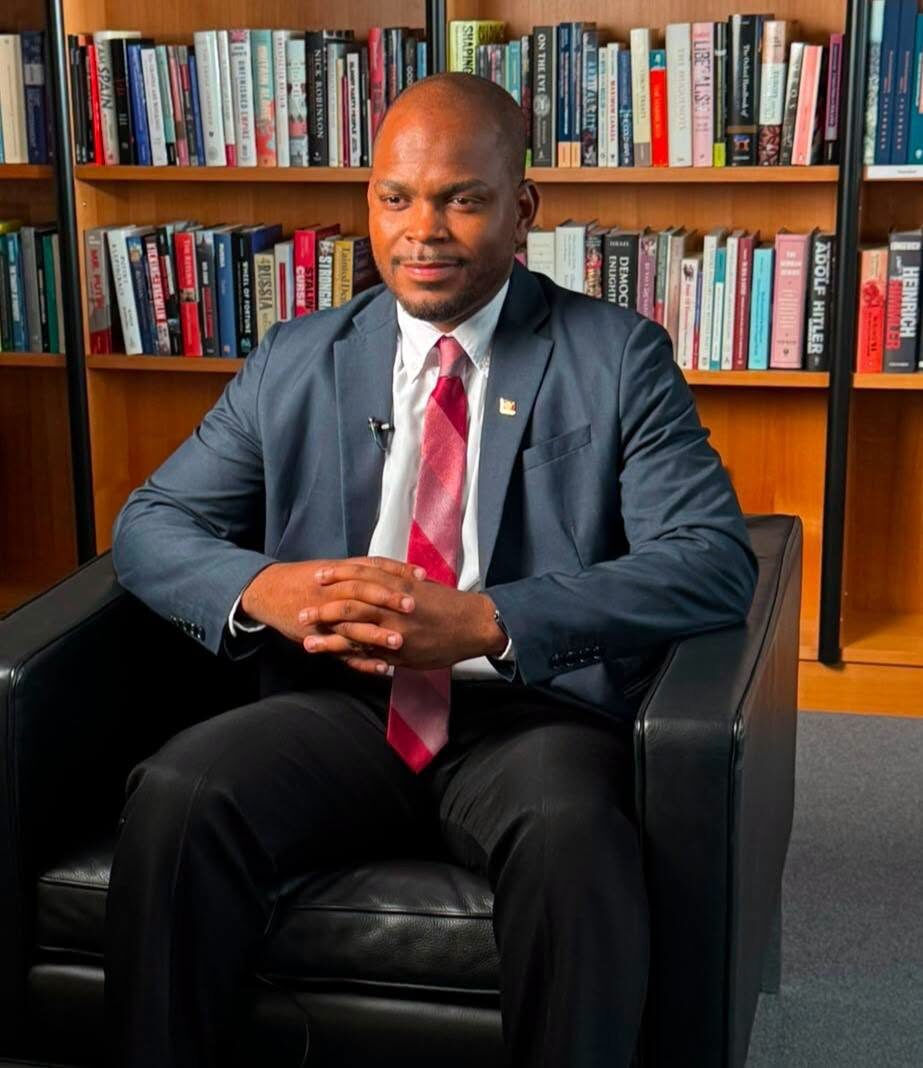
    Speaking on behalf of the twin-island nation, Minister of Health, Wellness, the Environment and Civil Service Affairs Michael Joseph sat down for an interview to shed light on the distinct vulnerabilities that define Caribbean Small Island Developing States (SIDS). He framed the conversation around a core demand: immediate climate justice, fair access to climate finance, and far greater representation for climate-vulnerable nations in global climate governance processes.

    In his remarks, Joseph emphasized that climate mobility policy cannot be abstracted from the people it affects. Any successful initiative to support community relocation or build adaptive capacity, he argued, must be led by the communities themselves. These efforts must prioritize the protection of unique cultural identities and ancestral heritage, and guarantee that populations on the front lines of climate change have a meaningful say in the decisions that shape their collective futures.

    Drawing directly from Antigua and Barbuda’s firsthand experience with catastrophic climate disaster, Joseph pointed to the aftermath of Hurricane Irma, which left widespread destruction across Barbuda in 2017. That event, he noted, reinforced three non-negotiable priorities: intentional pre-disaster planning, continuous deep engagement with affected communities, and unwavering protection of the human rights and inherent dignity of displaced and at-risk populations.

    The minister also pushed back against the common narrative that large-scale relocation is the only path forward for low-lying island states. For SIDS like Antigua and Barbuda, the top priority is not moving entire populations, but building sufficient resilience to allow communities to remain on their ancestral lands. This priority aligns with the recently adopted Global Principles for Addressing Climate Mobility, which explicitly enshrine protection for the “right to stay” while also creating space for safe, dignified mobility options when relocation becomes unavoidable.

    At the core of Antigua and Barbuda’s message to the forum is a non-negotiable demand: climate-vulnerable nations must have a meaningful seat at global decision-making tables. Joseph stressed that despite Antigua and Barbuda’s negligible contribution to global carbon emissions, the nation remains among the most at risk from accelerating sea level rise, more frequent and intense tropical storms, and worsening climate-related disruptions. As he put it plainly: “We’re not asking because we’d like to have a seat. We’re asking because we need a seat.”