博客

  • Will Climate-Resilient Roads Worsen Flooding in Low-Lying Areas?

    Will Climate-Resilient Roads Worsen Flooding in Low-Lying Areas?

    Along the George Price Highway in Belize, a major infrastructure upgrade aimed at building climate-resilient transportation has ignited sharp concern from nearby residents who warn the new design could bring more frequent and severe flooding to their low-lying properties.

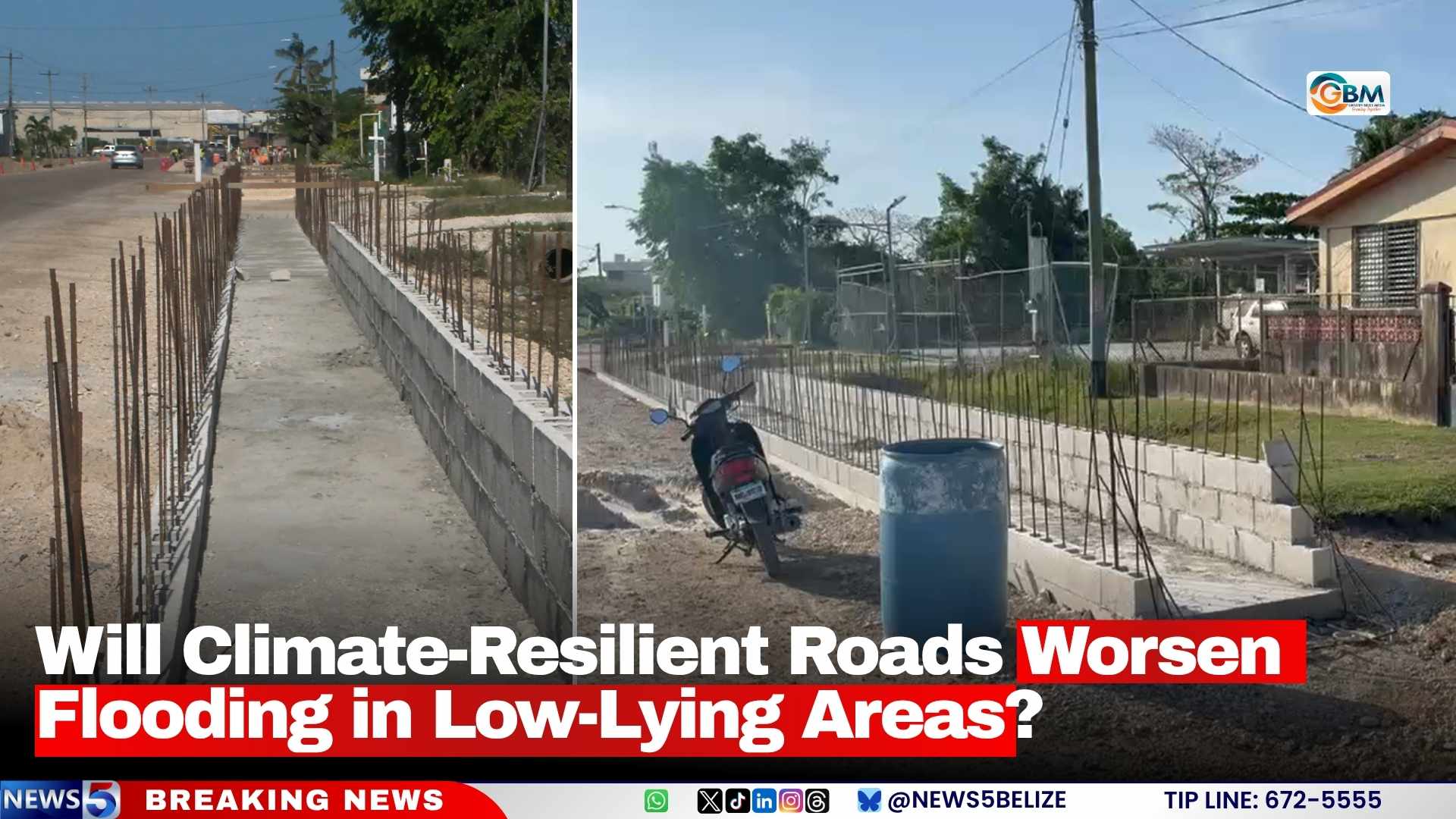
    The controversy centers on the new drainage systems being installed as part of the highway improvement works, which residents say sit far higher than the ground level of adjacent homes and residential lots in communities including Ladyville. Locals point out that when heavy rains arrive, elevated surrounding infrastructure will block water runoff from their yards, trapping floodwater in residential areas rather than diverting it away.

    One resident who shared her perspective with local reporters questioned whether the project actually lives up to its “climate-resilient” labeling, asking, “My concern is that, is this really climate resilient, or is it going to flood my yard every single time it rains?” A second resident added that the retaining wall constructed for the upgraded highway is three blocks higher than her property elevation, leaving her unable to park a car in her yard and all but guaranteeing flooding in an area already known for its flood risk.

    Julius Espat, Belize’s Minister of Infrastructure Development and Housing, has acknowledged the public pushback, explaining that the current elevation and drainage design is mandated by international financial institutions that provide funding for the upgrade project, which requires all works to meet strict climate-resilient building standards. Under these standards, the entire highway network is being elevated, with drainage channels deepened to improve long-term flood resistance for the road itself.

    When asked how residential properties are expected to drain excess water if surrounding infrastructure sits at a higher elevation, Espat noted that the overall system is engineered to improve regional water flow, and ministry engineers will conduct individual assessments for each resident’s specific complaint. He did, however, admit that it may not be possible to resolve all concerns completely. “In all honesty, if you’re living in an area that’s lowland, it’s hard to 100% satisfy all of the queries,” he told local outlet News 5.

    Espat also pointed out that many affected residential areas were developed in natural lagoon watersheds—zones that naturally function to hold excess floodwater during heavy rain events, and that increasing residential construction in these inherently flood-prone areas has compounded the challenge. Despite the difficulties, he emphasized that the government is not avoiding the issue: “We are doing our best. We will address every single situation. When the complaints come in, we don’t hide from it, we address it.”

    Currently, ministry engineers alongside dedicated social outreach staff for the project are conducting one-on-one meetings with residents in Belize City and Ladyville to review and respond to their individual concerns. Espat added that most complaints emerge in the early stages of construction, when new road elevations are first put in place, framing the disruption as a growing pain of necessary progress. “Progress brings problems,” he said. “You’re making sure residents of the country can travel from one area to the next, and yes, you will have problems in other areas that we have to address. We can’t run away from it.”


  • OP-ED: Healthy eating, active living – We need action now

    OP-ED: Healthy eating, active living – We need action now

    The Caribbean paradox has long confounded public health experts across the globe: how can a region blessed with an extraordinary abundance of nutrient-dense native foods also bear one of the world’s heaviest burdens of preventable non-communicable diseases (NCDs)? Local markets throughout the archipelago overflow with fresh, vibrant produce, yet rates of diabetes, hypertension, obesity and other life-altering chronic conditions continue to cut lives short across the region. As communities mark Caribbean Nutrition Day 2026, public health advocates are sounding the alarm, framing this year’s theme — “Healthy Eating, Active Living: Promoting Caribbean Foods as Medicine” — as a urgent call to action for regional governments to implement targeted policy changes that expand access to nutritious food, boost public health education and build the infrastructure communities need to thrive.

    A core barrier to improved public health across the Caribbean is the region’s extreme dependence on imported food. Currently, 90% of food consumed across most Caribbean nations comes from overseas suppliers, primarily the United States, China and European markets, leaving the region acutely vulnerable to global supply chain disruptions and food price volatility. Only one country in the region has cracked the code on full food self-sufficiency: Guyana, widely known as the Caribbean’s breadbasket, is the only nation globally that produces enough food across all seven essential food groups to feed its entire population. Leading the CARICOM “25 by 2025” initiative, which sets a target of cutting the regional food import bill by 25% before the end of the year, Guyanese President Irfaan Ali has already overseen a 24% expansion in regional food production, marking significant progress toward the shared goal.

    Other Caribbean nations are stepping up their own efforts to reduce import dependence. The Cayman Islands, for example, imports more than 90% of its total food supply, with 80% of those goods passing through U.S. ports. Rising instability in global supply chains in recent years has spurred a widespread movement to scale up domestic agricultural production across the islands. The Caymanian government’s National Egg Self Sufficiency Target (NEST) programme, which works to build a fully domestic egg production industry, has already reached a 53% self-sufficiency rate as of 2025, on track to meet its 2025 target. Complementing this industrial effort is the popular Backyard Garden initiative, which distributes pre-built grow boxes, seeds and expert planting guidance to participating residents, encouraging household-level food production that builds long-term resilience. Both initiatives fall under the islands’ comprehensive Food & Nutrition Security Policy, which aims to strengthen regional food security and sustainability by 2036. Beyond boosting production, advocates emphasize that making healthy local food affordable is critical to shifting consumption patterns, as low-income communities are often forced to opt for cheaper, ultra-processed imported alternatives that drive chronic disease.

    A common harmful misconception that public health leaders are working to dismantle is the myth that traditional Caribbean cuisine is inherently unhealthy. In reality, native Caribbean staples — from callaloo, breadfruit and cassava to plantains, okra, saltfish and legumes — are packed with essential vitamins, minerals and fiber. The real drivers of poor health, experts note, are oversized portion sizes and the widespread infiltration of ultra-processed foods and high-sodium products into regional diets over the past decades. To shift these harmful habits, advocates are pushing for early, culturally relevant education campaigns in schools and local communities. Two recent initiatives leading this effort are the Caribbean Public Health Agency (CARPHA)’s *Kids Can Cook Too* recipe book, targeted at children, and Guyana’s *Colourful Cooking for Healthy Living*, designed for adult audiences. Both resources aim to empower Caribbean people to prioritize nutritious eating while honoring and preserving centuries-old culinary cultural traditions.

    Alongside dietary change, public health leaders are highlighting the critical role of increased physical activity in reversing rising NCD rates. In an era of widespread digital screen dependency and sedentary work and leisure habits, populations across the region are moving less than ever before. In response, multiple Caribbean governments have launched targeted initiatives to encourage regular movement. This year, the Cayman Islands introduced the 12-week National Movement Challenge, which supports residents to gradually incorporate more physical activity into their daily routines. To build lifelong healthy habits, the focus must start in childhood: in 2023, Barbados launched the Creative Play Initiative, which brings life-sized versions of traditional children’s outdoor games to schoolyards to encourage active play among students.

    This Caribbean Nutrition Month, public health advocate Nayo Swan — a Guyanese public health expert based in the Cayman Islands and member of Healthy Caribbean Youth — is urging regional governments to continue investing in multifactorial, community-centered approaches to preventing preventable NCDs. Caribbean cuisine is far more than a cultural tradition: it is a powerful, underutilized tool for improving public health and wellness. Strengthening local food systems, making nutritious food accessible for all current residents, and building sustainable production models for future generations is the key to unlocking the region’s full health potential.

  • Antigua and Barbuda May Import Construction Workers to Meet Housing Targets

    Antigua and Barbuda May Import Construction Workers to Meet Housing Targets

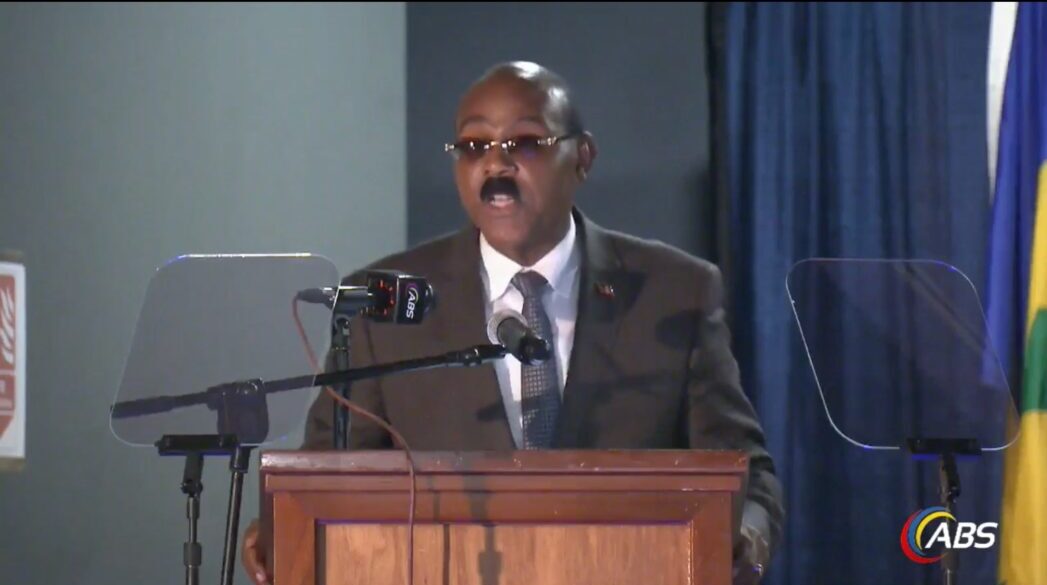
    The twin-island nation of Antigua and Barbuda is facing a critical bottleneck in its ambitious national housing expansion initiative, with Prime Minister Gaston Browne confirming that overseas recruitment of construction labour is now on the table to overcome widespread workforce gaps.\n\nSpeaking during his regular weekly broadcast to the public, Browne framed labour scarcity as one of the most pressing barriers to delivering much-needed new housing across the country, even as the government pushes to ramp up construction output. The administration has a clear goal: scale annual housing production to 500 units per year, a target that the current domestic workforce simply cannot support, according to the Prime Minister.\n\nBrowne clarified that while securing sufficient funding remains an ongoing challenge for the programme, acute shortages of both skilled tradespeople and general unskilled labour have equally slowed the pace of new home development. To unlock progress, the government is actively evaluating all options to expand the available construction workforce, with bringing in additional workers from international markets emerging as a viable solution to supplement local teams.\n\nThese remarks accompanied the Prime Minister’s formal outline of the government’s 10-year housing strategy, which sets a minimum target of 5,000 new residential units to be delivered across the country by the end of the decade. Browne emphasized that this ambitious target is designed to directly address unmet demand and lift living standards for a large share of the population.\n\n“Over the next 10 years, we must deliver no fewer than 5,000 new homes to our people,” Browne stated. He projected that the initiative could improve housing outcomes for as many as 15,000 Antiguans and Barbudans: based on an average occupancy of three people per home, the programme would move roughly that number of residents into quality, middle-income housing stock.\n\nThe scale of unmet demand for housing in the country far outpaces the 10-year target, official data shared by the Prime Minister shows. Currently, roughly 7,500 completed housing applications are waiting to be fulfilled, and demand continues to climb even as new units are completed and allocated to applicants.\n\nAlongside workforce expansion, the government is working to lock in additional financing to support the scaling of the housing programme. Browne revealed that negotiations are currently ongoing for a proposed $100 million housing bond, which would allow the government to lift annual construction output to between 300 and 400 units in the near term, before ramping up to the full 500-home annual target. The National Housing Development and Urban Renewal Company, the state entity leading the initiative, has also been directed to step up its own recruitment efforts as part of the broader push to accelerate construction.\n

  • What’s Coming Weather-Wise?

    What’s Coming Weather-Wise?

    As the 2026 Atlantic hurricane and dry season progresses, climate and disaster management stakeholders across Belize gathered last week for the 14th iteration of the country’s annual National Climate Outlook Forum, kicking off coordinated preparations for confirmed El Niño conditions that are projected to bring extreme, unpredictable weather to the nation over the coming months.

    Held across two days and centered on the core theme of strengthening national disaster risk reduction through accessible, data-driven climate services, the forum brought together a cross-sector coalition of representatives from national government agencies, private sector enterprises, regional climate bodies, and local civil society groups. The convening’s core goal is to align stakeholders on the projected climate conditions for the coming season and outline targeted preparedness actions for the nation’s most weather-reliant industries.

    In his keynote address to attendees, Ronald Gordon, Belize’s Chief Meteorologist, emphasized that El Niño has already transitioned from a projected risk to an active, on-the-ground reality, requiring urgent adaptive planning from all sectors. Gordon explained that while El Niño’s most commonly cited impact for Belize is extended, severe dry spells, the phenomenon does not rule out extreme short-term rainfall events that can trigger flash flooding—a warning already borne out by extreme wet weather that struck the nation just one week before the forum.

    Beyond hazard projections, the forum fulfills two critical functions for Belize’s National Meteorological Service, Gordon noted. First, it delivers tailored seasonal forecasts for key climate-sensitive sectors, including agriculture, tourism, energy, water resource management, and disaster response, covering all major hazards from drought and extreme heat to erratic rainfall and tropical cyclone activity. Second, it creates a structured space for stakeholders to give feedback on the relevance and utility of the meteorological service’s current outputs, ensuring future forecasts meet the actual operational needs of end users.

    “Continuous consultation with our stakeholders is non-negotiable, because it is the only way we can ensure we are delivering information that is actually useful and relevant to their planning and response work,” Gordon told attendees.

    In addition to the confirmed El Niño outlook, the forum also addressed an ongoing and rapidly escalating climate hazard for Belize’s coastal communities: an unusually active 2026 sargassum season. Gordon reported that the National Meteorological Service is already issuing weekly sargassum forecasts and targeted alerts for at-risk coastal communities to prepare for mass seaweed beaching events. With sargassum blooms typically reaching their seasonal peak in August, Gordon warned that the most disruptive period of the 2026 season is still ahead for coastal areas across Belize.

  • PM Browne Says U.S. Travel Restrictions Hurt Both Sides

    PM Browne Says U.S. Travel Restrictions Hurt Both Sides

    In his inaugural address as the new chairman of the Organisation of Eastern Caribbean States (OECS) Authority on Sunday, Antigua and Barbuda Prime Minister Gaston Browne delivered a clear, firm warning: current and proposed travel restrictions targeting Caribbean nations risk eroding decades of close economic and interpersonal bonds between the region and the United States. Browne stressed that Caribbean countries are valuable, mutually beneficial partners to the U.S., not security threats that require punitive border measures.

    Browne opened his remarks by acknowledging a fundamental principle of international relations: every sovereign nation holds the inherent right to set its own immigration and border security policies. However, he urged U.S. policymakers to step back and consider the broader, long-term consequences of restrictive travel measures for both Caribbean citizens and the interconnected transatlantic economy. “We acknowledge the sovereign right of all states to determine their border security policies,” Browne stated. “We ask only that such rights be exercised with due regard for a historically close and mutually beneficial relationship.”

    The OECS chairman laid out extensive evidence of the Caribbean’s positive contribution to the U.S. economy, noting that the region drives growth across multiple key sectors including trade, tourism, higher education, and financial services. Caribbean consumers regularly purchase American manufactured and agricultural goods, rely on U.S.-based financial institutions, and invest billions of dollars annually in American higher education by sending students to U.S. colleges and universities. Most notably, Browne pointed out that the United States already maintains a significant trade surplus with Caribbean nations, meaning restrictive travel policies would not just harm Caribbean economies – they would cut into U.S. economic gains as well. “There are huge benefits to the U.S. economy,” Browne explained. “The relationship is not one-sided.” “We are beneficial partners for the American economy, not adversaries to be restricted,” he added.

    Beyond economic ties, Browne highlighted the deep family connections that link Caribbean communities to the large Caribbean diaspora already residing in the United States. For generations, cross-border travel has kept extended families connected, and these people-to-people bonds have formed the foundation of stronger economic, cultural, and social cooperation between the two regions. “Our largest diaspora is in the United States,” Browne said. “We need to ensure that the diaspora here in the Caribbean and certainly our people in the United States can move freely.”

    Browne’s address came as he took over the OECS Authority chairmanship from St. Vincent and the Grenadines Prime Minister Dr. Godwin Friday, and his comments on U.S. travel policy were part of a broader discussion of the unique geopolitical and economic challenges facing small island developing states. Even as he pushed back against restrictive travel measures, Browne reaffirmed the Caribbean region’s ongoing commitment to collaboration with the United States on shared security priorities, including countering transnational drug trafficking and organized crime. “We particularly stand with the U.S. in opposing drug trafficking and organized crime,” Browne said. “That is our mutual interest. We too want to make sure that we have safe and secure societies.”

    In addition to his remarks on Caribbean-U.S. relations, Browne used his inaugural address to call for deeper regional integration across the OECS, stronger coordinated economic cooperation, and a more unified regional approach to tackling global challenges ranging from climate change to economic volatility. He emphasized that Caribbean nations will continue to pursue constructive engagement with all global partners, while remaining steadfast in defending the interests and rights of their citizens.

  • PM Browne Seeks OECS Support for Regional Airline

    PM Browne Seeks OECS Support for Regional Airline

    In a push to strengthen regional connectivity and economic integration across the Eastern Caribbean, Prime Minister Gaston Browne of St. Kitts and Nevis has formally launched an effort to secure coordinated support from member states of the Organization of Eastern Caribbean States (OECS) for the establishment of a shared regional airline.

    Addressing a recent gathering of regional leaders, Browne framed the proposal as a critical solution to longstanding challenges plaguing air travel across the Eastern Caribbean: exorbitant ticket prices, inconsistent flight schedules, and limited connectivity between smaller island nations that have stifled tourism, trade, and cross-border movement of people for decades. Currently, most intra-regional routes are served by international carriers that prioritize larger tourist markets over inter-island travel, leaving many smaller OECS members underserved.

    The prime minister argued that a collectively owned and operated regional airline would leverage the combined market power of OECS member states to drive down operational costs, make air travel more affordable for local residents and visitors alike, and create new economic opportunities across every participating island. He noted that the initiative would also enhance the region’s resilience by reducing dependence on external carriers, which have repeatedly scaled back service to small island markets during global economic downturns and public health crises such as the COVID-19 pandemic.

    Browne has already held preliminary bilateral discussions with several OECS heads of government, and says the initial feedback has been largely constructive. While the proposal remains in the early planning stages, the prime minister has called for a formal working group to be convened in the coming months to conduct feasibility studies, outline governance structures, and explore potential public-private partnership models to launch the venture.

    Regional stakeholders have echoed that a unified regional air service has long been a missing pillar of Eastern Caribbean integration. If successful, the initiative would not only transform intra-regional travel but also position the OECS as a more cohesive player in the global tourism and aviation sectors, delivering shared economic benefits to millions of residents across the bloc.

  • Six Prime Ministers in 10 Years: UK’s Latest PM Resignation

    Six Prime Ministers in 10 Years: UK’s Latest PM Resignation

    LONDON – In a move that cements a decade of unprecedented leadership turbulence in British politics, Prime Minister Keir Starmer has announced his resignation from both the office of prime minister and his position as leader of the Labour Party, just two years after securing the largest parliamentary majority for his party in modern history.

    Starmer’s landslide 2024 election victory catapulted him into Downing Street, making him the sixth person to hold the UK’s highest office in less than 10 years. Under the terms of his announcement, he will remain as a caretaker prime minister until a successor is selected, a process he confirmed will conclude before Parliament reconvenes for its autumn session in September.

    The 64-year-old’s departure came after months of growing internal friction within the Labour Party, which gradually eroded his authority. By the end of his tenure, polling data put Starmer as the least popular sitting prime minister in recorded British public opinion history, CNN reports. According to the BBC, three connected events delivered the final push for his resignation: catastrophic losses for Labour in May 2026 local elections, the departure of multiple senior cabinet ministers in protest of Starmer’s leadership, and a resurgent public scandal over his appointment of Peter Mandelson – a politician with documented past links to convicted sex offender Jeffrey Epstein – as British ambassador to the United States.

    The path to the leadership now appears cleared for Andy Burnham, the former mayor of Greater Manchester, who political analysts and party insiders widely name as the clear frontrunner to replace Starmer. Burnham, who has long been seen as a popular unifying figure within Labour, was officially sworn in as a Member of Parliament for the Makerfield constituency on Monday, just one week after winning a critical by-election that secured him a seat in the Commons – a long-held requirement for any would-be Labour leader.

    Starmer’s exit extends a stunning streak of leadership turnover that has shaken the foundations of UK governance since 2016. Over the past 10 years, six prime ministers – David Cameron, Theresa May, Boris Johnson, Liz Truss, Rishi Sunak, and now Starmer – have all left Downing Street before completing their full terms, each felled by a unique political crisis ranging from Brexit fallout to internal party revolts and personal scandal. Political analysts warn that the constant rotation at the top has left the UK with weakened policy continuity, eroded public trust in political institutions, and growing uncertainty ahead of key domestic and international policy deadlines.

  • Are Trump’s Threats Undermining Iran’s Peace Negotiations?

    Are Trump’s Threats Undermining Iran’s Peace Negotiations?

    In a high-stakes round of bilateral negotiations held in Switzerland that wrapped up on June 22, 2026, the United States and Iran have reached a tentative breakthrough: a shared roadmap to finalize a comprehensive peace agreement within the next 60 days. But the 18-hour marathon talks were far from smooth, as aggressive public comments from former president Donald Trump injected sharp tension into the process, with Tehran threatening to abandon negotiations entirely if such threats continue.

    The drama unfolded after Trump took to his social media platform Truth Social to issue a stark warning to Iran, claiming the U.S. would strike the country “very hard” unless it halted its support for armed proxies operating in Lebanon. In a subsequent interview with Fox News, Trump doubled down on his bellicose language, saying he would “blow the hell out of Iran” if the country moved to shut down the Strait of Hormuz, the critical global oil chokepoint that carries nearly a fifth of the world’s daily oil consumption.

    Iran’s Foreign Ministry responded quickly to the remarks, issuing a clear caution that ongoing direct negotiations would be terminated immediately if Washington continued to issue such threats. The standoff put the U.S. negotiating delegation, led by Vice President JD Vance, in the position of having to defend Trump’s comments. Vance pushed back against criticism, framing Trump’s words as a proportional response to what he described as inflammatory “trash talk” coming from Iranian officials.

    Despite the public flare-up, Vance emphasized that the talks delivered tangible, meaningful progress toward a final agreement. “We laid a very good foundation for a successful final deal… We haven’t built the house, but we’ve laid a successful foundation,” Vance told reporters following the conclusion of negotiations.

    The talks centered on four core priority issues that have defined U.S.-Iran tensions for decades: Iran’s controversial nuclear program, the rolling back of crippling U.S. economic sanctions, regional security cooperation, and a path to end the ongoing armed conflict in Lebanon. Beyond the broad 60-day roadmap, negotiators announced multiple concrete outcomes from the round of talks. Most notably, both sides agreed to establish a new High-Level Committee tasked with overseeing the ongoing negotiation process and guiding lower-level technical discussions over the next two months. They also agreed to set up dedicated direct communication channels designed to prevent miscommunication and ensure the continuous, unobstructed operation of the Strait of Hormuz. Additionally, Iranian negotiators reportedly committed to allowing International Atomic Energy Agency (IAEA) inspectors to return to the country to resume monitoring of Iran’s nuclear activities, a key long-standing demand from the international community.

    The fragile progress comes amid continued uncertainty over the impact of Trump’s repeated public threats on the negotiation timeline. Analysts have cautioned that external inflammatory rhetoric could erode the limited trust built between the two delegations, potentially derailing the most ambitious diplomatic effort between Washington and Tehran in years.

  • Derde helft WK 2026: Mexico, VS en Duitsland boeken knock-outplaatsen, strijd barst los

    Derde helft WK 2026: Mexico, VS en Duitsland boeken knock-outplaatsen, strijd barst los

    The 2026 FIFA World Cup continues to unfold with dramatic results on its 11th matchday, Sunday June 21, reshaping the tournament’s path and closing out group stage campaigns for a handful of national sides. After a full slate of competitive matches, three nations have already secured their place in the tournament’s knockout round of 32, while three others have seen their World Cup dreams come to an early end.

    Host nation Mexico became the first side to punch their ticket to the knockout stage, clinching the top spot in Group A after a 1-0 victory over South Korea on Thursday, June 18. Mexico kicked off their tournament in the chaotic opening match, where they earned a solid 2-0 win over South Korea to set the tone for their group stage run. The United States followed as the second qualified nation, impressing in Group D with a 2-0 defeat of Australia on Friday, June 19. That result marked the US’s second consecutive win, after opening their campaign with a commanding 4-1 victory over Paraguay.

    Germany became the third confirmed qualifier for the round of 32, securing their spot with a narrow 2-1 win over Ivory Coast on Saturday, June 20. The result marks a promising comeback for the German national side, which failed to advance past the group stage at both the 2018 Russia World Cup and the 2022 Qatar World Cup. Germany signaled their renewed strength early, opening their Group E run with a dominant 7-1 rout of Curaçao.

    On the opposite end of the table, three teams have already been eliminated from tournament contention. Haiti, making their first World Cup appearance since 1974, was the first side to exit, falling 3-0 to Brazil on Friday, June 19 after a narrow 1-0 opening-match loss to Scotland. Turkey, competing in their first World Cup in 24 years, was next to go out after a disappointing 1-0 loss to 10-man Paraguay on Friday. The defeat followed a surprising 2-0 opening loss to Australia that left Turkey at the bottom of Group D with zero points.

    Tunisia was the third eliminated side, ousted after a lopsided 4-0 defeat to Japan on Saturday, June 20. The North African side, which made history as the first African nation to win a World Cup match with a victory over Mexico in 1978, has never advanced past the group stage of the competition, and their 2026 run ended early following a 5-1 opening loss to Sweden. Elsewhere in the day’s results, Haiti could not mount a challenge against Brazil, falling to a clear defeat that confirmed their early exit.

    As the group stage progresses, three more matches are scheduled to be played on June 22: Group J’s clash between Argentina and Austria at Dallas Stadium in Texas kicking off at 14:00, followed by Group I’s match between France and Iraq at Philadelphia Stadium in Pennsylvania at 18:00, and a final Group I showdown between Norway and Senegal at MetLife Stadium in New York at 21:00. With more group stage results on the horizon, the race for the remaining knockout round spots is gearing up for an exciting conclusion.

  • Belize Chairs CECC/SICA Again. What’s the Plan This Time?

    Belize Chairs CECC/SICA Again. What’s the Plan This Time?

    In a formal handover ceremony held during the 51st Ordinary Meeting of the Council of Ministers of Education and Culture in Santo Domingo, Dominican Republic on June 17, 2026, Belize officially assumed the six-month Pro Tempore Presidency of the Central American Educational and Cultural Coordination (CECC/SICA), marking the second time the small Central American-Caribbean nation has held this regional leadership position since January 2023.

    Ramon Cervantes, Minister of State in Belize’s Ministry of Education, Culture, Science and Technology, accepted the presidential mandate on behalf of the Belizean government, stepping into the role after the Dominican Republic completed its outgoing term. The rotational presidency of CECC/SICA follows a fixed six-month sequence, moving sequentially from north to south across member states with Belize opening the rotation cycle, placing the country in a foundational role for each full round of regional planning.

    Cervantes used the handover occasion to outline three core strategic priorities that will guide Belize’s leadership over its term. First, the country will push to advance inclusive access to education across the region, working to ensure that no learner is excluded from quality educational opportunities regardless of geographic location or socioeconomic background. Second, Belize will prioritize strengthening cultural preservation and promotion, positioning shared and diverse cultural heritage as a core pillar of both national identity and sustainable regional development. Third, the administration will prioritize accelerating digital transformation across education and cultural sectors across member states. To illustrate this commitment, Cervantes highlighted Belize’s own domestic 501 Academy initiative as a replicable model for scalable educational digitalization that other regional nations can adapt to their own contexts.

    Looking back to Belize’s first turn in the CECC/SICA presidency in 2023, led at that time by former Minister of State Louis Zabaneh, the administration focused its efforts on regional curriculum reform, expanded integration of science and technology into education systems, and increased institutional recognition of Afro-descendant and Indigenous communities across Central America. During that term, Education Minister Francis Fonseca emphasized that Belize’s unique geographic positioning, bridging the Central American isthmus and the Caribbean basin, gives the country a distinct comparative advantage in advancing cross-regional collaboration and connecting different cultural and economic blocs.

    As the new term gets underway, regional observers will track how Belize delivers on its three stated priorities, building on the progress of its 2023 leadership to advance the shared educational and cultural goals of CECC/SICA member states.