博客

  • Climate Change Act Drives Belize’s Sustainable Development Vision

    Climate Change Act Drives Belize’s Sustainable Development Vision

    Against a backdrop of growing global climate vulnerability, small Central American nation Belize has taken a historic step to embed climate action into its national legal framework, advancing its long-term vision for equitable, low-carbon sustainable development.

    On June 18, 2026, Governor-General Dame Froyla Tzalam signed the Climate Change and Carbon Market Initiatives Act 2026 – the country’s first ever comprehensive piece of climate legislation – with the law officially gazetted two days later, bringing it into formal effect. This landmark legislation establishes a clear, structured governance system for Belize’s national climate policy and its participation in the fast-growing global carbon market.

    Key provisions of the new law include bolstering the institutional capacity of Belize’s Climate Change Department, strengthening national inter-agency coordination on climate initiatives, and mandating standardized, transparent climate impact reporting. Critically, the act also sets out unambiguous regulatory guidelines for carbon offset projects, including strict protocols for benefit sharing, progress tracking, and accountability to ensure local communities see tangible gains from carbon market activity.

    Speaking on the new legislation, Minister of Sustainable Development Orlando Habet emphasized that the framework equips Belize to take full ownership of its domestic climate agenda, rather than relying on external direction. It paves the way for the country to pursue intentional low-emission economic growth across all sectors, from tourism to agriculture, while guaranteeing that revenue and opportunities generated through carbon market participation directly benefit Belizean citizens.

    With the core legal structure now in place, the government’s focus has shifted to implementation. In the coming months, officials will develop supporting secondary regulations, build out digital monitoring and reporting systems, and foster collaborative partnerships with local communities, the private sector, civil society organizations, and international development stakeholders to roll out the law’s provisions across the country.

  • More Farmers to Benefit as Agriculture Grant Program Expands

    More Farmers to Benefit as Agriculture Grant Program Expands

    Scheduled for official expansion in 2026, Belize’s Sustainable and Inclusive Belize (SAIB) Project, a grant initiative backed by the Inter-American Development Bank, is set to extend critical financial support to hundreds of additional small-scale farmers across the Central American nation after delivering promising early results from its first round of funding.

    When the program launched its initial application round, project organizers carried out nationwide outreach to connect with eligible growers, offering multiple accessible pathways to apply: a dedicated online application portal and a telephone help line for farmers requiring assistance with the submission process. A specialized evaluation committee then reviewed all submissions to select candidates that met the program’s strict eligibility criteria, after which selected recipients completed mandatory training before receiving funding.

    In its first cohort, the initiative successfully disbursed small grants to 666 individual small-scale farmers across Belize. Each participating grower can receive up to $4,000 USD, allocated to investments that boost agricultural output, strengthen climate resilience, and build long-term sustainable livelihoods. To date, participating farmers have directed their grant funding toward high-impact climate-smart upgrades, including new irrigation infrastructure, solar-powered water pumps, rainwater catchment systems, and climate-resistant hybrid seed varieties that can withstand shifting weather patterns linked to global climate change.

    Following the successful rollout of the first round of individual farmer grants, the SAIB Project will now open a new application round that expands eligibility beyond independent small-scale growers. Agricultural micro, small and medium enterprises (MSMEs) and organized farmer associations will also be able to apply for funding to scale up their own sustainable production initiatives.

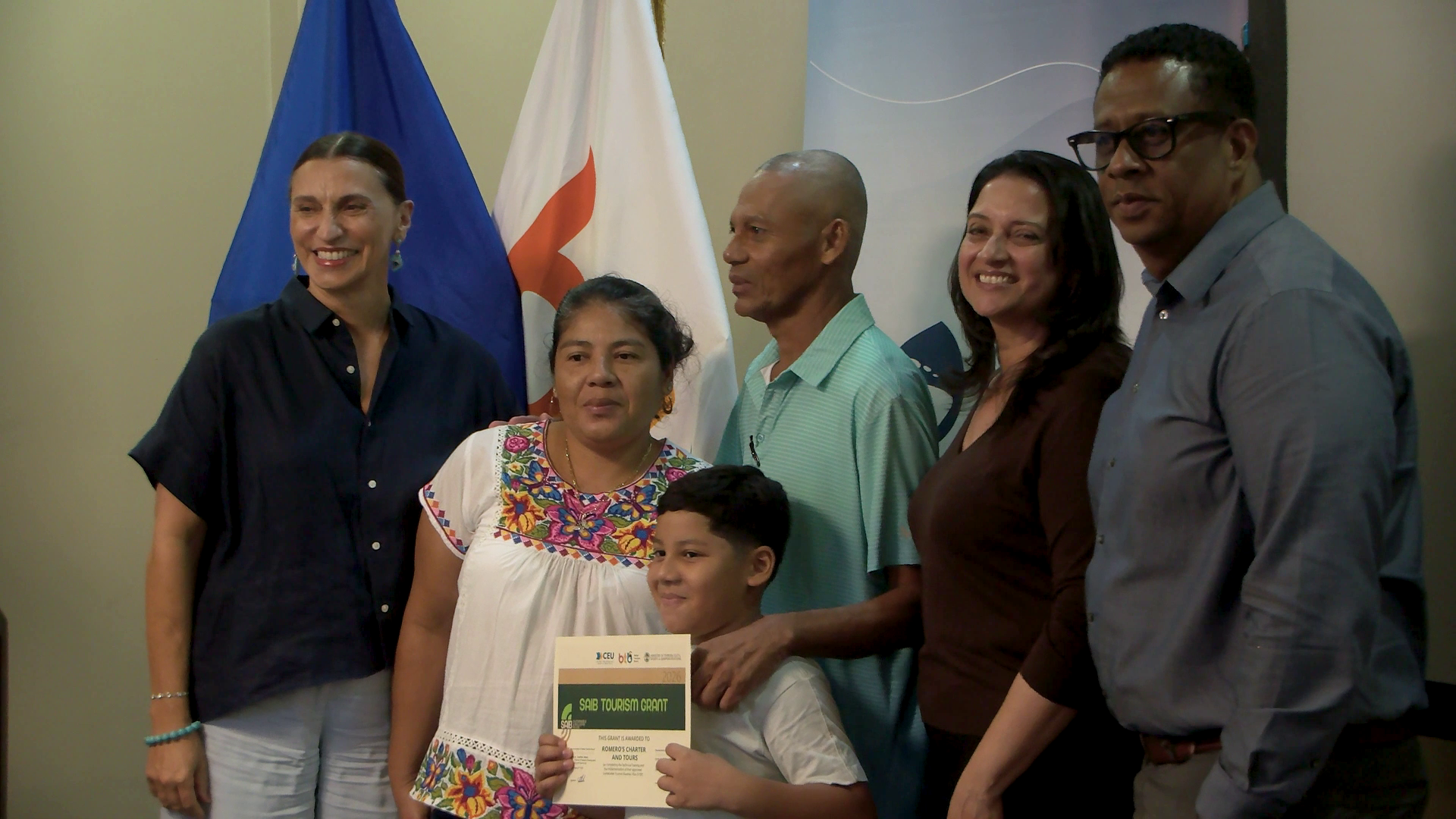
    In addition to its agricultural support programming, the SAIB Project, which is fully financed by the Inter-American Development Bank, also allocates grant funding to small and medium-sized tourism-related businesses across Belize to support inclusive economic growth across multiple key sectors of the nation’s economy. The program’s expansion comes as small-scale producers across Central America face growing pressure from climate change, making targeted financial support for climate-smart agriculture a critical policy priority for long-term food security and rural economic stability.

  • Belize Swears In 100 New Citizens from 22 Countries

    Belize Swears In 100 New Citizens from 22 Countries

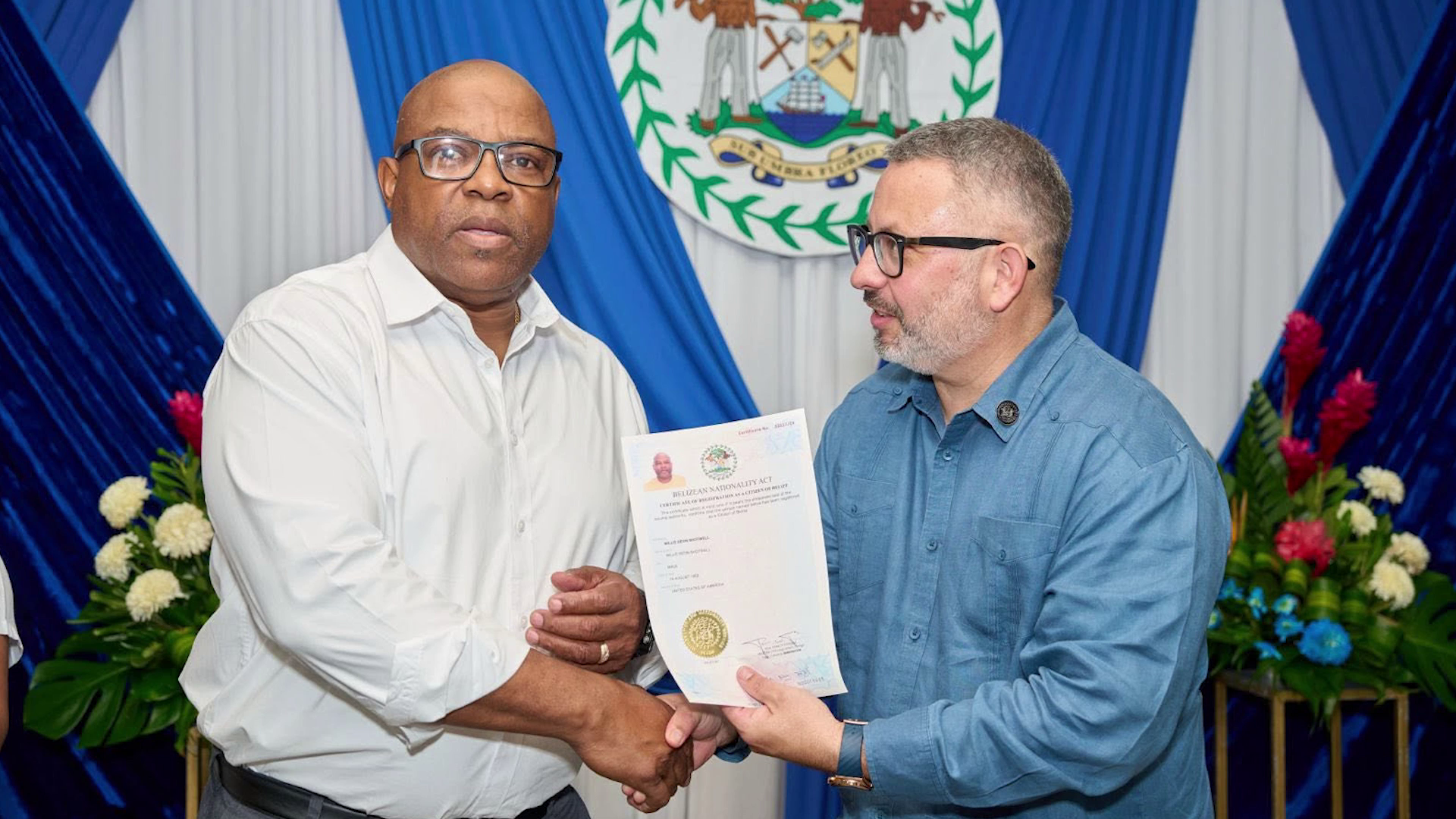
    On June 26, 2026, Belize hosted a landmark citizenship swearing-in ceremony that cemented the nation’s long-standing identity as a welcoming destination for global migrants. One hundred and eleven men and women hailing from 22 countries spanning Central America, Africa, and Asia took their formal oath of allegiance, officially joining the Belizean community surrounded by loved ones and fellow citizens. The historic event was far more than a routine administrative formality: it served as a public celebration of the cultural diversity that has shaped Belize from its founding, and a tangible investment in the country’s long-term social and economic growth.

  • Launch of the Rickey Singh Initiative for Journalistic Excellence in the Americas

    Launch of the Rickey Singh Initiative for Journalistic Excellence in the Americas

    Against a backdrop of growing pressures on press freedom across the Western Hemisphere, the Special Rapporteurship on Freedom of Expression (SRFOE) under the Inter-American Commission on Human Rights (IACHR) has unveiled a new regional initiative this week designed to uplift journalistic standards, safeguard independence, and anchor the role of a free press in democratic governance.

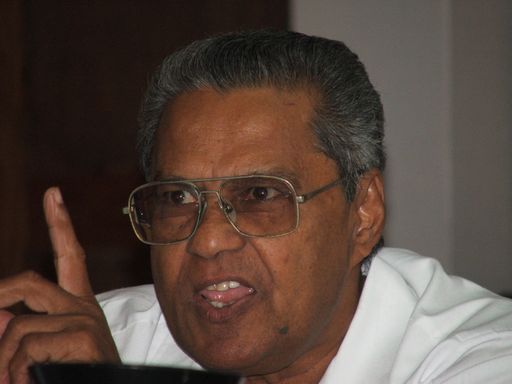
    Named the Rickey Singh Initiative for Excellence in Journalism in the Americas, the project honors the decades-long legacy of celebrated Caribbean journalist Rickey Singh, who passed away in 2025 at the age of 88. Over a career spanning more than half a century, Singh built his reputation as a staunch advocate for independent reporting, inclusive public discourse, and greater representation of Caribbean perspectives in regional conversations about democracy and human rights—values that now form the core of the new initiative’s mission.

    The official launch took place in Panama City, held on the sidelines of the 56th General Assembly of the Organization of American States (OAS) during a high-level gathering that drew journalists, media leaders, and civil society representatives from every subregion of the Americas. The opening program featured opening remarks from SRFOE Special Rapporteur Pedro Vaca, followed by addresses from Izabela Matusz, European Union Ambassador to Panama, and Pontus Rosenberg, Swedish Ambassador to Panama. Former IACHR President and Commissioner Roberta Clarke led a reflective session on Singh’s life and enduring impact on regional journalism, before a roundtable discussion that brought together nearly 30 participants from 13 countries across the Americas, including the Dominican Republic, Ecuador, Costa Rica, Chile, Colombia, Guyana, Trinidad and Tobago, and Venezuela.

    During the day’s discussions, stakeholders centered their talks on the most pressing threats facing modern journalism across the region. Participants addressed interconnected challenges ranging from the disruptive impacts of digital transformation and the growing crisis of media economic sustainability to rising political polarization, plummeting public trust in news, and pervasive violence and harassment targeting reporters. The gathering also created space to deliberate on core professional values: upholding rigorous editorial standards, expanding diverse representation in newsrooms, protecting editorial independence, strengthening public accountability, and building effective self-regulatory frameworks that align with fundamental freedom of expression principles.

    A key concern framed the creation of the new initiative: the SRFOE has repeatedly noted that growing public debates over journalistic quality across the region have led to proposed regulatory measures that could erode press freedom rather than strengthen it. In place of top-down restrictive rules, the Rickey Singh Initiative advances a profession-led alternative model, centered on collaborative industry reflection, editorial transparency, widespread adoption of best practices, shared accountability, and cross-sector dialogue between journalists, media outlets, academic institutions, civil society, and human rights advocates.
    The launch of the initiative was made possible through support from Particip and its EU-funded project *Support for Independent Journalism and the Fight Against Disinformation*, for which the SRFOE extended formal recognition and thanks.

    In its official statement following the launch, the SRFOE reaffirmed a core principle: quality, independent journalism is an irreplaceable pillar of democratic societies. It enables informed public debate, holds power-holders to account, amplifies underrepresented voices, and empowers communities to make informed choices on issues of public interest. Against this, the body emphasized that contemporary challenges facing the news industry cannot be resolved through state overreach or restrictive regulatory frameworks. Instead, meaningful progress requires profession-led processes rooted in the founding values of editorial independence, media pluralism, transparency, and social responsibility.

    The Rickey Singh Initiative forms part of a broader ongoing portfolio of work by the SRFOE focused on advancing equality and combating discrimination in journalistic and media ecosystems across the Americas. It builds on cross-regional exchanges first launched in Quetzaltenango, Guatemala in May 2024 centered on preventing discriminatory discourse in media coverage.

    Looking ahead, the initiative will expand on these foundational efforts through sustained ongoing dialogues, the development of a regional cross-border exchange network for participating stakeholders, and the formalization of a set of voluntary guiding principles that can serve as a shared reference for journalists, media outlets, and related organizations across the hemisphere.

    To close, the SRFOE reaffirmed its longstanding commitment to fostering a free, pluralistic, safe, and enabling environment for journalism practice across the Americas. It remains dedicated to strengthening professional standards that build public trust, deepen democratic deliberation, and advance the protection and enforcement of human rights for all people in the region.

    Established by the IACHR, the Special Rapporteurship on Freedom of Expression is a specialized body mandated to advance the defense of freedom of thought and expression across the Western Hemisphere, recognizing the right’s foundational role in building and sustaining healthy democratic systems.
  • Belize Stands with Americas on Democracy and Stability

    Belize Stands with Americas on Democracy and Stability

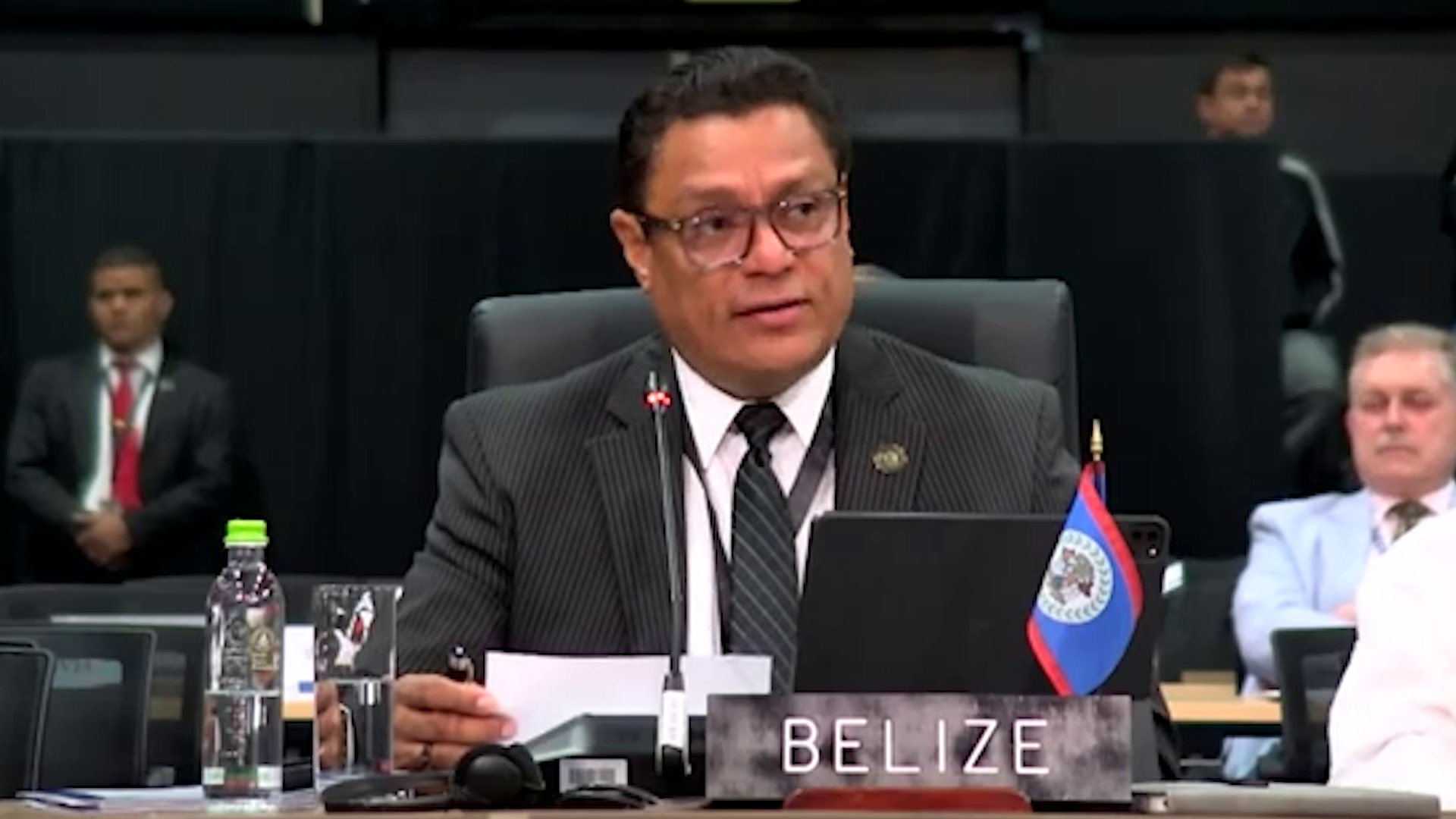
    As the Organization of American States (OAS) gathers for its 2026 General Assembly in Panama City, the small Central American nation of Belize has stepped onto the regional stage to reinforce its commitment to shared democracy, collective security, and rules-based multilateral cooperation across the Americas. The summit, which brings together leaders from across the hemisphere, centers on coordinated action to address three of the region’s most pressing challenges: combating transnational organized crime, safeguarding democratic institutions, and preserving political and economic stability. Representing Belize at the assembly is Oscar Arnold, Chief Executive Officer of the nation’s Ministry of Foreign Affairs, who has laid out the country’s longstanding commitment to strong regional partnerships amid a growingly complex global and geopolitical landscape.

    In his address to the assembly, Arnold emphasized that for small sovereign states like Belize, a strong, transparent, and rules-bound multilateral system is not just a diplomatic priority—it is a foundational requirement for national security, stability, and even the long-term survival of smaller nations. In a global order defined by stark gaps in size, economic power, and geopolitical influence, multilateral bodies deliver an irreplaceable benefit to all states, particularly those with smaller populations and economies: they guarantee every nation a voice, a seat at decision-making tables, and a framework that governs international relations by shared agreed rules rather than the unchecked power of larger states.

    Arnold noted that these institutions uphold core principles of sovereignty, enable the peaceful settlement of disputes, and allow all nations—regardless of their scale—to advance their interests through collaborative cooperation rather than costly confrontation. For nearly 80 years, this critical regional role has been held by the OAS. While Arnold acknowledged that no multilateral institution is free from flaws, he stressed that the OAS has repeatedly proven its value when member states allow it to operate in line with its founding charter, official mandates, and shared hemispheric principles.

    Today, the OAS stands as a trusted platform for political dialogue, collective problem-solving, and peaceful dispute resolution, while also acting as the guardian of the shared norms that bind the nations of the Americas together. As the cornerstone of regional multilateralism, Arnold argued that the OAS must prioritize the needs of its member states, rooted in its charter and international law, even as global ideological tides shift. Current geopolitical divisions across the hemisphere demand steady, principled navigation from the organization to serve all its members effectively. Beyond policy debates, the 2026 General Assembly also moved to adopt new security-focused resolutions and hold elections for open positions on key OAS bodies, including the Inter-American Juridical Committee and the Administrative Tribunal.

    A top priority for Belize’s delegation at this year’s assembly is the long-running territorial dispute with neighboring Guatemala, which is approaching a final ruling from the International Court of Justice (ICJ) expected in 2027. Arnold highlighted that the OAS has been a critical, trusted partner in guiding both nations toward a peaceful, binding resolution through the ICJ process. Beyond diplomatic backing, the organization maintains a tangible on-the-ground presence in the border adjacency zone, and provides ongoing support to strengthen security along the shared border.

    Arnold expressed Belize’s gratitude for the OAS’s sustained role in the dispute resolution process, noting that the ICJ-mediated process itself stands as a defining example of rules-based multilateralism in action. The OAS also operates a permanent observer mission in the adjacency zone, providing institutional support and critical resources to facilitate dialogue and stability between the two nations.

    Beyond the territorial dispute, Arnold outlined that Belize faces growing threats from transnational criminal organizations, including drug cartels operating along its border regions. To address these challenges, Belize has turned to the OAS for specialized capacity-building support, with the organization delivering targeted training to Belizean law enforcement in key areas including anti-money laundering efforts and the tracking and marking of small arms and munitions.

    While the value of strong multilateralism is widely recognized, Arnold argued that acknowledgement alone is no longer enough to meet current regional challenges. To build more effective multilateral institutions for the future, he called for a renewed focus on three core priorities: prevention of conflict, increased regional resilience, and expanded economic opportunity for all citizens across the hemisphere. This requires a renewed focus on the OAS’s development pillar, one that is often overlooked relative to security and democracy work. Arnold stressed that long-term democracy, security, and stability cannot survive without inclusive economic opportunity and sustainable growth. For democratic institutions to retain public trust and legitimacy, ordinary citizens must see tangible improvements in their daily quality of life.

    To deliver these improvements, Arnold called for a refreshed OAS development agenda that prioritizes initiatives to create supportive regulatory environments for micro, small, and medium-sized enterprises (MSMEs). These businesses, he noted, are the primary generators of dignified, formal employment across the region. The agenda should also prioritize fostering innovation, addressing the growing harmful impacts of climate change, encouraging fair market competition, and expanding inclusive hemispheric trade. Critically, Arnold emphasized that these efforts must move beyond abstract policy commitments to deliver practical, measurable interventions that generate concrete benefits for ordinary people across the Americas. Closing his address, Arnold also highlighted the need for coordinated multilateral action to integrate advanced digital technologies across regional economies, noting that modern economic growth is increasingly dependent on widespread access to and adoption of new technological tools.

  • Jamaica, Guyana to establish energy working group

    Jamaica, Guyana to establish energy working group

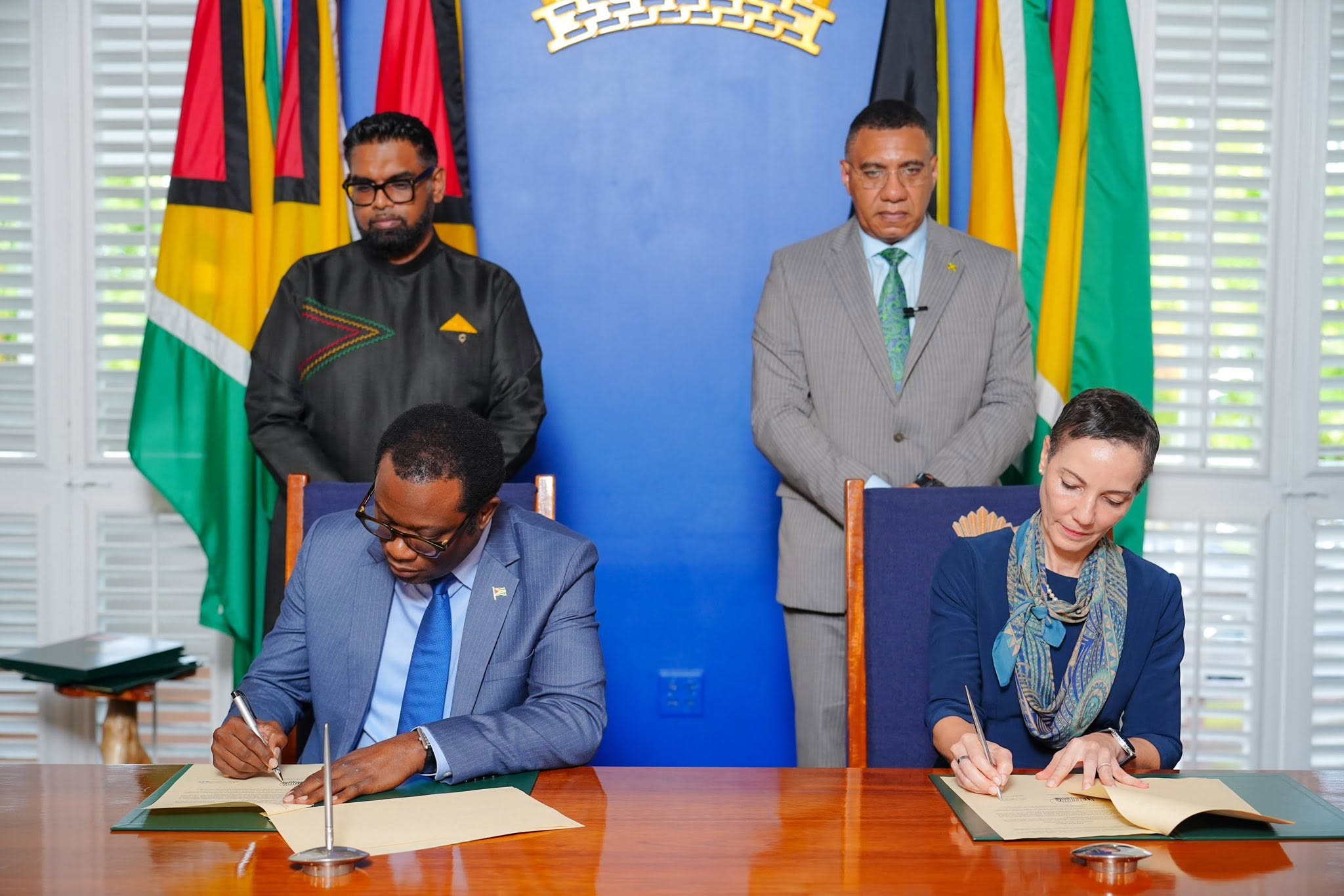
    On June 26, 2026, a landmark round of bilateral diplomacy between two Caribbean Community (CARICOM) member states delivered a framework for deepened cross-sector collaboration, anchored by a new initiative to advance regional energy security. The agreement-signing ceremony took place at Guyana’s State House, where Guyana’s Foreign Minister Hugh Todd and Jamaican Foreign Minister Kamina Johnson Smith put their signatures to a series of memoranda of understanding (MoUs), with Guyana President Irfaan Ali and Jamaican Prime Minister Andrew Holness in attendance as official witnesses.

    Following the formal signing ceremony, the two leaders addressed a joint press briefing, outlining the scope of the new partnership. Beyond pre-agreed cooperation in security, tourism, agriculture and financial services, the two nations have committed to establishing a dedicated working group focused exclusively on energy sector collaboration. “We are committed to having a working group examine this closely to come up with recommendations and options as to how we can collaborate in the energy sector. There are some exciting ideas that we are already talking about,” President Ali told reporters.

    Prime Minister Holness confirmed that energy cooperation was a central topic of his bilateral talks with President Ali, building on remarks he made just days earlier at the 2026 Suriname Energy, Oil & Gas Summit & Exhibition (SEOGS). Speaking at a joint press conference with Suriname President Jennifer Geerlings-Simons following the summit, Holness emphasized that the rapid growth of hydrocarbon development across Trinidad and Tobago, Guyana and Suriname has created an unprecedented opportunity for the Caribbean to achieve collective energy independence. “The CARICOM regional energy security is now within reach providing, of course, that regional governments cooperate in strategic ways,” he said at the time.

    Jamaica already maintains a state-owned oil refining facility, PetroJam, and is currently conducting exploratory activities for offshore oil reserves. To date, preliminary exploration data has indicated the potential for an active petroleum system off the island’s coast, Holness noted during his Suriname appearance.

    During his visit to Guyana, Holness added that the two sides also held detailed discussions on alignment in housing, in addition to the previously agreed priority sectors. He stressed that the two nations share a common vision for global affairs, particularly as the international order undergoes rapid shifts. “It is clear that Jamaica and Guyana are very much aligned, and we have a similar outlook on the world, similar understanding of the changing dynamics and the new nature of global politics,” he said.

    For his part, President Ali called on both countries to leverage their respective comparative advantages in areas including infrastructure development, to build a collaborative framework that delivers benefits not only for the two countries but for the broader Caribbean region. While full details of the signed MoUs have not been released to the public, President Ali confirmed that one of the agreements formalizes security and defense cooperation between the Guyana Defence Force (GDF) and the Jamaica Defence Force (JDF). Under the pact, Guyana will expand educational opportunities for JDF personnel, including offering access to a Master’s Degree in Strategic Development at the GDF’s National Defence Institute – a program that maintains institutional links with the United States Pentagon and Colombian defense institutions.

  • UB, BDF Forge New Partnership to Train Belize’s Future Leaders

    UB, BDF Forge New Partnership to Train Belize’s Future Leaders

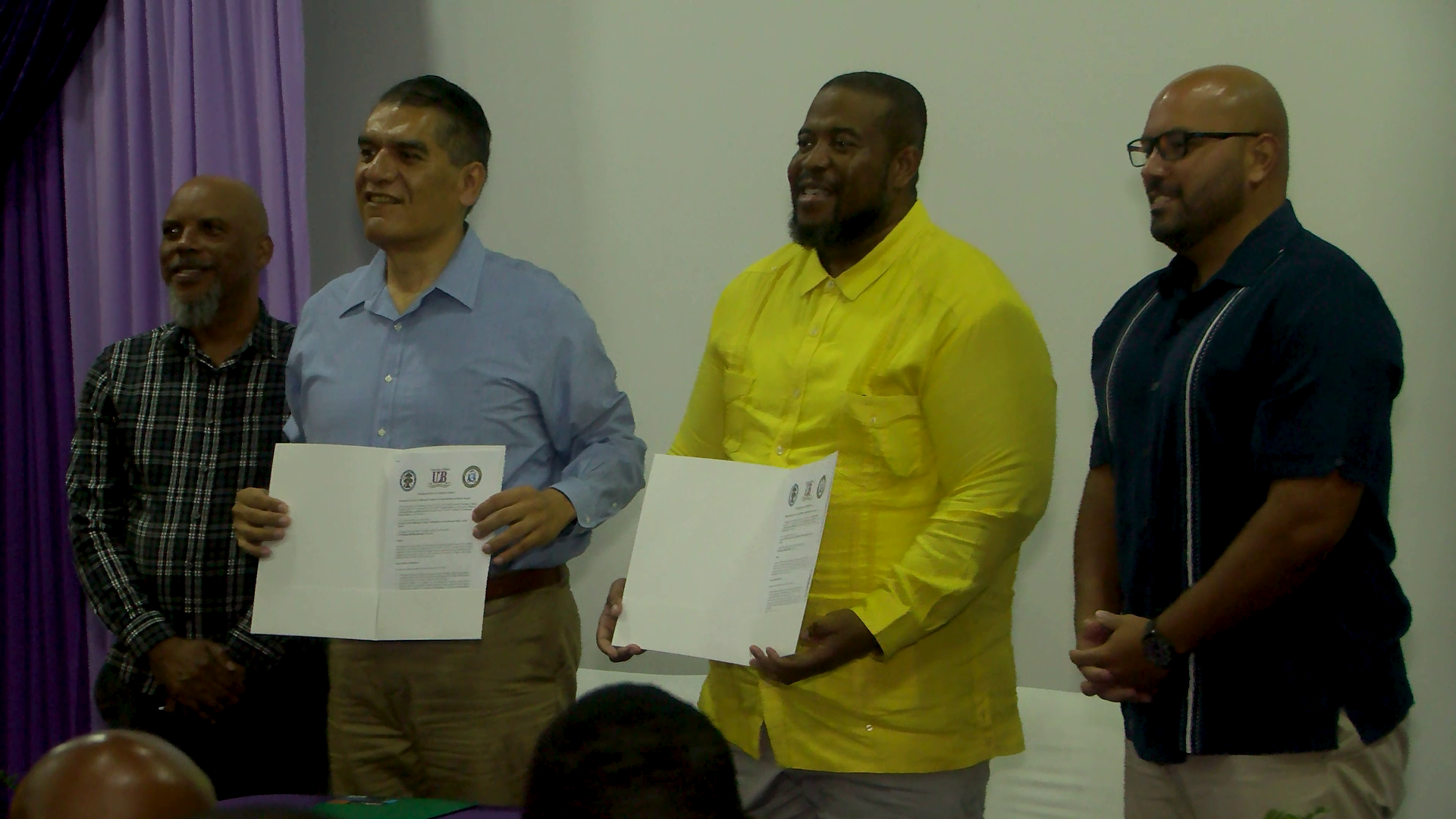
    On June 26, 2026, a landmark cross-sector collaboration was formalized between two of Belize’s most influential public institutions: the University of Belize (UB), the country’s leading tertiary education provider, and the Belize Defense Force (BDF), the nation’s primary national security body. The new Memorandum of Understanding (MOU), signed by senior government and institutional leaders, caps a year of exploratory discussions that first began when Francis Usher, Chief Executive Officer of Belize’s Ministry of Defense, reached out to UB President Dr. Vincent Palacio to align on a shared goal: building local solutions to Belize’s leadership development challenges.

    What makes this partnership unique is its mutual benefit model, designed to advance the priorities of both institutions while creating new pathways for young Belizeans across the country. For the BDF, the agreement addresses a long-standing financial and logistical challenge: the high cost of sending military officers abroad for advanced specialized training in defense and security studies. Under the new partnership, BDF officers will be able to earn accredited post-secondary degrees, ranging from associate degrees to master’s degrees, directly at UB through tailored academic programs, eliminating costly overseas training and keeping expertise rooted in local national contexts. The partnership also creates a structured talent pipeline for the BDF: UB students who complete a formal selection process will be recruited directly into the BDF’s officer or enlisted training programs upon graduation.

    For the University of Belize, the collaboration brings tangible enhancements to campus programs beyond academic offerings. BDF personnel will contribute their specialized physical training and leadership expertise to strengthen UB’s competitive athletic program and campus-wide physical fitness initiatives, elevating the student experience across the university. In exchange for this expertise, UB will offer dedicated scholarship opportunities for BDF officers to enroll in UB’s academic programs, making higher education more accessible for military personnel serving the nation.

    Florencio Marin Jr., Belize’s Minister of National Defense and Border Security, who attended the official signing ceremony, framed the agreement as a historic milestone for the country. “This is truly a great day for this country,” Marin stated, emphasizing that the partnership unites two of Belize’s highest-performing institutions—each a leader in their respective fields—to advance national development. Usher echoed this framing, noting that the core vision driving the collaboration was that “a Belize problem requires a Belize solution,” a philosophy that guided every stage of drafting the partnership terms.

    BDF Lieutenant Colonel Jermaine Burns, head of the force’s Training and Doctrine Directorate, outlined two flagship programs that will be rolled out as the first phase of the partnership’s implementation, aligning with this shared national vision. Dr. Palacio added that the collaboration leverages UB’s existing academic strengths, from its range of accredited degree programs to its well-regarded competitive athletics program, to create shared value for all stakeholders. Both UB and BDF leadership have emphasized that the agreement is the foundation for a long-term commitment, aimed at strengthening critical skills, fostering public service discipline, and expanding access to opportunity across Belize, while growing a new generation of homegrown leaders rather than relying on foreign training programs.

  • Minister Zabaneh Leads New Faith-Based Partnership Drive

    Minister Zabaneh Leads New Faith-Based Partnership Drive

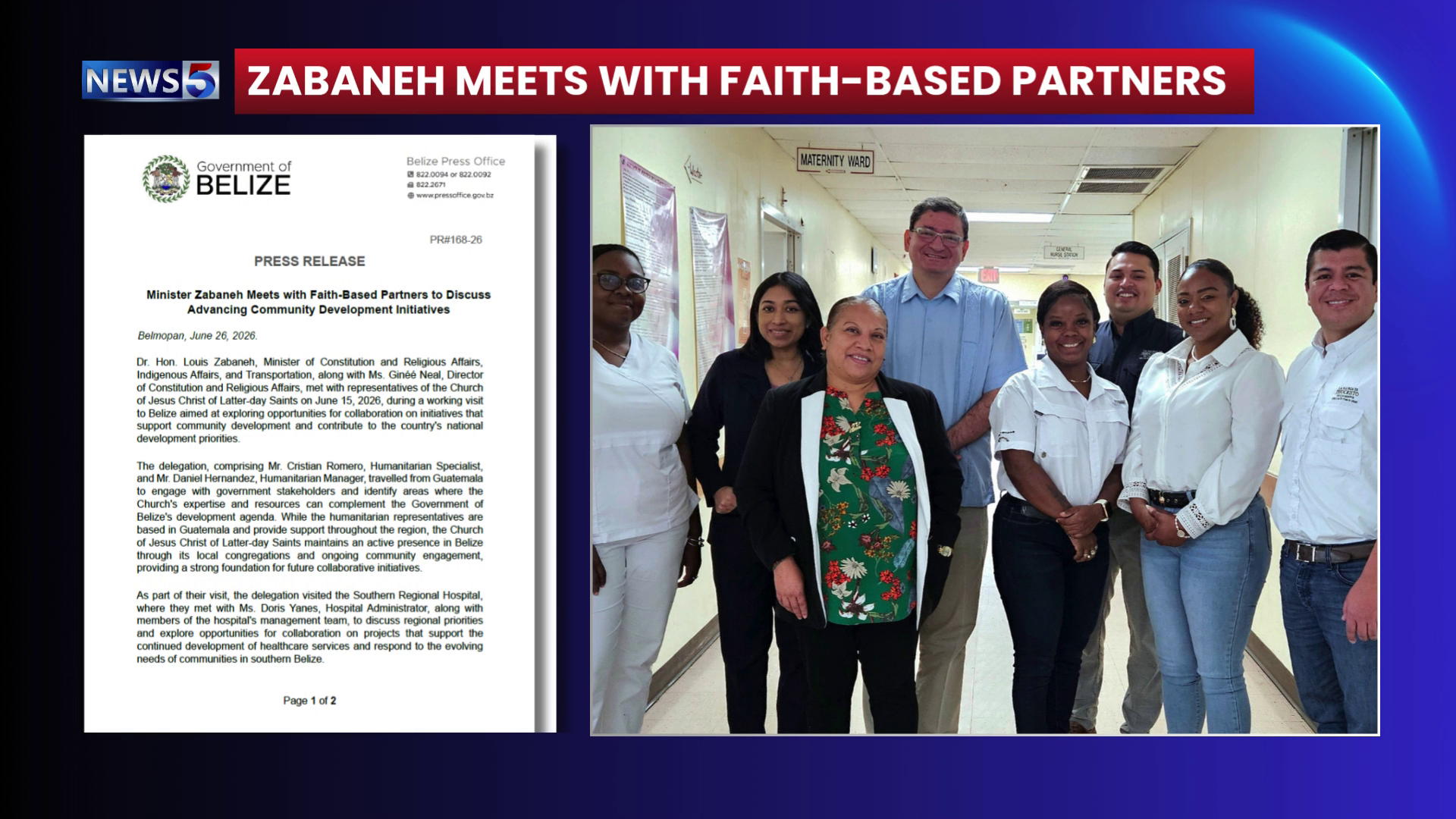
    Against the backdrop of Belize’s national push for inclusive community development, the Caribbean nation’s government is expanding its collaborative approach by partnering with faith-based organizations to advance shared progress across the country. Leading this new initiative is Dr. Louis Zabaneh, Minister of Constitution and Religious Affairs, who recently held high-level talks with a delegation from The Church of Jesus Christ of Latter-day Saints, which traveled to Belize from neighboring Guatemala to explore collaborative opportunities.

    The two-day working meeting marked a key step in formalizing new development cooperation, with attendees focusing on aligning the Church’s existing on-the-ground presence, regional resources and community development experience with Belize’s stated national development priorities. Unlike formal top-down agreements, the talks centered on designing community-led initiatives that address local needs directly, building on the Church’s long-standing informal work in Belize’s towns and rural areas.

    Following policy discussions with government officials, the joint delegation conducted site visits to key public institutions to identify immediate collaborative openings. One stop was the Southern Regional Hospital, where members met with hospital administrators and senior healthcare leaders to discuss targeted interventions that would expand service access and address the growing unmet healthcare needs of residents in southern Belize, a region that has long faced resource gaps in medical services.

    A separate working session with leaders from Belize’s National Emergency Management Organization (NEMO) focused on another critical national priority: strengthening the country’s disaster preparedness frameworks, improving emergency response capacity, and supporting the development of climate-resilient communities. Belize, like many small Caribbean nations, faces growing risks from climate-related extreme weather events, making enhanced disaster readiness a core policy goal for the current administration.

    For the Ministry of Constitution and Religious Affairs, this exploratory partnership is part of a broader government strategy to break down silos between public institutions and civil society organizations. By bringing together faith-based groups with existing community outreach infrastructure and the government’s policy and development resources, the administration aims to strengthen public social services and advance long-term, sustainable solutions that benefit all Belizeans.

    aA government spokesperson confirmed following the meetings that the administration will continue to prioritize and nurture this type of cross-sector collaboration, with the overarching goal of building more connected, robust and resilient communities across every region of Belize. Further talks are expected in the coming months to turn the exploratory agreements into concrete, actionable projects.

  • Destiny Wagner Takes the Reins in Major Pageant Transition

    Destiny Wagner Takes the Reins in Major Pageant Transition

    In a landmark shift for Belize’s most high-profile national pageant, the Miss Universe Belize franchise has completed its official transfer to a new ownership group based in El Salvador, with the transaction finalized earlier this June 2026. On June 26, the new stewardship made a pivotal announcement: trailblazing former beauty queen Destiny Wagner will step into the role of National Director to lead the organization into its next phase.

    Wagner, who carved her name into Belizean history in 2021 as the first candidate from the Central American nation to claim the Miss Earth title, brings a unique combination of on-pageant experience and a public commitment to gender empowerment to her new position. In her new post, she will take full oversight of Belize’s national pageant operations, from local candidate selection and training to all preparatory work that readies Belize’s representative for the global Miss Universe stage each year.

    In an official press statement confirming the appointment, the new ownership framed Wagner’s arrival as the opening of a transformative new era for the franchise. “A new era begins for Miss Universe Belize. We are proud to officially welcome Destiny Wagner as the Director of Miss Universe Belize… Her passion for empowering women, elevating Belize on the global stage, and inspiring future generations will guide this exciting new chapter,” the statement read.

    This transition marks one of the most notable leadership changes for the Miss Universe Belize organization in recent years, bringing a celebrated hometown figure to the helm of the national program as it enters a new chapter under cross-border ownership.

  • New model aims to build fuller student profiles for secondary schools

    New model aims to build fuller student profiles for secondary schools

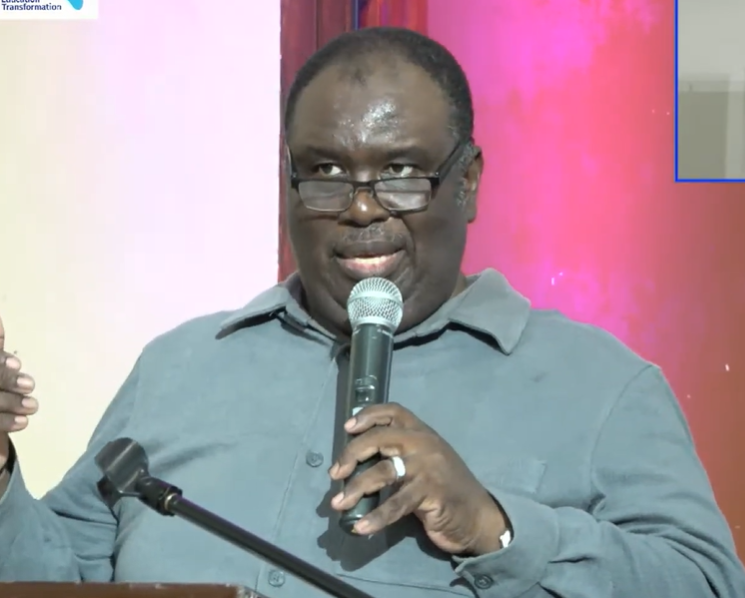
    Barbados’ Ministry of Education has laid out the most comprehensive framework to date for its upcoming overhaul of the primary-to-secondary school transition process, replacing the decades-old single high-stakes entrance examination with a two-stage, multi-year assessment designed to reduce student pressure and capture a broader range of skills. The detailed plan was presented by Deputy Chief Education Officer for Planning and Development Reverend Stephen Scott during a public transformation town hall held Thursday evening, part of a series of community consultations launched after the government confirmed it would scrap the traditional Barbados Secondary School Entrance Examination.

    At the core of the proposed new system is a 50-50 split between continuous classroom-based assessment and standardized national testing, spread across the final two years of primary education—Class Three and Class Four. Unlike the previous model that tied secondary school placement entirely to performance on a single high-pressure exam day, this approach is structured to let students build on their skills over time and showcase abilities beyond what can be measured through traditional pen-and-paper testing.

    “By moving away from a one-day high-stakes exam and extending assessment across two full years, we are giving students space to demonstrate strengths that go beyond rote learning,” Scott explained during the meeting. “This process lets them improve their performance incrementally, and those improvements are reflected in their final results. It also prioritizes the three key skills we want all young people to develop: creativity, collaboration, and critical thinking.” The model also addresses the common issue of students underperforming on exam day due to stress, illness or other temporary factors that do not reflect their actual ability, he added.

    The continuous assessment portion, which accounts for half of a student’s final placement score, centers on two in-school curriculum projects. The Ministry of Education will curate three project options for all primary schools, from which each campus will select two that align with their programming. One project will be completed during the first two academic terms of Class Three, while the second will be finished in the first two terms of Class Four.

    Scott emphasized that all project work will be completed exclusively during scheduled class time at students’ own primary schools, eliminating any risk of outside help or inequity from differing home resources. “These are not homework assignments to be taken home. We have built dedicated time into the school timetable for students to work on these projects and receive in-person guidance from their teachers,” he stated. While students will collaborate in groups on the core project work, each student will also complete an individual component that contributes directly to their personal assessment score, ensuring collective work does not mask individual growth.

    To guarantee consistent, fair grading across all schools, the ministry will provide standardized grading rubrics that outline exactly how points are awarded for each component of the projects. Ministry education officers, serving as assistant examiners, will conduct on-site visits during project work to offer guidance to teachers, oversee the process, and moderate grading to ensure all schools adhere to the same criteria.

    The remaining 50% of a student’s final score comes from four national standardized tests, scheduled at the end of each of the two final primary school years. At the end of Class Three’s third term, students will sit examinations in English and Science. They will then complete Mathematics and Social Studies/Civics exams at the end of the third term of Class Four. Unlike the current Common Entrance exam, which requires students to travel to unfamiliar secondary school campuses to sit their tests, all four standardized exams will be administered at the students’ own primary schools, a change designed to reduce anxiety and keep students in a familiar, comfortable learning environment.

    “Students won’t have to navigate an unfamiliar testing location,” Scott noted. “They stay in their own school, where they feel at ease, and we deploy trained staff to make sure the testing process runs smoothly for everyone.”

    The existing parental choice system for secondary school placement will remain in place under the new model. Parents will still be able to rank their preferred secondary schools for their children, and final placements will be determined by a combination of the student’s combined score from continuous assessment and standardized testing, plus the number of available spots at each institution.

    Beyond changing the placement process, the new model is designed to create a comprehensive student profile that helps secondary schools better support incoming students from day one. “We don’t want this process to be unnecessarily stressful for our students,” Scott said. “We’ve built it to be as comfortable as possible over the two-year period, because our goal isn’t just to rank students—it’s to capture their full range of skills, talents and abilities to build a complete profile that helps their new secondary school meet their needs.”

    Thursday’s town hall is just one part of the ministry’s ongoing public consultation period. Parents, educators and other stakeholders are invited to submit feedback on the proposed framework before it is finalized and implemented.