博客

  • Nicholls: Birth tourism ads no cause for alarm

    Nicholls: Birth tourism ads no cause for alarm

    Recent online advertisements marketing birth tourism packages to Barbados have sparked public concern, but island officials have moved quickly to dismiss calls for urgent policy changes, citing years of proactive surveillance and data that shows no emerging crisis.

    Home Affairs Minister Gregory Nicholls spoke exclusively to Barbados TODAY to address the spreading reports, which highlighted at least one African travel firm marketing birth tourism services across six nations, including two CARICOM member states with Barbados among them. The company behind the ads makes a series of bold claims to prospective clients: that Barbados grants automatic citizenship by birth, issues immediate residency permits to new parents, allows entry to travelers holding valid UK visas, and offers birth tourists’ children visa-free travel access to 162 global destinations, including the UK, the entire Schengen Area and Canada. It also frames the service as a gateway to high-quality Caribbean healthcare, unmatched global mobility, and long-term life opportunities for children.

    Contrary to framing the ads as a new, unmanaged threat, Nicholls emphasized that these social media promotions have been circulating for years, and the Barbados Immigration Department has maintained continuous oversight of the activity to safeguard the nation’s interests. “These advertisements have been up on social media platforms for a number of years now, and the Immigration Department has been keeping a watchful eye to ensure that our immigration laws, our borders and our national interests have been properly enforced and protected,” Nicholls stated. He added that enhanced surveillance protocols and consistent passenger screening have allowed the department to fulfill its regulatory mandate effectively, and no systemic breaches of immigration law have been identified.

    While the minister declined to directly respond to the company’s claim that parents receive automatic immediate residency after childbirth, he shared official government data that undercuts the narrative of a growing, system-manipulating trend. Official records show that foreign visitors coming to Barbados for maternity medical services almost universally pay for their care out of pocket, placing no unnecessary burden on public government finances. Crucially, the data also confirms these visitors are not applying for permanent residency, citizenship, or any long-term immigration status after giving birth. When looking at total annual births to non-citizens, non-permanent residents, and non-ordinary residents, the numbers remain far too low to justify public alarm or abrupt policy shifts, Nicholls explained.

    The minister also pushed back against unsubstantiated rumors that specific airlines or shipping lines were intentionally facilitating unregulated birth tourism. He noted that all incoming passengers are subject to rigorous screening, a system that has been in place since the 2007 Cricket World Cup, when Barbados introduced the Advanced Passenger Information System to pre-screen all arrivals. Every passenger, regardless of carrier, is thoroughly assessed by trained immigration officers upon entry, so there is no evidence to single out any specific transport operator for scrutiny.

    Public birth records also do not support the hype around non-national access to obstetric and gynecological care in Barbados, Nicholls said, rejecting calls for a knee-jerk policy response to social media sensationalism. He further noted that Barbados has built a well-deserved global reputation as a top destination for specialized fertility treatment, a legitimate medical tourism sector that contributes significantly to the island’s economy and international standing. The nation also outperforms many neighboring countries, as well as most nations in Africa and Asia, on key maternal health outcomes: Pan American Health Organization (PAHO) data puts Barbados’ maternal mortality rate at 39 per 100,000 births, less than half the 80 per 100,000 average recorded in those regions, a achievement Nicholls credited to the island’s highly skilled nursing, midwifery and medical workforce.

    Rather than birth tourism, the government’s far more pressing demographic concern is Barbados’ plummeting native birth rate, which has pushed the country into a period of structural population decline, Nicholls revealed. Annual deaths now outpace births on the island, a trend that officials are actively working to address through targeted policy.

    Looking ahead, the government will continue to shore up border security through strengthened local and regional partnerships, including deepened collaboration with the Regional Security System and CARICOM’s IMPACS crime and security agency. Nicholls reaffirmed that the government will provide full support to immigration officers and the Barbados Police Service to enforce existing laws, protect the island’s borders, and keep both Barbadian citizens and visitors safe.
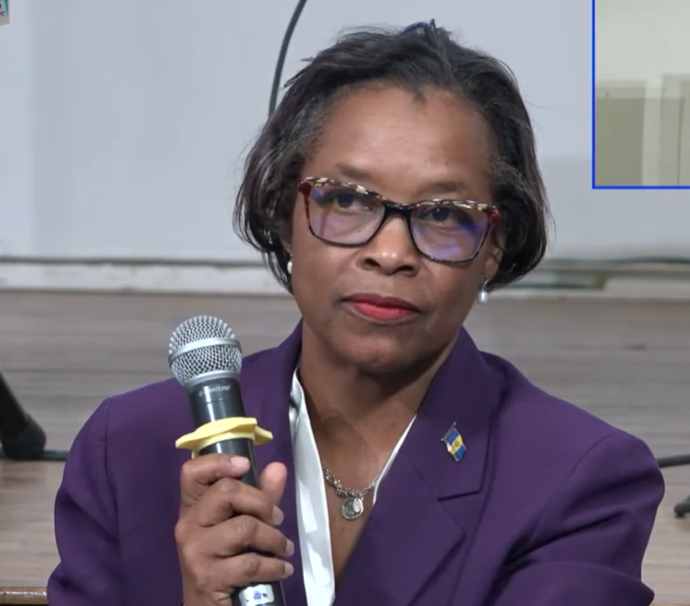
  • $98 000 boost for special needs centre

    $98 000 boost for special needs centre

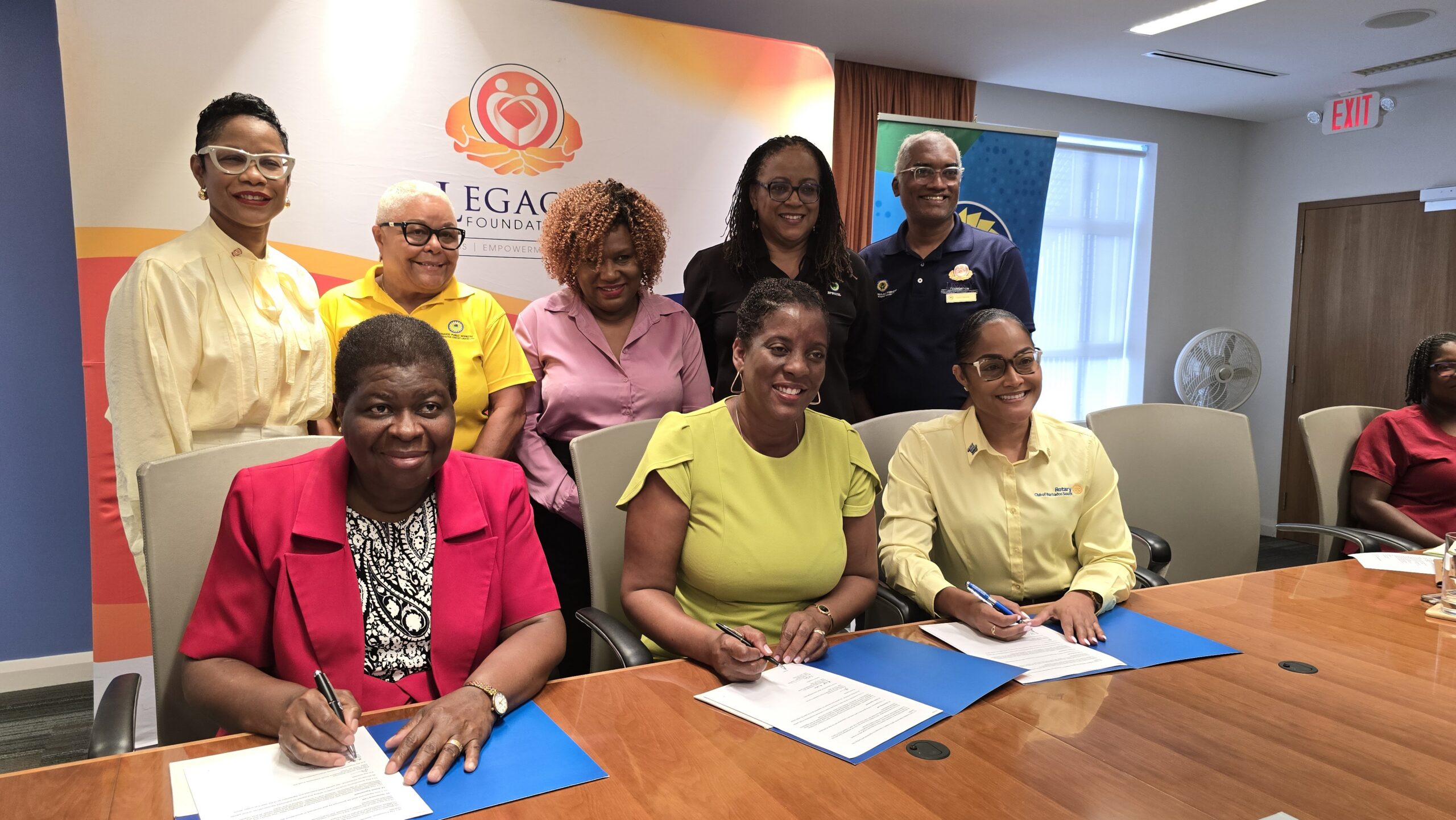
    A transformative new initiative to expand therapeutic support for Barbadian children living with developmental disabilities is moving forward, backed by a $98,000 charitable grant from the Legacy Foundation. The project is a joint effort between the Rotary Club of Barbados South and the Albert Cecil Graham Development Centre, a leading local provider of specialist care for neurodivergent children, and will create a dedicated multisensory sensory room designed to meet the unique needs of children with autism spectrum disorder, developmental delays, and related conditions.

    During a press briefing Friday, Legacy Foundation Chairman Ayodele Burrowes outlined the core mission of the project, emphasizing that it addresses a critical unmet need in Barbados’ specialist care system. For years, the Albert Cecil Graham Development Centre’s existing therapy spaces have operated far beyond their intended capacity, leaving families facing crippling delays to access life-changing early intervention. Many children who could benefit from consistent, timely therapy are forced to wait months or even years for an opening – a gap the foundation’s grant is designed to close.

    Burrowes explained that the new sensory room is far more than an addition to the centre’s physical infrastructure. It is a purpose-built therapeutic tool that creates a calm, safe, and responsive environment where trained clinicians can adapt care to each child’s individual sensory and developmental needs. In this space, children will build core life skills including emotional regulation, communication, and social engagement in a setting that works with their neurotype, rather than against it. Beyond supporting children, the room represents a critical source of hope for families, who have long navigated systemic capacity gaps to access the care their loved ones need.

    The project is set to deliver wide-ranging improvements to care across the centre, Burrowes noted. It will boost overall clinical outcomes, expand the facility’s ability to serve more children in need, give clinicians a fit-for-purpose space to deliver high-quality care, and advance equitable access to life-enhancing support for disabled children across Barbados.

    Senator Lisa Cummins, Barbados’ Minister of Health and Wellness, praised the Legacy Foundation and its partner organizations for their investment, highlighting the critical role that civil society and community groups play in supporting public care institutions. Currently, the Albert Cecil Graham Development Centre serves approximately 610 children, supporting 164 families with ongoing care – a number Cummins described as a tiny fraction of the total unmet demand across the country. She recalled that waiting lists for specialist developmental care once stretched 7 to 9 years, a crisis directly caused by limited facility capacity that persists to this day.

    “It’s hard when you are a mommy or a daddy, and you need to be able to support your child to provide the resources for your child, but they are not readily available,” Cummins said, noting that other specialist facilities across Barbados also face overwhelming demand that outstrips their capacity.

    Procurement and installation of the sensory room’s specialist equipment is scheduled to take place between May and September, with the space set to open in time for the start of the new school year. Burrowes framed the project as a powerful example of what collective action can achieve: “We believe that the Albert Cecil Graham Development Centre Sensory Room project will demonstrate what is possible when organisations come together with shared purpose and a genuine desire to serve. It is a reminder that inclusion is not an ideal. It is something we must actively build.”

    Jacklyn Broome, President of the Rotary Club of Barbados South, echoed that sentiment, noting that the project has never been solely about infrastructure or equipment. “This project was never simply about equipment or infrastructure; it was about giving children additional tools to learn, grow, communicate and thrive. It was about supporting families who navigate these challenges every day, and it was about reinforcing a simple truth that inclusion is not achieved through words alone, but it requires investment, commitment and action,” Broome said.

    Bridget Austin, coordinator of the Albert Cecil Graham Development Centre, explained the unique impact a dedicated sensory space will have for the centre’s clients. The calming, stimulating environment is designed to encourage natural engagement and communication, helping children progress faster in their therapy. “This donation is not just providing material, it is providing hope and opportunity for the clients of the Albert Cecil Graham Development Centre and, by extension, the children of the disabled community of Barbados,” Austin said.

    The Albert Cecil Graham Development Centre is Barbados’ leading public provider of assessment and therapeutic care for children living with a range of neurodevelopmental and genetic conditions, including autism spectrum disorder, developmental delays, attention deficit hyperactivity disorder, intellectual and specific learning disabilities, communication disorders, and congenital syndromes.

  • Class Three pupils ‘ready’ for new transition assessment – Ministry

    Class Three pupils ‘ready’ for new transition assessment – Ministry

    Barbados’ Ministry of Education is moving forward with a planned overhaul of its secondary school entrance system, rolling out a phased approach that has drawn questions from parents during recent public engagement sessions. At a transformation-focused town hall held Thursday, education officials detailed the proposed framework that will replace the long-standing Barbados Secondary School Entrance Examination, more commonly known as the one-day Common Entrance test. Under the new model, student evaluations will span the final two years of primary education – Classes Three and Four – blending ongoing in-class assessments with nationwide standardized tests, moving away from the high-stakes single-day examination that has long defined primary-to-secondary transitions for Barbadian students. During the open forum, one parent pressed officials on the timeline of the rollout, asking why formal assessment under the new system would not launch as early as Class One, rather than bringing Class Three students into the new model first. Responding to the concern, Acting Chief Education Officer Julia Beckles explained that the phased timeline was crafted around child development principles and the existing progress of curriculum integration in primary schools. Beckles emphasized that education planners have concluded Class Three students are uniquely positioned to adapt to the new assessment framework, thanks to their level of academic and social development after several years of primary schooling. She added that while formal evaluation will not start until Class Three, foundational preparation for the new model will begin much earlier, aligned with the parent’s suggestion. “We will be training all educators and rolling out preparatory work starting with current Class One students,” Beckles confirmed. The acting chief education officer noted that early primary years will be focused on building the skills students need to succeed under the new model, particularly project-based learning, which is a core component of the updated assessment structure. Since 2024, primary schools across Barbados have already integrated project-based learning activities into their curricula for early primary grades, meaning current Class Three students have already had years of practice with this learning style – making them the ideal first cohort for the formal assessment. Currently, the Ministry of Education is hosting a series of public consultation sessions across the country to collect feedback from parents, educators, and other key stakeholders before the new transition model is finalized and implemented permanently.

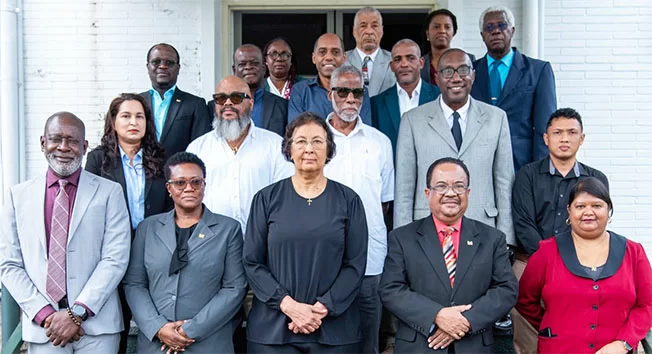
  • Nationaal Ontwikkelingsplatform moet koers Suriname tot 2050 uitstippelen

    Nationaal Ontwikkelingsplatform moet koers Suriname tot 2050 uitstippelen

    On June 26, Suriname’s President Jennifer Simons officially inaugurated the country’s new National Development Platform, a cross-sector initiative tasked with drafting a consensus-driven long-term development roadmap that will guide national policy across successive governments from 2030 through 2050. Led by chair Karel Eckhorst, the platform has been given a 12-month timeline to deliver its final integrated plan.

    The inauguration ceremony was held at the President’s Cabinet, with high-level attendees including Vice President Gregory Rusland, Minister of Finance and Planning Adelien Wijnerman, and Cabinet Chief of Staff Sergio Akiemboto. Bringing together stakeholders from across Suriname’s public and private spheres, the platform includes representatives from government, the business community, labor unions, political parties, and civil society organizations, reflecting its mandate to build a broadly shared vision for the nation’s future.

    In an official statement released via the Communication Service of Suriname, President Simons emphasized that the platform’s core task is to engage all segments of Surinamese society in shaping a collective development direction. “The goal is to assess what broad social consensus exists around the path Suriname should take for long-term growth,” the head of state noted. She stressed that the resulting plan will consolidate diverse perspectives and insights into a unified framework that successive administrations can implement consistently, regardless of political changes.

    Simons highlighted that Suriname is currently in a critical transitional period, as projected new revenues from the emerging oil and gas sector bring significant opportunities as well as notable risks. “We will soon receive new financial resources from oil and gas, but if we do not deploy those resources correctly, they carry major risks that we cannot ignore,” she underscored.

    Eckhorst, the newly appointed platform chair, echoed Simons’ observations, noting that Suriname stands on the cusp of transformative change as it prepares to join the ranks of global oil-producing nations. He emphasized that any future energy revenues must be deployed strategically to advance sustainable, inclusive development that benefits all Surinamese people.

    “Our development plan cannot be made for society – it must be made with society,” Eckhorst said. “At its core, development is about lifting up the entire community, and every effort must align with a single shared national vision.”

    Rekha Bissumbhar, chair of the Suriname Business Association (VSB) and a member of the platform’s core steering group, emphasized that advancing Suriname’s development is a shared responsibility across government, business, and civil society. She added that meaningful progress depends on moving beyond planning to consistent, timely execution.

    “Success is not found in drafting the plan itself – it is found in implementing it,” Bissumbhar stressed. “We need to see tangible results within the next year, followed by accelerated progress in subsequent years.”

    The platform’s core steering group includes Eckhorst, Akiemboto representing the President’s Cabinet, Bissumbhar for VSB, Reynold Simons from the Suriname Trade Union Council, Danny Lachman from the Suriname Planning Bureau, and Lothar Boksteen from the Confederation of Civil Service Organizations. President Simons also confirmed that the Association of Surinamese Economists (VES) was invited to join the platform but chose to remain an independent external stakeholder. In addition, Akiemboto will carry out his work for the platform on an unpaid basis.

    Full membership of the platform spans representation across all major political and institutional groups, including officials from the Vice President’s Cabinet, multiple political parties, the Chamber of Commerce and Industry, and the Association of Surinamese Manufacturers, among other stakeholders.

  • Basketball queen Megan Nestor welcomed home

    Basketball queen Megan Nestor welcomed home

    Hundreds of well-wishers, family members and government officials packed Hewanorra International Airport on Thursday to celebrate the homecoming of Saint Lucian basketball trailblazer Megan Nestor, whose historic breakout season on the U.S. college court has put her Caribbean hometown on the global basketball map.

    Standing 6’4”, the Canaries native turned heads across collegiate women’s basketball this past season competing for the University of North Texas Mean Green in NCAA Division I, finishing atop the entire organization’s leaderboards in three key rebounding categories: total rebounds (464), rebounds per game (14.1), and offensive rebounds per game (5.2). Her standout campaign included a once-in-a-generation performance against Texas Southern on December 6, 2025, where she logged 34 points and 31 rebounds — marking just the third 30-30 game recorded in NCAA Division I women’s basketball since the 1981-1982 season.

    Nestor’s historic collegiate success earned her an invitation to compete at the Chicago Sky’s 2025 WNBA preseason training camp, opening the door to a potential professional career in the top women’s basketball league in the world.

    At the emotional airport welcome, Nestor was greeted by two of her biggest supporters: her mother Sonia Nestor, and Shem Maxwell, her former national netball coach who first spotted her raw talent and encouraged her to pivot to basketball. In a heartfelt speech to the crowd, the rising star credited her community and loved ones for carrying her through the toughest moments of her athletic journey.

    “Your love, support and belief in me carried me through some of the most challenging moments of this journey. I am forever grateful. Who would Megan Nestor be without you?” Nestor told attendees. “To my family gathered here today, thank you for your love, encouragement and unwavering support.”

    Following the airport reception, a celebratory motorcade escorted Nestor from the airport to her home village of Canaries, where local residents lined the streets to cheer on their hometown hero. Wayne Girard, parliamentary representative for Anse La Raye/Canaries, praised Nestor for breaking barriers and putting Saint Lucian athletic talent on display at the highest level of collegiate sports.

    “Megan, you have accomplished a lot on the collegiate stage. We are very proud of you. We will continue to stand by you in whatever capacity we can,” Girard said.

    Kenson Casimir, Saint Lucia’s Minister for Education, Youth Development and Sports, also attended the celebration, extending official congratulations on behalf of the national government and pledging ongoing institutional support for Nestor’s budding professional career. Casimir emphasized that Nestor’s success is just the start of what promises to be a legendary athletic career, framing her achievement as inspiration for young athletes across the island nation.

    “I want to personally congratulate you on behalf of the government of Saint Lucia, and we certainly hope, and we know that this is just the beginning,” Casimir said.

  • Four-Lane Highways? Infrastructure Minister Says Belize Isn’t There Yet

    Four-Lane Highways? Infrastructure Minister Says Belize Isn’t There Yet

    Amid growing public outcry over a sharp spike in deadly road accidents, Belize’s top infrastructure official has confirmed that a full conversion of the country’s busiest highways to four-lane divided roads is not on the immediate agenda, pointing to insurmountable financial constraints and low current traffic volume that fail to justify the massive project.

    In 2025 alone, Belize recorded 3,300 road traffic collisions across the country, 94 of which were fatal. The devastating death toll has reignited fierce debate over the safety of Belize’s existing two-lane highway network, which is the primary intercity transit backbone for the small nation. Currently, the government is allocating millions of dollars to rehabilitation work on two of its most critical routes: the George Price Highway and the Phillip Goldson Highway. Road safety campaigners and everyday motorists have repeatedly questioned why these costly upgrade projects do not include a full shift to four-lane construction with a central median to separate opposing traffic streams, a design change that would eliminate the risk of deadly head-on crashes, the leading cause of fatal highway incidents worldwide.

    In a recent public address addressing these demands, Minister of Infrastructure Development Julius Espat laid out the government’s rationale for the incremental approach, breaking the decision down into two core issues: population size and overall project cost. Espat explained that nearly all major infrastructure projects in Belize rely on funding from international financial institutions (IFIs), which have strict requirements for approving large-scale investments. Before greenlighting financing for highway expansion, these institutions dispatch independent technical and financial experts to conduct on-the-ground assessments of current and projected traffic flow to determine whether the scale of the requested project aligns with the country’s actual needs.

    “When a highway is being designed, you cannot simply approach an IFI asking for a six-lane route and expect automatic approval,” Espat noted. “Their experts run detailed analyses to confirm whether the existing traffic volume, tied directly to our country’s population size, actually justifies a road of that massive magnitude.”

    Beyond technical justifications, Espat emphasized the stark financial reality that the government faces, noting that even current two-lane rehabilitation projects already draw heavy public criticism for their high price tags. A full conversion to four lanes would send costs soaring to unsustainable levels for the small Central American nation. “If we are already complaining that the cost of current highway upgrades is too high, just imagine what four lanes would run us. The total cost would be tremendous, far beyond what our national budget can accommodate at this stage,” he said.

    Instead of a full four-lane expansion, the government is rolling out a more modest, targeted upgrade: adding passing lanes to select high-traffic sections of the George Price Highway. This design allows drivers to safely overtake slower-moving vehicles without the massive land acquisition and construction costs of a full four-lane conversion. Unlike a continuous divided highway, these passing lanes are staggered across the route: one direction gets a second lane in one segment, while the opposite direction gets an extra passing lane in a different section, matching the most common problem areas where dangerous overtaking maneuvers regularly occur.

    Espat emphasized that modernizing Belize’s road network is a long-term, incremental project rather than an overnight transformation. The current government is laying the groundwork for future expansions, he said, and subsequent administrations will be able to build on that progress as the country’s population and traffic volume grow to justify larger investments. “It’s a gradual process,” Espat explained. “By the end of our term in office, we will have delivered the upgrades we can afford right now. Hopefully, the next government will take what we’ve built and make it even better. That is how you steadily improve a country’s infrastructure over time.”

    For road safety advocates, however, the slow, staged approach comes at a continuing cost of preventable deaths. While the government’s proposal addresses the risk of collisions during overtaking, it does not eliminate the threat of head-on crashes that make two-lane highways far more dangerous than divided alternatives. The debate over how to balance public safety and fiscal responsibility is expected to continue as the rehabilitation project moves forward and more data on accident rates becomes available.

  • Belize Passes First Climate Change Law on Carbon Credits

    Belize Passes First Climate Change Law on Carbon Credits

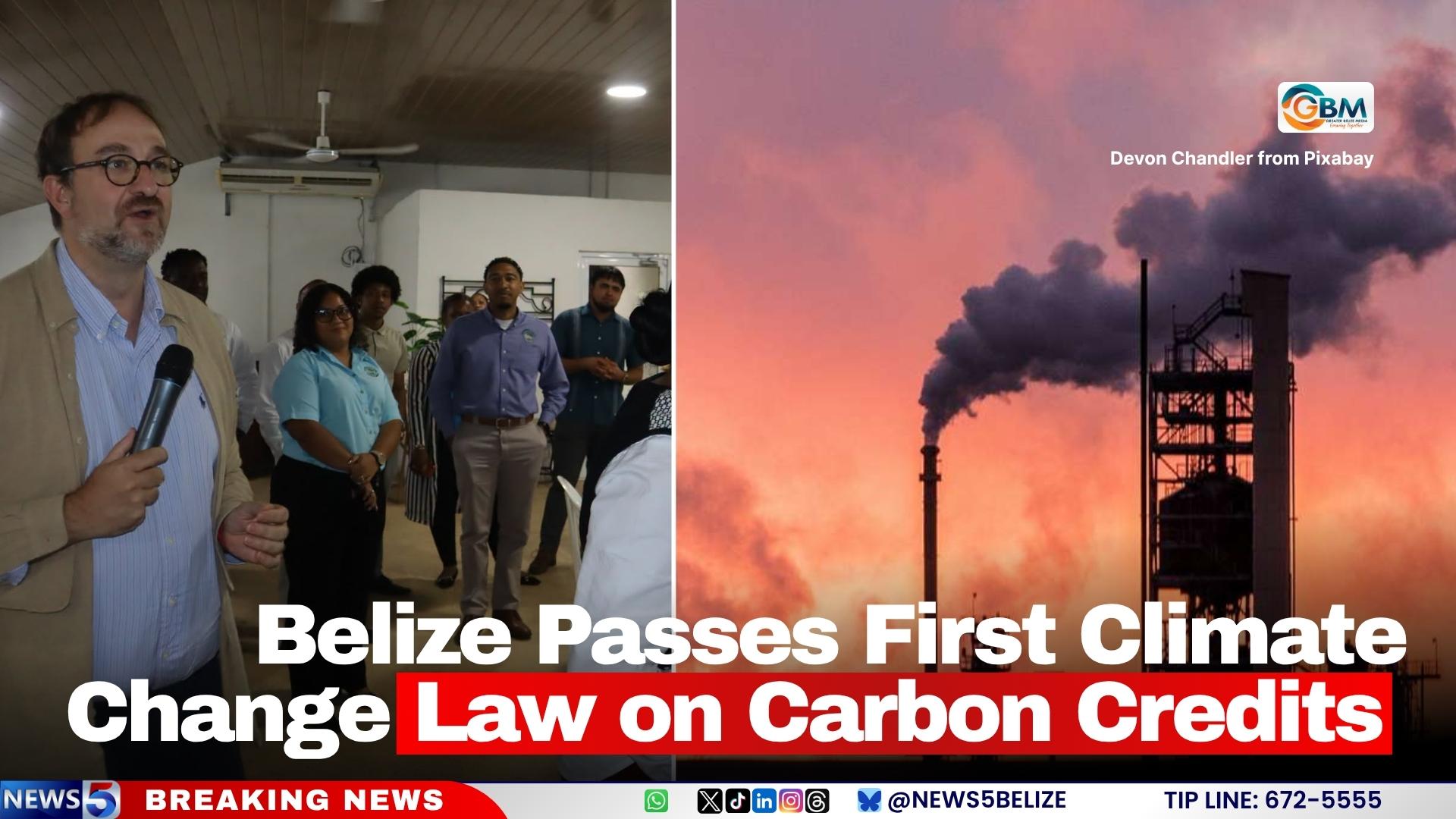
    On June 18, 2026, Belize made history in its climate action journey when Governor-General Dame Froyla Tzalam formally signed the nation’s first-ever legislation focused on climate change and carbon market governance into force. Just two days after the signing, the law was officially published in the country’s official Gazette, marking the completion of its legislative adoption and opening a new chapter for Belize’s climate resilience and sustainable development efforts.

    This landmark legislation carries two core mandates that reshape the country’s climate governance framework. First, it formalizes the status of the national Climate Change Department as an official government body, while expanding its institutional authority to coordinate cross-sector climate action and systematically track the country’s progress toward meeting its climate targets. Second, it establishes the first formal regulatory framework for Belize’s emerging carbon market, creating clear rules that allow both public and private actors to generate revenue through verified emission reduction activities by selling those climate benefits as tradeable carbon credits.

    Orlando Habet, Belize’s Minister of Sustainable Development and Climate Change, emphasized that the new legislation empowers the nation to advance its climate priorities on its own terms, strengthening Belize’s position in global climate action. “This law puts Belize in a stronger position to advance our climate agenda on our own terms,” Habet noted, highlighting the country’s commitment to centered its own development and environmental needs in climate policymaking.

    With the foundational legislation now in effect, the government has shifted focus to the critical next step: implementing the law through the development of detailed regulatory frameworks, operational standards, and administrative systems that will govern how carbon market projects are structured and operate across Belize. To kick off this implementation phase, the Ministry of Sustainable Development and Climate Change, backed by technical and financial support from the European Union, the Euroclima regional climate programme, and the United Nations Development Programme, hosted a two-day inclusive policy drafting workshop in the capital city of Belmopan on June 24 and 25.

    In a break from one-size-fits-all policy models imported from other regions, the workshop intentionally brought together a diverse cross-section of stakeholders: senior government officials, private sector representatives, environmental advocacy organizations, academic climate researchers, and local community leaders. The goal of this broad participation is to ensure that the resulting Climate Change and Carbon Market Policy is tailored to Belize’s unique ecological, economic, and social context, rather than adopting an off-the-shelf framework that does not align with local needs.

    Habet outlined the core principles guiding the policy development process, emphasizing that it will remain open, inclusive, and rooted in national ownership. “The goal is to keep the process open and built on broad consultation and national ownership, one that reflects our priorities, protects our people and ecosystems, and positions Belize to benefit from climate finance,” Habet explained.

    Edalmi Pinelo, Belize’s Chief Climate Change Officer, echoed this commitment to collective input, noting that the entire process is designed to center stakeholder feedback. “This is a collective process,” Pinelo said. “We are here to listen, and the feedback gathered will inform every stage of policy development.”

    Looking ahead, the Belizean government has announced plans for additional rounds of public consultation and working group sessions over the coming months as it continues to refine and finalize the national climate and carbon market policy. The inclusive approach is designed to build broad national buy-in while ensuring that the emerging carbon market delivers tangible benefits for Belize’s people and natural environments, rather than external actors.

  • $65m roadmap to jump‑start research, development, innovation

    $65m roadmap to jump‑start research, development, innovation

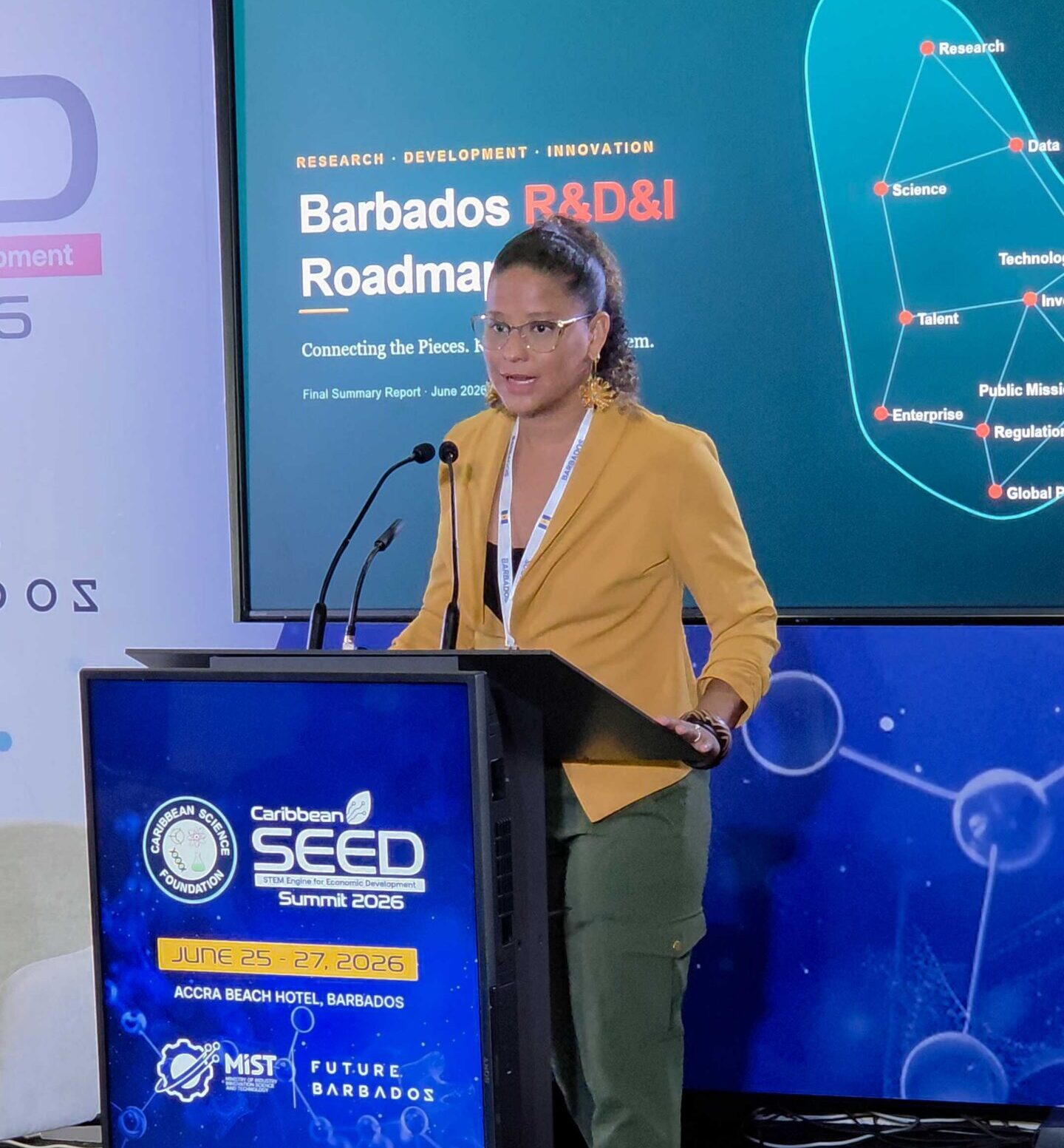
    Against the backdrop of growing global technological disruption and the unique structural challenges facing small island developing states (SIDS), independent Caribbean policy research group Future Barbados has launched a landmark draft five-year strategic plan that calls for $65 million in targeted investment to pivot the island nation from repeated short-term crisis management to sustained long-term economic resilience, anchored in science, technology and innovation-driven research and development.

    Known formally as the Barbados Research, Development and Innovation (RDI) Roadmap, the 75-page strategic blueprint was commissioned more than a year ago with specialized technical support from the Inter-American Development Bank (IDB). Its core mission is to formalize the country’s innovation ecosystem, unlock critical financing, and accelerate the commercialization of homegrown science and technology outputs, moving beyond decades of siloed academic-only research models.

    Tamaisha Eytle Harvey, Director of Future Barbados, emphasized that large-scale investment in innovation is no longer an optional luxury for SIDS like Barbados — it is an existential necessity. Pointing to common everyday infrastructure gaps that reveal systemic weaknesses, she shared an anecdote from her commute to the roadmap’s launch event: navigating around unrecorded municipal service vehicles, avoiding unmarked road hazards, and juggling unstable digital connectivity while working remotely from her car. “Technology is moving faster than ever before. There is a need for advancements in AI, biotechnologies, everything — every part of our lives depends on technology these days,” Eytle Harvey said. “If we don’t give fiscal space, if we don’t give intellectual space to designing the long-term, more sustainable solutions, we will always be in crisis mode.”

    For decades, Eytle Harvey noted, Barbados has placed full responsibility for research and development exclusively on tertiary education institutions, a model that has constrained national growth. The new roadmap reframes innovation not as a niche academic activity, but as a core engine of national economic development, embracing experimentation, iteration and even calculated failure as necessary parts of progress. “The model that we’ve been using for many decades has put responsibility for this only on one set of people. It was only a university who’s in charge of solving the problems,” she explained. “Well, here we are where all of the problems are our problems. This is a national development entity and engine to be able to spend time, spend effort and resources in a strategic way on solution development. And that means failures, that means experimentation, that means imagination.”

    Despite a history of widespread regional underinvestment — where private sector research spending across Caribbean economies averages just 5.4% — Barbados has already made notable strides in building its innovation capacity. The country currently ranks 58th globally in frontier technology readiness, outperforming many peer SIDS. Eytle Harvey attributed this progress to Barbados’ long-held strong international reputation, stable political governance, and highly educated local workforce, as well as the rapid expansion of dedicated innovation institutions over the past eight years. Bodies including the Ministry of Innovation, Industry, Science and Technology (MIIST), GovTech Barbados, Barbados Pharmaceutical Inc., and the ROAD archive digitization project have all laid critical groundwork for the broader RDI strategy.

    Still, major bottlenecks continue to block widespread innovation growth. Barbados’ small domestic market of just 300,000 people, widespread data fragmentation, capital flight, and a lack of structured pathways to move early-stage research from lab benches to commercial markets all hinder progress. Eytle Harvey highlighted how critical national data remains locked in disconnected, static formats: scattered across personal drives as individual PDF files and unstandardized Excel spreadsheets, rather than centralized in a accessible, collaborative platform. “Currently, we rank very highly — I hope you read my sarcasm strongly — on any investment strategy around R&D,” she noted. “Having credibility internationally with the development banks, with investors, does make a strength and robustness in our governance systems that makes it easier to build a system like this. But with all of these assets, it’s like, okay, we have the ingredients in the kitchen, but we’re really missing some things to really make this robust.”

    To address these gaps, the RDI Roadmap splits the proposed $65 million total investment across three interconnected core pillars over the next five years. The first pillar, focused on direct project funding, allocates $29 million to expand doctoral research programs at the University of the West Indies and provide targeted support to help early-stage projects cross the commercial “valley of death” — the high-risk gap between proof of concept and market launch. Priority research areas under this pillar include turning invasive sargassum weed into value-added commercial products, developing new public health solutions for non-communicable diseases (NCDs), and offering matching grants to grow specialized tech clusters.

    The second pillar focuses on expanding indirect financial support for private sector innovation, earmarking $16 million to train local businesses on how to access existing R&D and digital transformation tax credits, while launching new innovation voucher schemes to incentivize private research investment. The third and final pillar allocates $20 million to upgrade innovation infrastructure and cross-sector coordination, funding critical improvements to outdated physical research laboratories, building a secure sovereign open-data architecture, launching a centralized single-entry hub to streamline the transition of ideas from concept to market, and establishing an independent advisory board to enforce strong data governance and policy accountability.

    Eytle Harvey noted that the full build-out of a national innovation system would ultimately require a $100 million investment, but the $65 million targeted plan is a pragmatic, achievable starting point. “The only way we’re going to get innovation to happen in the firms and the private sector is to encourage this, not just by educational workshops, but by providing them with the financing and the spaces to do it,” she said. She added that outdated research infrastructure can no longer meet global standards: “We can’t be inviting people to Barbados to do R&D, and our labs are from 1965. It’s just a reality. It’s really hard to do the research when your things are stuck on the port for six weeks.”

    On the topic of open data, Eytle Harvey emphasized the untapped economic potential of a centralized, secure collaborative data platform. “We need to create this open data infrastructure that is secure, that is safe, that is sovereign, but it’s accessible and can be at one point monetized. Because ten per cent of zero, which is currently where the data is, is zero,” she explained.

    The roadmap identifies six high-impact priority sectors projected to deliver strong economic returns: pharmaceutical manufacturing, the blue economy, life sciences, renewable energy, digital technologies, and food security. To fund the plan, the framework proposes a blended financing model that combines $26 million in direct government contributions, flexible risk-mitigation capital from international development partners, and active co-investment from local and Barbadian diaspora businesses.

    Eytle Harvey stressed that the draft roadmap is a living, adaptive document, noting that regional strategic planning must remain flexible to keep up with the rapid pace of global technological change. “Barbados does not intend to be the best and the greatest at anything. It intends to be the robust space where we can pilot and model for the rest of the world, showing that from small island spaces, things can happen with proper political will, the necessary investments in specific places, and talent,” she said. “It does not make sense in this region at all to plan anything beyond a five-year cycle because in two years we’re gonna have to reevaluate what this is and readjust it based on what the global situation is. But if we’re not doing multiple things at the same time, we’re not going to get to those results.”

    Founded to bridge long-standing gaps between government, academia and the private sector, Future Barbados carries out independent policy research, hosts inclusive public consultations, and pilots programs that turn innovative ideas into actionable on-the-ground projects. The organization provides strategic advice on priority investments, mobilizes global technical partners, and channels international funding into local development initiatives, with a core focus on innovation, good governance, and inclusive economic growth.

  • Turf Club urged to vet who takes retired racehorses

    Turf Club urged to vet who takes retired racehorses

    A disturbing incident of animal abuse captured on camera at one of Barbados’ most popular public beaches has sparked a joint police investigation and pushed the island’s top horse racing governing body to revise its long-standing protocols for rehoming retired racehorses.

    The case first came to widespread public attention earlier this month, when Barbados TODAY published graphic footage recorded by a British tourist and animal welfare activist. The video shows two young men violently mistreating two former racehorses on Pebbles Beach, located in the parish of St Michael. Within days of the video going public, law enforcement launched a formal inquiry, with prosecutors already laying groundwork to file criminal charges against the abusers. As of the latest official update, no arrests have been announced, but investigating authorities confirmed that steady progress is being made in the case.

    Dr. Mark Trotman, Barbados’ Chief Veterinary Officer, has emerged as a leading voice pushing for systemic change in how retired racehorses are placed with new caretakers after their racing careers end. In a public briefing this week, Trotman revealed that his department has already held coordinating meetings with police investigators, and is currently working directly with the Barbados Turf Club (BTC) to overhaul its outdated rehoming policies.

    Trotman also drew attention to a growing, underreported crisis of equine abuse across the island, noting that the Pebbles Beach incident is far from an isolated case. His department has seen a steady rise in reports of neglect and abuse of discarded former racehorses, a trend he attributes largely to the Turf Club’s loose screening process for new owners. For years, the organization has rehomed retired racehorses with minimal vetting, often placing the animals in the hands of people unprepared or unwilling to provide proper care. Until now, authorities have struggled to build cases against abusers, as offenders typically avoid mistreating horses when veterinary or law enforcement officials are present, Trotman explained. The Pebbles Beach footage marks the first time investigators have obtained concrete, on-the-record evidence of this ongoing abuse.

    In response to the investigation and public outcry, BTC officials have announced they will implement immediate changes to their rehoming protocols. Kyle Edwards, the Turf Club’s financial controller, confirmed that the organization will introduce far stricter vetting for prospective caretakers going forward. The organization will immediately end the practice of transferring retired racehorses to young, unvetted individuals, and will only place animals with mature applicants who can demonstrate the ability and commitment to uphold proper equine welfare standards. Edwards added that the Turf Club is conducting its own internal investigation into the Pebbles Beach incident, and will cooperate fully with law enforcement to hold accountable anyone involved in the abuse.

    Trotman emphasized that the investigation into the Pebbles Beach abuse remains active, and his department will continue pressing the Turf Club to formalize stronger safeguards for retired racehorses to prevent future incidents of cruelty.

  • St Kitts Music Festival mashes up the stage on Night One

    St Kitts Music Festival mashes up the stage on Night One

    The highly anticipated 28th iteration of the St Kitts Music Festival launched Thursday evening to a buzzing crowd, blending vibrant energy, nostalgic throwbacks, and a rich tapestry of diverse Caribbean cultural traditions into a memorable opening celebration.

    One of the most talked-about moments of the opening night came when iconic soca legend Machel Montano stepped back onto the festival’s stage for the first time in 15 years. The crowd erupted as Montano delivered an electrifying, hour-long performance that held the audience’s attention from his first note to his last. His set masterfully weaved together beloved decades-old classic hits with fresh newer tracks including his popular single “Encore”, offering a dynamic showcase of both his decades-long legacy in the Caribbean music industry and his ongoing artistic evolution.

    The cross-Caribbean cultural showcase continued when Dominica’s own Shelly and the Signal Band brought the infectious, uptempo energy of traditional bouyon music to St Kitts, getting the crowd moving with their distinctive rhythmic sound. Later in the evening, rising artist V’ghn crafted an unforgettable intimate moment with fans when he stepped off the stage to dance alongside the audience while delivering his hit track “Jab Decisions”, forging a deep connection between performer and attendees.

    Veteran fan-favorite acts Edwin Yearwood and the Krosfyah Band also left a lasting impact on the opening night crowd. The group holds a unique place in the history of the St Kitts Music Festival, having performed at the very first event 28 years prior. Their set took attendees on a heartfelt nostalgic journey, pulling out timeless hits like “Sak Pasé” and delivering crowd-pleasing covers of beloved classics such as “Togetherness” that resonated with both long-time older fans and younger first-time attendees, uniting multiple generations of music lovers under one sky.

    The opening night concluded with a high-energy set from celebrated soca artist Voice, with the crowd remaining fully engaged and enthusiastic through the final performance. The overwhelming energy and positive reception of opening night set a promising, dynamic tone for the remainder of the four-day festival.

    The event will continue Friday evening with a stacked new lineup of performers, with attendees eagerly awaiting upcoming sets from dancehall and reggae stars including Mavado, Kranium, D’yani and Valiant.