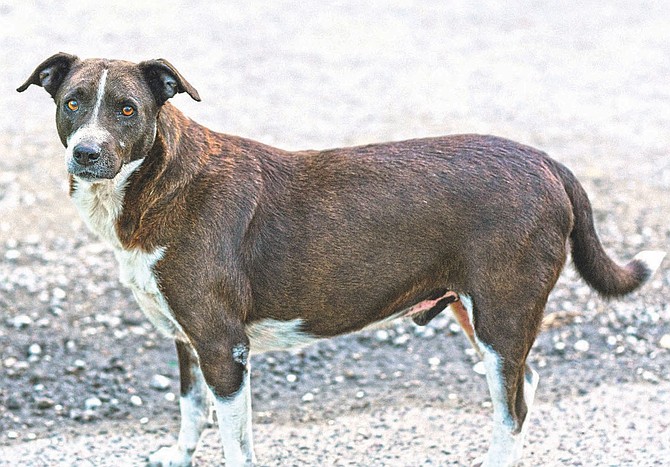
A growing public safety crisis centered on unregulated stray dogs across the Bahamas has pushed national agricultural officials to roll out an aggressive, multi-pronged intervention in the coming week, targeting everything from dangerous free-roaming packs to illegal unregistered breeding operations. Minister of Agriculture and Marine Resources Jomo Campbell confirmed that authorities have spent weeks coordinating with animal welfare groups, law enforcement, and other key stakeholders to craft a tangible response to what he has labeled a full-blown “plague of stray dogs”, following a string of high-profile, devastating attacks that have left one child severely injured and an elderly man hospitalized.
Campbell noted that cross-stakeholder planning predates the most recent high-profile attack, with the national Animal Control Board holding strategy sessions as recently as this week to finalize the framework of the new initiative. Speaking to reporters, he declined to preview specific policy details ahead of the official unveiling, but promised that the upcoming announcement will deliver far more than rhetoric: next week, the ministry will host press representatives to showcase concrete, actionable steps already underway to address the crisis.
The intervention will not only target loose stray dog populations, Campbell said. It will also crack down on the root causes of the crisis: unregulated backyard breeding, unlicensed pet ownership, and irresponsible pet stewardship that allows dangerous animals to enter public spaces. The minister added that the entire animal control sector is undergoing a comprehensive modernization and overhaul to ensure the new framework can deliver on its promises, emphasizing that the coordinated cross-agency response “actually has teeth”. Going forward, he said, pet owners will face tangible legal accountability for irresponsible handling of animals that contributes to the stray dog public safety threat.
The announcement comes on the heels of two horrific attacks that have drawn national outrage over the lack of consistent animal control regulation across the country. Most recently, nine-year-old American tourist Beau Brattain suffered more than 100 separate bite wounds when he was mauled by a pack of dogs while vacationing on Bimini. In the wake of the attack, Brattain’s family launched a public crowdfunding campaign on GoFundMe to cover the staggering costs of emergency medical care, long-term rehabilitation, travel, and reconstructive surgery, with projected total expenses ranging from $2 million to $4 million, depending on the extent of ongoing treatment the boy will require.
Harrington Rolle, the 34-year-old dog owner linked to the Bimini attack, has already pleaded guilty to three criminal charges: negligently causing grievous harm, allowing a dangerous dog to roam at large, and owning an out-of-control dangerous animal that caused harm to a member of the public. He was sentenced to 12 months in prison by Acting Chief Magistrate Ancella Evans during his arraignment in New Providence.
Just one month before the Bimini attack, 66-year-old Kemp Road resident Don Smith was hospitalized after being mauled by a pack of roughly 10 dogs – including four pit bulls, according to his daughter Carmetta Butler – while crossing a local road. The consecutive high-profile attacks amplified public pressure on the Bahamas government to implement decisive action to address the long-unresolved stray dog crisis that has threatened local communities and tourist safety alike.
Campbell thanked the Animal Control Unit staff, the Royal Bahamas Police Force, and leading local animal welfare organizations including the Bahamas Humane Society and the Bahamas Alliance for Animal Rights and Kindness (BAARK) for their collaboration in developing the new intervention strategy, noting that coordinated input from all parties has been critical to building a response that balances public safety with humane animal welfare standards.