博客

  • Final Night Fever: Fans ready for grand finale to St. Kitts Music Festival 2026 – WIC News

    Final Night Fever: Fans ready for grand finale to St. Kitts Music Festival 2026 – WIC News

    As the sun sets over the Caribbean island of St. Kitts on June 27, 2026, thousands of music fans from across the globe are buzzing with excitement, counting down the hours to the grand final night of the 28th annual St. Kitts Music Festival. Launched in 1996, this three-day celebration of rhythm, culture, and community has grown from a small local showcase into one of the Caribbean’s most prestigious and beloved international music events, drawing crowds from North America, Europe, and across the Caribbean region each year.

    The festival kicked off on June 25 with a explosive opening night headlined by one of soca music’s biggest icons, Machel Montano, who marked his triumphant return to the St. Kitts festival stage after a 15-year absence. His hour-long set kept the packed crowd at Warner Park Stadium dancing from start to finish, highlighting decades of his artistic evolution and enduring legacy in Caribbean music. Opening night also featured a stacked lineup of talent from across the region: Shelly and the Signal Band brought the vibrant, upbeat energy of Dominica’s music scene to the stage, while rising star V’ghn created an unforgettable fan moment when he stepped off stage to dance alongside the crowd during his hit track *Jab Decisions*. Barbadian music legend Edwin Yearwood and the Krosfyah Band rounded out the opening night roster, taking audiences on a nostalgic journey through fan favorites including *Sak Pasé* and *Togetherness*, earning a roaring response from attendees.

    St. Kitts and Nevis Prime Minister Dr. Terrance Drew was in attendance for opening night, sharing his positive experience with the public. “It was great to see so many people out enjoying themselves safely and having a good time,” he said. “Last night, I had a fantastic time at Night One of the 28th edition of the St. Kitts Music Festival. Let’s keep the energy going for the nights ahead.”

    The second night of the festival upped the ante with another genre-spanning lineup of global and regional stars, keeping the energy high from the first note to the last. British reggae pioneers Steel Pulse opened the night with a performance that filled the venue with raw, rhythmic energy, while R&B star Kehlani drew passionate sing-alongs from thousands of fans. Festival officials described Dancehall star Mavado’s highly anticipated set as “feeling like a movie,” with the crowd cheering nonstop through hits from the Gully God. The stacked night two roster also included sets from Rodney Tattat, Skippa, Shaneil Muir, Kranium, Aidonia, Masicka, D’yani, and Valiant, catering to every musical taste across the weekend.

    Beyond the main stage performances at Warner Park Stadium, the festival has offered a full week of immersive experiences for visitors, including off-site fringe events, beach parties, cultural showcases that highlight local Caribbean heritage, and a range of family-friendly entertainment experiences that extend the celebration beyond the main event. Strong regional and international air connectivity has made the island federation easily accessible to travelers from key tourism markets, helping the festival draw its largest crowd in recent years this edition.

    For St. Kitts and Nevis, the annual music festival is far more than just a entertainment event: it is a core pillar of the country’s tourism economy and cultural outreach. Over its three decades of operation, the festival has boosted international awareness of St. Kitts and Nevis as a top travel destination, while delivering significant economic benefits to local businesses. Hotels, transportation providers, restaurants, and small local vendors all see major revenue gains during the festival weekend, injecting millions into the local economy each year.
    “This 28th edition of the St. Kitts Music Festival is a bold statement of our cultural power and our relentless drive to remain the Caribbean’s premier music destination,” said Marsha T. Henderson, Minister of Tourism for St. Kitts and Nevis. “While the music brings you to our shores, the raw, unfiltered energy of St. Kitts is what will stay with you.”

    As fans wait for the final night’s performance schedule to drop, anticipation continues to build across the island, with attendees already sharing highlights from the first two nights on social media and counting down to the closing performances that will cap off three days of nonstop music and celebration.
  • A landmark victory for the credit union movement

    A landmark victory for the credit union movement

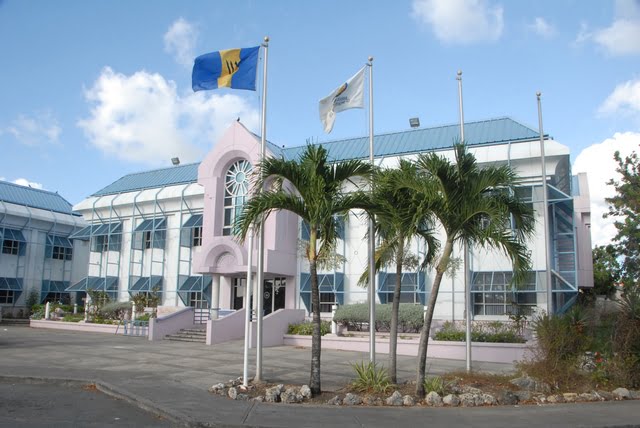
    For over 10 years, the Barbados Co-operative & Credit Union League Limited (BCCUL) has pushed forward with a single, mission-driven advocacy effort: securing government-backed deposit insurance for hundreds of thousands of Barbadian savers who hold their funds in the island’s network of community-owned credit unions. This week, that years-long persistence delivered a historic win, as the Protection of Depositors Bill passed through the country’s House of Assembly, bringing an end to a long-running gap in consumer financial protection.

    The legislation marks one of the most consequential updates to Barbados’ financial services sector in recent memory, placing the island among only a handful of CARICOM nations to operate a sovereign-backed deposit protection framework for all major deposit-taking institutions, alongside the Bahamas and Trinidad and Tobago. For nearly 20 years, customers of commercial banks across Barbados have enjoyed the security of deposit insurance, but credit union members were left without this critical safety net — an inequity that the new bill finally resolves.

    Across Barbados, more than 200,000 people hold approximately $3 billion in total savings within the credit union system. For most members, credit unions are far more than just places to store money: as member-owned, community-focused institutions built to serve local needs, they are deeply trusted financial partners embedded in communities across the island. Until this legislative milestone, however, those hundreds of millions in savings were exposed to far greater risk than deposits held at commercial banks, a gap that regulators and lawmakers have now moved to close. The bill is on track to receive unanimous approval from the Senate in the coming days, formalizing the new regulatory framework.

    Barbados has painful first-hand experience with the damage that unprotected deposits and financial sector instability can inflict on ordinary people. As Minister of Finance Ryan Straughn emphasized to parliament during debate on the bill, the country cannot afford a repeat of the 2009 CLICO financial collapse, which left thousands of policyholders and small investors facing prolonged uncertainty and severe financial hardship. While Barbados’ credit unions have maintained strong management records and a track record of stability for decades, policymakers agree that no financial system should depend on good governance alone as a safeguard against crisis. Robust deposit insurance and updated regulatory guardrails are non-negotiable components of a stable, inclusive financial system.

    To support the launch of the new deposit insurance fund, the Barbadian government has committed $1.7 million in seed capital, a tangible show of support that underscores the critical role credit unions play in the country’s broader financial ecosystem. This framework mirrors the deposit insurance system established for commercial banks and other financial institutions back in 2007, bringing credit unions into parity with other players in the sector.

    Among the most notable improvements in the new legislation are provisions that dramatically speed up compensation payouts for depositors in the event of a credit union failure. Under the old, planned framework, depositors would have waited up to three months to access their insured funds; the new policy cuts that wait to just seven days, a change that will provide critical relief to households already facing financial stress during a crisis. Lawmakers have also put in place a requirement to review the maximum insured deposit limit every five years, to ensure coverage keeps pace with inflation, growing savings balances and changes to the broader economy. The current $25,000 per-depositor limit was first set nearly 20 years ago, and a routine review will help keep protection relevant for current economic conditions.

    Straughn also highlighted another critical reform included in the broader update of credit union regulation: the elimination of outdated colonial-era laws that have held back the sector for more than 70 years. Rules dating back to 1951 forced credit unions to hold large portions of their member deposits in commercial banks, limiting their ability to lend to local communities and compete on a level playing field with larger financial institutions. Removing these outdated barriers is expected to unlock new opportunities for innovation, lending and growth across the credit union sector, which has already evolved into a sophisticated, well-capitalized segment of Barbados’ financial system capable of driving broader national development.

    Policymakers also noted that the sector is already undergoing a healthy consolidation, with smaller credit unions merging to create larger, more efficient institutions with stronger governance and greater financial stability. This trend is expected to continue, resulting in a smaller number of stronger, more resilient credit unions better positioned to serve members over the long term.

    None of this legislative progress would have been possible without the sustained leadership of the BCCUL, which kept the issue at the forefront of policy discussions for more than a decade, always centering the needs of ordinary credit union members. This week’s victory is the result of persistent advocacy from the league, committed leadership from individual credit union stalwarts who championed the reform, and collaborative work from regulators committed to modernizing Barbados’ financial system.

    For Barbadians, the reform is broadly expected to be widely welcomed, as it strengthens confidence in one of the country’s most successful grassroots, Black-owned and controlled financial movements. Importantly, supporters emphasize that deposit insurance is not about planning for failure — it is about building public confidence, encouraging a culture of savings, and entrenching long-term financial stability across the system. By giving credit union members the same protection offered to bank customers, the new framework secures the financial futures of hundreds of thousands of households while creating the conditions for continued growth of the community-focused credit union movement.

  • Health ministry urges corporate Barbados to back health facilities

    Health ministry urges corporate Barbados to back health facilities

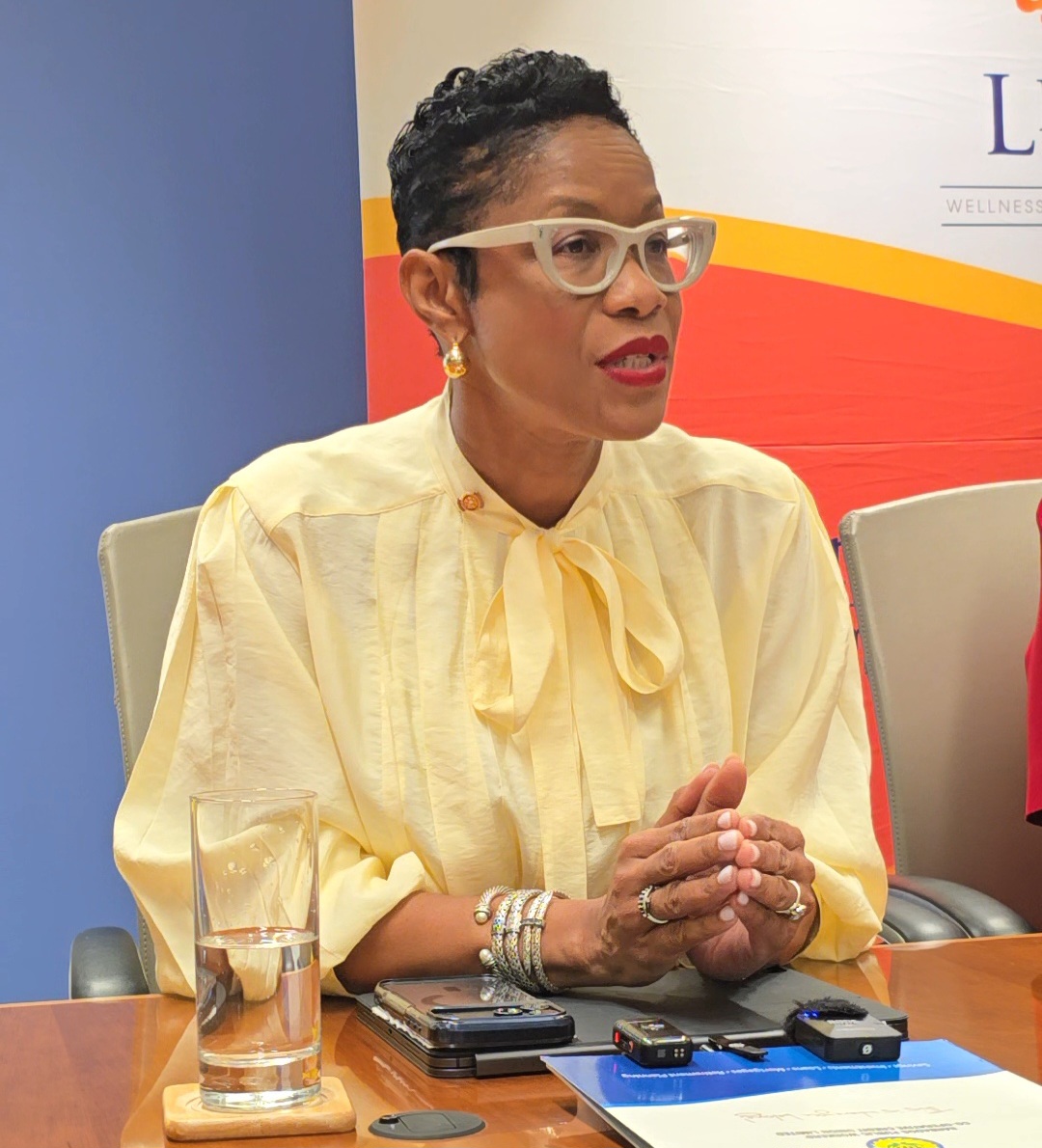
    Barbados’ top health official has issued a formal call for collective action to strengthen the country’s public health services, announcing a planned targeted planning summit within two weeks to connect potential private and non-profit donors with frontline health institutions across the island. Health Minister Senator Lisa Cummins made the appeal Friday during the official launch and signing ceremony for the new Sensory Room project at the Albert Cecil Graham Development Centre, a collaborative initiative between the Legacy Foundation and the Rotary Club of Barbados South. The event was hosted at the Barbados Public Workers Co-operative Credit Union Limited on Belmont Road.

    Speaking at the ceremony, Cummins outlined that the Ministry of Health and Wellness would reach out to corporate leaders, service clubs, and philanthropic organizations to participate in the structured summit, moving beyond the traditional ad-hoc donation model to a coordinated, needs-focused partnership framework. “This will not be a casual gathering,” Cummins explained. “We will bring all stakeholders to the table to map unmet needs across every tier of the national health sector, then directly match those needs with willing sponsors and community partners.”

    Cummins emphasized that contributions can take many forms beyond large cash donations, welcoming diverse support ranging from funding for new medical equipment and facility refurbishments to hands-on volunteer time. “Even small acts of service make a difference,” she noted. “Whether you can fund a new piece of therapy equipment, refurbish a patient waiting area, or simply donate a few hours to paint a clinic wall or read to young patients, we want to build inclusion at every level – not just in the final public health outcomes, but in the work of getting there.”

    The minister stressed that sustainable improvement to Barbados’ health services cannot be achieved by the government alone, rejecting the notion that public health challenges are “somebody else’s problem.” She argued that long-term change requires widespread active engagement from across all sectors of Barbadian society, rather than one-off donation events that leave the status quo unchanged after the media attention fades.

    Under the ministry’s new plan, representatives from all public health facilities – including major hospitals, community polyclinics, and specialized care centers – will join potential partners at the summit to align on priorities. Cummins said the goal is to build a cohesive national network of support that addresses both high-profile health causes and underfunded, less visible needs across the sector.

    “We want partners to step forward and commit to the specific causes they care about, whether that’s pediatric care, diabetes treatment, kidney care, cardiology services, or cancer support,” Cummins said. “We don’t just want to highlight the big, visible projects – we want to shine a light on the unmet needs that often fly under the public radar.” The ultimate vision, she added, is to grow a “genuine national ecosystem of philanthropy, service, and collective support” that sustains health institutions long-term.

    Turning to the newly launched Sensory Room project, Cummins noted that continued investment in services for children with developmental disabilities remains a critical unmet need. The Albert Cecil Graham Development Centre, the only government-run facility of its kind, currently serves just 610 children and provides support to 164 families – a number Cummins called “a drop in the bucket” of the actual national need.

    She praised the Legacy Foundation for its transformational vision in developing the sensory room, which will provide a safe, accessible space for children with neurodevelopmental and physical disabilities to play and engage with peers, and commended the Rotary Club of Barbados South for its sustained leadership in supporting vulnerable children across the country.

    Cummins reaffirmed that the Barbadian government will continue to invest in specialized care services, but noted that cross-sector collaboration is essential to building a truly inclusive society. “We need partnership to build a Barbados that includes every child – those on the autism spectrum, those living with Down syndrome, those with cerebral palsy who need accessible spaces to grow,” she said. “We need to support parents who feel they have nowhere to turn, and empower the caregivers, teachers, and therapists who dedicate their lives to helping these children thrive. That is the future we are building together.”

  • Mathoera: Begroting is versnipperd en daardoor moeilijk controleerbaar

    Mathoera: Begroting is versnipperd en daardoor moeilijk controleerbaar

    During ongoing budget debates in Suriname’s national legislature, ruling VHP party parliamentarian Krishna Mathoera has launched sharp criticism of the current fragmented structure of the country’s national budget, calling for sweeping administrative reforms to create a more transparent, efficient public sector. Mathoera, a former defense minister, argues that the current system spreads public funding for identical policy priorities across multiple ministries and special funds, creating critical barriers for the National Assembly to properly oversee how taxpayer money is actually spent.
    At the core of Mathoera’s proposal is a push for an integrated national budget, where full responsibility for every policy area is clearly assigned to a single government ministry. She notes that Suriname has debated the need for public sector reform, modernization, and more efficient governance for years, but these goals have yet to be reflected in the structure of the national budget. “The current budget is fragmented and almost impossible to properly audit,” Mathoera told the assembly. “Funding is split across dozens of unrelated line items and separate funds, making it incredibly difficult for both the National Assembly and the Surinamese public to track how public money is really being spent.”
    To back up her critique, Mathoera outlined three clear examples of counterproductive budget fragmentation that she has identified in the current proposal. First, for anti-poverty programs, the Finance Ministry’s budget allocates 44 million Surinamese dollars (SRD) to poverty reduction efforts, while the Ministry of Social Affairs and Housing has an additional 200 million SRD earmarked for the same policy goal. “Why do we not have a single, integrated plan for poverty reduction, instead of splitting funding across two separate budgets?” she asked.
    Her second example focuses on the energy sector: the combined Finance and Planning ministry budget sets aside 2.4 billion SRD in subsidies for the national state-owned energy utility Energie Bedrijven Suriname, while the Ministry of Natural Resources holds an additional 700 million SRD in energy-related funding. For housing development, she adds, a 260 million SRD national housing fund is held under the Finance Ministry’s budget, even though public housing policy falls explicitly under the mandate of the Ministry of Social Affairs and Housing.
    Mathoera stresses that this fragmentation creates systemic ambiguity: it becomes impossible to clearly assign accountability to individual ministries, and the public cannot easily track what tangible outcomes are being delivered with public funding.
    In place of the current fragmented system, the former defense minister proposed consolidating all budget allocations under the ministries that hold actual operational responsibility for delivering the relevant policies. This restructuring, she argues, will allow ministries to set and deliver on concrete, measurable, specific policy results. She added that the current budget is dominated by vague general policy statements, with no clear performance indicators to track whether public funds are being used effectively.
    Beyond administrative reform, Mathoera also called for significantly higher public investment in Suriname’s tourism sector, which President Jennifer Simons recently identified as a strategic economic priority in her annual address to the nation. Mathoera points out that the current budget only allocates 87 million SRD to tourism development, a figure she calls far too low to meet the sector’s potential.
    She argues that Suriname should set the ambitious goal of doubling annual tourist arrivals from the current roughly 100,000 visitors to 200,000 within the next few years. Meeting that target, she says, requires a comprehensive national plan with targeted investments in air connectivity, public safety, core infrastructure, international marketing, hospitality sector development, and expanded tourist attractions across all districts of the country.
    To fund this national tourism development program, Mathoera proposed reallocating a portion of the 2.5 billion SRD that the current budget reserves for special unspecified projects under the Finance Ministry to the new integrated tourism initiative.

  • New continuous assessment plan quizzed over group project weighting

    New continuous assessment plan quizzed over group project weighting

    A tense town hall gathering held this Thursday brought Barbadian parents face-to-face with education leaders, as families pushed for clear answers about how new continuous assessment rules will protect individual student achievement under the government’s planned primary-to-secondary school placement overhaul. The proposed framework is set to replace the long-standing Barbados Secondary School Entrance Examination, with continuous assessment set to make up half of a student’s final placement score moving forward.

    One of the most vocal critics at the meeting was Raphael Saul, a father whose 9-year-old child is set to become part of the first cohort to enter the new system when it launches this September. Saul clarified that he does not oppose project-based learning or dismiss the importance of building collaborative skills among young students, but he warned that tying group work to high-stakes secondary placement creates an unfair risk: a hardworking, high-contributing student could see their overall score dragged down by underperformance from other group members.

    When Saul asked officials to clarify whether only individual contributions would count toward a student’s continuous assessment score, or if group results would also factor in, Deputy Chief Education Officer for Planning and Development Reverend Stephen Scott confirmed that both components would be weighted and combined for the final grade. Scott drew a parallel between this new structure and the School-Based Assessment (SBA) model already used for Caribbean Secondary Education Certificate (CSEC) English courses, where students work together on early research stages before completing a final standalone individual assignment. Under that system, students earn marks for both the group collaboration phase and their individual final work, Scott explained.

    Saul pushed back on this framing, arguing that while group projects have clear value as a classroom teaching tool, they have no place in a high-stakes assessment that determines which secondary school a child will attend. “I am very on the same page with you as it relates to group projects and their value,” Saul said. “The challenge I have, though… is that a child who may work well individually and who may even contribute well in his or her group can end up in a situation… where the group’s grade ends up reducing their overall score.” He added that the current structure runs counter to the Ministry of Education’s own stated goal of gaining a more accurate, holistic picture of each student’s individual ability, and recommended that only individual work be counted toward the continuous assessment placement score, with group activities retained solely for learning purposes.

    Acting Chief Education Officer Julia Beckles pushed back on concerns, stressing that the assessed projects are not last-minute, one-off assignments, but rather the end result of a structured two-year learning journey. “When we talk about the projects, we are talking about the end of a process,” Beckles explained. “All along the process, the child is being taught. Yes, the child is being evaluated. The teacher is taking note of strengths, taking note of weaknesses, and more importantly, the teacher now has the time to try to assist in the child’s improvement in the areas where weaknesses have been identified.” She emphasized that students do not get thrown into unguided groups for assessment; instead, they build collaboration skills incrementally with ongoing teacher support over the full two-year period.

    Acting Deputy Chief Education Officer Denise Charles urged parents to reframe their understanding of the new assessment model, noting that it is rooted in project-based learning rather than the traditional, rigid school projects many families are familiar with. “What our students will be doing will not just be projects. It is project-based learning. The emphasis is on creativity, individual expression,” Charles said. Unlike traditional assessments that only allow written reports or static presentations, Charles explained that students will be able to showcase their knowledge through diverse, creative formats including videos, music, dance, and visual art. “It is going to be far more dynamic and creative than that,” she added.

    Charles framed the new system as a reflection of a modernizing Barbados, designed to equip students with the soft skills—collaboration, creativity, critical problem-solving—that are increasingly demanded in a rapidly changing global workforce. “This is not the Barbados of the Common Entrance exam as we know it,” she said. “This is a different Barbados.”

    Saul’s concern about group grading was not the only question raised at the meeting. Other parents asked why the new assessment will start as early as Class Three, and voiced particular worry about the first cohort, widely referred to as “COVID kids” who began their primary education through remote learning and have already faced significant educational disruption. By the end of the town hall, multiple parents reported leaving the meeting without the clear answers they had sought, saying key questions were not addressed directly by education officials.

  • NHC Monitoring Low-Risk Weather Disturbance Off US Southeast Coast

    NHC Monitoring Low-Risk Weather Disturbance Off US Southeast Coast

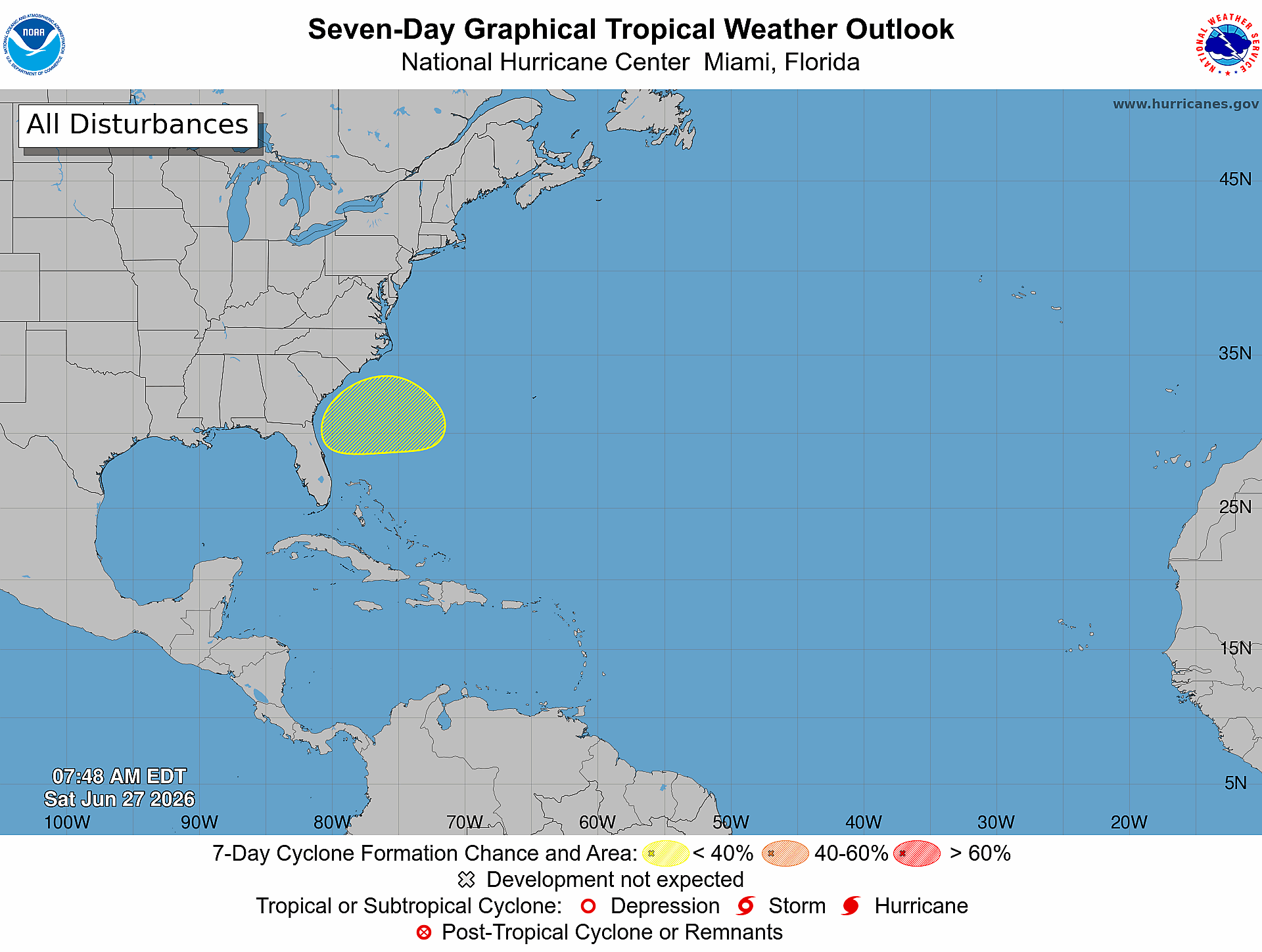
    In a recent tropical weather update issued at 8 a.m. EDT Saturday, the United States National Hurricane Center (NHC) has launched continuous monitoring of a broad, disorganized weather system emerging over Atlantic waters off the southeastern U.S. coastline. Forecasters project that the disturbance will drift slowly westward over the coming week, and current atmospheric and oceanic conditions may support limited, gradual organization of the system as it moves.

    Despite the potential for slow development, NHC analysts have emphasized that any significant strengthening of the weather system is unlikely in the near future. As of the latest update, the agency has assigned just a 20 percent probability that the disturbance will strengthen into a fully formed tropical cyclone over the next seven days.

    At this stage of monitoring, the system does not present any immediate risk to Antigua and Barbuda or other nations across the Eastern Caribbean. Current forecast models show the disturbance will remain anchored near the southeastern United States for the coming week, keeping it far from Eastern Caribbean island chains.

    The NHC has committed to ongoing surveillance of the weather system, and has issued guidance urging residents in any areas that could potentially be impacted to stay alert and regularly check updated forecasts for any unexpected shifts in the system’s track or intensity.

  • Prime Minister Browne Granted Lifetime Style of “The Right Honourable” Under New National Protocol Rules

    Prime Minister Browne Granted Lifetime Style of “The Right Honourable” Under New National Protocol Rules

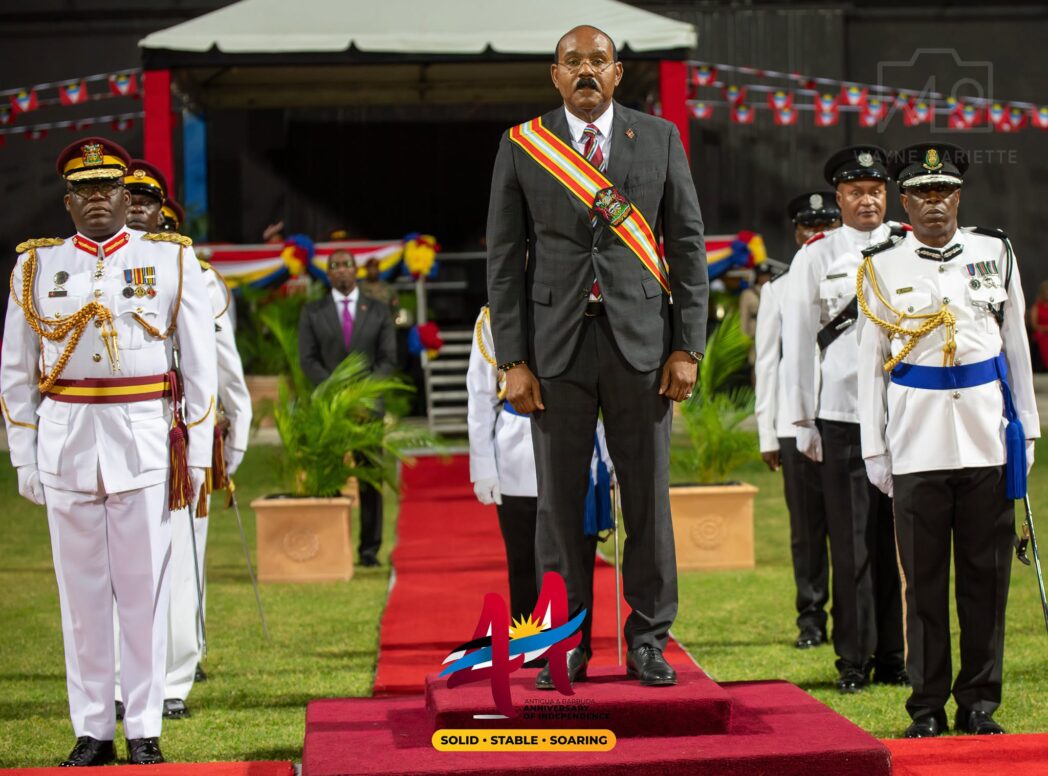
    Antigua and Barbuda has introduced a formalized, codified system for regulating the use of official honorific titles and styles, bringing the Caribbean nation’s protocol in line with longstanding Commonwealth norms while honoring its own unique constitutional heritage. The new regulatory framework was enacted via a Vice-Regal Warrant signed off on December 10, 2025, by Governor-General Sir Rodney Williams, who exercised his constitutional authority to issue the order with the required countersignature from Prime Minister Gaston Browne.

    The core objective of this new regulatory structure is to bring consistent, dignified, and clear standards to the conferral and use of official titles for the country’s constitutional officeholders and prominent distinguished citizens. Under the newly outlined rules, the prestigious lifetime style of “The Right Honourable” is automatically granted to five categories of individuals: sitting and former Governors-General, incumbent Prime Ministers once they begin their fourth term in office, former Prime Ministers who completed at least four full terms in office, and all members of His Majesty’s Most Honourable Privy Council. In addition to these automatic conferrals, the warrant grants the Governor-General the power to bestow the honorary lifetime style on other deserving former prime ministers or distinguished private citizens, provided any such appointment is countersigned by the sitting Prime Minister.

    For elected representatives, the rules maintain the longstanding convention that sitting members of both the Senate and the House of Representatives retain the style “The Honourable” for the duration of their time in office. The Governor-General also holds the authority to issue a special warrant allowing former officeholders or other noteworthy individuals to keep the style “The Honourable” for life. Recipients of the Order of the Caribbean Community (OCC) are also formally designated as eligible to use the “The Honourable” style under the new regulations. The title “Excellency” remains reserved for relevant high-ranking officeholders in line with longstanding diplomatic and constitutional practice.

    To allow for future adaptation of the protocol, the warrant includes provisions that permit the sitting Governor-General to amend, expand, reinterpret, or fully revoke the rules at any point via a subsequent official warrant, issued with the Governor-General’s official seal and signature and countersigned by the Prime Minister. In line with the warrant’s text, the new system formalizes unwritten national protocol for official appellations, aligning Antigua and Barbuda’s framework with widely accepted Commonwealth practices while preserving the country’s distinct constitutional and national traditions. As one of the first beneficiaries of the new rules, Prime Minister Gaston Browne has already been formally granted the lifetime style of “The Right Honourable” under the new regulations.

  • GHS student dies of cancer on her graduation day

    GHS student dies of cancer on her graduation day

    On what should have been a day of celebration and new beginnings for graduating students at St. Vincent Girls’ High School, the entire community was plunged into mourning Thursday with news that one of their own, 17-year-old Form 5 Technical student Morica DaSilva, had lost her years-long battle with stage 4 cancer just hours after being honored for her extraordinary courage.

    As family and fellow students gathered inside the school’s graduation ceremony, a plea for prayers and support for DaSilva, who had been hospitalized amid a worsening of her condition, began spreading rapidly across local social media platforms. Within hours of that post going viral, school administration officially confirmed the devastating passing of the young student.

    In a heartfelt public tribute shared to the school’s social media channels, administrators remembered DaSilva as a bright, kind young woman whose warm presence and creative spirit left an indelible mark on the entire school community. Beyond her academic accomplishments, DaSilva was an active and valued member of the school’s Loyal Hearts Ad Alta Choir, where she shared her passion for singing and performance. When she was not rehearsing or studying, she could often be found crocheting, a hobby that let her creativity shine and brought joy to everyone who knew her.

    Earlier the same day, before her passing was announced, DaSilva was posthumously awarded the Celina Cordice-Primus Award for Perseverance — a distinction created to recognize students who demonstrate extraordinary resolve in the face of overwhelming hardship. School officials called the award a fitting reflection of the grit, courage, and strength of character DaSilva displayed through every step of her cancer journey.

    “ We extend our deepest and most heartfelt condolences to Morica’s parents, family, friends, classmates, and all who knew and loved her,” the statement read. “During this time of profound grief, we keep them in our thoughts and prayers and hope they find comfort in the love and support of those around them. Though she is no longer with us, her memory will forever remain a cherished part of the Girls’ High School family.” School officials added that further details about DaSilva’s funeral arrangements will be released to the public once they are finalized by her family.

    The grief over DaSilva’s passing extended beyond the school walls to the St. Vincent and the Grenadines Teachers’ Union, where DaSilva’s mother Marva has long served as a member. Union president Fiona Charles-Williams personally reached out to share condolences with the DaSilva family, the school’s headmistress and staff, and the entire 2026 graduating class in a voicenote addressed to all union members.

    “… we are in sympathy and we offer condolences to Morica’s extended family and Marva’s extended family,” Charles-Williams said. “We are saddened by this loss, and we ask the Lord to give them comfort in their time of bereavement.”

  • SLBMC Launches Mandatory Ebola Preparedness Training

    SLBMC Launches Mandatory Ebola Preparedness Training

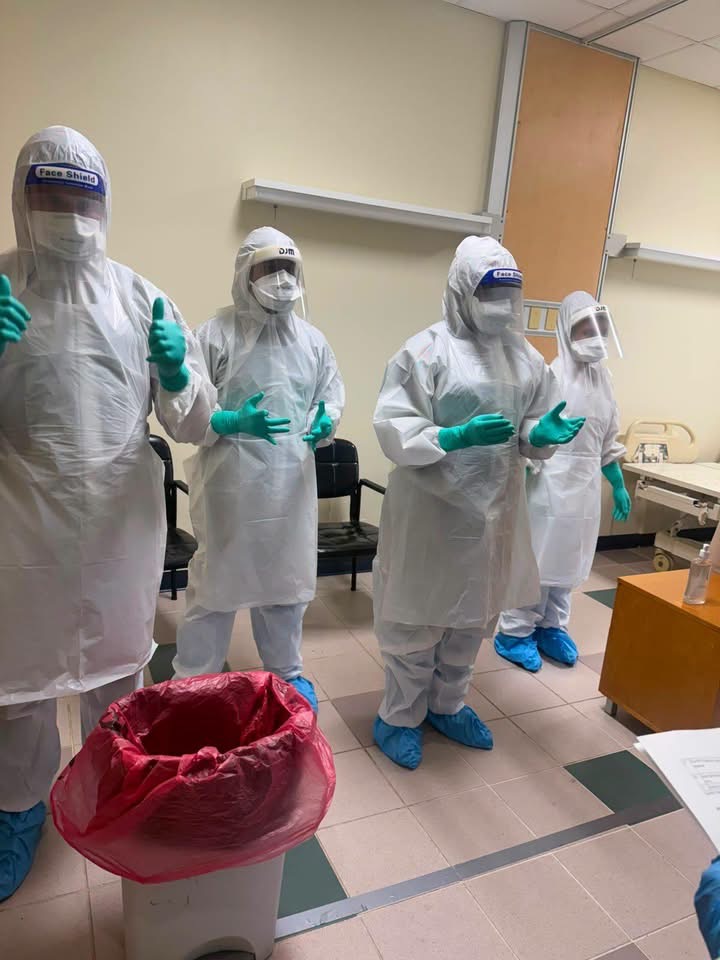
    As Caribbean nations continue prioritizing proactive public health infrastructure, Antigua and Barbuda’s Sir Lester Bird Medical Centre has rolled out a mandatory Ebola response training program for all clinical personnel, a key step in shoring up the facility’s capacity to handle potential infectious disease outbreaks.

    The joint effort is being led by two internal hospital departments: the Infectious Disease and Employee Health Division, and the Learning and Development Unit. Unlike one-off emergency drills, this program is designed to build sustained, practical competence among frontline workers. Trainees walk through hands-on modules covering key skills ranging from early identification of suspected Ebola cases to the correct implementation of stringent infection control protocols. The curriculum also emphasizes safe patient management protocols that cut transmission risk for both healthcare staff and other patients within the facility.

    Hospital leadership stresses that this preparedness push is not a reaction to an active threat. To date, Antigua and Barbuda has recorded zero confirmed Ebola cases. Instead, administrators frame the initiative as a reflection of the medical center’s long-standing commitment to maintaining a gold standard of emergency readiness, even when no immediate danger is present.

    The rollout is proceeding in a phased approach to avoid disrupting routine patient care. The first cohort of clinical professionals has already finished the full training program, with subsequent groups of staff scheduled to complete the course in staggered waves in the coming weeks.

    Hospital officials note that continuous education and proactive preparedness are non-negotiable pillars of the facility’s broader infection prevention strategy. By equipping every clinical worker with the right knowledge and skills now, the center aims to ensure that it can mount a rapid, fully coordinated response if any infectious disease threat—including Ebola—ever emerges in the region.

  • Sheila Roseau elected to membership of prestigious gender equality and human rights body at the United Nations

    Sheila Roseau elected to membership of prestigious gender equality and human rights body at the United Nations

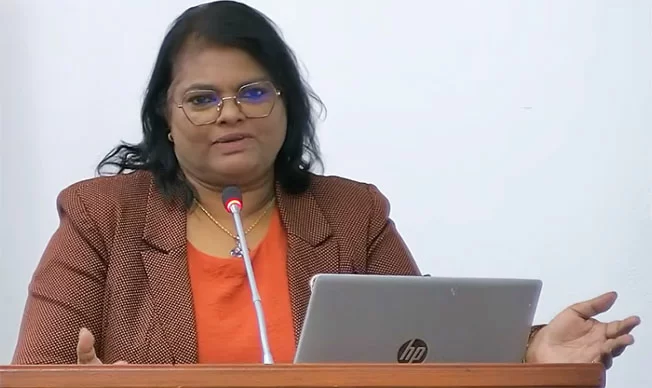
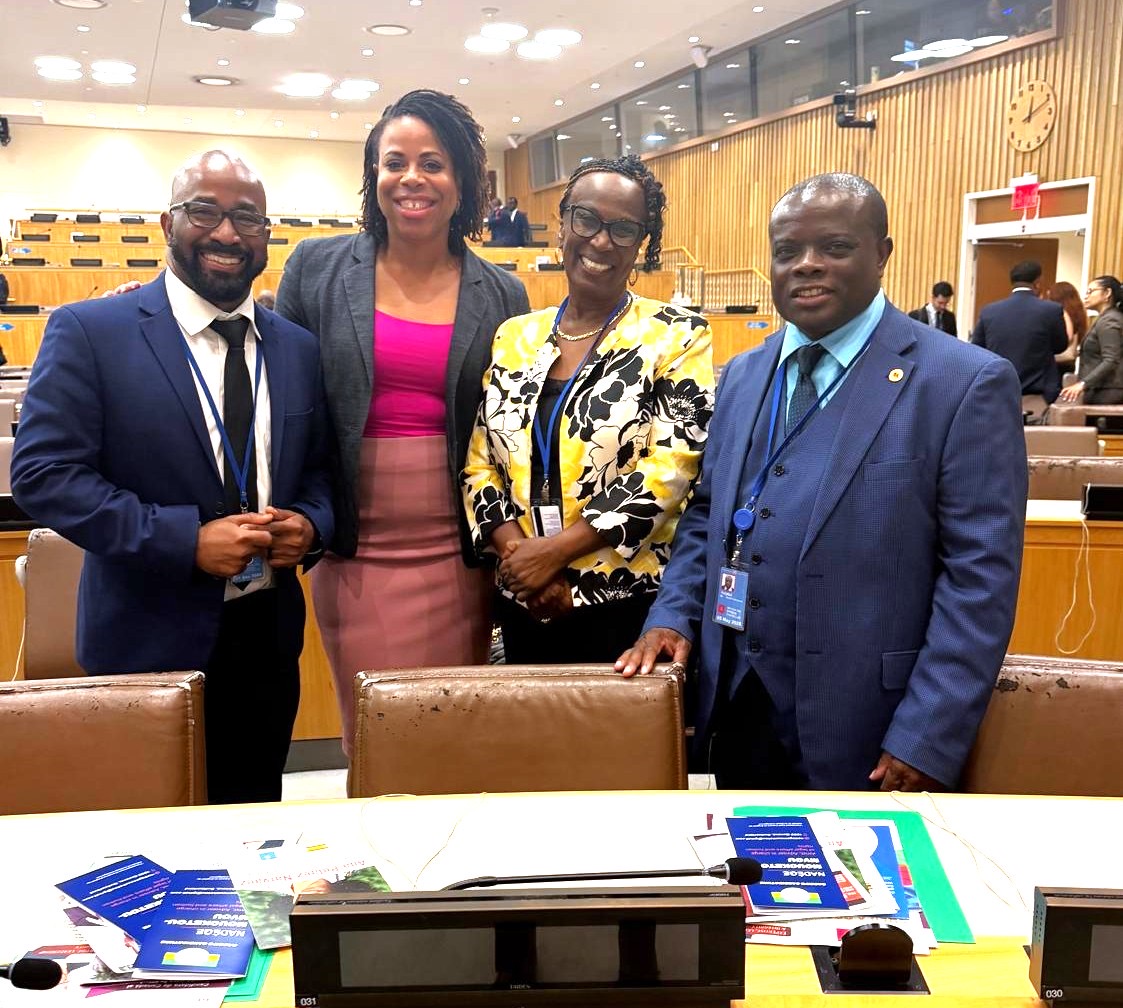
    In a landmark development for global gender advocacy and human rights leadership, Sheila Roseau has secured a prestigious membership at one of the United Nations’ most influential bodies focused on gender equality and human rights protections. The election marks a critical milestone, both for Roseau’s decades-long work advancing marginalized communities and for the global movement to center grassroots gender justice in multilateral decision-making. For years, Roseau has been a prominent voice pushing for systemic change to address gender-based disparities, expand reproductive rights, and amplify the voices of underrepresented groups in global policy spaces. The United Nations’ gender equality and human rights body, which counts leading experts and advocates from across the globe among its members, plays a central role in setting global standards, monitoring state compliance with international human rights agreements, and shaping global agendas around gender equity. Membership in this body requires a demonstrated track record of impactful work in the field, as well as broad support from UN member states and global civil society groups. Observers note that Roseau’s election brings a fresh perspective rooted in frontline advocacy to the UN body, strengthening its ability to address evolving challenges ranging from the gendered impacts of climate change to rising backlash against women’s rights in multiple regions. Global gender justice organizations have widely welcomed the result, framing it as a positive step toward making the UN’s human rights machinery more responsive to the actual needs of communities most affected by gender inequality. As Roseau prepares to take up her role, stakeholders across the international community are looking forward to the contributions she will make to advancing the UN’s core mandates of gender equality and universal human rights for all.