博客

  • Derde helft WK 2026: Kroatië kaatst Ghana terug en pakt tweede plek

    Derde helft WK 2026: Kroatië kaatst Ghana terug en pakt tweede plek

    A decisive Group L World Cup clash between Croatia and Ghana at Philadelphia Stadium delivered late drama, as Croatia held on for a 2-1 victory that sealed their second-place finish in the group, behind already-confirmed winners England. The result also sees Ghana progress to the knockout stage as one of the best third-placed teams, bringing an early end to Scotland’s tournament, as the side failed to qualify for the elimination round.

    The match kicked off in a low-tempo fashion, with neither side creating clear-cut goal-scoring chances in the opening exchanges. Croatia gradually asserted control of possession, patiently building attacks up the pitch, while Ghana set up in a deep defensive block, circulating the ball in their own half to avoid turning over possession early. The first major opportunity of the game fell to Croatia in the 16th minute: after Ghana lost the ball in a dangerous area, Nikola Vlašić found himself one-on-one with the goalkeeper, but his effort crashed off the woodwork, denying Croatia the opening goal.

    Croatia continued to probe the Ghana defense, with veteran playmaker Luka Modric – earning his 201st international cap, while defender Josip Gvardiol surprisingly started the match on the bench – orchestrating play from deep. Forward Ante Budimir appealed for a penalty after going down in the box, but the referee waved away the appeals. Shortly after, Modric delivered another dangerous set piece into the 18-yard box, with Ivan Perisic rising to head goalwards, only for Ghana goalkeeper Jojo Asare to make a sharp save to keep the score level. Remarkably, Ghana had still not registered a single shot on target by this point of the contest.

    Just after the 30-minute mark, Croatia finally broke the deadlock. Petar Sucic unleashed a powerful low strike from more than 30 yards out, curling the ball into the bottom left corner beyond the reach of Asare. This goal marked the first goal that Ghana had conceded in the entire tournament up to that point, and temporarily pushed Croatia above England into top spot in Group L.

    After falling behind, Ghana began to push further up the pitch, and Antoine Semenyo tested the Croatia defense with a shot that drifted just wide of the post, but the side still failed to create sustained attacking pressure. Before halftime, Croatia created another dangerous chance with a whipped cross into the box, but could not convert, and the score remained 1-0 at the break. Croatia went into the interval holding a deserved lead thanks to their controlled, clinical play, while Ghana struggled to find attacking inspiration.

    Ghana made two substitutions at the start of the second half, bringing on Abdul Fatawu and Kojo Peprah Oppong to inject fresh energy into their attack. The change worked immediately, as Ghana put sustained pressure on the Croatia defense, pushing the European side back into their own half. Semenyo found space to deliver several promising crosses into the box, but his teammates could not convert the chances, and Croatia saw much less of the ball in the opening 20 minutes of the half.

    After Ghana’s early storming spell, the pace of the game dropped again, returning to the slow, low-chance pattern of the first half. Croatia made their own change, replacing Budimir with Igor Matanovic, while Perisic was shown a yellow card for a foul. Ghana responded with two more substitutions, swapping Jordan Ayew and Kamaldeen Sulemana for Brandon Thomas-Asante and Ernest Nuamah to keep the pressure coming.

    In the 78th minute, Ghana got the equalizer their sustained pressure deserved. From a well-delivered free kick, Derrick Luckassen powered a header into the back of the net. A potential offside against Kwasi Sibo was ruled out by VAR, after officials confirmed Sibo was not involved in active play when the ball was played in, so the goal stood.

    Croatia responded swiftly to the equalizer with a substitution of their own, bringing on Mario Pašalić for Mateo Kovacic. Pašalić immediately tested Asare with a sharp effort, but the Ghana keeper pulled off an outstanding save to keep the score level. Just moments later, however, Asare could not stop Croatia from retaking the lead. From a Modric corner, Vlašić headed the ball goalward, which hit the post before bouncing over the goal line to put Croatia 2-1 up. The goal confirmed Croatia’s hold on second place in the group, pushing them ahead of England temporarily before the final group standings were confirmed.

    Ghana made one late change, bringing on Sibo for Caleb Yirenkyi in a final push to find an equalizer, but Croatia’s defense held firm through seven minutes of stoppage time. When the final whistle blew, Croatia held on for a 2-1 win.

    The final Group L standings confirm England as group winners, with Croatia finishing second to advance. Ghana’s third-place finish is enough to see them through to the knockout stage, but the result eliminates Scotland from the tournament, as the side did not finish among the best third-placed teams across all groups.
  • Derde helft WK 2026: Engeland rekent af met Panama en wint met 2-0

    Derde helft WK 2026: Engeland rekent af met Panama en wint met 2-0

    At the 2026 FIFA World Cup, England claimed a clinical 2-0 victory over Panama in their final Group L group stage match on June 27, punching their ticket to the knockout round and reinforcing their status as one of the tournament’s title favorites. The Three Lions struggled to break through their underdog opponents in a tense first half that ended goalless, but two quick strikes from Jude Bellingham and Harry Kane within five minutes after the break secured all three points.

    Panama, making only their second ever World Cup final tournament appearance after their debut in 2018, put on a disciplined and defiant defensive display to shut England out for 45 minutes. The Central American side set up in a compact, tight block, pressing fiercely and limiting England’s space to create dangerous chances. Though England dominated possession for the entire opening half, they failed to register any clear-cut opportunities on goal, sending both teams into the halftime break with a 0-0 scoreline.

    The gap in quality between the two sides began to show after halftime, however. Early in the second period, Panama forward José Fajardo picked up a yellow card in the 53rd minute, followed by a caution for England’s Jarell Quansah seven minutes later. Moments after that booking, England seized full control of the match. In the 62nd minute, dynamic midfielder Jude Bellingham opened the scoring, tapping home a well-placed cross from winger Bukayo Saka to break the deadlock.

    Just five minutes after Bellingham’s opener, the Real Madrid star turned provider, playing a pinpoint pass that put captain Harry Kane through on goal. The Tottenham Hotspur striker made no mistake, slotting home to double England’s lead and set the final score at 2-0.

    The three points wrap up England’s Group L campaign on a high note. Gareth Southgate’s side opened the tournament with a thrilling 4-2 win over Croatia, followed by a hard-fought 0-0 draw with Ghana, before closing out group play with victory over Panama. The results confirm England’s place at the top of Group L, sending them into the knockout round with momentum.

    For Panama, the tournament ends without a win, but their performance against elite opposition was far from without merit. The side put up a stubborn fight against one of the world’s top-ranked teams, and the campaign represents a key step in the ongoing growth of Panamanian international football, offering invaluable experience for a young program still building its World Cup legacy.

    Group L has been a showcase of football’s global diversity throughout the group stage: it pairs traditional powerhouse England with experienced tournament regular Croatia, strong African contender Ghana, and up-and-coming Panama, a nation still writing its history at the global tournament. In the end, it took England one half to unlock a resilient Panama defense. Once Bellingham broke the deadlock, Panama’s resistance crumbled, and the Three Lions now head into the knockout round with full confidence ahead of their next match.

  • Currie wil AI-bewustwording op scholen na deepfakezaak

    Currie wil AI-bewustwording op scholen na deepfakezaak

    A disturbing deepfake incident at Suriname’s Arthur A. Hoogendoorn Atheneum (AAHA), where underage students are suspected of creating and distributing AI-generated non-consensual pornographic deepfakes of their classmates, has spurred the country’s top education official to push for sweeping, long-term changes to digital literacy education in national schools.

    Suriname’s Minister of Education, Science and Culture Dirk Currie says the alarming case cannot be written off as an isolated mistake. Instead, it demands a systematic, nationwide approach to building digital awareness and responsible AI usage among young learners. In a statement shared via the Communication Service of Suriname, Currie outlined that he held in-depth talks about the incident Friday with AAHA’s school leadership, and also coordinated on next steps with his counterpart at the Ministry of Justice and Police.

    Currie emphasized that both victims and perpetrators of the deepfake scheme need targeted support, framing the incident as a critical wake-up call for the entire education system and broader society. He noted that artificial intelligence brings both opportunities and risks for young people, and this incident is a clear example of how the technology can be dangerously misused to inflict lasting harm.

    Rather than limiting support to only the directly involved students and their families, Currie advised the school to engage the entire school community in healing and educational outreach. All affected parties including victims, perpetrators, and their respective parents need tailored guidance and support to move forward from the incident, he added. To prevent similar cases from occurring across the country, Currie announced he will invite all school leaders in Suriname to a summit next week focused on digital safety and responsible technology integration in education.

    At the core of his proposed reforms is a renewed focus on digital awareness. Currie stressed: “We have to involve every child in this work, so that they understand every action they take can have consequences that last for the rest of their lives. As adults, we have a responsibility to guide them through this.” The minister is also considering adding permanent, structured lessons on responsible AI usage, social media ethics, and digital citizenship to the national school curriculum.

    On the legal side of the incident, Currie clarified there is no ambiguity: distributing non-consensual pornographic material, regardless of whether it was created with AI or traditional tools, is already a criminal offense under Suriname law. For that reason, he argued that policy focus should not fall solely on stricter new legislation. Instead, the priority should be prevention, public education, and targeted guidance — to equip young people to use technology to support their own growth, rather than engaging in behavior that causes permanent harm to others.

  • Dancehall acts deliver high-energy night two at St. Kitts Music Festival

    Dancehall acts deliver high-energy night two at St. Kitts Music Festival

    The 28th annual St. Kitts Music Festival kept its momentum roaring through its second night, drawing another enormous audience that packed the venue for an unforgettable evening of electric performances from top regional and international musical acts.

    Opening the night’s show was Steel Pulse, the iconic, Grammy-winning reggae group that kicked off the event with a nonstop high-energy set that set the tone for the rest of the evening. The curated lineup for night two showcased a diverse range of musical talent spanning reggae, dancehall, R&B, and local sounds, with popular acts including dancehall heavyweights Mavado, Aidonia, Masicka and Valiant, R&B global star Kehlani, reggae-dancehall artist Kranium, Jamaican songstress Shaneil Muir, and Rodney Tattat, the only homegrown performer representing host nation St. Kitts and Nevis.

    The night saw particularly electric chemistry between the audience and the lineup’s top dancehall acts. Mavado commanded the stage from start to finish, leading the entire crowd in sing-alongs to his decades of hit tracks including *Special*, *Give It All to Me* and *School Party*, never letting the venue’s energy dip throughout his set. Masicka similarly earned a rapturous response from fans, thrilling the audience with beloved cuts including his fan-favorite *Moments*. Kranium kept the crowd locked into the performance with his global hit *Nobody Has to Know*, a track that has remained a staple of festival setlists since its release.

    Offering a smooth, soulful counterpoint to the upbeat dancehall energy, international R&B standout Kehlani brought a unique vibe to the night, captivating the audience with stripped-back and powerful performances of her tracks *Folded* and her recent charted single *Cruise Control*.

    Leading up to the final night, festival leadership has shared promising data about this year’s turnout. During a recent press briefing, Clement O’Garro, Director of the St. Kitts & Nevis National Carnival Committee, confirmed that the festival’s opening night drew the largest single-night crowd in the 28-year history of the event. Early projections now point to 2024 marking the highest overall attendance for the festival since its founding.

    With two successful sold-out-style nights in the books, anticipation is already building among festival-goers for the third and final night of the celebration. The closing lineup is set to feature an equally star-studded slate of acts including Grammy-winning R&B singer Fantasia, reggae legends Beres Hammond, Tarrus Riley, Luciano, iconic saxophonist Dean Fraser, and rising artists Zu, Gharlic, and D’yani.

  • Harold Lovell Deeply Saddened by Loss of Centenarian Denzil O’Brien Cummins

    Harold Lovell Deeply Saddened by Loss of Centenarian Denzil O’Brien Cummins

    The small Caribbean nation of Antigua and Barbuda is mourning the loss of a beloved community figure, Denzil O’Brien Cummins — the country’s last surviving male centenarian. Harold Lovell, former leader of the United Progressive Party (UPP), has shared his heartfelt sorrow over Cummins’ passing, celebrating the extraordinary century-long life that left a lasting mark on the local community.

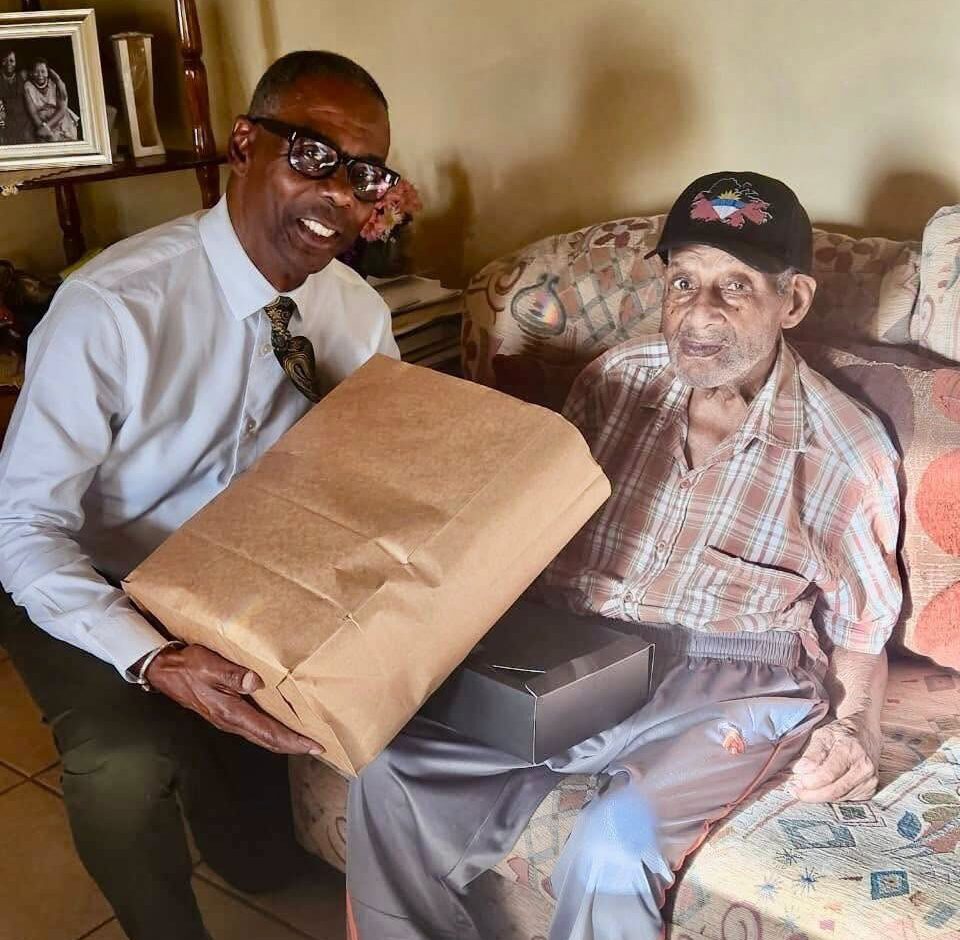
    Looking back on their last interaction, Lovell remembered joining Cummins to mark his 101st birthday last September. He described the opportunity to sit with the centenarian and celebrate his decades of experiences as a true honor, one that he will carry with him permanently. In a statement released following the news of Cummins’ death, Lovell highlighted that just days before he passed away, the centenarian had already been recognized as part of the country’s annual Centenarian Week celebrations. Lovell called this pre-death tribute a perfectly fitting honor for a man who dedicated his life to his home community of Sea View Farm and the entire nation.

    Beyond his impressive age, Lovell emphasized that Cummins’ legacy is defined by three core values that shaped every stage of his life: unwavering faith, quiet resilience through hardship, and consistent service to his neighbors. “I will always cherish the warmth of his smile and the opportunity to spend time with him,” Lovell shared in his reflection, painting a picture of a gentle, kind community leader beloved by all who met him.

    Extending formal condolences, Lovell reached out to Cummins’ immediate family, his close circle of friends, and the broader Sea View Farm community that he was such a core part of. He used the moment of mourning to call on the entire nation to honor Cummins’ memory by embracing the values he embodied throughout his life: quiet perseverance, humble leadership, and a commitment to lifting up one’s local community. Closing his tribute, Lovell offered a final blessing: “May the soul of Mr. Denzil O’Brien Cummins rest in eternal peace.”

  • Statement by Prime Minister Gaston Browne on the devastating earthquakes in Venezuela

    Statement by Prime Minister Gaston Browne on the devastating earthquakes in Venezuela

    The government and people of the Caribbean twin-island nation Antigua and Barbuda are mourning alongside Venezuela after a series of destructive earthquakes hit the South American country, leaving a trail of tragedy: dozens of lives cut short, hundreds injured, and entire neighborhoods and critical public facilities reduced to rubble, leaving countless families without their homes and sources of income.

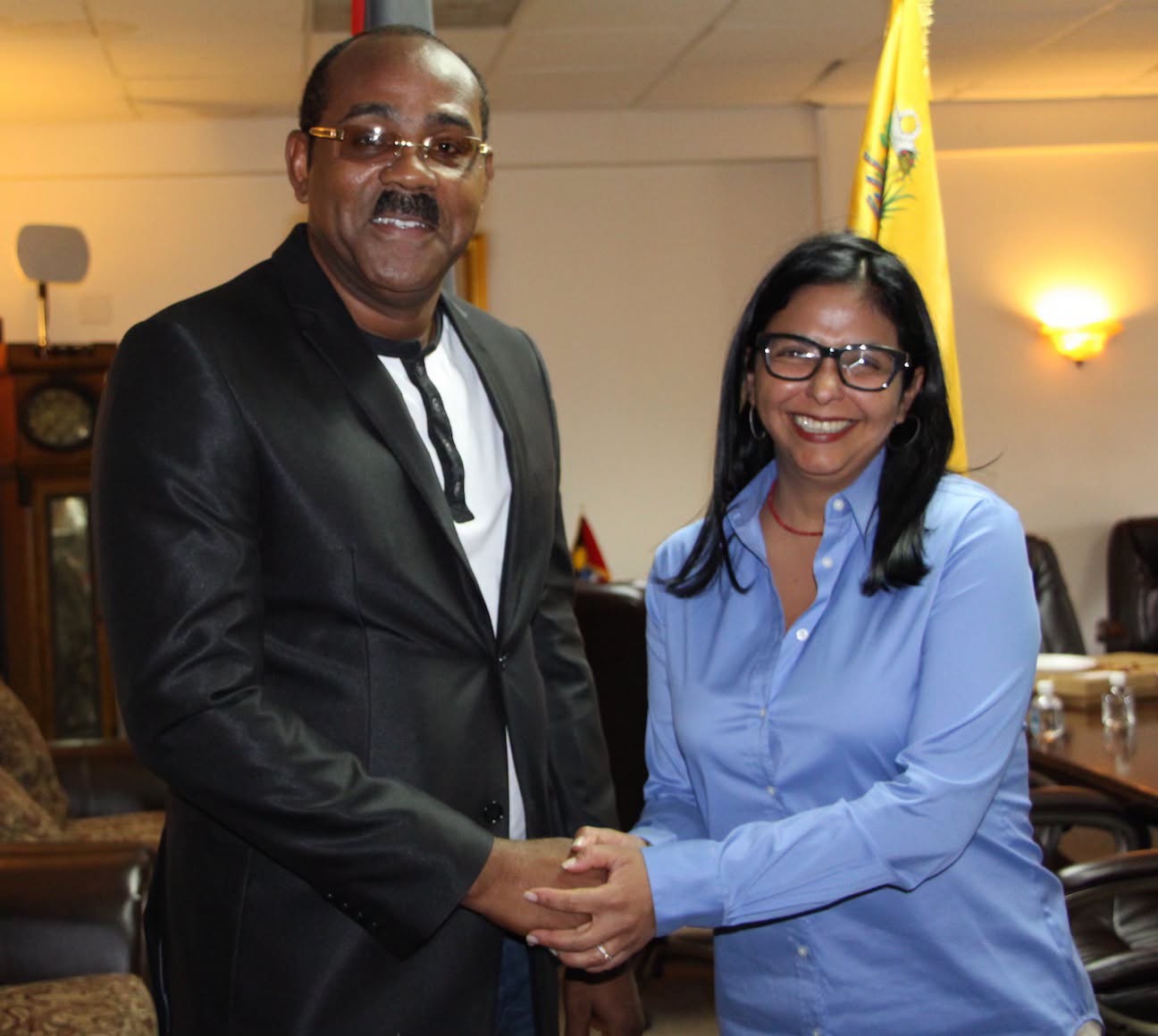
    In an official statement released following the disaster, Antigua and Barbuda’s Prime Minister extended heartfelt condolences on behalf of both the nation’s government, its people, and himself. The sympathy was directed not only to the grieving families who lost loved ones but also to Interim President Delcy Rodríguez, the Venezuelan government, and the whole of Venezuelan society grappling with the overwhelming pain and disruption caused by the seismic event.

    For Antiguans and Barbudans, the pain of sudden large-scale natural disaster is not an abstract experience. The nation carries the memory of catastrophic destruction from past events, and knows all too well the crippling anguish and uncertainty that follows such a catastrophe. They also understand how much difference sincere solidarity and timely support can make when a community is on its knees — a lesson learned firsthand when Venezuela extended a critical lifeline to Antigua and Barbuda more than six years ago.

    In September 2017, Category 5 Hurricane Irma swept across Barbuda, the smaller of the two islands that make up Antigua and Barbuda, leaving the entire landmass uninhabitable. In that desperate hour, the Venezuelan government responded without hesitation, offering generous and immediate support. They supplied aircraft that evacuated the entire population of Barbuda to safety on the main island of Antigua. That act of compassionate solidarity and good neighborliness, the Prime Minister emphasized, remains permanently engraved in the collective memory of the Antiguan and Barbudan people, a debt of friendship the nation has never forgotten.

    Today, as Venezuela confronts its own crisis, the Antigua and Barbuda government is stepping forward to return that solidarity. The Prime Minister announced that the government will provide a $150,000 humanitarian contribution to the Venezuelan government to support emergency relief efforts for communities impacted by the earthquakes. While the amount is modest relative to the enormous scale of destruction and need across Venezuela, the contribution is offered rooted in the values of cross-regional friendship, gratitude, and shared solidarity between Caribbean and Latin American nations.

    Beyond the immediate financial contribution, Antigua and Barbuda stands ready to work alongside Venezuelan authorities and other regional partners to identify and deliver any additional practical support that the nation is able to provide, both during the ongoing relief phase and the long, challenging process of recovery and reconstruction that lies ahead for Venezuela.

    The Prime Minister noted that large-scale natural disasters serve as a universal reminder: no country, regardless of its location or wealth, is insulated from the raw power of natural forces. In the face of these unforgiving events, humanity’s greatest strength comes from our shared connection and our willingness to lift one another up in times of trouble.

    “The thoughts and prayers of all Antiguans and Barbudans are with the people of Venezuela at this difficult time,” the statement read. “We have full confidence that, drawing on the extraordinary resilience and courage that the Venezuelan people are known for, they will overcome this tragedy and rebuild their communities stronger than before. May those who lost their lives rest in peace, may the injured make a full and speedy recovery, and may comfort and hope sustain all Venezuelans in the difficult days ahead.”

  • Celia Samuel Elected President of Antigua and Barbuda Chamber of Commerce

    Celia Samuel Elected President of Antigua and Barbuda Chamber of Commerce

    A new leadership era is set to begin for the private sector in Antigua and Barbuda, after business leader Celia Samuel of Go To Enterprises secured election as president of the Antigua and Barbuda Chamber of Commerce for the 2026–2027 term. Samuel will take the helm of a fully refreshed board of directors, which will steer the chamber’s core mission of amplifying the voice of the country’s growing private business community.

    The official election results were confirmed in a public announcement from the chamber, which highlighted that the new leadership cohort brings together a diverse cross-section of experienced business professionals from multiple sectors across the national economy. The team has outlined three core priorities for their upcoming term: delivering targeted support to enterprises of every size, from small local startups to large multinational operations, forging stronger cross-sector and public-private partnerships, and driving inclusive, sustainable economic growth across the twin-island nation.

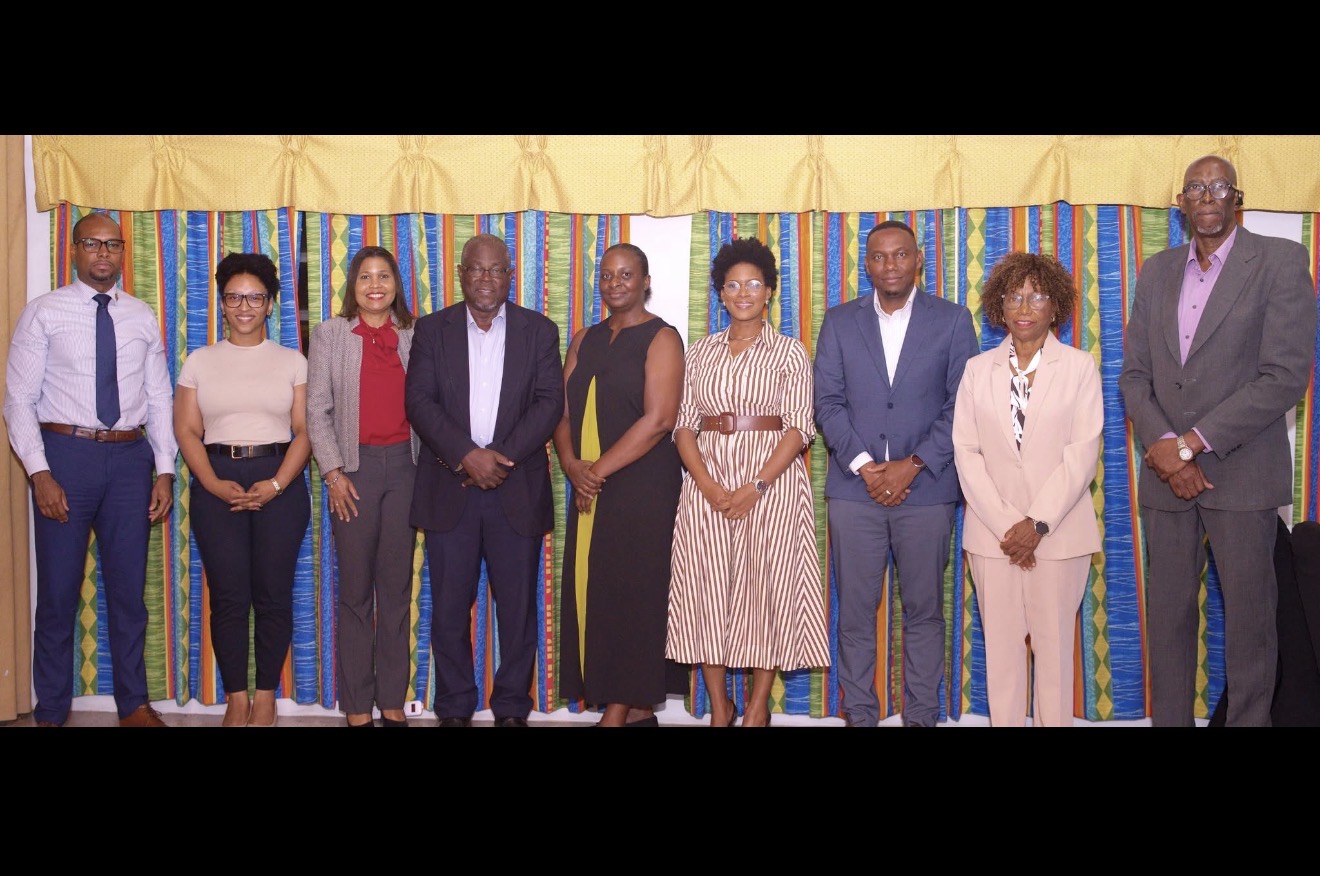
    Alongside Samuel, a full slate of executive officers was elected to fill key leadership roles. Dr. Errol Samuel, a business leader with Microcom Ltd., will take up the position of first vice president, while Tamara Lowe-James of regional logistics firm Tropical Shipping will serve as second vice president. Jackie Ferracho-Williams of Flower World Ltd. secured the post of treasurer, rounding out the executive team.

    The 2026–2027 board of directors also includes four sector representatives bringing deep experience in finance and technology: Ragi Burton from Caribbean Union Bank, Yasmin Ephraim of Pegasus Technologies Inc., Wayne Hull of Liberty Business/FLOW (C&W), and Priscilla Leonce of CIBC. This cross-sector representation ensures the chamber’s leadership draws on insights from banking, digital innovation, telecommunications, and international finance to address the evolving needs of local businesses.

    In an official statement following the vote, the chamber extended formal congratulations to all newly elected leaders, and expressed gratitude to every chamber member who took part in the democratic election process. Looking ahead to the coming term, the organization emphasized that its work will center on three key pillars: fostering innovation to help local businesses compete in global markets, deepening collaborative relationships across all parts of the private sector, and strengthening advocacy to advance policies that support business success and long-term economic resilience for Antigua and Barbuda.

  • “Belize Stands With Venezuela”: PM Pledges Briceño Help as 6.76 Million Face Disaster

    “Belize Stands With Venezuela”: PM Pledges Briceño Help as 6.76 Million Face Disaster

    A devastating sequence of back-to-back earthquakes that hit Venezuela last Wednesday has triggered a large-scale humanitarian emergency, with early assessments from the International Organization for Migration (IOM) projecting that up to 6.76 million people across the country will be impacted by the disaster. The human toll of the tremors is particularly acute in the capital, Caracas, where an estimated 2 million residents have been affected by the damage and disruption.

    In a collaborative analysis combining geospatial data and artificial intelligence, the Microsoft AI for Good Lab and IOM used satellite mapping to assess infrastructure damage. Their initial findings reveal that more than 30 percent of all structures in the coastal city of Catia La Mar have sustained damage, underscoring the widespread destruction of the seismic event. As displaced families flee damaged and unsafe areas to seek refuge, IOM warns that internal displacement will continue to climb in the coming days, and has issued an urgent call for coordinated international support to address the growing crisis.

    “IOM Director General Amy Pope emphasized the critical importance of the immediate post-disaster window, noting, ‘The first hours and days after a disaster are decisive. They shape everything that follows.’ The organization has already begun moving quickly to expand its on-the-ground response: pre-positioned emergency relief stocks are being deployed to affected areas, and IOM is working alongside the Venezuelan government and local humanitarian partners to deliver emergency shelter, life-sustaining supplies, and protection services for vulnerable populations.

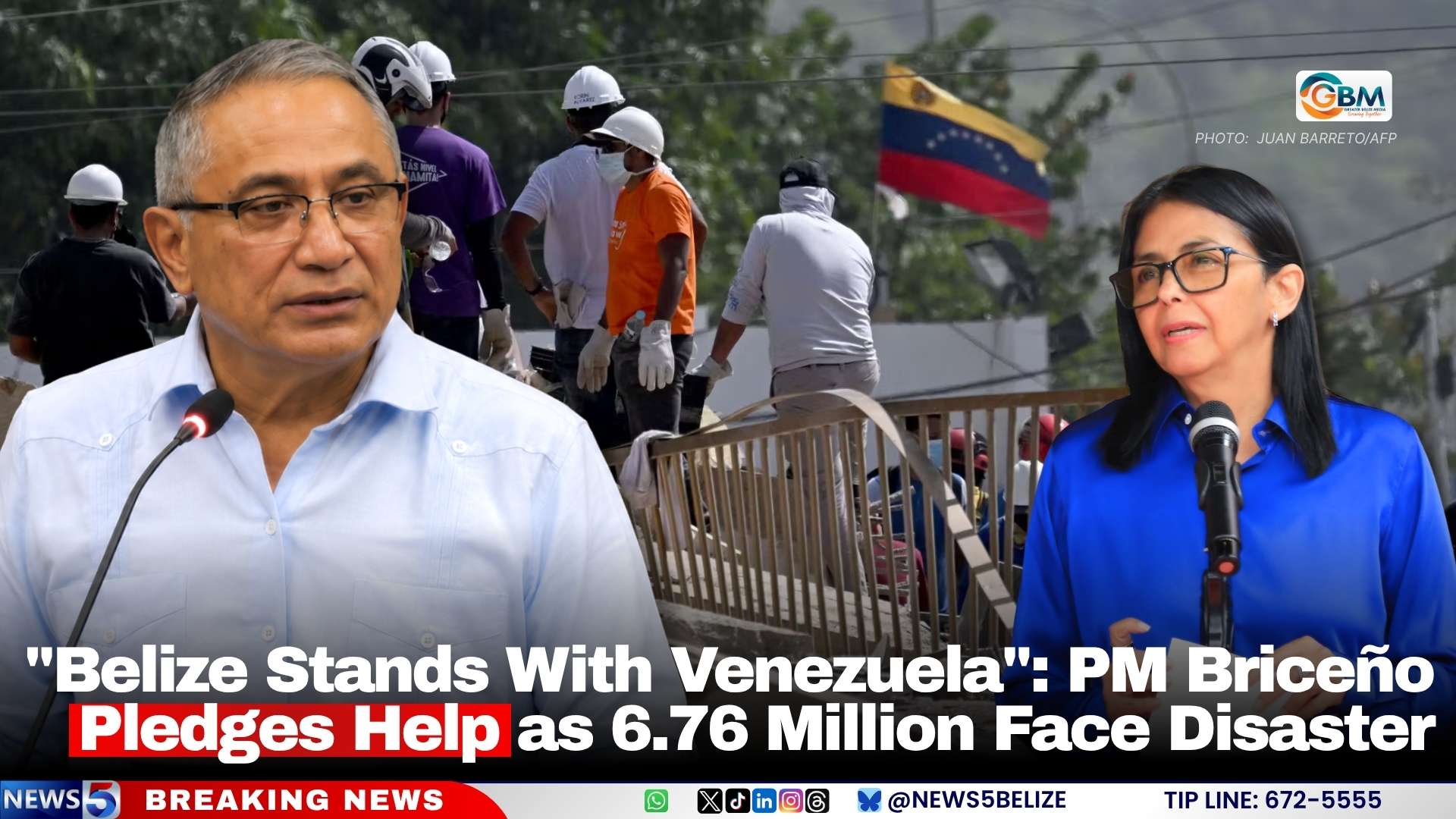
    In a show of regional solidarity, Belize’s Prime Minister John Briceño announced on Friday that the Central American nation is ready and willing to contribute to Venezuela’s post-disaster recovery efforts. Briceño shared in an online public statement that he held a direct conversation with Venezuelan President Delcy Rodríguez immediately in the wake of the earthquakes to extend condolences and offers of support. ‘I assured her that Belize stands with the Venezuelan people and is ready to assist, including deploying Belizean linesmen to help restore electricity,’ Briceño stated.

    Beyond disaster relief, the IOM has outlined the most pressing unmet needs for displaced and affected communities: emergency temporary housing, clean drinking water, functional sanitation infrastructure, access to acute healthcare, targeted protection services for vulnerable groups, and basic essential supplies.

    In a reassuring update, Belize’s Ministry of Education confirmed that all Belizean students enrolled in academic programs in Venezuela have been located and confirmed to be unharmed. No physical injuries have been reported among the group, according to officials. Belize’s Ministry of Foreign Affairs continues to closely monitor the evolving situation through the country’s diplomatic mission in Caracas. Oscar Arnold, Chief Executive Officer at the Ministry of Education, explained that Belize’s Ambassador to Venezuela Annie Lou Burns personally reached out to every Belizean student in the country immediately after the earthquakes to confirm their safety. Arnold added that the ambassador had previously conducted emergency preparedness drills with the student community, where students were instructed to maintain pre-packed emergency go-bags with essential supplies in case of a natural disaster – preparation that likely helped them stay safe in the immediate aftermath of the tremors.

  • AdeKUS-studenten winnen Halliburton Hackathon; toegang tot software van oliegiganten

    AdeKUS-studenten winnen Halliburton Hackathon; toegang tot software van oliegiganten

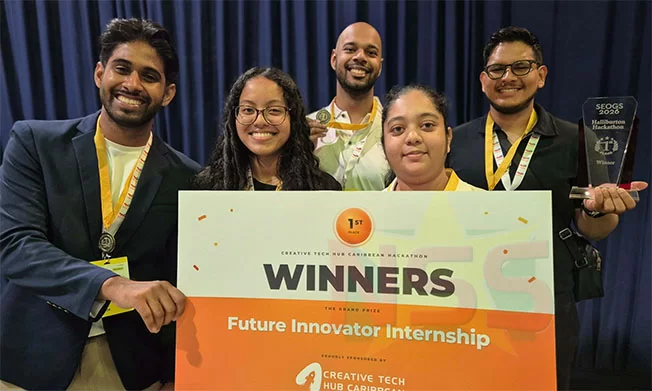
    In a major milestone for energy innovation education in the Caribbean region, a student team from Suriname’s Anton de Kom University (AdeKUS) has claimed first place at the 2026 Halliburton Energy Innovation Challenge Hackathon, capping off the annual Suriname Energy, Oil & Gas Summit (SEOGS) held in late June.

    The final round of the competition, which brought together six student teams from Suriname, Guyana, and Trinidad and Tobago, tasked participants with building novel, practical solutions to pressing challenges facing the global oil and gas sector. Competing using real-world field data and Halliburton’s proprietary specialized software, participants delivered a range of cutting-edge tech concepts that impressed the panel of industry judges. After two rounds of rigorous evaluation to narrow down the strong field of competitors, the top three spots all went to teams from Suriname, led by the AdeKUS team Lithologic.

    Lithologic’s winning submission is a machine learning-powered digital system designed to dramatically speed up the identification and classification of rock formations, a core step in oil and gas exploration. By leveraging field samples and structured geological data, the tool can quickly determine rock type and key physical properties, supporting geologists in mapping subsurface structures and streamlining hydrocarbon exploration workflows. What once required days of time-consuming laboratory and field analysis can now be completed far faster, cutting project timelines for both onshore and offshore exploration projects.

    Second place went to the team Rigardians, which developed an AI-powered remote monitoring platform for oil production equipment. The system is designed to detect early signs of technical failure, enabling operators to carry out preventive maintenance before issues cause costly downtime. Third place was awarded to Team Chief Power for their digital twin model of a Floating Production, Storage and Offloading (FPSO) vessel, the large floating facilities used to process and store offshore crude oil. The digital twin allows operators to track offshore production processes in real time and spot potential infrastructure faults before they escalate into major problems.

    Following the conclusion of the hackathon, Halliburton and AdeKUS signed a three-year Memorandum of Understanding (MoU) as part of Halliburton’s global University Software Grant Program, cementing a new partnership to grow local technical talent for Suriname’s fast-growing oil and gas sector. Under the agreement, Halliburton will donate industry-leading specialized software, provide specialized training, and offer ongoing technical support to AdeKUS students and faculty. The agreement grants geology and engineering students at the university access to the same advanced tools currently used by major global energy players including Petronas and TotalEnergies. It also creates a pathway for students to connect directly with Halliburton technical experts based at the company’s Houston, Texas headquarters, while AdeKUS will invest in the required on-campus digital infrastructure to support the program. This partnership is expected to strengthen Suriname’s domestic capacity to support its expanding energy industry, equipping the next generation of local engineers and geoscientists with hands-on experience using the technologies that define modern energy exploration and production.

  • Jamaica’s prime minister reaffirms CARICOM’s value during visit to regional secretariat

    Jamaica’s prime minister reaffirms CARICOM’s value during visit to regional secretariat

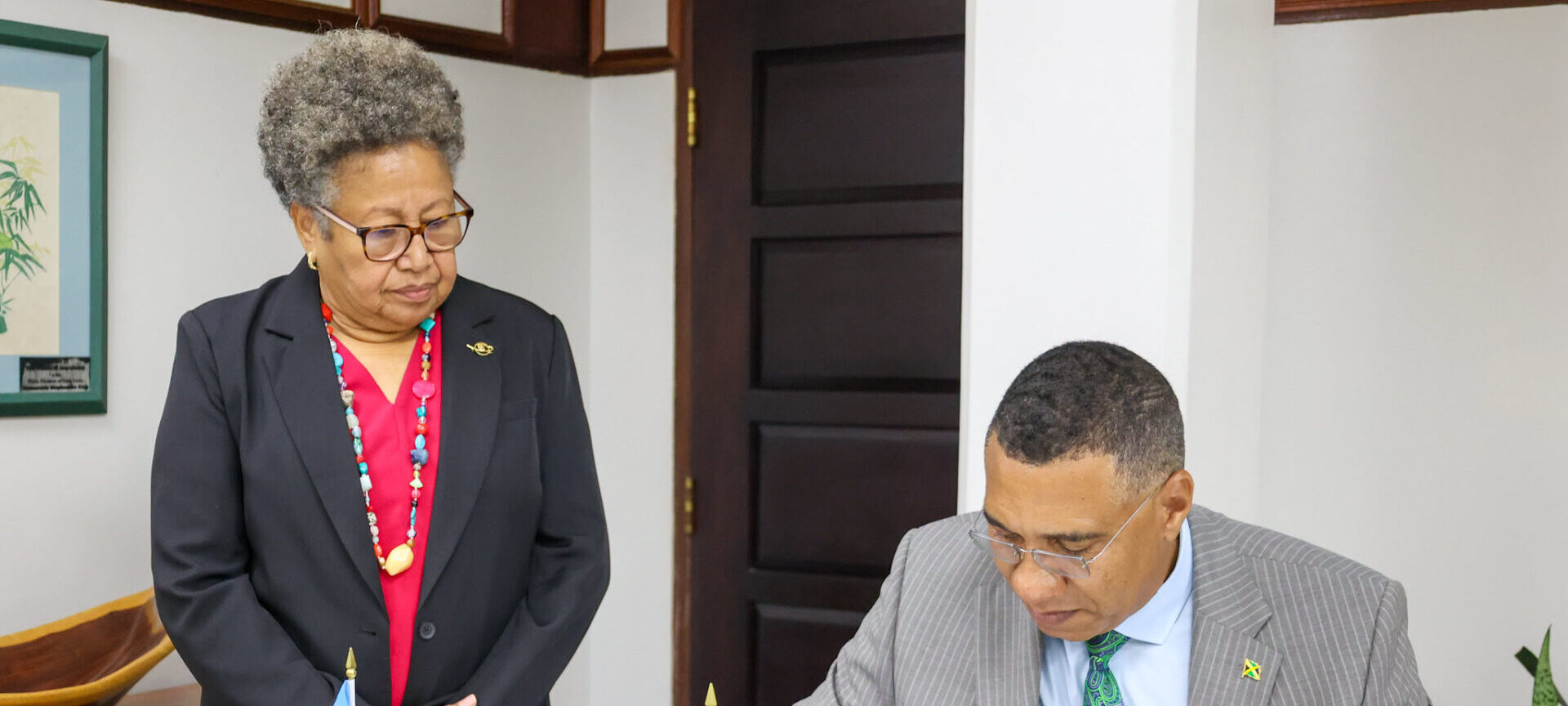
    During an official working visit to Guyana that included a stop at the Caribbean Community (CARICOM) Secretariat Headquarters in Georgetown, Jamaican Prime Minister Andrew Holness has publicly underscored CARICOM’s irreplaceable role in driving Jamaica’s national development, framing the 15-nation regional bloc as a foundational platform for collective action and diplomatic coordination on shared regional challenges.

    In comments delivered to Secretariat staff and released in an official CARICOM statement, Holness emphasized that CARICOM retains its centrality to Jamaica’s growth trajectory even as the global order shifts toward greater geopolitical and economic uncertainty. “We see CARICOM as absolutely important to our own national development,” the prime minister stated, noting that the integration body serves as both a critical tool for multilateral diplomacy and a core pillar of Jamaica’s foreign policy strategy.

    Holness acknowledged that member states do not always align on every individual foreign policy position, but pointed out that the regional integration movement allows even diverse nations to advance shared, mutually beneficial foreign policy goals that no single small island state could achieve alone.

    Beyond diplomatic cooperation, the prime minister used his visit to highlight untapped potential for deeper economic integration across the Caribbean. Speaking at the opening ceremony of the four-day 2026 International Building Expo in Georgetown on June 25, Holness argued that the region holds vast, underexploited opportunities for cross-border economic collaboration. “The opportunities for economic collaboration are very wide and very deep,” he said. To unlock this potential, he added, collective action beyond one-on-one bilateral agreements is required: Caribbean nations must work together to standardize cross-border rules and regulations, creating a unified framework that allows all members to capitalize on shared economic opportunities.

    Holness stressed that nearly all of the most pressing challenges facing Caribbean nations, from climate vulnerability to global economic volatility, demand coordinated regional responses rather than isolated national action. “There are common challenges that we need to pursue as a Region, and the best institution to do that is CARICOM,” he said.

    The prime minister also paid tribute to the critical work carried out by the CARICOM Secretariat, noting that its team of technical experts and administrative staff play an indispensable role in helping regional political leaders navigate fast-shifting global and regional developments. “Your job as regional administrators and technocrats is to help us, the political leaders, understand the dynamics and the changes that are happening globally and regionally,” Holness said. “We rely on you to make sense of the changing and complex global situation, and our regional situation as well.”

    He further highlighted the Secretariat’s core responsibility to oversee implementation of the Revised Treaty of Chaguaramas, the legal framework governing CARICOM integration, and ensure the bloc’s legal and operational systems function effectively. “At the heart of it is that if the legal framework and the Treaty are not perfected, then bilateral and multilateral relationships can become very difficult,” he explained.

    Holness added that the true measure of CARICOM’s success is not institutional progress alone, but tangible improvements to the daily lives of ordinary citizens across member states. This includes delivering on the bloc’s core commitments such as the free movement of labor and capital, expanding cross-border education and training opportunities, and rolling out other integration initiatives that directly benefit working people and communities.

    Closing his remarks, the prime minister expressed full confidence in CARICOM Secretary-General Carla Barnett and the entire Secretariat staff, noting that the team is making dedicated efforts to equip member states with the strategic guidance needed to respond to global shifts, seize emerging economic opportunities, and advance the core objectives laid out in the Revised Treaty of Chaguaramas.