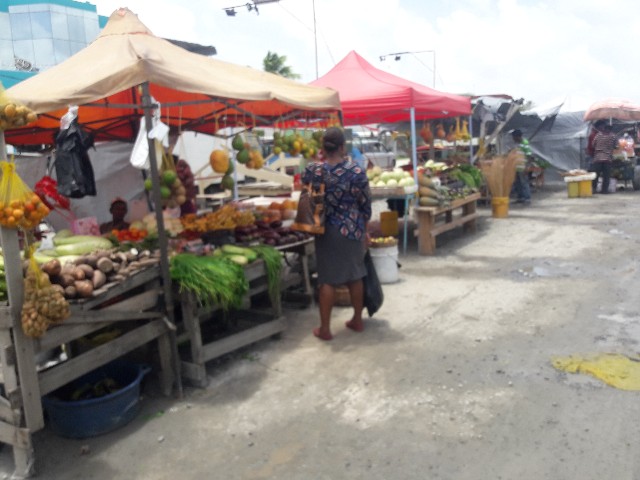
On August 18, 2026, Guyana President Irfaan Ali announced that his administration is exploring the creation of a nationwide network of permanent farmers’ markets, a structural policy intervention designed to cut exploitative middleman markups and ease the growing pressure of skyrocketing living costs across the country. Speaking at a press briefing, Ali outlined that the permanent markets would integrate directly into the country’s retail food ecosystem, giving small-scale and independent producers unmediated access to consumers. He did not mince words when describing the markup issue currently plaguing Guyana’s food sector, noting that some retailers are inflating produce prices by as much as 10 times the rate they paid farmers to source the goods, pocketing exorbitant, unfair profit margins at the expense of both producers and working-class households. For years, the Guyanese government has operated temporary pop-up farmers’ markets through the New Guyana Marketing Corporation, offering select staple goods at discounted rates to consumers. But shifting consumer behavior over recent years has eroded the reach of these ad-hoc initiatives and lower-cost traditional municipal and village markets. Ali explained that more Guyanese consumers now prioritize shopping at large supermarkets, which command higher price points, while changing dietary habits have also driven increased demand for pre-prepared cooked food, further reshaping market dynamics. The president noted that his administration has already deployed nearly all available policy tools to curb rising living costs, pointing to previous measures including the full elimination of excise tax on fuel, direct subsidies for agricultural producers, and the rollback of hikes to drainage and irrigation service fees and land rental fees implemented by the prior administration. Even with these interventions in place, however, global headwinds driven largely by ongoing conflict in the Middle East have pushed up the cost of critical production inputs including pharmaceutical supplies for livestock and crop fertilizer, offsetting much of the government’s domestic relief. Ali pushed back against calls for expanded cash grants as a long-term solution to the cost of living crisis, emphasizing that recurring cash transfers can only act as a temporary buffer for vulnerable households, not a fix for the systemic market failures driving price hikes. “No amount of grant will address it,” he told reporters. “Grants are there to support different level of vulnerability and to support injection for family income. We have to address it in a structural way.” The main opposition coalition, A Partnership for National Unity led by the People’s National Congress Reform, has previously put forward its own policy framework to ease price pressures, calling for expanded national food production and broad-based consumer subsidies. The Ali administration has already aligned with the opposition on the core goal of boosting domestic agricultural output as a long-term mechanism to bring down food prices, and the proposed permanent farmers’ market network would serve as a complementary supply-side reform to connect that increased production directly to consumers at fairer prices.