博客

  • Government Scrambles to Save Punta Gorda Flights

    Government Scrambles to Save Punta Gorda Flights

    In a developing update from October 6, 2026, Belize’s national government is racing against time to preserve air connectivity to the southern district of Toledo after local carrier Tropic Air announced plans to discontinue all scheduled flights to Punta Gorda, the district’s primary urban center. The impending withdrawal of service has triggered urgent government action to avoid leaving the southern region cut off from critical air access.

    Prime Minister John Briceño has characterized Tropic Air’s decision as a purely business-driven move, rooted in persistent low passenger volumes and ongoing operational losses on the Punta Gorda route. According to Briceño, the airline loses approximately half a million dollars annually on this service, a gap that has become unsustainable amid rising global operational costs.

    While the prime minister acknowledged the commercial logic behind the carrier’s choice, he also confirmed that the suspension of flights would carry severe repercussions for Toledo District, harming local residents who rely on air travel for emergency and personal trips, undercutting small business operations, and derailing growth in the region’s key tourism sector.

    Briceño addressed lingering public frustration over claims that government policy around runway upgrade fees pushed Tropic Air to exit the route, pushing back against that narrative. The government has a mandatory responsibility to upgrade Punta Gorda’s existing runway to improve safety standards, he explained, a project that will reduce wear and tear on aircraft operating from the airfield and lower the risk of catastrophic accidents caused by poor runway conditions. To fund the upgrade, the government had proposed a small user fee, but agreed to delay implementation to accommodate industry concerns: the original $10 fee proposal has been scaled back to $6, with rollout pushed to June 2027.

    “It was not fair to tie the exit to our safety upgrade plans,” Briceño said, adding that he maintains a positive working relationship with Tropic Air’s leadership and remains open to further negotiations to reverse the carrier’s decision.

    Currently, the government is holding active talks with Maya Air, Belize’s other major regional carrier, to explore taking over the Punta Gorda route. Briceño confirmed that officials are also considering targeted government support to incentivize continued service, an approach the government has previously used to sustain critical public transportation access in the country’s bus sector. The end goal, the prime minister emphasized, is to ensure southern Belize does not lose its air connection entirely.

    This report is adapted from a televised evening news broadcast transcript originally published online.

  • “Mira Millions” Audit Complete, Findings Still Under Wraps

    “Mira Millions” Audit Complete, Findings Still Under Wraps

    It has been 90 days since investigators launched the first official audit into the so-called “Mira Millions” procurement scandal that has rocked Belize’s Ministry of Defense, and the review has officially reached completion. But members of the public hoping for immediate transparency will need to wait months more to access the full results of the probe.

    The investigation, led by Auditor General Maria Rodriguez, focused on suspicious and non-compliant procurement practices that occurred during the tenures of former Defense Ministers Florencio Marin Jr. and Oscar Mira. Both politicians have already been removed from their Cabinet positions pending the outcome of the audit. Before Rodriguez can submit her preliminary findings to government leadership next week, she is scheduled to hold a closing exit meeting with Francis Usher, the chief executive officer for the relevant government portfolio.

    While a preliminary report is expected as early as this October 2026, Prime Minister John Briceño confirmed that the full, finalized audit report will not be delivered to government until as late as February 2027. In a press question-and-answer session with reporter Isani Cayetano, Briceño clarified that his administration has not yet received any formal documentation from the Auditor General’s office, noting that leadership was notified the preliminary assessment would land this month, with final completion pushed to the end of Q1 2027.

    During the session, Cayetano pressed Briceño on the future of Oscar Mira, who previously led the Ministry of Home Affairs before being sidelined alongside Marin, and asked about the performance of current Home Affairs Minister Julius Espat, who stepped into the role to lead reforms in the sector. Briceño offered high praise for Espat’s work in the role, noting that the architect-turned-politician has brought renewed energy and a results-first approach to the department, which oversees the national police force.

    “Minister Espat has been doing a good job. He has brought in renewed energy,” Briceño stated. “He has an ability to go in and identify processes that are not working, and push to get things done effectively. With his background as an architect, he is a strong manager, and we have already seen a lot of improvements in the police department under his leadership.”

    Briceño acknowledged that Mira also delivered solid performance during his time leading the Home Affairs Ministry, but emphasized that the sector needed a fresh approach to implement wide-ranging changes. When pressed on Mira’s long-term political future, the Prime Minister emphasized that all decisions will be put on hold until the full audit findings are released. “Before I could answer on Oscar Mira, I think we just need to wait for the report,” Briceño added.

    This report is adapted from a transcript of an evening television news broadcast, with Kriol language dialogue transcribed according to standard regional spelling conventions.

  • Government Puts Meal Money in BDF Soldiers’ Pockets

    Government Puts Meal Money in BDF Soldiers’ Pockets

    In a policy shift aimed at addressing long-standing logistical and cost challenges surrounding feeding personnel of the Belize Defense Force (BDF), the government of Belize has launched a new direct meal allowance program that puts food funding directly into the hands of service members. The change, which took effect this month, was announced by Prime Minister John Briceño, who has overseen the Ministry of National Defense since Florencio Marin Jr. stepped down in the wake of the “Mira Millions” corruption scandal.

    Under the new framework, every active BDF soldier will receive a daily stipend of 17 Belize dollars to cover their meal costs. Briceño explained that the previous centralized feeding system had grown unmanageable for both the defense ministry and individual BDF camps across the country, prompting the need for an innovative, flexible alternative. The new model retains official oversight to ensure nutritional standards and fair pricing: senior BDF leadership, including Commandant staff, have negotiated pre-set prices with approved local vendors, who are only permitted to sell nutritionally appropriate food on bases during lunch breaks. Unhealthy items such as chips are banned from base vendor offerings.

    The new policy also includes special provisions for soldiers deployed on patrol: personnel on operational missions receive both their standard daily 17-dollar allowance and pre-issued field rations, creating an opportunity for extra savings. Perhaps the most notable benefit highlighted by Briceño applies to the large share of BDF soldiers who do not reside on base. Per BDF Chief Executive Officer Francis Usher, a former BDF officer whom Briceño praised as a competent, experienced defense leader, most service members commute home from their posts daily. This new system allows off-base soldiers to prepare meals at home or pack food from home, rather than being required to eat at central base mess halls, letting them keep any unspent portion of their daily allowance as extra income.

    Briceño emphasized that he has delegated day-to-day technical management of the BDF to experienced in-house defense leaders like Usher, noting that his role as prime minister is to oversee policy and implement changes proposed by the service’s own technical experts. The new meal system is designed to solve immediate operational challenges while giving soldiers greater autonomy over their food choices, with built-in benefits that put extra savings in the pockets of service members, particularly those living off base. This report is a transcription of an evening television news broadcast.

  • Prime Minister Pressed on Respect for the Media

    Prime Minister Pressed on Respect for the Media

    A heated exchange between a Belizean journalist and Prime Minister John Briceño last week has ignited a national conversation over political respect for independent media and expected standards of conduct for the country’s top elected leader.

    The controversy began when a reporter raised a question about Special Envoy Rossana Briceño’s recent official trip to Guatemala. Instead of addressing the policy-related inquiry, the Prime Minister responded with a personal insult, turning the offhand remark into a major public story rather than the original diplomatic visit itself.

    Days after the incident, Prime Minister Briceño appeared on the local morning current affairs program *Open Your Eyes* to address the growing public outcry, where host Isani Cayetano pressed him on the appropriateness of his words.

    In his on-air remarks, Briceño framed his reaction as rooted in personal loyalty. “I’m a human being, first and foremost, and I am very protective of my family,” he said. The Prime Minister went on to note longstanding tensions between his administration and the national media, arguing that many outlets position themselves as political opposition rather than focusing on neutral issue coverage. “We are never going to agree on everything. But I think that we can agree on important issues, the issues that are affecting our country, the issue of governance and how we can do better, and so forth,” he added.

    When Cayetano pressed further to ask whether the Prime Minister’s insulting language could ever be justified, Briceño cut the line of questioning short, saying “I think I’ve answered that question. So, mek we noh continue. Thanks.” Picking up the conversation afterward, Cayetano noted that the incident had left journalists questioning what norms of interaction they could expect going forward, calling the moment uncharted territory for press-political relations in the country.

    Responding to that concern, Briceño pushed back on the idea that the incident marked a fundamental shift in norms, emphasizing that democratic governance inherently accommodates disagreement. “It’s important for us to be able to maintain good dialogue, a respectful dialogue. We don’t agree on all the issues and that’s okay. That’s why we live in a democracy,” he said. Looking ahead, Briceño said he would continue engaging with reporters respectfully, and would simply ignore any interactions he perceives as disrespectful going forward rather than responding in kind.

    While the Prime Minister offered a commitment to more respectful future exchanges with the press corps, he stopped short of issuing a formal apology for his earlier insult, leaving many in the media community still seeking full accountability. This report is a verbatim transcript of an evening television broadcast, with Kriol-language phrases transcribed using a standardized spelling system for accuracy.

  • Election Funds? Government To Access US$40 Million From Taiwan Loan

    Election Funds? Government To Access US$40 Million From Taiwan Loan

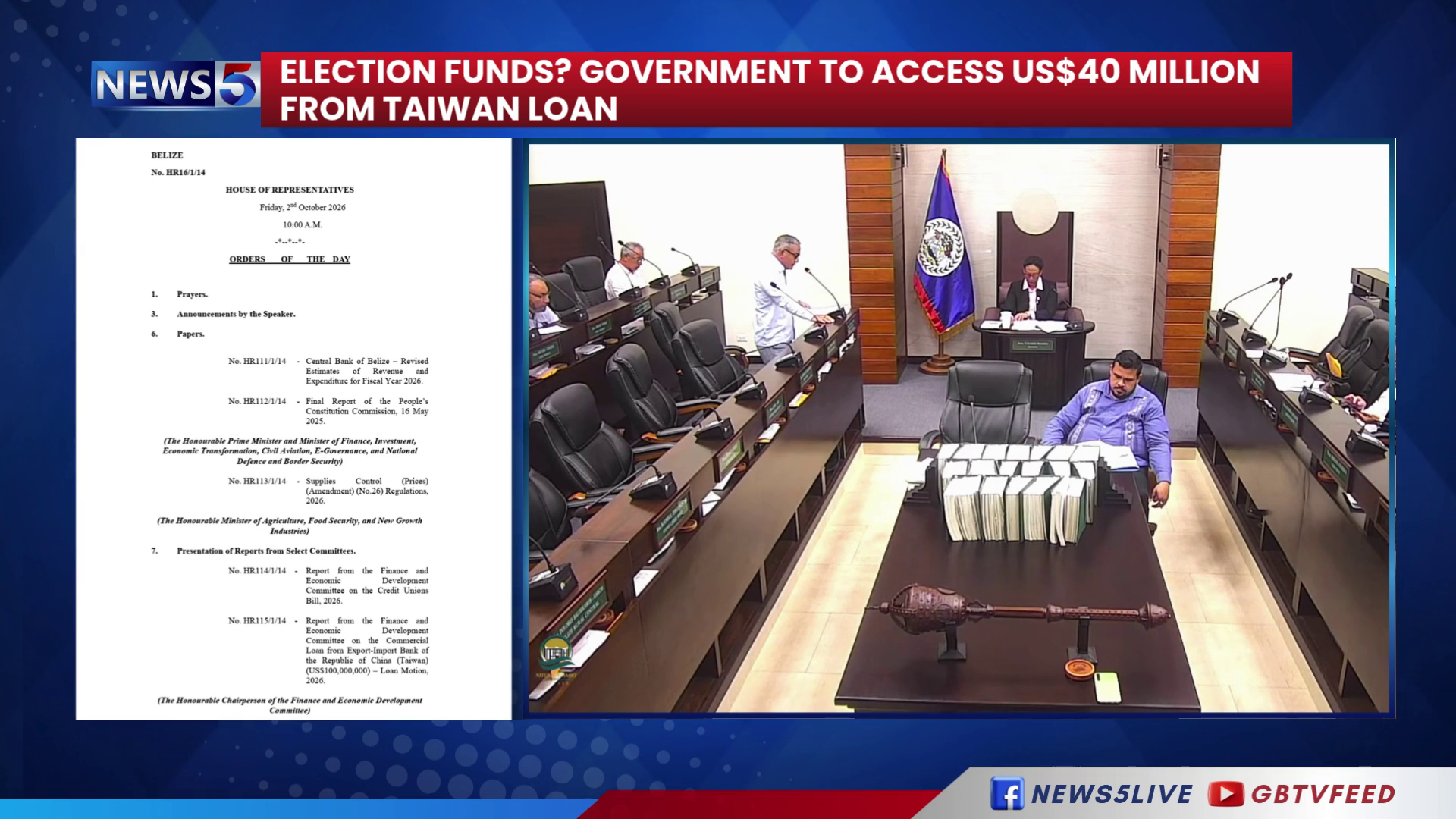
    A controversial $100 million loan proposal from a Taiwan-linked financial institution has returned to Belize’s House of Representatives, reigniting debate over public spending plans just months ahead of the country’s upcoming municipal elections. Opposition lawmakers have raised sharp questions about the government’s timeline for accessing the funds, after confirmation that up to US$40 million of the total loan could be disbursed and drawn down before the end of 2026 – a timeline that overlaps with the lead-up to the municipal polls.

    According to government officials, the full $100 million in borrowed funds is earmarked to support a five-year portfolio of public projects spanning core infrastructure development, education system upgrades, and expanded public health services. Despite this top-line outline, however, critics have pushed for full transparency, demanding a detailed, line-item breakdown of how the first $40 million tranche will be allocated to avoid diversion of public funds for election-related political gain.

    Addressing the concerns raised by the opposition during Friday’s parliamentary proceedings, Prime Minister John Briceño formally presented the loan approval resolution to the chamber. In his address before the House, Briceño moved to confirm the terms of the agreement with the Export-Import Bank of China-Taiwan, urging lawmakers to approve the proposal.

    “With your permission not to repeat the recitals, now therefore be it resolve that this Honorable House being satisfied that the loan proceeds will be utilized for the purpose stated above, approves and confirms that the government of Belize may enter into a loan agreement with the Export-Import Bank of China-Taiwan for the terms and conditions set out above and further authorizes the Minister of Finance to execute and deliver the said loan agreement, the promissory note and all other documents associated there with,” Briceño said in his address to parliament.

    This article is adapted from a broadcast news transcript originally published by the outlet, with original speaker remarks preserved in their official context for accuracy. The full televised newscast is available for viewing via the original publication’s digital platform.

  • National Bus Company Promises On-Time Service

    National Bus Company Promises On-Time Service

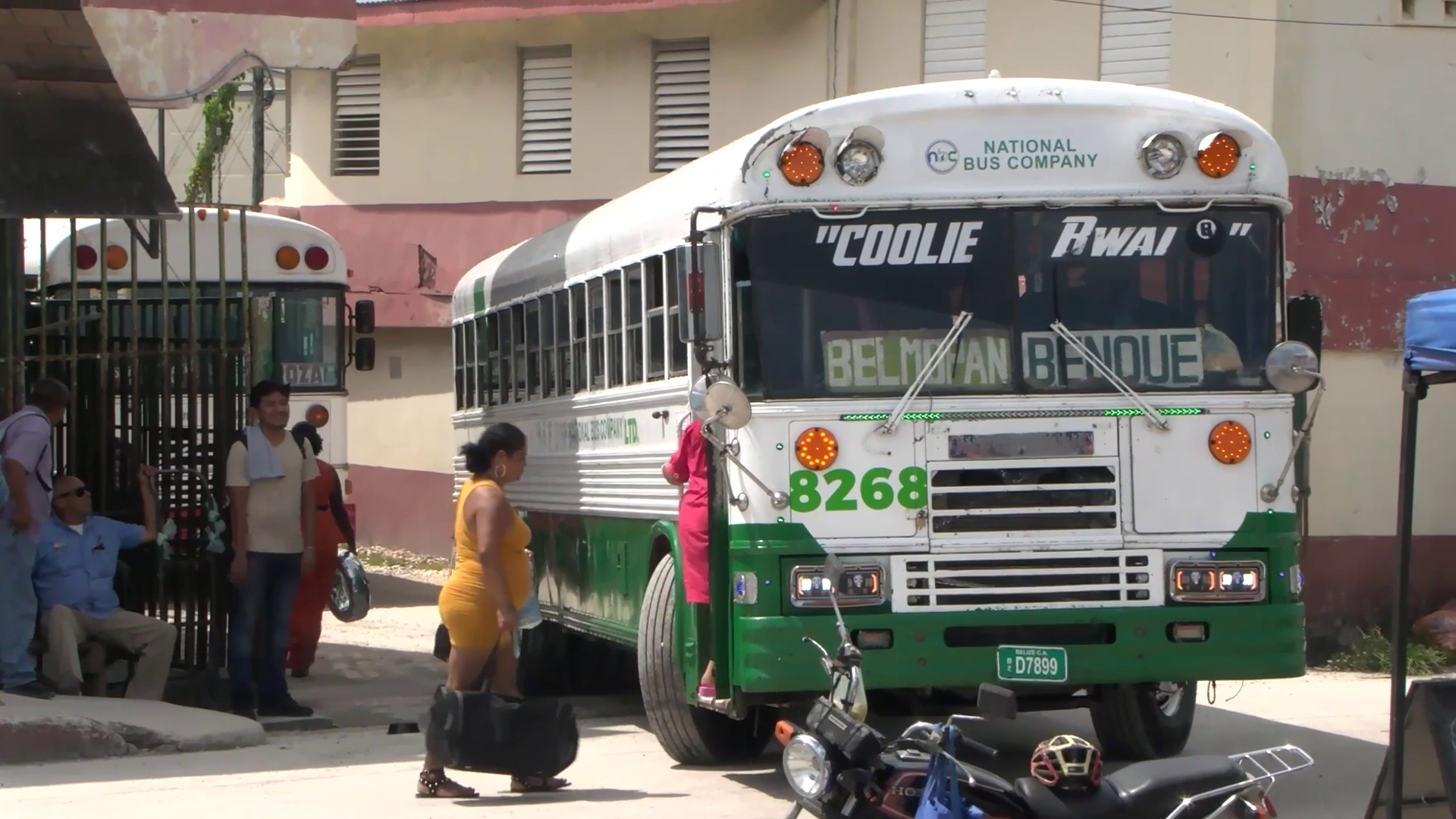
    For countless commuters across Belize, planning daily travel around public bus service has long meant navigating uncertainty. Arrival times were unpredictable, seats were never guaranteed, and last-minute delays could derail entire itineraries. That experience is set to change starting November 1, 2026, when the National Bus Company (NBC) rolls out a sweeping system upgrade focused on boosting reliability and rider convenience across the country’s key travel corridors.

    The overhaul introduces three core changes designed to eliminate the guesswork that has defined bus travel for Belizeans for years: a restructured route schedule, real-time digital bus tracking, and pre-assigned guaranteed seating for all passengers. The updates will launch first on the country’s Western, Southern, Coastal, and Northern corridors, with plans to expand across the network in subsequent phases.

    Speaking ahead of the rollout, NBC Chief Operations Officer Noel Codd confirmed that the revamped scheduling system will go into effect across the launch corridors on the scheduled date. “November first we are going to start with our new schedule for NBC, through Coastal, western corridor and northern. We’re gonna change the new schedule,” Codd said.

    The most transformative change for riders is the new digital ticketing and tracking system, which connects passenger mobile devices directly to NBC’s operations platform through a partnership with logistics technology provider Truck Solutions. As NBC Special Projects Officer Louis Verde explained, the end-to-end digital system solves longstanding pain points from ticket purchase to arrival.

    When a passenger purchases a ticket via text message to a dedicated NBC WhatsApp line, the system instantly updates available seat counts for ticket agents, ensuring the company never oversells routes. This process eliminates the longstanding issues of overcrowding, passengers rushing to board outside terminals, and standing passengers on intercity routes. Every ticketed passenger is guaranteed a reserved seat before they arrive at the terminal.

    Passengers receive a digital ticket with a unique QR code directly to their smartphones, which includes full trip details: starting point, destination, fare, and assigned bus. Thanks to Truck Solutions’ integrated application programming interface (API), the system also sends real-time alerts to riders’ phones. If a bus is five minutes away from the pick-up point, passengers get a notification. If the bus is delayed for any reason, riders are updated immediately to adjust their plans accordingly.

    Company leadership emphasized that reliability and rider convenience are the central priorities of this upgrade, which aims to rebuild public confidence in Belize’s national bus network. For commuters who rely on public transit for work, school, and personal travel, the changes mark one of the most significant modernizations to the country’s intercity bus service in recent history. This report is adapted from a transcript of an original evening television newscast.

  • Twenty-Million-Dollar Bus Gamble Gets Legal Protection

    Twenty-Million-Dollar Bus Gamble Gets Legal Protection

    In a move designed to safeguard a $20 million public investment in Belize’s new national bus system, the country’s National Assembly has passed two landmark pieces of legislation aimed at closing legal loopholes that doomed a prior public transit consolidation effort nearly two decades ago. The approval, handed down during a Friday plenary session, comes as policymakers work to avoid a repeat of the high-profile collapse of Novelo’s Bus Empire, a failure that still looms large in Belize’s transportation sector history.

    The new legislation creates exclusive, limited concessions for the state-backed National Bus Company (NBC) on the country’s two high-traffic transit routes: the Southern Corridor and the Western Corridor. Transport Minister Dr. Louis Zabaneh, who championed the bills, emphasized that the reform directly addresses critical mistakes made during the 2002-2004 transit consolidation that led to Novelo’s collapse. Back then, after the Novelo family and James Bus Line absorbed smaller operators to create a consolidated national network, no legal framework was put in place to protect their exclusive route rights. Even former operators who had sold their businesses to the consolidated firm were able to obtain new road service permits, creating unregulated competition that gradually eroded the consolidated company’s financial stability. By 2005, the entire venture collapsed, leaving widespread disruption to public transit across Belize.

    “This is a lesson learned the hard way,” Zabaneh told reporters following the vote. He stressed that the stakes are far higher this time around, with more than $20 million in public funds allocated to new buses and infrastructure for NBC, alongside a roughly $19.2 million investment from private operators. “The Belizean people have skin in this game. We cannot allow unregulated competition to undermine this significant public and private investment months or years down the line,” Zabaneh added.

    The new legal framework is designed to lock in exclusive route access for NBC, preventing new competitors from entering the core corridors and putting the public and private investment at risk. Policymakers frame the move as a critical safeguard to keep the revitalized national public transit system on track, ensuring reliable service for commuters across the country while protecting taxpayers’ contributions to the project.

  • Belize Transforms Colonial Symbol into Cultural Space

    Belize Transforms Colonial Symbol into Cultural Space

    Nearly 212 years after its construction, one of Belize’s most iconic colonial landmarks has completed a decades-long transformation, shifting from a symbol of exclusionary colonial authority to a thriving public hub for celebrating authentic Belizean identity, art, and history.

    Completed in 1814, what was originally named Government House served for generations as the private residence and decision-making center for British colonial governors and the ruling elite. For hundreds of years, the vast majority of native Belizeans—including the descendants of the African craftspeople and laborers who actually built and maintained the property—were barred from entering its halls, only permitted to observe the stately mansion from the outside. That all began to change in 1998, when the site was officially redesignated as a public cultural institution; after years of extensive restoration work, it reopened to widespread acclaim as the House of Culture in late 2018, welcoming Belizeans and international visitors alike.

    Today, the sprawling compound, which includes the original historic mansion, a restored former carriage house, former servants’ quarters, and manicured event grounds, is dedicated to centering Belizean voices that were long sidelined during colonial rule. Giovanni Pinelo, Public History Officer at Belize’s National Institute of Culture and History (NICH), frames the transformation as a landmark act of intentional decolonization.

    “It was exclusive for generations, but starting in 1998, the building was declared a space for the voiceless,” Pinelo explained in an interview with News Five’s Britney Gordon for the outlet’s weekly *Kolcha Tuesday* segment. “People who had been marginalized for centuries can now come visit, take part in official ceremonies, and join events that center the full, unfiltered story of Belize.”

    The mansion’s main halls now house the Museum of Belizean Art, a dedicated gallery that showcases generations of work from Belizean painters, sculptors, and mixed-media creators. Unlike past displays that prioritized colonial European art, the museum gives local creators a prominent, permanent platform to share their work and the cultural stories embedded in each piece. Tour guide Leanne Baeza notes that the collection grew organically as the restoration wrapped up, with celebrated local artist Mr. Cayetano among the first to contribute work to the new space.

    “When we were undergoing renovations, we started bringing in work from all our Belizean artists, and Mr. Cayetano was one of the first to place his art on our walls,” Baeza said. “Whenever tourists or local visitors come through, our tour staff is on hand to share the full context and story behind every piece.”

    Pinelo emphasizes that the site’s reimagining does not erase its history—it expands the narrative to include the contributions of ordinary Belizeans that were erased by colonial records. While the property was once overseen by colonial governors, its creation and upkeep relied entirely on the specialized skill of local African ancestors, whose expertise in carpentry, masonry, and architectural craftsmanship brought the grand building to life.

    “What colonial architecture actually reveals is the skill, capacity, potential, and know-how of common Belizean people,” Pinelo said. “We have to ask: Who actually built this structure? It may have been directed by colonial officials, but it was our own African ancestors whose skills in carpentry, in shaping arches, in fitting the original double windows, that made it possible. Even when they worked as servants, they were the ones who maintained this structure for generations.”

    Today, that hidden history is celebrated front and center, along with Belize’s ongoing vibrant cultural life. The property’s sprawling grounds host regular major cultural events, including the annual Pan Yaad festival, where top steel bands blend Belize’s historical roots with modern creative expression. Year-round programming ranges from community art exhibits to national cultural ceremonies, drawing both local attendees and international tourists.

    For Baeza, working at the House of Culture offers a daily chance to deepen her own connection to Belize’s story while sharing it with others. “I’m in love with this place, because every day I get to learn more about the history of Belize,” she said. “When tourists and locals come through, I get to tell them about our beautiful country and the incredible art being created here by our people.”

    The site’s decades-long transformation offers a model for decolonizing historic heritage across the globe. What began as a physical symbol of foreign rule has been reclaimed by the Belizean people, rewritten to reflect their history, creativity, and national pride. As Pinelo notes, the building now belongs not to a colonial elite, but to the entire nation that it serves.

  • Two Face Kidnapping Charges After Police Interception

    Two Face Kidnapping Charges After Police Interception

    In a developing criminal case out of northern Belize’s Corozal District, law enforcement has taken two local men into custody and filed formal criminal charges stemming from an alleged abduction that was cut short by responding officers. The proceedings unfolded rapidly across a three-day period, starting with Saturday’s intervention on October 3, 2026, and concluding with official arraignment the following Monday.

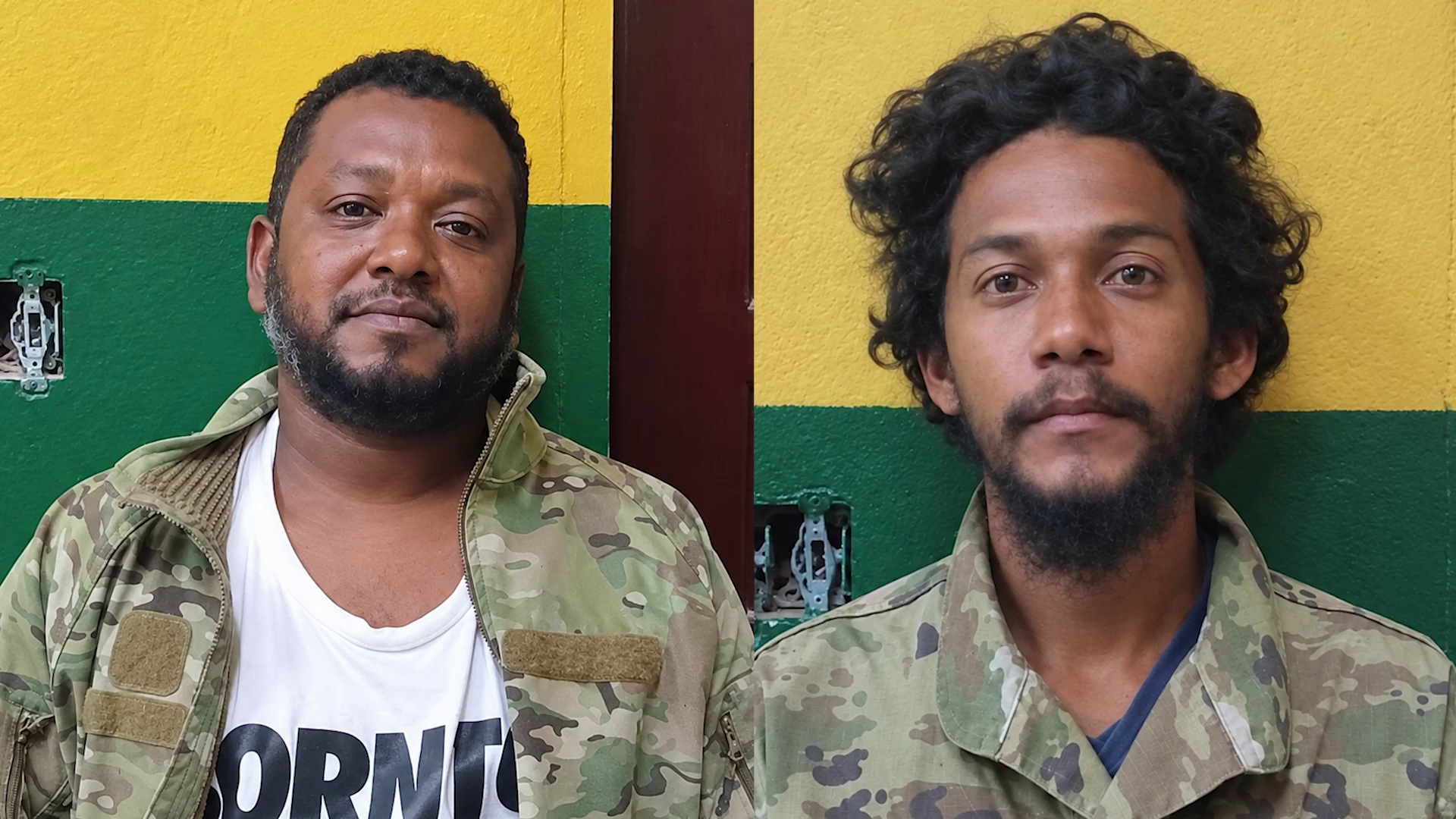
    According to official statements from Belize’s top criminal investigation agency, the two accused men are Alex Marcus Lewis, a 28-year-old laborer, and Brian Dena, a 40-year-old construction worker. Each suspect faces two distinct felony charges: one count of kidnapping and one count of death threat, all connected to the forced detention of two local men.

    The incident began after police received a confidential tip indicating that two individuals had been taken against their will in the region. Acting immediately on this intelligence, officers patrolling the San Andres neighborhood spotted and intercepted a red pickup truck matching the description provided by the tipster. When they searched the vehicle, police found four people total, among them the two alleged victims: Ricardo Zetina and Walter Pineda.

    In interviews with investigators following the interception, Zetina and Pineda told authorities they had been forcibly forced into the truck and repeatedly interrogated about a cache of stolen goods that the suspects claimed had gone missing from the local area. Assistant Commissioner of Police Hilberto Romero, head of the National Crimes Investigation Branch, confirmed that the suspects had accused the two victims of purchasing stolen property that had been taken from local residents in Corozal District.

    Before police intervened to end the abduction, the suspects allegedly transported Zetina and Pineda to the home of one victim’s brother, where they also questioned the brother about the stolen items. As of the latest update from the investigation team, details surrounding the alleged death threat have not been released to the public, leaving many key circumstances of the incident still under wraps.

    It is important to note that under the principles of the Belizean justice system, the accusations brought against Lewis and Dena are merely allegations at this stage. No findings of guilt have been issued, and the pair are presumed innocent unless proven otherwise in a court of law. This report is based on a transcribed broadcast of local evening news, which adheres to standard transcription protocols for Kriol language segments when included in the original reporting.

  • Decades-Old Garifuna Agreement Faces Major Update

    Decades-Old Garifuna Agreement Faces Major Update

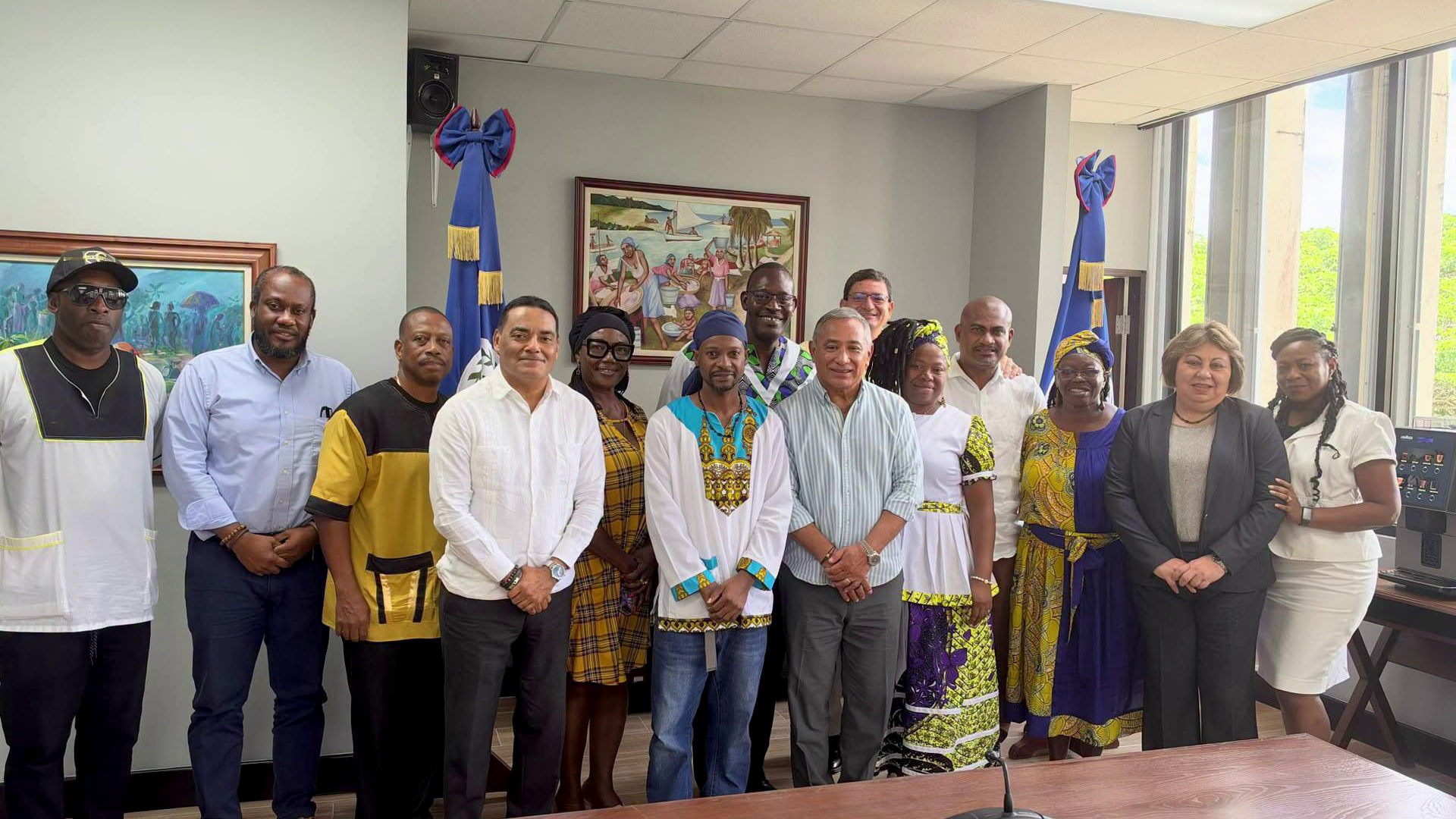
    Nearly two weeks after contentious comments from Belizean Prime Minister John Briceño ignited nationwide discussion over Indigenous rights, government representatives and leaders of the National Garifuna Council (NGC) gathered in Belmopan this Monday to restart long-stalled negotiations over a landmark decades-old agreement between the state and the Garifuna Indigenous community.

    The talks covered a broad range of priority issues for the Garifuna people, from protection of ancestral territorial lands and formal recognition of inherent Indigenous rights to investment in community-led education, cultural preservation initiatives, and cross-regional cooperation. At the heart of the negotiations is a revised memorandum of understanding (MOU) first submitted by the NGC to the Ministry of Indigenous Affairs back in August last year, crafted to address longstanding gaps in implementation and compliance that have left the original agreement largely unfulfilled, according to Garifuna leaders.

    In comments following the meeting, NGC President Alex Nolberto explained that the amended MOU is designed to embed stronger protections for Garifuna rights aligned with both United Nations declarations on Indigenous peoples and Belize’s national constitution. It explicitly formalizes the community’s claim to traditional territorial spaces, outlines dedicated state funding for the NGC’s ongoing work of Garifuna language revitalization and cultural heritage protection, and establishes support for community-led education institutions such as the Gulisi Garifuna school and other grassroots Garifuna organizations.

    While Nolberto welcomed the government’s new commitments to move the agreement forward, he emphasized that tangible, on-the-ground implementation will be the only measure of whether meaningful change for the Garifuna community is actually achieved. Under the newly agreed timeline, Prime Minister Briceño has pledged to sign the revised MOU by November 19, after it completes review by the national Cabinet. To maintain accountability going forward, the two sides also agreed to hold biannual technical working group meetings to track progress on the agreement’s terms.

    This report is adapted from a televised evening news broadcast transcript, with original Kriol-language commentary rendered into standard English spelling for clarity.