博客

  • Delay or Due Diligence? Fonseca Explains Ombudsman Hold-Up

    Delay or Due Diligence? Fonseca Explains Ombudsman Hold-Up

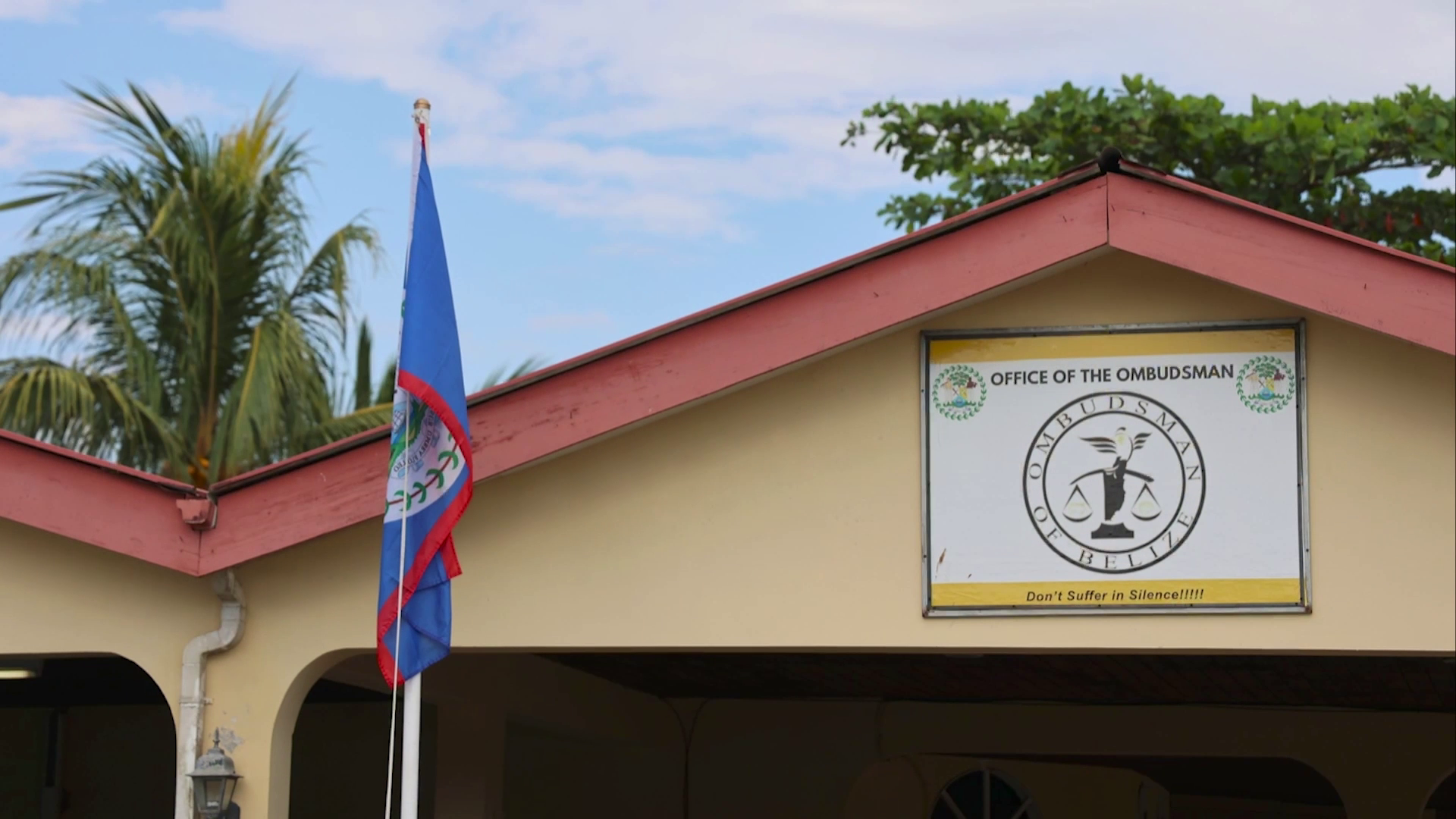
    BELIZE CITY – July 2, 2026 – Foreign Minister Francis Fonseca has addressed growing public scrutiny over the months-long vacancy in the country’s Ombudsman position, framing the delay as a necessary step for a planned institutional overhaul rather than bureaucratic inaction.

    The key oversight post has sat empty since December 2025, when the current Briceño administration declined to renew the contract of former officeholder Major Gilbert Swaso. In the wake of that decision, Swaso has launched a constitutional challenge against the government, alleging it overstepped its legal authority and unlawfully undermined the institutional independence of the Ombudsman’s office.

    Speaking publicly this week, Fonseca clarified that the hold-up in appointing a new Ombudsman is tied to a deliberate transition: the government is moving to restructure the existing Ombudsman’s office into a fully-fledged National Human Rights Institution, a transformation that requires extensive preparatory work and a specific set of qualifications for the incoming leader. Per the minister’s explanation, the role demands a licensed attorney with specialized expertise in human rights frameworks to guide the new entity, and the government is committed to following all required constitutional procedures before making an appointment.

    “Our core goal is to fill this critical position as rapidly as possible, but we are bound by the formal legislative process that runs through the National Assembly,” Fonseca stated. “That process is moving forward as we speak, and the position will be posted publicly for applications in the very near future. This transition from a basic Ombudsman’s office to a standalone National Human Rights Institute carries a great deal of complex work, and we cannot cut corners to speed it up.”

    Fonseca also pushed back against criticism by contextualizing the current vacancy, noting that the previous UDP administration left the post unfilled for two and a half years during its tenure. By comparison, he argued, the current four-month vacancy is a product of careful due diligence to ensure the institutional transition is completed correctly, rather than unnecessary delay. Once the transition framework is finalized, he confirmed, the appointment will be formalized through a full vote in the National Assembly.

    The Ombudsman position serves as a key check on government overreach, protecting citizens from administrative abuse and safeguarding civil liberties, making the vacancy and ongoing transition a topic of widespread public interest in Belize. The legal challenge brought by Swaso adds an additional layer of uncertainty to the process, though the government has reaffirmed its commitment to moving forward with the restructuring on schedule.
  • FLASH : 670,500 Haitians expelled from the Dominican Republic in 20 months

    FLASH : 670,500 Haitians expelled from the Dominican Republic in 20 months

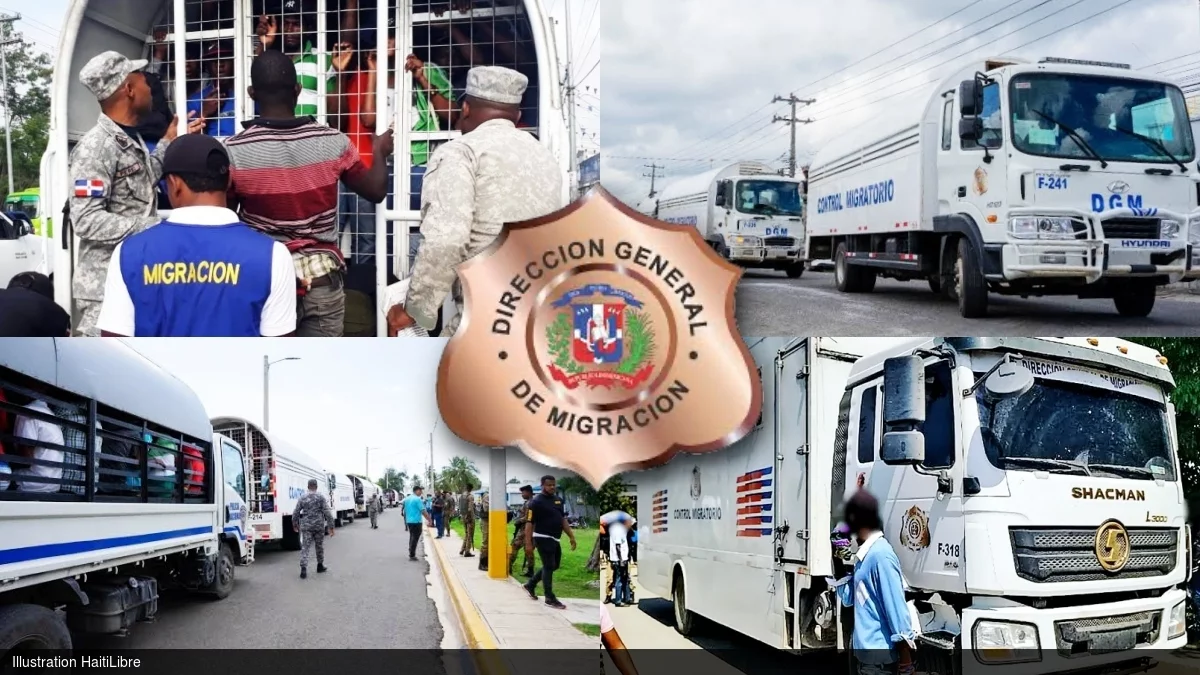
    In an official update released on July 1, 2026, the Dominican Republic’s General Directorate of Migration (DGM) has published stark new data showing the scale of the country’s intensified immigration enforcement actions targeting irregular Haitian residents. According to the agency’s figures, 34,226 Haitian nationals who were living without legal authorization in the Dominican Republic were sent back to their home country during the month of June 2026 alone.

    When broken down across the first six months of 2026, the total number of repatriated Haitians in irregular status climbs to 196,321. All of these repatriation operations have been conducted in close coordination with the Dominican armed forces and multiple national security agencies, as a core component of the national government’s aggressively tightened immigration policy that launched in recent years.

    The most striking figure from the DGM’s announcement covers a longer 20-month timeframe: starting from October 1, 2024, when Vice Admiral Luis Rafael Lee Ballester took office as the head of the migration agency, the cumulative total of deported Haitian migrants has now reached 670,500. That number reflects a consistent pace of large-scale enforcement actions across nearly two years.

    In a granular snapshot of daily enforcement activity, the DGM also shared details from one day at the end of June: on June 30, authorities apprehended 980 Haitian migrants who were found to be in violation of the country’s immigration rules, and processed the deportation of 1,041 additional irregular migrants back to Haiti the very same day. The update comes amid longstanding cross-border migration tensions between the two neighboring countries, which share the island of Hispaniola in the Caribbean.

  • Belize at Forty-Five: Pride, Unity, and a Historic ICJ Moment

    Belize at Forty-Five: Pride, Unity, and a Historic ICJ Moment

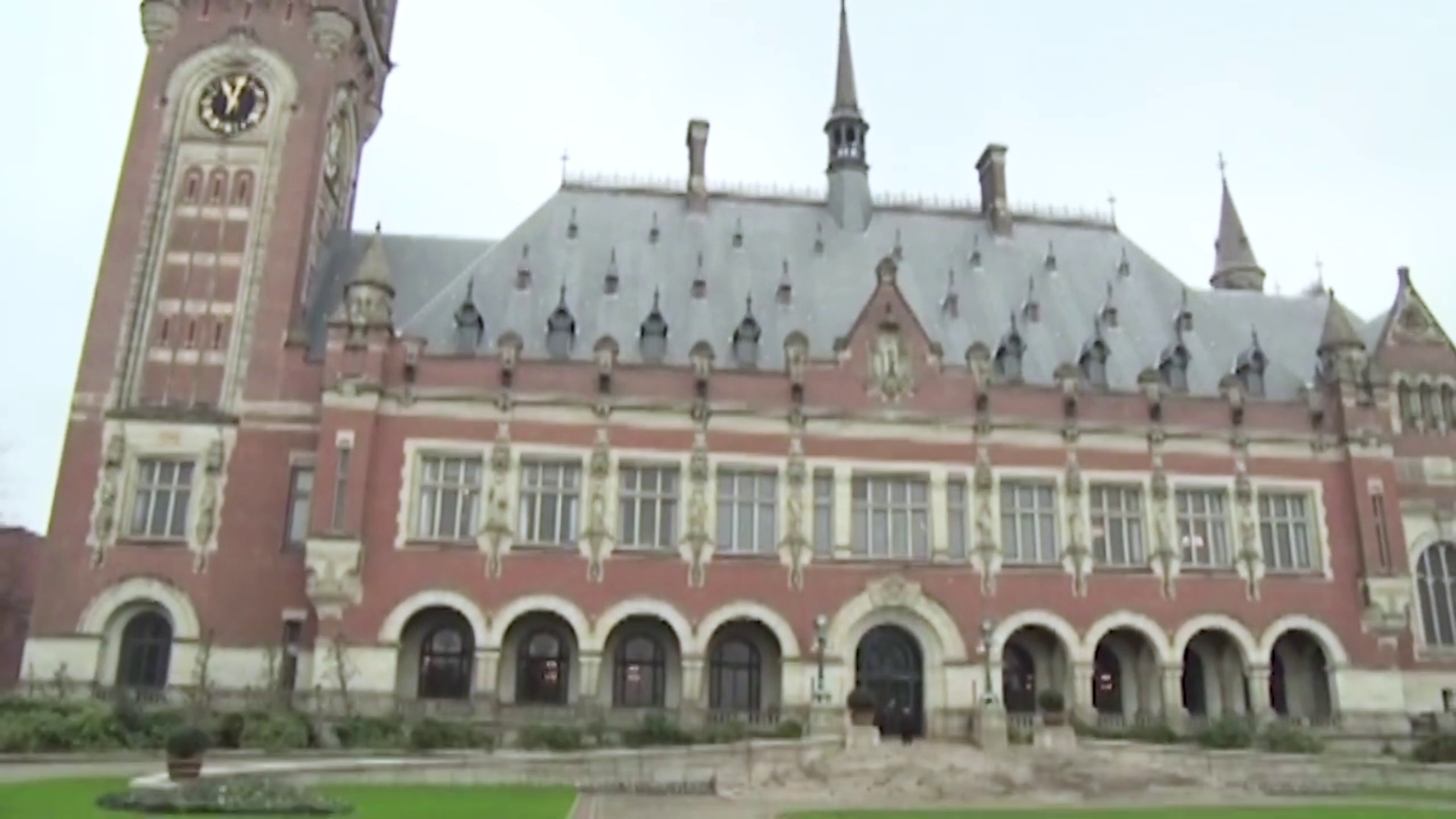
    As the Central American nation of Belize prepares to celebrate its 45th anniversary of sovereignty in 2026, the country finds itself at a dual turning point: a moment of national reflection on decades of independent growth, and an impending landmark resolution to a decades-old territorial dispute at the International Court of Justice (ICJ). For generations, Guatemala has advanced an unfounded territorial claim over Belize, a long-running source of regional tension that has been sent to the ICJ for binding arbitration. Both nations have publicly committed to respecting and abiding by the court’s final ruling, which is expected to be delivered within the next two years, clearing a path for the dispute to be laid to rest permanently through peaceful diplomatic channels.

    Against this backdrop of international anticipation, Belize has turned its focus inward to foster national cohesion and renewed patriotism ahead of its independence anniversary. On July 2, 2026, the Belizean government officially launched this year’s independence celebrations, unveiling the official theme: “Look at Me: I am Belize at Forty-five.” The launch ceremony highlighted the government’s priority of uniting Belizeans around shared national identity, regardless of the impending ICJ outcome.

    In an interview on the sidelines of the ceremony, Belizean Foreign Minister Francis Fonseca emphasized that nurturing national pride remains a core priority, even amid global attention on the ICJ process. As a key leader of the National Celebrations Commission, Fonseca noted that the body’s annual mandate centers on reigniting public passion for Belize, highlighting the nation’s natural beauty, cultural richness, and collective potential. “Regardless of the ICJ issue—which is certainly important—it is critically important that we keep lighting a fire in the Belizean people, reminding them of the beauty of Belize, the greatness of Belize, and the importance of loving Belize, caring about Belize, and doing your part to support the growth and development of Belize,” Fonseca said.

    Fonseca stressed that the impending ICJ ruling offers a unique opportunity to reinforce national unity, framing the peaceful arbitration process as a testament to Belize’s commitment to international law and diplomatic solutions. He reaffirmed that the government expects the court to reject Guatemala’s long-standing claim, bringing the decades-long dispute to a final, peaceful close. “Once and for all we will settle this unfounded claim,” Fonseca said. “In that light, in that context to remind our people that we, the people of Belize, we are the greatest strength of our country.”

    This report is a transcribed excerpt from an evening television newscast, with Kriol-language dialogue adapted to a standardized spelling system for digital publication.

  • Are Belizean Students Safe After Venezuela’s Deadly Quakes?

    Are Belizean Students Safe After Venezuela’s Deadly Quakes?

    On June 24, 2026, a pair of powerful earthquakes—registering magnitudes 7.2 and 7.5—struck Venezuela, leaving a devastating trail of destruction in their wake. The disaster has already claimed more than 2,000 lives, with thousands more suffering injuries and being forced to flee their damaged homes. Seismology and economic experts estimate the total damage from the twin quakes will fall between $4 billion and $11 billion, adding to the profound humanitarian crisis unfolding in the country.

    In response to the tragedy, the Central American nation of Belize has moved quickly to extend a hand of support. Belizean Prime Minister John Briceño confirmed he has directly contacted Venezuelan government leadership to offer condolences and assistance. Working through the Caribbean Community (CARICOM), Belize has pledged both coordinated regional support and direct financial aid to fund the purchase of critical emergency supplies identified as necessary by Venezuelan authorities.

    As rescue and recovery efforts continue, public concern has grown over the status of Belizean citizens residing in Venezuela, particularly the small cohort of Belizean students studying in the country. In an official statement, Belize’s Foreign Minister Francis Fonseca addressed these growing concerns, confirming that all five Belizean students currently in Venezuela have been accounted for and are unharmed.

    “This is an unfathomable human tragedy, and we stand in solidarity with our brothers and sisters in Venezuela,” Fonseca shared. “Consular teams from Belize’s Ministry of Foreign Affairs, Ministry of Education, and our local ambassador Annie Lou Burns have maintained consistent contact with all five students. Given the widespread infrastructure damage and unstable conditions across the hardest-hit regions, the government has made the decision to evacuate the students back to Belize, where they will be reunited with their families in the coming days.”

    This report is a transcribed transcript of an evening television news broadcast originally published online.

  • $5.2 Million U.S. Grant Set to Boost Community Development

    $5.2 Million U.S. Grant Set to Boost Community Development

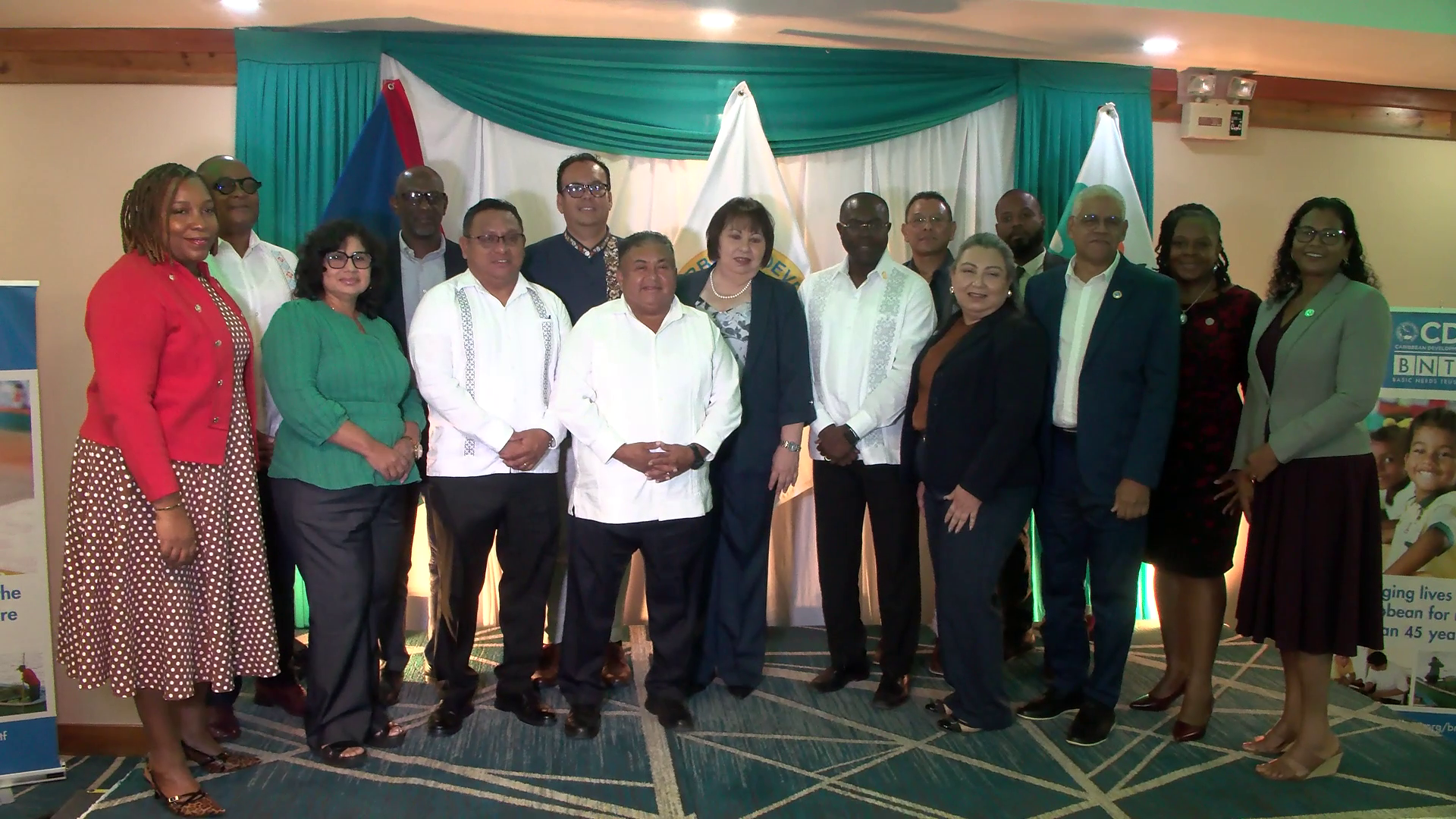
    On July 2, 2026, a landmark new $5.2 million U.S. development grant was officially launched to drive grassroots community improvement projects across Belize, marking the 11th funding cycle of the Basic Needs Trust Fund (BNTF), a core initiative managed by the Caribbean Development Bank (CDB). The investment will be administered through the Belize Social Investment Fund (BSIF), which has already finalized a list of targeted projects set to receive financing in the latest round of support.

    Carlos Tun, Executive Director of BSIF, noted that the successful delivery of the 10th BNTF funding cycle laid the groundwork for securing this new tranche of support. All projects funded under BNTF 11 fall into two priority sectors: education and water infrastructure. In the education space, four projects have been earmarked for funding: a new preschool facility in Corozal, the construction of Saint Paul’s Anglican Primary School also located in Corozal, the expansion of Pete Lizarraga Preschool in San Estevan, and upgrades to Saint John Baptist School in Saint Joseph. For the water sector, two community projects will move forward: improving the water distribution network in Fire Burn, Orange Walk District, and building out the Otoxha water system in the Toledo District.

    Dr. Issac Solomon, CDB Vice President of Operations, emphasized that the BNTF has long served as the bank’s flagship community impact program, centered explicitly on supporting the most vulnerable populations across the Caribbean region. Solomon explained that the program aligns directly with CDB’s core mandate of transforming lives by ensuring that national development efforts are both equitable and inclusive, leaving no community behind as regional economies progress.

    Over its 25-year history of operations in Belize, the BNTF has injected more than $23 million U.S. in targeted development funding into local communities across the country. Unlike traditional large-scale infrastructure investments, program leaders frame the BNTF’s success not by the total dollar amount allocated or the number of facilities built, but by the tangible improvements it delivers to individual lives, the strength it builds within local communities, and the new economic and social opportunities it unlocks at the grassroots level. This announcement comes from a transcript of an evening television newscast, with original Kriol-language commentary adapted to a standardized spelling system for the online publication.

  • Calls Grow to Phase Out Plastic Water Pouches

    Calls Grow to Phase Out Plastic Water Pouches

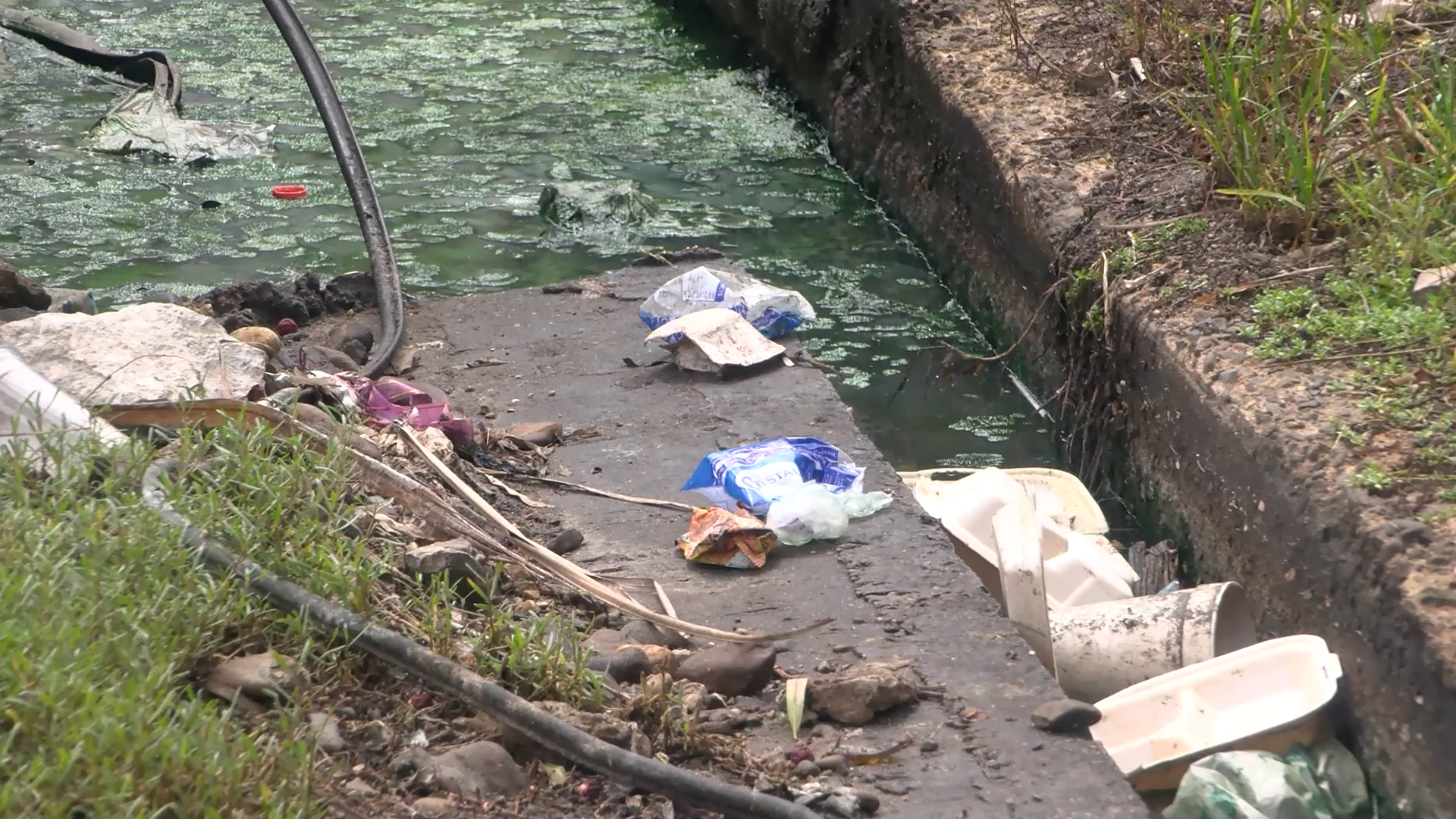
    As of July 2, 2026, a growing coalition of more than 40 organizations in Belize is pushing for a gradual three-year ban on the country’s ubiquitous 25-cent single-use plastic water pouches, a common consumer product that has become a major source of national plastic pollution. Advocates argue that these thin, disposable plastic sachets are rapidly clogging urban street drains, polluting inland rivers, and littering major highway corridors across the country, causing widespread harm to Belize’s natural ecosystems and waste management systems.

    Orlando Habet, Belize’s Minister of Sustainable Development, has confirmed that the public and civil society concerns over the plastic pouch crisis are well-founded. Official national waste cleanup data collected across the country consistently ranks these water pouches among the most frequently recovered items of litter, backing up claims of their outsized environmental footprint.

    In a public address outlining the government’s approach to the issue, Habet acknowledged that past policy attempts to transition to more eco-friendly alternatives have fallen short of expectations. Previous regulations required single-use plastic products to meet a 52% biodegradability standard, meaning products must break down naturally within 12 months. However, the rollout hit unforeseen roadblocks: policymakers failed to secure consistent supply chains for biodegradable materials, leaving the new standard unworkable for local producers and importers.

    Belize relies heavily on imports of consumer goods from trading partners across North and Central America, Habet explained, making regional collaboration a critical component of any successful transition. If neighboring nations do not implement matching regulations to incentivize biodegradable product manufacturing, supply will remain scarce in Belize, as there is no pressure on regional producers to shift their production lines. While Belize could develop its own domestic biodegradable manufacturing sector using local raw materials such as bagasse, dried plant sucker fibers, and bamboo pulp, Habet noted that building this new industry will require time and investment, and products will remain costly until a sufficient local and export market is established to scale production.

    The minister also emphasized that policymakers must address the socioeconomic realities of the ban before moving forward. Low-income Belizean consumers depend on the inexpensive water pouches for affordable access to drinking water, and small local entrepreneurs rely on the sale of the products for their livelihoods. Finding low-cost accessible alternatives is therefore a non-negotiable prerequisite to implementing the phase-out. Right now, the Belizean government is actively exploring viable biodegradable alternatives and working to secure buy-in and support from regional trading partners to make a smooth, equitable transition away from single-use plastic water pouches possible.

  • Development vs. Conservation in Caye Caulker

    Development vs. Conservation in Caye Caulker

    Nestled off the coast of Belize, the laid-back island of Caye Caulker has long built its reputation as a low-key, tourism-friendly destination where pedestrians roam freely instead of congested traffic. But a proposed infrastructure project has now split local and national leadership, opening up a fierce debate over how to grow the island without destroying the natural ecosystems that make it a popular attraction.

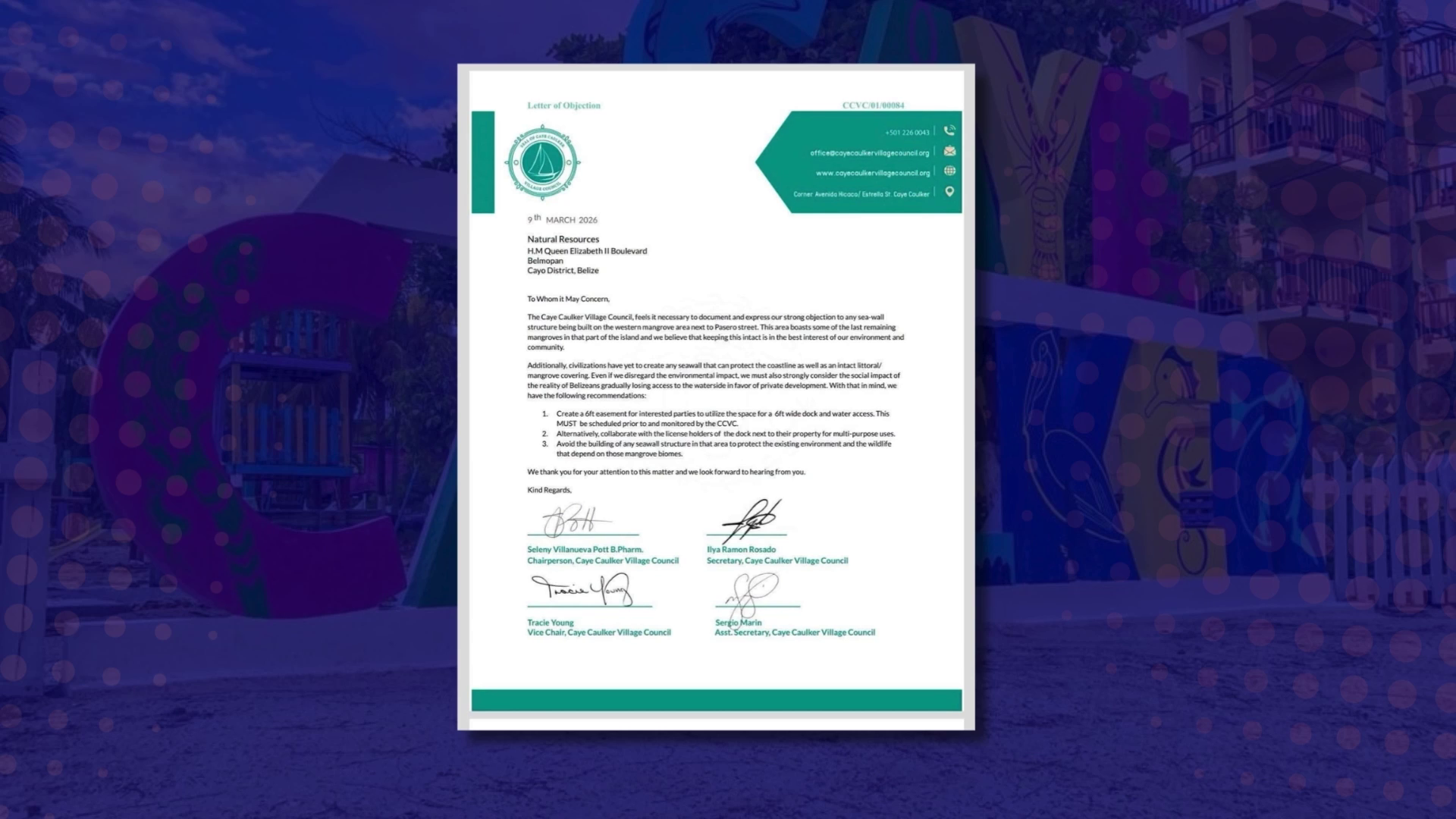
    At the center of the dispute is a plan for seawall construction and dredging work in the western mangrove zone, a critical wetland area that acts as Caye Caulker’s natural first line of defense against coastal erosion and dangerous storm surges. The Caye Caulker Village Council has issued urgent warnings about the project’s potential risks, outlining its concerns in an official letter sent to Belize’s Department of Environment (DOE). In the correspondence, the council stresses that the construction work could cause irreversible damage to the island’s mangrove forests, erode the natural protection the ecosystems provide, and block public access to the island’s waterfront areas that are vital to both locals and visitors.

    The letter was also copied to Andre Perez, area representative for Belize Rural South, who has already publicly thrown his support behind the project and approved its progression. But the nation’s top sustainable development official says he has yet to receive the correspondence and will launch a full review to find a middle ground between progress and protection.

    “I haven’t seen the letter. It hasn’t come to me. If it came and went to the Department of Environment directly I haven’t been informed, so maybe it’s something recent,” explained Orlando Habet, Belize’s Minister of Sustainable Development, in an on-camera interview. “But I will be looking into it, discussing it with the Department of Environment to see if they have received the letter, then how we can respond.”

    Habet noted that any infrastructure project along Caye Caulker’s coast requires a balanced look at both potential benefits and drawbacks. “Just from the concerns of the community, if the seawall is there one, you have to see what positivity there is to it. If it avoids water from coming into the community during high storms and high tides. And then also looking at the negative side to it, because sometimes you build these walls and they’re not built [correctly] then it causes erosion on one side and the other. So but since I haven’t seen it I will have to address it to the DOE.”

    The core question at the heart of this dispute is one that many small Caribbean tourism-dependent islands grapple with: How can communities grow and develop without eroding the unique natural and cultural character that draws visitors in the first place. As local resident Britney Gordon put it: “How do we find a balance between development and maintaining the part of the island that attracts tourists to it?”

    For Caye Caulker, that balance is particularly critical. Unlike the busier, more developed neighboring island of San Pedro, Caye Caulker has retained a quiet, walkable identity that has become its biggest selling point. Habet emphasized that this unique character is worth protecting. “Especially Caye Caulker, I think that [the] council has also tried to see how they could maintain some type of structure within the community itself. And because it’s very touristic, we all know that if you go to San Pedro, it’s a lot more hectic. If you go to Caye Caulker, it’s a lot calmer. You can walk the streets and everything else. So you don’t want to see all those vehicles and golf carts where people are already accustomed to walk. So I think that there has to be a balance.”

    Habet added that moving forward, relevant government bodies will collaborate with local municipal leaders to enforce clear building guidelines that preserve the island’s character. “My personal view is that I like to walk, and so I would prefer that it’s not congested as what’s now become San Pedro town [in] terms of the buildings. I think that the Ministry of Infrastructure Development and Housing, which has a dedicated desk for the building codes, will be working along with the municipality to see how they can structure in some organization within it.”

    This report is a transcript of a televised evening news broadcast, with Kriol-language dialogue transcribed using a standardized spelling system.

  • Pact Celebrates Women Leaders in Conservation with Art Showcase

    Pact Celebrates Women Leaders in Conservation with Art Showcase

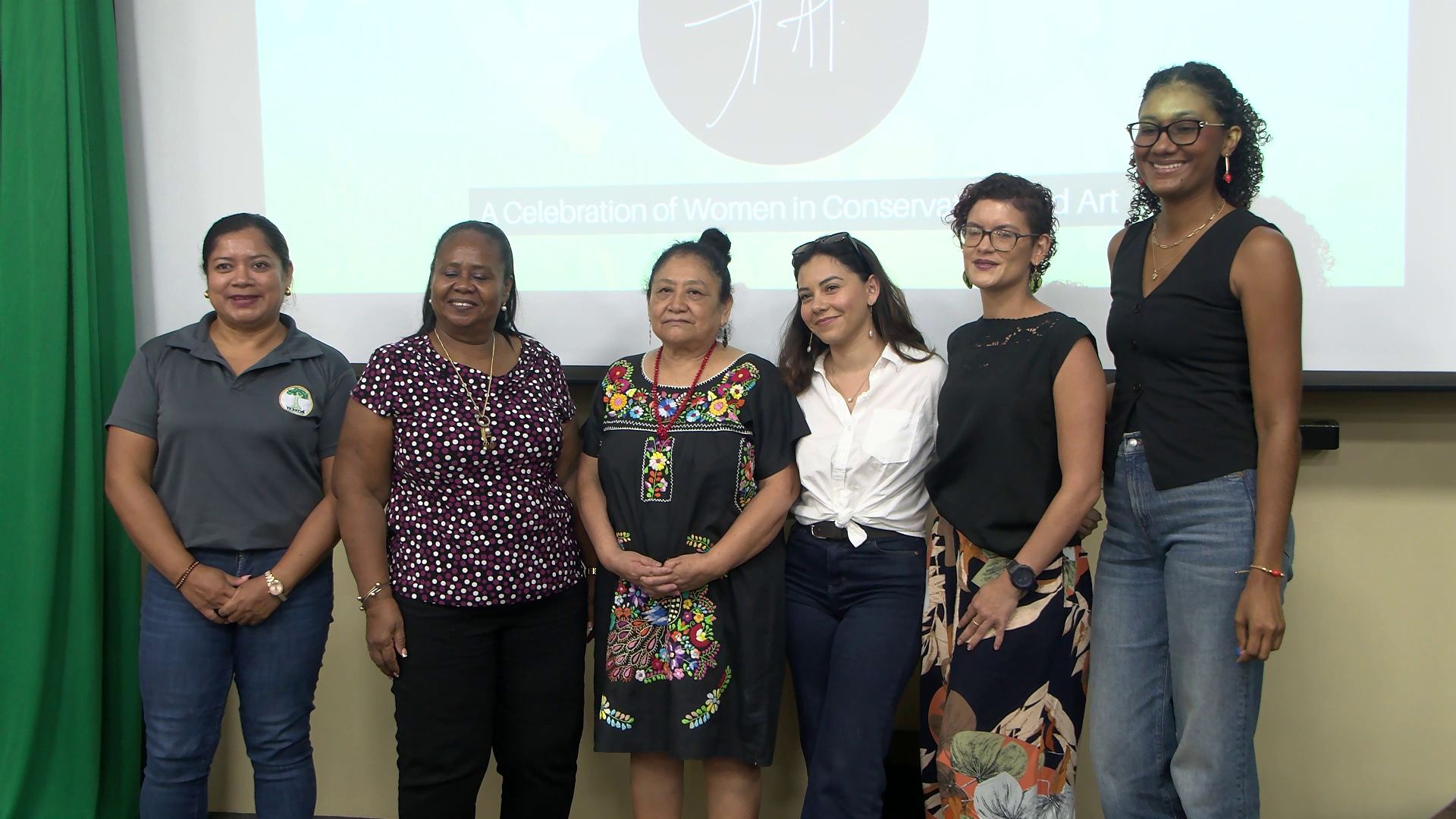
    As the Protected Areas Conservation Trust (PACT) of Belize enters its fourth decade of protecting the country’s biodiverse natural landscapes, the organization is centering the long-overlooked contributions of women to local conservation through a unique, month-long anniversary celebration that merges environmental advocacy, community storytelling, and local artistic craft.

    Titled “Rooted and Rising,” the signature event of PACT’s anniversary calendar was born from a collaborative partnership between the trust and three of Belize’s most talented female artists and creative entrepreneurs. The project pairs each creator with a trailblazing female conservation leader, tasking artists to translate the decades of work, personal journeys, and lasting impact of these environmental champions into one-of-a-kind, custom art pieces.

    For generations, women have formed the quiet backbone of Belize’s conservation movement, often leading community-led initiatives that balance local livelihoods with ecosystem protection. This showcase brings their stories out of the background and into public view. PACT Executive Director Abil Castañeda explained the core vision behind the cross-sector collaboration, noting that the project was designed to honor the lifetime of dedication these women have poured into protecting Belize’s natural heritage. “We took their life, their careers and their profession in conservation, and asked some of our brightest minds in creative arts to develop products that commemorate that life, to commemorate that dedication that they have shown over decades,” Castañeda shared.

    Three standout conservation leaders were featured in the showcase: Jessie Young of the Women’s Conservation Group at the Community Baboon Sanctuary, Maria Garcia of the Itzamna Society, and Christina Garcia of the Ya’axche Conservation Trust. Young detailed the extraordinary progress her community-led group has achieved in protecting Belize’s black howler monkey population: when the sanctuary launched in 1985, only 800 monkeys remained in the area. Today, thanks to decades of consistent on-the-ground work led by local women, that population has surged to more than 6,000. Young added that managing a community-based conservation organization comes with unique complexities, but as women born and raised in the region, the team brings inherent insight into local needs and the resilience to see long-term conservation goals through. “We believe as women we have the strength that it takes to manage anything, and so we stepped in, and the landowners gave us permission to take over the management,” Young said.

    The three participating artists — Zyania Alonzo, Aesha Garel, and Landee Longsworth — each poured hours of detailed work into pieces that reflect their paired conservationist’s mission. Alonzo, who collaborated with Maria Garcia, created a handcrafted tote bag that draws direct inspiration from forest ecosystems. “I wanted to do something that represents the forest and its intricacy, so the body of the bag represents the root system that is in the forest. And then I also wanted to add the handles from the forest as well, which is made from supa seeds,” Alonzo explained, noting that the printing process for the bag’s body alone takes roughly 14 hours, with hand-braided tassels and hand-finished satin lining adding to the piece’s one-of-a-kind craftsmanship.

    Belize’s Minister of Sustainable Development Orlando Habet attended the opening of the showcase, and emphasized that the event marks a growing national recognition of women’s irreplaceable role in conservation. Today, more women than ever hold leadership, management, and technical roles across Belize’s entire network of protected areas, and the initiative also opens new pathways for local artisans to contribute to the country’s growing orange economy — the sector that encompasses cultural, creative, and heritage-based economic activity. Habet called for broader cross-government participation to support the growth of the orange economy, noting that it centers people, culture, history, and untapped creative potential that drives both economic and environmental progress.

    The showcase concluded with a public pop-up marketplace that gave visitors the chance to view and purchase the custom works. To continue supporting the featured conservation work, half of all proceeds from art sales will be donated directly to the participating conservation organizations to fund their ongoing environmental initiatives across the country.

  • Girls Hit the Court for Basketball, Mentorship, and Fun

    Girls Hit the Court for Basketball, Mentorship, and Fun

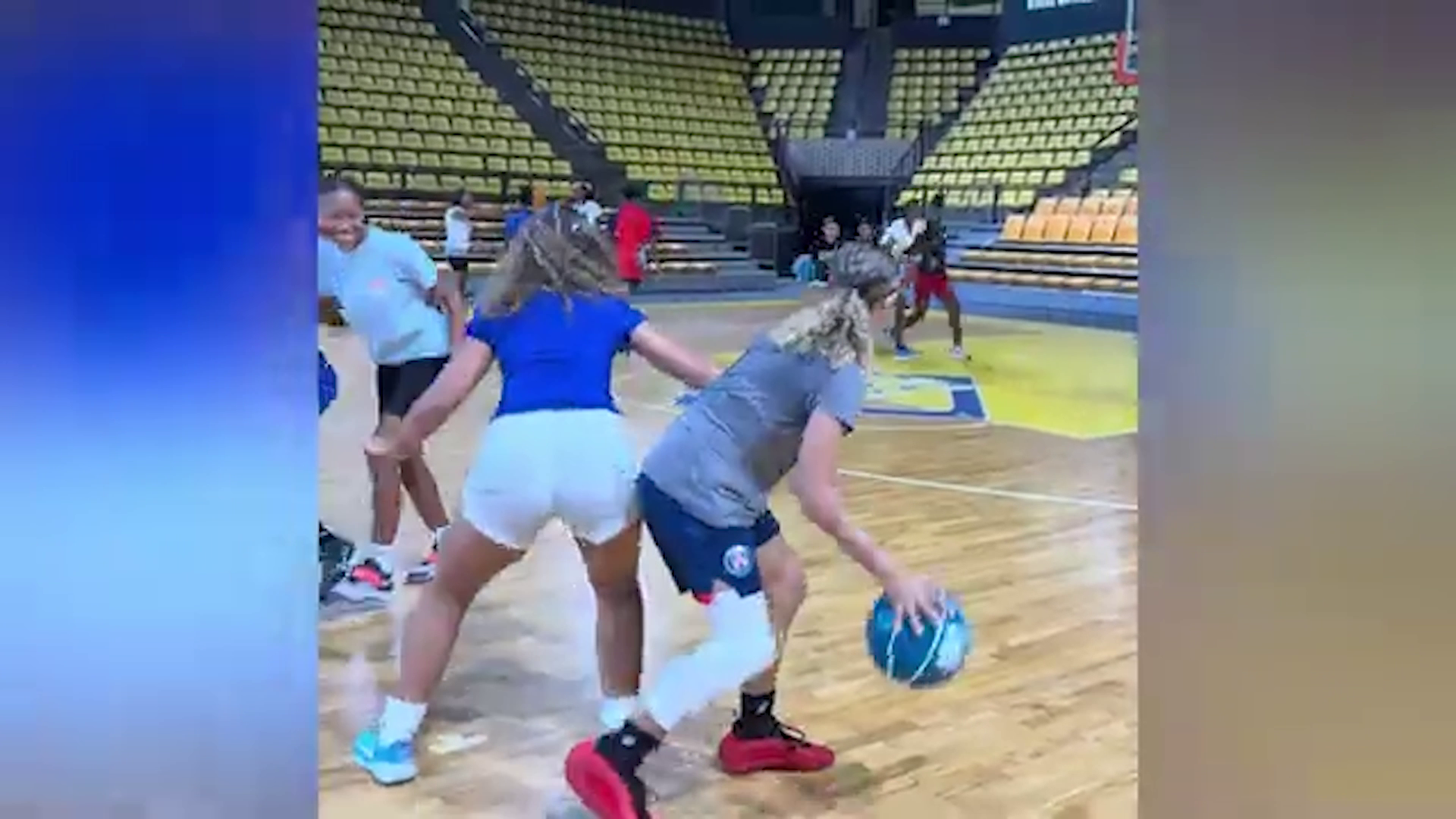
    As summer hits Belize, a one-of-a-kind sports initiative is creating more than just skilled basketball players—it’s building a supportive sisterhood for females of all ages. Now entering its third year, the three-day Ballin’ Like Her Basketball Camp kicked off earlier this week in Cayo before relocating to The Hub in Belize City, where it will wrap up its 2026 programming on July 3. Open to everyone from preschool-aged girls to current college students, the camp blends on-court skill development with intentional mentorship, confidence-building, and community connection.

    Unlike generic youth sports camps, Ballin’ Like Her centers young women’s unique needs by bringing in current and former NCAA Division I athletes as instructors and mentors. This setup gives camp participants the rare chance to learn directly from women who have excelled at the highest levels of collegiate basketball, while creating space for them to form lasting friendships with peers who share their love of the game.

    Cheyenne Givens, the founder of Ballin’ Like Her, explained that the initiative’s core mission goes far beyond improving jump shots and defensive technique. “We’re using the sport of basketball, and we’re specifically focusing on young females, providing a space for them, a community for them to enjoy basketball, learn about basketball, make friends,” Givens said. “We’re just making an impact on their lives in any way that we can, whether that’s they wanna learn more from us in terms of basketball or they wanna make friends, whichever one. We’re here. We wanna let them know that we care about them and we care about their futures.”

    Becky Obimna, one of the camp’s facilitators, echoed that sentiment, noting that the summer timing makes the camp a welcoming escape for young women looking for meaningful summer activity. “We’re here to build community. At the end of the day, we want them to have fun. We also know it’s summer, so at the end of the day, it’s like, come enjoy basketball,” Obimna said. “We’re here to support you. We’re here to have fun. We wanna be able to teach you some life skills as well, because at the end of the day, this is what we’re here to do. We’re all here to build community. So, I’m grateful to be a part of this experience and we would love for girls to just share the news and just show up.”

    Daily programming runs from 9 a.m. to 3 p.m. at The Hub, and organizers are still welcoming late registrations and drop-in participants. Facilitator Lovely Sonnier shared that interested girls can connect with the camp team through multiple channels, including the camp’s Instagram page or by reaching out to organizer Miss Chanelle. She added that organizers are counting on camp participants to help spread the word to friends who might want to join. “We also want them to reach out to their friends. Spread the word. Spread the word. As we spread the word to them, we want them to spread the word for us as well,” Sonnier said.

    Looking ahead, the Ballin’ Like Her team has plans to grow the initiative in the coming years, with talks of expanding camp programming to other regions across Belize to reach even more young women.

  • Staande ovatie voor documentaire over Affiba, oudste vrouw van Paramaribo

    Staande ovatie voor documentaire over Affiba, oudste vrouw van Paramaribo

    On the eve of Keti Koti, the annual commemoration of the abolition of slavery in the former Dutch colonies, Surinamese director Ida Does’ deeply personal documentary *Affiba, de oudste vrouw van Paramaribo* celebrated its world premiere at Amsterdam’s iconic Rijksmuseum, closing the evening to a thunderous standing ovation from an audience of invited guests, researchers, descendants and cultural leaders. Now, the production team is finalizing plans for a domestic premiere in Paramaribo, Suriname, slated to take place later this year, with exact dates and venues set to be announced in the coming months.

    The 54-minute feature follows the journey of developmental psychologist Joan Windzak, a direct descendant of Affiba, as she embarks on a years-long search to untangle her family’s hidden history. What begins as a personal quest for genealogical clarity evolves into a groundbreaking historical investigation: Windzak’s research does not only reconstruct the life stories of four generations of women in her family line, it also reshapes public understanding of one of the most recognizable photographs in Suriname’s archival history.

    Affiba, born into chattel slavery, was granted her manumission in 1827. At the age of 104, in 1889, she was photographed alongside three generations of her female descendants. For more than a century, the image sat in archival collections, but in recent decades it has emerged as a powerful cultural symbol of intergenerational resilience, Black family identity, and the push for historical recognition of Suriname’s enslaved community. The documentary weaves together archival deep dives, intimate personal recollections, and newly uncovered historical research to bring this long-overlooked family story to mainstream audiences.

    Filming took place across two continents, on location in both the Netherlands and Suriname, with shoots in Paramaribo and Meerzorg. Cinematography was split between Milton Kam, a Dutch camera operator, and Surinamese filmmaker Dave Edhard. Beyond Windzak’s personal narrative, the film features interviews with archival researchers, museum specialists, and Surinamese secondary school students, framing the legacy of slavery not as a closed chapter of the past, but as a living history that continues to shape communities and identities in the present day.

    In remarks following the premiere screening, director Ida Does shared that she was first drawn to the project after encountering the 1889 photograph at the Rijksmuseum, where the original print is held in the permanent collection. She recalled being immediately struck by the quiet, unwavering dignity radiated by the four women in the frame. For Does, the project extends far beyond one family’s story: it is a meditation on human dignity, the fight for historical justice, and the erasure of Black voices from mainstream historical narratives.

    The choice to host the world premiere at the Rijksmuseum carried unique symbolic weight, as the institution has cared for Affiba’s iconic photograph for decades. Following the screening, a panel discussion was held featuring Taco Dibbits, the Rijksmuseum’s general director; lead curator Eveline Sint Nicolaas; John Leerdam, director of the Dutch National Slavery Museum; director Ida Does; and Joan Windzak, the documentary’s central subject. Attendees included multiple generations of Affiba’s descendants, leading scholars, representatives from major cultural institutions, and other invited guests.

    Ida Does is an award-winning documentary filmmaker, author and producer with a decades-long career centering underrepresented stories from the Caribbean and Surinamese diaspora. Her previous work explores the lives of iconic figures including anti-colonial activist Anton de Kom, Nobel Prize-winning poet Derek Walcott, and critical race scholar Philomena Essed. Her films have screened at international festivals and earned major industry honors across the globe. As work continues on the Surinamese premiere, the production team plans to expand distribution for the documentary to reach broader audiences across the Netherlands and the Caribbean in 2027.