博客

  • UWI confirms Venezuela quakes caused Cedros coastline rise

    UWI confirms Venezuela quakes caused Cedros coastline rise

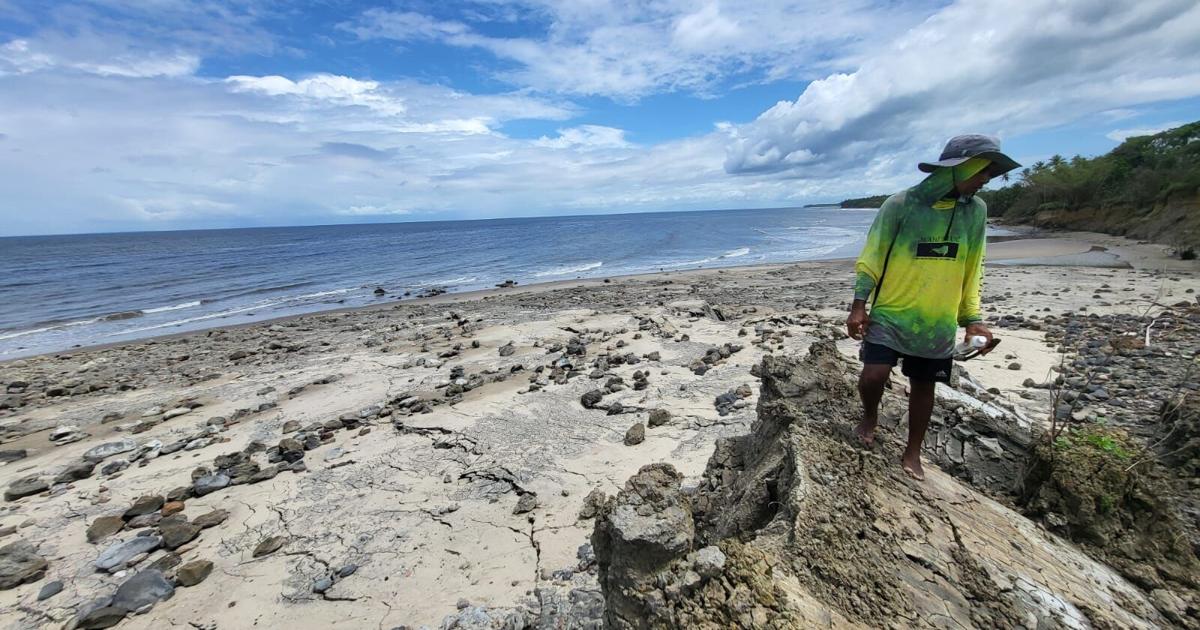
    Two of the deadliest earthquakes to hit northern Venezuela in recent memory have left a visible geological mark more than 300 miles away on the southwestern coast of Trinidad, researchers from The University of the West Indies (UWI) Seismic Research Centre (SRC) have confirmed in their first official assessment of the unusual coastal shift. The back-to-back magnitude 7.2 and 7.5 quakes that struck Venezuela last month have killed more than 2,000 people, displaced thousands more as homeless, and left hundreds unaccounted for, with search and rescue operations still ongoing in the hardest-hit La Guaira State. Just days after the large seismic event, residents of Cedros’ Galfa coastline reported a shocking transformation: large stretches of shoreline had lifted nearly instantaneously, leaving hundreds of stranded sea creatures trapped between new rock formations and exposing new sections of previously submerged land.

    Initial on-site observations by geologist Xavier Moonan put the maximum elevation gain from the sudden uplift at roughly 20 feet. Moonan also noted unusual natural oil seeps bubbling up through new shallow rippling pools formed by the shifted terrain. In its preliminary analysis released this week, the UWI SRC confirmed that the extreme coastal movement was directly triggered by energy from the Venezuelan twin earthquakes, drawing a parallel to similar geological fracturing that followed a large 6.9 magnitude quake near Trinidad in 2018.

    Trinidad’s southern coast sits atop a major east-west geological formation called the Southern anticline, a folded rock system crisscrossed by active faults, the SRC explained. This structure creates a linear geological corridor along the south coast that allows pressurized water, oil, and gas trapped deep below the surface by tectonic plate movement to rise toward the crust, resulting in a dense concentration of mud volcanoes across the region.

    Mud volcano formations are defined by fluid-saturated substrate close to the surface, which gives the surrounding ground very low shear wave velocities. Because shear waves—one of the primary types of seismic energy generated by earthquakes—travel far slower through softer, less compact rock and sediment, these geologically unique areas become far more sensitive to shaking from large distant earthquakes, the research team noted.

    The two Venezuelan quakes occurred along the same interconnected fault system, shared nearly identical focal mechanisms, and struck within minutes of one another, meaning they can effectively be treated as a single massive seismic event that produced more than 10 minutes of continuous shaking across the region. Testing at the L’Envieuse mud volcano near Icacos, just west of Cedros, found the natural fundamental vibration frequency of the local geology before the quake was exactly half the frequency of the seismic waves from the Venezuelan earthquakes. This resonance effect amplified the shaking energy, reactivating subterranean mudflows and triggering the sudden coastal uplift seen in Galfa.

    “These unique geological responses are to be expected on Trinidad’s south coast and other regions with similar geology after large magnitude seismic events,” the SRC assessment noted. “As such, targeted efforts must be made to mitigate future risk to lives and livelihoods located in these geologically susceptible areas.” The center plans to release a full, comprehensive report after completing additional on-site testing and data analysis.

    This is not the first time large seismic activity has triggered extreme coastal and land movement in Cedros. In August 2018, a 6.9 magnitude quake centered off Trinidad’s coast caused widespread infrastructural damage across the island, with tremors felt as far away as Barbados, Guyana, St Lucia, and Venezuela. In Cedros, the shaking fractured large sections of land, crumpled key roadways, and cut off dozens of farmers participating in a local food production project from their agricultural plots in the Los Iros area. Farmers reported massive ground cracks that swallowed farming equipment, destroyed crop fields and livestock storage structures, and drained local ponds. Just one year ago, renewed activity at the nearby Los Iros mud volcano triggered a similar coastal uplift at the local beach, pushing some sections of shoreline up as long as 20 feet. That event left key agricultural routes impassable during peak farming season and caused thousands of dollars in lost crop and infrastructure damage for local producers, according to on-the-ground reports from environmental activists and farmers.

  • National Solid Waste Management Authority Pays Tribute to Okeen Lightfoot

    National Solid Waste Management Authority Pays Tribute to Okeen Lightfoot

    The National Solid Waste Management Authority (NSWMA) of Antigua, alongside the Ministry of Health and the Environment, is in mourning following the tragic on-duty death of 29-year-old sanitation employee Okeen Lightfoot. Lightfoot lost his life on May 12, 2026, after an out-of-control motor bus veered off All Saints Road and pinned him against a parked vehicle, while he was performing routine grass-cutting work along the north shoulder of the highway. First responders pronounced him dead at the crash site immediately after the incident.

    In an official condolence statement released to the public this Friday, NSWMA leadership paid tribute to Lightfoot, describing him as a deeply valued colleague and beloved friend to everyone on his team. The statement highlighted his consistent dedication, genuine kindness, and unshakable commitment to public service, noting that these qualities left an indelible mark on all who had the chance to work alongside him.

    “It is with heavy hearts that we mourn the passing of our valued colleague and friend, Mr. Okeen Lightfoot,” the statement read. “His dedication, kindness, and unwavering commitment to service will be remembered and cherished by us all.”

    The authority extended its deepest sympathies to Lightfoot’s family, friends, and loved ones, emphasizing that his legacy of dedicated public service will never be forgotten by the organization. The statement balanced the community’s shared grief with gratitude for Lightfoot’s life and the contributions he made during his tenure.

    “Today, we stand together in grief—but also in gratitude for the life he lived and the impact he made,” the statement continued. “Our thoughts and prayers are with his family, friends, and colleagues during this difficult time. May they find strength, comfort, and peace in the days ahead. You will never be forgotten.”

    In the wake of the fatal incident, Jamaica’s Health Minister traveled to the crash site to assess the situation and issued an urgent public appeal, calling on all road users to practice greater caution and responsibility on Antigua’s roadways to prevent similar preventable tragedies in the future.

  • Grenadian star Kirani James ready for Barbados Grand Prix test

    Grenadian star Kirani James ready for Barbados Grand Prix test

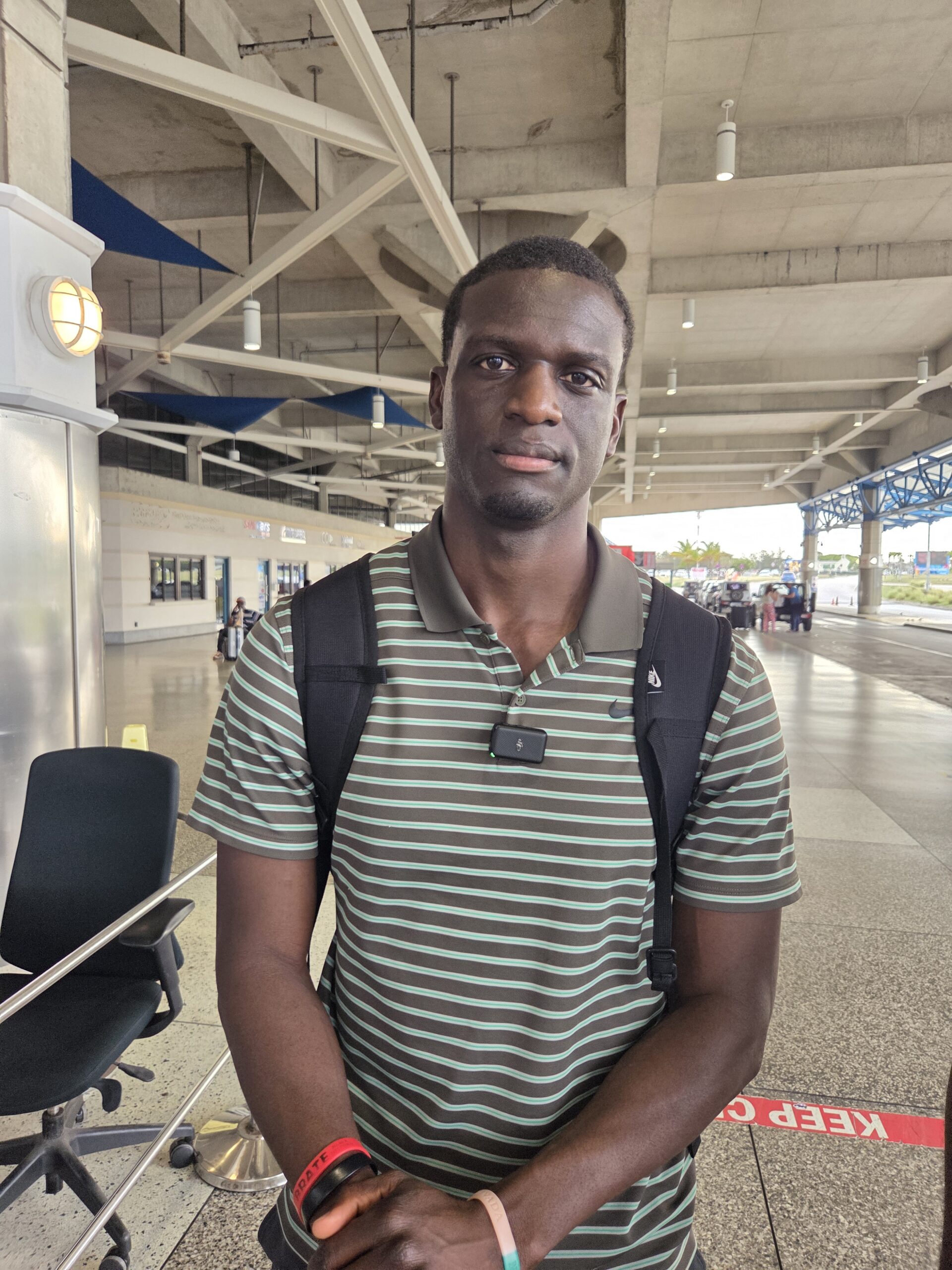
    Decorated 400-meter sprinter and former Olympic gold medalist Kirani James touched down at Grantley Adams International Airport in Barbados on Thursday, gearing up for his appearance at this weekend’s Grand Prix hosted at the iconic Usain Bolt Complex. In an exclusive interview with Barbados TODAY shortly after clearing customs, the Grenadian track star opened up about his excitement for the competition and his long-game training plans ahead of the 2024 athletic season.

    For Caribbean-born athletes, opportunities to compete in high-profile regional events remain a rare commodity, James explained. That scarcity makes every quality domestic meet an occasion not to be missed. “Yeah, it’s very exciting. As Caribbean athletes we don’t have a lot of opportunities to compete in the region, so when there’s an opportunity that is substantial, you want to make sure that everything is conducive for you to compete here. I’m glad that this year everything worked out for me specifically to be here and I’m very excited to come in and compete,” he shared.

    The Barbados Grand Prix marks only James’ second competitive outing of the current season, meaning the veteran runner is still honing his form and ironing out small kinks in his technique as he builds momentum for the months ahead. “This will be my second meet of the year so form-wise I’m still working to see where I’m at and still working out some things. Just kind of really trying to build for the rest of the season,” he said.

    At 33 years old, James boasts a legendary career that includes a 400m world championship title in 2011 and an Olympic gold medal from the 2012 London Games. Even at the pinnacle of the sport, the veteran athlete says his motivation to compete remains rooted in personal ambition and pride for his home nation. “Just personal goals and just continuing to represent my country, my family and the people that are important to me. I’m just trying to keep making them proud.”

    James added that the intrinsic joy of competitive sport is what keeps him lacing up his spikes year after year. “Sport is so ingrained in us as humans that when it invokes a special feeling on both sides of it, then we want to keep that going for as long as you possibly can,” he explained. All eyes will now turn to the Usain Bolt Complex this Saturday as James takes to the track alongside other top regional and international athletes.

  • CARICOM’s advancement must be driven by collective action, Secretary-General says on 53rd Anniversary

    CARICOM’s advancement must be driven by collective action, Secretary-General says on 53rd Anniversary

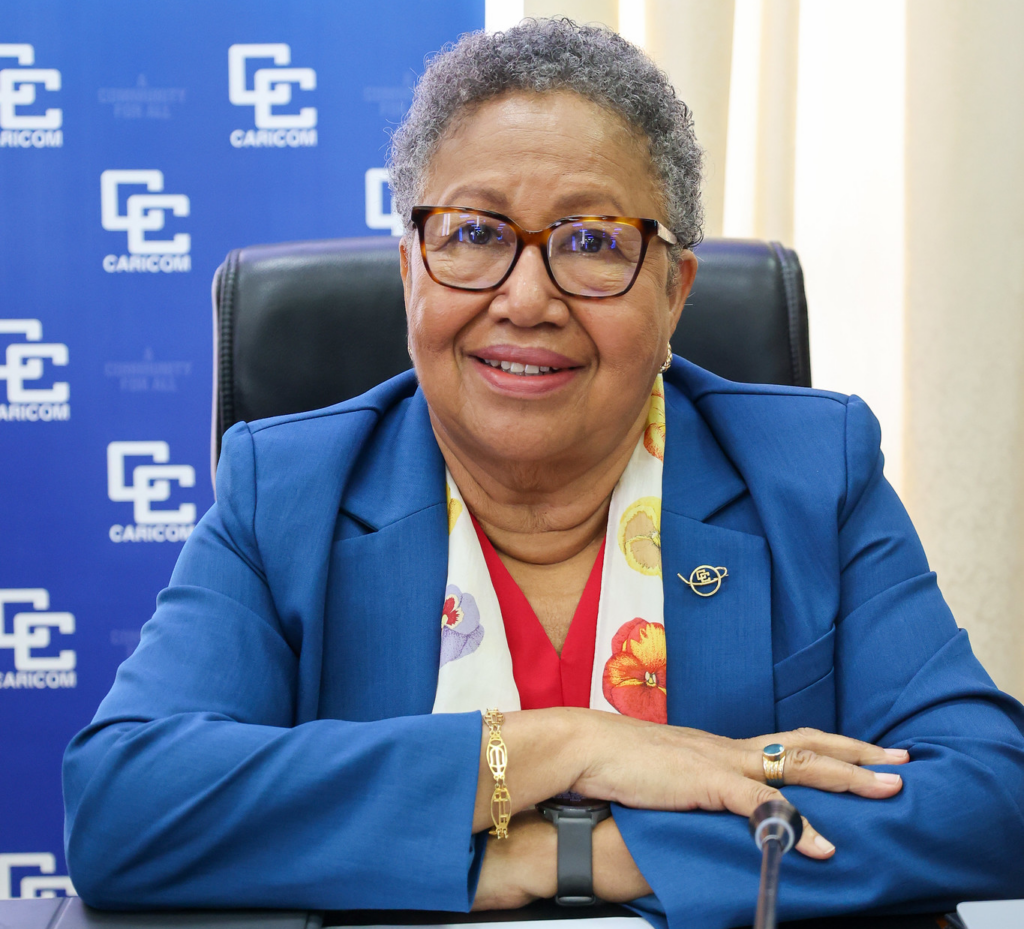
    As the Caribbean Community (CARICOM) observes its 53rd anniversary of the signing of the Treaty of Chaguaramas this CARICOM Day 2026, Secretary-General Dr. Carla Barnett has delivered a keynote message reaffirming the bloc’s unwavering commitment to advancing regional integration through collaborative effort, even in the face of mounting challenges that threaten decades of hard-won progress.

    Founded in 1973 when regional leaders gathered to sign the foundational Treaty of Chaguaramas (later revised in 2001 to launch a single market and economy), CARICOM has grown into one of the developing world’s most successful regional integration projects. Today, the bloc counts 15 full Member States and six Associate Members, representing a combined population of roughly 16 million people—60 percent of whom are under the age of 30. Its work is structured around four core pillars: economic integration, coordinated foreign policy, human and social development, and cross-border security cooperation, with its central administrative body, the CARICOM Secretariat, based in Georgetown, Guyana.

    In her anniversary address, Barnett framed CARICOM from its inception as a powerful collective declaration of the Caribbean region’s right to shape its own independent destiny. Over more than five decades, she noted, intentional collaboration and mutual support across member states have delivered tangible results: deepened regional economic partnerships, and a greatly amplified voice for small island Caribbean nations on pressing global issues that directly impact their populations.

    Barnett detailed the breadth of progress the bloc has driven across sectors critical to public well-being, from bolstering regional security frameworks and emergency response systems to accelerating coordinated action on climate change, improving public health outcomes and expanding educational access across the region. Working alongside national implementation bodies in each member state, CARICOM’s governing bodies, the Secretariat, and its specialized institutions have built the regulatory frameworks, protective safeguards, and targeted initiatives needed to foster inclusive growth and long-term sustainable development across the Caribbean, laying the groundwork for a safer, more resilient regional home for all citizens.

    The secretary-general emphasized that CARICOM’s enduring strength has always grown out of shared purpose and the determination of Caribbean people to overcome the structural constraints of small national size and limited individual national resources. Across every sector, at home and around the world, CARICOM nationals continue to distinguish themselves through extraordinary creativity and dedication, serving as an inspiration for the entire region.

    Even as the bloc celebrates these milestones, Barnett acknowledged the growing pressures that threaten to erode progress and strain regional unity. The Caribbean has faced consecutive years of record-breaking climate-driven disasters, including devastating hurricanes that have crippled key growth sectors such as agriculture and tourism, which underpin livelihoods across much of the region. Compounding these local shocks, the bloc continues to navigate an increasingly volatile global landscape, marked by shifting economic conditions and widespread disruptions to cross-border trade and international commerce.

    Against this challenging backdrop, Barnett reaffirmed CARICOM’s core conviction that continued progress depends entirely on sustained collective action. Together, member states remain committed to advancing priorities that directly improve citizens’ lives: expanding intra-regional trade, generating new employment opportunities, cutting the region’s heavy reliance on food imports, reducing violent crime, and retrofitting built infrastructure to withstand climate impacts. Equally high on the bloc’s agenda are improving digital connectivity and expanding regional transportation networks, to enable seamless, affordable communication and smooth movement of people and goods across member state borders.

    Barnett also stressed that CARICOM remains deeply focused on meeting the current and future needs of the region’s large youth population, who deserve a prosperous, technologically advanced Caribbean full of economic and social opportunity. Closing her message, she called on the region to use the 53rd anniversary as a moment to renew confidence in the enduring value of regional unity and interdependence.

    “Happy CARICOM Day 2026!” she concluded.

  • Flash flood watch extended as tropical wave continues to affect Barbados

    Flash flood watch extended as tropical wave continues to affect Barbados

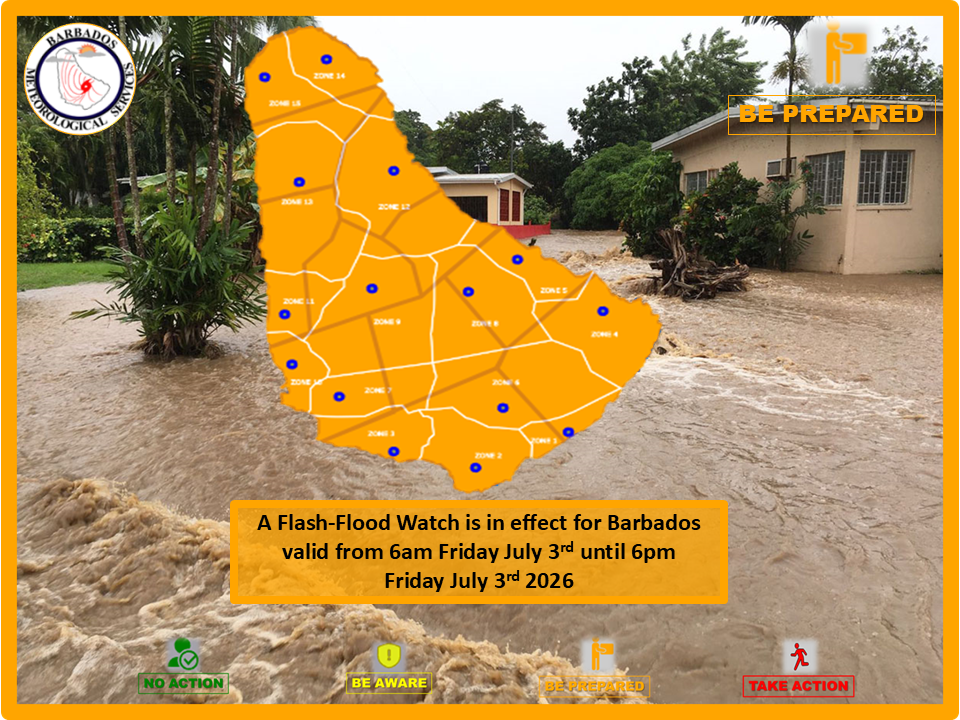
    Barbados is facing ongoing flood risks as a slow-moving tropical wave keeps drenching the island with intermittent moderate to heavy downpours, prompting local weather officials to extend their flash flood watch until 6 p.m. local time on the day of the announcement.

    According to the Barbados Meteorological Services, the system is forecast to drop up to one additional inch of rain across the island during the morning hours. This added precipitation will amplify already elevated flood hazards in low-lying communities and zones that have a history of repeated flooding during heavy rain events. Forecasters noted that conditions are projected to gradually ease through the afternoon, with rainfall intensity tapering off as the tropical wave begins to move away from the island.

    Local authorities have issued urgent guidance to both motorists and residents across Barbados, urging them to remain vigilant when traveling through or residing in at-risk areas. The public is also instructed to stay up to date with the latest official weather bulletins, as the current watch could be upgraded to a more severe flash flood warning if weather conditions deteriorate faster than expected.

    Flash flood watches are issued when conditions are favorable for dangerous flooding to develop, while warnings signal that an active flood event is imminent or already occurring, requiring immediate safety precautions.

  • Line-ups finalised after Soca, Calypso dipping ceremony

    Line-ups finalised after Soca, Calypso dipping ceremony

    One of Saint Lucia’s most anticipated annual cultural music celebrations is moving closer to kickoff, after an official draw ceremony hosted by the Cultural Development Foundation Thursday finalized the full performance order for three flagship competitions: Calypso Monarch, Groovy Soca Monarch, and Power Soca Monarch.

    The random draw, which follows a traditional ‘dipping’ ritual for the island’s flagship carnival music competitions, has placed veteran favorite TC Brown as the opening performer for the 2026 Calypso Monarch competition. Following TC Brown in the Calypso performance lineup will be John Gotti, Menell, Ready, Dezral, Walleigh, Lushanne, Herb Black, Gumption, and closing act Educator, rounding out the 10-competitor field.

    For the Groovy Soca Monarch category, the order of appearance sets Carlton CR Roberts as the first performer, with subsequent slots going to Shemmy J, Deevon, Ricky T, Ezra D’FunMachine, Sly, Arthur Allain, Imran Nerdy, Kisha K and Twahizzy. The Power Soca Monarch segment, which features a larger field of 13 acts, will open with Sedale, followed by the duo of Hollywood DP and Deevon, then Ezra D’FunMachine, Kisha K, Sly, Tension, Ricky T, Bronxx, the pair of Dhirv 2 Funny and Mata, Shemmy J, Dezral, and closing headliner Sir Lancelot.

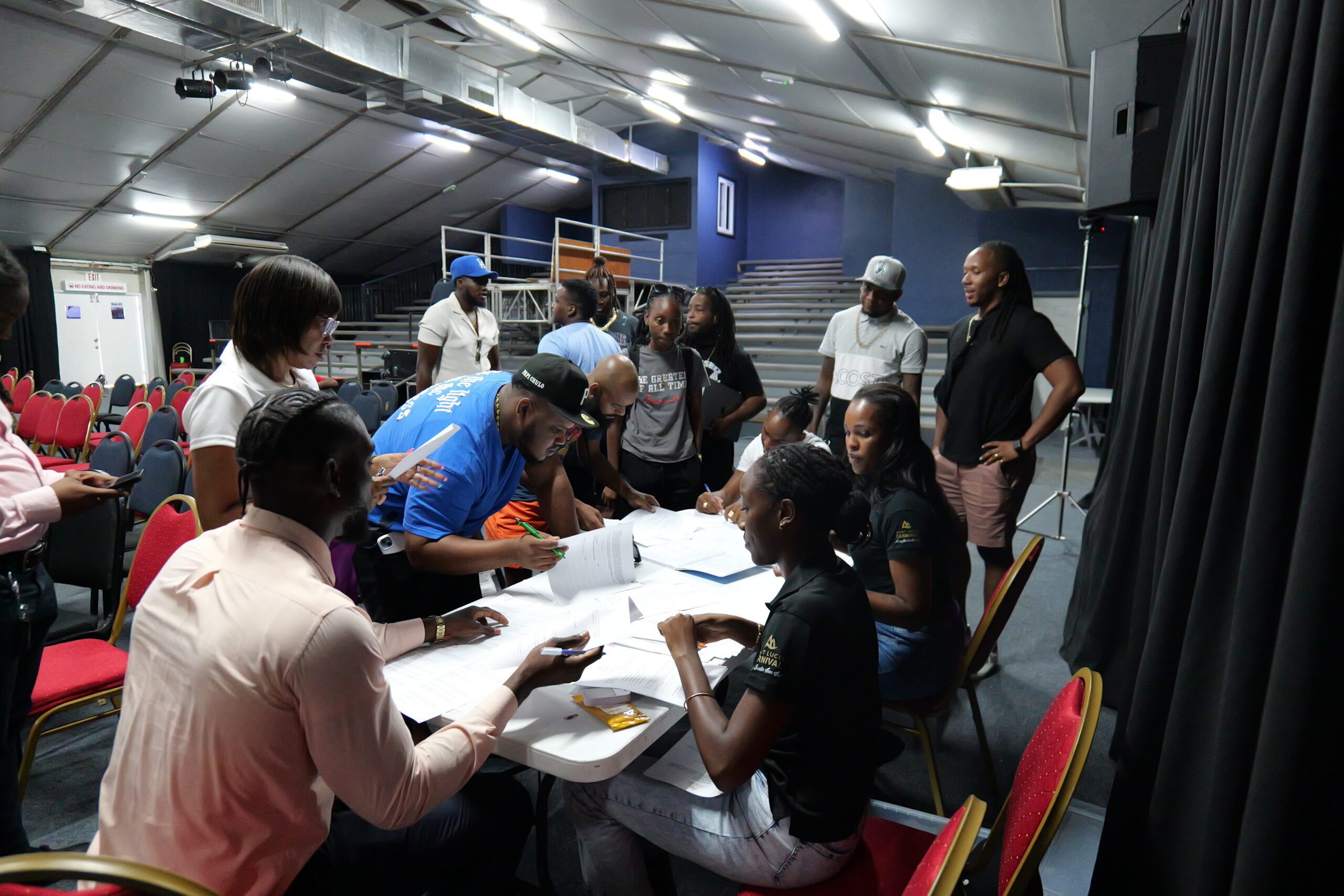
    During the official ceremony, event organizers walked all participating artists through key event requirements, laying out clear expectations for production quality, on-stage presentation, and official competition rules to ensure smooth logistics for every performer before, during, and after their sets. In addition to locking in performance slots, the organization confirmed the full prize structure for all three competitions, offering generous payouts to top finishers. The overall winner of each competition will take home a top prize of $40,000, with second place awarded $30,000, third place collecting $20,000, fourth place earning $15,000, and fifth place receiving $10,000. All competitors finishing between sixth and tenth place will each receive a $5,000 consolation prize.

    To support artists with upfront production expenses, every registered participant also received a $1,000 production grant immediately following the draw. To add flexibility for competing artists, organizers noted that acts in both the Groovy Soca and Power Soca categories are permitted to swap their assigned performance slots within the first 48 hours after the draw, if both participating artists agree to the change.

    All three competitions will be hosted at the SAB venue on Vigie Playing Field. The Groovy Soca and Power Soca Monarch competitions are scheduled to take place on the evening of Friday, July 10, while the marquee Calypso Monarch competition will kick off at 8:00 p.m. on Saturday, July 11.

  • Delays in prisoner transport disrupt courts – opposition senator

    Delays in prisoner transport disrupt courts – opposition senator

    A growing crisis in Barbados’ judicial system has sparked renewed push for reform, after a senior judge publicly slammed persistent delays in prisoner transfers from the island’s main correctional facility, and an opposition lawmaker has amplified the call for urgent government action.

    On Tuesday, Justice Pamela Beckles of the Supreme Court raised the alarm after proceedings in the No. 5 Supreme Court and multiple additional High Court sittings were held up for more than an hour, waiting for inmates transported from Dodds Prison. In her remarks, Beckles outlined that this problem has been festering for an extended period, with wait times growing steadily from just 10 minutes to half an hour, and now stretching to over an hour before prisoners arrive at the court complex. “That is not acceptable and something has to be done,” the judge stated, calling on responsible authorities to intervene to resolve the systemic failure.

    Karina Goodridge, an opposition senator and president of the pro-democracy advocacy group Friends of Democracy, has thrown her full support behind Beckles’ demands, emphasizing that the issue is far more than a minor bureaucratic hiccup—it poses a fundamental threat to public trust in the island’s justice framework.

    Goodridge explained that every late prisoner arrival derails court dockets, often leading to full adjournments of scheduled hearings. This leaves dozens of people—from judges, attorneys, and court staff to witnesses, police officers, jurors, and members of the public—sitting idle, squandering finite and valuable judicial time that could be used to resolve other pending cases.

    Beyond scheduling disruptions, the senator warned, the consistent delays are worsening Barbados’ already severe court backlog, prolonging the wait for both crime victims and accused people seeking resolution of their cases. She also highlighted the heavy financial toll of the ongoing crisis, noting that taxpayers are ultimately forced to foot the bill for rescheduled hearings, including repeated payments for court staff, security details, prosecution resources, and legal aid services. The public funds wasted on these avoidable delays could otherwise be allocated to upgrading the justice system itself or funding other critical public priorities, from healthcare access to public education, Goodridge argued.

    The delays also impose direct, unfair burdens on ordinary citizens called to participate in court proceedings, the senator added. Witnesses, victims, defendants released on bail, and family members supporting their loved ones all face out-of-pocket transportation costs and lost wages when they take time off work to attend hearings, only to have the proceeding delayed and rescheduled. When this happens, these same individuals are forced to incur those costs all over again when they return for a new hearing date. “This is unfair and places an unnecessary burden on citizens who are simply fulfilling their legal obligations,” Goodridge said.

    At its core, the crisis threatens the constitutional right of all individuals to receive a fair hearing within a reasonable timeframe, a right that cannot be fulfilled if the basic function of prisoner transport remains broken, Goodridge noted. She has laid out a series of clear demands to address the problem: first, the government must classify the issue as an urgent priority requiring immediate attention; second, it should foster tighter, more consistent coordination between the Barbados Prison Service, contracted transport providers, and judicial administration to guarantee on-time arrivals and preserve court schedules; and third, it should launch a full, comprehensive review of the entire prisoner transport system to identify the root causes of delays, roll out targeted, measurable improvements, and put in place clear accountability mechanisms when scheduling disruptions occur.

    Goodridge framed Justice Beckles’ recent public criticism as a critical “call to action” for national authorities. “We owe it to the people of Barbados to ensure that our justice system operates efficiently and fairly so that the public does not lose confidence in our system,” she said. Practical, rapid reforms are needed to eliminate unnecessary delays, cut wasteful spending of public money, respect the time of judicial workers and ordinary citizens alike, and rebuild public trust in the fair administration of justice across the country.

  • Regering rekent op olie om staatsschuld fors terug te dringen

    Regering rekent op olie om staatsschuld fors terug te dringen

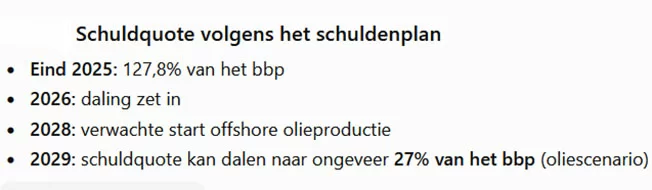
    The Namibian government projects that the launch of commercial offshore oil production starting in 2028 will deliver transformative impacts to the country’s public finances, driving a steep decline in national sovereign debt within just a few years, according to the revised 2026 National Debt Plan. Under the baseline offshore development scenario, which accounts for projected oil export revenue from projects operated by TotalEnergies and APA Corporation, the country’s debt-to-GDP ratio is forecast to fall to roughly 27% by 2029.

    This optimistic projection is built on the core assumption that the two energy majors will bring their offshore oil fields online as scheduled, generating substantial new government revenue that will strengthen the national budget position and boost the country’s debt repayment capacity. The Bureau of National Debt developed two separate forecasting scenarios for the updated plan: one that includes the oil production revenue stream, and a counterfactual that assumes no offshore oil income, with both scenarios maintaining the current national economic policy framework. The outcomes of the two models differ dramatically.

    In the oil-inclusive scenario, calculations show the debt ratio will plummet from just over 127% of GDP at the end of 2025 to 27% by 2029. While debt will still decline in the no-oil scenario, the pace of reduction will be far slower. The revised plan also notes that the government’s overall borrowing requirement will shrink once oil production ramps up, reducing the state’s reliance on new sovereign debt issuance and creating additional fiscal space to accelerate the paydown of existing outstanding liabilities.

    Despite the promising outlook, the Bureau of National Debt emphasizes that the projection remains subject to significant uncertainty. Multiple external and internal variables will shape the final outcome, including global crude oil price fluctuations, delays to the project’s production launch, domestic economic growth trajectories, exchange rate volatility, and changes to global interest rates. Any unexpected setbacks or cost overruns to the projects could shift the trajectory of national debt reduction from current forecasts.

    Even with the projected new oil revenue, the Bureau stresses that maintaining prudent fiscal discipline will remain a critical policy priority. Government spending will need to stay contained even after oil revenue starts flowing, and ongoing structural economic reforms will need to continue to ensure long-term national debt remains at a sustainable level.

  • Hopeful Hearts Foundation Arrives in Barbuda for Community Outreach Mission

    Hopeful Hearts Foundation Arrives in Barbuda for Community Outreach Mission

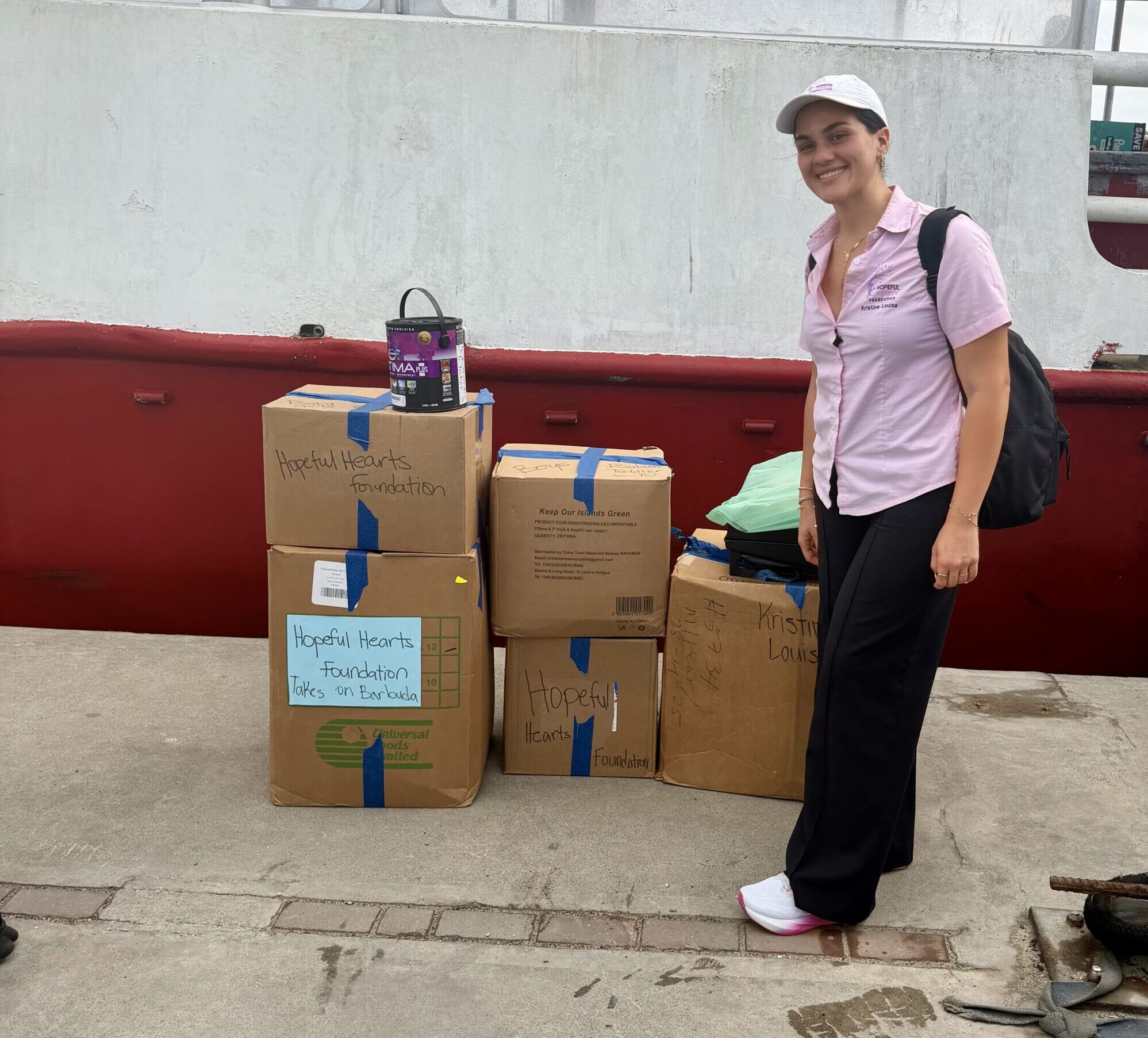
    A volunteer mission from the Hopeful Hearts Foundation has crossed from Antigua to the neighboring island of Barbuda, carrying a cargo of donated educational materials, children’s toys and clothing to lift up local families and young community members. Over the course of the three-day outreach, the foundation has planned a full slate of community-centered activities designed to deliver immediate support and long-term value to residents.

    Core activities include the distribution of the collected school supplies to local students, a community-wide clothing drive to provide essential garments to families in need, structured recreational activities to bring joy to local children, and the kickoff of a new public mural project at Holy Trinity Primary School. The mural initiative is being carried out in formal collaboration with Chaneil Imhoff, a representative of the WISH organization, and is intended to create a permanent, uplifting public artwork for the school community.

    All of these coordinated efforts are rooted in three clear core goals: easing financial and material burdens for local families, fostering positive growth opportunities for young people, and leaving a durable, beneficial imprint on the Barbuda community that extends far beyond the mission’s three-day timeline.

    One of the most anticipated moments of the visit is a scheduled interactive session with the Barbuda Youth Council. During this gathering, Kristine Louisa — who serves dual roles as Hopeful Hearts’ National Youth Ambassador, as well as its chief executive officer and founding director — will open up about her own personal and professional journey. She will deliver a talk focused on three key themes: building resilience in the face of challenge, cultivating strong leadership skills, and expanding empowerment opportunities for young people across Barbuda.

    The Hopeful Hearts Foundation has publicly extended its sincere appreciation to all stakeholders that made the mission possible. Key contributors include major institutional donors the Barbuda Ocean Club, Senator Kendra Beazer, and Fastlane Construction, alongside the dozens of volunteers and community supporters that donated goods, time and effort to prepare for the trip. In a statement, the organization emphasized that collective action, even rooted in small individual acts of generosity, is capable of driving transformative, meaningful change for marginalized and vulnerable communities.

    Looking ahead, the foundation plans to share regular on-the-ground updates from the Barbuda mission throughout the weekend, with the goal of inviting the broader global and regional community to celebrate the tangible impact of the outreach once activities are completed.

  • Vendors divided on Cheapside plan

    Vendors divided on Cheapside plan

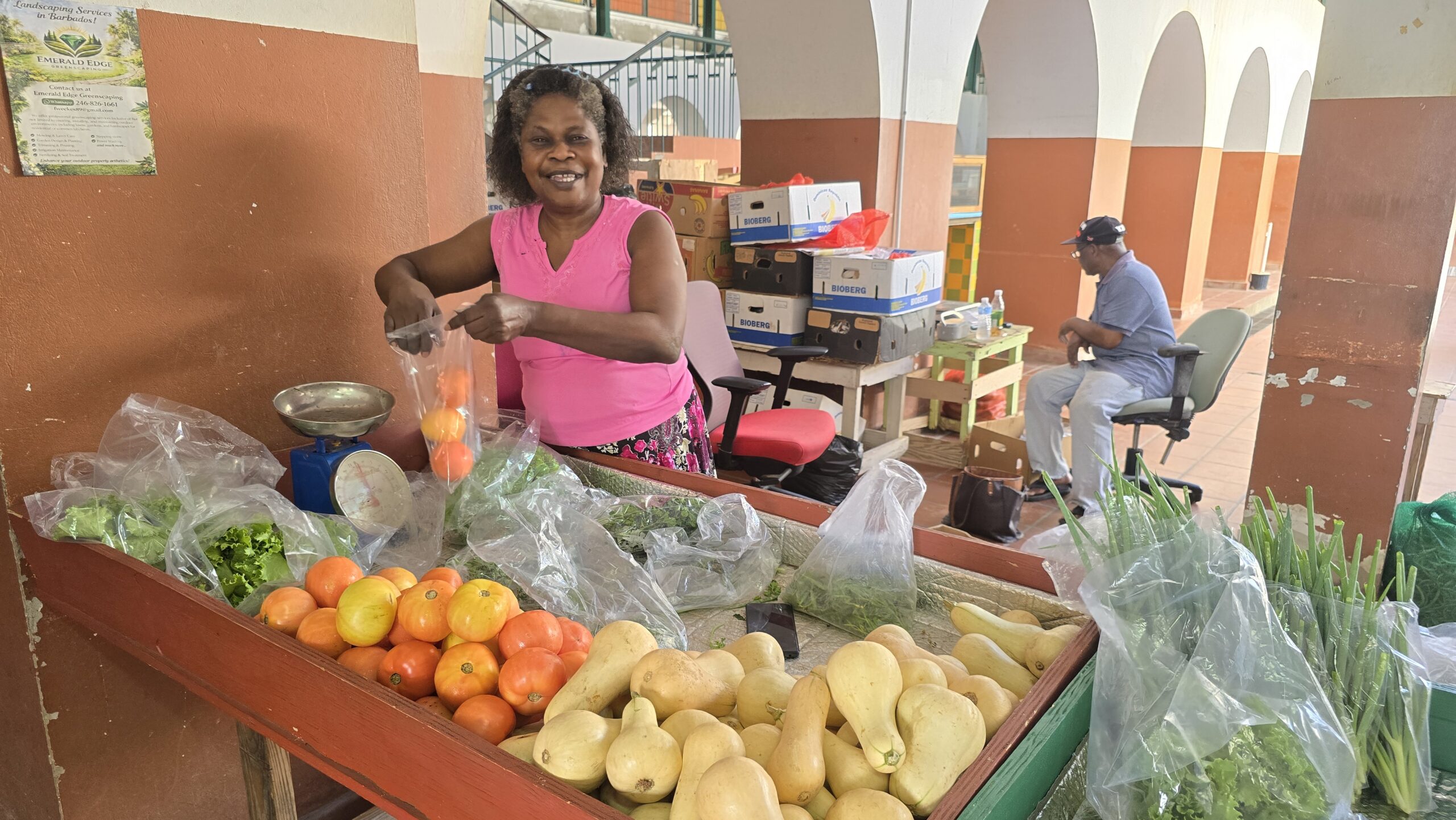
    Nestled in the heart of downtown Bridgetown, Barbados, Cheapside Farmers’ Market carries the distinction of being the oldest continuous trading hub on the island, with a commercial history stretching all the way back to 1810. Today, a government-backed pilot initiative to overhaul the historic site into a fully organized, year-round indoor attraction is stirring heated debate among the market’s vendors, with some backing the plan as a long-overdue opportunity to boost trade, while others remain deeply skeptical given a string of past failed reforms.

    The proposed transformation was first unveiled by Sherlock King, market manager for Barbados’ Ministry of Agriculture, during a public colloquium held this week. The project forms a core part of the ministry’s broader agenda to revitalize the country’s aging public market infrastructure and draw more locals and visitors to downtown commercial hubs.

    Local outlet Barbados TODAY reached out to more than a dozen current Cheapside vendors to gauge their reaction to the plan, revealing a sharp divide in opinion. One vendor, originally from St. Vincent and the Grenadines, pointed to successful market overhauls in her home country and neighboring St. Lucia as evidence the plan could work in Barbados. She explained that after St. Vincent moved street vendors into purpose-built, year-round indoor facilities, sales rose dramatically for most participants, with well-maintained, clean stalls drawing far more consistent foot traffic. She added that the status quo sees many vendors only set up at the market on busy weekend days, leaving the indoor space largely empty midweek, a problem the new plan could resolve if all vendors cooperate with the new rules.

    Not all vendors share that optimism, however. Another long-time vendor argued that outdoor vending remains a draw for many shoppers, a trend seen in open-air markets across the globe. They noted that even under the current setup, the indoor space only sees significant crowds on Saturdays, with midweek days seeing almost no activity inside the facility.

    Despite their disagreement on the core relocation plan, both vendors agreed on two key changes that could boost foot traffic: adding regular entertainment and activities within the market space, and improving signage to guide visitors. In recent years, low customer volumes have pushed dozens of vendors to abandon their indoor stalls entirely, with many now using the indoor space solely for storage overnight while setting up their wares on sidewalks outside during trading hours. Better directional signs, the vendors argued, would help the many tourists that pass through the downtown area find food stalls, clothing vendors and other offerings that are currently invisible to most first-time visitors.

    Roy, another long-time Cheapside vendor, said he supports the government’s effort to test new approaches but will reserve judgment until the plan is put into action. “I want to see it done, not just hear about it. If they’re ready to try something new, let them come down here and give it a go,” he said.

    For Angela, another veteran vendor, past attempts at reform make her deeply doubtful the new plan will deliver different results. “They’ve been trying to make this work for decades, and every single attempt has failed. I don’t see why this time will be any different,” she said. She echoed the widespread observation that most current vendors use the indoor market only for storage, pulling their displays out to sell on the street every trading day. “Nobody wants to sell inside. We store our trays and benches here overnight, then take everything back out to sell on the sidewalk in the morning,” she explained.

    Angela added that inconsistent cleaning and chronic slow midweek trade have further eroded indoor activity. Each Monday, the entire indoor space is power-washed, leaving surfaces wet and unsuitable for vendors to set up for most of the day, and from Tuesday through Thursday, only a handful of vendors bother to open inside. While she acknowledged the market would only reach its full potential if all vendors agreed to operate indoors full-time, she argued that the government would need to offer meaningful incentives to get vendors to agree to the change. Right now, she added, the market is operating well below its potential, which hurts full-time staff and overall operations for the site.

    One vendor noted the plan could succeed if managed properly, drawing a comparison to the popular, vibrant Oistins Fish Fry, but argued that critical sanitation issues must be resolved first. “They say they want it to look like Oistins, but first we have a huge rat problem that needs to be dealt with, and that’s not going to be easy,” she said. Like many others, she said she will wait for the government’s final plan before making a decision, and will accept whatever outcome is agreed.

    Cheapside Market takes its name from the historic trading district in London, and its origins stretch back to a period when Barbados was still a British slave colony. After an 1806 fire cleared the downtown area, and decades of informal street vending, the market was purpose-built in 1810 to let both enslaved and free Black vendors trade produce legally under cover from the tropical rain and heat. Over the centuries, the site has been expanded and modernized multiple times, including a major renovation in the early 20000s funded by a Chinese government grant.