博客

  • Central Board of Health Trains Custodial Staff in Sanitation and Safety Practices

    Central Board of Health Trains Custodial Staff in Sanitation and Safety Practices

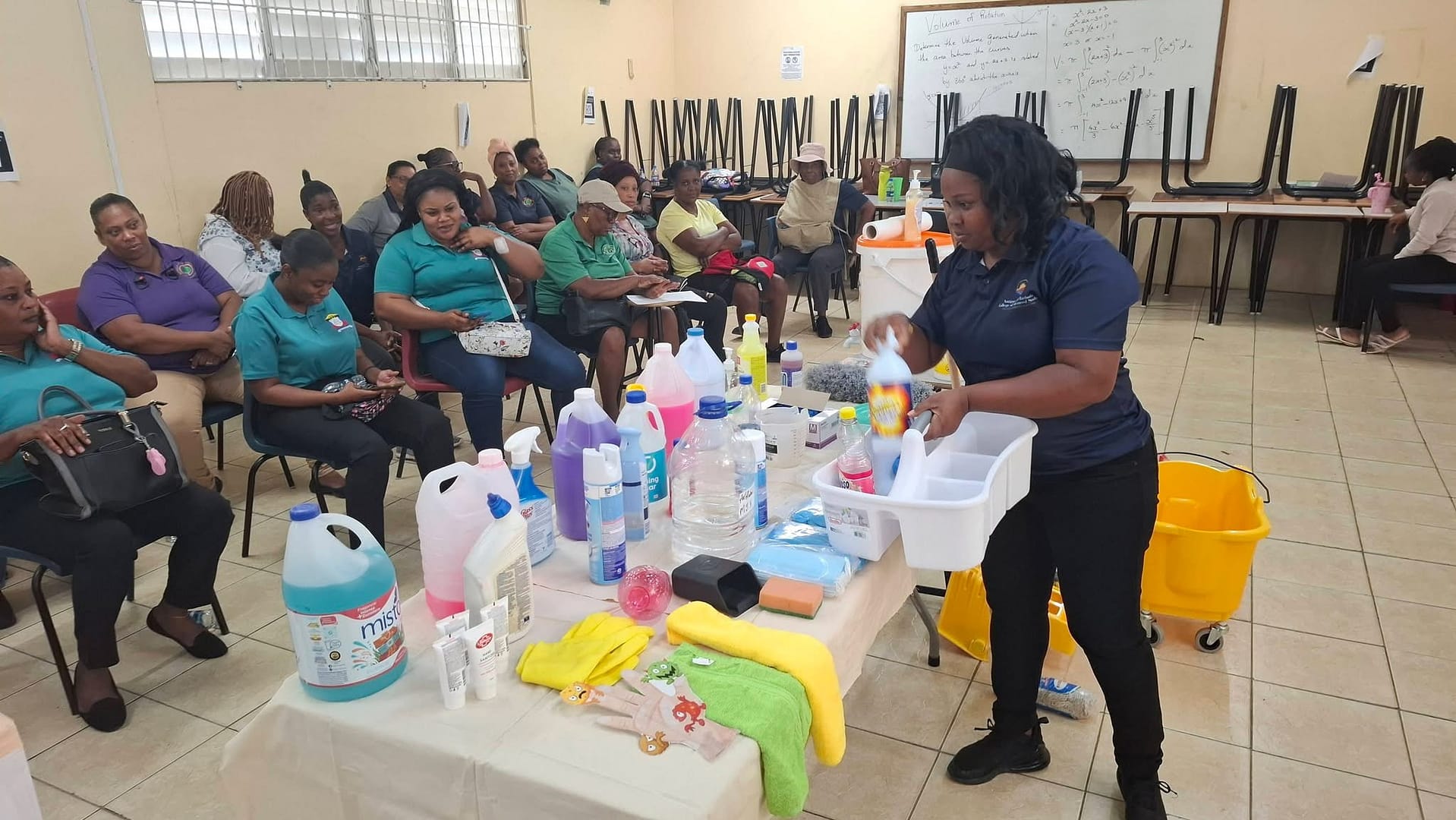
    In a significant capacity-building initiative, Antigua and Barbuda’s Central Board of Health orchestrated an extensive training program on February 24th to enhance the professional competencies of custodians and grounds maintenance personnel from multiple public institutions. The event, hosted at the Antigua and Barbuda College of Advanced Studies, brought together forty participants from diverse organizational backgrounds.

    Attendees included facilities staff from three major educational campuses—Muriel O’Mard Campus, Dr. Alister Francis Campus, and Eustace Hill Campus—plus representatives from the School of Agriculture. The training also incorporated professionals from the National Office of Disaster Services, the National Solid Waste Management Authority, and the Environment Division, creating a multidisciplinary learning environment.

    The curriculum delivered hands-on instruction across multiple critical domains: advanced cleaning and sanitization methodologies, integrated pest management strategies, efficient waste handling procedures, and sanitation protocols. Particular emphasis was placed on the safe handling and application of industrial cleaning chemicals and the appropriate utilization of personal protective equipment to ensure worker safety.

    Health officials emphasized that this initiative highlights the indispensable role that custodial and grounds staff perform in preserving hygienic and secure environments within educational facilities and workplaces. The Board further clarified that rigorous cleaning and disinfection practices constitute fundamental measures for curbing pathogen transmission, minimizing pest proliferation, and safeguarding the wellbeing of students, employees, and the general public.

    The Central Board of Health reaffirmed its dedication to continuing professional development programs and capacity-enhancement projects for frontline workers who maintain public health standards across the nation’s institutions.
  • CARICOM at a Decisive Hour, Says Chairman Drew

    CARICOM at a Decisive Hour, Says Chairman Drew

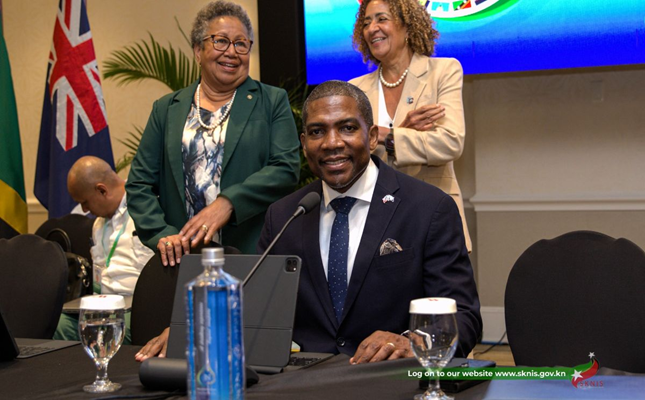
    BASSETERRE, Saint Kitts and Nevis – February 26, 2026 – CARICOM Chairman Dr. Terrance Drew has positioned the Caribbean at a critical juncture during the opening ceremony of the 50th Regular Meeting of the Conference of Heads of Government. The Prime Minister of Saint Kitts and Nevis delivered a stark assessment of the current global landscape characterized by escalating geopolitical tensions, volatile energy markets, supply chain disruptions, climate-induced shocks, and widespread economic uncertainty.

    Addressing fellow regional leaders on Tuesday, February 24th, Chairman Drew issued a compelling warning about the particular vulnerabilities facing small island developing states in this increasingly fragmented global environment. He articulated a clear philosophical framework for regional survival: “In such a world, fragmentation breeds vulnerability. By contrast, togetherness generates resilience.”

    The Chairman emphasized that the Caribbean’s collective strength derives not from individual capabilities alone but through disciplined coordination and shared determination. He reminded attendees that CARICOM’s foundational pillars—regional cooperation, functional integration, economic coordination, and collective self-reliance—were specifically designed to shield smaller nations from global systemic shocks.

    With supply chains remaining unpredictable and external pressures intensifying, Dr. Drew asserted that deeper regional integration has transitioned from being optional to absolutely essential. He identified multiple critical areas requiring coordinated action, including food security initiatives, energy security frameworks, regional security cooperation mechanisms, and comprehensive economic coordination strategies.

    Reaffirming the Caribbean’s historical capacity to overcome adversity, the Chairman highlighted the necessity of leveraging shared institutions and maintaining a unified international voice to protect regional interests on the global stage. The ongoing high-level deliberations among CARICOM leaders throughout this week are being guided by this principle of collective resilience over fragmentation.

    The 50th Regular Meeting represents a substantive working session focused on disciplined coordination, collaborative problem-solving, and strengthening the Caribbean Community for the benefit of all member states and their citizens amid continuing global uncertainties.

  • Government expands 9-1-1 coverage to Constanza and Jima Abajo

    Government expands 9-1-1 coverage to Constanza and Jima Abajo

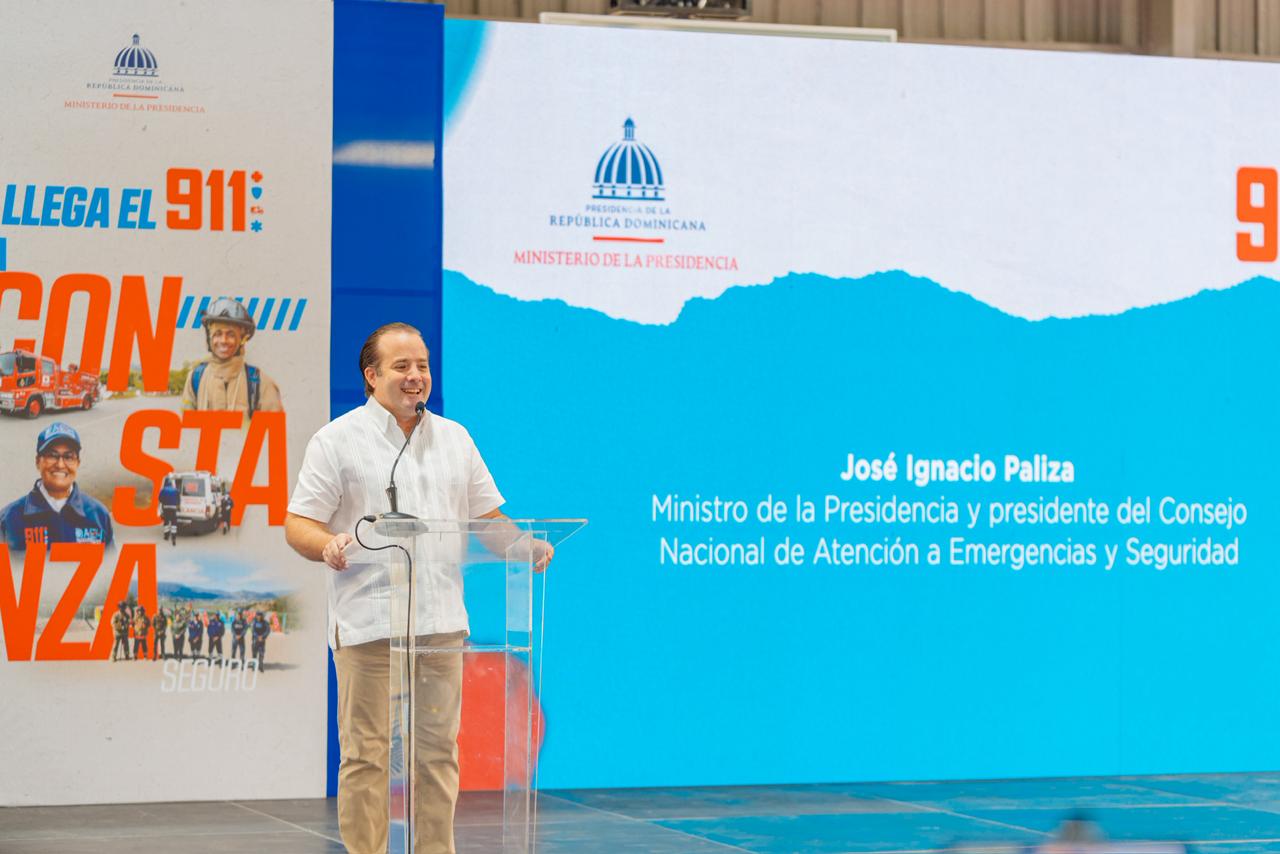
    CONSTANZA, La Vega Province – The Dominican government has significantly enhanced its emergency response capabilities with the official activation of the National Emergency and Security System 9-1-1 in the municipalities of Constanza and Jima Abajo. The inauguration ceremony was presided over by José Ignacio Paliza, Minister of the Presidency, marking a pivotal advancement in public safety infrastructure for these vital regions within La Vega province.

    This strategic expansion elevates the system’s national coverage to 94% of the population, creating a more robust and integrated network that seamlessly coordinates various emergency response agencies. Minister Paliza underscored that the initiative represents more than just the installation of physical assets. “This is a profound commitment to institutional synergy, ensuring our citizens receive prompt and effective aid during their most critical moments,” he stated, emphasizing the program’s focus on permanent inter-agency coordination.

    The government’s forward-looking plan includes extending this critical service to Montecristi in the upcoming months. This move reaffirms the administration’s dedication to bridging the gap in emergency services for communities across the nation. The expansion is a cornerstone of the State’s overarching priority to preserve human life, enhance emergency coordination mechanisms, and elevate standards in citizen security and pre-hospital medical care, especially in productive and strategically important regions.

    Operational capabilities in Constanza and Jima Abajo will be supported by a substantial deployment of resources, including 11 basic life support ambulances, dedicated police patrol units, and Fire Department crews. The system is underpinned by advanced technological infrastructure, enabling the central Command and Control Center to efficiently manage emergency calls, precisely geolocate incidents, and deploy resources with maximum efficacy.

    Government authorities have confirmed that the 9-1-1 System will continue its phased national rollout and ongoing technological modernization. This effort is a central component of a broader national strategy focused on life protection, property safeguarding, and the strengthening of inter-institutional coordination through technological innovation and enhanced public service delivery.

  • New York to light 16 landmarks for Dominican Independence Day

    New York to light 16 landmarks for Dominican Independence Day

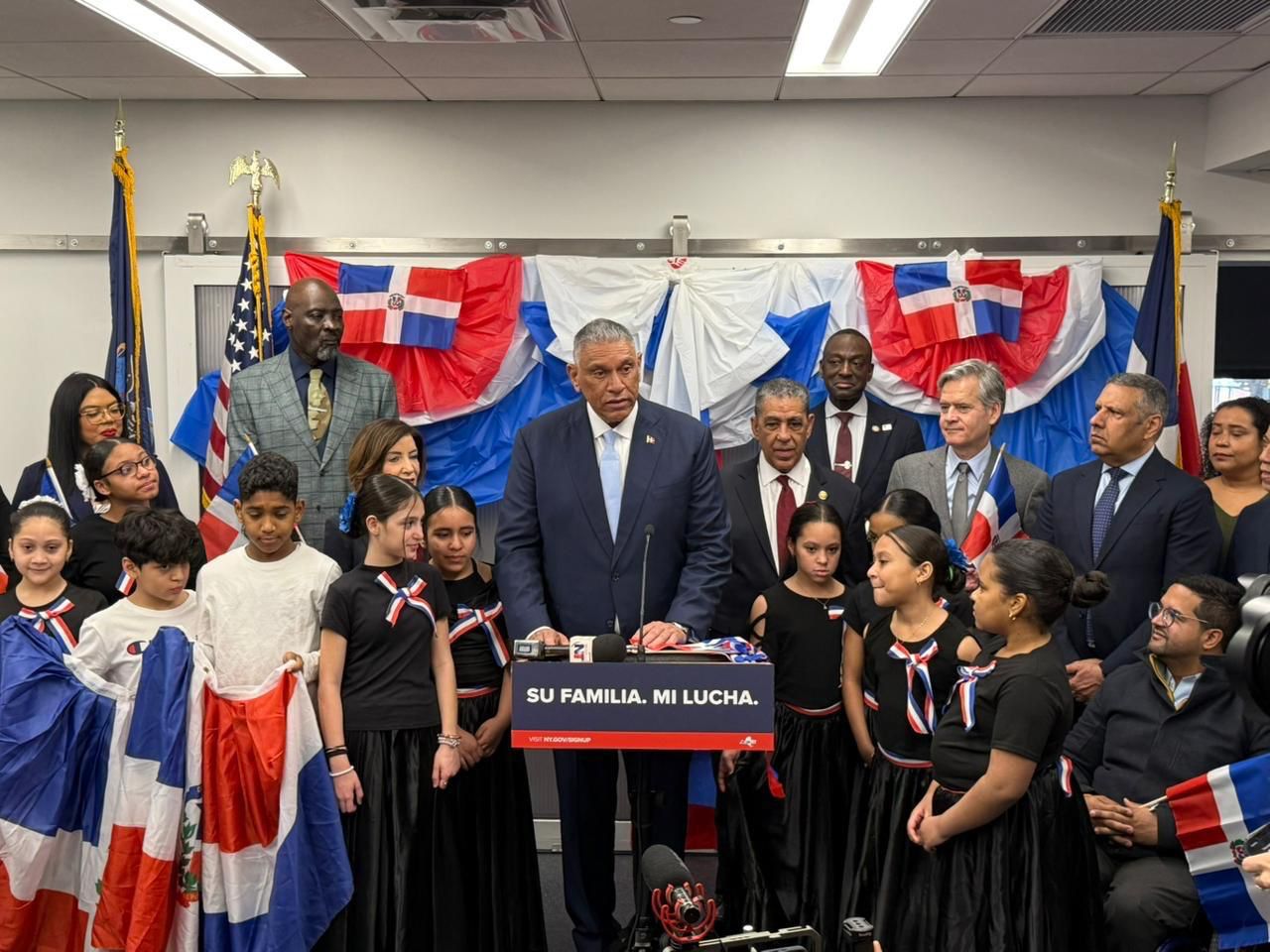
    NEW YORK – In an unprecedented tribute to the Dominican diaspora, New York State will illuminate sixteen of its most iconic structures in the red, white, and blue of the Dominican flag this Friday, February 27th. The large-scale celebration, announced by Consul General Jesús Vásquez Martínez, honors the Dominican Republic’s National Independence Day and stands as a historic recognition of the community’s profound impact within the state.

    The initiative, described by Vásquez Martínez as a monumental gesture, underscores the significant growth, economic contributions, and rising institutional visibility of the Dominican population in New York. The Consul General extended particular gratitude to New York Governor Kathy Hochul and Congressman Adriano Espaillat, whose pivotal support was instrumental in coordinating the statewide display of solidarity.

    The list of landmarks set to be bathed in the tricolor scheme includes some of the most recognizable sites in the United States. The illumination will feature the One World Trade Center, the Governor Mario M. Cuomo Bridge, the Kosciuszko Bridge, the Empire State Plaza, the Alfred E. Smith State Office Building, and the majestic Niagara Falls, alongside other strategic locations across New York.

    This symbolic act is being heralded as a defining moment for public acknowledgment of the Dominican community’s role. Vásquez Martínez has extended an invitation to all Dominicans abroad to participate in the celebration by displaying their national flags, characterizing the event as a powerful testament to unity, cultural dignity, and collective pride. He emphatically stated that this celebration will mark a turning point in the community’s narrative within the socio-cultural fabric of New York.

  • Garrido store fire prompts evacuation on Duarte Avenue

    Garrido store fire prompts evacuation on Duarte Avenue

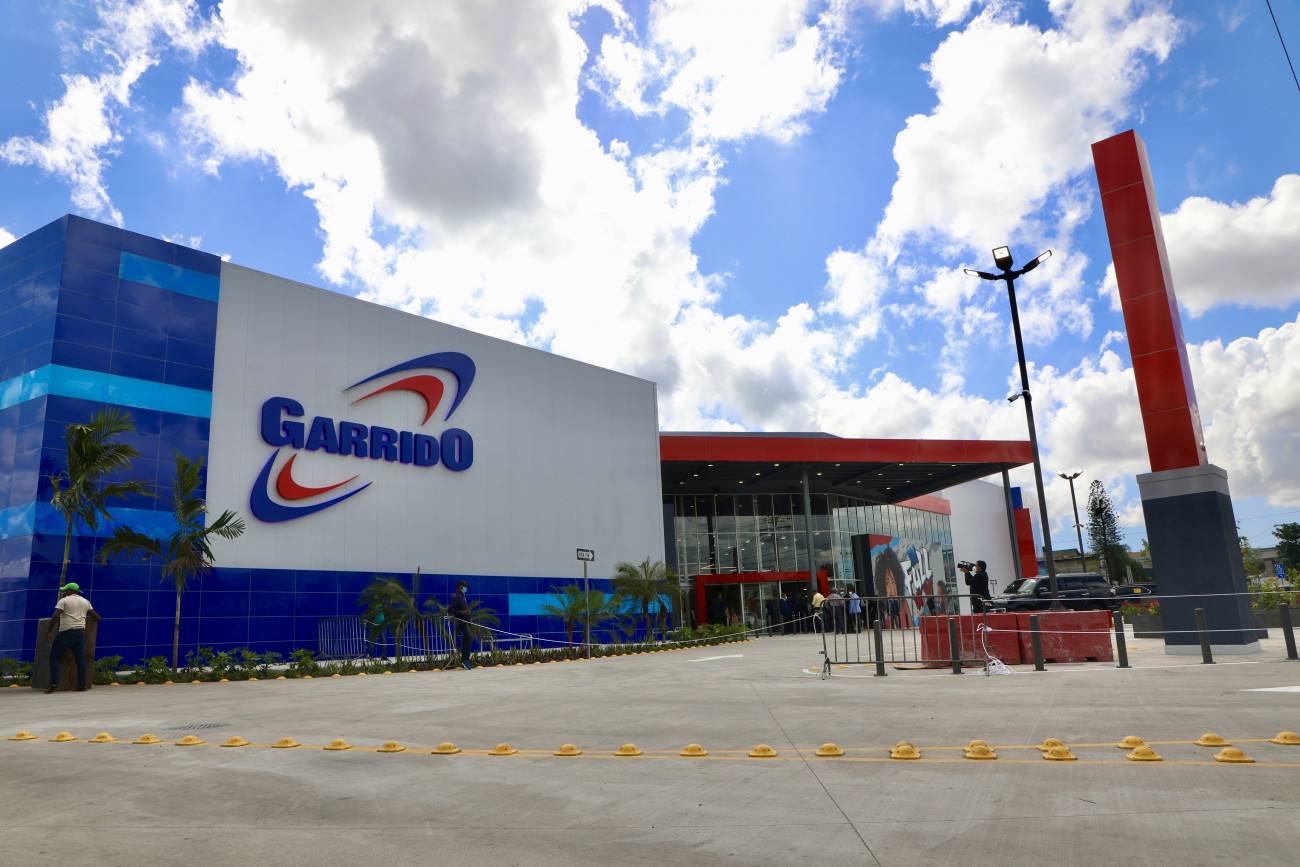
    Santo Domingo witnessed a significant emergency response Thursday morning as a substantial fire engulfed the Garrido retail establishment located on the bustling Duarte Avenue. The incident triggered an immediate evacuation protocol for both staff and shoppers, substantially disrupting commercial operations and pedestrian traffic throughout the district.

    Emergency services, including specialized units from the Dominican Fire Department, National Police, Civil Defense, and the National Emergency and Security System, mobilized rapidly to the scene. Their coordinated efforts focused on containing the blaze and ensuring public safety amid the developing crisis.

    Initial reports from store management indicate the fire originated on the building’s second level approximately at 9:00 a.m. Carlos López, an official representative for Garrido, confirmed that the evacuation was executed without delay and that emergency authorities arrived with exceptional promptness. The conflagration generated intense smoke dispersion, compelling several adjacent businesses to initiate temporary closures and dismiss their employees as a precautionary measure. However, commercial activity in more distant sections of the avenue continued uninterrupted. Crucially, preliminary assessments confirm that the incident resulted in no casualties or injuries, marking a successful outcome to the emergency response operation.

  • Key US allies in CARICOM invited to security meeting with Trump

    Key US allies in CARICOM invited to security meeting with Trump

    In a significant diplomatic development, United States President Donald Trump has extended invitations to the leaders of Guyana and Trinidad and Tobago for a high-level security conference scheduled for March 7 in Miami, Florida. This strategic gathering represents Washington’s continued commitment to strengthening regional security partnerships with key Caribbean Community (CARICOM) allies.

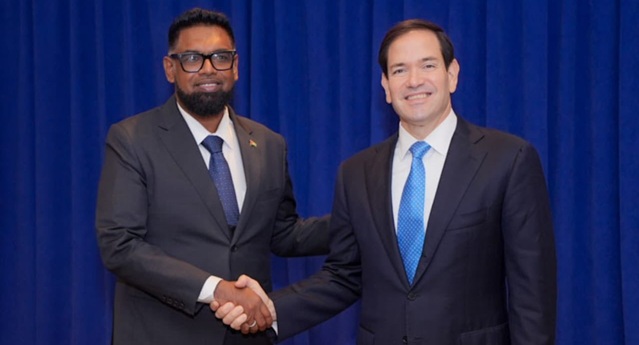
    The announcement came during the CARICOM mid-term summit in St. Kitts, where Guyana’s President Irfaan Ali revealed the meeting would address pressing regional security challenges. “This engagement focuses on security matters and regional challenges, aiming to enhance our coordination mechanisms,” President Ali stated during a press briefing.

    Trinidad and Tobago’s Prime Minister Kamla Persad-Bissessar, who has openly credited US military cooperation with reducing murders in her nation by 42%, confirmed her participation. In her summit address, she emphasized that “partnership with the US strengthens rather than undermines Caribbean sovereignty, enabling us to combat destabilizing forces across our hemisphere.”

    The diplomatic revelation followed US Secretary of State Marco Rubio’s commitment to CARICOM leaders regarding intensified efforts to combat firearms trafficking from American sources to Caribbean nations. Secretary Rubio acknowledged the alarming sophistication of criminal organizations’ weaponry, much of which originates from the United States. “We recognize our responsibility and are working diligently with law enforcement agencies to disrupt these trafficking networks,” he asserted.

    Rubio further highlighted the interconnected nature of transnational criminal operations, noting that narcotics traffickers and other criminal elements utilize sophisticated weapons funded by profits from American markets. This criminal ecosystem, he warned, poses significant threats both to transit countries and ultimately to US national security.

    The Secretary of State characterized transnational criminal organizations as the region’s most urgent security threat, noting their resources often rival or exceed those of the nation-states they target. “While we have a established history of cooperation, our collaborative efforts must deepen as these criminal networks grow increasingly powerful,” Rubio emphasized.

    Guyana’s security partnership with the United States has particularly strengthened following US support during territorial tensions with Venezuela. The US military currently collaborates with Guyana on maritime and air domain awareness, while agencies including the Drug Enforcement Administration provide specialized training in narcotics detection and border protection.

    Prime Minister Persad-Bissessar provided concrete evidence of this security cooperation’s effectiveness, citing a dramatic reduction in murders from 623 in 2024 to 366 in 2025. She attributed 40% of previous violent crimes to gang activities fueled by narcotics and firearms smuggling from Venezuela, acknowledging that “US military cooperation has been instrumental in enhancing our national security capabilities.”

  • Our Revolution completed the work of our liberators

    Our Revolution completed the work of our liberators

    In a profound historical reflection drawn from archival speeches and writings, the enduring legacy of Fidel Castro continues to illuminate Cuba’s revolutionary journey. The commemorative piece, originally published in Granma, showcases Castro’s deep reverence for pivotal dates in Cuba’s independence struggle—particularly February 24th, which marks the 1895 uprising orchestrated by national hero José Martí.

    Castro’s words, spanning decades of leadership, consistently emphasized the philosophical and practical continuities between Cuba’s independence wars and his own revolutionary movement. He articulated how October 10th (1868), February 24th (1895), and July 26th (1953) formed an unbroken chain of revolutionary consciousness against colonial and neocolonial oppression.

    The historical analysis reveals Castro’s particular admiration for José Martí, whom he described as “one of the most extraordinary thinkers of our hemisphere” during a 1988 speech in Ecuador. Castro highlighted Martí’s conceptualization of “a necessary and useful war” as the only path to genuine independence—a philosophy that directly informed Castro’s own revolutionary strategies.

    Photographic evidence accompanying the original article showed Castro wielding a replica of Antonio Maceo’s machete during the 35th anniversary of the Revolution, visually connecting the revolutionary generations. The imagery reinforces Castro’s frequent references to independence leaders like Carlos Manuel de Céspedes, Ignacio Agramonte, Antonio Maceo, and Máximo Gómez.

    Castro’s speeches, particularly his 1953 “History Will Absolve Me” defense, emphasized how Cuban education systematically instilled revolutionary values: “We were taught that October 10th and February 24th are glorious days of national celebration because they mark the days when Cubans rebelled against the yoke of the infamous tyranny.”

    The compilation demonstrates Castro’s consistent historical worldview: that his revolution completed the work begun by nineteenth-century independence fighters, replacing “false symbols” and “false dates” with authentic revolutionary continuity. This perspective framed contemporary political struggles as extensions of Martí’s ideological battles against opportunism and compromise.

    Castro’s 1991 speech during Special Period economic hardships particularly emphasized this historical resilience: “When some said that the necessary war would never start again, Martí said, ‘Yes! The necessary war will return.’” This rhetorical strategy consistently mobilized historical precedent to address contemporary challenges throughout Castro’s leadership.

  • Reborn schools in Guantánamo

    Reborn schools in Guantánamo

    In an extraordinary display of resilience and coordinated effort, Guantánamo province has successfully restored all 277 educational facilities damaged by Hurricane Melissa’s devastating impact in late October. The comprehensive rehabilitation project, completed in less than four months, represents a significant achievement in post-disaster recovery and educational continuity.

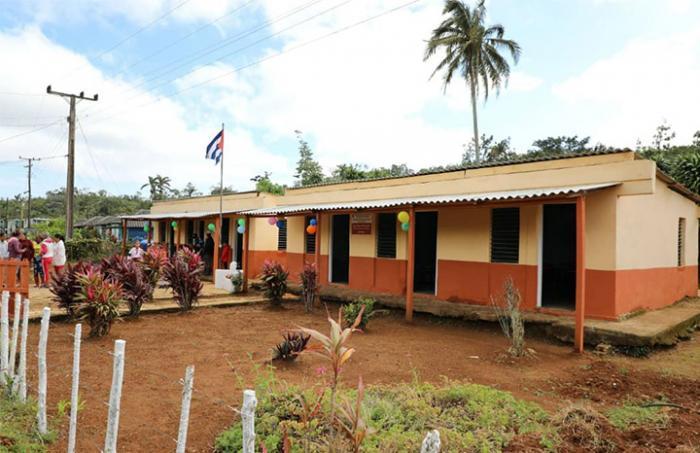
    The Alfredo López Pérez multi-grade school in the Santa Catalina community, which Hurricane Melissa reduced to rubble and isolated through road destruction, now stands fully operational. The institution has been transformed with fresh construction materials and new furniture, welcoming back its ten elementary students from grades one through five. The reopening ceremony was attended by Yoel Pérez García, First Secretary of the Communist Party in Guantánamo, alongside education officials and local government representatives.

    During the immediate aftermath of the hurricane, which caused substantial damage throughout eastern Guantánamo, the educational community demonstrated remarkable adaptability. Temporary learning spaces were established in private homes, agricultural cooperative facilities, and even beneath shaded outdoor areas. Particularly noteworthy was the solidarity shown by 23 mountain schools that expanded their capacity to accommodate students from neighboring institutions that had been completely destroyed.

    This collective effort ensured educational continuity in severely affected areas including La Tagua, Santa Catalina de Manuel Tames, Maisí, Imías, and Baracoa—regions that remained inaccessible for weeks following the hurricane. The successful restoration operation highlights how organizational unity and community cooperation can overcome significant natural disasters while maintaining essential public services.

  • Column: Eye-opener

    Column: Eye-opener

    Suriname’s football landscape has undergone a dramatic transformation since implementing the controversial sports passport system, with national team performances showing marked improvement. What began as a cautious approach by professional footballers has evolved into a strategic national development program that prioritizes quality over locality.

    The initial phase saw mostly late-career professionals joining the program, but as organizational structures improved, higher-caliber players gradually affiliated with the national setup. This quality injection has fundamentally challenged the position of locally-trained footballers in national selections, creating a divisive debate within Surinamese football circles.

    Despite evident progress, certain stakeholders continue advocating for mandatory inclusion of locally-developed players, claiming they match the capabilities of their internationally-trained counterparts. This perspective, described by critics as stemming from sentimental ‘tjepoti mentality’ rather than practical reality, ignores decades of disappointing results from sending underprepared local players to international competitions.

    Historical approaches saw numerous players dispatched without proper preparation, returning disillusioned while football authorities wasted crucial resources. Clubs failed to protect their players, and parents allowed their children to face these challenges without adequate support.

    The current football federation’s new direction faces opposition from forces creating subtle rivalries between players and their Netherlands-based families. This sabotage of the development project occurs even before youth players from renowned clubs have opportunities to demonstrate their capabilities.

    While Suriname possesses undeniable football talent, the development gap between locally-trained youth and those educated in advanced football nations like the Netherlands or America remains significant. The root cause appears to lie in training conditions, including knowledge resources and—most critically—the expertise of local coaches.

    Without discrediting locally-trained coaches, those who have experienced highest-level competition inherently bring different approaches and perspectives to player development. For local players to genuinely compete for national team positions without lowering standards, Suriname must recruit qualified coaches with top-level playing experience.

    A dual-track strategy is proposed: continue selecting foreign-developed youth players while simultaneously overhauling local youth development systems under qualified coaches who have played professionally. This requires establishing football schools for all categories of boys and girls staffed by former professional players with coaching certifications and modern training resources equivalent to top clubs.

    Only when these conditions are met can local footballers legitimately compete for national team selection based on quality rather than geographical origin—the fundamental principle driving sustainable football development.

  • National Congress ready to receive President Abinader for annual accountability address

    National Congress ready to receive President Abinader for annual accountability address

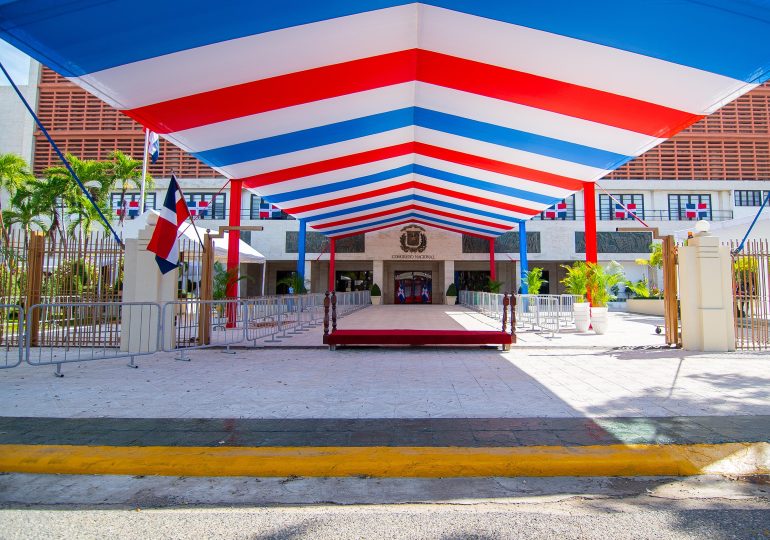
    Santo Domingo prepares for a significant constitutional event as President Luis Abinader finalizes preparations to deliver his accountability address before the National Assembly on February 27th. This address, occurring during the 182nd anniversary commemorations of National Independence, represents a mandatory presidential obligation under the Dominican constitutional framework.

    The National Congress Palace has undergone substantial renovations and logistical enhancements to host the ceremony, where President Abinader and Vice President Raquel Peña will receive formal military honors from a bicameral commission. This appearance marks the second accountability address of President Abinader’s current term following his successful re-election in May 2024.

    Comprehensive media coverage will feature 104 accredited news organizations alongside government press directors. The event will gather the complete legislative body of 222 congressional members—comprising 32 senators and 190 deputies—alongside diplomatic corps representatives, executive branch officials, autonomous institution leaders, prominent business executives, and political party delegates.

    The day’s proceedings will commence at 9:00 a.m. with the ceremonial opening of the first ordinary legislature for the 2026–2027 constitutional period. Subsequent events include the formation of bicameral commissions and a floral tribute at the Altar of the Fatherland. Senate President Ricardo de los Santos will formally inaugurate the joint legislative session preceding President Abinader’s address, which will comprehensively detail governmental budget execution, economic projections, and fiscal year priorities as constitutionally required.