The only content provided for processing consists of social media sharing action labels: “Share”, “Tweet”, “Share”, “Pin”. No full news text, core event details, source information, or related context was included with the input. Without complete core news content, it is impossible to conduct a full analysis, structural reconstruction, or comprehensive rewriting that meets journalistic standards. This input appears to be an incomplete fragment of web page interface code or social media metadata, rather than a full news article intended for processing.
博客
-
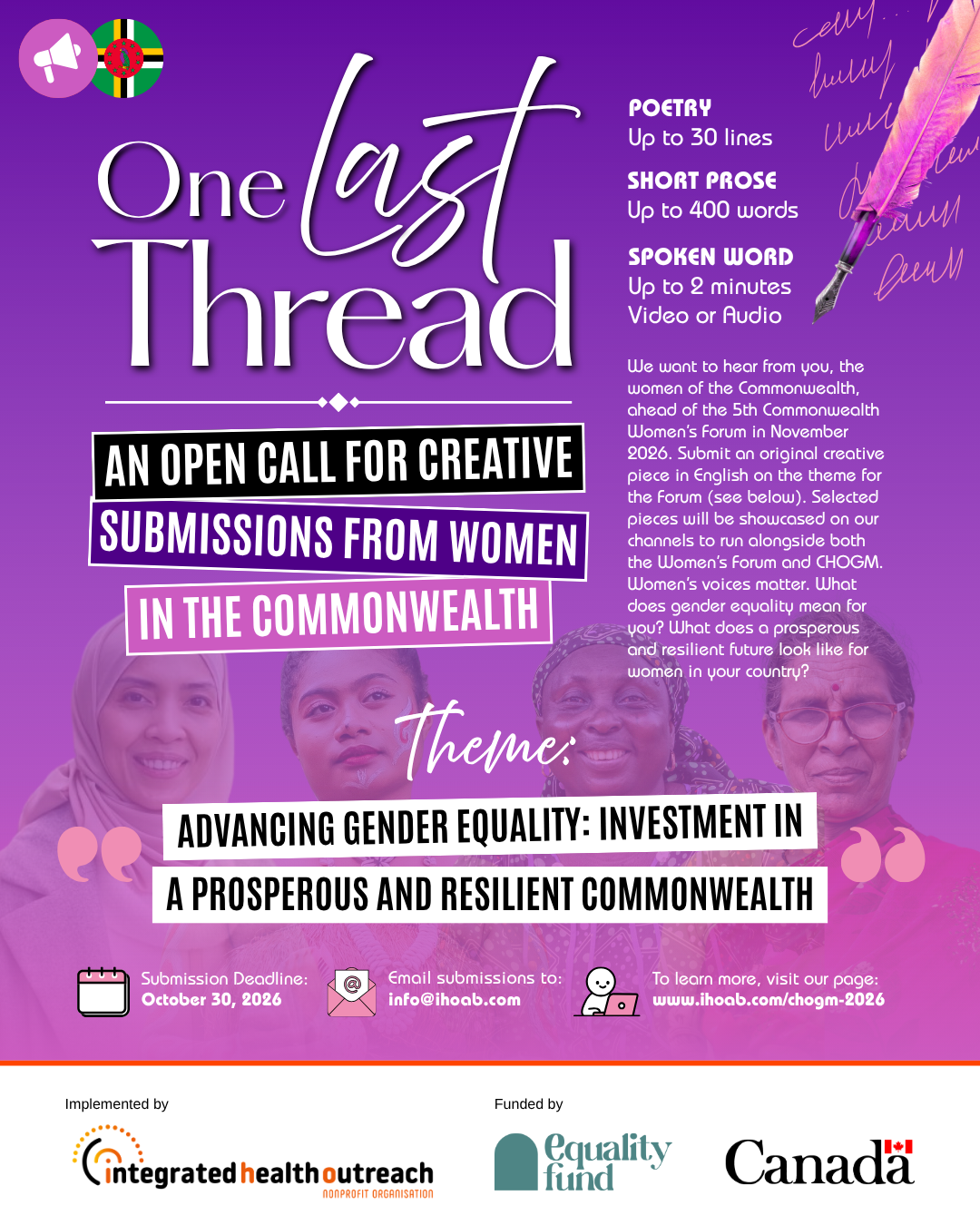
Women in Dominica invited to answer “One Last Thread” global creative call ahead of CHOGM 2026
As the 2026 Commonwealth Women’s Forum (CWF) approaches, an Antigua and Barbuda-based non-profit focused on gender, climate and health justice has launched a landmark global creative advocacy initiative to center women’s lived experiences in high-level policy discussions ahead of the November Commonwealth Heads of Government Meeting (CHOGM).
Integrated Health Outreach (IHO) officially announced the launch of “One Last Thread”, an open call that invites women from all 56 Commonwealth member states—including Dominica—to submit original creative works aligned with the 2026 CWF official theme: “Advancing Gender Equality: Investment in a Prosperous and Resilient Commonwealth”. Accepted works include original poetry, short prose, and spoken word audio or video recordings that reflect women’s personal experiences with gender equality and inequality across the bloc.
Unlike many top-level policy engagement efforts that leave grassroots communities on the margins, this campaign is designed to create an accessible, direct channel for women across the Commonwealth to shape the social priorities of both the CWF and the broader week-long CHOGM, which will bring heads of government and senior policymakers from across the bloc to Antigua in November. For IHO Executive Director Dr. Nicola Bird, meaningful progress on gender equity cannot be captured or advanced through economic metrics and official data alone.
“Prosperity and resilience cannot be measured only by data points and financial metrics. Vibrant grassroots participation is indispensable. And listening to the perspectives of women and girls is what should inform policymakers whether their actions are having an impact or not, and what needs to change,” Dr. Bird explained. She emphasized that the campaign acts as a global megaphone for unfiltered, authentic women’s experiences, pushing all stakeholders—from national governments and international bodies to civil society groups and private sector actors—to deliver tangible change rather than empty rhetoric at the 28th CHOGM.
“Through One Last Thread we are providing a global megaphone for the authentic and unedited realities of women across the Commonwealth as one more way of trying to ensure that all of us, from government, to civil society, to the business sector, to international organisations, remember that real people are counting on us to use platforms like CHOGM to achieve something tangible and meaningful, and not just empty talk,” Dr. Bird added.
The campaign accepts submissions in three specified formats, with clear content limits to encourage broad participation. Poetry submissions may not exceed 30 lines, short prose pieces are capped at 400 words, and spoken word submissions (video or audio, with video strongly encouraged) must run no longer than two minutes. All submissions must be written or recorded in English, and must be sent via email to [email protected] by 11:59 p.m. Atlantic Standard Time on October 30, 2026. Full submission guidelines are available on IHO’s official website at www.ihoab.com/chogm-2026.
Selected submissions will not be limited to circulation on social media: IHO plans to feature the chosen works across its official website, social media channels, and public side events during CHOGM week, when thousands of delegates and observers will gather in Antigua for the summit.
Founded and based in Antigua and Barbuda, IHO is a non-profit organization focused on advancing gender justice, climate justice, and health equity. Its core mission centers on empowering vulnerable populations, upholding universal human rights, and ensuring that grassroots civil society perspectives are embedded into national and international policy processes. The “One Last Thread” campaign is supported by The Equality Fund and Global Affairs Canada.
The CWF is a pre-summit official stakeholder gathering that runs alongside the biennial CHOGM, which is being hosted by Antigua and Barbuda this year. Across the 56-nation Commonwealth, advancing gender equity is recognized not just as a standalone social goal, but as a foundational pillar of sustainable development and democratic resilience. With women and girls accounting for more than half of the Commonwealth’s 2.7 billion total population, addressing long-standing systemic barriers including gender-based violence, economic exclusion, and structural inequality requires coordinated, intentional collaboration between governments and grassroots civil society organizations to deliver meaningful, inclusive progress.
-
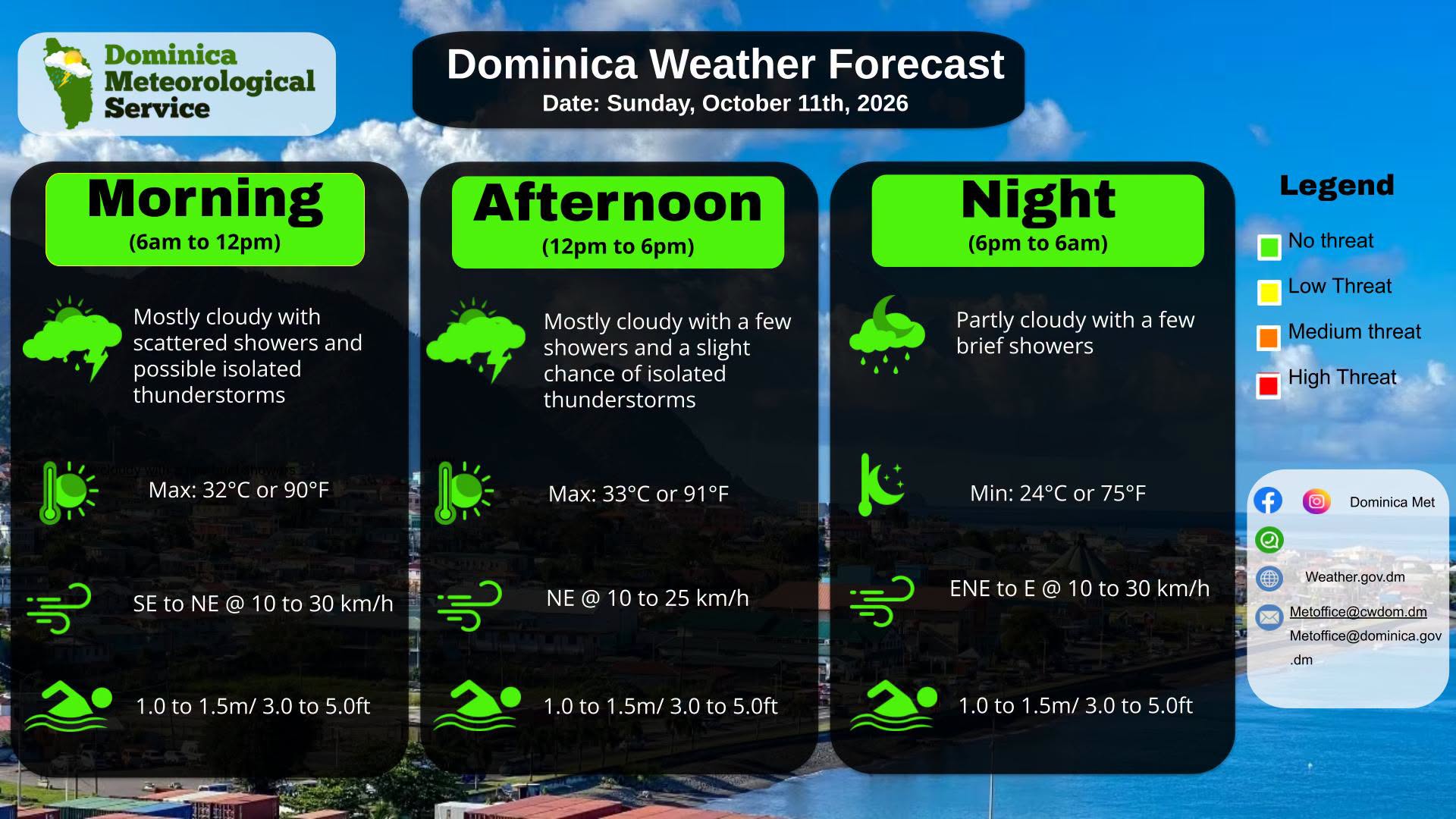
WEATHER UPDATE 11th October 2026 : Mostly cloudy with showers and possible thunderstorms mostly in the morning
The Dominica Meteorological Service has released an official forecast update, alerting residents to unsettled atmospheric conditions driven by a mid- to upper-level trough moving across the island nation. According to the advisory, the trough is expected to bring widespread overcast conditions to the entire area through the forecast period, with intermittent periods of rain that can reach moderate intensity at peak times.
Forecasters note that isolated thunderstorms are a distinct possibility, with the highest likelihood of these stronger storm cells occurring during morning hours. In response to the expected rainfall, authorities are urging heightened vigilance among residents living in topographically vulnerable zones, which are prone to flooding, landslides, and falling rock events. These areas have been flagged for extra precaution, as saturated ground can quickly lead to hazardous conditions even with moderate rainfall accumulations.
After the initial period of unsettled weather, the forecast calls for a gradual reduction in shower activity, with conditions expected to stabilize as the trough moves away from the region. Alongside the on-land weather outlook, the service also released an update on marine conditions across the island. Overall, seas across Dominica’s coastlines are expected to range from slight to moderate, with variation between the west and east coasts. On the calmer west coast, wave heights are projected to hover around 3 feet, while the more exposed east coast will see higher swells approaching 5 feet.
-
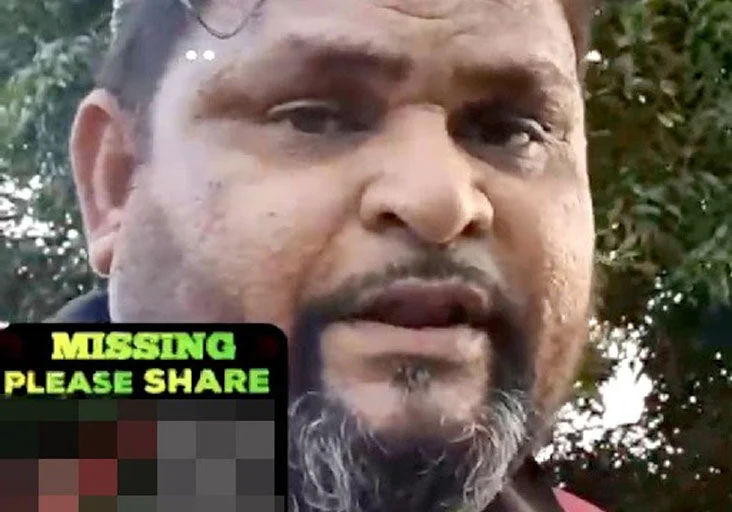
LIVESTREAM SPARKS OUTRAGE
After 25 days of being missing, a 13-year-old Trinidadian girl who had been removed from her mother’s custody amid a police investigation has been found safe. But what should have been a moment of relief quickly turned into national controversy, after a live social media broadcast by the leader of the search team exposed the minor’s identity and publicly reprimanded her, sparking widespread condemnation from the public, law enforcement, and the girl’s family.
The girl is now in the care of her aunt, who has emerged as one of the most vocal critics of how the recovery operation was handled. Speaking in a public video statement released this week, the aunt explained that she first learned her niece had been located not through official channels, but via social media. While she expressed sincere gratitude to all volunteers who dedicated time and resources to finding the teenager, she questioned the ethical judgment of broadcasting the minor’s face and interrogating her in front of a live audience.
“This is a minor, a child,” the aunt emphasized in her statement, noting that the girl had already been removed from her mother’s care over allegations of sexual abuse before she went missing. “Why did you all publish my niece and question her like that on public media?” She has since threatened legal action against the search team for defaming her niece, and pushed back against unsubstantiated claims that she refused to assist in the search. She also alleged that members of the search team entered her home uninvited, accessed her car without permission, spoke to neighbors without authorization, and spread false rumors about her.
In an official statement released yesterday, the Trinidad and Tobago Police Service (TTPS) confirmed that the teenager is safe and receiving targeted support from the Children’s Authority, and that the Special Victims Department has launched an investigation into the inappropriate public exposure of the minor. The girl was located on Friday by the Hunters Search and Rescue Team, led by Shamshudeen Ayube, who also found a 49-year-old man on the premises with the teenager. During the livestream, Ayube showed the girl’s unblurred face and publicly addressed her, saying, “You know you have been missing for days and you were with this fella, this kinda hardback man.”
The video quickly went viral, racking up more than 500,000 views, thousands of likes, and hundreds of shares across social platforms. Hundreds of users voiced their support for the teenager, condemning the public revelation of her identity, the condescending tone used to address her, and the unprofessional handling of a minor’s recovery. While a small number of users defended Ayube’s team, citing the grueling work of volunteer search operations, the overwhelming majority of public commentary has been critical.
The controversy has also exposed a rift between two separate groups operating under the same “Hunters Search and Rescue Team” name. A separate group led by veteran educator Vallence Rambharat, which formed during the high-profile search for Andrea Bharatt, issued a statement clarifying its long-standing policy for handling missing minors, developed in coordination with the TTPS. Under Rambharat’s team policy, once a missing child is located, the group immediately contacts the local police station responsible for the case to allow law enforcement to take custody of the minor. “We do not transport minors in our vehicles, nor do we publish their pictures,” the group stated, adding that it has always adhered to a policy of discreet collaboration with police in missing child cases. “In this said case, two adults are already before the courts because our team worked quietly with the police. A child is a child and we must respect that at all times.” The aunt also confirmed that she received consistent assistance from a member of Rambharat’s group, whom she knows as “Mr Hulk,” from the very start of the search.
When reached for comment by the *Sunday Express* amid the growing backlash, Ayube, a 2026 national award recipient whose team identifies itself as the “registered” Hunters Search and Rescue Team, pushed back against his critics. He argued that volunteer search teams face grueling conditions that most armchair advocates do not understand, noting that his team spent days searching through heavy rain, sweltering heat, and dangerous terrain to locate the teenager. “She is not the first and she will not be last. Tell them that the Hunters Search and Rescue Team is telling the advocates and the concerned citizens to join them when they are out on missions to look for missing persons, and see what they have to go through when they have to spend their own money from their own pocket and time to locate these individuals,” Ayube said. He added that he found the girl “lying in a drain in mud like a pig,” and argued that critics who stay at home instead of volunteering for search operations have no standing to complain. “Let them join up and see what we had to go through days of rain and night and sun to look for this girl… That is what you call advocate, not sitting down home and making money while children are missing.”
-
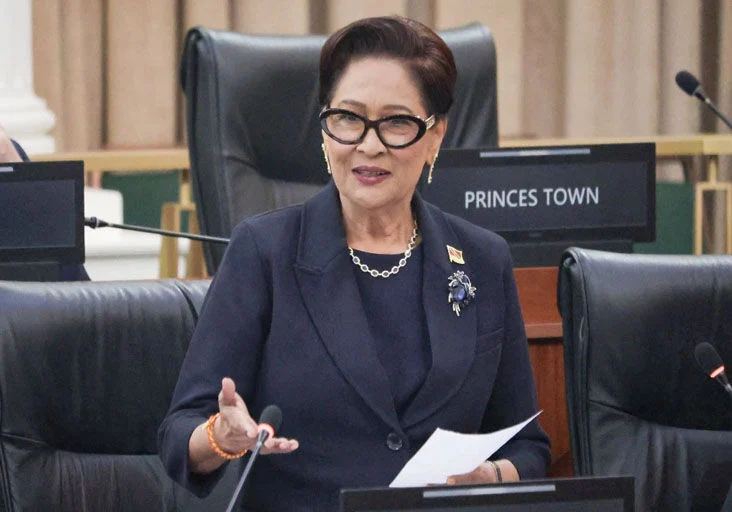
PM: No pressure, only progress ahead of budget
Ahead of Finance Minister Davendranath Tancoo’s presentation of the United National Congress (UNC) administration’s second national budget on the following day, Prime Minister Kamla Persad-Bissessar delivered a message of calm reassurance and measured hope to the people of Trinidad and Tobago. In an exclusive interview with the *Sunday Express*, the Prime Minister emphasized that the government remains laser-focused on advancing the public good, with core priorities centered on generating meaningful, long-term employment, expanding inclusive economic opportunity, and lifting overall quality of life for all citizens.
Persad-Bissessar acknowledged that the public is eager to see a full reversal of the country’s economic and social challenges, but stressed that national rebuilding is a gradual process that cannot be rushed. She framed the current government’s work as laying the critical groundwork for a safer, more resilient, and more prosperous future for Trinidad and Tobago, noting that the administration has spent its time in office undoing the damage left behind by the previous People’s National Movement (PNM) government while stabilizing national institutions.
“Transformation doesn’t happen overnight, but the wheels of progress are already turning, and we are fully committed to delivering lasting, meaningful results for the Trinidad and Tobago people,” she stated. “We are strengthening our systems, rebuilding our communities, and delivering on our promises. The results we have already achieved prove we are moving in the right direction.”
The budget, to be tabled less than a year after the UNC won the April 28, 2025 general election, will be rooted explicitly in the administration’s people-first governing philosophy, Persad-Bissessar confirmed. She explained that the document is designed to translate national development goals into tangible, visible improvements in the daily lives of ordinary citizens, rather than focusing on abstract economic metrics or symbolic projects.
“This budget embodies a people-centered approach to delivering the public goods and services that every community across Trinidad and Tobago depends on,” she said. The Prime Minister added that the government has already made substantial progress in fulfilling the campaign promises laid out in the UNC’s election manifesto, which forms the foundation of the administration’s governing agenda. Looking ahead, the next phase of national development will prioritize four key pillars: expanded employment opportunities, attracting targeted new investment, diversifying the national economy, and strengthening the public institutions that underpin long-term shared prosperity.
Persad-Bissessar emphasized that she maintains close, ongoing connections to the concerns of everyday citizens, making a deliberate effort to read the emails, text messages, and correspondence that members of the public send directly to her office. She understands that people want more than empty campaign promises or positive macroeconomic statistics – they want stable work, financial security, and the assurance that their children will have the opportunity to build successful lives at home in Trinidad and Tobago.
“People want to know that their hard work will pay off with a better quality of life, and that is what matters most,” she said. “At the end of the day, this budget has to mean something to the people who wake up every single morning to build this country. We know far too many families are struggling right now, and this UNC government will never turn a blind eye to that hardship.”
She added that the ultimate measure of the government’s success will not be counted in the number of new projects announced or the total value of investment secured, but in whether ordinary residents actually feel and experience meaningful improvements in their daily lives. “Our goal is a budget that delivers – one where the benefits actually reach the people who need them most,” she said.
One of the administration’s most significant achievements to date, Persad-Bissessar argued, has been the marked improvement in national security – a foundational step for broader economic recovery, she stressed. During the 2025 election campaign, the two top concerns raised consistently by voters were violent crime and widespread unemployment, and the UNC recognized from day one that no meaningful economic progress could be made without first addressing the country’s escalating crime crisis.
Persad-Bissessar pointed to the severe levels of violence that marked the final year of PNM rule, noting that 2024 saw 625 murders across the country, one of the deadliest periods in Trinidad and Tobago’s modern history. Beyond the devastating loss of innocent lives, including children, that wave of violence eroded investor confidence, deterred existing businesses from expanding, and blocked the creation of the sustainable jobs the country so desperately needs, she explained.
Under the current administration, an aggressive, targeted anti-crime strategy has already helped restore a broader sense of security and stability across the country, she said. The government has focused on dismantling transnational and local criminal networks, boosting resources and training for law enforcement, and ending the era of impunity that allowed criminal actors to operate openly. Today, Trinidad and Tobago is safer than it has been in years, creating an environment where businesses can invest with confidence, communities can grow and thrive, and citizens can pursue their goals without living in constant fear of violence.
Persad-Bissessar emphasized that economic expansion, foreign direct investment, job creation, and national security are deeply interconnected. As such, the progress made in tackling violent crime is not just a win for public safety – it is a core component of the government’s broader national economic recovery strategy, laying the groundwork for inclusive, long-term growth that benefits all sectors of Trinidad and Tobago society.
-

Man Shot Dead on Verandah
A shocking act of violence has left the Belize City community reeling after a 27-year-old man was shot and killed in a targeted late-night attack on a residential verandah. The incident unfolded on Friday, October 10, 2026, along Central American Boulevard, where the victim — identified as Jory Bowden, a resident of 11 Pelican Street — was sitting outside the home at 26 C.A. Boulevard when the gunman struck.
According to initial law enforcement reports, the attacker, who was fully clad in black clothing, scaled a perimeter fence surrounding the property before approaching Bowden from the direction of nearby Antelope Street. Just after 9:10 p.m. that night, police dispatch received an emergency alert that a shooting victim had been transported to Karl Heusner Memorial Hospital, the country’s primary public healthcare facility.
When uniformed officers arrived at the scene of the attack to launch their investigation, they recovered multiple expended bullet shell casings in the yard alongside a large pool of blood left by the mortally wounded victim. As of the initial breaking news release, authorities have not released additional details about a potential motive for the killing, nor have they announced any suspects taken into custody in connection with Bowden’s death. The killing has sparked renewed concern about violent crime in Belize District, where community leaders have repeatedly pushed for expanded public safety interventions to curb gun violence in residential neighborhoods.
-
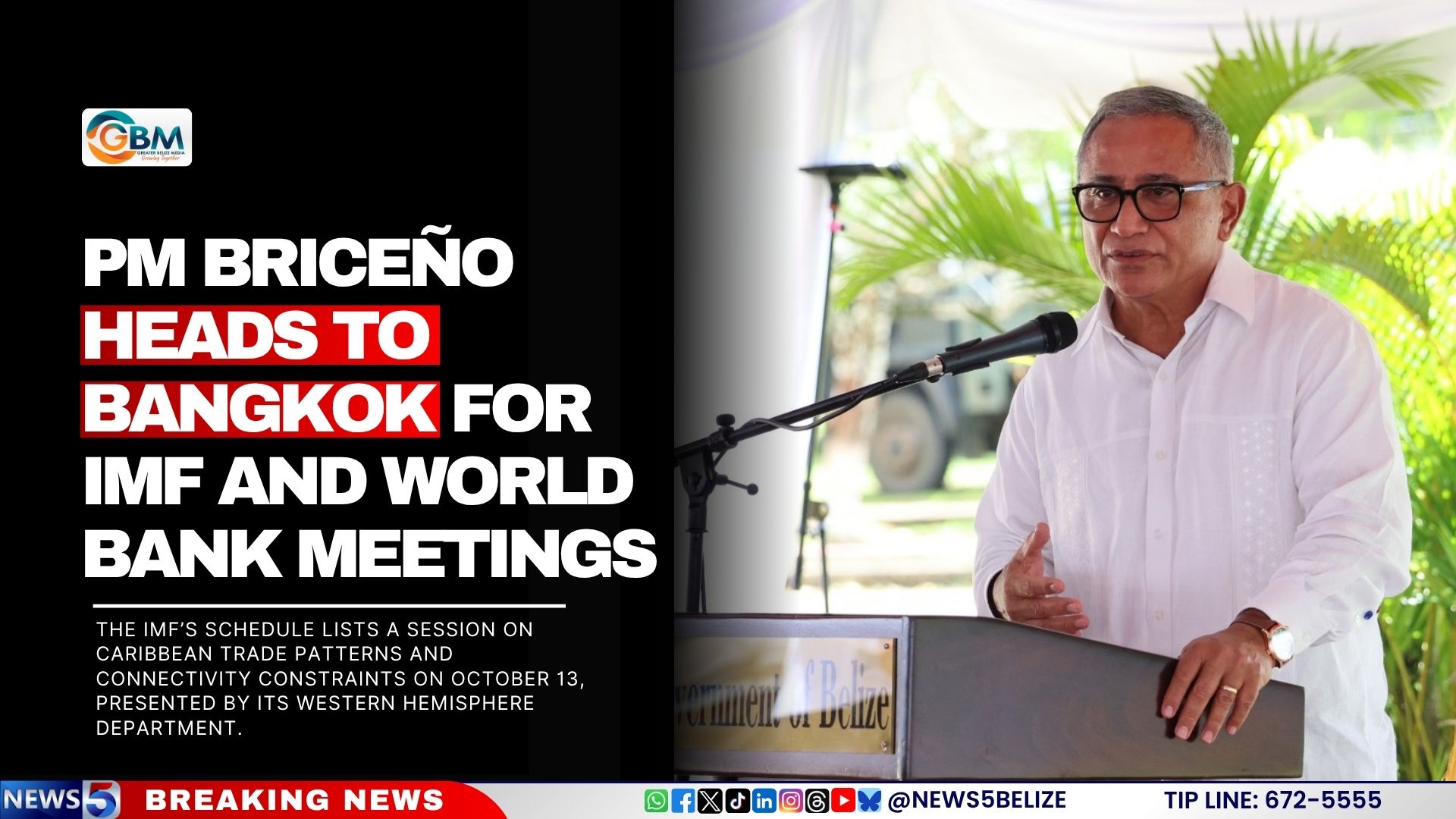
PM Briceño Heads to Bangkok for IMF and World Bank Meetings
Belize City, Belize – October 10, 2026. Prime Minister John Briceño has departed Belize en route to Bangkok, Thailand, where he will join global policymakers, development leaders, and civil society stakeholders for the 2026 Annual Meetings of the International Monetary Fund (IMF) and World Bank Group.
This year’s gathering marks the first time Thailand has hosted the annual event in 35 years, having last welcomed the international delegations back in 1991. Briceño is scheduled to participate in a full week of meetings from October 12 through 18, and will return to Belize on the final day of the summit. The Prime Minister’s Office has framed Briceño’s participation as part of the broader ancillary programming tied to the official annual meetings.
During the Prime Minister’s absence, Deputy Prime Minister Cordel Hyde – who also holds the cabinet portfolio of Minister of Natural Resources, Petroleum and Mining – will serve as acting prime minister, overseeing all executive functions of the Belizean government until Briceño’s return.
The week-long summit brings together thousands of attendees across sectors, including official government delegations from 189 member nations, senior IMF and World Bank staff, representatives from civil society organizations, and private sector stakeholders. The event’s agenda is packed with flagship discussions, policy dialogues, and working sessions focused on pressing global economic and development challenges.
On the World Bank’s side, key flagship events include an October 12 forum exploring the intersection of artificial intelligence and the future of work, followed by an October 14 session focused on strategies to mobilize private capital to expand global employment opportunities. The Development Committee is scheduled to convene on October 15, with the Annual Plenary Meeting set for October 16, and the plenary of the International Monetary and Financial Committee scheduled to take place on October 17. Throughout the entire week, parallel programming including a Civil Society Policy Forum, academic seminars, and stakeholder workshops will run alongside the official government proceedings.
For its part, the IMF has programmed a topical October 13 session led by its Western Hemisphere Department that will examine Caribbean trade patterns and long-standing connectivity constraints that impact regional economic growth. The session is expected to draw input from regional leaders including Prime Minister Briceño, who will represent Belize’s economic priorities and development needs on the global stage.
-
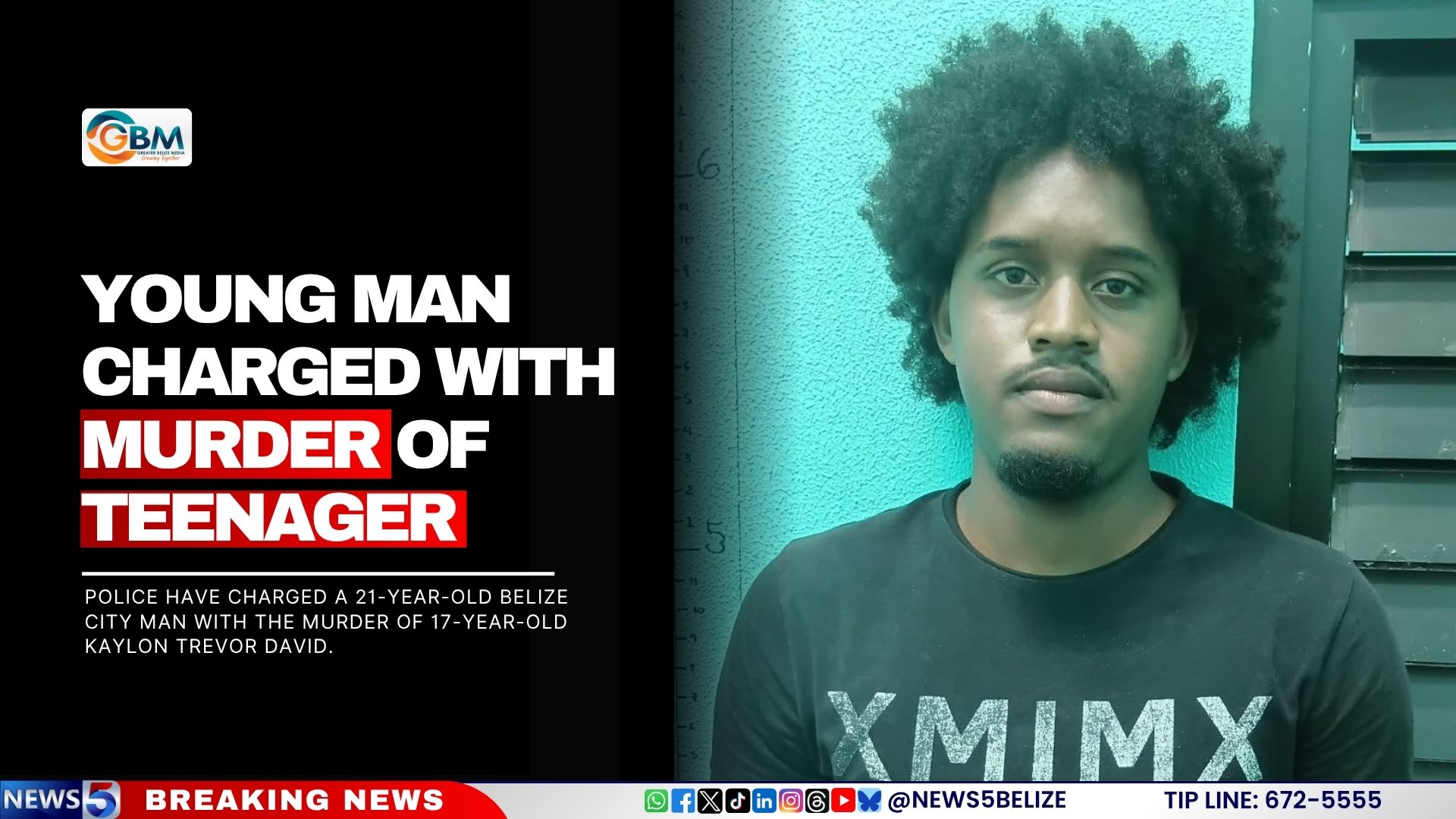
Young Man Charged With Murder of Teenager
A shocking fatal shooting in Belize City has left a local family grieving and law enforcement advancing with murder charges against a young local man. In a formal announcement released over the weekend, Belizean police confirmed they have charged 21-year-old Louis Maxwell Matthews, a welder and long-term resident of Belize City, with the murder of 17-year-old Kaylon Trevor David.
The tragedy unfolded on the evening of Thursday, October 8, 2026, when Kaylon was out walking along Iguana Street Extension. Police reports confirm that an unidentified gunman approached and opened fire on the teen, striking him multiple times. Emergency responders rushed the wounded teenager to the nearest local hospital, but medical providers were unable to save him, and he was pronounced dead shortly after arrival from his gunshot wounds.
In comments to reporters on Friday, Assistant Commissioner of Police Hilberto Romero, who leads the National Crimes Investigation Branch, outlined the progress of the investigation up to that point. By the time of Romero’s statement, investigators had already secured and were reviewing surveillance video footage from the area surrounding the shooting, and had taken one person of interest into custody. Investigators have noted that preliminary evidence points to the killing stemming from a long-running conflict between groups of young men in the neighborhood. Prior to the shooting, Romero confirmed, Kaylon and other individuals connected to the dispute had exchanged verbal threats, though law enforcement has not yet released any details about what triggered the initial disagreement. Importantly, police have confirmed that Kaylon had no prior criminal record.
For the David family, the violent loss of a young family member has left an unfillable void. In an emotional interview, Kensasha David, Kaylon’s older sister, remembered her brother as a warm, lively person who “was the life of the party” anywhere he went. She added that the family’s home would never feel the same, saying that the joy Kaylon brought to the space is gone forever.
As of the latest update, Matthews remains in police custody following his formal arrest and charge on Saturday, and investigators are continuing to piece together the full timeline of events leading up to the shooting to build their case.
-
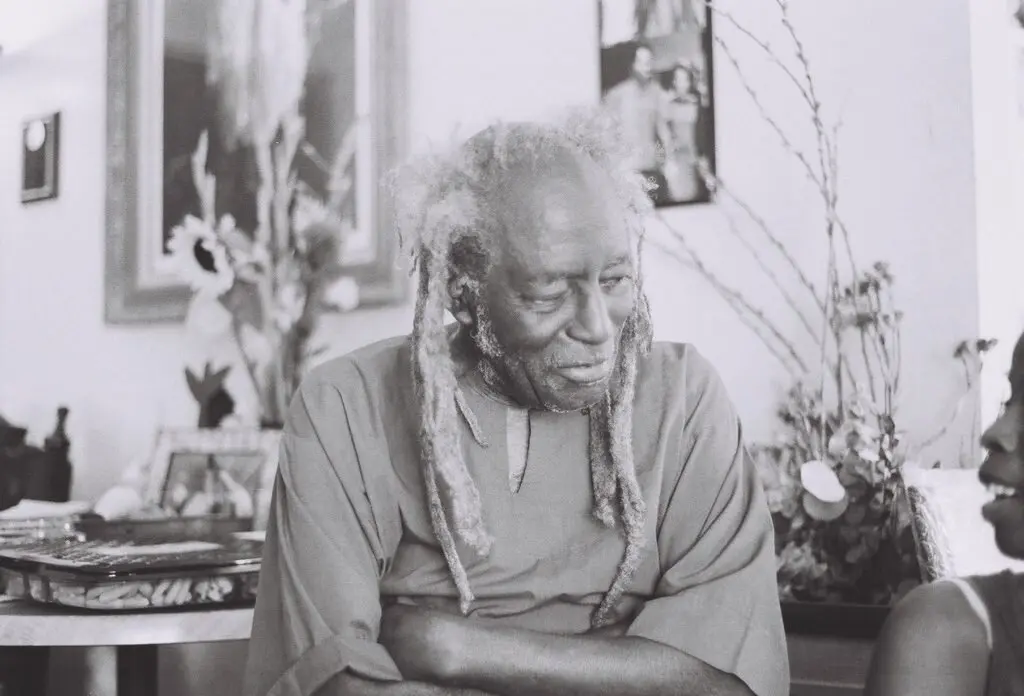
Eusi Kwayana dies
Guyana’s last surviving pioneering visionary of national independence and universal adult suffrage, Eusi Kwayana, passed away at the age of 101 on Saturday, October 10, 2026, at his residence in Atlanta, Georgia, United States. Over a life spanning more than a century, Kwayana shaped every phase of Guyana’s journey from British colonial rule to self-governance and independent statehood, leaving an indelible mark on the nation’s politics, culture, education and social fabric.
Born Sydney Evanson King in April 1925 in Lusignan, East Coast Demerara, Kwayana moved to the historically pivotal village of Buxton with his family at age seven. It was here that he first cultivated his commitment to grassroots community organizing, a value that would anchor his decades-long career. He entered public service extraordinarily early, working as a primary school teacher at just 15 years old, and by the 1940s, he had become active in local village affairs, laying the groundwork for his lifelong political activism.
In 1947, Kwayana joined a cohort of activists led by Dr Cheddi Jagan to co-found the People’s Progressive Party (PPP), the political force that would lead the charge for self-governance in British Guiana. When the PPP won the colony’s first election under universal adult suffrage in 1953, Kwayana took office as Minister of Communication and Works in the nation’s first elected government. That historic administration was cut short just months later, when British colonial authorities, alarmed by the PPP’s progressive agenda, suspended the colony’s constitution, removed the elected government from power, and reimposed direct rule. Kwayana was detained by colonial officials in 1954 during a widespread crackdown on anti-colonial organizing.
Following the 1955 split of the PPP into racially aligned factions, Kwayana’s political journey led him to the People’s National Congress (PNC), where he served as General Secretary and editor of the party’s official newspaper, *New Nation*, after earlier holding the role of Assistant General Secretary. A committed Pan-Africanist focused on advancing cultural consciousness and political empowerment for African Guyanese, Kwayana co-founded the African Society for Racial Equality (ASRE) in 1961, followed by the African Society for Cultural Relations with Independent Africa (ASCRIA) in 1964. It was during this period that he formally changed his name from Sydney King to Eusi Kwayana – a Swahili phrase meaning “Black Man of Guyana” – to reflect his political and cultural identity. He also held a series of key public roles through the 1960s and early 1970s, including head of the National Land Settlement Committee, chairman of the Guyana Marketing Corporation, and lead of the committee that established Guyana’s Cooperative Bank.
In 1974, Kwayana achieved another milestone in his political career when he co-founded the Working People’s Alliance (WPA), a multiracial progressive political movement focused on democratic participation, social justice, and working-class representation. He remained a committed member of the WPA for 52 years until his death, serving as an executive committee member, Member of Parliament, and de facto editor of the party’s publications *Open Word* and *Dayclean*. He worked closely alongside iconic Guyanese activist and scholar Dr Walter Rodney during the WPA’s formative years, and later documented Rodney’s life and assassination in the book *Walter Rodney: His Last Days and Campaigns*. In 1985, he became the WPA’s sole elected representative in Guyana’s National Assembly, serving during a pivotal era of political transition for the country.
Beyond electoral politics, Kwayana made far-reaching contributions to Guyana’s education and cultural life. In 1956, he founded County High School (later renamed Republic Cooperative High School) in Buxton and served as its principal, expanding educational access for working-class young people and strengthening community institutions. A prolific writer, playwright, and historian, he published more than a dozen major works examining core themes of Guyanese life, including colonialism, labor struggles, race relations, and political development. Notable titles include *The Bauxite Strike and the Old Politics*, *Scars of Bondage*, *Guyana: No Guilty Race*, and *Genesis of a Nation: The Indo-Guyanese Contribution to Social Change in Guyana*. He won the Best Play prize in the Youth Category at the 1965 British Guiana Drama Festival for *The Promised Land*, and in a unique contribution to Guyanese political culture, he wrote the iconic battle songs for the PPP, PNC, and WPA – the nation’s three major political parties.
In his personal life, Kwayana’s commitment to Pan-Africanism shaped his relationships. He married Tchaiko Kwayana, an American Pan-Africanist and civil rights activist, in 1971, with a wedding ceremony incorporating traditional Yoruba rites; she passed away in 2017. Kwayana retired from active public life in 2002 and relocated to the United States, where he remained until his death.
In an official statement announcing Kwayana’s passing, the WPA described him as the “Sage of Buxton,” noting that “his fingerprints and footprints are inseparable from 80 years of Guyanese history.” The party hailed him as a pioneer of Guyana’s post-colonial order, a leader who never compromised his integrity, and the modern founder of the nation’s independent radical political tradition. “Guyana has lost the last of its original independence visionaries — one of Guyana’s priceless gifts to itself,” the statement read, calling on Guyanese to celebrate Kwayana’s extraordinary life rather than mourn his passing.
WPA co-leader Professor David Hinds remembered Kwayana as one of Guyana’s most enduring political figures, whose legacy extended far beyond party politics to shape the nation’s collective identity. From grassroots community organizing to national government, from classroom teaching to published scholarship, Kwayana spent his 101 years advancing the causes of democracy, social justice, anti-corruption, and working-class welfare – leaving a legacy that will continue to shape Guyana for generations to come.
-
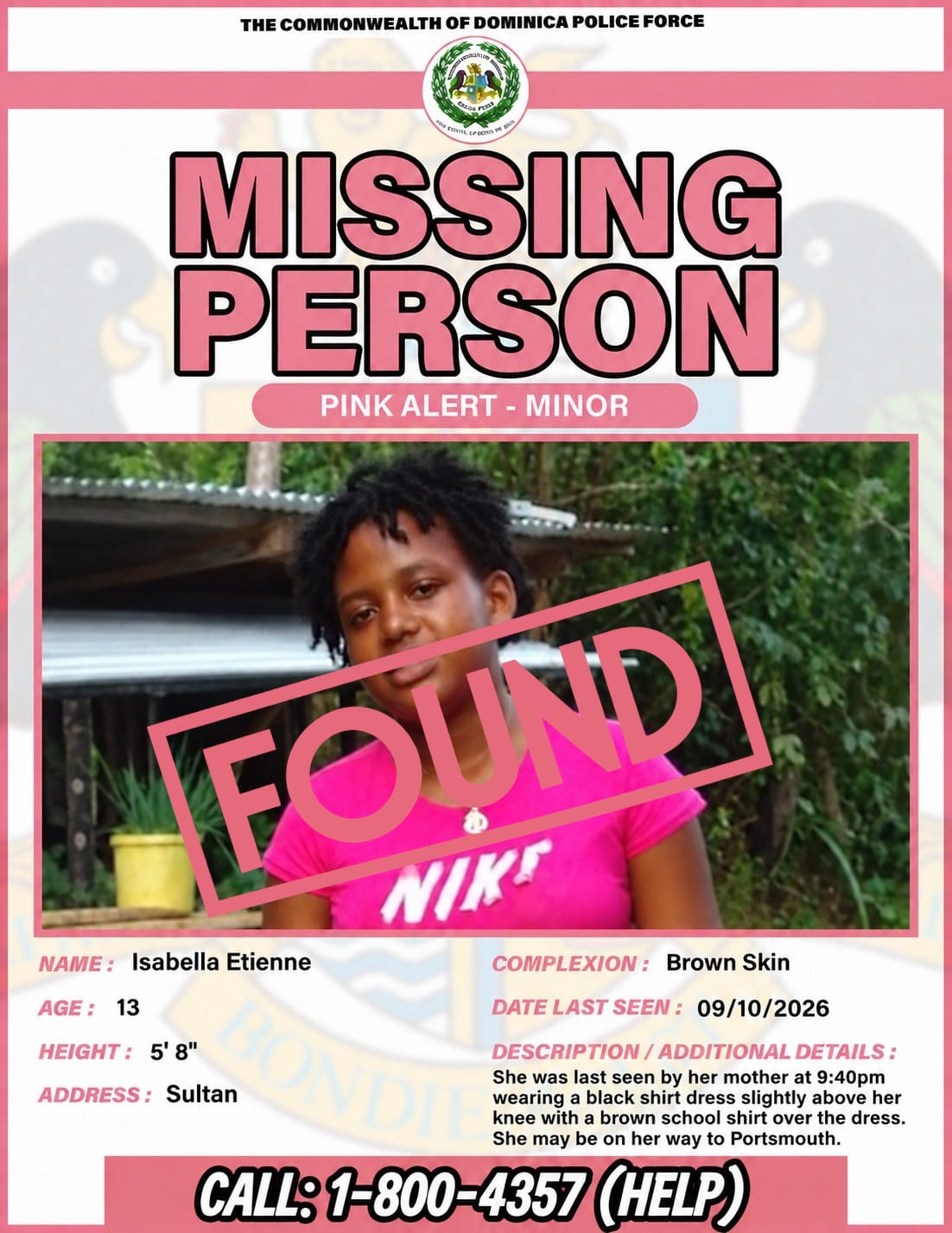
FOUND – Missing Person Pink Alert- Isabella Etienne
The input submitted for news processing only contains social media sharing buttons (share, tweet, pin) and a placeholder link to an image hosted on dominicanewsonline.com, with no substantive text of the original news article included. Without the full core content, background details, key claims, or contextual information of the original report, it is impossible to complete a comprehensive rewrite, fact-checking, or contextual analysis. The image link provided is also not accessible for content extraction in this processing framework, leaving no usable journalistic content to work with.