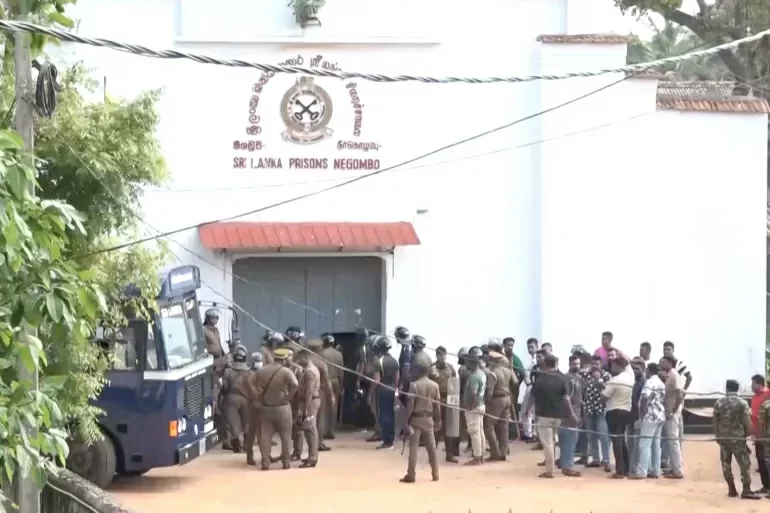
A violent riot that broke out at a high-security prison in Negombo, a coastal city roughly 35 kilometers north of Sri Lanka’s capital Colombo, has left at least 20 people dead and more than 100 others wounded, local law enforcement and media sources confirmed this week. The unrest first erupted on Sunday and continued into Monday, marking one of the deadliest prison incidents in the country in recent years.
博客
-
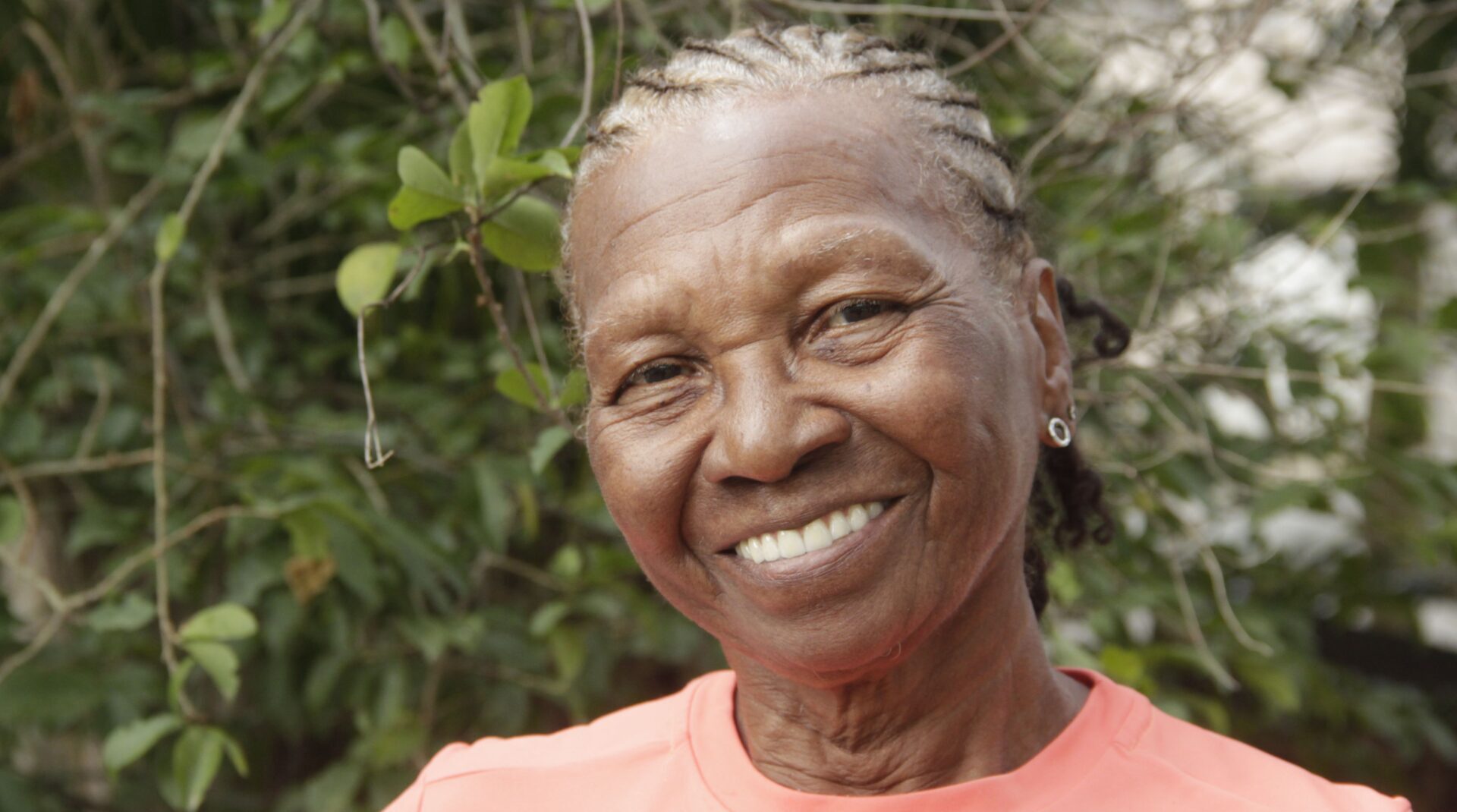
Dominica Council on Ageing to host forum on seniors’ legal rights and protection
Aging populations across the Caribbean face growing challenges around protection of personal rights, access to essential services, and prevention of abuse — and the Dominica Council on Ageing (DCA) is stepping forward to address these gaps with a upcoming public forum focused on empowering older residents and their support networks.
Scheduled to take place on Saturday, July 11, 2026, at 10:00 a.m. in the conference room of the Dominica Public Service Union, the open forum is targeted at a broad audience: current senior citizens, individuals approaching retirement, professional caregivers, and family members of older adults. Unlike closed, invitation-only policy events, this gathering is open to all interested members of the public, with no admission fee charged to remove barriers to access.
In an official press release announcing the initiative, the DCA laid out two core objectives for the panel discussion. First, the event aims to deliver clear, accessible education on a range of critical issues that impact the daily lives of older Dominicans. These topics span foundational needs including healthcare access, long-term financial security, safe and affordable housing, and the fundamental right of seniors to make their own personal decisions about their care and lives.
Second, the forum is designed to spark constructive dialogue and collective action to improve existing governance for older residents. Organizers noted that the discussion will push for reviews and updates to current legal frameworks that protect older persons, with a specific focus on closing gaps that leave seniors vulnerable to financial exploitation, physical abuse, and neglect. The ultimate goal of these reforms is to guarantee that older adults’ personal wishes and civil rights are fully respected across all areas of life.
To ensure the discussion is informed by diverse, expert perspectives, the DCA has assembled a cross-disciplinary panel of professionals to lead the conversation. Participating experts include two practicing attorneys, Singoalla Blomqvist-Williams and John Elue Charles, who will bring legal insight into existing rights and safeguards; psychiatrist Dr. Nadia Wallace, who will address mental health and autonomy issues; representatives from two major local financial institutions, the National Bank of Dominica (NBD) and the National Co-operative Credit Union (NCCU), who will cover financial protection topics; Mary-Therese Junkere, representing the Pharmaceutical Society of Dominica (PHARCS); and Ainsworth Irish, a representative of the DCA itself.
Organizers emphasize that the forum will deliver more than just information: it will also serve as a launching pad for sustained advocacy. By equipping seniors, their families, and community leaders with knowledge of existing rights, the DCA hopes to build a broader movement for stronger protections that uphold three core values for older Dominicans: dignity, personal safety, and independent living in later life. The council has urged all relevant community groups, including senior organizations and caregiver networks, to attend and contribute to the discussion.
-

CARICOM Chairman calls for integration that people can feel
On the evening of July 5, at the opening ceremony of the 51st Regular Meeting of the Conference of Heads of Government held in Sandals Grande, Saint Lucia, newly installed Caribbean Community (CARICOM) Chairman Philip J. Pierre laid out a transformative vision for his tenure, centering his leadership on a question that resonates with ordinary residents across the region: “What more can CARICOM do for me?”
Pierre, who also serves as Prime Minister of Saint Lucia, assumed the top CARICOM post on July 1. He was quick to clarify that the question does not represent criticism of the regional bloc, but rather a sincere call from residents grappling with a cascade of daily challenges. These pressures span soaring food and energy prices, the growing intensity of Atlantic hurricanes, erratic rainfall patterns that disrupt livelihoods, climate change-driven harms to farming and fishing communities, and widespread public anxiety over rising crime and violence.
In his keynote address, the new Chairman stressed that decades of regional integration must move beyond institutional processes to directly impact the daily lives of the 16 million people who call CARICOM member states home. He argued that the bloc’s work must transition “from conference rooms to communities; from rhetoric to reality; from communiqués to results,” shifting from an institution focused on policy agreement to one driven by tangible, on-the-ground implementation.
Outlining his vision for a people-first, action-oriented CARICOM, Pierre emphasized that his Chairmanship belongs not just to regional governments, but to the ordinary citizens the bloc was created to serve. Every major decision made by CARICOM, he said, should be evaluated by its tangible impact on residents’ daily lives. “It is not enough for our decisions to be recorded. They must be acted upon, measured, and followed through. My mantra is simple: Integration that our people cannot feel will not last,” Pierre told attendees.
At the top of Pierre’s priority list is strengthening regional unity, which he described as the foundational pillar of all future progress for the bloc. He noted that outside larger powers and global markets have long benefited from divisions among Caribbean nations, as a fragmented region is far easier to engage and influence on the global stage. By contrast, when CARICOM speaks with one unified voice, acts collectively, and negotiates as a single bloc, the region’s collective global influence grows exponentially. To advance this goal, Pierre pledged to work to ensure that no CARICOM member state ever feels unheard, overlooked, or isolated during his tenure. “Every voice counts. Every nation matters. Every citizen must be able to see themselves reflected in the work of CARICOM,” he said.
Beyond unity, Pierre outlined a broad slate of additional priorities for his term: advancing comprehensive citizen security across the region, leading global advocacy for climate justice for small island developing states, driving post-shock economic renewal, strengthening regional food and nutrition security, and centering inclusion for youth, women, and vulnerable groups in all regional development planning.
Young people will be a particular focus of Pierre’s Chairmanship, he confirmed, noting that more than 60% of CARICOM’s population is under the age of 30. The future of the regional integration project depends entirely on young people’s participation and their confidence in the movement, Pierre argued. Echoing the core question of his tenure, he noted that young Caribbean residents are asking whether CARICOM can deliver a viable future for them – and the bloc must answer that question not with empty slogans, but with concrete action.
Pierre also called for renewed investment in and support for CARICOM’s core institutional bodies, describing them as critical tools for boosting regional development and collective resilience. He noted that ordinary citizens often lack a clear understanding of how these institutions support daily life across the region, from advancing public health and coordinating disaster response to improving education standards, boosting cross-border security cooperation, and driving inclusive economic growth.
Established in 1973 via the Treaty of Chaguaramas (revised in 2001 to launch a single market and economy), CARICOM counts 15 full member states and six associate members, standing as one of the most successful examples of regional integration in the developing world. The bloc organized its work around four core pillars: economic integration, foreign policy coordination, human and social development, and security cooperation, with its administrative secretariat headquartered in Georgetown, Guyana.
-

CDPF investigates apparent suicide in Lagoon, Portsmouth
Authorities from the Commonwealth of Dominica Police Force (CDPF) have launched an active investigation into the sudden death of a 35-year-old man, whose body was found at a residential property in the Lagoon neighborhood of Portsmouth in what appears to be a suicide.
According to official police reports, emergency dispatch received the initial report of the suspected death at roughly 7:54 a.m. local time on Sunday, July 5, 2026. Patrol officers assigned to the Portsmouth Police District were immediately dispatched to the residential location to respond to the call.
When first responders arrived at the scene, they located the deceased individual identified as Maradona Melvon Bruno, a native of Savanne Paille who had been living at the Lagoon address where his body was discovered. A team of specialized law enforcement personnel, including investigators from the CDPF’s Scenes of Crime Unit, soon joined the response to conduct a thorough preliminary forensic examination of the site to gather evidence.
Following the initial assessment, a licensed medical doctor attended the scene and officially pronounced Bruno dead at the location. His remains were transferred to a local funeral home shortly after the on-site investigation concluded, where they will be held until a post-mortem autopsy can be performed to confirm the official cause and manner of death.
As of the latest update, law enforcement has not closed the case, and investigative efforts to fully map out the circumstances leading to Bruno’s death remain ongoing. In a public statement released following the discovery, the CDPF offered its heartfelt sympathies to Bruno’s family, extended family members, and close friends as they navigate this period of loss.
-
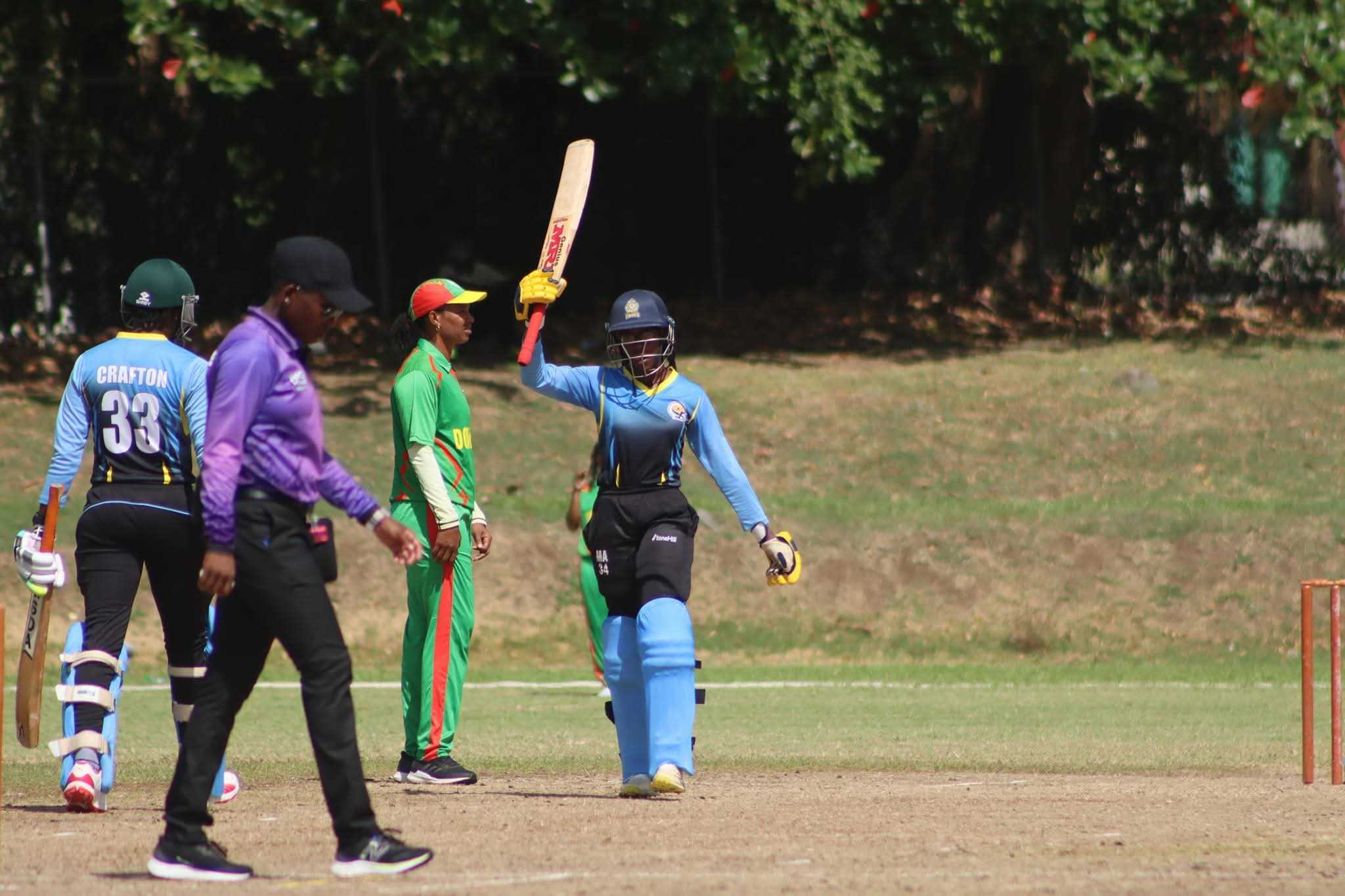
Domestic women’s T20 cricket gets underway
After a multi-year hiatus for local elite women’s cricket in Saint Lucia, competitive action finally returned on Saturday, July 4, as the first matches of the island’s new Women’s T20 Tournament got underway at the La Fargue Playing Field, hosted in the district of Choiseul. This 2024 edition marks the first official local women’s cricket tournament held on the island since 2021, bringing much-anticipated competitive play back to emerging female cricketers across the country.
The opening fixture of the tournament drew a lively local crowd for a hotly contested west coast derby between host side Choiseul and nearby district Laborie. In a rain-shortened 15-over per side format, Laborie won the toss and elected to bat first, posting a competitive total of 101 runs for the loss of 8 wickets. The innings was anchored by a standout individual performance from batter Skyy Smith, who remained unbeaten at the crease with a half-century off 43 deliveries, smashing six boundaries and one maximum over the rope to carry her side’s total. Choiseul’s spin bowler Swaylin Williams turned in a dominant performance with the ball, claiming three Laborie wickets for just eight runs across her three overs, putting the hosts firmly in control heading into their run chase.
A key source of Choiseul’s success came from unforced errors by Laborie, which conceded 34 extra runs through no-balls, wides and other deliveries that gifted free runs to the host batting line-up. Though Choiseul lost early wickets, an unbroken late-wicket partnership between Roylin Cooper and Alicia Herman steered the side across the finish line with overs to spare. Cooper finished unbeaten on 23 runs off 18 deliveries, including two fours, while Herman contributed a steady 22 runs off 29 balls. Choiseul reached the required 102 runs for the loss of just three wickets in 12.2 overs, securing a seven-wicket victory in the opening derby.
The second opening match of the tournament saw the Saint Lucia National Cricket Association (SLNCA) Development XI face off against South Castries, in another 15-over contest that went down to the final over. The Development side batted first and put up an imposing total of 147 runs for the loss of seven wickets, powered by a sensational opening partnership from star batters Namiah Marcellin and Natalia Phillip. Marcellin top-scored for the side with 60 runs off 44 deliveries, hitting seven fours and one six, while Phillip provided explosive support with 41 runs off just 26 balls, including five fours and a six.
In response, South Castries’ chase got off to a flying start thanks to a quickfire innings from West Indies international player Nerissa Crafton, who led the line with 35 runs off only 16 deliveries, knocking three fours and two sixes before being dismissed. With Crafton back in the pavilion, South Castries’ batting order struggled to maintain the required run rate, even as Krushner Joseph turned in a strong all-round performance for the side, claiming two wickets for 21 runs across three overs and taking a sharp catch in the field. Though the Development XI conceded an uncharacteristic 46 extra runs, the team’s leading stars Marcellin and Phillip delivered with the ball as well as the bat, each claiming two wickets. Marcellin notched two wickets for just seven runs in 1.5 overs, while Phillip took two wickets for 24 runs across three overs and completed a run out to cap her all-round performance. South Castries were bowled out for 140 runs in 14.5 overs, falling just seven runs short of the target and giving the Development XI its first win of the tournament.
-

Who is Jamir Nazir?
In May 2026, 62-year-old Jamir Nazir, a little-known writer from Cunupia, Trinidad and Tobago, was named the Caribbean regional winner of the 2026 Commonwealth Short Story Prize. Almost immediately, the announcement sparked global online controversy when unsubstantiated claims emerged that his winning submission, *The Serpent in the Grove*, had been generated by artificial intelligence. Last Tuesday, the Commonwealth Foundation, which administers the prestigious annual competition, ended the speculation with an official ruling: after a thorough investigation, the organization confirmed that Nazir had not used AI to create his story, and formally named him the overall winner of the 2026 prize, selected from more than 7,800 entries across 56 Commonwealth nations.
For the first time since the controversy erupted, Nazir opened up about the ordeal, his lifelong passion for writing, and the personal roots of his award-winning story in an exclusive interview with Trinidad’s *Sunday Express*, held at his family home in Cunupia last Friday.
Nazir’s journey as a writer began far from the international literary spotlight. Born the eldest of three children to a working-class Indo-Trinidadian family, he grew up in a small rural sugarcane village along Reform Road in South Trinidad. His father, a field worker on the Reform Sugar Estate who has since passed away, and his 81-year-old mother never had the chance to attend secondary school, and they impressed on their son from a young age that education was the only path to upward mobility. Following his primary education at Reform Presbyterian Primary School and secondary schooling at San Fernando Government Secondary School, Nazir enrolled in agricultural studies at the University of the West Indies St. Augustine campus. He met his wife there at age 21, and the couple, who just celebrated their 42nd wedding anniversary, migrated to the United States a year later. There, Nazir completed a Bachelor of Science degree and an MBA in financial services before returning to Trinidad three years later. He launched a long career in the insurance industry, holding senior leadership roles at regional and local firms, before transitioning to public service, where he spent six and a half years as Head of Policy and Strategy, and later Director of Strategic Services, in Trinidad and Tobago’s Office of the Prime Minister. He retired from public service in 2017 due to declining health, though he continued to work as an independent consultant for private firms.
Writing has been a constant, private passion for Nazir since he wrote his first poem at age 10. Over the decades, he published two volumes of poetry independently: *Night Moon Love* in 2017 and *One a Day* in 2019. He never sought the limelight of the literary world until he decided to enter the 2026 Commonwealth Short Story Prize, a competition he was confident he could win. “I said I could go and win this thing. I could write, I know I could write, so I said let me, and I started to think about what would be an appropriate story,” he explained.
The allegations that he relied on AI to create *The Serpent in the Grove* have taken a significant toll on Nazir and his family, especially his elderly mother and wife. For months, the writer chose to stay silent amid the online vitriol, a decision he says was rooted in an agreement with the Commonwealth Foundation that regional winners would not comment publicly during the investigation to avoid inflaming tensions. “I saw people being very nasty to me, and I was really tempted, and then I stopped looking at any comments on Facebook and thing,” he recalled. “This demoralised me for a bit. So, this is the challenge now that all this that they’ve caused now has sort of shadowed the success.”
In his first public response to the claims, Nazir flatly denied using generative AI to write his story, noting that the tools are far from capable of producing original, resonant work that meets competition standards. “I didn’t need to use it because I had no need… This story, I didn’t need to get it from nobody. This story can, as I say, write itself because it is my experiences,” he told the *Sunday Express*. He did acknowledge that he used his smartphone’s speech-to-text functionality to draft the story, a necessary accommodation for the chronic neuropathy he lives with, which makes typing impossible. “If I didn’t have that, I couldn’t do this,” he said. Because his phone only displays three lines of text at a time, Nazir explained he was able to polish each section of the story slowly and deliberately, line by line, resulting in a tightly crafted final text that some mistook for AI output. “When you put them together, everything polished now,” he said.
A self-described commentator on artificial intelligence who often posts about the technology on LinkedIn, Nazir pushed back against claims that AI detectors, which flagged his work as AI-generated, are reliable tools. “I suspect they know nothing about AI because if they knew about AI, they wouldn’t be just taking things from other people and copying it, and they should know that AI detectors are notoriously unreliable. People make all kinds of claims that this AI detector is 100% reliable. Total crazy,” he said. Unlike the large language models at the center of today’s AI boom, Nazir said his interest in AI focuses on medical diagnostic applications, not creative writing: “What is really the AI I was interested in (is) not large language models; that is a piece of crap. I was thinking AI that will diagnose diseases and conditions.”
Nazir’s health struggles have been a long-running part of his life: he was born with diabetes, which progressed to kidney failure in 2019 and required a kidney transplant in 2021. Just recently, he was diagnosed with cancer and continues to undergo chemotherapy. Even amid these challenges, he spent more than five months refining *The Serpent in the Grove*, drawing directly from his childhood memories growing up in a rural Trinidadian sugarcane village to craft the story. Though the narrative is fictional, all of its core characters and settings are drawn from real life, lightly modified to fit the plot. The story’s main character, Vishnu Mohammed, is shaped by Nazir’s childhood memories of walking home from school past three village rum shops, where sugarcane workers would spend their entire paychecks on alcohol, leaving their families to suffer. “We knew how bad alcohol and the scourge of it was and how it affected people’s lives and family. So, that stuck with me,” he said. One of the story’s supporting characters, Zoongie, who works at a local rum shop, was first conceived 25 years before Nazir completed the story. Every location in the narrative, except for a central well, is based on an actual place he knew growing up. He submitted multiple draft versions of the story to the Commonwealth Foundation during the investigation to prove his iterative writing process.
The judging panel for the 2026 prize described *The Serpent in the Grove* as “an original, poetic and deeply moving story”, a rhythm that Nazir credits to his decades of experience writing poetry. “I had a good story there. You know why? It was from real life, and I thought it would resonate with people,” he said. “I felt it was real, that it would have been able to appeal to people. As one of the judges said, the rhythmic flow was almost musical, and that came because I used to write in poetry. So, it’s the same style, without even thinking.”
Now officially exonerated and named the overall winner of one of the world’s most prestigious short fiction competitions, Nazir says the simple truth of his authorship speaks for itself: he never needed AI to create a story rooted in a lifetime of personal experience.
-

Nature Island Innovators Robotics Camp to equip Dominican youth with technology and leadership skills
Young Dominicans from all corners of the island are about to get a transformative opportunity to dive into the fast-growing fields of robotics, coding, and creative innovation next week, as the Nature Island Innovators Robotics Camp prepares to kick off at Portsmouth Secondary School. The 6-day event, scheduled to run from July 13 to 18, 2026, is the latest initiative from The Duke of Edinburgh’s International Award – Dominica, organized to arm the next generation with the core competencies they need to thrive in a rapidly digitizing global economy.
In an official press release announcing the camp, organizers outlined that the program will be delivered in partnership with Innovate My World, a group focused on expanding tech access for young people. Unlike traditional classroom learning, the camp will center entirely on immersive, hands-on engagement that gets participants actively building and problem-solving from day one. Attendees will tackle structured robotics engineering challenges, work through interactive coding workshops designed for a range of skill levels, collaborate on group projects that test communication, and participate in targeted activities to boost critical soft skills ranging from adaptability to creative thinking.
Program designers emphasized that the camp serves a dual purpose: beyond building foundational technical knowledge in emerging tech fields, it is explicitly crafted to nurture leadership capacity and other transferable life skills that benefit young people across all career paths.
The event will wrap up on July 18 with a public closing ceremony, where camp participants will showcase the full projects they developed throughout the week to attendees, organizers, and community partners. Every participant will walk away with an official certificate of completion to mark their achievement, while standout contributors will earn special recognition through category-specific awards highlighting innovation, teamwork, and technical skill.
Organizers reiterated that the robotics camp aligns with The Duke of Edinburgh’s International Award – Dominica’s long-standing mission to expand accessible development opportunities for young people across the island and drive inclusive youth growth. The initiative would not have been possible without the collective support of a wide network of local stakeholders, including leading financial institutions the National Development Foundation of Dominica (NDFD), National Cooperative Credit Union (NCCU), National Bank of Dominica (NBD), and Republic Bank, along with local private enterprises J. Astaphans & Company and Fine Foods Inc. Additional backing comes from the regional Caribbean Digital Transformation Project and the national Ministry of Culture, Youth, Sports and Community Development, reflecting cross-sector commitment to investing in Dominica’s youth.
-

Saint Lucia earn six medals at ANOCES Athletics
Against all odds, a six-athlete delegation from the Caribbean island nation of Saint Lucia delivered a standout performance at the 2026 ANOCES Athletics Championships, securing six total medals including three golds to cap an unforgettable weekend of competition in Basseterre, St Kitts & Nevis. Held 4–5 July at the Kim Collins Athletic Stadium, the regional meet brought together top track and field talent from across the Organisation of Eastern Caribbean States (OECS), organized by the Association of National Olympic Committees of the Eastern Caribbean. Out of nine competing nations, Saint Lucia – with one of the smallest rosters in the entire field – claimed seventh place overall in the team standings, an achievement made all the more impressive by its dominant individual results.
Leading the charge for Saint Lucia was 17-year-old sprint phenom Jady Emmanuel, a native of Laborie who already carried a reputation as one of the Caribbean’s rising young stars following her double gold win at the 2025 CARIFTA Games. Emmanuel did not disappoint, shattering both the venue record and her own personal best to take gold in the women’s 100m final with a blistering time of 11.39 seconds. Held directly to a final on Sunday, the race saw Emmanuel outpace second-place finisher Geolyna Dowdye of Antigua & Barbuda (11.47) and bronze medalist Soniya Jones (11.64) to claim the top spot. With a legal +0.7 m/s tailwind backing her run, Emmanuel’s time ranks as the 10th fastest ever posted by an Under-18 female sprinter globally this year. The result also punched her ticket to next month’s World Athletics Under-20 Championships in Eugene, Oregon, marking a major career milestone for the teen talent. Prior to this meet, Emmanuel held Saint Lucia’s existing national Under-18 100m record with a 11.50-second run posted in 2025.
Emmanuel was far from the only Saint Lucia athlete to stand atop the podium at the championships. Joy Edward, a thrower competing for the University of Charleston, claimed the women’s shot put gold in dominant fashion. On her very first attempt, Edward launched the shot 14.56m – a mark that would ultimately hold up for gold. Though the result fell short of her own national record of 15.63m, Edward was the only competitor in the field to record a throw over 14 meters, hitting the 14-meter benchmark on four of her six total attempts.
Rounding out Saint Lucia’s three gold medals was 400m runner Hannah Charles, who trains in Jamaica. Running from Lane 5, Charles crossed the finish line in 54.86 seconds, finishing well clear of silver medalist De’Cheynelle Thomas, a former CARIFTA champion representing host nation St Kitts & Nevis, to take the top spot.
The island’s medal haul began on the opening day of competition, when Naya Jules claimed Saint Lucia’s first medal of the meet with a bronze-winning throw of 41.98m in the women’s javelin. Two silvers were added to the team’s total on the final day of competition. Khailan Vitalis, who is set to represent Saint Lucia at both the upcoming Commonwealth Games and Central American and Caribbean Games, took silver in the men’s sprint hurdles, finishing in 14.43 seconds behind winner Tejaun Webbe of host St Kitts & Nevis, following a late non-start from Grenada’s Kyle Nedd that left the field undersubscribed. In the men’s 100m, Stephan Stephen earned silver after entering the final as the top qualifier. Stephen clocked 10.37 seconds in the preliminary round to lead the field, before running 10.41 seconds from Lane 4 in the final to finish second behind Jaleel Croal of the British Virgin Islands, who took gold in 10.19 seconds.
In the final team rankings, host St Kitts & Nevis claimed first place with 180 total points, followed by Antigua & Barbuda in second with 171 points. St Vincent & the Grenadines took third with 134 points, just edging out the British Virgin Islands (130 points) for the podium spot. Despite sending just six competitors, Saint Lucia amassed 70 total points to secure seventh place in the final standings, turning a small roster into one of the meet’s most talked-about successful campaigns.
-
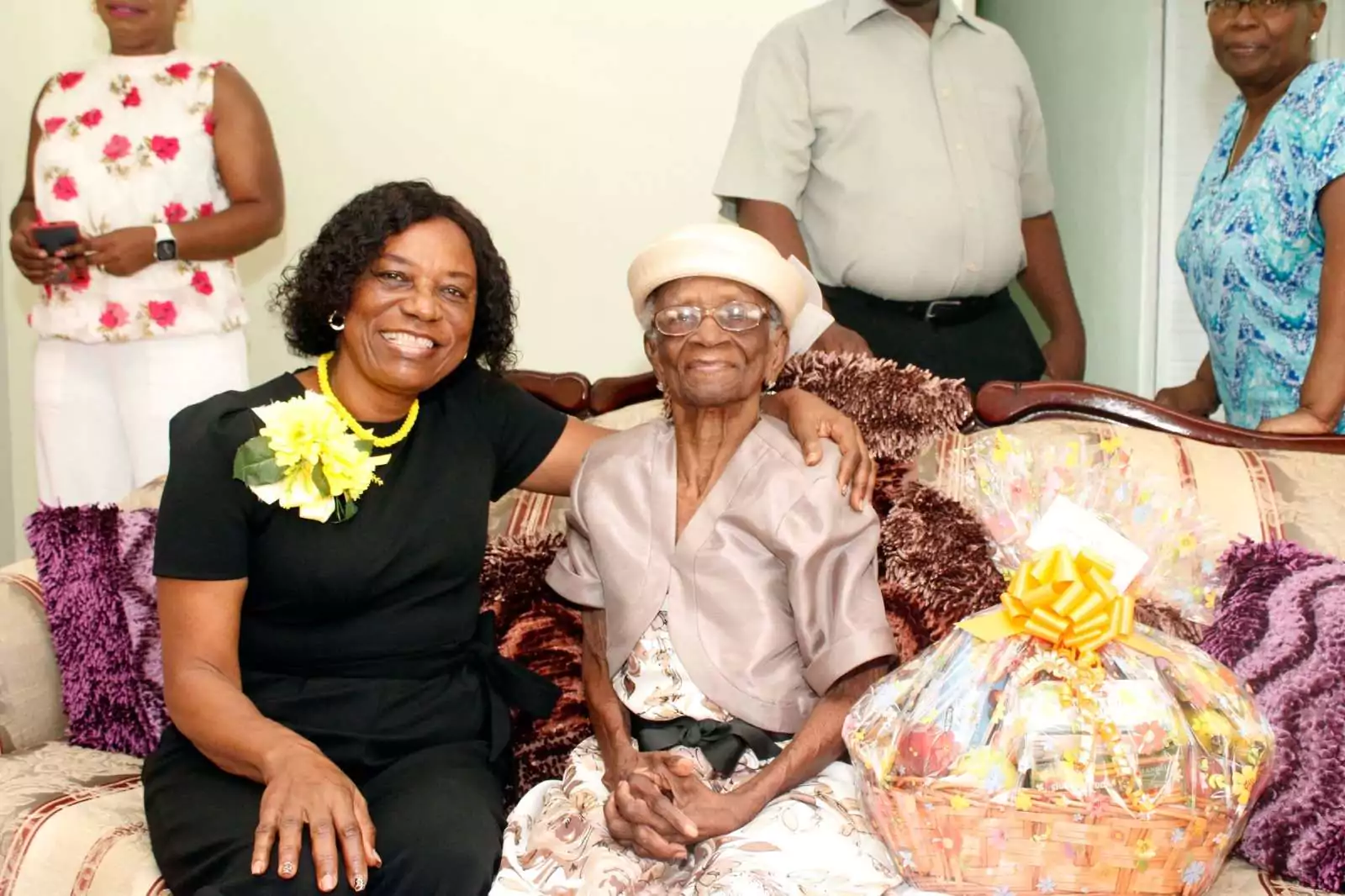
Antigua’s oldest known resident celebrates 103rd birthday
The oldest documented living citizen of Antigua and Barbuda, Irenie Mussington, has marked her 103rd birthday surrounded by love, official recognition and warm tributes from the nation’s highest leaders, family members and countless well-wishers across the country.
Born on July 4, 1923, Mussington’s life has been defined by quiet resilience and persistent hard work from her earliest years. When she was just nine years old, she lost her mother, a devastating loss that forced her to leave formal education just two years later to step into a caregiving role for her injured grandmother. To support herself and her family, she took up work as a domestic helper, shouldering adult responsibilities long before most girls her age.
At 18, Mussington took a bold step to build her own livelihood, launching an independent small business as a street vendor. She started by selling handcrafted homemade sweets, gradually growing her enterprise to include locally produced beverages and clothing items. For more than six decades, she ran her small trading operation out of St. John’s, continuing her work until she retired at the age of 83.
Beyond her professional tenacity, Mussington has built a sprawling, loving family: she is a mother of three, grandmother to nine, and great-grandmother to another nine children. Governor General Sir Rodney Williams lauded Mussington as a shining model of resilience, relentless work ethic and committed service to local communities across the nation. During his weekly public broadcast, Prime Minister Gaston Browne echoed this praise, calling her “a national treasure” and extending his warmest birthday wishes to the centenarian. To commemorate her extraordinary 103-year milestone, the government of Antigua and Barbuda presented Mussington with a 10,000 Eastern Caribbean dollar cheque as a formal recognition of her legacy and lifetime of contribution.
-
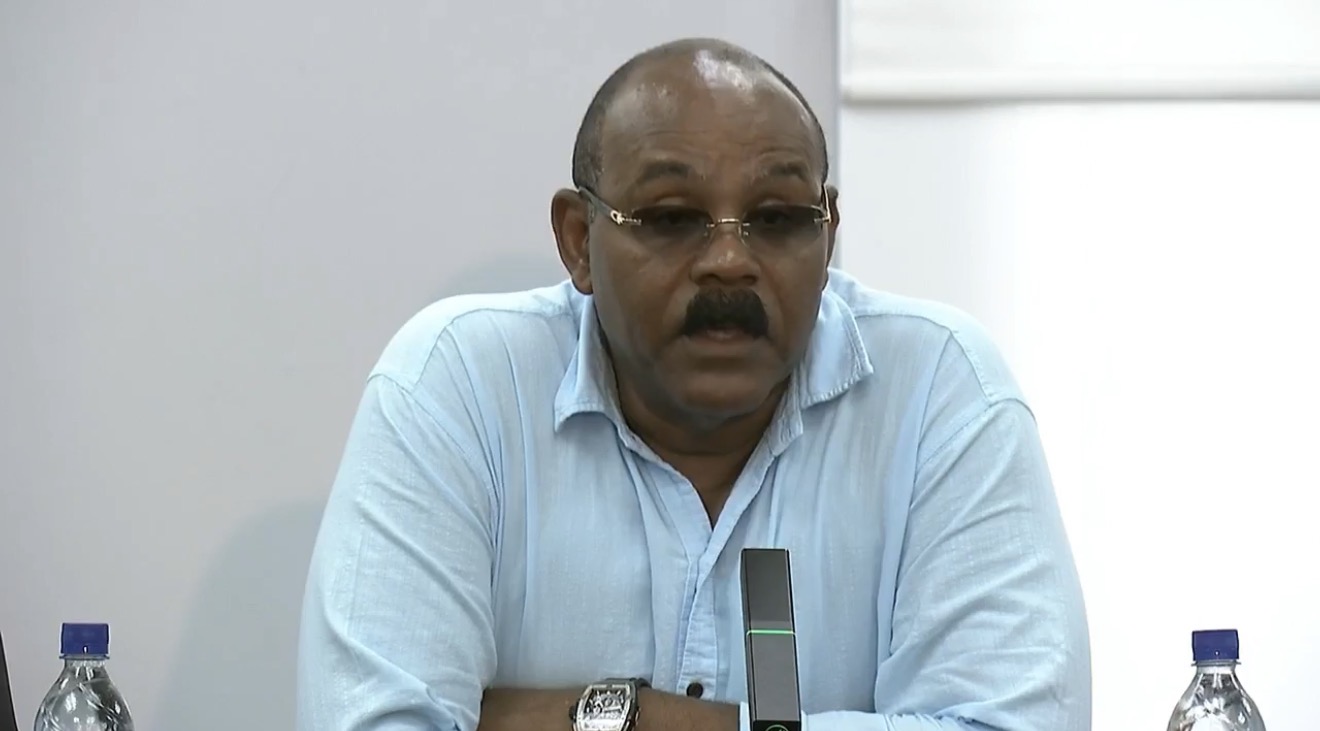
Antigua and Barbuda to Push CARICOM for Longer Suspension of Common External Tariff
As the Caribbean Community (CARICOM) prepares to convene its annual Heads of Government meeting in Saint Lucia, Antigua and Barbuda has laid out a clear, cost-of-living-focused policy agenda centered on reforming the bloc’s core trade framework. Prime Minister Gaston Browne outlined his country’s priorities in an interview on the *Brown and Brown Show* on Sunday, confirming that Antigua and Barbuda will lead a push to extend and broaden the current suspension of the Common External Tariff (CET) — a regional import duty applied to all goods entering CARICOM from non-member nations.
The existing CET suspension, currently capped at a one-year term, has already helped bring down prices for imported goods across the bloc. Browne argues that this temporary relief needs to be expanded to deliver sustained relief for households grappling with rising living costs. “We’ll certainly be one of the countries that’s going to push for a reduction in the cost of living by asking for a continued suspension of the CET,” Browne told listeners. “I know it’s on a yearly basis. I think we should go to at least two years in the suspension of the CET.” Beyond extending the timeline, Antigua and Barbuda is also calling for the suspension to be broadened to cover more product categories, unlocking additional price cuts for consumers.
To complement the CET reform, Browne says Antigua and Barbuda will also advocate for expanded access to lower-priced imports from the Dominican Republic, a non-CARICOM neighbor with competitive production in multiple key sectors. To back this proposal, the prime minister has already instructed the country’s Ministry of Trade to compile a detailed list of goods that the Dominican Republic can supply at lower costs than existing intra-CARICOM suppliers. This move is part of a broader regional strategy to tame persistent inflationary pressures that have strained household budgets across the Caribbean in recent years.
Browne also highlighted that CARICOM is currently advancing a new trade agreement with Colombia, which would open doors for member states to access a wider range of competitively priced goods. Leveraging its existing robust shipping connections to Panama, the Dominican Republic, and key South American markets, Antigua and Barbuda stands ready to act as a regional distribution hub for these lower-cost imports, the prime minister noted, positioning the country to support the entire bloc’s cost-reduction goals.
While short-term trade adjustments are critical for immediate relief, Browne emphasized that long-term, sustainable reductions in the cost of living will require deeper structural change. “Ultimately, we will be able to reduce the cost of living by growing our own produce and having our own meats,” he said, calling on consumers across the region to prioritize and support locally produced agricultural goods as part of the collective push for lower living costs.