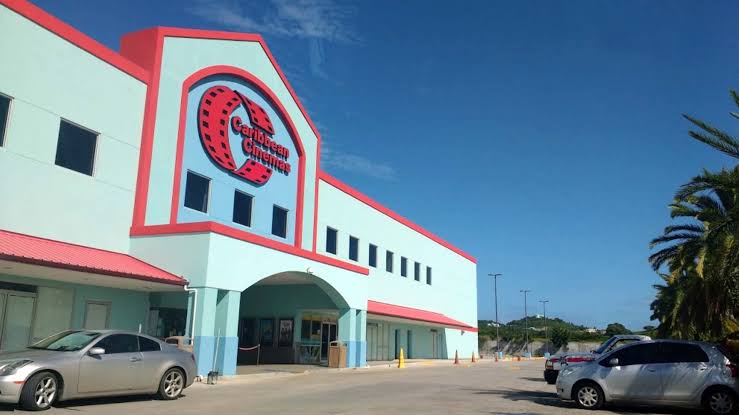
One of Antigua’s leading cinema operators, Caribbean Cinemas Antigua, has issued an official public statement confirming that its facilities will remain closed to the general public until new announcements are made, as management carries out planned upgrades across the venue. In the formal announcement, the company acknowledged the disruption the sudden shutdown would cause to local moviegoers and community members, extending an apology for any inconvenience while thanking patrons for their patience during the improvement process. Notably, the entertainment operator has declined to share detailed information about the specific motivations behind the full closure, and has not provided any concrete timeline for when regular screening operations will resume. This indefinite shutdown comes shortly after local media outlets uncovered separate reports of public health regulation violations at the cinema’s on-site food and beverage canteen. Antigua’s *Daily Observer* reported that local public health inspectors ordered the canteen to cease operations after discovering multiple serious sanitation hazards during an inspection, including confirmed infestations of cockroaches and rodents, unsanitary conditions in food preparation zones, and a range of other unaddressed public health concerns. To date, Caribbean Cinemas has not confirmed or denied any connection between the reported canteen sanitation breaches and the decision to shut down the entire cinema facility for upgrades. The company has encouraged patrons to follow its official communication channels to receive the latest updates regarding the reopening schedule as renovation work progresses.
博客
-

BHTA hails growth of Adopt-A-School futsal tournament
The Barbados Hotel and Tourism Association’s (BHTA) community-focused Adopt-A-School Futsal Tournament is hitting new strides in its sophomore year, with organizers reporting significant growth in participation and a marked rise in on-court competitive quality. This year’s iteration has drawn 24 total teams, an addition of 8 squads compared to the tournament’s inaugural 2023 staging, marking a 33 percent expansion in just one year.
Hosted at the dedicated futsal facility at The Oasis in Kendall Hill, Christ Church, the tournament entered its second weekend of round-robin play this week, with organizers highlighting that the event has retained the electric energy and good sportsmanship that defined its debut, while stepping up the intensity of matchplay.
Tessalee Moore, BHTA’s Special Projects Manager, shared that the second round of group fixtures delivered the kind of tightly contested, high-stakes matches that have turned the community tournament into a anticipated annual fixture for Barbados’ tourism and hospitality sector. “From last year’s opening edition to this year’s competition, we’ve kept the same high level of energy, competitiveness and camaraderie across all matches,” Moore explained. “The level of buy-in and support from every participating team has been incredibly encouraging, and the BHTA couldn’t be happier with how the tournament has progressed in just two years.”
Moore emphasized that the standard of play has improved dramatically compared to the inaugural event, a shift she attributes to both the larger pool of participating teams and the higher level of preparation squads have brought to this year’s competition. “Last year set a strong foundational benchmark for what this tournament could be, and this year teams showed up far better prepared to compete,” she said. “We’ve already seen a string of extremely close matches and a handful of unexpected upsets that have made every game feel exciting and unpredictable.”
Beyond the on-court action, Moore noted that feedback from participating players and team staff has been overwhelmingly positive. The tournament brings together workers from across Barbados’ critical tourism and hospitality sector, giving employees a rare chance to connect with peers from other organizations outside of the pressure of their daily work roles. “Teams really value the opportunity to get together, step away from the workplace, and decompress through a shared love of futsal,” Moore said.
Most importantly, the event ties recreational competition to a meaningful public good: all participation supports student and educational development initiatives across Barbados, a purpose that resonates deeply with every competing squad. “Players love that just by showing up and playing, they’re contributing to a greater cause that lifts up education across the country,” Moore added.
The latest round of matchplay over the weekend delivered a wide range of results across the group stage. On Saturday, St James Travel & Tours Sunlinc Five Star Fast Track secured a clean 3-0 win over Apes Hill United, while Hilton Barbados Resort claimed a narrow 2-1 victory against Barbados Yacht Club. Hotel Indigo shut out Montrose Holdings Limited 3-0, Wyndham Grand Barbados and The Mango Bay Group played to a scoreless draw, and Barbados Conference Services Limited defeated The Crane 5-2. The fixture between Oasis All Stars and Grantley Adams International Airport also ended in a 0-0 draw.
Sunday’s matches brought more competitive action, with Coral Reef Club cruising to a 3-0 win over Barbados Port Inc. Aventa Ltd edged out Harbour Lights CK UVA 3-2, and Caribbean Aircraft Handling picked up a 4-2 win over a combined BHTA NSC squad. Accra Beach Hotel & Spa & The Abidah by Accra played to a goalless draw against The Club Barbados Resort, while Ocean Hotels claimed a 2-1 win over The Sandpiper. Barbados Marriott Collection secured the same 2-1 margin of victory against Foster & Ince Tiami Catamaran Cruises.
-

NCCU calls on businesses to wear their support for Dominica’s farmers and fisher folk
As a leading Dominican financial cooperative, the National Cooperative Credit Union (NCCU) is reaching out to all corporate entities across the island of Dominica to join a public celebration of the country’s vital agriculture and fisheries industries, inviting workplaces across the nation to bring the spirit of the farm and open sea into their office spaces this week.
In an official audio announcement released to the public, an NCCU spokesperson confirmed that the organization will host a one-day event dubbed the “Sea to Soil Uniform Deviation” this coming Friday, August 28. The core premise of the event is simple: instead of donning their standard professional work attire, participants will swap business formal wear for themed clothing that honors the backbone of Dominica’s food system. NCCU’s own staff will lead the effort by wearing outfits that combine denim with earthy neutrals including brown, tan, and khaki, and the cooperative is encouraging every business across the island to follow suit.
The color scheme was chosen intentionally to mirror the diverse landscapes that power Dominica’s agricultural economy, the spokesperson explained. Deep blue denim is a nod to the island’s coastal fishing communities, whose work puts fresh, local seafood on tables across the country. The warm, muted earth tones, meanwhile, pay homage to inland crop farmers and the rich, fertile volcanic soil that has long been one of Dominica’s most valuable natural resources.
Beyond being a lighthearted workplace event, the initiative carries a deeper purpose: to formally recognize the full spectrum of workers across Dominica’s agriculture sector, from small-scale independent farmers and artisanal fisher folk to local agro-processing operators and other industry professionals. NCCU highlighted that these workers make an irreplaceable contribution not just to national food security, but to the broader Dominican economy as a whole.
Agriculture has remained a cornerstone of Dominica’s economic foundation for decades, and NCCU has reaffirmed its long-term commitment to supporting workers and businesses across the sector. That support extends far beyond public awareness events like Friday’s gathering: the cooperative recently launched a full overhaul of its agriculture-focused loan products, structured to lower barriers to entry for new industry entrants and encourage existing producers to expand their operations and invest in long-term growth.
Through the “Sea to Soil Uniform Deviation”, NCCU aims to shine a brighter public spotlight on the often-overlooked workers who keep Dominica fed. Organizers also hope the event will encourage private sector leaders to acknowledge how critical a thriving agriculture sector is to the nation’s success, and highlight the ongoing investment the sector needs to continue growing and adapting to new challenges. In closing, the organization repeated its call for all Dominican businesses and their employees to take part by incorporating denim and earth tones into their outfits this August 28.
-
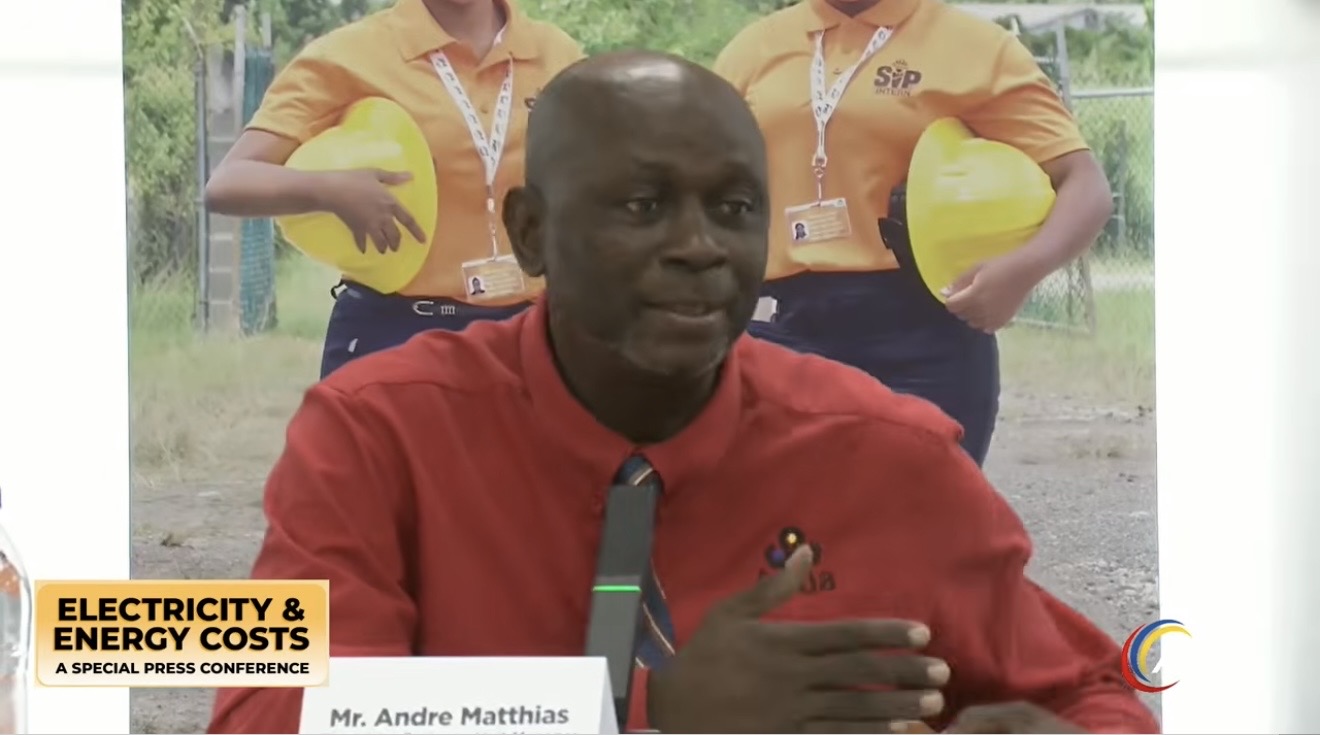
APUA Linesman Dies, Another Injured and Airlifted to Martinique
In a press briefing held this Wednesday, senior leadership of the Antigua Public Utilities Authority (APUA) confirmed a devastating pair of workplace incidents that have left one experienced linesman dead and another in need of urgent specialized medical care off-island.
Andre Mathias, who heads APUA’s Electricity Business Unit, shared the tragic news with reporters, confirming that the first fatality was a young linesman who passed away just a few days prior. Extending formal condolences on behalf of the entire APUA organization, Mathias expressed the agency’s solidarity with the worker’s grieving family, though he declined to share further personal identifying details or the specific circumstances that led to the worker’s death out of respect for the family’s privacy.
The second affected worker, a linesman publicly identified only by his first name Walter and his nickname “Paulo,” was evacuated from Antigua via air ambulance to Martinique to access advanced medical treatment that is not currently available locally. At the time of the press conference, Mathias did not disclose any update on the injured worker’s current condition, nor would he elaborate on whether the two incidents occurred at the same worksite or during the same maintenance or construction operation.
The tragedy marks a somber moment for Antigua’s public utilities sector, where frontline linesmen routinely carry out high-risk work to maintain and repair the country’s critical electrical infrastructure for residential and commercial users across the island.
-

Sandy Crest training facility eyes TVET accreditation
As one of the region’s established healthcare providers, Sandy Crest Medical Centre is celebrating two decades of service with a major milestone that expands its mission far beyond the original scope of patient care. During the August 23 anniversary celebration, Managing Director Brian Charles announced the center’s in-house training facility is on the verge of securing official accreditation from the national Technical and Vocational Education and Training (TVET) Council, a step that cements the organization’s growing role in shaping the future of local healthcare.
Charles noted that the push into formal healthcare education marks a natural evolution for the center, which first opened its doors as a dedicated emergency and urgent care facility 20 years ago. Over the past two decades, Sandy Crest has steadily expanded its service offerings to meet shifting community needs, growing far beyond its acute care roots to offer full-spectrum family wellness programming. Today, the organization prioritizes proactive public health, placing equal focus on preventive care and healthy lifestyle promotion alongside treatment of existing illness, aligning with modern global healthcare trends that emphasize long-term well-being over reactive treatment.
The upcoming TVET accreditation, Charles explained, represents a new chapter in the center’s commitment to healthcare excellence. The training division was developed to address two key gaps in the local healthcare ecosystem: nurturing a skilled new generation of clinical and support professionals, and fostering entrepreneurial growth across medical and paramedical fields. Unlike traditional academic healthcare programs, Sandy Crest’s training model leverages the center’s decades of on-the-ground clinical experience to give learners practical, real-world skills that translate directly to in-demand roles in the sector.
“This initiative grows from our core belief that strong healthcare is about more than caring for the patients walking through our doors today,” Charles said during the anniversary address. “To build a resilient, high-quality healthcare system, we have to invest in the professionals who will serve communities decades from now, and create space for new ideas and businesses to grow in medical and allied health fields.”
Looking ahead to Sandy Crest’s third decade of operation, Charles outlined a continuing strategy of adaptive growth, shaped by rapid shifts in the global healthcare landscape. He pointed to accelerating advances in medical technology, rising patient expectations for personalized, patient-centered care, and changing community health needs as key drivers of future development. These changes, he noted, bring both operational challenges and unique opportunities to innovate and improve service delivery.
Charles reaffirmed the center’s long-term commitment to expanding access to care, investing in professional development for existing staff, and integrating new technologies to elevate patient outcomes. “As we enter this next chapter, we remain focused on upholding our mission to be a leader in patient-centered care,” he said. “By embracing innovation, growing our educational offerings, and staying responsive to the needs of our community, we will continue to raise the bar for healthcare excellence in the years ahead.”
-
Public invited to view sculptures for underwater park
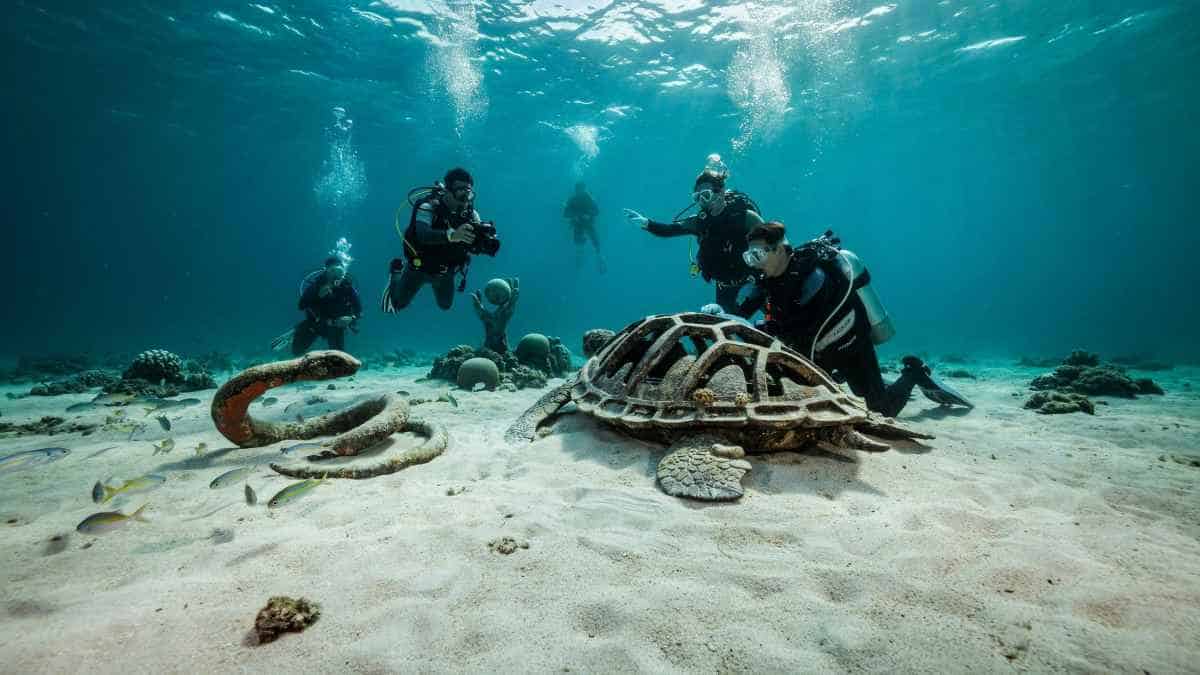
Saint Lucia is making a landmark addition to its global tourism profile with the creation of its first-ever underwater sculpture park, a project designed to boost dive tourism and celebrate the island nation’s distinct cultural and historical legacy. Ahead of the permanent underwater installation, the country is opening a rare public preview of the completed artworks this weekend, giving local residents the first chance to engage with a project co-created by Saint Lucian creators themselves.
Three distinct underwater zones will make up the broader park network once complete: a dedicated Dive Park for certified diving enthusiasts, a Snorkel Park accessible to casual visitors, and a Conservation Park focused on marine ecological protection. When installed, the Dive Park’s sculptures will be submerged off the coast of Anse La Verdue in the Canaries district, becoming a new anchor for the island’s growing adventure tourism sector.
The pre-installation preview will run on Saturday, August 29 and Sunday, August 30, hosted at Odsan Warehouse, a venue located directly opposite the Odsan Playing Field. The event is open exclusively to local Saint Lucians first, reflecting the project’s community-centered origins.
Unlike many large-scale tourist attractions developed by external stakeholders, this underwater park was shaped directly by Saint Lucian creativity. In 2024, the Ministry of Tourism launched a national Storyboard Competition, calling on local artists and community members to submit ideas rooted in the country’s own stories of history and heritage. Three creators took top honors in the competition: Ted Sandiford won the Culture and History category, Jalim Eudovic claimed victory in the Heritage category, and Sheree Emmanuel was named the overall competition winner. All winning concepts were developed into the physical sculptures that will form the core of the underwater park.
Tourism Minister Dr. Ernest Hilaire emphasized that the project represents far more than a new economic driver for the island’s tourism industry. “We asked Saint Lucians to help tell the story of Saint Lucia, and our artists and community creatives contributed the ideas from which these sculptures were developed,” Hilaire explained. “We are therefore not simply presenting Saint Lucia to the world; we are allowing Saint Lucians to define how our history and heritage are presented to the world.”
Hilaire outlined his vision for the long-term impact of the underwater park, noting that it will bring entirely new, culturally rooted offerings to Saint Lucia’s tourism sector. “My hope is that when people dive into this park, they will not only discover our history, but leave with a deeper appreciation for the resilience of our people, the richness of our culture and the responsibility we all share to protect our heritage for generations to come,” he said.
The initiative is part of a broader strategy to grow Saint Lucia’s dive tourism market, creating new visitor opportunities while centering local narrative and cultural ownership, a model that other Caribbean tourism destinations have increasingly embraced in recent years.
-
Minstens 22 doden en honderden vermist na flash flood in Nepal; ook slachtoffers in Tibet
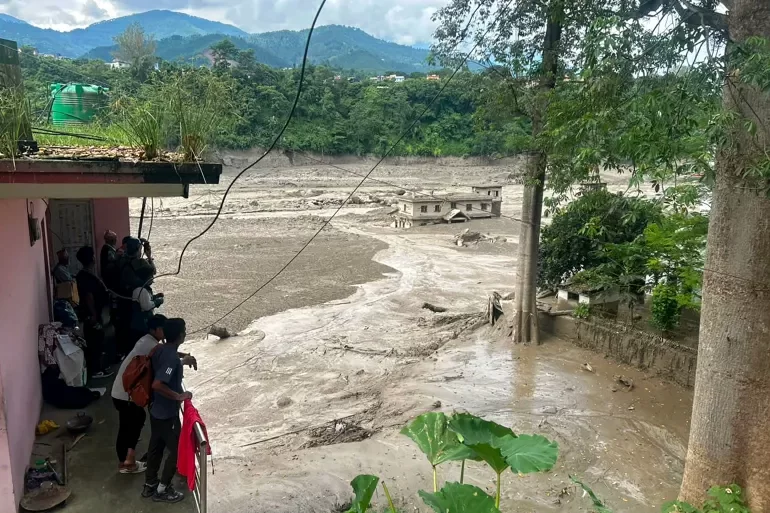
Devastating sudden flash floods and mudslides have torn through mountainous northern Nepal and cross-border regions of Tibet, leaving at least 22 people dead and hundreds unaccounted for, according to official statements from regional and national authorities.
The disaster struck the Rasuwa district of Nepal on Wednesday, heavily impacting the populated local areas of Syapru Besi and Timure, which are home to roughly 50,000 residents. Unsafe, rapidly rising floodwaters have grounded rescue helicopters, severely delaying the delivery of life-saving aid to affected communities. Among those reported missing are 384 tourists, including 291 visitors from nations spanning the United Kingdom, the United States, India, and Malaysia.
Narendra Pariyar, chief administrator of Rasuwa district, has issued an urgent warning for all residents living along the Bhote Koshi River to evacuate immediately to higher ground. The surging floodwaters have already swept away entire nearby villages and critical infrastructure projects, leaving extensive destruction in their wake. The disaster has also spread to neighboring districts including Dhading and Nuwakot, where roads have been submerged, local properties damaged, and rescue operations are underway to reach trapped residents.
Across the border in Tibet’s Gyirong port area, a destructive mudflow has also caused major damage, disrupting road access, cutting communications, and knocking out power supplies to local communities. Chinese President Xi Jinping has called for full mobilization of search and rescue efforts, while emphasizing the urgent need to strengthen early warning systems to prevent secondary disasters after the initial event.
In response to the crisis, Nepali Prime Minister Balendra Shah has convened an emergency meeting of the country’s National Disaster Management Authority. Nepali armed forces have already been deployed to the affected regions, mobilizing helicopter assets and dedicated ground rescue teams. The Nepal Electricity Authority confirmed that around 430 megawatts of hydropower generation capacity has been damaged by the floods, resulting in widespread power outages across affected areas.
International stakeholders have also been drawn into the response: eight South Korean workers at a local hydropower project in Nepal are currently missing, with another 10 trapped at the site. The South Korean government has already established a dedicated task force and is preparing to deploy a rapid response team to support Nepali rescue operations.
Climate and glacial experts suspect the disaster was triggered by a glacial lake outburst flood (GLOF), a phenomenon that occurs when an avalanche of ice and rock blocks a river, creating a sudden, catastrophic burst of trapped water when the barrier fails. This event mirrors a similar outburst flood that hit the same cross-border region last year, killing nine people and destroying the key Friendship Bridge connecting Nepal and China.
Researchers warn that climate change is driving a steady increase in both the frequency and intensity of these glacial outburst events across the Hindu Kush Himalaya region. The annual monsoon season, which runs from June to September across South Asia, already brings regular severe flooding and landslides that threaten lives, destroy livelihoods, and cripple local infrastructure each year. As of Tuesday, rescue operations and damage assessments are still ongoing, meaning the full scope of human and economic loss from this latest disaster remains unclear.
-
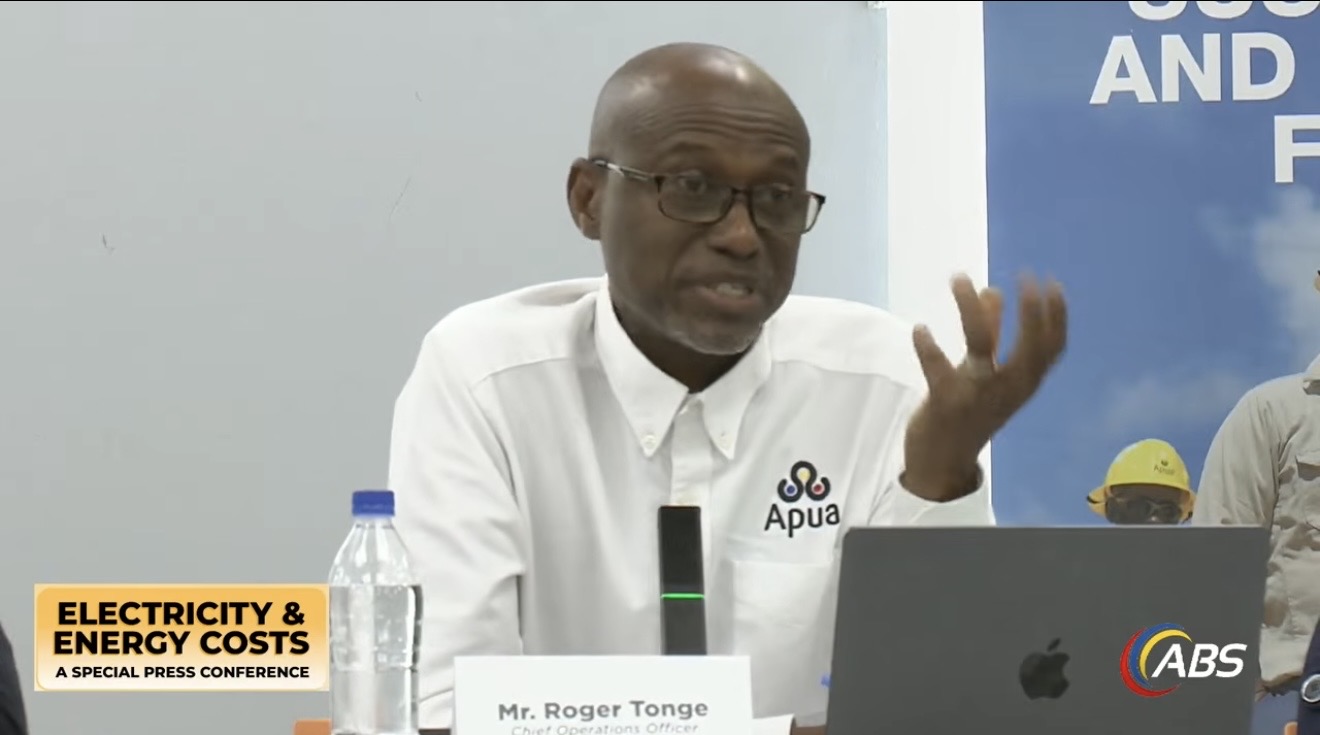
Up to 15% of APUA Electricity Meters Are Not Working
A significant portion of electricity meters operated by the Antigua Public Utilities Authority (APUA) are currently out of commission, creating billing challenges that have forced the agency to send estimated energy bills to thousands of impacted households and businesses across the island nation.
According to APUA’s Acting Chief Executive Officer Roger Tongue, between 10 and 15 percent of the authority’s full meter inventory is non-functional, making it impossible for field teams to collect accurate, real-time consumption readings from these devices.
“There are instances where meters fall out of service; they’re not working, and we cannot read them,” Tongue explained in a public statement addressing the ongoing issue. “In these cases, we have no alternative but to generate estimated bills for customers.”
To ensure estimates align as closely as possible with actual usage, APUA calculates provisional bills based on the customer’s historical energy consumption leading up to the point the meter stopped operating. “We pull data on your consumption before the meter went out of service, and we generate a monthly average from that historical data to build the estimate,” Tongue added.
The utility authority has already launched a sustained meter replacement initiative designed to locate faulty units and swap them out for functional devices as rapidly as possible. While the long-term goal of the programme is to collect accurate, physical readings for every active customer account, Tongue acknowledged that resolving the backlog of defective meters will take time, and the issue will persist in the near term.
To address customer concerns about overcharging, APUA has put in place a formal recourse process for users who believe their estimated bills are higher than their actual energy use. The authority is encouraging all customers with questions about provisional billing to reach out directly to its customer care department.
“Our team will review your individual consumption patterns, and if our estimate is found to be out of line with your actual use, we will adjust the bill accordingly,” Tongue confirmed. “No customer needs to worry about being stuck with an unfair overstated estimate—there is a clear process to resolve disputes.”
-

190 students complete ODM Disaster Preparedness Summer Programme
One hundred and ninety Grade 3 to 6 students from six primary schools across Dominica have successfully wrapped up the 2026 Summer Disaster Preparedness Programme hosted by the island nation’s Office of Disaster Management (ODM), walking away with hands-on, actionable knowledge that will serve them, their families, and their wider communities for years to come.
Running from July 13 through August 5, the programme filled a critical gap in youth-focused disaster education for the hurricane-prone Caribbean island. Coordinated by Metin Brumant with support from Wendy Esprit, the initiative was structured to go far beyond the textbook learning common to public safety education. Rather than sticking to static lectures, organisers designed an interactive curriculum that used group discussions, live demonstrations, collaborative team challenges, knowledge quizzes, and creative hands-on exercises to engage young learners. These activities broke down complex emergency response concepts into age-appropriate, memorable lessons that aligned with how children learn best.
The curriculum covered all major natural hazards that pose a recurring threat to Dominica, including hurricanes, earthquakes, flooding, landslides, volcanic eruptions, and tsunamis. Students walked through step-by-step protocols for appropriate action before a disaster strikes, during an ongoing emergency, and in the immediate aftermath, gaining confidence in their ability to make safe choices when faced with a crisis.
A core goal of the programme extended far beyond the individual participants. ODM designed the initiative to create a ripple effect of disaster awareness across local communities. Students were explicitly encouraged to share the skills and knowledge they gained with their parents, siblings, friends, and neighbors, with the long-term aim of nurturing a broader island-wide culture of disaster readiness.
As a component of Dominica’s broader national strategy to boost climate and disaster resilience, the programme targets young people as key change agents. Building disaster awareness from an early age not only empowers children to protect themselves but also creates sustained, intergenerational change that strengthens the safety and resilience of entire communities across the island.
-
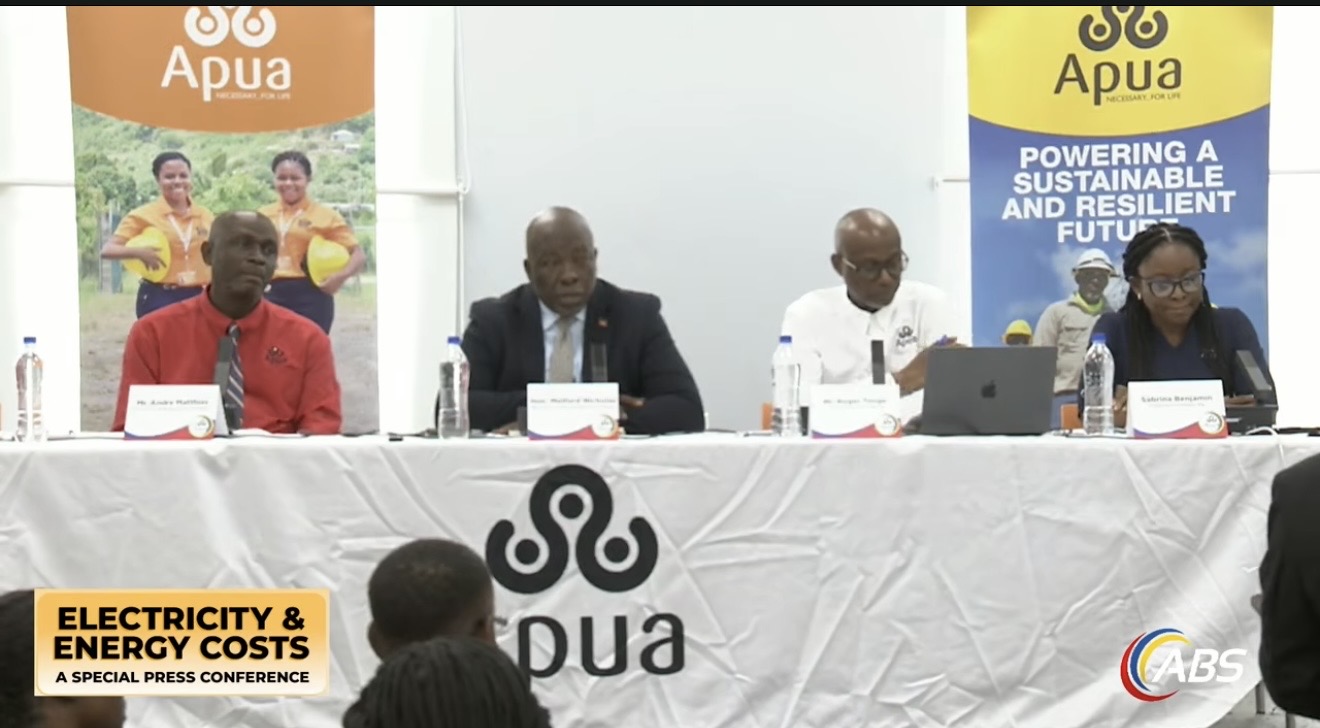
APUA Links Higher Electricity Consumption to Hot Weather and Increased AC Use
Residents across Antigua are facing steeper household electricity bills this season, with a combination of record-breaking heat, shifting energy usage behaviors, and global market volatility driving the unexpected increases, according to the Antigua Public Utilities Authority (APUA).
Andre Mathias, who leads APUA’s Electricity Business Unit, explained that the prolonged period of unusually high temperatures has forced local homeowners to run their air conditioning systems far longer than they do during average seasonal conditions. Even as many households have upgraded to more efficient inverter air conditioning units — models engineered to cut energy use compared to older traditional systems — the net effect has still been a net rise in total consumption for most homes. For households that previously went without any air conditioning at all, adding even an energy-efficient cooling unit adds entirely new energy demand that did not exist before, Mathias noted.
The APUA manager emphasized that consumer usage patterns are just as critical as appliance efficiency when it comes to determining monthly energy costs. He drew a parallel to the widespread adoption of compact fluorescent lightbulbs years ago: when these lower-energy bulbs hit the market, many consumers assumed their lower power draw meant they could leave lights on for extended periods without consequence, canceling out the energy savings the bulbs were designed to deliver. The same dynamic plays out with cooling systems today, Mathias said: even efficient units will drive up bills if they are run far more frequently than before.
Beyond local weather and consumer behavior, global market forces are also adding upward pressure to energy costs. Mathias confirmed that rising global fuel prices, stoked by ongoing geopolitical tensions around the world, are also contributing to higher electricity rates. These external price shifts are outside the control of the local utility authority, leaving APUA with limited ability to offset the increases for consumers.