博客

  • Column: Wanneer de rivier ziek wordt

    Column: Wanneer de rivier ziek wordt

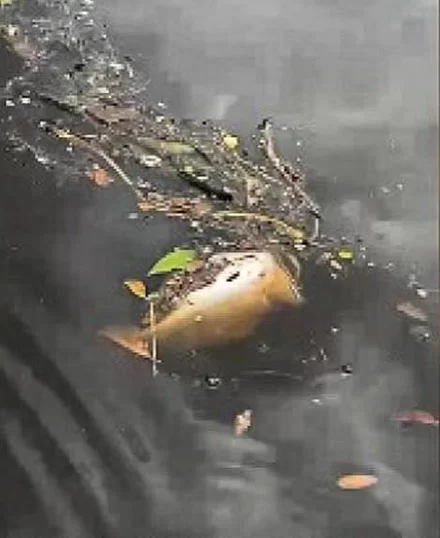
    Suriname has long claimed the title of the world’s greenest nation, pointing to its vast old-growth forests, extraordinary biodiversity, and winding network of headwater rivers that act as the country’s ecological lifelines. International bodies have repeatedly celebrated the South American nation for its forest conservation and contributions to global climate change mitigation efforts. But the recent mass fish die-off in the Saramacca River has pulled back the curtain on a deeper, long-ignored environmental crisis that challenges this polished green reputation.

    For indigenous and local communities living along the banks of the Saramacca, the hundreds of dead fish washing ashore are far more than an environmental anomaly. The disaster threatens their food security, access to clean drinking water, centuries-old cultural traditions, and ultimately their entire way of life, sparking widespread anxiety and outrage across the country. To date, the root cause of the mortality event remains unconfirmed, with widespread public speculation ranging from cyanide contamination to mercury poisoning. In response to the uncertainty, Suriname’s National Environmental Authority (NMA) has launched additional independent testing supported by international laboratories, a move that comes at a moment when unconfirmed claims on social media often outpace rigorous scientific investigation. Experts emphasize that caution and evidence-based conclusions are critical to maintaining public trust in national institutions, even as community members question the NMA’s slow response to early alarms raised by local residents.

    While public debate has centered on identifying the immediate cause of the Saramacca fish deaths, a far larger systemic threat to Suriname’s waterways has largely flown under the radar. For decades, nearly all of the country’s major river systems – including the Marowijne, Lawa, Tapanahony, and Coppename, in addition to the Saramacca – have been pushed to the breaking point by unregulated small-scale gold mining, widespread deforestation, and other extractive human activities. Scientists, international environmental organizations, and local advocacy groups have been sounding the alarm about these cumulative pressures for years, but systemic policy action has failed to materialize.

    It is true that the ongoing gold rush has generated much-needed revenue for Suriname’s economy, but it has also left a staggering environmental bill that the country has been reluctant to confront. Large swathes of old-growth forest have been cleared for mining access, topsoil has been severely degraded and contaminated, and polluted runoff from mining sites flows directly into the creeks and rivers that thousands of Surinamese depend on for survival. A healthy forest ecosystem is far more than just standing trees: it relies on intact, unpolluted soil to sustain the entire web of life, from microorganisms to fish to human communities. When soil is repeatedly excavated and contaminated over decades, the entire interconnected ecosystem – water, wildlife, and eventually people – suffers irreversible damage.

    Ironically, while Suriname has formally banned the import of mercury for mining, the use of the toxic heavy metal remains widely permitted and widespread across the country. The import ban exists only on paper; visitors to Suriname’s interior can readily observe large quantities of mercury being used in informal small-scale gold mining operations, an open secret that regulators have failed to address. The recent disappearance of more than 300 kilograms of mercury from a police station compound in Geyersvlijt has only amplified public anger and mistrust, raising urgent unanswered questions: Where has the toxic material gone? And could it end up contaminating already vulnerable waterways? Suriname’s public still awaits clear, official answers.

    For coastal residents, rivers are often just geographic features to cross by boat or plane. But for the thousands of people who call the inland regions home, rivers are the very foundation of life. Most inland villages are only accessible by water or air, making rivers their primary connection to the outside world. Communities drink from the rivers, bathe in them, fish in them, and rely on them for transportation – they are literal lifelines that shape every part of daily and cultural life. When a river becomes contaminated and sick, the entire community that depends on it becomes sick too.

    Against this backdrop, the recent call for action from the Association of Indigenous Village Leaders in Suriname carries new weight. Indigenous knowledge does not replace rigorous laboratory testing, but the communities that have lived along these rivers for generations often spot ecological changes long before formal scientific monitoring teams arrive. Traditional ecological knowledge and Western scientific practice do not need to be opposing forces; they can complement and reinforce one another to build a more complete picture of river health.

    Currently, systemic monitoring of Suriname’s river ecosystems remains woefully inadequate. Even as past studies have already confirmed elevated mercury levels in fish caught across multiple regions, the country typically only responds when a crisis hits – when thousands of fish die, when communities fall ill, or when local leaders are forced to sound the alarm. A coordinated, long-term policy framework to protect Suriname’s rivers, soil, and interconnected ecosystems has yet to be implemented.

    The Saramacca fish die-off offers a critical wake-up call for Suriname. The true measure of a green nation is not just how much forest it retains on satellite maps, but the health of its soil, its waterways, and the communities that depend on those natural resources. It is time for the country to ask itself an honest question: Is Suriname truly the greenest nation on Earth, or is it only green from space, while the rivers that have sustained it for centuries slowly collapse under the pressure of unregulated extraction? Rivers do not die suddenly. They die slowly, bit by bit, as cumulative contamination and degradation wear away at their ecosystems. When a nation loses its clean water, it loses far more than just rivers – it loses the foundation of life itself.


  • Zapping Haiti of July 7, 2026

    Zapping Haiti of July 7, 2026

    As the first week of July 2026 draws to a close, a series of developments across Haiti span law enforcement training, economic progress, political debate, institutional capacity-building, and community milestones, painting a multi-faceted picture of life in the Caribbean nation this week.

    On July 4, the opening of a new inter-agency tactical and athletic competition took center stage at Haiti’s National Police Academy (ENP). Divisional Commissioner Richardson Persan formally inaugurated the event, dubbed the Lycan Competition, which brings together elite specialized units from across the country’s security apparatus. Participating teams include the GIPNH-SWAT unit, the USPM, CIMO, PoliFRONT, the Haitian Coast Guard, and a delegation from the National Palace. Over four days of competition concluding on July 7, participants will test their physical and tactical prowess across a demanding slate of challenges: rigorous physical fitness assessments, a grueling obstacle course, precision shooting drills, and a 12-kilometer forced march completed while carrying a 35-pound pack.

    In the northern commercial hub of Cap-Haïtien, economic data released this week shows a promising upward trajectory for local customs revenue. The port of Cap-Haïtien, Haiti’s primary commercial gateway for the northern region, posted customs collections exceeding 1.7 billion gourdes in June 2026. That figure marks a substantial jump from May’s total of more than 1.3 billion gourdes, extending a ongoing growth trend for the region’s key trade revenue stream.

    A political controversy has emerged surrounding a recent leadership change at Haiti’s top anti-corruption body. Prominent attorney André Michel has publicly condemned the dismissal of Hans L. Joseph, Director General of the Anti-Corruption Unit (ULCC), calling the move a damaging political misstep that undermines the Haitian government’s credibility both at home and on the global stage. Michel argues the dismissal is widely interpreted as an intentional effort to hinder ongoing anti-corruption efforts, adding that current administration officials who backed the change received deeply poor counsel.

    Capacity-building efforts in national aviation security are underway in Cap-Haïtien this week, led by a coalition of international and domestic institutions. The Inter-American Counterterrorism Committee has partnered with the U.S. Transportation Security Administration (TSA), with financial and logistical support from the Canadian Embassy in Haiti, to host a train-the-trainer workshop focused on aviation security. The initiative is coordinated in partnership with Haiti’s National Civil Aviation Office (OFNAC) and National Airport Authority (AAN), bringing together 50 local participants for hands-on instruction. The program is designed to strengthen Haiti’s domestic aviation security capabilities by providing specialized training, tools, and expertise that will allow participating trainees to share their new knowledge with colleagues across national security institutions long after the workshop concludes.

    In a move to boost municipal services in Cap-Haïtien, the Haitian national government delivered a critical piece of infrastructure to the city on July 3. A brand-new dump truck was transferred to municipal authorities to support public cleaning and waste management operations across the municipality. The Cap-Haïtien Municipal Commission has formally extended its gratitude to Prime Minister Garry Conille for the targeted investment in local public services.

    Meanwhile, a long-running community serving vulnerable Haitian populations marked a major organizational milestone this week. The Jesuit Migrant Service, a Catholic organization focused on supporting migrants, displaced people, and marginalized communities across Haiti, celebrated its 27th year of operation. In a statement marking the anniversary, the organization noted that since its founding, it has centered its mission on accompanying, advocating for, and serving people facing extreme hardship who turn to the institution seeking protection, dignified treatment, solidarity, and hope. Over 27 years of work, the service has navigated profound systemic and operational challenges, organizers said, but the work has also been defined by widespread resilience, generosity, and cross-community fraternity among the populations it serves.

  • NMA schakelt internationale ondersteuning in bij onderzoek naar vissterfte

    NMA schakelt internationale ondersteuning in bij onderzoek naar vissterfte

    A major environmental incident in Suriname’s Upper Saramacca region has prompted national authorities to scale up their probe into unexplained widespread fish mortality, with international partners stepping in to support rigorous, standards-aligned testing.

    The National Environmental Authority (NMA) announced it is expanding the scope of its investigation after the mass fish die-off was first reported. To pinpoint the exact cause of the event, officials are collecting water and fish tissue samples across a wider network of monitoring sites and increasing the frequency of sampling to capture a more complete picture of contamination or environmental disruption. The authority has also secured access to specialized international laboratory infrastructure and technical expertise to conduct targeted analysis of the collected samples.

    To ensure the investigation meets global standards for both public health and environmental protection, the NMA is coordinating closely with Suriname’s Ministry of Public Health, Welfare and Labor, and receiving dedicated technical backing from the Pan American Health Organization/World Health Organization (PAHO/WHO). As the national environmental regulator, the NMA emphasized that it holds formal responsibility for technical environmental assessments of all environmental incidents and violations. In line with this regulatory mandate, the authority will only release information to the public that is rooted in fully verified research findings to avoid spreading unconfirmed speculation.

    While the investigation progresses, unrest continues among the Indigenous communities that call the Upper Saramacca region home. The Association of Indigenous Village Heads of Suriname (VIDS), which represents the affected communities, used recent consultations with the NMA to push for the formal integration of Indigenous local knowledge and on-the-ground observations into the investigation’s framework. VIDS argues that Indigenous residents, who have lived alongside the region’s waterways for generations, hold unique, valuable insights into the ecosystem that could significantly accelerate efforts to identify what caused the fish mortality. The NMA has confirmed it is open to incorporating this local input into the probe.

    Beyond the call for local knowledge inclusion, affected communities have also voiced frustration over the practical logistics of the expanded investigation. Indigenous leaders say the communities should not be forced to cover the costs of logistical support for the probe, including providing research boats and fuel, for an environmental disaster they did not cause.

    When completed, the expanded analysis is expected to deliver clear, evidence-based conclusions on the root cause of the mass fish death, as well as outline potential risks the incident poses to both public health and the long-term health of the Upper Saramacca ecosystem.

  • Former Athlete Convicted of Two Counts of Serious Indecency Against Daughter

    Former Athlete Convicted of Two Counts of Serious Indecency Against Daughter

    A High Court jury has found a former athlete guilty of two severe counts of indecency against his underage daughter, concluding a criminal trial overseen by Justice Ann Marie Smith. The defendant’s name is being legally suppressed to safeguard the privacy of the young victim, who cannot be identified publicly under child protection laws. Out of the three criminal charges brought against him, the jury returned guilty verdicts for two offenses, while acquitting him on the third count of indecent assault.

    Court documents outline that the convicted acts took place between April 2022 and April 2023, when the child was residing with her father. Prosecutors told the court the abuse started shortly after the girl turned eight years old.

    During the trial, the young complainant testified that her father would target her when his girlfriend was not at the family home. He would call her into his bedroom, order her to take off her clothes, and carry out the abusive acts that form the foundation of the criminal charges. After the child moved to live with her grandmother, she told the court she refused to go back to her father’s residence, out of fear he would repeat the abuse.

    The girl’s grandmother also gave evidence supporting the prosecution’s case. She told the court that on one occasion, when the former athlete arrived to pick up his daughter to spend time together ahead of his upcoming birthday, she found the child hiding in a closet, crying uncontrollably.

    Following the jury’s guilty verdicts, Justice Smith ordered that a full social inquiry report be prepared to assess the case ahead of sentencing. The matter has been adjourned, with sentencing scheduled to take place on July 24.

  • JOB VACANCY: Automotive Service Manager

    JOB VACANCY: Automotive Service Manager

    A vacant position for an Automotive Service Manager has been announced, opening up a key leadership opportunity for experienced professionals in the automotive maintenance and customer service sector. This role will sit at the heart of a busy automotive facility, tasked with overseeing daily service operations, leading a team of trained technicians and service advisors, and ensuring customers receive timely, high-quality repair and maintenance support.

    Ideal candidates for the position are expected to bring a combination of practical industry experience, demonstrated leadership capabilities, and strong customer service acumen. Key responsibilities will include managing service department workflows, coordinating between technicians, advisors, and parts suppliers to reduce wait times, handling customer inquiries and concerns, setting performance targets for the service team, and ensuring all operations align with manufacturer and industry safety standards. Additionally, the successful applicant will be responsible for monitoring department profitability, controlling inventory for service parts, and implementing process improvements to boost overall operational efficiency.

    Employers filling this role typically prioritize candidates with prior experience working in automotive service settings, along with proven communication skills that allow them to collaborate effectively with both staff and customers. Many employers also prefer candidates who hold relevant industry certifications and have experience working with modern automotive diagnostic and service management software. This opening represents a valuable opportunity for a motivated professional to step into a leadership role within the automotive industry and contribute to the long-term success of a growing automotive business.

  • Rahmanullah Gurbaz replaces Glenn Phillips in Amazon Warriors Squad

    Rahmanullah Gurbaz replaces Glenn Phillips in Amazon Warriors Squad

    The 2026 ExxonMobil Guyana Global Super League (GSL) is just around the corner, and the Guyana Amazon Warriors have announced a last-minute adjustment to their playing squad: explosive Afghanistan wicketkeeper-batter Rahmanullah Gurbaz will step in to fill the spot left by New Zealand star Glenn Phillips, who has been ruled out of the upcoming tournament with an unanticipated injury.

    For fans of the Caribbean franchise, Gurbaz is no stranger. The dynamic top-order hitter has a long-standing history with the Amazon Warriors, having previously represented the side in the 2022 and 2024 editions of the Caribbean Premier League (CPL). During those stints, he quickly cemented his reputation as one of the most thrilling and dangerous openers in the regional T20 circuit, known for his aggressive batting style and ability to change the course of a match inside the first six overs.

    Most recently, Gurbaz played an instrumental role in the Warriors’ 2025 GSL championship run, contributing critical innings at the top of the order to help the side claim the league title. His intimate knowledge of the local pitch conditions, existing chemistry with his teammates and coaching staff, and proven track record of delivering match-winning performances for the franchise make him an ideal replacement for the injured Phillips.

    The addition of Gurbaz brings the Warriors proven firepower at the top of their batting lineup, strengthening the side’s prospects of defending their GSL crown in the 2026 edition of the tournament. The move also marks a homecoming for the Afghan star, who has already established himself as a fan favorite during his previous tenures with the Guyana-based franchise.

  • Construction of Barbuda Cargo Port to Begin Within 60 Days

    Construction of Barbuda Cargo Port to Begin Within 60 Days

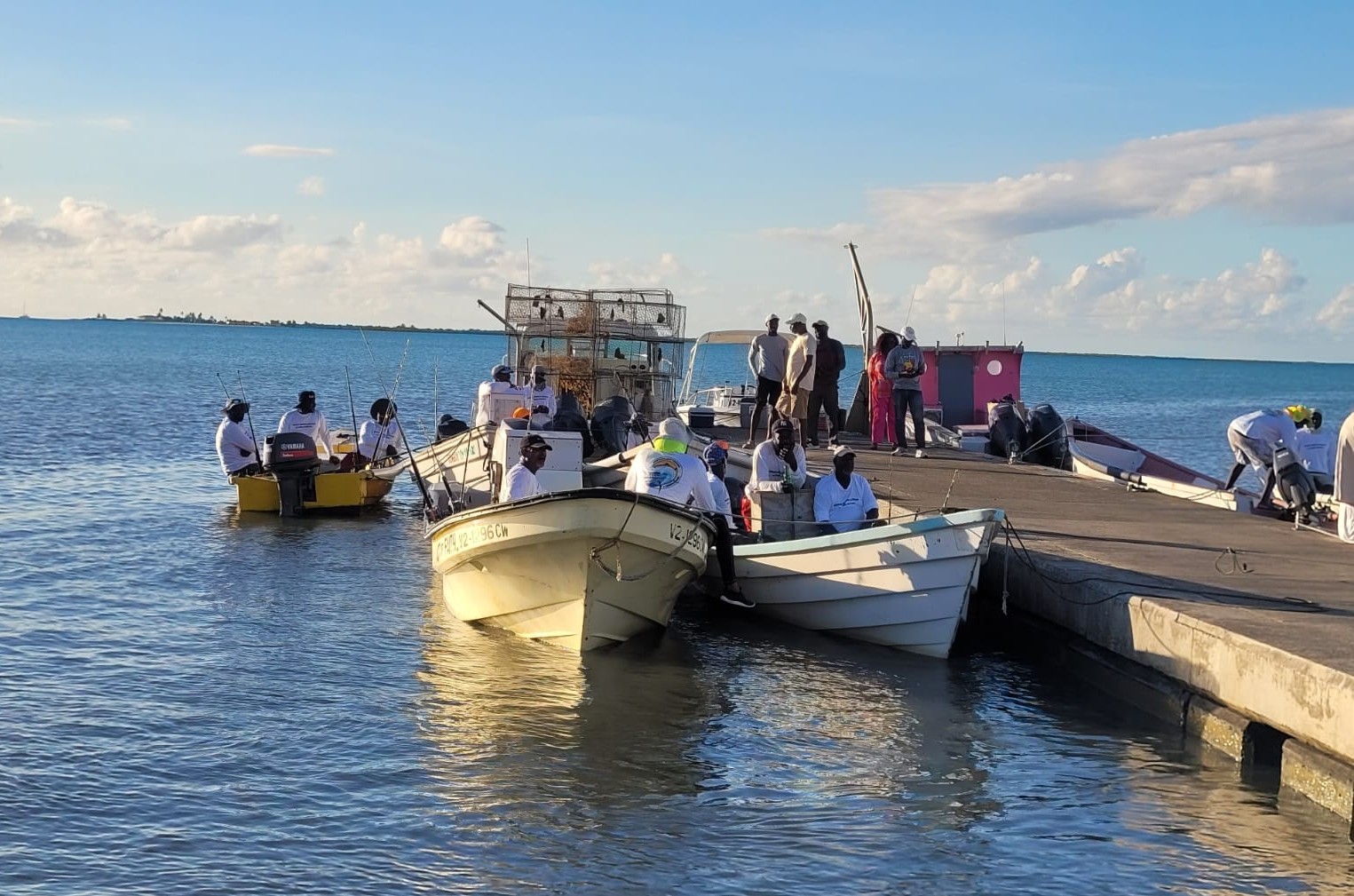
    After months of planning, stakeholder negotiations and regulatory approvals, the long-awaited construction of a dedicated cargo port on the Caribbean island of Barbuda is finally set to get underway within the next 60 days. The infrastructure project, which has been flagged as a top economic priority for the Antigua and Barbuda government, addresses a longstanding gap in the island’s logistics network that has driven up shipping costs and limited business growth for decades.

    Currently, most cargo bound for Barbuda has to be routed first through the main island of Antigua, before being transferred to smaller vessels for the final sea crossing. This indirect route adds significant time and expense to every shipment, from construction materials and grocery imports to equipment for the island’s key tourism industry. Local business owners have repeatedly called for a dedicated on-island cargo facility to cut down on these overhead costs and make Barbuda a more attractive destination for outside investment.

    Officials involved in the project say the new port will be designed to accommodate larger cargo vessels, expand storage capacity for imported goods, and reduce turnaround times for commercial shipping. Beyond streamlining supply chains, the construction phase itself is expected to create dozens of local jobs for Barbuda residents, from construction workers to logistics and support staff. Once completed, the port is projected to boost the island’s overall competitiveness by lowering import costs for consumers and opening new opportunities for local exporters to ship native products like seafood and crafts to regional and international markets.

    Project leaders also note that the port will improve the island’s disaster preparedness capacity, a critical consideration for Caribbean nations that face regular threats from hurricanes and tropical storms. In past emergency events, slow and complicated cargo logistics have hampered the delivery of relief supplies to Barbuda, but the new facility will enable much faster deployment of aid following a natural disaster. The government has partnered with regional development financial institutions to fund the project, with construction expected to take approximately 18 months to reach full completion, according to the latest project timeline.

  • PM Browne Urges Greater Consumption of Local Foods to Improve Health

    PM Browne Urges Greater Consumption of Local Foods to Improve Health

    Antigua and Barbuda’s Prime Minister Gaston Browne has launched a public call for residents to prioritize locally produced food over imported processed goods, arguing that this dietary shift would address two pressing national challenges: rising rates of chronic illness and unsustainable healthcare spending.

    Speaking during an appearance on the *Browne and Browne Show* this past Saturday, Browne framed the push for greater food security as inherently linked to the promotion of healthier community-wide eating habits. “We need our people to eat healthier. We need to eat more of our local foods,” he emphasized during the interview.

    The prime minister pointed to a clear causal link between the widespread consumption of imported processed foods and the growing prevalence of non-communicable, chronic conditions across the nation, including diabetes and hypertension. “The processed foods are what’s killing us,” he stated, noting that increasing intake of fresh local produce, homegrown vegetables and domestically raised meat would deliver measurable improvements to population health outcomes.

    To support this transition, Browne confirmed that the Antigua and Barbuda government is already making targeted investments to expand domestic agricultural output. Key ongoing projects include the development of the Diamonds Agro-Industrial Park, the Christian Valley agro-tourism initiative, and the construction of two modern, state-of-the-art abattoirs that will increase the supply of high-quality locally processed meat.

    Beyond public health benefits, Browne outlined the broader economic advantages of growing the domestic food sector. Expanding local production will strengthen national food security, cut the country’s overall import bill, and help ease the persistent pressure of the cost of living for ordinary households, he explained. He added that lower rates of diet-related chronic illness would also reduce the long-term burden on the public healthcare system, as these conditions require costly, ongoing treatment that strains public resources.

    Browne’s remarks came as part of a broader conversation outlining the government’s agricultural modernization agenda, which is centered on encouraging Antiguans and Barbudans to back local producers by choosing homegrown food products. The initiative ties together public health, economic development and food sovereignty goals into a single coordinated policy push.

  • Limacol in as WCPL title sponsor

    Limacol in as WCPL title sponsor

    More than a decade after backing the launch of the men’s Caribbean Premier League, iconic regional consumer brand Limacol has stepped back into Caribbean cricket’s biggest spotlight, this time as the new title sponsor of the Women’s Caribbean Premier League (WCPL). The landmark partnership, announced by WCPL officials earlier this week, will go into effect ahead of the upcoming tournament season, a period that comes as the premier regional women’s T20 cricket competition continues to grow its profile and reach across the globe.

    Under the terms of the multi-faceted sponsorship agreement, the tournament will officially be rebranded as the Limacol WCPL moving forward. Limacol’s brand identity will be integrated across every touchpoint of the tournament, from on-field stadium signage and player uniform markings to global match broadcasts and all official WCPL promotional and communications materials.

    Ravina Shankar, Business Operations Director for CPL, framed the new partnership as a critical endorsement of women’s cricket growth across the Caribbean. “This collaboration aligns perfectly with the core values that WCPL was built on: regional pride, elite competitive performance, and Caribbean excellence,” Shankar stated in the official announcement. “To have a brand as deeply rooted and widely loved across the region as Limacol step forward as our title sponsor is an enormous vote of confidence in the trajectory of women’s cricket here in the Caribbean.”

    For Limacol, a household name across Caribbean communities for generations, the sponsorship marks a full-circle return to the sport that the brand supported from its earliest modern days. The company was the founding title sponsor of the men’s CPL when the tournament launched in 2013, backing the competition through its first two seasons. When WCPL was in search of a new title sponsor, company leaders said the opportunity to support the growth of women’s sports in the region was impossible to pass up.

    “Limacol is a deeply Caribbean brand, used for generations by families across the region,” a Limacol representative shared. “When we heard WCPL was without a title sponsor we felt it was the right thing to get involved. We are already proud of our history as the founding Title Sponsor of Men’s CPL, and we are now equally proud that the premier women’s event will carry the Limacol name. The development of women’s sport in the region is a critical priority, and Limacol WCPL stands as the most ambitious women’s sports event ever attempted in the Caribbean. Enjoy the cricket and refresh with Limacol, the freshness of a breeze in a bottle.”

    The upcoming Limacol WCPL will once again gather the Caribbean’s top domestic cricket franchises alongside some of the biggest international women’s cricket stars for a full slate of high-stakes, fast-paced T20 matches. Coverage of the tournament will be distributed across local Caribbean broadcasters, as well as to a rapidly expanding global audience of cricket fans. Industry observers note that the sponsorship not only strengthens the tournament’s financial footing but also highlights rising investment in women’s sports across small island developing regions.

  • Renal Unit Nearing Completion

    Renal Unit Nearing Completion

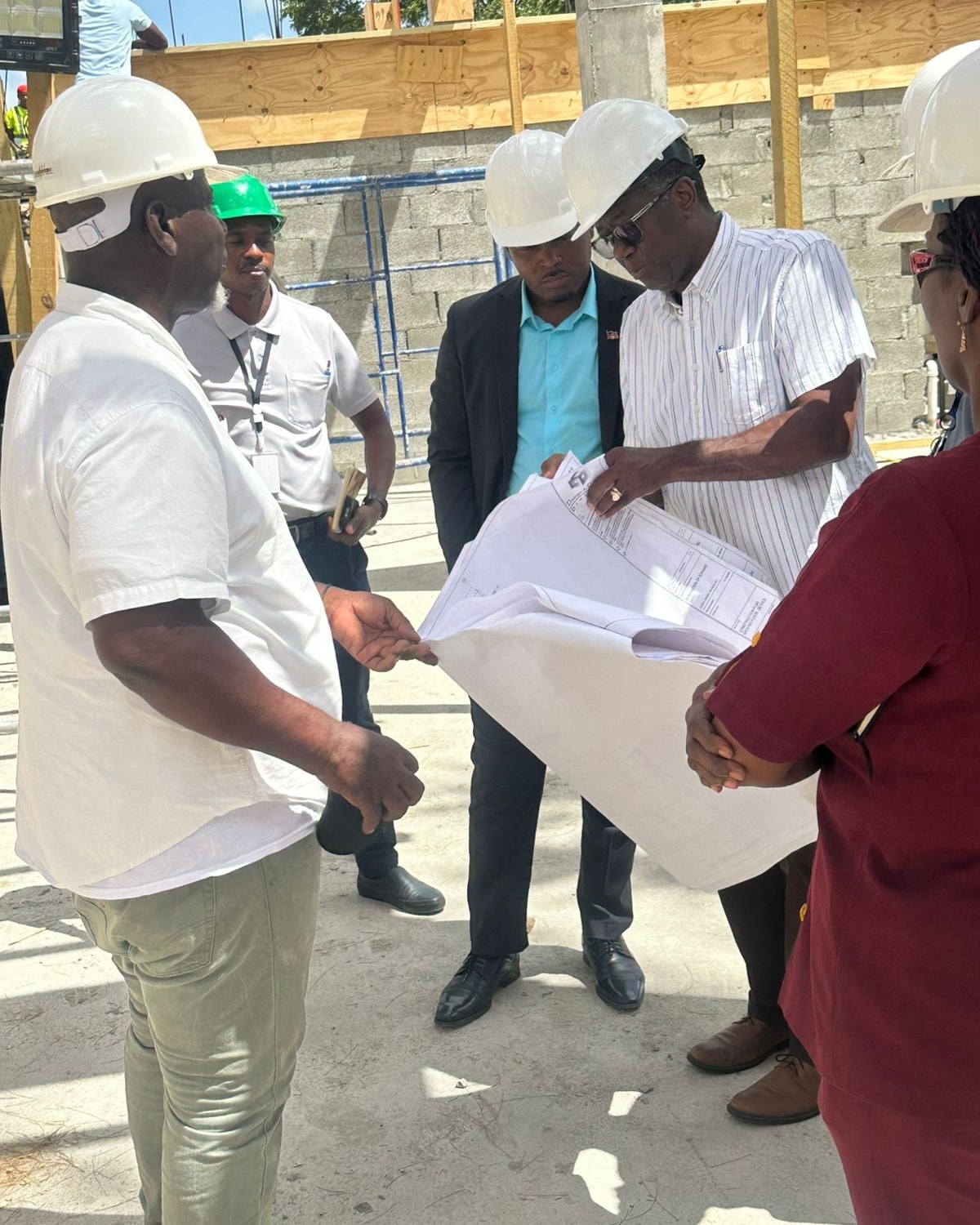
    Antigua and Barbuda is poised to take a major step forward in expanding its domestic specialized healthcare infrastructure, with Prime Minister Gaston Browne confirming that the nation’s new state-of-the-art renal treatment unit will open its doors to patients in just one to two months. Speaking during a recent appearance on the locally broadcast Browne and Browne Show, the prime minister shared that construction and outfitting of the long-awaited facility has entered its final phase, bringing the project close to completion after months of development work.

    “It’s practically finished,” Browne told listeners of the program. “We will complete the renal facility within a matter of maybe a month or two.”

    The renal unit is just one piece of a sweeping government-led initiative to boost access to high-quality specialized medical care across the dual-island nation. For years, many Antigua and Barbuda residents have been forced to travel abroad to receive advanced medical treatments, incurring significant personal and financial costs to access care that is not available domestically. The current administration has made expanding local healthcare infrastructure a core policy priority to address this gap.

    In addition to the upcoming opening of the renal unit, Browne outlined two other key healthcare projects moving forward. First, Health Minister Sir Molwyn Joseph is scheduled to travel to China in the coming months as part of bilateral cooperation efforts to develop a new cardiac care unit for the country. This partnership aims to bring advanced heart treatment services to local patients for the first time.

    Second, the nation’s long-delayed comprehensive cancer treatment center is now on track to open this fall. Browne explained that the project faced significant setbacks after legal disputes emerged involving previous parties contracted to develop the facility, but those issues have now been resolved, clearing the way for completion.

    Throughout his remarks, the prime minister emphasized that the government remains fully committed to investing in targeted, specialized healthcare infrastructure across the country. The ultimate goal of these investments, he noted, is to eliminate the need for local residents to travel overseas for life-saving specialized medical care, bringing critical services closer to home and reducing the financial burden on patients and their families.