博客

  • High Court Dismisses Murder Case Against Jahciba Shoy

    High Court Dismisses Murder Case Against Jahciba Shoy

    In a significant courtroom outcome that underscores the principle of burden of proof in criminal justice, a High Court judge has cleared 27-year-old Jahciba Shoy of all charges connected to a 2023 fatal robbery and shooting that left Roudy Shmaly dead at a neighborhood convenience store. The fatal incident, which unfolded at the Pick ‘N Mix Mart located on DeSouza Road, had left Shoy facing three serious criminal counts: murder, aggravated robbery, and manslaughter.

    The case concluded before the full jury delivered a verdict, after Shoy’s defense counsel, Wendel Alexander, convinced the court that the prosecution’s case rested entirely on circumstantial conjecture rather than solid, admissible evidence that would meet the standard of beyond a reasonable doubt. Prosecutors from the Crown had centered their entire argument on two key pieces of evidence: first, security camera footage that captured Shoy in the company of the teenage gunman in the period leading up to the robbery, and second, a vague observation that a shoulder bag Shoy carried matched one that was seen on the shooter shortly after the crime.

    Following the judge’s ruling to dismiss all charges, Alexander spoke with local media outlet ABS News, emphasizing that the prosecution’s case never advanced past the stage of unproven speculation. “The evidence went no further than speculation and suspicion,” Alexander told reporters, noting that the court’s decision upheld a core tenet of the justice system that suspects cannot be convicted on guesswork alone.

    In a separate prior proceeding, the teenage perpetrator who actually carried out the shooting was convicted on related charges. Under the juvenile sentencing legislation that was in effect at the time of the crime, the teen received the maximum possible custodial sentence of three years, a limit set by law for young offenders in the jurisdiction.

  • “Small anomaly” on natural gas pipeline but govt, Exxon Mobil refuse to provide further details

    “Small anomaly” on natural gas pipeline but govt, Exxon Mobil refuse to provide further details

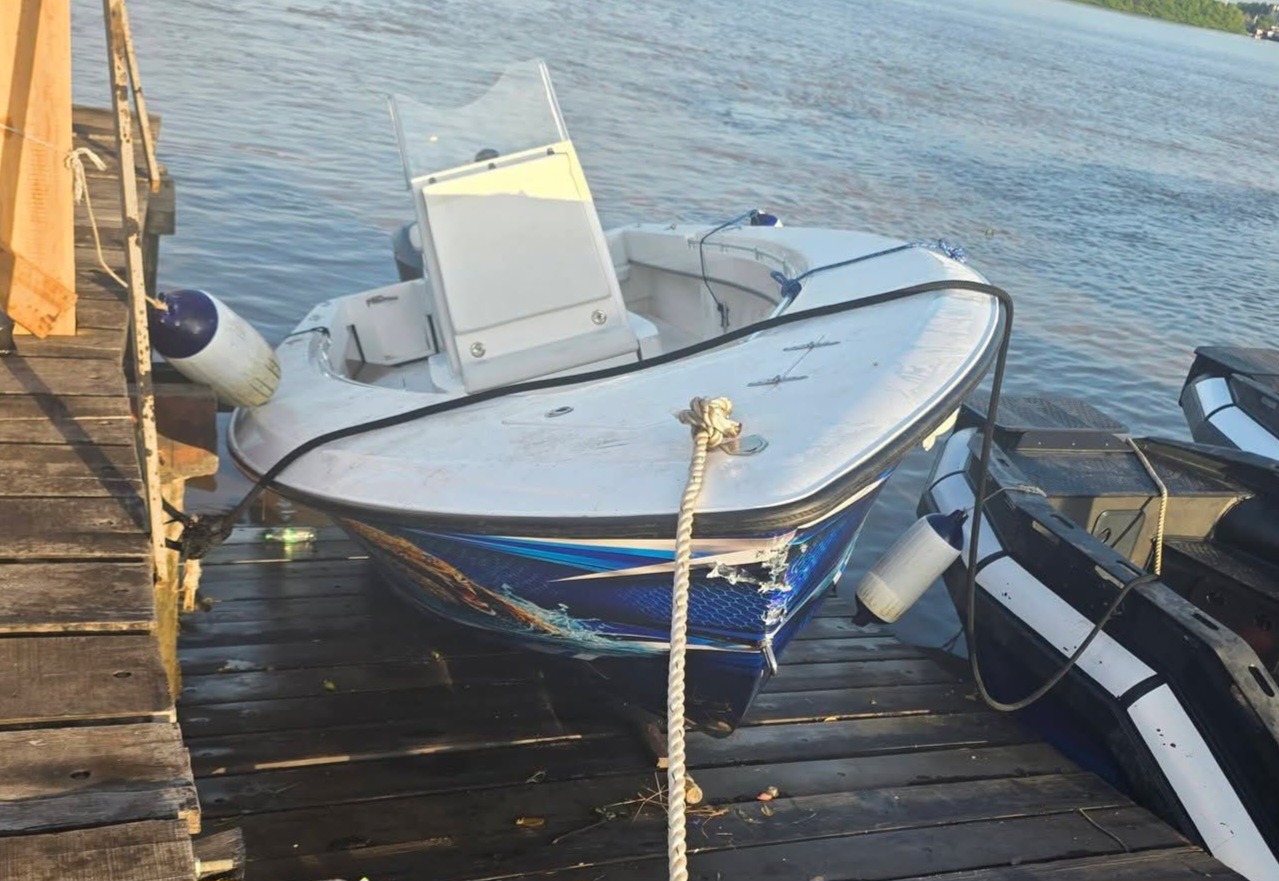
    On Thursday, July 9, 2026, a public controversy emerged over a billion-dollar subsea natural gas pipeline off the coast of Guyana, after opposition leader Azruddin Mohamed publicly raised alarms over what he claimed was a ruptured line causing a gas leak. Less than 24 hours after Mohamed shared his concerns, paired with photos and video footage showing intense water bubbling near the anchored utility vessel MT Telesto off Georgetown’s coast, Guyana’s government has pushed back on the claims, confirming only that a “small anomaly” on the line is the subject of ongoing inspections.

    The 12-inch diameter, 140-mile pipeline connects an offshore floating production, storage and offloading vessel to two under-construction energy facilities at Wales, on the West Bank of Demerara. In a joint statement, Guyana’s Environmental Protection Agency (EPA) and Maritime Administration (MARAD) confirmed they received a report about the pipeline and identified an irregularity during an initial probe. The agencies noted that the anomaly had been “thoroughly investigated” in a preliminary assessment, but they have released no further details about the nature of the abnormality or the findings of that initial probe.

    Despite the joint statement’s promise that the government would deliver “accurate, timely updates” to the public and called on residents to verify claims through official channels to avoid unnecessary panic among West Coast Demerara communities, multiple regulatory and corporate officials have declined to answer pressing questions from reporters. Questions submitted to EPA head Khemraj Parsram, MARAD spokespeople, EPA representatives, and ExxonMobil Guyana – the operator behind the pipeline project – about whether the anomaly is a bend, warp, pinhole, or other defect, what the initial investigation found, and if any remedial work is currently underway to address the issue, have gone unanswered. A request for comment from ExxonMobil Guyana on what is causing the observed water bubbling also received no response.

    Officials have unequivocally rejected Mohamed’s repeated claims of a pipeline rupture, pushing back even after an earlier initial denial from Natural Resources Minister Vickram Bharrat. The joint statement emphasizes that the pipeline is not yet active, with no natural gas currently flowing through the line. “As there is no gas passing through the line, there can be no leak or damage of the nature suggested in these reports,” the agencies said.

    MARAD and EPA added that additional inspections are ongoing out of an abundance of caution, to confirm the pipeline’s structural integrity in line with standard industry safety protocols. They also explained that the surface activity observed near MT Telesto is tied to a scheduled three-month inspection of the subsea pipeline that ExxonMobil Guyana launched in May 2026. The inspection work, which involves five vessels operating along the Demerara West Coast, was the subject of a prior public notice from MARAD, and area boaters and residents were notified of the activity in advance, the agencies added.

  • Walsh and Ambrose blast CWI, demand change

    Walsh and Ambrose blast CWI, demand change

    Two of the most iconic fast bowlers in cricket history, Courtney Walsh and Curtly Ambrose of the West Indies, have launched a blunt, public critique of the governance and structural flaws plaguing Caribbean cricket, issuing a clear call for sweeping systemic change to reverse the region’s decades-long decline in international cricket.

    The pair laid out their grievances during a recent appearance on the *Stick to Cricket* podcast, where they spoke alongside several former British cricketers. Their criticisms came even as they acknowledged the West Indies men’s Test team’s recent victory over Sri Lanka, a rare bright spot that does not offset deeper, long-running problems within the regional cricket governing body.

    At the top of their list of concerns is the restructuring of the West Indies Championship, the Caribbean’s premier domestic first-class competition, announced by Cricket West Indies (CWI) for the 2026 season. The changes, part of a broader two-year review of all regional tournaments, were framed by CWI as a compromise to balance elite athlete development with pressing financial constraints. But Walsh and Ambrose, who rank among the leading wicket-takers in West Indies Test history, reject the restructured layout as a legitimate first-class competition.

    “To me, that’s not a first-class season,” Walsh stated, with Ambrose immediately echoing the sentiment. Walsh argued that the domestic schedule needs to follow the model of England’s County Cricket, requiring a minimum of 10 matches per team to properly develop emerging talent. He emphasized that the West Indies first-class season has long been far too short, and the latest changes have only made the problem worse by truncating the schedule further.

    Beyond tournament structure, the legends say that the lived experience and expertise of former top West Indian players are consistently being sidelined by CWI leadership. Ambrose, who served a short tenure as the West Indies bowling consultant, detailed a broken promise from current CWI President Kishore Shallow that left him disillusioned. Four years ago, shortly after Shallow took office, the pair met for a dinner in St. Vincent where Shallow outlined plans to give former players formal advisory roles in governance. Ambrose left the meeting optimistic that change was finally on the horizon, but he says he has received no communication from Shallow in the years since. “I got a free meal and a world speech, and then that was it. So I don’t know what’s going on. Strange,” Ambrose said.

    Ambrose also recounted a disappointing end to his 2014–2016 tenure with the national team: after helping the West Indies claim the T20 World Cup title in India in 2016, he was dismissed from his role just after the tournament win. “Maybe I shouldn’t have won it,” he joked dryly.

    The pair also raised objections to the current setup that gives head coach Daren Sammy sole selection power for the national team, arguing that collective input from a broader panel of experienced cricket figures is necessary to build a competitive squad.

    When asked if the West Indies can return to the dominant glory days of the 1970s and 1980s, when the team dominated international cricket for decades, Walsh cautioned that a rapid recovery is impossible without major, across-the-board reform. That change, he said, needs to start at the grassroots level, expanding development programs in schools and regional cricket associations, before extending to the top levels of governance where CWI must implement clear, sustainable structural frameworks to rebuild the program.

  • Martinique and Barbados strengthen Caribbean partnership through new cooperation agreement

    Martinique and Barbados strengthen Caribbean partnership through new cooperation agreement

    Against the backdrop of growing demand for coordinated regional action in the Caribbean, Martinique and Barbados have cemented a groundbreaking new partnership that paves the way for deeper cross-territory collaboration across multiple critical sectors. The formal signing of the agreement took place July 7 on the margins of the annual CARICOM Summit, marking Martinique’s first high-level participation in the gathering since it gained associate membership in the Caribbean Community (CARICOM) this past February.

    The historic document was signed by Serge Letchimy, President of Martinique’s Executive Council, and Mia Amor Mottley, Prime Minister of Barbados, in a ceremony witnessed by regional stakeholders from across the Caribbean bloc.

    In an official press statement published by the Territorial Collectivity of Martinique (CTM), local authorities framed the new agreement as a key milestone in Martinique’s bid to embed itself more deeply in regional Caribbean affairs, turning its new associate membership status into tangible, people-centered progress.

    For Letchimy, the partnership sends a clear message that Martinique is committed to more than just symbolic participation in CARICOM. “Martinique is not simply taking its seat at the CARICOM table. It is here to build, propose, cooperate, and act. With Barbados, we are opening a new chapter: one of useful, operational, organised and results-driven Caribbean cooperation. We share a common responsibility: to turn our geographical, historical and human proximity into concrete projects for our peoples,” he said in remarks following the signing.

    The sweeping cooperation framework covers a broad range of priority areas identified as foundational to the long-term prosperity and stability of Caribbean communities. These include cultural and creative industries, sports exchanges, formal education, vocational skills training, climate and disaster risk management, public health collaboration, sustainable tourism development, fisheries management, and streamlined trade procedures between the two territories.

    Officials project that the partnership will unlock new opportunities for youth workforce development, expand cross-border economic ties, boost regional capacity to adapt to climate change, strengthen core productive sectors, and leverage shared cultural heritage as a unifying driver of cooperation and growth.

    Unlike many broad regional cooperation pacts that stall after signing, the new agreement includes formal institutional structures designed to ensure accountability and deliver measurable, on-the-ground results. A joint bilateral Cooperation Committee, co-led by senior representatives from both Barbados and CTM, will be tasked with setting annual cooperation priorities, approving work programs, tracking activity progress, evaluating outcomes, and recommending adjustments for future initiatives.

    A dedicated Technical Secretariat will also handle day-to-day project tracking and provide logistical support for implementation. To maintain full transparency, the two partners will publish a joint annual report that details completed activities, allocated resource usage, performance metrics, unmet challenges, and planned work for the coming year.

    The agreement will remain in force for an initial five-year term, with provisions for renewal through mutual consent, creating a stable, long-term framework for sustained collaboration. For Martinique, the partnership also reaffirms its long-term strategic goal of acting as a collaborative bridge connecting the Caribbean region to Europe, the Americas and Africa, while contributing directly to inclusive regional development and integration.

  • PM Browne urges CARICOM to keep reparations at top of regional agenda

    PM Browne urges CARICOM to keep reparations at top of regional agenda

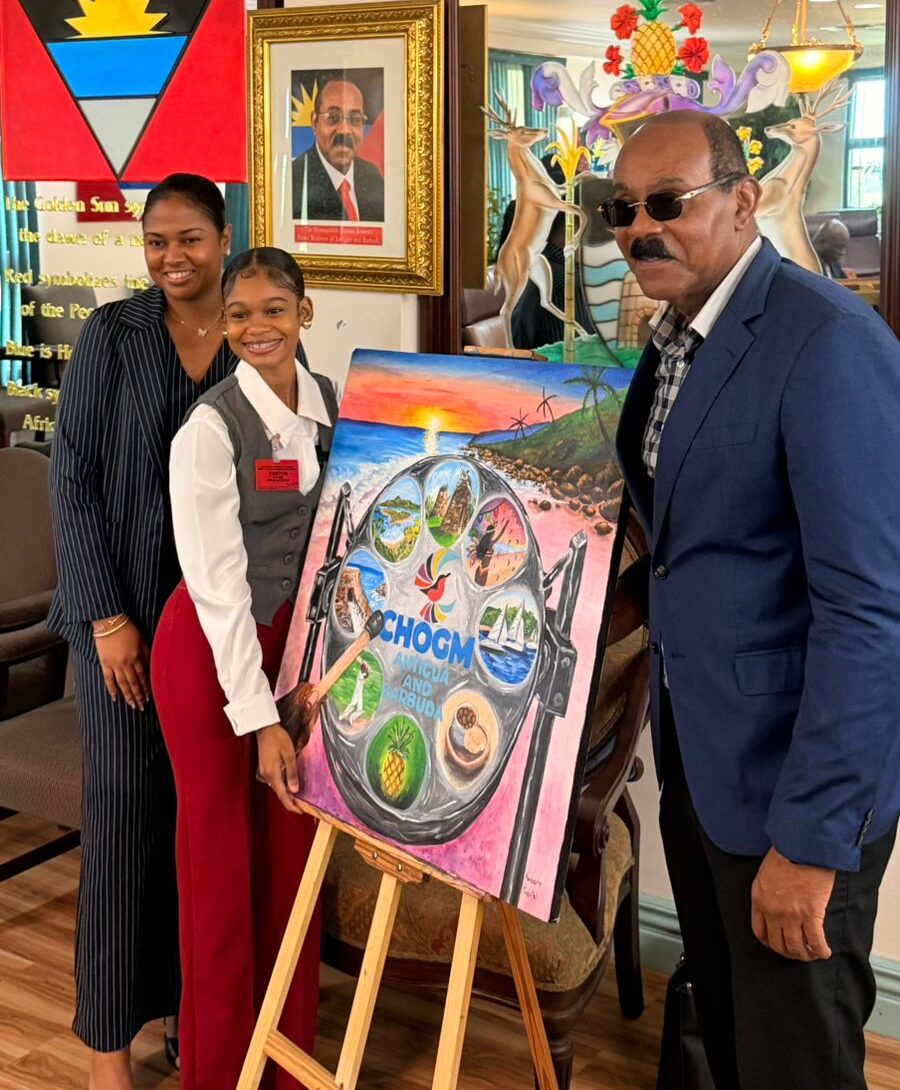
    As Caribbean leaders gathered for the 51st Regular Meeting of the Conference of Heads of Government of the Caribbean Community (CARICOM), Antigua and Barbuda Prime Minister Gaston Browne delivered a clear, unwavering call for regional leaders to sustain their push for reparatory justice, clarifying that the long-running campaign is rooted in a fight for accountability rather than a request for financial aid from former colonial rulers.

    Browne emphasized that the campaign for reparations is fundamentally a demand for restitution to address the intergenerational damage and persistent harm caused by the transatlantic slave trade and centuries of chattel slavery across the Caribbean. Rejecting framing of the movement as a plea for charitable support, he stressed that CARICOM’s collective position is built on established principles of justice and binding legal responsibility, framing the historical atrocities committed against enslaved peoples as crimes against humanity that demand redress.

    In his address to fellow heads of government, Browne praised Barbados Prime Minister Mia Mottley for her decisive leadership at the helm of CARICOM’s Prime Ministerial Sub-Committee on Reparations, urging all member states to preserve the progress the region has made and keep the issue at the top of the bloc’s policy agenda. He noted that growing global recognition of the transatlantic slave trade and chattel slavery as crimes against humanity has significantly strengthened both the legal standing and moral foundation of CARICOM’s demands. While he affirmed that ongoing diplomatic discussions with former colonial powers should remain respectful and solution-focused, he insisted that reparations cannot be sidelined or deprioritized for the regional bloc.

    Browne also updated attendees on preparations for the 2026 Commonwealth Heads of Government Meeting (CHOGM), confirming that the question of reparations will be explicitly included in the summit’s official communiqué. Foreign ministers from across the bloc will continue advanced negotiations on the language and framing of the reparations section ahead of the meeting, he confirmed.

    The Antigua and Barbuda leader also expressed strong support for the CARICOM Reparations Commission’s newly launched reparations manifesto, hailing the document as a critical strategic tool that outlines the clear legal and ethical justifications for the region’s demands. He called for widespread distribution of the manifesto across Caribbean communities, to build greater public understanding of the goals and purpose of the reparatory justice movement.

    Additionally, Browne reaffirmed CARICOM’s ongoing push to secure an advisory opinion from the International Court of Justice (ICJ) on the question of reparations. He explained that the ICJ opinion would clarify the legal obligations that former colonial powers hold for the harms of slavery, and further underscore that reparations are a matter of justice, not charitable giving. Closing his remarks, Browne reaffirmed Antigua and Barbuda’s full commitment to advancing CARICOM’s collective reparations agenda, and pledged continued support for the implementation of the bloc’s landmark Ten-Point Plan for Reparatory Justice.

  • “Small states must help shape a fairer multilateral order”, says former New Zealand Prime Minister the Rt Hon Helen Clark

    “Small states must help shape a fairer multilateral order”, says former New Zealand Prime Minister the Rt Hon Helen Clark

    In a pre-summit dialogue hosted by the Commonwealth Secretariat at Marlborough House ahead of the 2026 Commonwealth Heads of Government Meeting (CHOGM) in Antigua and Barbuda, top global and Commonwealth leaders have issued a unified call to center small states in the transformation of the strained global multilateral order. The event, titled “What space is there for Commonwealth small states in a multipolar world where middle powers are also increasingly assertive?”, gathered prominent figures to address the long-standing marginalization of small nations in global decision-making, and outline a path forward rooted in the Commonwealth’s core values of equal representation.

    Opening the conversation, Commonwealth Secretary-General Shirley Botchwey set the tone for the discussion, framing the gathering as a critical step to reframe global narratives around small state capacity. “We must change the narrative around small states. We cannot speak only of vulnerability,” Botchwey emphasized, noting that small Commonwealth nations consistently emerge as some of the clearest, most principled voices in global governance. “They understand interdependence because they live it,” she added. Botchwey went on to highlight the unique foundational structure of the 56-nation bloc, where every country – regardless of size, economic output, or geographic status – holds an equal voice in discussions. “That is not a procedural detail; it is a political principle. Our task now is to turn that principle into influence, and I am determined that the Commonwealth will be an instrument for the transformation of its small states.”

    Small states make up a majority of the Commonwealth’s membership, accounting for 33 of the bloc’s 56 member countries, giving the dialogue unique stakes for the organization. During the panel, speakers collectively acknowledged that the post-WWII multilateral system, which has anchored global cooperation for nearly 80 years, is facing unprecedented strain. Institutions designed for a vastly different global power dynamic are struggling to adapt to 21st century challenges, cross-border cooperation is declining, and the worst impacts of climate change fall disproportionately on small nations that have contributed the least to global emissions. Most notably, speakers pointed out that small states are often shut out of key decision-making processes that shape their economic, social, and environmental futures. Despite these barriers, the panel highlighted that small states punch far above their weight in multilateral action, particularly when it comes to climate action, ocean conservation, and environmental stewardship.

    The core of the discussion explored how the Commonwealth’s long-standing model of consensus-based decision-making – which grants equal voice to all 56 diverse member nations – can serve as a blueprint for building a revitalized, values-led global order rooted in international law. Under this model, small and vulnerable nations would act as active shapers of global policy, rather than passive bystanders to decisions made by large and middle powers.

    Rt Hon Helen Clark, former New Zealand Prime Minister, Chair of the Global Leadership Foundation, and former UNDP Administrator, was the panel’s lead speaker. She argued that the original promise of multilateralism – that every nation, no matter its size, holds a stake and a say in the shared global future – is fraying amid shifting global power dynamics. “As power shifts and middle powers rightly seek a greater role, we must ensure the answer is not simply a slightly larger club of the powerful,” Clark stated. She went on to highlight the unique value small states bring to global governance: “Small states bring moral clarity, hard-won experience and outsized leadership on climate, on oceans and on peace. A revitalised multilateralism must make room for them, not as an act of charity, but because the system will be stronger and more legitimate for it.”

    Joining Clark as a guest of the Commonwealth Secretariat was Hon Bill Blair, Canada’s High Commissioner to the United Kingdom. He echoed Clark’s call for inclusive collaboration, noting that middle powers carry a unique responsibility to advance equity in global governance. “Canada believes that a rules-based international order only works if it works for everyone,” Blair said. “Middle powers have a responsibility not to replicate the patterns of dominance we seek to change, but to open doors and build coalitions with small states as genuine partners. The Commonwealth shows what that partnership can look like in practice.”

    The conversation was moderated by HE Karen-Mae Hill OBE, Antigua and Barbuda’s High Commissioner to the United Kingdom. Antigua and Barbuda is set to host the 2026 CHOGM this coming November, where the nation will also assume the role of Commonwealth Chair-in-Office. The summit will carry the official theme “Accelerating Partnerships and Investment for a Prosperous Commonwealth”, and will bring together leaders from across the bloc to advance shared prosperity for the Commonwealth’s 2.7 billion people. Hill emphasized that the dialogue was particularly timely given the upcoming summit. “As Antigua and Barbuda prepares to welcome Commonwealth leaders to CHOGM 2026, this conversation could not be more timely,” Hill said. “Small states are not asking for a seat at the margins of a new world order; we are asserting our place at its heart. I look forward to a time when the contribution of small states to multilateralism is fully recognised and supported, building on the Commonwealth’s decades of championing the voices of small states.”

    The Marlborough House Conversation is just one part of the Commonwealth Secretariat’s broader pre-CHOGM dialogue series, designed to surface key priorities from member states ahead of the 2026 summit.

  • OECS Marks 45th Anniversary with Geneva Celebration

    OECS Marks 45th Anniversary with Geneva Celebration

    On June 19, just one day after the annual observance of OECS Day, the Permanent Delegation of the Organisation of Eastern Caribbean States (OECS) to Geneva hosted a celebratory reception at the WTO Headquarters’ Atrium to mark the bloc’s 45th year of existence. The event was far more than a ceremonial gathering—it served as a tribute to four and a half decades of coordinated progress, while also highlighting the vibrant cultural identity that unites the Eastern Caribbean region.

    Attendees, including high-ranking diplomats from member and non-member states, representatives of OECS’s long-standing international partner organizations, and members of the Caribbean diaspora community based in Geneva, gathered to reflect on the bloc’s journey and reaffirm their commitment to continued collective cooperation. To infuse the celebration with authentic Caribbean culture, organizers tapped two talented artists from Antigua and Barbuda: acclaimed pannist Khan Cordice, who previously wowed audiences as the lead performer at the 44th OECS anniversary pan music recital, and keyboardist Khadijah Simon. Cordice’s dynamic steelpan performance captivated the entire room, showcasing the distinctive musical heritage that has become a cultural calling card for the Caribbean.

    Beyond the celebration, the event also highlighted the critical role of the OECS Permanent Delegation in Geneva, which was established in 2005 to address a long-standing gap in the OECS’s institutional presence at the World Trade Organization. Prior to the delegation’s founding, the Caribbean bloc lacked a permanent, effective voice in WTO processes, putting it at a disadvantage in global trade negotiations that shape the economic prospects of its small island member states. Today, the delegation carries out core functions that include monitoring ongoing trade policy developments, analyzing how global trade shifts impact OECS members, publishing detailed reports for bloc leadership, and submitting policy proposals to WTO committees and governing councils to advance the collective interests of Eastern Caribbean nations.

  • European Union Ambassador Fiona Ramsey Presents Credentials to OECS Director General

    European Union Ambassador Fiona Ramsey Presents Credentials to OECS Director General

    On July 2, 2026, a landmark virtual credential presentation ceremony marked a new chapter in the long-standing partnership between the European Union (EU) and the Organisation of Eastern Caribbean States (OECS). During the event, Her Excellency Fiona Ramsey, the EU’s newly appointed Ambassador to Barbados and the Eastern Caribbean, formally submitted her Letter of Credence to OECS Director General Dr. Didacus Jules, publicly reaffirming the EU’s unwavering long-term commitment to three core pillars of collaboration: regional integration, sustainable development, and strategic cooperation with the OECS.

    Opening the official proceedings, Dr. Jules extended a warm welcome to Ambassador Ramsey, offering his congratulations on her new appointment and taking the opportunity to underscore the depth of the multi-decade partnership between the two blocs. Reflecting on the foundations of their relationship, Dr. Jules emphasized that the EU has consistently stood as one of the OECS’ most reliable and enduring development partners. “Ours is a relationship built on mutual respect, shared values, and a common commitment to sustainable development, democracy, multilateralism, and the well-being of our people,” he noted.

    In response, Ambassador Ramsey commended the OECS for its 40-plus years of work advancing regional integration and collective solidarity across its 11 member states. She went on to highlight the unique geographic and geopolitical ties that bind Europe and the Caribbean, pushing back against the framing of the EU as a distant transatlantic partner. “Europe is not just a partner across the Atlantic,” Ramsey explained. “Europe is also part of the Caribbean through the French territories of Martinique and Guadeloupe and the overseas countries and territories in the region. We share the same maritime space, the same neighbourhood, and many of the same practical challenges. Close cooperation between the European Union and the OECS is therefore both natural and essential.”

    Ambassador Ramsey also conveyed formal greetings from two of the EU’s top leaders: European Council President António Luís Santos da Costa and European Commission President Ursula von der Leyen. She reiterated the EU’s ongoing commitment to expanding ties with Caribbean regional bodies through the bloc’s flagship Global Gateway Investment Agenda, a major infrastructure and development initiative designed to boost connectivity and sustainable growth across partner regions.

    Following the formal credential ceremony, Ambassador Ramsey and Dr. Jules held a closed-door working discussion focused on expanding the strategic partnership between the two organizations. Their conversation centered on eight key priority areas for deepened collaboration: climate adaptation and resilience, expanded access to renewable energy, sustainable ocean governance, inclusive digital transformation, expanded educational exchanges, support for homegrown innovation, accelerated regional integration efforts, and strategic infrastructure development. Both sides expressed optimism that the new ambassador’s tenure will bring tangible progress and shared benefits for citizens across the Eastern Caribbean and the European Union alike.

  • Meat Master Serves Up Its Response

    Meat Master Serves Up Its Response

    In the wake of an explosive investigative report published by local outlet News Five that shone a light on more than $435,000 in government payments to Belizean meat supplier Meat Master over just two months, the company has broken its silence with an official public statement pushing back against criticism and defending its business dealings with Belize’s Ministry of Defense.

    News Five’s initial reporting raised multiple red flags about the transactions, prompting widespread public discussion over potential conflicts of interest and procurement irregularities. In its response, Meat Master claims that much of the recent media coverage and public discourse surrounding its contracts with the Belize Defence Force and Belize Coast Guard contains factual inaccuracies, and it is now stepping forward to share what it frames as the complete, correct record of its operations.

    Founded and formally registered in 2022, Meat Master outlines in its statement that its core mission is the production and distribution of fresh, smoked, and processed meat products for domestic clients. The company says it has poured substantial capital and labor into building its operations from the ground up, and forcefully rejects one of the most persistent public claims linked to the contract: that it has hidden financial or ownership ties to the Briceño family. The statement explicitly reads, “At no point has there been ties to the Briceño family; not as part owners of the business nor as owners of the property.”

    On the topic of how the company secured the lucrative defense contract, Meat Master emphasizes that it was selected following a competitive open tender process held by the Belizean government in April 2026. The company confirms it submitted all required bidding documentation, satisfied every formal procurement mandate set out by regulators, and says that every invoice submitted to the defense forces accurately matches the volume and value of meat products delivered.

    Framing itself as a homegrown small business, the company notes that its standing in the local market has been earned through years of consistent work, premium product quality, and reliable professional service. “As a local Belizean business, our reputation has been built on hard work, quality products, and professional service. We remain committed to conducting our business with integrity and transparency,” the statement adds.

    Meat Master closed its response by calling on all media outlets operating in the country to verify all claims before publishing, warning that unfounded inaccurate reporting risks inflicting irreversible unfair harm not just to the company’s brand, but also to its dozens of employees and their families who rely on the business for their livelihoods.

    Despite pushing back against general claims of impropriety, the company’s statement notably avoids directly responding to the specific irregularities highlighted in News Five’s investigation. It makes no mention of 54 separate invoices processed between April and May 2026, each of which carried a value just under the $10,000 mandatory review threshold – a common red flag for procurement splitting to avoid oversight. Additionally, the company offers no explanation for why 35 of those invoices, which together total more than $300,000, were all cleared for payment on a single business day, a highly unusual practice that has fueled further public questions about the contracting process.

  • Derde helft WK 2026: Atlas Leeuwen jagen op geschiedenis, Franse favorieten klaar voor strijd

    Derde helft WK 2026: Atlas Leeuwen jagen op geschiedenis, Franse favorieten klaar voor strijd

    Beneath bright, clear skies at Boston Stadium on Thursday, July 9, one of the most highly anticipated matches of the 2026 FIFA World Cup is set to unfold: a quarterfinal showdown between defending champion France and surprise contender Morocco that promises to deliver a clash for the ages. France is chasing its third World Cup title, led by a devastating attacking trio headlined by global superstar Kylian Mbappé, while Morocco – nicknamed the Atlas Lions – is determined to keep its extraordinary tournament run alive and cement its status as a legitimate title contender. This fixture is far more than just another knockout game: it is a battle between established European soccer royalty and unstoppable emerging African talent, brimming with passion, ambition, historical weight and national pride.

    As two-time World Cup winners and 2022 runners-up, France enters this match as the undisputed tournament favorite. Through five matches so far in 2026, Les Bleus have claimed five wins, netting 14 goals while conceding just two, showcasing a near-perfect balance of defensive solidity and attacking flair. Mbappé, the team’s talisman, has already notched seven goals in the tournament, and he is backed by a dynamic supporting cast of playmakers including Ousmane Dembélé, Michael Olise and Bradley Barcola. This attacking unit is widely regarded as the most dangerous and feared offense in the entire 2026 competition. Even for a squad of France’s caliber, however, every step toward the trophy is a grueling test – especially against an opponent as unexpectedly strong as Morocco.

    Morocco is no longer the surprising underdog that captured global attention when it became the first African and Arab nation to reach a World Cup semifinal in 2022. The Atlas Lions have undergone an extraordinary transformation in the four years since that history-making run. Fresh off winning the 2025 Africa Cup of Nations and carrying a 34-match unbeaten streak into Thursday’s quarterfinal, Morocco has evolved into a serious title contender. The squad plays organized, physical soccer that is particularly deadly on counterattacks, led by creative playmaker Brahim Diaz, who has notched four assists so far in the tournament. Unfortunately for Morocco, star goalscorer Ismael Saibari will miss the match through injury, but the team remains resolute in its goal to pull off another upset and write new chapters of soccer history.

    Both teams navigated challenging paths to reach the quarterfinal stage. France dominated Group I, earning wins over Norway, Senegal and Iraq, before cruising to a 3-0 round of 16 victory over Sweden and grinding out a hard-fought win over Paraguay in the second knockout round. Morocco finished second in Group C, claiming impressive wins over Scotland and Haiti, holding powerhouse Brazil to a stunning draw, then eliminating the Netherlands in a penalty shootout and beating Canada 3-0 in the knockout rounds. Under head coach Mohamed Ouahbi, the team has grown into a force to be reckoned with. “We are no longer a surprise – we are a real force,” Ouahbi says of his squad’s rise.

    Off the pitch, the match also adds a personal subplot: Morocco captain Achraf Hakimi and France’s Mbappé are former Paris Saint-Germain teammates and close friends off the field, but both have made clear they will leave everything on the pitch to deliver victory for their nations.

    The two sides last faced off in the 2022 World Cup semifinal, where France earned a 2-0 win to advance to the final. Thursday’s rematch carries far more stakes this time around: Morocco has evolved into a far more complete and dangerous squad since that 2022 meeting, and is hungry to prove its rise is no fluke.

    The winner of this Boston quarterfinal will advance to the semifinal, scheduled for July 14 in Dallas, where they will face either Spain or Belgium, with a spot in the World Cup final increasingly within reach. This clash is more than 90 minutes of soccer: it is a meeting of legacy and ambition, of established power and rising talent, of experience and relentless fighting spirit. Boston is bracing for an unforgettable night where dreams can come true and new soccer legends are set to be born.