博客

  • Op-Ed: The monsters are not the migrants, a small state’s sovereignty is not for sale

    Op-Ed: The monsters are not the migrants, a small state’s sovereignty is not for sale

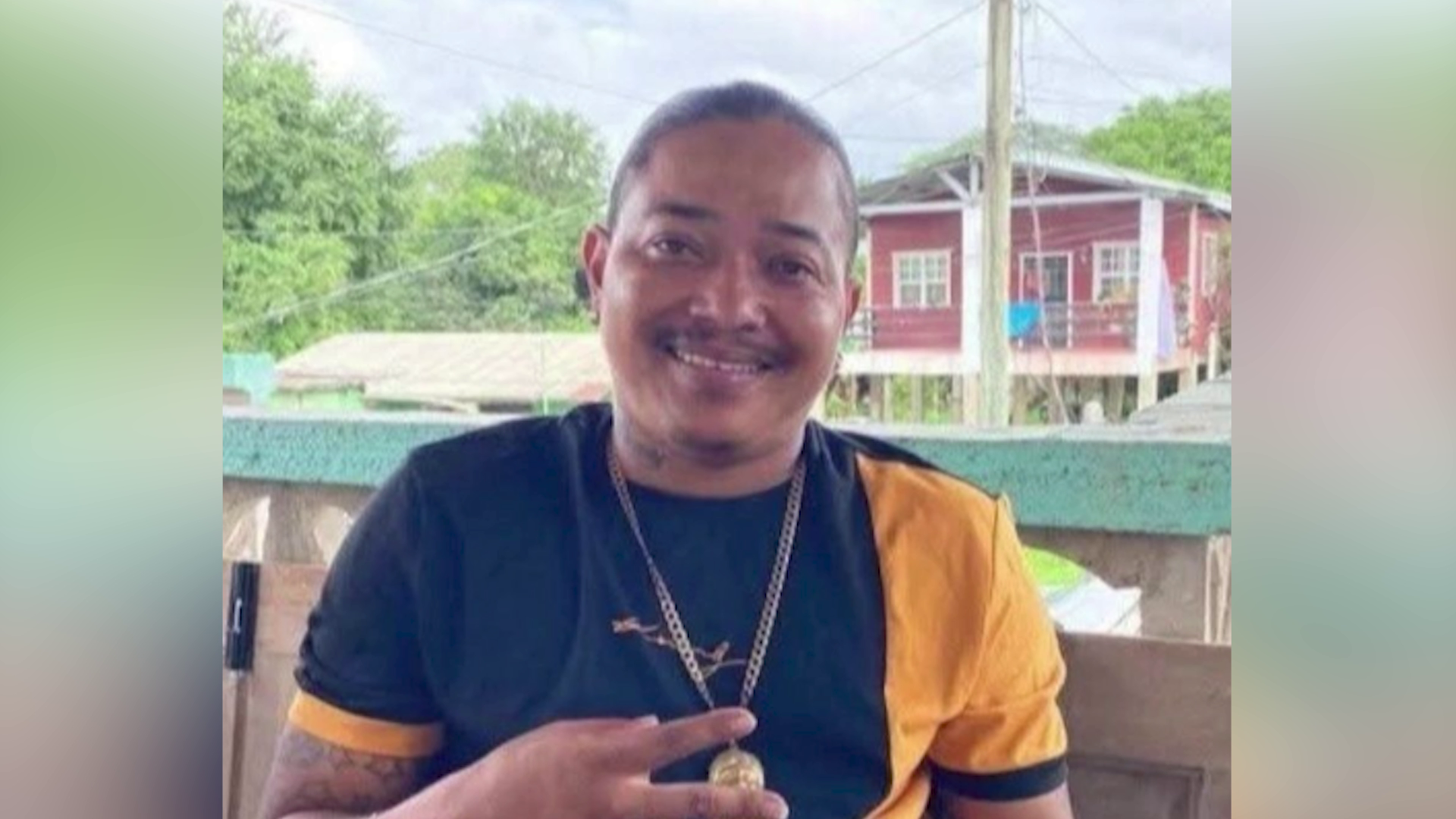
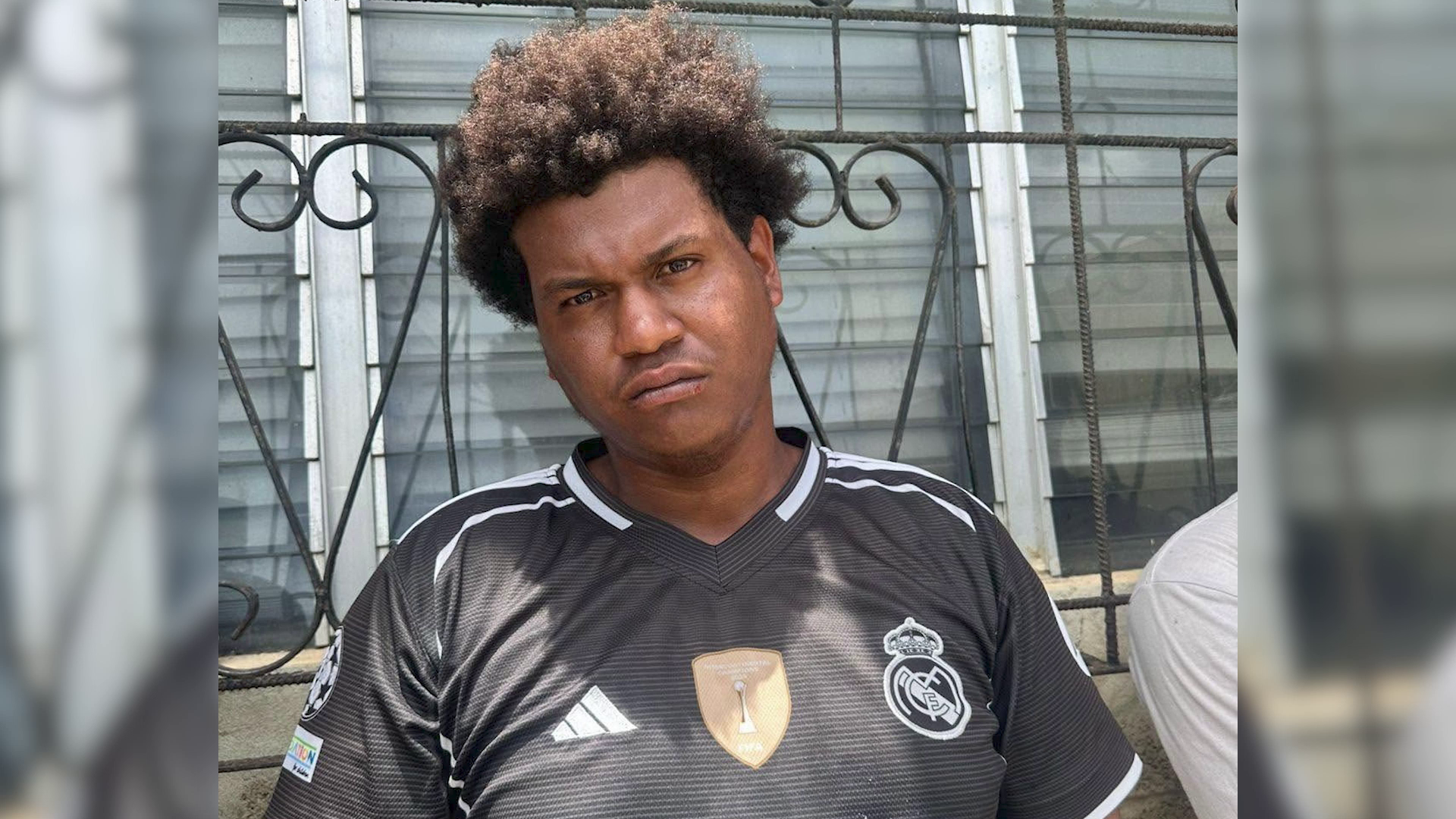
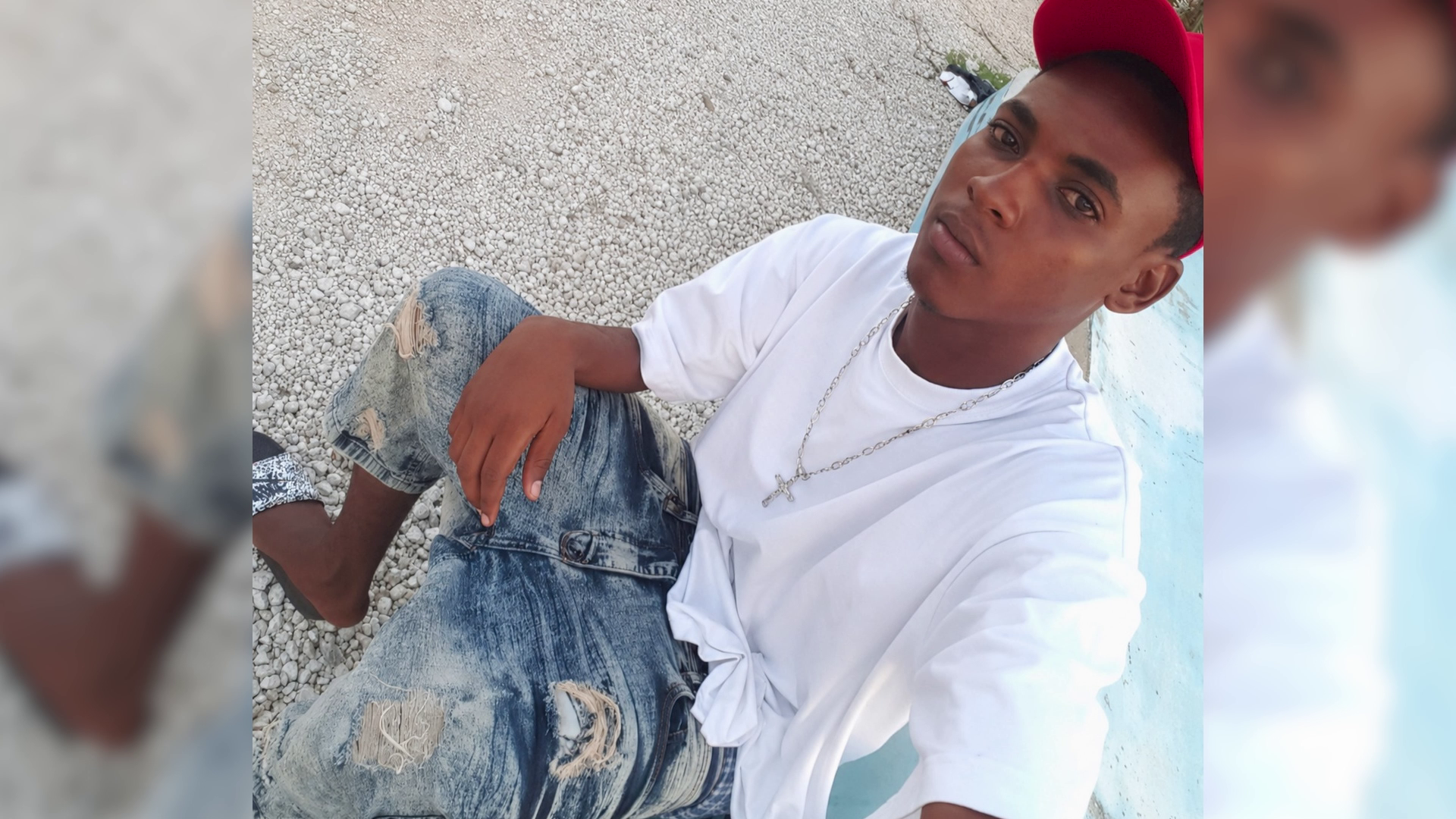
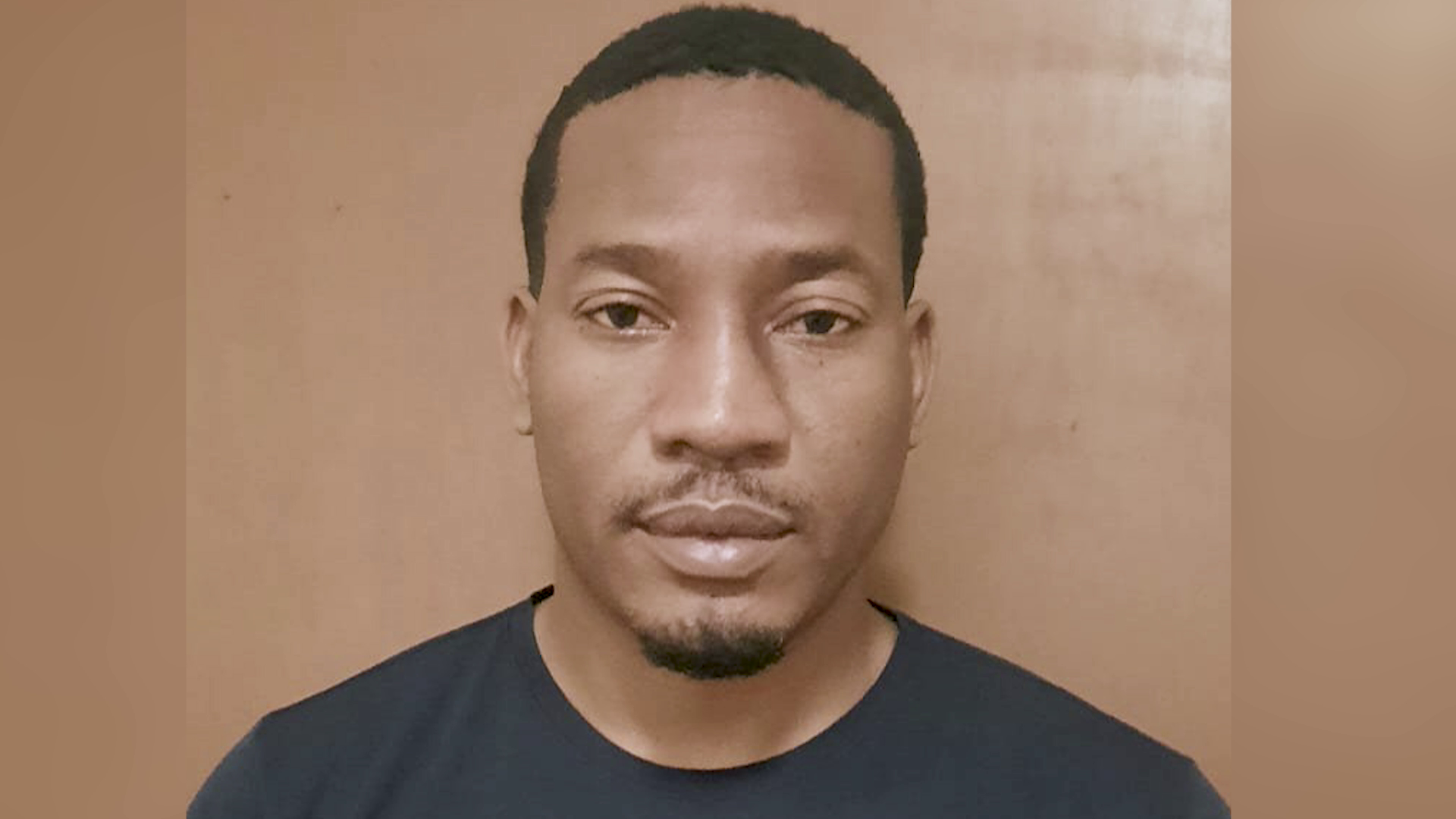
    In mid-May 2026, three CARICOM citizens from Jamaica and Belize arrived in Basseterre, the capital of St. Kitts and Nevis, transferred there under a bilateral deportation arrangement with the United States. None of the three had criminal convictions; their only offense was overstaying their U.S. visas. They are not threats or criminals, just people caught in the wrong place at the wrong time, unwanted by the United States and passed along to small Caribbean nations.

    This quiet transfer has pushed a long-simmering regional tension into the open, as Antigua and Barbuda becomes the next Caribbean state facing U.S. pressure to accept deported third-country nationals. In response, the Antigua and Barbuda government has released a public White Paper outlining strict conditions under which it would consider accepting a tightly capped number of these transfers. The debate unfolding across the Caribbean exposes deep structural inequities in global migration governance and raises a pressing question: how has the region been pushed to absorb other countries’ unaddressed problems again and again?

    To understand this moment, we can turn to an observation Antonio Gramsci made while imprisoned by Mussolini in the 1930s: “The crisis consists precisely in the fact that the old is dying and the new cannot be born, in this interregnum a great variety of morbid symptoms appear.” The post-Cold War global order that once set rules for international interaction is visibly fraying, and no new power or framework has emerged to replace it with broad, shared legitimacy. What we live in now is a fragmented, increasingly unregulated multipolar system that resembles less a balanced global order and more an unregulated brawl without a referee. For small Caribbean states, the “morbid symptoms” Gramsci wrote of are already here – and they take four distinct forms in the current deportation debate.

    The first is the U.S. deportation policy itself, which frames the outsourcing of deportations to third-party nations as a cooperative partnership. Small Caribbean states are being asked to take in people who hold no citizenship in their countries, often have no existing family or cultural ties to the region, and face no clear path to a stable, durable future. Administrative jargon calls this “third-country removal”; in plain language, it is simply the U.S. shifting its migration policy burdens onto smaller, less powerful nations.

    The second harmful symptom is the dehumanizing language used to sell this policy to the public. During an April 2025 cabinet meeting, U.S. Secretary of State Marco Rubio claimed the U.S. was seeking nations willing to accept what he called “the most despicable human beings”, adding that “the further away from America, the better.” This framing directly contradicts the reality of the three men who arrived in Basseterre, none of whom had any criminal convictions beyond immigration violations. Rubio’s harsh rhetoric was crafted for a domestic U.S. political audience conditioned to view certain groups of migrants as inherent threats. It deliberately frames human beings as disposable before Caribbean nations have even had the chance to review individual cases. Deported people are not abstract policy problems: they are parents, siblings, neighbors, people who made mistakes, people who sought better lives for themselves and their families. Upholding the rule of law does not require dehumanization; true security relies on verified information and sovereign, individual assessment, not dehumanizing labels. This dehumanization, dressed up as a concern for national security, is a danger the Caribbean must reject.

    The third danger is the stark diplomatic asymmetry that defines the current negotiation. As of July 2026, Antigua and Barbuda is being asked to help the U.S. resolve a politically sensitive migration challenge, even as Antigua and Barbuda’s own citizens face sweeping restrictions on new U.S. visa applications. Caribbean nations are considered good enough to receive the U.S.’s unwanted deportees, but Caribbean travelers are forced to pay heavy bonds and face arbitrary restrictions just to enter the U.S. This imbalance is not a minor side issue; it strikes directly at the core of reciprocity, national dignity, and national interest. This does not mean human beings should be treated as bargaining chips – but if Antigua and Barbuda is being asked to take on legal, financial, social, and political risk for the benefit of the U.S., it is fully entitled to demand clear, concrete, measurable benefits for its own citizens in return.

    To the Antigua and Barbuda government’s credit, its recently released White Paper acknowledges most of these risks and inequities. It rejects a standing, open-ended monthly transfer program, preserves full sovereign discretion over which cases to accept, and proposes a strict cap of no more than ten transfers in 2026, with a full policy review scheduled for 2027 before any further decisions are made. The White Paper also sets strict exclusion criteria, and requires written, binding commitments for legal status, full funding for all related costs, healthcare, social support, and return arrangements for any individual transferred, before any transfer proceeds. Most critically, the document explicitly calls for lifting blanket visa restrictions on Antigua and Barbuda’s citizens as a core condition of any agreement. This position must be defended and strengthened: the visa issue cannot be separated from the deportation negotiation, and Antigua and Barbuda should never accept open-ended risk in exchange for vague promises of future favor. Parliamentary scrutiny must be required before any transfers move forward.

    Small Caribbean states are not powerless. The U.S. itself refers to the region as its “third border”, a phrase that implicitly acknowledges the region’s strategic importance to U.S. interests. That status gives Caribbean nations standing to negotiate, not just to accept terms dictated from Washington. Sovereignty is not a gift granted by great powers; it is a muscle that atrophies if it is not exercised. That is why this diplomatic imbalance must be addressed head-on.

    The fourth and final danger is the tendency to reduce this critical national issue to petty partisan division. This is not a question of whether one supports or opposes the sitting government; the government has a duty to be fully transparent with the public, the opposition has a duty to provide rigorous scrutiny, and citizens have a right to demand seriousness from both sides of the political aisle. Across the political divide, five core non-negotiable principles should unite all Antiguans and Barbudans: no open-ended standing program or automatic admissions; no transfers without complete biographical, biometric, medical, criminal, and asylum information; no acceptance of individuals with serious criminal convictions, unresolved asylum claims, or cases based solely on expedited removal; no transfers before written agreements for full cost coverage, legal status, and return responsibility are secured; and no agreement without parliamentary scrutiny and the inclusion of U.S. visa restrictions in negotiations.

    This position is not anti-American; it is pro-Antigua and Barbuda. Friendship between sovereign nations does not require obedience. Mature diplomacy allows a small state to say: we value our relationship with the U.S., we recognize the existing power imbalance, we will listen respectfully, but we will not become a dumping ground for another country’s unresolved migration problems, and we will not accept one-sided risk while our own citizens face unfair and demeaning restrictions.

    Partisan division on this issue plays only into the hands of outside interests. The real danger is not just what the U.S. asks of the Caribbean – it is how we turn on each other when we debate it. These “monsters” of inequity and dehumanization thrive when compassion is mocked as weakness, caution is dismissed as disloyalty, scrutiny is branded sabotage, and foreign political talking points become common sense in local politics.

    We do not need to adopt Marco Rubio’s dehumanizing language to uphold our national interests, nor do we need to build our diplomatic posture on anger alone. We can be clear-eyed, firm, and united around core principles: lawful process, strict limits on transfers, full funding, full vetting, parliamentary oversight, reciprocal visa treatment, and the sovereign right to say no.

    The monsters in this debate are not the migrants. They are the four dangerous frameworks that have brought us to this point: outsourced deportation disguised as partnership, dehumanization disguised as security, diplomatic imbalance disguised as friendship, and partisan division disguised as patriotism. We can defeat these four threats by remembering who we are: we are a small state, but not a small people. We are friends of the United States, but not subordinates. We are prepared to cooperate, but only on terms that protect our citizens, our laws, our national capacity, and our dignity.

    The real test facing Antigua and Barbuda today is not whether it accepts ten deportees. It is whether it accepts a framework that will allow ten to become twenty, twenty to become an open-ended flow, while Antigua and Barbuda’s own citizens continue to wait years for visas and post bonds just to visit family abroad. That threshold is where sovereignty begins.

  • Reported Shark Sighting at Ffryes Beach

    Reported Shark Sighting at Ffryes Beach

    On Sunday, a reported shark sighting just meters from Ffryes Beach’s shoreline has sparked urgent safety alerts for local and visiting beachgoers, urging heightened vigilance across all coastal water activities. Multiple eyewitnesses confirmed the predator was spotted swimming in shallow, near-shore waters – a development that immediately stoked anxiety among swimmers already on edge following a recent high-profile shark attack off the same region’s coast.

    That prior incident left a local fisherman from the nearby community of Urlings with severe, life-altering injuries after the encounter while he was working out at open sea. As of the latest updates, the fisherman remains in recovery, with no additional details released on his current condition by local medical authorities.

    In response to the new sighting, regional coastal safety officials have issued formal guidance for all water users, including recreational swimmers, snorkelers, and paddleboarders, to keep a constant watch for sharks or any out-of-the-ordinary marine behavior. The advisory stresses that anyone who spots a shark or detects unusual activity should immediately exit the water without delay and alert local lifeguards or coastal management teams.

  • APUA Cooperative Credit Union Staff Stage Sit-In Over Workplace Concerns

    APUA Cooperative Credit Union Staff Stage Sit-In Over Workplace Concerns

    On a Monday morning, employees of the APUA Cooperative Credit Union launched a peaceful sit-in demonstration, stepping forward to raise a series of longstanding concerns about their working conditions that have yet to be addressed by institutional leadership.

    When local press reached out to Office Manager Melissa Southwell for an official statement on the industrial action, Southwell immediately declined to provide any comment. After offering only a brief “no comment” response, she ended the media conversation abruptly, leaving core questions about the employees’ grievances and the institution’s planned next steps unanswered.

    A key point of context that clarifies the structure of this dispute is the independent status of the credit union. While it bears the APUA name, the organization operates entirely separate from the management framework of the Antigua Public Utilities Authority. It is structured as a member-owned institution, with all shares held by the APUA employees who make up its base of account holders and stakeholders.

    This collective action comes a little more than 12 months after a significant milestone for labor relations at the credit union: management and the Antigua and Barbuda Workers’ Union, the official body that represents the credit union’s employees in collective bargaining, signed their first ever formal collective agreement. That agreement was intended to set clear terms for working conditions, compensation, and dispute resolution moving forward, making the current unrest a notable setback for the nascent labor framework at the institution.

    As of Monday, the situation remains unresolved and developments are ongoing. Media outlets are continuing to monitor the standoff between employees and leadership, with additional details expected to emerge as negotiations or further actions unfold.

  • COMMENTARY: World Population Day

    COMMENTARY: World Population Day

    To mark the 2025 observance of World Population Day, which has been held annually on July 11 since its launch in 1990, demographers and global policymakers are drawing renewed attention to the complex, bifurcated global population crisis shaping the 21st century. This year’s official theme, centered on advancing the hopes and aspirations of current and future generations of young people, emphasizes how urban living increasingly shapes young adults’ life choices across education, career development, housing, romantic relationships and family planning.

    Decades of data confirm a striking global shift in fertility patterns. Today, two-thirds of the global population resides in regions where the average fertility rate sits below 2.1 children per woman — the minimum threshold required to maintain a stable population size without migration. In the early 1970s, the global average fertility rate stood at 4.5 children per woman; by 2015, that figure had dropped to under 2.5. Parallel to falling birth rates, global life expectancy has climbed dramatically, rising from 64.6 years in the early 1990s to 72.6 years by 2019. In 2025, plummeting fertility rates have dominated global demographic headlines, with multiple governments sounding alarms over potential “population collapse” and rolling out aggressive policy measures to encourage higher birth rates.

    The small island nation of Jamaica offers a clear case study of the late-stage demographic transition many low- and middle-income countries are now experiencing. Latest data from the Planning Institute of Jamaica (PIOJ) shows the country’s total population hit an estimated 2,764,200 at the end of 2025, up only 600 people from 2024, translating to a near-zero 0.0 percent annual growth rate. The 2025 Economic and Social Survey Jamaica recorded 28,900 births and 21,300 deaths over the year, giving a natural population increase of 7,600 people. However, net emigration stripped out 7,000 residents — down from 8,800 net migration losses in 2024, but still enough to erase nearly all of the country’s natural population growth.

    In its analysis, the PIOJ noted that Jamaica’s stagnant growth aligns with the final phase of the standard demographic transition model, defined by low fertility and low mortality rates that produce little to no natural population growth. The country’s population structure has also shifted significantly: while a large share of residents still fall within the working-age 15 to 64 bracket, the share of residents aged 65 and older (a dependent population group) is growing steadily, and the share of children aged 0 to 14 continues to decline. “Net migration loss, below replacement level fertility rates and population ageing have all had an impact on the population structure,” the PIOJ statement added.

    Beyond falling fertility and aging populations, the United Nations highlights two interconnected megatrends reshaping global demographics: rapid urbanization and accelerating cross-border and internal migration. 2007 marked the first time in human history that a majority of the global population lived in urban rather than rural areas, and projections indicate that urban residents will make up 66 percent of the global population by 2050. These broad shifts carry sweeping consequences for nearly every aspect of global development: they impact economic growth, job markets, income inequality, poverty reduction and social safety net systems, as well as ongoing efforts to guarantee universal access to healthcare, education, housing, sanitation, clean water, food and energy. UN analysts note that effective, sustainable policy planning depends on a clear understanding of global population size, geographic distribution, age structure and projected future growth.

    The global population crossed the 8 billion threshold in 2023, and current projections put the global total at 8.2 billion by July 2026. Growth is expected to continue to 9 billion by 2039 and 10 billion by 2060, before peaking at 10.6 billion in 2092 and beginning a gradual decline. For today’s young people, this uncertain demographic future is a major source of anxiety: many expect their economic and social outcomes to be worse than that of their parents’ generation, and their widespread concerns over climate change, economic volatility and rising geopolitical conflict are already shaping their choices around whether and when to start families.

    On this World Population Day, development experts are calling on governments to strengthen investments in young people’s education, particularly for girls. A key priority, they note, is expanding efforts to delay the average age of marriage and first childbirth in countries where early marriage and early parenthood remain common. Such reforms would deliver widespread benefits, improving women’s health outcomes, expanding educational attainment and increasing women’s participation in the paid labor force. These investments also support progress toward sustainable development goals, reducing the scale of required public investment while advancing inclusive growth that leaves no demographic group behind.

    In his remarks for World Population Day, UN Secretary-General António Guterres emphasized that young people across the world are already stepping up as leaders, innovators and activists to address shared global challenges. “We must match their determination with greater investments in education, sexual and reproductive health, decent work and real participation in decision-making,” Guterres said.

    This article was written by Wayne Campbell, an educator and social commentator focused on how development policies intersect with culture and gender issues.

  • OPINION: The Monsters Are Not the Migrants

    OPINION: The Monsters Are Not the Migrants

    In late May 2026, three CARICOM nationals from Jamaica and Belize made an unexpected landing in Basseterre, the capital of Antigua and Barbuda. Transferred under a bilateral arrangement with the United States, these three men were not violent offenders or security threats — they were simply individuals caught in the wrong place at the wrong time, marked for removal by U.S. immigration authorities. This quiet arrival has sparked a urgent regional conversation about power imbalance, national sovereignty, and the growing pressure on small Caribbean nations to absorb other countries’ unresolved policy problems.

    Today, Antigua and Barbuda’s government has released a formal White Paper outlining strict, conditional terms under which it might consider accepting a strictly capped number of third-country nationals removed from U.S. territory. To understand how the Caribbean reached this defining moment, it is useful to turn to a decades-old observation from Italian philosopher Antonio Gramsci, who wrote from a Fascist prison in the 1930s that political crisis emerges when the old order collapses, a new order has not yet taken root, and dangerous, corrupting pathologies fill the void. That pattern is familiar to Caribbean nations, which have long been framed as a dumping ground for other countries’ unwanted burdens: from toxic industrial waste to decommissioned vessels, the packaging of these problems changes, but the lopsided power dynamic between large global powers and small island states remains the same.

    We are now living through that exact interregnum. The post-Cold War global order is fraying at the edges, and no new power bloc — whether a rising China, a fractured European Union, or an increasingly inward-focused United States — has emerged to establish a broadly legitimate new framework. What we have instead is a fragmented multipolar world that looks less like a balanced system of global governance and more like an unregulated brawl without a referee. The monsters Gramsci wrote of are not coming; they are already here, and four distinct threats to small-state sovereignty are now on full display in the debate over U.S. deportation policy.

    The first and most obvious monster is the policy of outsourced deportation itself. The United States is pressuring small Caribbean states to help advance its domestic migration goals by accepting third-country nationals who often have no familial, cultural, or linguistic ties to the Caribbean, no clear lawful status, and no path to a durable future. While policymakers frame this as a collaborative partnership, it is in reality nothing more than the U.S. offloading its policy challenges onto smaller, more vulnerable nations.

    The second monster is the dehumanizing rhetoric used to sell this policy to the public. During a 2025 Cabinet meeting, U.S. Secretary of State Marco Rubio declared that the U.S. was seeking countries to take in what he called the “most despicable human beings,” adding that “the further away from America, the better.” The contradiction of this framing could not be clearer when compared to the three individuals who landed in Basseterre: all three were transferred solely for immigration violations, with not a single criminal conviction between them. Rubio’s inflammatory language was crafted for a domestic U.S. political audience conditioned to view migrants as inherent threats, but Caribbean nations have no obligation to adopt this dehumanizing framework. Deported people are not abstract disposable cargo; they are parents, siblings, neighbors, people who made mistakes in the search for a better life. While upholding the rule of law does not require accepting dangerous individuals, it also does not require dehumanization. True security is built on fact-based sovereign assessment, not lazy, dehumanizing labels.

    The third monster is the raw diplomatic asymmetry at the heart of this arrangement. As of July 2026, Antigua and Barbuda is being asked to take on the legal, financial, and social risk of hosting U.S. deportees, even as the U.S. maintains strict new restrictions on visa issuance for Antiguan and Barbudan nationals. The double standard is impossible to ignore: the island nation is considered good enough to absorb Washington’s deportation backlog, but its own citizens are required to pay additional bonds and jump through extra hurdles just to be granted the privilege of travel to the U.S. This is not a minor side issue; it cuts directly to questions of reciprocity, national dignity, and sovereign interest. If Washington demands that Antigua and Barbuda shoulder risk for U.S. policy goals, Washington must address the unfair treatment of Antiguan and Barbudan travelers. This is not about trading human beings for visa access — people can never be reduced to bargaining chips — but it is about demanding fair, measurable benefits for a nation that is being asked to take on U.S. problems.

    To the Antigua and Barbuda government’s credit, its published White Paper acknowledges many of these core concerns. The document rejects a permanent open-ended monthly transfer program, preserves full sovereign discretion over which individuals may be accepted, and proposes a capped pilot of no more than ten deportees in 2026, followed by a full policy review in 2027. It also sets strict exclusion criteria and requires binding written guarantees for legal status, full financial coverage, healthcare, social support, and return arrangements before any transfer can proceed. Most critically, the White Paper emphasizes that these minimum protections are not reciprocal concessions, but non-negotiable prerequisites for any cooperation, and it explicitly calls for the lifting of blanket visa restrictions on Antiguan and Barbudan nationals as a core condition of any agreement.

    This stance must be reinforced. The visa issue cannot be sidelined to separate diplomatic negotiations; it must remain a core part of this discussion. Antigua and Barbuda should never accept open-ended risk in exchange for vague promises of future favor, and any proposed transfer agreement must receive full parliamentary scrutiny before it can be implemented.

    Small Caribbean states are not powerless. The United States itself refers to the region as its “third border,” a phrase that implicitly acknowledges the Caribbean’s strategic importance to U.S. national security. That status gives small nations the standing to negotiate as equals, not just accept terms dictated by Washington. Sovereignty is not a gift granted by large powers; it is a muscle that atrophies if it is not exercised. The imbalance of diplomatic power must be addressed head-on.

    The fourth and final monster is the instinct to reduce this debate to partisan domestic politics. This issue cannot be reduced to a simple test of whether one supports or opposes the sitting government. The government has a duty to be fully transparent with the public, the opposition has a duty to conduct rigorous scrutiny, and citizens have a duty to demand seriousness from both sides of the political divide. Across party lines, there should be a clear shared minimum set of principles: no permanent standing transfer program, no automatic admission of deportees, no transfers without full biographical, biometric, criminal, and medical background information, no acceptance of individuals with criminal convictions beyond minor immigration violations, no transfers before binding written guarantees for cost coverage, legal status, and return responsibility are secured, and no agreement without full parliamentary scrutiny and the inclusion of visa restriction reform on the negotiating table.

    This stance is not anti-American. It is pro-Antigua and Barbuda. Friendship between sovereign states does not require obedience. Mature diplomacy allows a small nation to say: we value our relationship with the United States, we recognize the balance of power between us, we will listen respectfully to your concerns, but we will not become a dumping ground for your unresolved migration challenges. We will not accept one-sided risk while our own citizens are treated as presumptive threats and restricted from travel.

    The real danger extends beyond the demands coming from Washington. It lies in how we respond to one another. These dangerous pathologies thrive when compassion is mocked as weakness, caution is dismissed as disloyalty, scrutiny is labeled sabotage, and foreign political rhetoric is adopted as local common sense. We should not adopt Marco Rubio’s dehumanizing framing, but we also should not build our diplomatic posture on anger alone. We must be clear-eyed, firm, and united around core principles: respect for the rule of law, strict limits on any cooperation, full funding for any accepted deportees, complete vetting, parliamentary oversight, reciprocal visa treatment, and the sovereign right to say no.

    Let us be clear: the monsters in this debate are not the migrants. They are the four pathologies that threaten small-state sovereignty: outsourced deportation dressed up as bilateral partnership, dehumanization dressed up as national security, diplomatic imbalance dressed up as friendship, and partisan division dressed up as patriotism. We defeat all four by remembering who we are: we are a small state, yes, but we are not a small people. We are a friend of the United States, yes, but we are not a subordinate. We are a nation prepared to cooperate, yes, but only on terms that protect our citizens, our laws, our institutional capacity, and our national dignity.

    The test we face today is not whether we accept ten deportees. It is whether we accept a framework where ten becomes twenty, twenty becomes an open-ended flow, and our own citizens continue to wait years for visas and pay costly bonds just to visit family abroad. That threshold is where sovereignty begins. And for small states everywhere, sovereignty is not for sale.

  • St Andrew’s Lions and Leo clubs install leadership team

    St Andrew’s Lions and Leo clubs install leadership team

    On a recent ceremonial occasion in Grenada, two of the island’s most active community service organizations — the St Andrew’s Lions Club and its youth affiliate, the St Andrew’s Leo Club — formally kicked off their 2026–2027 Lionistic Year during a joint installation ceremony centered on the core values of volunteer leadership, collective service, and shared dedication to lifting up local communities across the country.

    Hosted and led by Lion Marsha Scantlebury, Zone Chair for Zone 3C, the event marked two key milestones for the organizations: the formal installation of new boards of directors for both clubs, and the induction of a brand-new member into the St Andrew’s Lions Club. This new addition reinforces the club’s long-term focus on expanding its volunteer base and deepening its capacity to deliver impactful local support. During her opening remarks, Scantlebury reminded all assembled members that meaningful service grows from genuine intention, urging volunteers to always approach their community work with heartfelt commitment.

    Lion David Hopkin MJF, Past Zone Chair and District 60B Global Extension Team Chairperson, also delivered a featured address to attendees. He reflected on the decades of tangible change Lions clubs have delivered to communities across the globe and locally in Grenada, encouraging members to hold fast to the movement’s century-old mission of service to all humanity.

    For the St Andrew’s Lions Club, Gennesta Charles was sworn in to serve as president for the 2026–2027 term, succeeding Immediate Past President Kinda DeBellotte. DeBellotte’s 2025–2026 leadership was widely praised at the ceremony, marked by consistent, dedicated community outreach, the cultivation of durable local partnerships, and unwavering alignment with the global Lions motto, “We Serve.”

    In her first address as incoming president, Charles extended gratitude to the organization’s past leaders, outgoing board members, rank-and-file volunteers, their families, and the community supporters who make the club’s work possible. She laid out her core priorities for the coming year, committing to build on the club’s decades-long legacy of service by rolling out targeted, high-impact community projects, enhancing the volunteer experience for current members, and expanding collaborative partnerships that address evolving local needs across Grenada.

    Charles will be supported by a full 2026–2027 Board of Directors: Angus Phillip will serve as Vice President, Tanza Ogilvie Stephens as Secretary, Cody Lewis as Treasurer, Kinda DeBellotte as Service Chairperson and LCIF (Lions Clubs International Foundation) Coordinator, Martha Joseph as Membership Chairperson, Fidelia Fisher as Marketing and Communications Chairperson, Lindonna Charles as Tamer, and Reena Matthew as Tail Twister.

    The ceremony also completed the installation of the St Andrew’s Leo Club’s new board, with Coleen Blache taking office as the youth club’s president for the 2026–2027 term. Blache thanked the membership for entrusting her with the leadership role, and challenged her fellow Leos to embrace intentional leadership, lead with empathy, and drive tangible positive change across Grenada through purpose-driven community service.

    Blache’s leadership team includes Keyanna McCleod as Vice President, Rheanna Belfon as Secretary, Kavita Douglas as Treasurer, Nazim Chasteau as Service Chairperson and Tamer, Dericka Samuel as Marketing and Communications Chairperson, and Jamie Noel as Membership Chairperson. The organization also honored Immediate Past Vice President Rheanna Belfon for her exceptional leadership and committed service during the 2025–2026 term as she stepped into her new role as club secretary.

    The joint installation ceremony highlighted the deep, mutually beneficial partnership between the adult Lions Club and the youth-focused Leo Club, emphasizing the critical roles of mentorship, youth leadership development, and collaborative service delivery. As both clubs enter the new Lionistic Year, they have reaffirmed their shared commitment to improving quality of life across Grenada through initiatives spanning public health outreach, youth empowerment, environmental stewardship, humanitarian aid, and community outreach.

    Looking ahead to the coming 12 months, the St Andrew’s Lions Club and St Andrew’s Leo Club are aligned in their mission to serve with compassion, lead with unwavering integrity, and leave a meaningful, lasting positive impact on the lives of all Grenadians they support.

  • Health Ministry upgrades national medical laboratory system to improve test processing and patient care

    Health Ministry upgrades national medical laboratory system to improve test processing and patient care

    Residents relying on Dominica’s public healthcare network are set to gain access to speedier diagnostic testing and more streamlined care, after the island nation completed a comprehensive digital overhaul of its National Medical Laboratory’s core information systems. In an official announcement published by the Ministry of Health, Wellness and Social Services, the institution confirmed that it finished two critical infrastructure updates on June 25, 2026: migrating its entire Laboratory Information System (LIS) to a new high-capacity server and rolling out an updated version of the LIS software. The multi-part upgrade is targeted at strengthening core lab operations, national disease surveillance efforts, and clinical decision-making across every tier of Dominica’s public healthcare system.

    Laboratory Superintendent Eric Carbon explained that the project addressed a long-standing capacity gap created by the lab’s outdated, aging server, which had been operating at maximum functional limits for months before the upgrade. The outdated hardware was fully replaced with a modern, purpose-built system engineered to support the lab’s steadily growing operational demands as the population’s need for diagnostic services expands. “The entire client database was successfully moved from the old, overcapacity server to a new modern unit built to the exact specifications required to host our LIS efficiently,” Carbon noted. “The expanded server capacity will cut down on unplanned outages, speed up turnaround times for all test results, and reduce disruptive service interruptions that have delayed care in the past.”

    According to the Ministry of Health, patients will start seeing tangible benefits from the update almost immediately. Faster processing and delivery of lab results will allow frontline clinical teams to make quicker, more informed care decisions, a change that is expected to particularly improve outcomes for emergency patients. Carbon highlighted that patients receiving care at the hospital’s Accident and Emergency Department will no longer face extended waits for critical test results, cutting the time between patient check-in and life-saving intervention. “Faster results translate to quicker decision-making and treatment from medical staff, which leads to better patient outcomes and higher satisfaction for people accessing care,” Carbon said.

    He emphasized that timely, accurate lab reporting is a cornerstone of high-quality healthcare, noting that the infrastructure update addresses a critical gap that previously put unnecessary strain on both patients and providers. “In clinical practice, accurate and on-time reporting is often the difference between targeted early intervention, shorter hospital stays, and faster patient recovery. Delayed diagnosis and treatment can lead to longer hospitalizations and slower recovery times. In medicine, every minute matters, and upgrading our information management infrastructure helps build a more efficient, responsive system that ultimately lifts the overall quality of patient care,” Carbon added.

    Beyond improving direct patient treatment, the updated fully digital LIS is a key strengthening of Dominica’s broader public health infrastructure. The system manages critical population health data used to diagnose new disease cases, monitor the spread of communicable illnesses and other public health risks, track antimicrobial resistance trends, and support core national health programs. These include high-priority initiatives such as maternal and child health services, and ongoing monitoring of sexually transmitted infections including HIV.

    The new server also improves compatibility and performance with the lab’s growing fleet of automated diagnostic testing equipment. “Our LIS connects directly to a range of automated diagnostic instruments that we use for daily lab work, so it requires a server that is secure, flexible, adaptable, and able to keep up with the data management needs of both the National Medical Laboratory and the patients we serve,” Carbon explained.

    Carbon added that this investment reflects the Ministry of Health’s ongoing commitment to modernizing Dominica’s entire public healthcare system through targeted technology upgrades. “The installation of this higher-capacity server aligns with the Ministry’s priority of building improved IT infrastructure across the health system to support more advanced, efficient, and patient-centered services,” he said. Per the ministry’s official statement, the successful migration gives the National Medical Laboratory a more robust digital foundation to meet the rising demands of modern laboratory medicine, while supporting the delivery of faster, more consistent, and more reliable diagnostic services to patients across Dominica.

  • The jack-of-all-trades advantage

    The jack-of-all-trades advantage

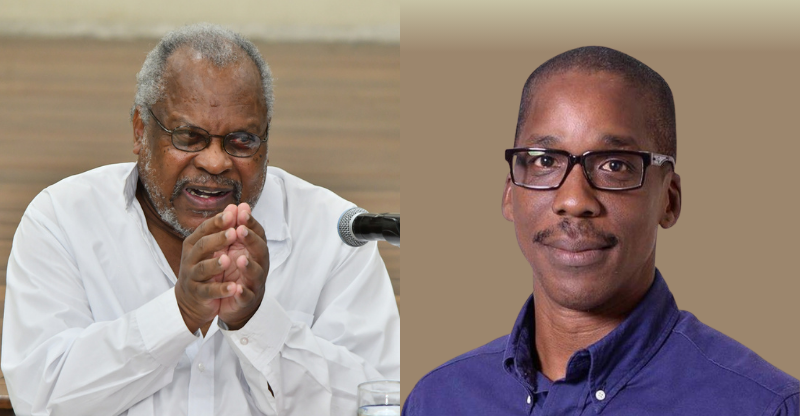
    A well-worn verse from Ecclesiastes 11:6 offers a timeless framework for a life well-lived: “Sow your seed in the morning, and at evening let your hands not be idle, for you do not know which will succeed, whether this or that, or whether both will do equally well.” For Dr. Basil Springer, a veteran corporate governance adviser who just closed out 85 years of life, this verse has been more than words—it has been the blueprint for a rich, varied journey that defies the modern pressure to specialize early and narrow one’s focus.

    Looking back across eight and a half decades, Springer says what has shaped him most is not a single, grand career milestone, but the meandering, surprising path that led him to where he stands today. From his teenage secondary school years to the present, he has stepped into dozens of distinct roles: student, competitive cricketer, amateur photographer, scout leader, biometrician, business consultant, active Rotarian, avid traveler, and weekly newspaper columnist. As a young man, his schoolmates jokingly labeled him a “jack of all trades, master of none”—a label that weighed on him for decades, shaping his sense of self-doubt in a world that celebrates narrow expertise. Today, however, Springer wears that old label as a badge of pride, a testament to the choices that made his life resilient and meaningful.

    We live in an era that glorifies hyper-specialization, where young people are encouraged to pick a single career track as early as college and commit to it fully. Choosing to pursue a wide range of interests, Springer notes, often feels like swimming upstream against cultural and professional expectations. But through his own experience, he has learned that diversifying one’s pursuits builds a core skill no salary or promotion can buy: unshakable adaptability.

    Each new role Springer took on taught him a new way of seeing the world, sharpening skills that translated unexpectedly to other areas of his life. Photography, for example, trained him to spot small details and read timing—an unexpected advantage when he was waiting to make a sharp catch on the cricket pitch or capture a fleeting, emotional moment off the field. Training in statistics taught him to approach data with intentional, critical questions, a discipline that later transformed his work as a columnist, making his writing more rooted in evidence than unsubstantiated opinion.

    This pattern repeated across every new interest: breadth and depth are not opposing forces, Springer argues. When curiosity is your guide, one area of expertise deepens another. Pursuing a wide range of passions does not dilute your sense of purpose—more often, it clarifies it. By exploring freely across disciplines, Springer discovered strengths he would never have uncovered if he had stuck to a single, narrow career lane from the start.

    Looking back on his life, Springer says the core question he has wrestled with was never “should I specialize or diversify?” It was “how do I channel my energy into work and pursuits that feel genuinely meaningful?” Purpose, he has learned, is not found on a pre-planned map handed to you by family, society, or education systems. It emerges gradually when you show up fully to the things that actually spark your curiosity, and allow those interests to grow and change over time.

    Embracing the jack-of-all-trades journey has given Springer a rich, interconnected tapestry of experiences, lessons, and lifelong friendships. It has kept his life engaging, resilient, and deeply rewarding, even as roles and priorities shifted across decades. If there is one core takeaway from his 85 years of life, it is simple: curiosity is not a flaw or a distraction to be fixed. When you honor that curiosity and nurture it, it becomes a lifelong companion and a powerful guide to lasting fulfillment.

    In Barbados and across the globe, Springer acknowledges that specialized experts are critical to solving the world’s problems. But we also need people who feel comfortable crossing disciplinary boundaries, connecting ideas across silos, and learning publicly as they go. The world’s biggest challenges are deeply complex, he notes, and the solutions we need will be complex too.

    For any young person sitting at a crossroads, wondering whether to commit to one single path or explore many, Springer offers this straightforward advice: try both. Go deep into the areas that demand your focus, and go wide whenever you have the chance to explore a new interest. Trust that the intersections between your different passions will teach you lessons no single subject or career could ever offer.

    After eight and a half decades, Springer says he is grateful for every “hat” he has gotten to wear across his journey. The winding, unplanned path was never a detour—it was the whole point.

    As he enters his 86th year of life and his 34th consecutive year writing his weekly column, Springer closes by expressing gratitude for the journey and for the readers who have followed along with his work over decades.

  • Rootz Herbal launches children’s educational book celebrating Caribbean nature and heritage

    Rootz Herbal launches children’s educational book celebrating Caribbean nature and heritage

    Caribbean-based wellness brand Rootz Herbal has launched an ambitious new educational project this summer, rolling out the first title in a groundbreaking children’s series designed to connect young readers to the region’s extraordinary natural landscapes and centuries-old cultural traditions. Titled *Nature’s Treasure: Herbs, Fruits, Forests & Heritage*, the debut volume combines hands-on learning with cultural celebration to foster a lifelong appreciation for the Caribbean environment among youth.

    The project is the collaborative work of two seasoned experts: Renauld Deschamps, a practicing herbal physician and founder of Rootz Herbal, and Dr. Paula Lockhart, a respected academic with deep expertise in Caribbean cultural and environmental studies. Unlike standard children’s activity books, the publication integrates a wide range of interactive content tailored to engage curious young minds: detailed coloring pages, logic puzzles, hands-on educational activities and group learning prompts. Each section is curated to explore key themes, from the properties of local medicinal plants and biodiversity of tropical rainforest ecosystems to the nutritional value of native tropical fruits and the importance of environmental stewardship. The book also weaves in lessons about the Caribbean’s distinct cultural heritage and the link between natural ecosystems and healthy community lifestyles.

    In a recent press statement, Rootz Herbal emphasized that the work is far more than a simple activity or coloring book. It is framed as a bridge across generations, designed to encourage families, educators and local community members to share traditional indigenous and local knowledge with younger audiences while teaching children to recognize how the natural world shapes health, culture and daily life across the Caribbean.

    “Our core hope is that this book helps children look at the herbs, forests and wildlife right outside their doors and see them as irreplaceable treasures that deserve our attention, our protection, and our effort to preserve for the generations that come after us,” Deschamps explained in the announcement.

    *Nature’s Treasure* marks the opening installment of a multi-volume planned educational series, which will roll out additional creative learning resources tailored for use in schools, public libraries, youth organizations and home learning settings. Each upcoming title will continue the mission of introducing children to the Caribbean’s one-of-a-kind plant life, unique ecosystems, traditional wellness practices and cultural legacy.

    Dr. Lockhart noted that the entire series is built around the goal of nurturing intentional environmental awareness from an early age. “Our long-term vision is to grow a generation of young people who deeply value their natural surroundings, celebrate their unique cultural heritage, and understand that strong, healthy communities start with knowledge, responsible stewardship, and genuine respect for nature,” she said.

    The debut book is currently available for purchase directly by individuals, and bulk orders are open for schools, libraries and community groups across the region. To expand access to the resource, Rootz Herbal has also launched a complementary outreach program called the “Adopt a School” initiative. The program invites local businesses, non-profit organizations and community partners to sponsor book copies for under-resourced schools and students, with a particular focus on lifting up Dominica’s efforts to celebrate and protect its rich natural and cultural endowment.

    For those interested in ordering copies or learning more about the initiative or the series, inquiries can be directed directly to the book’s co-authors.

  • Car Catches Fire on All Saints Road

    Car Catches Fire on All Saints Road

    A sudden vehicle blaze brought morning commuter chaos to All Saints Road on Wednesday, as local fire crews rushed to extinguish the flames before they could spread to nearby structures or moving traffic. Witnesses reported seeing thick black smoke billowing from the engine compartment of a silver four-door sedan just after 8 a.m., during the peak rush hour period when thousands of local residents travel to work and school along the busy arterial route.

    The 42-year-old driver, who has not been named by local authorities, told first responders they noticed unusual engine overheating just a few minutes before pulling over to the side of the road and escaping unharmed. A passing bus driver attempted to douse the initial flames with a portable fire extinguisher, but the blaze quickly spread to engulf the entire passenger compartment before fire crews arrived on scene within seven minutes of the first emergency call.

    Firefighters fully extinguished the fire within 15 minutes, and confirmed that no other vehicles or pedestrians were caught in the incident. All lanes of All Saints Road between 5th Street and Oak Avenue were closed for nearly two hours while emergency crews cleared the charred vehicle wreckage and cleaned up fluid leaks from the road surface. Local police redirected traffic through surrounding residential side streets, leading to minor delays that lasted until just before 11 a.m.

    Investigators with the local fire marshal’s office say preliminary evidence points to a mechanical failure in the vehicle’s old wiring system as the most likely cause of the blaze. Authorities are reminding motorists to keep up with regular vehicle maintenance, especially cooling system and electrical inspections, to prevent similar fires during warm weather months. No injuries were reported in connection with the incident, authorities confirmed Wednesday afternoon.