博客

  • SPBS Dr. Stewart O. Williams Annual Awards Gala Set for September 5, 2026

    SPBS Dr. Stewart O. Williams Annual Awards Gala Set for September 5, 2026

    BRONX, N.Y. – Just days from now, the St. Kitts and Nevis diaspora community will gather for one of its most anticipated annual events, as the Society of People from Sandy Point (SPBS) hosts its 2026 Dr. Stewart O. Williams Annual Awards Gala on Saturday, September 5. Taking place at the iconic Maestro’s Catering Hall in the Bronx, this year’s gala centers on the powerful theme “Rooted in Service, Grounded in Giving Back” – a mission that aligns perfectly with the legacy of the event’s namesake, SPBS’s late founder and president Dr. Stewart Williams.

    The event will operate under the distinguished patronage of two respected community leaders: Dr. Irvin Sweeney and Mrs. Vernice “Debbie” Williams, widow of Dr. Stewart Williams. Renowned family physician and healthcare executive Dr. Maurice Duggins will deliver the evening’s keynote address, drawing from his own decades-long journey of service to share insights with attendees.

    For Dr. Sweeney, the role of gala patron is a fitting recognition of a lifetime spent lifting up communities across St. Kitts and Nevis and the United States. Born and raised in the De Village community of St. Kitts, Sweeney overcame profound hardship early in life – losing his mother at age 12 and facing significant financial barriers – to build a legacy of impact across education, public service, sports, and culture. A trailblazer in youth development, he has held senior roles including National Youth Skills Director, Special Assistant to St. Kitts and Nevis’ Minister of Education and Youth Affairs, and a diplomatic posting at St. Kitts and Nevis’ Embassy in Washington, D.C., where he served as Minister Counselor and Chargé d’Affaires between 1994 and 1995, with accreditation to the U.S., World Bank, United Nations, and Organization of American States. Today, he serves as Associate Dean of Campus Operations and Retention at Camden County College in New Jersey.

    His contributions extend far beyond public service and education. A talented athlete, Sweeney represented St. Kitts in national football, claimed five consecutive national table tennis championships, captained the Santos Football Club, and held executive roles on both the St. Kitts Cricket Association and St. Kitts Table Tennis Association. In the cultural sphere, he made indelible marks on calypso: he won the St. Kitts Calypso Monarch title at just 18 years old in 1970, reclaimed the crown in 1975, placed in the top three of 12 out of 14 consecutive national finals, and worked to expand opportunities for young artists by founding the Basseterre Junior High School Calypso Competition and the country’s first National Youth Calypso Competition.

    Headlining the evening’s program as keynote speaker is Dr. Maurice L. Duggins, another St. Kitts-born leader who has built a distinguished career in healthcare and medical education. Raised in Sandy Point, Duggins relocated with his family to the U.S. Virgin Islands in 1978, before completing his undergraduate education at Sterling College in Kansas and earning his medical degree from the University of Kansas School of Medicine in 1993. After finishing his family medicine residency in Wichita, he dedicated his career to serving underserved populations, taking on a role as Medical Director of a community safety-net clinic before joining the Ascension Via Christi Health Family Medicine Residency Program as faculty in 2002.

    For more than 20 years, Duggins has trained the next generation of physicians as a Clinical Associate Professor at the University of Kansas School of Medicine, with research focusing on pressing public health challenges including childhood obesity, chronic disease management, and systemic health disparities. He has held a series of senior leadership roles across the region’s healthcare sector, including President of the Via Christi Medical Staff in 2009 and 2010, President of the Medical Society of Sedgwick County starting in 2023, and currently serves as Chief Medical Officer of Ascension Via Christi St. Joseph, where he leads initiatives to improve patient care, physician engagement, and clinical quality. In his keynote, he will trace his journey from his childhood in Sandy Point to his current role as a top healthcare leader, highlighting the values of perseverance, service, and community that have shaped his career.

    Founded to honor the legacy of the Sandy Point community, SPBS’s core mission centers on strengthening connections across the global St. Kitts and Nevis diaspora, nurturing service-driven leadership, expanding access to education, celebrating cultural heritage, and advancing community development. Through the annual Dr. Stewart O. Williams Awards Gala, the organization recognizes outstanding contributions from community members, elevates emerging talent, and celebrates the enduring spirit of giving back that Dr. Williams championed throughout his lifetime. This year’s event continues that tradition, bringing together community members to celebrate decades of collective impact and inspire the next generation of leaders.

  • Dr. The Hon. Shawn Richards Elected New Political Leader of PAM

    Dr. The Hon. Shawn Richards Elected New Political Leader of PAM

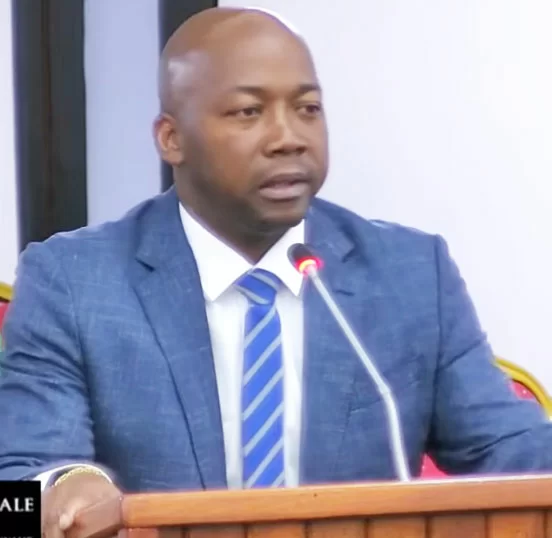
    BASSETERRE, St. Kitts – In a decisive vote at a special party caucus held on September 1, 2026, longtime sitting Member of Parliament Dr. the Hon. Shawn Richards has secured the position of Political Leader of the People’s Action Movement (PAM), one of the major political parties in the Federation of St. Kitts and Nevis.

    The special leadership caucus, convened at PAM’s headquarters to fill a vacancy created by a recent resignation, delivered a landslide result for Dr. Richards. Of the 83 total ballots cast, he earned 72 votes, while his opponent Lincoln David-Pelle won just 9 votes. Two ballots were deemed invalid and not counted toward the final tally. Dr. Richards’ nomination, put forward by Deputy Political Leader Azard Gumbs, received formal seconding from Acting Chairperson Carlene Henry-Morton, clearing the way for his candidacy ahead of the vote.

    With this victory, Dr. Richards becomes the sixth person to hold the role of Political Leader in PAM’s decades-long history. He takes over the post following the resignation of Natasha Grey-Brookes, the immediate former leader, whom he publicly thanked for her years of dedicated service to the organization across multiple roles, including her tenure as leader and as an election candidate.

    In his first address to party delegates after the results were announced, Dr. Richards issued a unifying call to all PAM members, urging collective action and a recommitment to the party’s core mission. He acknowledged that the organization stands at a pivotal, critical turning point in its history, but framed this moment as a unique opening for organizational renewal rather than a period of challenge alone.

    “The People’s Action Movement is ready for renewed energy, bold and innovative ideas, and a relentless commitment to delivering something extraordinary for St. Kitts and Nevis,” Dr. Richards told delegates. “We must build on our proud legacy while embracing new possibilities, inspiring a new generation and positioning the Movement to lead with purpose, vision and conviction.”

    In addition to the leadership election, the special caucus addressed two remaining vacant executive positions left open after the party’s regular July caucus. Shermel Drew won the race for Assistant General Secretary, earning 66 votes to defeat challenger Joevarny Flemming, who garnered 17 votes. Laverne Caines was reappointed to the role of Public Relations Officer without opposition, as no other candidates stood for the position.

    Tuesday’s voting completes PAM’s full slate of executive leadership. All newly appointed officers will undergo formal ratification at the party’s 60th National Convention, scheduled for September 27, 2026. In an official statement following the caucus, PAM extended formal congratulations to Dr. Richards and all newly elected officials, noting that the organization looks ahead to continued growth and progress for the movement. This report is based on an official press release from PAM originally published by SKNVibes.com.

  • Abiamofo: US$ 500 miljoen nodig om stroomtekort structureel op te lossen

    Abiamofo: US$ 500 miljoen nodig om stroomtekort structureel op te lossen

    Suriname is grappling with a severe structural electricity deficit that has forced state power utility Energie Bedrijven Suriname (EBS) to implement rolling scheduled blackouts, or loadshedding, in the country’s most populated coastal region, Natural Resources Minister David Abiamofo has confirmed. Addressing questions from members of the National Assembly (DNA) on Tuesday, the minister laid out the full scope of the energy crisis, its causes, and the long-term investments needed to resolve the persistent power shortages.

    The current gap in generation capacity has been exacerbated by the annual dry season, creating a dual strain on the country’s energy system, Abiamofo explained. On the demand side, rising temperatures have pushed up electricity consumption, driven largely by increased use of air conditioning. On the supply side, dropping water levels in the country’s main hydroelectric reservoir have forced authorities to limit hydropower output to avoid a far worse crisis later this year.

    While Minister Abiamofo confirmed that it would be technically possible to increase hydropower production from the Afobaka dam immediately to eliminate or reduce current loadshedding, the government has deliberately rejected this short-term fix. “It would be unwise to generate more hydroelectric power now only to face far larger problems by the end of this year or early next,” he noted. Uncertainty over rainfall levels during the upcoming short wet season leaves the country at risk of total reservoir depletion if water use is increased too quickly. The government’s policy is to maintain a minimum 110 megawatts (MW) of reserve hydropower capacity to guard against a worst-case scenario if rains fail to arrive as expected.

    Across the EPAR region – which covers the capital Paramaribo, Wanica, Para, Commewijne and extends into Saramacca, home to the majority of Suriname’s population – peak electricity demand has grown by roughly 10% compared to 2025, hitting around 280 MW. Current available generation only totals 254 MW, leaving a 26 MW deficit during peak usage hours, with no extra reserve capacity to accommodate unexpected equipment outages. This lack of buffer makes the entire grid extremely vulnerable: if a single generation unit goes offline unexpectedly, the deficit immediately grows, forcing more widespread blackouts than planned.

    Rolling blackouts are currently limited to the EPAR region, with power supplies holding steady in other districts, after two new Caterpillar generators were recently installed to meet demand in Nickerie. When implementing loadshedding, EBS prioritizes sparing critical public infrastructure, including hospitals and water treatment facilities operated by the Suriname Water Company (SWM) that lack their own backup generators. Publishing a fixed, long-term rolling blackout schedule for residents has proven unworkable, Abiamofo added, because the absence of reserve capacity means unexpected outages can immediately upend daily planning.

    The tight generation capacity has also forced utility operators to delay routine maintenance work wherever possible, in a bid to keep as much capacity online as possible to limit blackouts. The intentional rolling outages are not a sign of mismanagement, Abiamofo stressed: they are a deliberate precaution to prevent widespread total grid collapse caused by overloading the system.

    The minister renewed a public appeal to households, businesses and government agencies to cut back on unnecessary electricity use, noting that a similar appeal last year successfully reduced demand and limited the scope of loadshedding. So far this year, consumption has not dropped enough to ease the strain on the grid, with particularly sharp growth recorded near EBS’s main generation facilities. All government ministries and public offices have been ordered to reduce their power use as part of the effort.

    To resolve the crisis on a permanent basis, the minister estimates Suriname needs $500 million in investment over the next two to three years to expand generation capacity and lock in long-term reliable power supply. Planned investments include new solar energy projects, emergency backup generation facilities, and expanded thermal power generation from both EBS and state oil company Staatsolie. A tender for new solar capacity is expected to be launched by EBS in the near future, but Minister Abiamofo cautioned that no new capacity will come online immediately: procuring, transporting, installing and connecting new generation equipment to the grid takes time.

    Abiamofo also highlighted a deeper, decades-long structural issue that created the current crisis: for years, successive governments have not allowed EBS and SWM to operate at market-aligned, cost-covering rates. This has left the state utilities with insufficient internal capital to fund large-scale infrastructure upgrades, forcing them to rely entirely on central government funding for major investments. “When investment capital is not made available, pressure on existing capacity, existing infrastructure and the existing grid only grows,” he warned. The current administration is now reviewing national subsidy policy for the sector, updating the national electricity sector plan, and revising supporting regulations to address the root of the problem.

    For the immediate future, however, the government has very little room to maneuver, Abiamofo confirmed. Available generation capacity cannot be expanded overnight, and as long as peak demand exceeds the safe supply limit of the current grid, loadshedding will remain a necessary tool for EBS to manage the system.

  • Ali warns Amerindians against ‘fast boat’ politicians trying to escape jail

    Ali warns Amerindians against ‘fast boat’ politicians trying to escape jail

    On Tuesday, 1 September 2026, Guyanese President Irfaan Ali delivered a pointed warning to the country’s Indigenous Amerindian community during the opening ceremony of the 2026 Amerindian Heritage Month cultural celebration held in the Sophia Amerindian village. His remarks came just days after a high-profile opposition visit to communities affected by the recent MV Barima ferry disaster, which claimed more than 100 lives.

    Opposition Leader Azruddin Mohamed, who is currently wanted by United States authorities to stand trial on alleged financial crime charges, led a delegation of lawmakers from his main opposition bloc We Invest in Nationhood (WIN) to Port Kaituma and Mabaruma aboard Mohamed’s private fast boat. During the trip, the delegation met with survivors and bereaved family members of the ferry tragedy victims, donated essential relief supplies, offered counselling and legal support, and advised affected communities against signing government documents in exchange for cash compensation.

    In his address, President Ali urged Amerindians to guard against outside actors who exploit moments of collective grief and vulnerability for their own political and personal gain. “Do not allow your grievances and aspirations to become somebody else’s escape route for their own legal troubles. Do not allow your concerns to be used as a ticket to avoid jail,” he told attendees.

    The Guyanese leader emphasized that opportunistic actors often arrive abruptly during crises, offering sympathy and material gifts while framing themselves as advocates for marginalized communities, but their commitments rarely outlast the moment. “Sometimes the gravest danger is the person who comes smiling bearing gifts and claiming to be their friend. Gifts can be temporary, sympathy convenient, and political promise can disappear when a crisis has passed,” he added.

    Ali also used the platform to highlight his administration’s long-term investments in Amerindian communities, noting improvements to infrastructure including roads, water access and electricity, expanded educational opportunities, youth development programs, and new economic initiatives designed to raise local living standards. He urged community members to look beyond immediate crisis-related outreach and assess which actors have delivered sustained progress for their villages.

    “Look beyond the crisis and ask who still will stand with you when the fast boat has gone because in the final analysis you know who has stood with you for the long haul. You know who has invested in your communities and who has worked with your leaders,” he said.

    Acknowledging the profound grief caused by the MV Barima ferry disaster, the President reaffirmed his government’s ongoing commitment to supporting affected families. “The PPP civic (People’s Progressive Party Civic) government stands with you today. The PPP civic government has stood with you through difficult times and as we build the Guyana of tomorrow the PPPC government will continue to stand by you,” he stated.

    Indigenous Amerindian votes hold significant electoral sway in Guyana, alongside voting blocs along the country’s coastland, making the community a key factor in the outcome of all general and regional elections.

  • Govt dissatisfied with phone companies services to hinterland communities

    Govt dissatisfied with phone companies services to hinterland communities

    On 1 September 2026, Guyanese President Irfaan Ali publicly criticized the country’s three major telecommunications providers during the opening ceremony of the annual Amerindian Heritage Month cultural celebration, calling out their failure to expand reliable connectivity to the nation’s remote hinterland Indigenous communities. The head of state made clear that his administration is dissatisfied with the poor service performance from One Communications (formerly GT&T), Digicel, and E-Networks in these underserved areas, urging the firms to allocate more capital to bridge the country’s growing digital communication divide.

    Ali further confirmed that Prime Minister Mark Phillips has already held preliminary discussions with the providers about prioritizing new telecommunications tower construction along the high-traffic Linden-Soesdyke highway, a key infrastructure corridor connecting coastal population centers to interior regions.

    The opposition party We Invest in Nationhood (WIN) quickly pushed back against the government’s criticism, arguing that the administration itself bears responsibility for the persistent lack of connectivity in far-flung interior communities. WIN General Secretary Odessa Primus took to Facebook to question how private telecom providers can be expected to deploy and maintain infrastructure when the government has failed to deliver two core enabling resources: reliable electrical power and passable road networks.

    Primus pointed out the absurdity of demanding broadband service without the basic infrastructure to support it, asking, “What exactly are they supposed to connect to? Internet without reliable electricity? Are people supposed to charge their phones with sunlight and power their routers with good intentions? Did the PPP Government put roads in place for internet infrastructure to be set up?”

    The digital gap in Guyana’s interior is already stark: even in border communities like Imbotero, a northern Guyanese village located near the Venezuelan border, residents only have access to limited connectivity through satellite services such as Starlink that support basic messaging platforms like WhatsApp. None of the three major national mobile providers offer consistent, sustained cellular service to the village, leaving residents cut off from most digital services that coastal Guyanese take for granted.

  • RO zoekt financiering voor nieuw hoofdkantoor

    RO zoekt financiering voor nieuw hoofdkantoor

    Two years after severe storms destroyed its previous main office, Suriname’s Ministry of Regional Development (RO) is moving forward with plans to construct a new central headquarters on Zwartenhovenbrugstraat, and is currently exploring potential financing options from the Inter-American Development Bank (IDB).

    The 2024 storm that leveled the ministry’s former headquarters at Roseveltkade created a persistent logistical and operational challenge that has yet to be resolved. In the aftermath of the destruction, RO’s more than 200 staff members have been forced to relocate and split operations across multiple temporary sites across Paramaribo. The largest contingent of employees is currently housed at the building of the Directorate of Decentralization and District Development on Crommelinstraat, a facility that was never designed to accommodate the large influx of extra workers that now occupy it. Overcrowding and mismatched infrastructure have created ongoing disruptions to the ministry’s daily work, pushing leadership to prioritize a permanent, long-term solution.

    During a high-level working meeting held on Monday, Minister Miquella Huur formally outlined the ministry’s full development priorities to IDB representatives, leading the RO senior management team in the discussion. Alongside the core plan for the new headquarters, Huur presented a second key infrastructure priority: the expansion and modernization of the Nyun Combe Foundation facility. This foundation provides critical temporary accommodation for Indigenous and Maroon families traveling from inland Suriname to Paramaribo, most commonly for traditional mourning rituals. The foundation’s current site on Kleine Saramaccastraat suffers from severe overcrowding, unable to host multiple groups at the same time. Under the ministry’s proposal, the foundation would receive a new purpose-built location with multiple separate accommodation units to meet ongoing community demand.

    For the new RO headquarters, the ministry has already finalized a conceptual vision for the development. Huur emphasized that the new facility will be a modern, sustainable building purpose-built to fit the ministry’s core operational needs, with enough space to centralize all currently dispersed staff and eliminate the inefficiencies of scattered temporary work sites.

    Adriana La Valley, IDB’s Country Representative for Suriname, clarified the formal process for accessing potential financing from the bank: all project proposals must first be submitted for review through Suriname’s Ministry of Finance and Planning, which was represented at the meeting by an official delegate. To date, no formal funding commitment has been made by the IDB. The proposals are still in the early stages, and must go through further refinement and the formal official submission process before any funding decision can be reached.

  • Gun Violence Steals Brianna’s Promising Future

    Gun Violence Steals Brianna’s Promising Future

    A senseless act of gun violence has cut short the life of a bright, ambitious 20-year-old Belizean university student, leaving her family shattered and forcing the nation of Belize to once again grapple with the human toll of its persistent public safety crisis. Brianna Myvett, an economics and finance major, dedicated volleyball player, devout churchgoer, and an only child, was fatally shot in a targeted drive-by attack on the evening of August 31, 2026, outside a Belize City restaurant just blocks from her home. A second victim, 24-year-old Alexander Carr, who was seated in the vehicle with Myvett at the time of the shooting, remains in critical condition at a local hospital as of the latest updates. Investigators report that an unidentified suspect or suspects drove alongside Myvett and Carr in a black SUV before opening fire, fleeing the scene immediately after the attack.

    For Brianna’s father, Fitzroy Myvett, the tragedy has left him in uncharted, crippling grief that no parent could ever prepare for. The elder Myvett, who waited up for his daughter to return home that night and was the one called in to identify her body, described the aftermath as an unbearable, numbing shock. “What it has done to us, it has left me in a numb state, in a shocked state. I don’t know how to process this right now. I am trying to be strong for everyone, but it is one of the thing that you could never prepare for and a pain you have never experienced or could ever imagine,” Myvett told reporters, echoing a growing frustration among Belizeans over the unrelenting pace of gun violence across the country. “Is the violence not stopping and it just does not seem as if there is an end to it,” he added.

    Those who knew Brianna remember her as a kind, hardworking young woman with a calm demeanor and a constant smile. Rekishia Hower, Brianna’s faith mentor, described her as a humble, respectful person who embraced her faith shortly after joining her local congregation, growing to become a beloved member of the church community. “This individual was very humble, respectable, yes mam, no mam, yes sir no sir and always had that smile when she is speaking with you,” Hower recalled. “When I confirmed the news, all I did was felt heavy in my heart.”

    Just an hour before the attack, Brianna was doing what she loved most: practicing with her teammates at the Stars Volleyball Club. Gym administrator Emma Hoare shared that Brianna regularly balanced a packed schedule of university classes, a part-time job at a local prison, and volleyball training, always making time to show up for her team with dedication and energy. Hoare said she still cannot process that the young woman she saw just hours before the shooting is gone. “Last night I just went downstairs, and I didn’t even greet her. Normally I would greet her and chat for a minute or two and then head home,” Hoare said, her voice heavy with regret. “I was shocked that she passed. I cried a bit and I was thinking about them.”

    Brianna’s killing adds another entry to Belize’s growing list of gun violence homicides, a crisis that has destroyed hundreds of families across the small Central American nation in recent years. What makes this loss cut particularly deep for the Belize City community is the potential that was stolen: Brianna was on track to earn her bachelor’s degree in economics and finance, with big plans for a career in the field that she worked tirelessly to achieve. As investigators continue their search for the attackers, Brianna’s family, friends, and teammates are left to mourn a life cut far too short, and to wonder when the wave of violence devastating their communities will finally end. Reporting for News Five, Paul Lopez notes that this tragedy is far more than a statistic: it is the loss of a beloved daughter, a loyal teammate, a devoted friend, and a young leader who would have contributed so much to her country.

  • PUP Chairman Weighs In on Gilroy Usher’s Viral Fence Dispute

    PUP Chairman Weighs In on Gilroy Usher’s Viral Fence Dispute

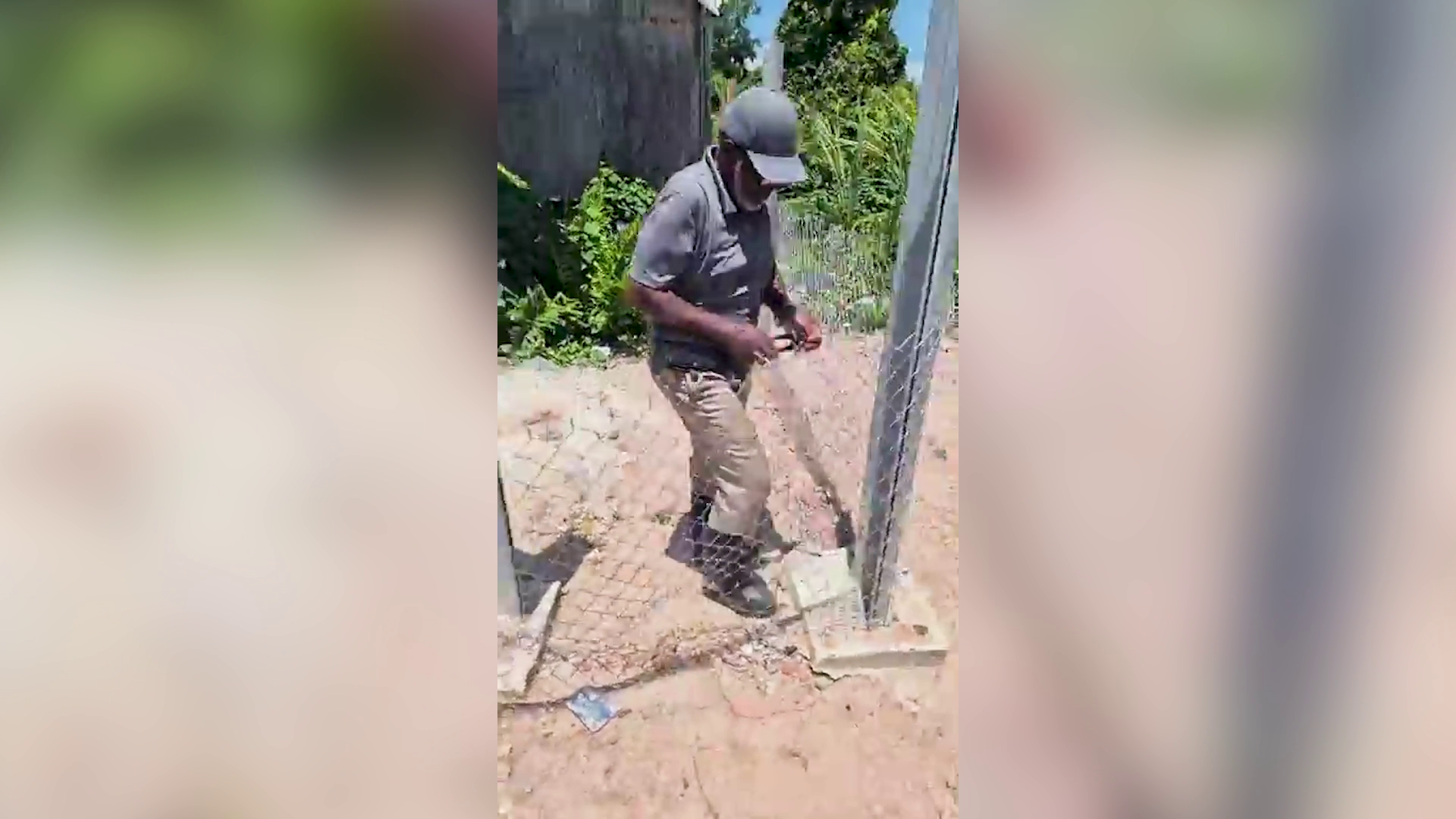
    A viral video capturing Port Loyola Area Representative Gilroy Usher dismantling a private fence amid a heated local land dispute has sparked internal party discussion and public scrutiny over appropriate conduct for elected officials in Belize, just weeks ahead of expected party convention activities.

    The incident, which unfolded over the final weekend of August 2026, spread rapidly across social media platforms, drawing widespread attention to the long-running land conflict between two local parties. On September 1, People’s United Party (PUP) Chairman Henry Charles Usher shared the party’s preliminary stance on the controversy during a press interview, pushing back against calls for formal disciplinary action against the elected representative while still acknowledging that his actions fell below expected standards.

    When asked whether the PUP would pursue internal sanctions against Gilroy Usher, the chairman declined to back punitive measures, but made clear that the representative owes a direct apology to the constituent whose fence was removed. “I think that if you ask Gilroy Usher, he will tell you that perhaps his actions were not in the best interest,” Henry Charles Usher told reporters. “He could have handled this in so many different ways. If there is a legal issue then let the matter go through the court, if it is a police issue then let the police deal with it. But for an area representative to be doing that, I think it is something you would want to take back.”

    The chairman confirmed that he had not yet had the opportunity to speak directly with Gilroy Usher as he prioritized preparations for an upcoming party convention, but outlined clear guidance for the representative when they do connect. “My advice to him would be simple: apologize to the person and let’s see what the legal process is,” he explained. In response to questions about whether the incident had created lasting damage to the party’s public image that warranted disciplinary action, Henry Charles Usher reaffirmed that an apology and adherence to formal legal processes are sufficient for the moment.

    Shortly after the PUP chairman’s comments were made public, Gilroy Usher released a statement acknowledging that his on-site actions were inappropriate, aligning with the party’s call for an apology. However, he remained steadfast in defending his decision to intervene directly in the dispute, explaining that he acted to protect a local family that had been blocked from accessing their legally titled property since 2024. The representative says he now hopes both sides can work with law enforcement and judicial authorities to move past confrontation and reach a peaceful, binding resolution.

    In a development that some have viewed as a subtle rebuke of the incident, Belize’s Ministry of Home Affairs recently released a public advertisement reminding all citizens that land conflicts must be resolved through established legal and regulatory channels, rather than through direct personal intervention. The publication of the advertisement came just days after the video of Gilroy Usher’s actions went viral, though no official connection has been confirmed between the timing of the ad and the incident. Belizean media outlets will continue to follow the progression of this land dispute and any further developments related to the PUP’s internal handling of the controversy.

  • Was Councilor Allan Pollard Rejected by His Own Party?

    Was Councilor Allan Pollard Rejected by His Own Party?

    In the aftermath of a hotly contested municipal convention held on Sunday, August 31, 2026, speculation has swirled around the future of long-serving People’s United Party (PUP) Councillor Allan Pollard, following his unexpected defeat in the internal party vote.

    After the final results were tallied, Pollard took to social media to release a public statement thanking the community and supporters who backed his campaign. While the outgoing councillor acknowledged the outcome and pledged continued cooperation with the new leadership slate, his measured, ambiguous remarks left political observers questioning whether the defeat signaled a broader falling out between Pollard and his long-time political party. Many have asked whether the convention result was deliberately orchestrated to push Pollard out of the PUP’s inner circle ahead of the upcoming municipal term.

    To address these growing rumors, local political correspondents sought comment directly from PUP Chairman Henry Charles Usher, who offered a clear, unified defense of Pollard’s standing within the party.

    “Allan Pollard still has a tremendous future ahead of him within the PUP,” Usher stated in an on-camera interview. “He remains a young, energetic political figure who has dedicated nearly nine years of service to the Belize City Council, with his current term set to conclude in February 2026. Across every level of party operations, he has stepped up to serve both the PUP and the general public in a wide range of roles, and his contributions are not forgotten.”

    Usher emphasized that internal party conventions are inherently zero-sum contests, where only one candidate slate can emerge victorious. Defeat, he noted, is a difficult outcome to process, and it will take time for Pollard to adjust to the result. The PUP chairman added that he spoke directly with Pollard on the night of the vote, as ballot counting neared completion, and Pollard has already met with media to share his perspective publicly.

    “Following the result, Pollard thanked every one of his supporters, and he made a public pledge to throw his full support behind the winning slate, which is led by Deputy Eluide Miller,” Usher confirmed. “As I’ve said, he will remain an active participant in party work, and as chairman, I fully intend to keep him involved in all internal PUP matters moving forward.”

    When pressed by reporter Paul Lopez on whether Pollard had signaled any plans to leave the PUP, mount an independent campaign in the upcoming general municipal election, or take any other action outside of party structures, Usher rejected all such speculation outright.

    “There is no truth to any of those rumors,” Usher said. “Allan remains a committed, strong member and supporter of the People’s United Party, and he has given no indication of planning to depart.”

    This report is adapted from a live transcript of an evening television broadcast, with all spoken content preserved for accuracy, including standardized spelling for phrases originally delivered in Kriol.

  • Open Arms sailboat returns to Cuba with over seven tons of humanitarian aid

    Open Arms sailboat returns to Cuba with over seven tons of humanitarian aid

    In a second voyage to Cuba in just over a month, the *Astral* sailboat operated by Spanish humanitarian non-profit Open Arms dropped anchor at Havana Bay’s Cruise Terminal this Sunday, carrying more than seven tons of solidarity aid collected entirely by Mexican civil society. The generous donation spans a wide range of critical needs for Cuban communities: daily basic necessities, powdered milk for children, school materials for students, a large stock of general medical supplies, and nearly three tons of specialized hemodialysis equipment and consumables. These specialized supplies are earmarked for two leading Cuban healthcare facilities: the Dr. Abelardo Buch López Institute of Nephrology and the Juan Manuel Márquez Pediatric Hospital, where thousands of patients rely on this gear for life-sustaining care. Oscar Camps, founder and executive director of Open Arms, explained the decision to make a repeat return voyage to the island after the organization’s earlier mission in June. “After our first trip, we had a clear picture of what gaps still existed on the ground. We could have wrapped up our work and headed home, but when you know exactly what a community is missing and you have the ability to fill that need, you come back. That’s what brought the *Astral* back to Havana with nearly seven tons of donations,” Camps said. Camps also spoke out against the long-running trade and economic blockade imposed on Cuba by the United States government, describing the policy as a “medieval siege” that deliberately targets the most vulnerable populations, cutting them off from access to critical healthcare and basic resources. “We spent a full month traveling across Mexico to gather every donation that fits on this boat. I only wish the *Astral* was larger so we could bring even more help to the people who need it here,” he added. On behalf of the Cuban people, Noemí Rabaza Fernandez, first vice president of the Cuban Institute of Friendship with the Peoples, extended formal gratitude to Open Arms and the Mexican donors who contributed to the shipment. Fernandez emphasized that the aid arrives at a critical moment of ongoing economic and public health strain, where thousands of Cuban patients have been waiting for these specialized supplies to improve their quality of life. A formal handover ceremony for the shipment will be held next Wednesday at the two recipient hospitals. During the event, the *Astral*’s crew will also tour the facilities and assess how the donations delivered during the organization’s June voyage have been used to support patient care. Local and national stakeholders were on hand to welcome the sailboat and its crew, including Dr. Reinol García Moreiro, Vice Governor of Havana; Dr. Yagen Pomares Pérez, Havana’s Provincial Director of Public Health; diplomatic representatives from the Mexican Embassy in Cuba; and senior medical leadership from the two beneficiary hospitals.