博客

  • WATCH: PM Browne Presents Resolution In Parliament to Govern Any Third-Country National Transfer Agreement

    WATCH: PM Browne Presents Resolution In Parliament to Govern Any Third-Country National Transfer Agreement

    In a significant parliamentary development focused on strengthening national immigration and international cooperation frameworks, Prime Minister Gaston Browne has presented a key resolution to the Antigua and Barbuda Parliament that will establish formal regulatory guidelines for any future agreements involving the transfer of third-country nationals.

    The proposal, which has been long-awaited by legislative stakeholders and policy analysts, comes amid growing regional and global discussions about managing irregular migration, strengthening border security, and clarifying the legal terms of cross-border transfer arrangements between countries. In his address to lawmakers ahead of the vote on the resolution, PM Browne emphasized that the framework is designed to ensure that all such agreements align fully with the nation’s constitutional standards, international human rights obligations, and domestic policy priorities.

    Unlike ad-hoc arrangements that have been considered in some previous discussions, this resolution creates a clear, transparent legislative pathway that requires parliamentary oversight for any final agreement moving forward. It sets out specific requirements for documentation, screening, and welfare standards for any third-country nationals that would be subject to a transfer agreement, addressing concerns raised by opposition lawmakers and human rights advocacy groups over the past several months.

    Lawmakers are currently debating the provisions of the resolution, with a formal vote expected to be held in the coming days. Government officials have noted that the regulatory framework does not commit the country to any specific transfer agreement at this stage; instead, it creates the legal foundation that would allow the government to negotiate and implement such arrangements in compliance with domestic law. Prime Minister Browne reaffirmed that any agreement reached under this framework would prioritize national security while upholding the dignity and rights of all individuals involved, in line with the country’s longstanding commitment to international cooperation and humanitarian principles.

  • Is there an economic war of the United States against Cuba?

    Is there an economic war of the United States against Cuba?

    When analyzing modern geopolitical confrontation, few tactics are as pervasive yet underdiscussed as economic warfare — a non-military strategy where one power leverages trade, finance, and regulatory pressure to force policy concessions from a targeted nation. As French scholar Christian Harbulot famously framed it, economic warfare stands as the most powerful expression of non-military power dynamics, designed to cripple an adversary by cutting it off from global commercial, financial, and technological exchange. For Cuba, this is not an abstract concept: it has been the daily reality of its relationship with the United States for more than six decades, in the form of the sweeping economic, commercial, and financial blockade that has shaped every layer of Cuban life.

    The origins of this prolonged economic campaign stretch back to the immediate aftermath of the 1959 Cuban Revolution, which ousted the U.S.-backed dictatorship of Fulgencio Batista. In response to the new revolutionary government’s nationalist policy reforms, then-U.S. President Dwight Eisenhower moved quickly to cut off most bilateral trade, only exempting medicines and a small set of food products. Just three years later, in February 1962, President John F. Kennedy formalized the full blockade using powers granted by the newly enacted Foreign Assistance Act, a framework that remains the legal foundation of the embargo to this day.

    Under the still-valid legislation, the U.S. executive branch is authorized to maintain a complete trade embargo with Cuba, ban all direct U.S. aid to the Cuban government, bar the use of American international aid funds allocated to global organizations for any Cuba-focused programs, and withhold all U.S. government benefits from Cuba until the island compensates U.S. citizens and companies for properties nationalized after the revolution. Critically, the law also grants the U.S. president broad discretionary power to adjust the scope and intensity of sanctions, a authority that successive U.S. administrations have repeatedly used to ratchet up political and economic pressure on Havana. For decades, proponents of the blockade justified the measures by claiming Cuba posed a critical threat to U.S. national security, a narrative that grew increasingly threadbare after the collapse of the Soviet bloc and the end of the Cold War in the early 1990s, which plunged Cuba into a deep economic crisis.

    With the Cold War pretext no longer credible, the U.S. shifted its justifications to claims of human rights abuses, codifying this new framing in the 1992 Cuban Democracy Act — more commonly known as the Torricelli Law. This legislation marked a key turning point, expanding the economic war beyond U.S. borders to internationalize pressure on Cuba. It prohibited Cuba from accessing financing from major international financial institutions, imposed sanctions on foreign governments that forgive Cuban debt, banned U.S. subsidiaries operating in third countries from trading with the island, and imposes an 180-day ban on any ship carrying goods or passengers to or from Cuba docking at U.S. ports. A core outcome of this provision has been to push global financial institutions to avoid any engagement with Cuba, severely constraining the island’s access to foreign currency and complicating its commercial transactions with global partners.

    Four years later, the 1996 Helms-Burton Act deepened the extraterritorial reach of the blockade even further. Most notably, its Title III provision allows U.S. courts to hear lawsuits against foreign companies that operate in properties confiscated from U.S. owners after the revolution. This provision turned the economic war into a globally reaching measure, designed to deter third countries and foreign firms from doing business with Cuba through the threat of costly litigation. In recent decades, this provision has significantly shrunk the pool of foreign investment opportunities available to the island.

    Successive updates and expansions of the blockade over 60-plus years have turned it into a permanent, structural pillar of U.S.-Cuba confrontation, outlasting shifts in domestic political leadership in the United States and maintaining consistent pressure regardless of broader geopolitical changes. Even as some administrations have taken small steps to ease certain restrictions, former President Donald Trump intensified the campaign again with new executive orders, including a targeted energy siege that worsened the impact on Cuban communities. For Cuba, the cumulative impact of this decades-long economic warfare has been deep and multifaceted, touching every aspect of daily life, slowing long-term economic development, and reshaping the country’s engagement with the global economy.

    This op-ed is contributed by Ariel Pazos Ortiz, Consul of the Embassy of Cuba in Grenada. NOW Grenada does not take responsibility for the opinions and statements shared by contributors. Readers may report content that violates platform policies through official reporting channels.

  • COMMENTARY: A New Narrative for Agriculture – An Essential Debate in the 21st Century

    COMMENTARY: A New Narrative for Agriculture – An Essential Debate in the 21st Century

    For generations, the prevailing conversation around economic progress across Latin America has centered on a long-held assumption: meaningful development requires industrialization, rapid urbanization, and a departure from natural resource-based economies. In this outdated framework, agriculture was dismissed as a low-value traditional sector—merely a source of cheap raw materials and affordable food, capable of supporting growth but never leading deep, systemic economic transformation. Today, that long-standing perspective is being completely upended by sweeping global shifts.

    The global agri-food system is undergoing a fundamental structural restructuring, reshaping everything from how food is cultivated and energy is generated to how natural resources are managed and innovation is scaled. In this new global landscape, agriculture is no longer a stagnant primary sector; it has evolved into a strategic, knowledge-based platform anchored in cutting-edge science and technology. This paradigm shift carries unique weight for Latin America and the Caribbean: the region stands on the cusp of a once-in-a-generation economic opportunity, but unlocking it requires abandoning outdated mindsets and redefining agriculture’s role in national development strategies.

    Global demand trends leave no room for doubt: the world’s population is on track to approach 10 billion by 2050, and rapid expansion of the urban middle class across Asia and Africa is driving soaring demand for higher-protein food, specialized agricultural products, and diverse supply chains. Joint estimates from the Food and Agriculture Organization (FAO) and the Organisation for Economic Co-operation and Development (OECD) project that global food demand will rise by roughly 50% by mid-century. Unlike the agricultural expansions of the past, however, this growth must happen against a backdrop of intensifying constraints: per capita arable land availability is steadily declining, freshwater resources face unprecedented pressure, and climate change is increasing the frequency of extreme weather events that disrupt production and create market uncertainty.

    The core challenge facing global agriculture today is no longer simply increasing output—it is producing more food and goods while using fewer resources and dramatically shrinking the sector’s environmental footprint. The good news is that 21st-century agriculture has access to transformative tools that were unimaginable even 30 years ago. Breakthroughs ranging from biotechnology and gene editing to precision agriculture, artificial intelligence, remote sensing, robotics, and big data analytics are completely rewiring traditional production systems. The iconic image of a farmer making decisions based solely on generations of accumulated experience is being replaced by a new model: every step of production is now optimized with satellite imagery, predictive climate models, digital management platforms, and AI-powered tools that cut waste and boost yields.

    In this new era, agricultural competitiveness no longer hinges on how much unutilized natural resources a region holds. Instead, success depends increasingly on a region’s ability to generate, adapt, and deploy cutting-edge knowledge to solve modern challenges. By that measure, Latin America is uniquely positioned to lead this global transition. The region holds a large share of the world’s remaining arable land and freshwater reserves, and has already established itself as one of the globe’s top net food exporters. Over the past few decades, it has also made major strides in agricultural technological advancement.

    Countries including Brazil and Argentina have paced some of the world’s fastest agricultural productivity growth in recent decades. Brazil turned the once-inhospitable Cerrado savanna into a productive agricultural heartland through targeted applied research and adaptation of technology to tropical growing conditions. Argentina led the global expansion of no-till farming, and has achieved some of the world’s highest adoption rates for biotechnology and precision agriculture tools. These gains were no accident: they grew out of long-term sustained investment in agricultural research, strong public institutions dedicated to knowledge generation, and deep collaborative partnerships between the public and private sectors.

    Even with these technological advances, a troubling paradox remains. While modern agriculture grows increasingly technologically sophisticated, much of the public and political discourse in Latin America still frames the sector through 20th-century lenses. Agriculture is still too often portrayed exclusively as an extractive, low-complexity activity that conflicts with environmental protection. This gap between reality and public perception carries tangible costs: it blocks consensus-building around strategic policy, discourages long-term investment in the sector, and prevents policymakers from designing frameworks aligned with 21st-century challenges. Crucially, the debate does not need to be framed as a choice between agricultural production and environmental sustainability. Precisely because agriculture depends on healthy natural resources to thrive, the sector has strong inherent incentives to protect ecosystems and improve resource management.

    Adoption of new digital and biotechnological tools already allows producers to cut input use, boost water use efficiency, and reduce post-harvest production losses. Practices such as no-till farming and regenerative agricultural systems also increase carbon sequestration in soils, helping mitigate climate change while improving soil health.

    This shift naturally leads to the rise of the bioeconomy, a transformative concept that is redefining agriculture’s role in the global economy. The bioeconomy leverages biological resources, modern science, and cutting-edge technology to produce far more than food: it delivers renewable energy, sustainable biomaterials, bioplastics, specialized biomolecules, and a wide range of low-carbon industrial products. In short, it aims to gradually replace fossil fuel-based materials and production processes with renewable, biologically based alternatives.

    For Latin America, this transition unlocks extraordinary economic and social opportunities. Unlike knowledge-intensive manufacturing and tech industries that tend to cluster in large urban centers, most bioeconomic activities rely on biomass distributed across rural and regional territories. This creates new pathways for investment, job creation, and value addition in peripheral and intermediate regions that have long been left behind by urban-centric development models. As such, the bioeconomy can become a powerful tool for balanced territorial development, helping narrow regional economic disparities and create new opportunities for historically marginalized rural communities.

    But unlocking this potential requires far more than leveraging the region’s natural advantages. It demands modern, forward-thinking public policies, large-scale sustained investment in agricultural science and technology, clear and adaptive regulatory frameworks, and a shared cross-sector strategic vision for the sector’s future.

    Ultimately, the biggest challenge facing Latin America today is not just expanding agricultural production—it is changing how the region thinks about agriculture. It requires building a new national and regional narrative that recognizes 21st-century agriculture is far more than just a source of export revenue, and aligning policy and investment actions with that new reality. Historic economic opportunities do not come along often, and the global transformation of agri-food systems represents exactly that for Latin America. The question is no longer whether the region has the natural and human resources to play a leading global strategic role. The real question is whether it can build the conceptual, political, and institutional vision needed to fully harness this once-in-a-generation potential.

  • RF Prime lead BFA Women’ s League

    RF Prime lead BFA Women’ s League

    The opening matchups of the Barbados Football Association’s Kotex Women’s League have already produced a tightly contested battle for the early lead, with RF Prime emerging as the early pace-setters after the first two rounds of fixtures. What makes the early table particularly compelling is the logjam at the top of the standings: all three of the top-performing squads have already collected six points, leaving the rankings separated only by fine margins.

    RF Prime has claimed the number one position thanks to a superior goal difference over the second-ranked Mavericks. The two teams have had different fixture schedules so far, with Mavericks already completing three matches compared to RF Prime’s two outings.

    Holding down third place is Paradise, a side that has also played just two matches to this point. Paradise most recently took the pitch on Sunday at the BFA Technical Centre, where they secured a dominant 3-0 shutout victory against none other than second-placed Mavericks. Acacia Small emerged as the star of that match, finding the back of the net twice to pace her side, while Denea Payne contributed the third goal to lock in the comfortable win.

    Heading into the new week’s slate of fixtures, Empire sits in fourth place with three points. They are followed closely by Technique, which also holds three points but drops to fifth place due to an inferior goal difference that leaves it trailing Empire. In the current mid-table, FVFC Femini sits in sixth place, with Whitehall taking seventh and the Police side slotting into eighth. The three teams at the bottom of the early standings have yet to collect their first points of the new league season, leaving them hungry for their first wins when they return to the pitch.

  • Dragon fruit nursery opens as ministry grows Saint Lucia’s agriculture

    Dragon fruit nursery opens as ministry grows Saint Lucia’s agriculture

    The Caribbean island nation of Saint Lucia is positioning dragon fruit as a cornerstone of its evolving agricultural strategy, following the official launch of the country’s first specialized dragon fruit nursery in Union, Castries. The new facility, opened Friday by the Ministry of Agriculture in partnership with the Taiwan Technical Mission, forms a key component of the government’s broader Seven Crops Project, an initiative designed to revamp the nation’s agricultural sector for modern challenges. The nursery will address a critical gap in local production by supplying farmers with standardized, high-quality planting material, as the government actively encourages greater adoption of this high-value, climate-adaptable crop.

    Aldine Eudovic, national coordinator for the Seven Crops Project, explained that the new nursery is far more than an isolated investment in a single crop—it is a core piece of a long-term strategy to diversify Saint Lucia’s agricultural output and build greater systemic resilience against the accelerating impacts of climate change. “This is not just a standalone effort to expand dragon fruit cultivation,” Eudovic noted. “It is one of many targeted initiatives we have rolled out under the Seven Crops Project to strengthen our agricultural portfolio.”

    Eudovic added that dragon fruit was selected for prioritized development due to its unique hardiness, which allows it to thrive in growing conditions that leave many of the island’s traditional staple crops struggling. As a member of the cactus family, dragon fruit grows successfully on marginal, low-fertility lands that are unsuitable for most conventional crops. This trait aligns perfectly with the Ministry of Agriculture’s climate action goals, which have shifted toward encouraging adoption of non-traditional, drought-tolerant crops that can withstand rising temperatures and shifting rainfall patterns.

    Beyond its climate benefits, dragon fruit also fills a rapidly growing unmet market demand on the island. Eudovic explained that Saint Lucia’s key hospitality sector has expressed overwhelming interest in sourcing local dragon fruit, with current demand far outstripping the volume that small-scale local producers can currently supply. “Hotels have been reaching out in droves for this product,” she said. “Tourists are eager for unique, fresh tropical produce grown right here in Saint Lucia, and the hotel sector is eager to meet that demand.”

    While Saint Lucia has never imported dragon fruit, only a small number of local farmers have grown the crop on a small scale for years. The government’s new initiative aims to accelerate commercial-scale production by distributing subsidized high-quality seedlings and providing dedicated technical guidance to farmers looking to add dragon fruit to their operations. Eudovic also pointed to another key economic advantage of the crop: its extended shelf life makes it an ideal candidate for export to regional and international markets, opening up new revenue streams for local producers.

    Agriculture Minister Lisa Jawahir framed the opening of the nursery as a milestone in the government’s ongoing push to modernize Saint Lucia’s farming sector. “Dragon fruit is the perfect symbol of resilience,” Jawahir said in remarks at the opening. “It thrives where many crops struggle, reminding us that with innovation and climate-smart agriculture, we can turn our greatest challenges into economic opportunities.”

    In addition to dragon fruit seedlings, the new nursery will also supply farmers with quality guava seedlings, giving producers more options to diversify their crop portfolios and tap into growing market demand for both specialty tropical fruits. Jawahir also emphasized the strategic opportunity to strengthen ties between the island’s agricultural sector and its core tourism industry. “There is no reason that authentic Saint Lucian agritourism experiences shouldn’t feature premium dragon fruit and guava grown right here on our soil,” she said. “By connecting our agriculture sector to our tourism industry, we create new, stable income streams for our farmers, cut unnecessary import costs, and strengthen our overall national economy.”

    Expanding local production of high-demand fruits like dragon fruit forms part of the government’s broader national goal to cut Saint Lucia’s multi-million-dollar annual food import bill, while creating inclusive new income opportunities for smallholder and commercial farmers across the island. To lower barriers for adoption, participating farmers will be able to purchase dragon fruit seedlings from the nursery at a heavily subsidized, reduced rate.

  • Ministry of Works Employees Block Road Over Outstanding Pay

    Ministry of Works Employees Block Road Over Outstanding Pay

    On Tuesday, public sector employees at the Ministry of Works in Antigua and Barbuda initiated organized industrial action to escalate their demands for long-overdue wage payments. What began as a collective demonstration escalated into a full blockage of the main roadway outside the ministry’s headquarters, disrupting daily movement across the area.

    The industrial action was officially confirmed by George Wehner, a representative familiar with the workers’ grievances, who clarified that the protest was not an unplanned disruption but a deliberate push to secure the withheld wages that workers have been waiting for. To enforce their road blockage, protesters moved heavy-duty trucks owned by the Ministry of Works across the full width of the roadway, bringing all vehicle traffic to a complete halt. This action also cut off routine public access to the ministry’s main compound, as hundreds of aggrieved employees gathered along the perimeter of the facility to voice their frustration.

    The demonstration created cascading traffic disruptions for the entire surrounding neighborhood. Motorists who had planned to travel through the corridor faced extended delays, with many forced to either wait out the standoff or divert onto smaller, less direct alternate routes to reach their destinations. As of this report’s publication, senior leadership at the Ministry of Works and officials from Antigua and Barbuda’s national government have not released any formal public statement addressing the industrial action. There is also no public information confirming when the outstanding wage payments will be disbursed to affected workers, and it remains unclear whether any negotiation talks have been scheduled or are currently underway between worker representatives and government officials to reach a resolution to the ongoing dispute.

  • CARICOM delegation heads to London for key reparations discussions

    CARICOM delegation heads to London for key reparations discussions

    After more than a decade of relentless advocacy that has steadily shifted global and public opinion, the CARICOM Reparations Commission (CRC) is bringing its campaign for reparatory justice for the transatlantic slave trade directly to the United Kingdom this week, with a four-day diplomatic and outreach mission running from July 13 to 16.

    Organized in partnership with the Institute of Commonwealth Studies at the University of London’s School of Advanced Study, the trip is designed to do more than just restate the Caribbean region’s longstanding demands. According to a public statement released by the Institute of the Black World (IBW), a key supporting organization for the mission, the delegation will focus on deepening existing strategic partnerships, expanding public awareness of the harms of chattel slavery, and mobilizing broader civil society engagement behind the reparations agenda.

    Leading the high-profile delegation is CRC Chair Professor Sir Hilary Beckles, joined by a cohort of senior regional and global reparations leaders. The group includes Dorbrene O’Marde, head of the Antigua and Barbuda Reparations Support Commission and CRC Vice Chair; Eric Phillips, another CRC Vice Chair who leads the Guyana Reparations Committee; Professor Verene Shepherd, who also holds a vice chair role on the United Nations Committee on the Elimination of Racial Discrimination; Barbados’ Ambassador to CARICOM David Comissiong; and Dr. Ron Daniels, convener of the U.S.-based National African Reparations Commission.

    The UK mission comes at a pivotal moment for the global reparations movement, marked by a string of historic breakthroughs that have pushed the issue from a marginalized demand to a core global human rights conversation. Since the CRC was founded 12 years ago, the body has led a sustained regional campaign of advocacy and public education that has kept demands for reparatory justice anchored on the international policy agenda.

    Momentum has accelerated sharply in recent years. In 2024, at the Commonwealth Heads of Government Meeting held in Apia, Samoa, CARICOM secured a landmark agreement: Commonwealth leaders formally acknowledged that the time has come for open, truthful and respectful dialogue to build a more equitable future that addresses the legacy of slavery. This marked the first time the bloc had explicitly backed such a conversation, representing a major diplomatic win for the Caribbean campaign.

    Public opinion in the UK, one of the key former colonial powers that profited from the transatlantic slave trade, is also shifting toward supporting redress. IBW cited a 2025 national poll conducted by The Repair Campaign, which surveyed 2,000 UK adults. The data showed 63% of respondents now back a formal government apology to Caribbean nations and the descendants of enslaved Africans, a four percentage point increase from 2024 polling. Support for financial compensation also rose by four points over the same period, reaching 40% of UK adults.

    Global institutional progress has also moved rapidly this year. In March 2026, the United Nations General Assembly passed a groundbreaking resolution led by Ghana that formally categorized the transatlantic trafficking of enslaved Africans and the system of chattel slavery as the gravest crime against humanity in modern history. That resolution set the stage for a high-level global consultative conference on reparations held in Accra, Ghana this past June, where government representatives, international organization officials, legal scholars and civil society leaders gathered to draft a shared framework for advancing reparatory action. The conference was widely described as a historic turning point for Africans and people of African descent worldwide.

    Just weeks before the UK mission, CARICOM’s own regional leaders reinforced their commitment to the cause. Earlier this month, CARICOM heads of government formally approved an updated version of the bloc’s core policy document, the CARICOM Ten Point Plan for Reparatory Justice: A Manifesto for the Coming Enlightenment. The revised framework frames reparations as an urgent global human rights imperative, and leaders backed a suite of new initiatives to advance the regional agenda.

    The CRC’s UK visit is intended to build on this wave of progress, cementing cross-border alliances and ensuring Caribbean demands for redress for the harms of slavery remain a top priority in global political and civil society discourse.

  • ECCB records second-highest profit in its history, says Governor Antoine

    ECCB records second-highest profit in its history, says Governor Antoine

    The Eastern Caribbean Central Bank (ECCB) has closed out its most recent financial year with one of the strongest performances in its institutional history, delivering a profit of EC$121.6 million that marks the second-highest annual gain the central bank has ever recorded. While the figure represents a slight pullback from the all-time record of EC$126.1 million posted in the previous financial year, ECCB Governor Timothy Antoine has emphasized that the Eastern Caribbean Currency Union’s core financial foundations remain solid, even as households and businesses across the bloc continue to grapple with persistent cost-of-living challenges.

    Antoine shared the results during the recent ECCB Monetary Council meeting hosted in Dominica, where he addressed the three most pressing concerns on the minds of residents across the currency union: the strength of the Eastern Caribbean (EC) dollar, the security of personal savings, and the trajectory of rising living costs.

    When responding directly to public concerns, Antoine offered clear reassurance on the first two issues. “Our EC dollar remains exceptionally strong,” he stated, noting that the currency is backed by foreign reserves covering 97.61% of its value — far exceeding the 60% statutory minimum requirement mandated for the union. Total foreign reserves across the bloc have now climbed to $5.9 billion, providing robust, ongoing support for the currency.

    “A strong currency requires a strong central bank. I am therefore pleased to report that the central bank is financially strong,” Antoine added, confirming that personal savings held across the region’s financial system are fully secure. He also noted that the regional banking sector maintains strong capital and liquidity buffers that keep the system stable and resilient, though he acknowledged that customer service across the industry requires significant improvement to meet public expectations.

    On the question of easing cost-of-living pressures, Antoine offered a more mixed assessment. Inflation across the currency union has moderated in recent months, bringing some relief to household budgets, but he acknowledged that many families and small businesses still continue to feel the strain of elevated prices. Even with this ongoing pressure, he stressed that the long-term structural strength of the currency union remains unshaken.

    Looking forward, the ECCB projects steady regional economic growth of approximately 2.8% for both this year and next, with the tourism and construction sectors continuing to act as the primary engines of expansion across the bloc. The central bank also reported that private sector credit grew by 5.8% last year, driven by a 10.1% jump in business lending and a 3.3% rise in household credit. This growth indicates that more local businesses and residents are gaining access to financing needed to fund investments, expand operations, and create new jobs across the region.

    In a final disclosure, Antoine confirmed that credit card debt across the currency union rose by 1.7% to reach EC$328.8 million, a small uptick that comes even as overall inflation has slowed in recent months. This modest increase signals that some households are still relying on consumer credit to cover everyday expenses amid lingering cost pressures.

  • APUA Announces Adjusted Water Schedule for Some Communities

    APUA Announces Adjusted Water Schedule for Some Communities

    Officials from the local Water Business Unit have announced an emergency adjustment to regional water distribution networks, triggered by a significant drop in surface water reserves at Bendals Valley. The declining volume has pushed water levels below the minimum threshold required for operational extraction from the valley’s natural water sources, forcing an immediate shift in supply routes for the area.

    Prior to this change, 11 distinct communities spanning across the region relied exclusively on the Bendals Water Treatment Plant for their daily water access. These affected residential areas include Bendals Village, Bendals Road, Bathlodge, Cashew Hill, Whenner Road, Brownes Avenue, Martins Village, DeSouza Road, Tindale Road, the Eastern Section of Golden Grove, and Golden Grove Extension. Moving forward, all these communities will draw their water from two alternative sources: the Ffryes Reverse Osmosis (RO) Plant and the limited number of active wells that remain operational within the Bendals Valley itself.

    The Ffryes RO Plant, a key desalination facility that already provides water to large swathes of the southwestern part of the country, currently serves 10 additional communities directly. These include Big Creek, Ebenezer, Jennings, Bolans, Crab Hill, Johnsons Point, Urlings, Cades Bay and Old Road. With the addition of 11 more communities to its customer base, the expanded load has placed increased pressure on the facility’s distribution infrastructure.

    As a result of this expanded service area, the Water Business Unit has warned customers that service disruptions and changes are to be expected across both the newly added and existing service zones connected to the Ffryes RO Plant. Common issues that residents may encounter include reduced water pressure from household taps, shorter windows of active water service on scheduled days, and longer gaps between planned distribution rotations.

    To manage the strained supply, the regional water authority has implemented a rotating service schedule that allocates available water resources across all affected communities in sequence. Officials have issued a public appeal to all residential customers: when water service is active at their property, households should store sufficient water for upcoming off periods in a responsible manner, and all residents are urged to maintain consistent water conservation habits in their daily use to stretch the limited available supply.

    In closing, the Water Business Unit expressed gratitude for the public’s cooperation and patience as the organization works to navigate the current water scarcity challenge and manage the region’s limited available water resources in the most equitable way possible.

  • Final farewell to ‘visionary’ fisheries chief Cox

    Final farewell to ‘visionary’ fisheries chief Cox

    On Monday, Barbados gathered to lay to rest one of its most promising public servants, Chief Fisheries Officer Dr Shelly-Ann Cox, who died suddenly at 38 while carrying out work she loved. Family, friends, representatives from uniformed services, and senior government officials joined members of the island’s fishing community to honor the visionary leader whose transformative legacy is expected to shape Barbados’ fisheries sector for generations to come.

    Dr Cox collapsed and died on June 13 while presenting awards at a community fishing event held in Weston, St James. Appointed to the top fisheries role in January 2023, she made history as the youngest person ever to hold the position, and only the second woman to serve as a chief fisheries officer across the entire Caribbean Community bloc. Her groundbreaking appointment marked a milestone for young leaders and women in marine management across the region.

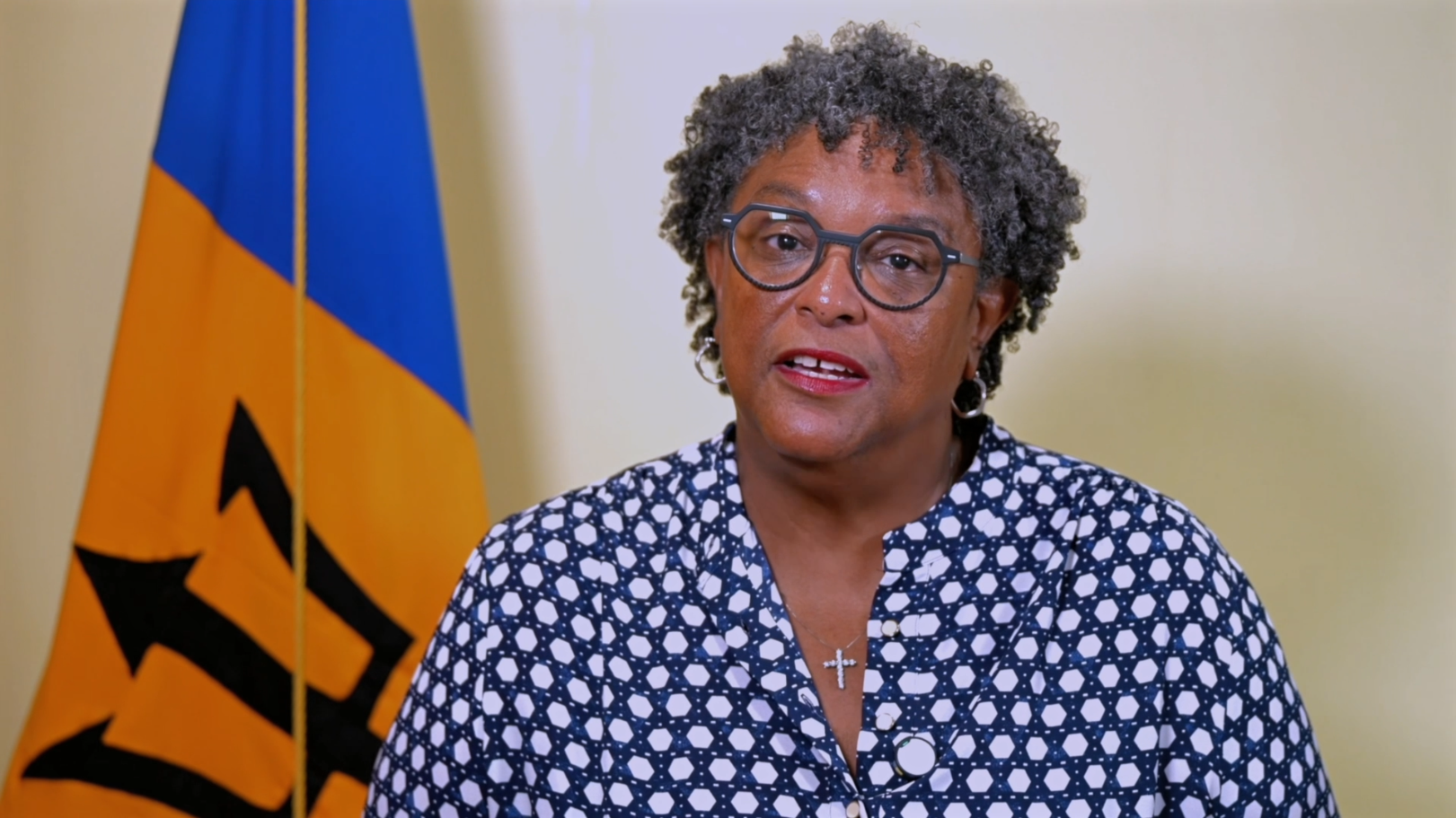
    Speaking at the official funeral service hosted at Wildey Gymnasium, Prime Minister Mia Mottley told gathered mourners that Dr Cox died while actively serving the fishing community she had dedicated her entire professional career to. “She did not observe from a distance. She was serving. She was giving. Right there,” Mottley emphasized, noting that while Dr Cox’s life was cut tragically short, her impact on the nation would never be forgotten.

    “We will always wish that she had more time. But let us also remember that a life cut short is not a life of no consequence. Her life was short, but her contribution was not small. It was great. Her example will not only endure. It will inspire,” the prime minister said. She reassured Dr Cox’s family that the entire nation had benefited immeasurably from their loved one’s service and commitment to public good.

    Mottley first encountered Dr Cox through the government’s Future Barbados leadership development program, where the young professional immediately stood out for her clear sense of purpose and innate leadership ability. “We wanted to create something that would give our young people opportunity to express themselves, to learn, to share and to drag us into the future with them. Shelly was part of that first cohort. Her purpose that very first day at Ilaro Court became absolutely clear to me,” the prime minister recalled. When the role of chief fisheries officer opened, Mottley said she had no doubt Dr Cox was the right candidate to lead the sector, and the young leader never disappointed.

    “Shelly did not disappoint. She excelled. She had the mind of a scholar, the instincts of a practitioner, but above all else, the heart of someone who cared,” Mottley said. She praised Dr Cox’s rare ability to bridge academic expertise and on-the-ground understanding of the challenges facing ordinary fisherfolk, a skill that set her apart as a leader. “The scholarship never separated her from people. She understood the policy, but she understood the reality of the work in the market,” the prime minister added.

    This unique combination of vision and attention to detail was on full display in Dr Cox’s work shaping the national Barbados Fisheries Policy and steering the passage and implementation of the landmark Sustainable Fisheries Management and Development Act. “It was probably her management of the complex Sustainable Fisheries Management and Development Act of 2025 that we saw her amazing skills and her capacity to bring vision into life, dotting every ‘i’ and crossing every ‘t’. Very often you do not find that capacity for vision married with that capacity for detail,” Mottley noted.

    The prime minister also highlighted Dr Cox’s steady leadership in the aftermath of Hurricane Beryl, which destroyed the Bridgetown Fisheries Complex in July 2024. Mottley recalled that Dr Cox made repeated visits to the damaged site, focusing entirely on restoring the critical industry that supports hundreds of Barbadian households. “Shelley’s unflappable stance ensured that even when fishermen, those depending on the industry, panicked, hers was a steady voice. That’s remarkable for someone so young, but with a clear, clear mission,” she said. “We know what we have lost,” Mottley added, acknowledging the enormous gap left by Dr Cox’s passing.

    Nikola Simpson-Kellman, a close friend and colleague of Dr Cox, echoed that reflection in an earlier tribute, noting that Hurricane Beryl was one of the only times she ever saw Dr Cox overcome by emotion. “Almost always had a smile on her face; even when she was facing challenges, she was inspired and gifted and guided. The only time that I ever saw Shelley crying was just after Hurricane Beryl, when the complex was a scene of utter devastation and heartbreak,” Simpson-Kellman said.

    Addressing Dr Cox’s young son, Shay Ocean Cox, Mottley said no words could ease the loss of his mother, but he must always carry with him the knowledge of how deeply she was respected and loved by the entire nation. “You must know that your mother served this country greatly. You must know her work has been spoken of with pride,” she said. The prime minister issued a call to members of the Fisheries Division and the broader fishing community to carry forward the work Dr Cox started, noting that the greatest tribute to her legacy would be to bring her transformative vision to completion.

    Damien Prescod, another friend and colleague, described Dr Cox as an exceptional public servant whose deep passion for the ocean drove her mission to reform and revitalize Barbados’ fisheries sector. “Within the span of three years, Shelly and her A-Team revitalised the local fisheries sector. One only had to enter the halls of the Fisheries Division since she assumed the role of Chief Fisheries Officer to feel the renewed sense of purpose and contagious energy that emanated from personnel within the various departments,” Prescod said.

    He added that Dr Cox prioritized investing in the people around her, believing every worker deserved the chance to grow professionally. “She met them where they were at and provided them with the tools to evolve and elevate professionally. No one was left behind,” Prescod said, recalling Dr Cox’s relentless work ethic, which often saw her sending work messages to colleagues before dawn. When he once asked where she found the energy for such a demanding schedule, her answer was always the same: “If we don’t do it, who will?”

    Prescod credited Dr Cox with advancing science-based fisheries management across the island, leading innovative work on the productive use of sargassum seaweed, expanding opportunities for women and young people in the fisheries sector, and steering the industry’s recovery after Hurricane Beryl. While her passing has left a void that can never be filled, he said the community must ensure her vision endures. “There will never be another you, and this space will never be the same. However, the mission continues. We will honour your legacy and do our best so that the shared vision of world-class transformation continues, rooted in deep collaboration,” Prescod said.

    Simpson-Kellman echoed that call, urging colleagues to carry forward Dr Cox’s work while honoring the friend she was to so many across the island. “We are forever grateful and privileged to have been in your physical presence. As you would often say to me on our birthdays, friends like you are the greatest gift. Shelly, you were and are the greatest gift to so many,” she said.