博客

  • Deacons man identified as victim of fatal Fernihurst stabbing

    Deacons man identified as victim of fatal Fernihurst stabbing

    Authorities in Barbados have formally named 26-year-old Jamario Omar Holder as the victim of a fatal stabbing that rocked the quiet community of Fernihurst, St. Michael on Tuesday afternoon. Holding a residential address at Block 7, Farm Road, Deacons in the same parish, Holder lost his life following an altercation that unfolded just after 4:30 p.m. local time.

    According to official updates from the Barbados Police Service, early investigative work confirms the incident began as a confrontation between two men, during which Holder sustained multiple stab wounds. In the immediate aftermath of the attack, bystanders transported Holder via a private vehicle to the island’s main public care facility, the Queen Elizabeth Hospital. Despite medical intervention, Holder succumbed to his injuries shortly after arrival.

    As the investigation progresses, law enforcement officials confirmed that a person of interest is currently cooperating with detectives to help untangle the circumstances leading up to the fatal violence. To expand their leads and fill gaps in the timeline of the incident, police are now issuing a public appeal for any community members who may have witnessed the stabbing, or hold any detail that could advance the probe.

    Individuals with relevant information are encouraged to submit tips through multiple confidential and official channels: anonymous reports can be sent to Crime Stoppers at 1-800-8477, emergency reports can be filed through the national police emergency line at 211, and tips can also be submitted directly to officers at the Black Rock Police Station via phone at 417-7500 or 417-7501.

  • Government reaffirms commitment to supporting Dominica’s senior citizens

    Government reaffirms commitment to supporting Dominica’s senior citizens

    As the Caribbean island nation of Dominica kicks off its annual Month of the Elderly observances, the government has publicly restated its ongoing dedication to elevating the quality of life for the country’s senior population. Speaking to journalists at the official launch event hosted by the Dominica Council on Ageing on Tuesday, Dr. Cassandra Williams, Minister of State in the Ministry of Health, Wellness and Social Services, outlined the full suite of targeted government programs designed to expand social support for older citizens across the country.

    Williams emphasized that these ongoing initiatives have long been anchored as core components of the administration’s national social protection strategy, with all programs formally retained in the 2023/24 national budget as key support mechanisms for Dominica’s vulnerable population groups. The major ongoing efforts include the widely accessed Yes We Care Programme, general public assistance grants, the Non-Contributory Pension for adults aged 65 and older, the Centenarian Programme, and targeted funding for non-governmental and community institutions that deliver frontline care services to seniors.

    Of these interventions, the Yes We Care Programme has emerged as a critical community-focused resource, delivering in-home support to elderly and vulnerable residents who struggle to complete daily tasks independently. Program services range from support with personal hygiene and meal preparation to help with routine household chores, addressing both practical needs and the widespread issue of social isolation among seniors by providing regular companionship for participants. According to earlier government data, 161 seniors currently receive ongoing assistance through the program, which receives an annual operational allocation of approximately $1 million.

    Another cornerstone of the country’s elderly social safety net is the Non-Contributory Pension, which the government expanded in recent years by lowering the minimum qualifying age from 70 to 65, opening up access to thousands of additional older adults who require financial support.

    Beyond outlining existing government policies, Williams used the launch event to issue a public appeal to all Dominican citizens, both on the island and in the large diaspora community overseas. She stressed that government assistance programs should not be seen as the sole source of support for the country’s older population, urging families, friends and local communities to take an active role in caring for older relatives, neighbors and peers. Williams encouraged people across the country to carve out consistent time to engage with seniors, offer practical help where it is needed, and honor the decades of experience and foundational contributions that older generations have made to Dominica’s social and economic development.

    This year’s Month of the Elderly, which centers the theme “Empowering Elder Voices for an Inclusive Future,” frames the government’s appeal for collective action around seniors’ rights and inclusion as a core part of its national agenda for the event.

  • Barbados to host third CARICOM Regional Conference on Reparations

    Barbados to host third CARICOM Regional Conference on Reparations

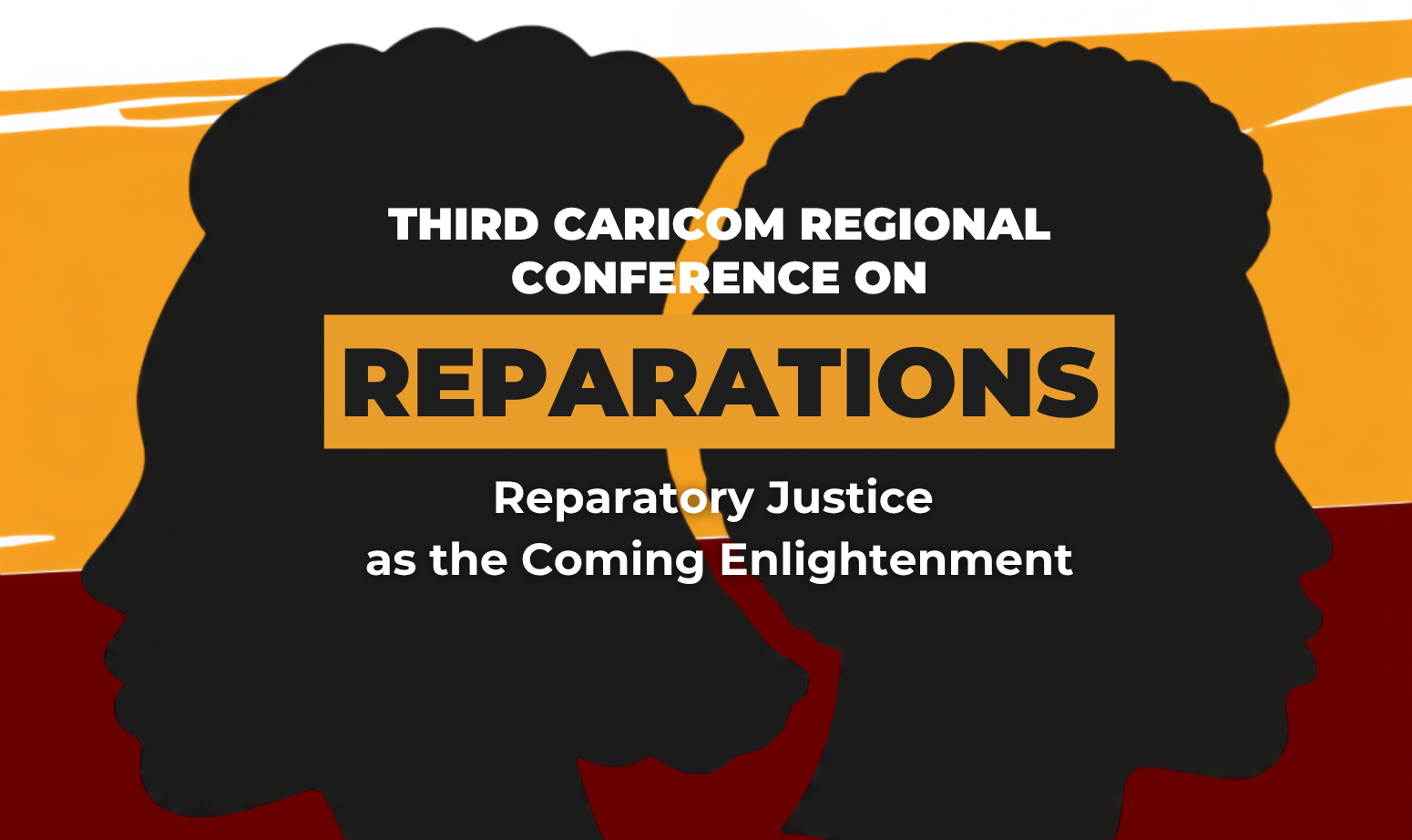
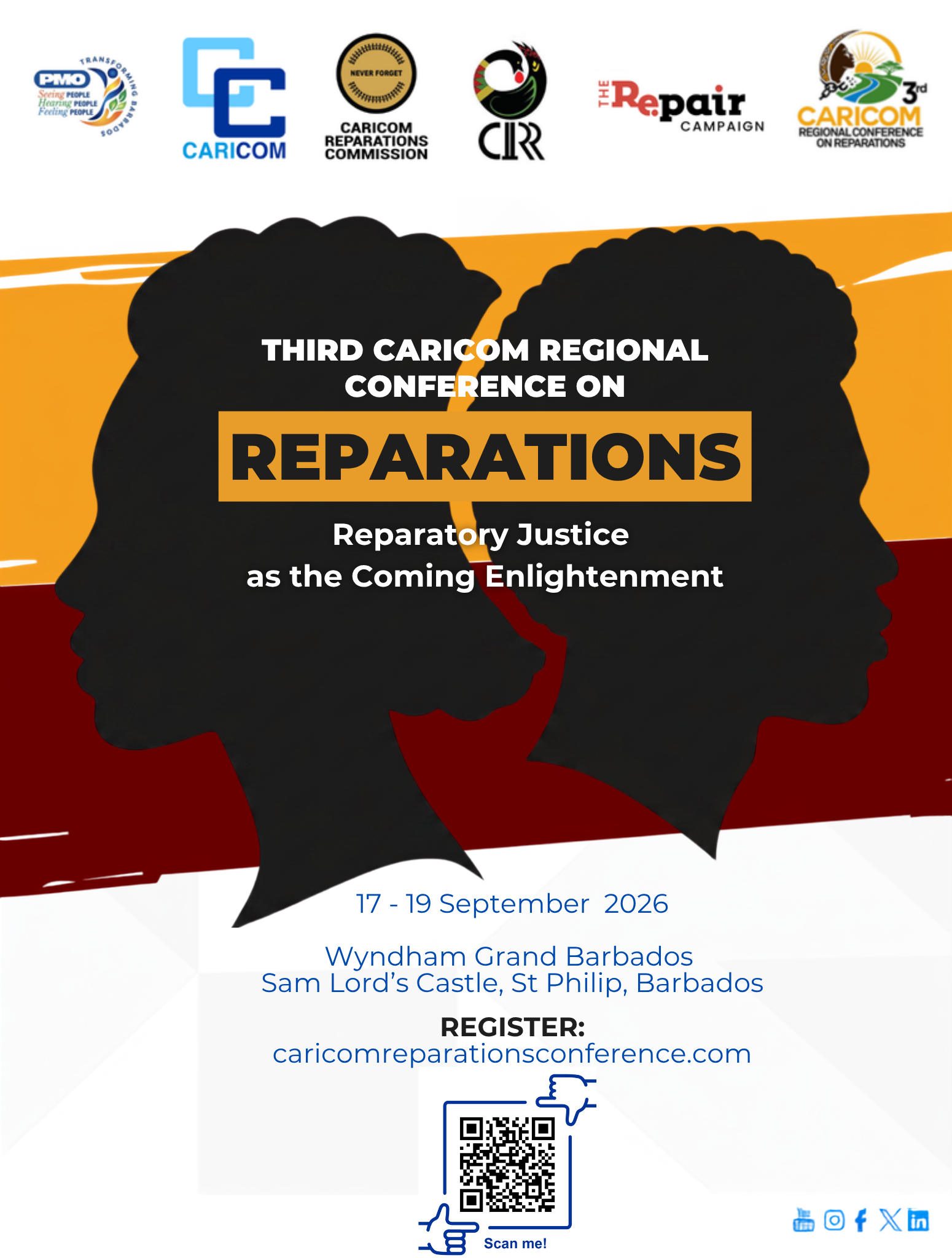
    A pivotal moment in the global movement for reparatory justice for the transatlantic trafficking and racialized chattel enslavement of Africans is approaching this September, as Barbados prepares to welcome hundreds of regional and international stakeholders for the third CARICOM Regional Conference on Reparations. Scheduled to run from September 17 to 19 at the Wyndham Grand Sam Lord’s Castle in Saint Philip, the three-day gathering is the product of a collaborative partnership between the CARICOM Reparations Commission (CRC), the Government of Barbados, and the CARICOM Secretariat, and it will unfold under the provocative, purpose-driven theme: “Reparatory Justice as the Coming Enlightenment.”

    This year’s conference arrives on the heels of a landmark global milestone: the United Nations’ adoption of Resolution A/RES/80/250 in March 2026, a historic document that formally recognized the transatlantic trafficking and racialized chattel enslavement of Africans as “the gravest crime against humanity.” This global endorsement has created new momentum for the Caribbean reparations movement, which has spent more than a decade pushing for accountability and redress from former colonial powers.
    Conference organizers have laid out a clear, action-focused agenda for the gathering. A core priority will be advancing the practical implementation of the revised CARICOM Ten-Point Plan for Reparatory Justice, a framework that outlines concrete demands including formal apologies, financial compensation, educational reforms, and repatriation of cultural artifacts stolen from African and Caribbean communities during the colonial era. Attendees will also explore emerging perspectives on reparations from African and Caribbean political leadership, assess the state of global progress on reparative action, and mark a series of key global milestones: the 25th anniversary of the landmark Durban Declaration and Programme of Action, the conclusion of the Second International Decade for People of African Descent, and the launch of the African Union Decade for Reparatory Justice.
    Beyond policy discussions, the conference is designed to deepen coordination across the global movement for reparatory justice. Official statements from CARICOM note that the gathering is expected to strengthen collaborative ties between CARICOM, the African Union, grassroots civil society organizations, and the global African diaspora, while encouraging expanded participation from political, diplomatic, and community groups across the world.
    One of the most anticipated outcomes of the conference is the adoption of a 2027–2031 multi-year Action Plan for Reparatory Justice, which will establish clear, measurable targets for collective action across the global African community. This roadmap is expected to provide a unified framework for advocacy and implementation over the coming five years.
    The opening session of the conference will feature addresses from three of the movement’s most prominent leaders: Barbados Prime Minister Mia Amor Mottley, CARICOM Secretary-General Dr Carla Barnett, and CRC Chair Sir Hilary Beckles. In addition to these opening remarks, the gathering will draw a diverse range of participants, including CARICOM Heads of Government, members of the Prime Ministerial Sub-Committee on Reparations, official representatives from the African Union, United Nations delegates, national reparations commission members, activists from the United States, Canada, the United Kingdom, the European Union, and Latin America, leading academic scholars, civil society leaders, cultural icons, and youth delegates representing the next generation of the reparations movement.
    This third regional conference marks a 13-year continuation of a formal movement launched at the inaugural CARICOM reparations conference. The first gathering was held in St Vincent and the Grenadines in September 2013, where the CARICOM Reparations Commission was officially established to coordinate regional advocacy. The second conference followed just one year later in September 2014, hosted by Antigua and Barbuda. Since its founding, the CRC has organized a range of focused conferences and symposia to explore specific dimensions of reparatory justice, including examinations of the role of global banking in colonial exploitation, the legacy of Barbadian economist Sir William Arthur Lewis, and the intersections between reparations and global cultural heritage (including the return of stolen royal and cultural artifacts).
    For organizations and individuals interested in attending the 2026 conference, registration and additional logistical information are available through the official conference website.

  • Six Caribbean groups receive grants to advance climate justice advocacy

    Six Caribbean groups receive grants to advance climate justice advocacy

    Against a backdrop of accelerating climate impacts that disproportionately harm small island developing states in the Caribbean, six local civil society organizations are set to advance community-centered climate justice work thanks to new small grants from a regional climate initiative.

    The funding is delivered through the 2026–2027 Climate Action Facility of the Caribbean Sea Innovation Fund, a collaborative effort between the Caribbean Natural Resources Institute (CANARI) and the Caribbean Climate Justice Alliance. Backed by core support from the Open Society Foundations, the initiative allocates awards ranging from $1,500 to $8,000 to frontline groups working to lift marginalized community voices in environmental decision-making.

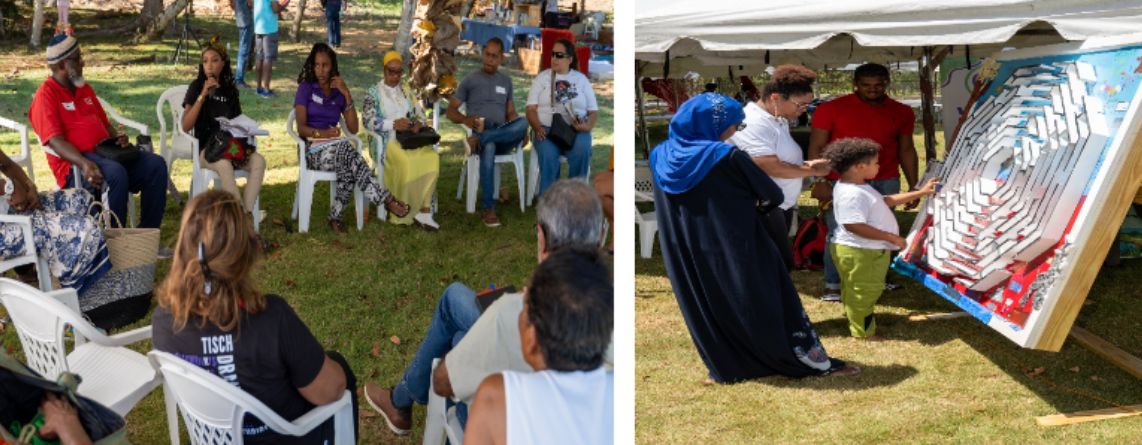
    The six grant recipients span multiple Caribbean nations and represent a diverse cross-section of local climate action. They include the Alliance for Rural Communities (ARC) of Trinidad and Tobago, Equals Inc., Island City Lab, Jamaica Environment Trust (JET), The Crystal Clear Initiative for Trinidad and Tobago, and a partnership between the University of the West Indies Centre for Resource Management and Environmental Studies (UWI-CERMES) and its Voices from the Shore Theatre Collective. ARC, one of the awardees, recently hosted the Festival of Collectives in Trinidad to build cross-community collaboration on local climate and environmental justice, featuring interactive activities like a Climate Maze alongside panel discussions and skill-sharing sessions.

    Each funded project targets a unique gap in regional climate justice action. Some initiatives will advance climate litigation to hold major emitters accountable, while another centers on elevating the critical, often underrecognized contributions of women working in Caribbean agriculture and fisheries. One project will document the long-lasting social and environmental damage left by Hurricanes Beryl and Melissa, and others will push for more equitable, community-informed approaches to building local climate resilience.

    A key focus of several grants is improving accessibility for marginalized groups in climate response. One initiative will develop practical, user-centered tools to adapt emergency climate shelters to better serve people with disabilities and LGBTQ+ community members, groups that are often overlooked in disaster planning. Across all projects, organizers also aim to build public understanding of climate-related human rights and expand opportunities for ordinary Caribbean citizens to shape environmental policies and governance that directly impact their lives.

    The funded work will feed into the broader mission of the Caribbean Climate Justice Alliance, a regional network that now unites more than 80 non-state actors, including civil society organizations, grassroots activists, academic researchers, creative practitioners, and media professionals across the Caribbean. Co-chaired and convened by CANARI, the alliance centers its work on amplifying the perspectives of frontline communities that face the worst effects of the climate crisis, while working to increase their influence over regional and national climate policy and practice. All of the alliance’s activities are aligned with the *Caribbean Climate Justice and Resilience Agenda 2023–2030*, a community-led framework that outlines clear priority actions to advance equitable climate justice and strengthen local resilience across the region.

    Moving forward, CANARI will share regular progress updates on all funded projects and their regional impact via its social media channels, keeping the public and broader climate community informed of ongoing work and outcomes.

  • CARICOM Reparations Conference to Develop 2027–2031 Global Action Plan

    CARICOM Reparations Conference to Develop 2027–2031 Global Action Plan

    A landmark regional gathering advancing the global movement for reparatory justice for the transatlantic slave trade is set to convene in Barbados in September 2026. Organized jointly by the CARICOM Reparations Commission (CRC), the Government of Barbados, and the CARICOM Secretariat, the Third CARICOM Regional Conference on Reparations will run from 17 to 19 September 2026 at the Wyndham Grand Sam Lord’s Castle in Saint Philip, under the central theme “Reparatory Justice as the Coming Enlightenment.”

    This major forum comes on the heels of a historic milestone for the reparations movement: the United Nations’ adoption of Resolution A/RES/80/250 on 25 March 2026, which formally recognized the trafficking and racialized chattel enslavement of African people as “the gravest crime against humanity.” The resolution provides renewed global legitimacy to CARICOM’s decades-long advocacy for redress, setting the stage for critical conversations at the upcoming conference.

    The core mission of the three-day event is to deliver actionable, practical guidance for rolling out the newly revised *CARICOM Ten-Point Plan for Reparatory Justice: A Manifesto for the Coming Enlightenment*. Organizers will center emerging perspectives on reparatory justice rooted in African and Caribbean political discourse, while amplifying public engagement with the updated framework. Attendees will also conduct a comprehensive assessment of global progress across the reparations movement, timed to align with three key global milestones: the 25th anniversary of the Durban Declaration and Programme of Action, the Second International Decade for People of African Descent, and the African Union Decade for Reparatory Justice.

    Beyond policy discussion, the conference aims to deepen collaborative ties between CARICOM, the African Union, grassroots civil society organizations, and the global African diaspora. By invigorating participation across political, diplomatic, and community levels, organizers seek to preserve and expand the growing momentum for systemic change in the international reparations movement.

    The conference’s overarching goal is to re-energize CARICOM’s advocacy through the CRC and strengthen solidarity between the African continent and its global diaspora. A central anticipated outcome is the formal adoption of a 2027–2031 Action Plan for Reparatory Justice, which will establish clear, measurable targets for coordinated action among partner organizations across the global African community.

    High-profile leaders will lead the conference’s opening proceedings, including Mia Amor Mottley, Prime Minister of Barbados; Dr. Carla Barnett, CARICOM Secretary-General; and Sir Hilary Beckles, Chair of the CRC. A flagship high-level plenary will bring together CARICOM Heads of Government, members of the CARICOM Prime Ministerial Sub-Committee on Reparations, and senior representatives from the African Union.

    The gathering will draw a diverse cross-section of stakeholders from across the globe: CARICOM ministers with oversight for reparatory justice, members of national reparations commissions and committees, CARICOM associate members, United Nations officials, and leading reparations activists from the United States, Canada, the United Kingdom, the European Union, and Latin America. They will be joined by academic scholars, civil society leaders, cultural figures, and youth delegates to ensure intergenerational and multi-sector input.

    This third conference builds on a 13-year legacy of regional reparations organizing by CARICOM. The inaugural conference was hosted by St. Vincent and the Grenadines in September 2013, which formally launched the CARICOM Reparations Commission, established the body’s Terms of Reference, and welcomed legendary reggae artist Bunny Wailer as the official patron of the regional movement. The second conference followed in Antigua and Barbuda in September 2014, convening expert panels to unpack key issues aligned with the original 10-point reparations plan, with former Jamaican Prime Minister PJ Patterson delivering the keynote address.

    Since 2014, the CRC has continued to advance the discourse through targeted symposia and smaller gatherings. Key past events include an October 2019 conference on “Western Banking, Colonialism and Reparations” in Antigua and Barbuda; a 2020 virtual symposium honoring “Sir William Arthur Lewis: Founder of Reparations for Caribbean Development;” and a March 2023 10th-anniversary symposium in Jamaica, “Reparations and Royalty, Africa and Europe: Exploding Myths and Empowering Truths.”

    Full details on the conference agenda and registration are available via the official CARICOM website, with public access to the revised 10-point plan also hosted on the platform.

  • UWI Professors Among 2026 Yidan Prize change makers

    UWI Professors Among 2026 Yidan Prize change makers

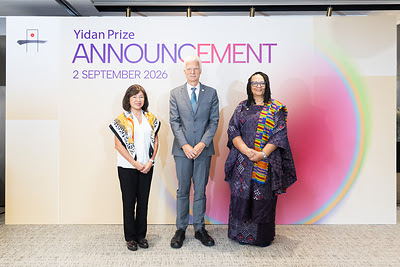
    On Monday, the Yidan Prize Foundation, a leading global philanthropic organization focused on education advancement, named four trailblazing academics the 2026 Yidan Prize laureates during a Hong Kong press conference. The announcement marks a decade of the foundation elevating game-changing education innovators from across the globe, delivering targeted resources to expand their transformative work.

    Chaired by Andreas Schleicher, OECD Director for Education and Skills, the prize’s independent judging panel selected two cohorts of winners across the Yidan Prize’s two core awards: Education Research and Education Development. University of Minnesota Regents Professor Paul W. Glewwe took home the 2026 Yidan Prize for Education Research, recognized for four decades of rigorous, field-shaping work that has reoriented education policy to break systemic barriers to learning for children in marginalized, low-income communities.

    A second cohort of three experts, Professor Susan P. Walker, Professor Sally Grantham-McGregor, and Dr Susan M. Chang-Lopez, claimed the 2026 Yidan Prize for Education Development. The trio was honored for developing the ground-breaking, evidence-based Reach Up early childhood development intervention, which has reshaped life trajectories for children growing up in low-resource, displaced, and Indigenous communities worldwide.

    Each of the two Yidan Prizes comes with a total award of HK$30 million, roughly equivalent to US$3.8 million. The funding is split evenly between a HK$15 million unrestricted cash prize and a HK$15 million project grant, giving laureates full flexibility to scale their work and reach more communities in need. Since the prize launched in 2017, the foundation has distributed a total of HK$600 million (approximately $77 million USD) to 25 laureates, supporting education initiatives across nearly 60 countries and regions.

    Reflecting on the 10-year milestone, Yidan Prize founder Dr Charles Chen Yidan framed the award as a guiding beacon for global education progress. “Over the past decade, the collective impact of our laureates has turned the Yidan Prize into a lighthouse that illuminates pathways forward for global education,” Chen said. “Every new laureate strengthens our shared commitment, brings transformative new ideas, and expands the ways we shape the future of learning worldwide.”

    Glewwe, an applied economics professor at the University of Minnesota, earned the research prize for his pioneering work unpacking how non-school factors – including socioeconomic status, health, and nutrition – shape long-term learning outcomes for children. He revolutionized global education data collection by integrating literacy, numeracy, and abstract reasoning metrics for children and parents into the World Bank’s standard household surveys, a shift that has helped policymakers worldwide better map the connections between poverty, inequality, and educational gaps. He also pioneered the widespread use of randomized controlled trials (RCTs) to test the effectiveness of education programs and policies, enabling governments and global development organizations to direct limited resources to approaches proven to boost learning outcomes. Beyond these contributions, Glewwe was among the first economists to integrate social-emotional skill development into economic analyses of education and global development. His work, spanning more than 15 developing nations, has reshaped education policy and on-the-ground practice across every inhabited continent.

    Elizabeth M. King, head of the Yidan Prize for Education Research judging panel, emphasized the outsized real-world impact of Glewwe’s decades of work. “Transforming education systems and outcomes only happens when uncompromising scientific rigor is paired with a fierce commitment to improving people’s lives,” King explained. “For nearly 40 years, Paul Glewwe has delivered exactly that rigor. He has given governments the evidence they need to allocate public spending wisely, given teachers the tools they need to instruct effectively, and opened the door of opportunity for millions of vulnerable children to learn, thrive, and break the cycle of intergenerational poverty.”

    For the education development prize, Walker, Grantham-McGregor, and Chang-Lopez earned the honor for their decades of work building the Reach Up early childhood intervention, a low-cost, scalable model that empowers caregivers to support healthy early development from birth to age four. Walker is an emeritus professor of nutrition at the University of the West Indies’ Caribbean Institute for Health Research, Grantham-McGregor is emeritus professor of International Child Health and Development at University College London, and Chang-Lopez is a senior lecturer at the University of the West Indies’ Caribbean Institute for Health Research. The trio began their careers researching early childhood health and nutrition, where they uncovered the outsized long-term impact of early stimulation and consistent quality caregiver-child interaction on lifelong development. Leveraging this foundational evidence, they designed a practical, adaptable intervention that builds caregivers’ capacity to nurture cognitive growth through simple, low-cost activities integrated into daily routines. Unlike costly specialized early childhood programs, Reach Up is rooted in local cultural contexts and delivered through existing public health, social protection, education, and humanitarian systems, making it easy to scale in low-resource settings. Today, the program operates in more than 21 countries across the Caribbean, Latin America, Asia, Africa, and the Middle East, and all of Reach Up’s curricula and training materials are available for free globally, with continuous iterative updates based on real-world outcome data.

    Dorothy K. Gordon, head of the Yidan Prize for Education Development judging panel, praised the trio’s approachable, high-impact innovation. “Reach Up gives millions of children a far better chance at an equal start in learning, education, and life,” Gordon said. “The laureates have proven that lasting, large-scale change can be achieved through a combination of rigorous evidence, cross-sector partnership, and local leadership. The immense global impact of their work grows from the rigor of their pathbreaking interdisciplinary research, paired with a practical, well-designed toolbox of interventions that meet communities where they are.”

    To mark the 2026 awards, the new laureates will gather in Hong Kong for the annual Yidan Prize Summit, held from 3 to 5 December 2026. The three-day event will feature collaborative conversations around the theme of reimagining education for the AI age, building on 2025’s discussion of global education at a crossroads. This year’s summit will center on a paradigm shift: framing education not as a contained physical space, but as a dynamic driving force for inclusive, interconnected ecosystems rooted in human connection, creativity, and deep learning. The 2026 Yidan Prize formal awards ceremony will cap off the summit on its final day, where the laureates will receive their gold medals and official awards.

    Looking ahead, the Yidan Prize Foundation has opened the nomination window for the 2027 prize, which will run from 27 October 2026 through 2 March 2027. As the world’s highest-profile education award, the Yidan Prize continues to center future-oriented, innovative, sustainable work that delivers transformative impact for communities globally. Founded in 2016, the foundation’s core mission is to build a better world through education, bringing together a global network of education changemakers – including researchers, practitioners, policymakers, and philanthropists – to exchange knowledge, raise standards for the field, shape global education agendas, and accelerate large-scale progress.


  • G20 bereikt akkoord ondanks spanningen over Rusland en China

    G20 bereikt akkoord ondanks spanningen over Rusland en China

    Global finance leaders from the G20 wrapped up two days of high-stakes talks in Asheville, North Carolina on Tuesday, securing broad consensus on a final joint declaration even as deep rifts over Russia’s participation and disagreements with China threatened to derail progress. The summit, hosted by the United States in its rotating 2026 G20 presidency, brought together top financial officials to address a slate of pressing global issues ranging from the ongoing war in Ukraine to Middle East tensions, trade frictions, and systemic global economic imbalances.

    Controversy erupted ahead of the gathering over the invitation extended to Russia’s Finance Minister Anton Siluanov, a move that sparked fierce pushback from European allies that support Ukraine in its defense against Russia’s full-scale invasion. European officials formally protested Siluanov’s presence at the summit, resulting in the Russian minister skipping the traditional group photo that is a staple of G20 gatherings. A European Union spokesperson noted that the invitation for Siluanov was announced only at the last minute, creating unnecessary “inconvenience” for participating delegations.

    Canadian Finance Minister François-Philippe Champagne acknowledged that the debate over Russia’s participation cast a shadow over the summit’s working atmosphere. EU economic commissioner Valdis Dombrovskis emphasized that normalizing Russia’s participation in multilateral global forums is unacceptable at this juncture, pointing to Moscow’s ongoing unprovoked aggression and documented attacks on civilian infrastructure and populations across Ukraine.

    Despite the widespread European frustration, U.S. Treasury Secretary Scott Bessent, who opened the summit, defended the decision to include Russia. Speaking to reporters after the summit concluded, Bessent stressed that keeping lines of communication open remains a critical priority for global diplomacy, noting that Siluanov is not currently subject to international sanctions and that productive dialogue is necessary even amid deep diplomatic disagreements. Bessent also confirmed that Russia’s presence did not disrupt the formal negotiations on key agenda items.

    Beyond the dispute over Russian participation, the summit also exposed new divisions between Western nations and China over geopolitical and economic issues. One key provision in the final declaration calls for “free, safe and predictable navigation through the Strait of Hormuz” — a critical global energy chokepoint that has seen repeated disruptions since a new escalation of regional conflict in February. China refused to endorse this specific section of the text.

    Additional disagreements emerged over language addressing persistent global economic imbalances. The U.S. pushed for language calling out that “excessive and sustained imbalances create risks and can cause economic disruption,” a reference to longstanding international criticism of China’s industrial overcapacity, which many trading partners argue creates unfair competition in global markets. Beijing formally objected to this provision in the final statement.

    Founded in the aftermath of the 1997-1998 Asian financial crisis, the G20 brings together 19 major national economies plus the European Union and African Union, with a core mandate of promoting global financial and economic stability. this year’s finance minister summit serves as a precursor to the full G20 leaders’ summit, scheduled to be hosted by U.S. President Donald Trump in Miami this coming December.

    On the sidelines of the main G20 negotiations, finance ministers from the G7 group of advanced economies held separate talks focused on coordinating continued support for Ukraine, where combat operations have intensified over the past summer. German Finance Minister Lars Klingbeil highlighted the recent “surge in brutal missile attacks against civilian populations” in Ukraine and reiterated the international community’s commitment to ending Russian aggression. Ukraine’s finance minister joined the G7’s support coordination discussions remotely, as the country continues to work with international partners to secure long-term financial and military assistance.

  • De Kock century not enough as Tridents suffer third straight loss

    De Kock century not enough as Tridents suffer third straight loss

    The 2024 Republic Bank Caribbean Premier League (CPL) delivered another dramatic twist on Tuesday, as a match-winning century from Quinton de Kock could not prevent the Barbados Tridents from falling to a third consecutive defeat at the hands of the St Kitts Nevis Patriots in Basseterre. The six-wicket loss leaves Barbados rooted at the foot of the league table, deepening their early-season slump despite a standout individual performance from their star wicketkeeper-batter.

    Put into bat first after losing the toss, the Tridents got off to a rocky start when opening batter Brandon King was dismissed for just two runs in the second over. The side stabilized quickly, however, reaching 53 runs for one wicket by the end of the mandatory powerplay, thanks to a growing partnership between Quinton de Kock and young batter Zachary Carter.

    The pair built a commanding 119-run stand until the 13th over, when Carter fell to the bowling after a blistering 57-run knock off just 36 deliveries, decorated by seven towering sixes and a single four. De Kock continued to exploit the high-scoring batting pitch, racing to his 10th career T20 century before being cleaned up by Pakistani fast bowler Naseem Shah with 10 balls remaining in the innings. His 106-run innings came from only 57 deliveries, including 11 fours and six maximums.

    Late contributions from Sherfane Rutherford (26 runs) and Tridents captain Chris Green, who hit an unbeaten 18 from just seven balls, lifted the Tridents to a competitive final total of 217 runs for four wickets – a score that on most pitches is considered a match-winning total. For the Patriots, Shah was the stand-out bowler, finishing with figures of two wickets for 43 runs, while star all-rounders Wanindu Hasaranga and Jason Holder each claimed one wicket apiece.

    The Patriots got off to a flying start in their run chase, reaching 58 runs without loss by the end of the powerplay, and extended their unbeaten opening stand to 110 runs by the conclusion of the 10th over. The Tridents finally broke the partnership two balls later, when Kyle Mayers was run out for 29 off 27 deliveries. Opener Johnson Charles fell in the 13th over for a quickfire 78 from 45 balls, leaving the hosts on 132 runs for two wickets. Charles’ knock, which included seven sixes and six fours, earned him Player of the Match honors despite a controversial mid-innings recall after being initially given out caught.

    Dasun Shanaka chipped in with a rapid 36 runs, and captain Jason Holder added 18, before Andre Fletcher struck the winning runs with five balls still left to bowl. Fletcher finished unbeaten on 22 from just eight deliveries, smashing three sixes in the process, and received valuable late support from Hasaranga, who hit 18 runs from only four deliveries. For the Tridents, Daniel Sams was the most effective bowler, finishing with two wickets for 40 runs.

    Speaking to reporters after the match, Tridents captain Green said he had entered the second innings confident his side’s total would be enough to secure victory. “I’m really proud of our efforts with the bat, especially de Kock getting that hundred,” Green explained. “You never want to lose when one of your top players steps up like that, and you post 220-odd on the board halfway through.”

    Green admitted his bowling unit failed to execute their plans consistently, but saved particular criticism for a key umpiring decision that allowed Charles to return to the crease after he had already walked off following an initial out decision. “We started well, then I think we just lost our way a little with the ball,” he said. “I thought the umpires managed the game poorly with that decision – a player walks off the field, then comes back. That needs to be looked at, it’s not a good look for this tournament.”

    The result gives the Patriots their second win from seven matches, pushing them up the table to five points. The Tridents, who also sit on five points but have played only four matches, remain at the bottom of the standings on net run rate. They will get a chance to climb the table when the CPL moves to Kensington Oval for their next set of matches this weekend.

  • Saint Lucia to Receive First Six Migrants Under Controversial US Agreement

    Saint Lucia to Receive First Six Migrants Under Controversial US Agreement

    The Caribbean nation of Saint Lucia is on the cusp of a significant milestone this week, as it prepares to receive its first group of six non-US, non-Saint Lucian migrants under a widely debated two-year migration pilot program forged with the United States. The inaugural group, composed of five men and one woman, will mark the formal shift of the agreement from months of planning to active implementation, though details of their national identities remain undisclosed as of press time.

    The terms of the bilateral arrangement lay out clear parameters for transfers: US migration authorities are permitted to put forward up to 10 prospective migrants per quarter, equaling a maximum of 40 new arrivals annually. Crucially, the Saint Lucian government holds final authority to vet every individual candidate and reject any application it deems unsuitable. To safeguard the island’s security and public interests, strict eligibility criteria exclude unaccompanied minors, citizens of Saint Lucia, and individuals with documented criminal histories, with only minor immigration-related offenses excluded from this ban.

    As the first migrants prepare to land, public anxiety across the country has mounted over key unaddressed questions: where the new arrivals will be housed, what formal legal status they will hold during their stay, and who will ultimately cover the operational costs of the program. In response to growing public pressure, government officials have moved quickly to clarify widespread misinformation, emphasizing that the transferred migrants are not arriving to serve criminal prison sentences, nor will they receive automatic eligibility for permanent residency or Saint Lucian citizenship.

    International support for the initiative is being coordinated by the International Organization for Migration, which will provide logistical and social support to participants. A core component of the program’s design is the option for voluntary return to each migrant’s country of origin once their participation in the pilot concludes.

    A major sticking point in negotiations remains the question of funding. The Saint Lucian government has repeatedly maintained that local taxpayers should not be responsible for covering program costs, nor should public resources allocated to Saint Lucian citizens be diverted to support the initiative. It has formally requested full financial assistance from the United States, but talks over funding are still ongoing. Neither the total amount requested by Castries nor the projected overall cost of the pilot has been made public.

    With the first group of arrivals just days away, the program now faces intensified public and political scrutiny. Observers across the region will be watching closely to assess how the agreement functions in practice, what financial burden it ultimately places on Saint Lucia’s public coffers, and how the government addresses ongoing public concerns about the pilot’s long-term implications.

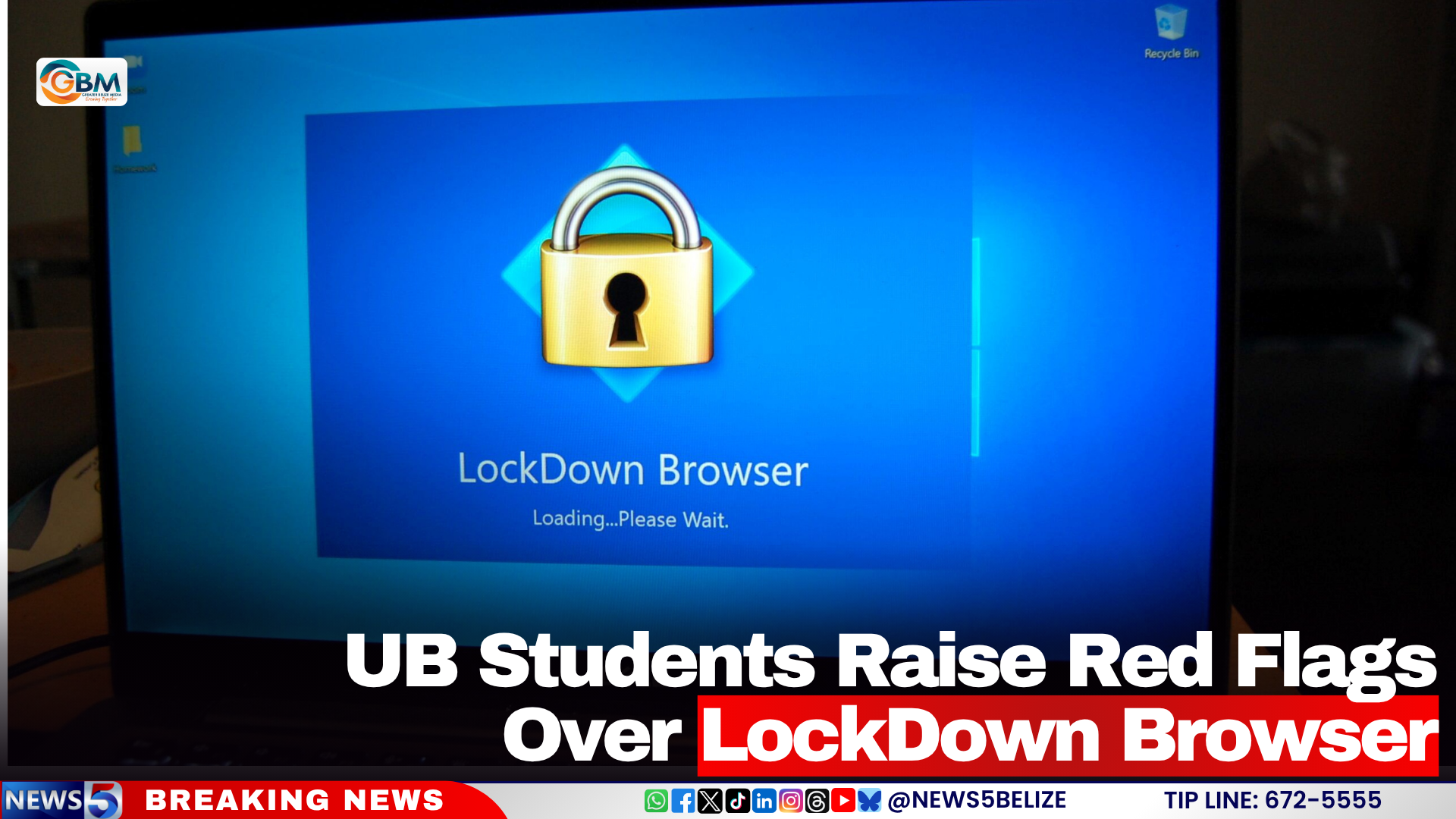
  • UB Students Raise Red Flags Over LockDown Browser

    UB Students Raise Red Flags Over LockDown Browser

    Amid the growing shift to digital assessment tools in higher education, students at the University of Belize (UB) are bringing forward a series of pressing concerns regarding the institution’s adoption of LockDown Browser for online quizzes and exams, highlighting technical failures, time-related disruptions, mental health strains, and privacy questions that have yet to be formally addressed by university leadership.

    The core complaint from affected students centers on consistent technical glitches that cut into the limited allotted time for timed assessments. Multiple users have reported that the secure testing browser regularly freezes mid-assessment, crashes unexpectedly, or fails to launch properly during the initial verification process. For students working against strict time limits, these unplanned interruptions leave them with far less time to complete their work, a issue that many fear will ultimately drag down their academic performance.

    Beyond the immediate technical disruption, students warn that poor performance stemming from these avoidable technical issues could carry long-term financial as well as academic consequences, from lost scholarship eligibility to lowered cumulative grade point averages that impact future education and career prospects.

    The National Student Union of Belize (NSUB) has confirmed that it has collected dozens of informal complaints from UB students about the tool, and estimates the actual number of affected students is far higher. NSUB President Tomas Serrut explained that while fewer than 20 students have directly reached out to the union to report issues, most of those respondents noted that dozens of their classmates and friends have also encountered problems with the browser. Serrut added that the time-related disruptions have already created measurable harm to student well-being, driving increased anxiety and chronic stress around high-stakes online testing.

    Privacy concerns have also been raised by some students, who question the extent of access the software grants university administrators to activity on students’ personal devices, which many use for both school and personal life. Serrut noted that while these privacy worries are valid, they must be balanced against the university’s stated goal of upholding academic integrity in online testing, a longstanding challenge for post-secondary institutions that has led to widespread adoption of secure browsing tools to prevent student cheating.

    “I think that we need to look at modern solutions and also respect the privacy of students. But at the same time, we need to understand that we live in a digital age, so the concerns that the administration may have could be very well valid because there’s a lot of cheating that goes on as well in these institutions between students,” Serrut said in an interview.

    When contacted by local outlet News 5, UB officials confirmed that the institution has not received any formal complaints about the use of LockDown Browser to date.

    Serrut and the NSUB are now calling for an open, collaborative discussion between student representatives and university administration to address the growing list of student concerns, work through technical kinks, and find a solution that balances academic integrity protections with student privacy and well-being. “I think it’s important that we have open discussions about the way students are being educated and certain precautions, which we also understand, must be taken in this growing digital world,” Serrut added.