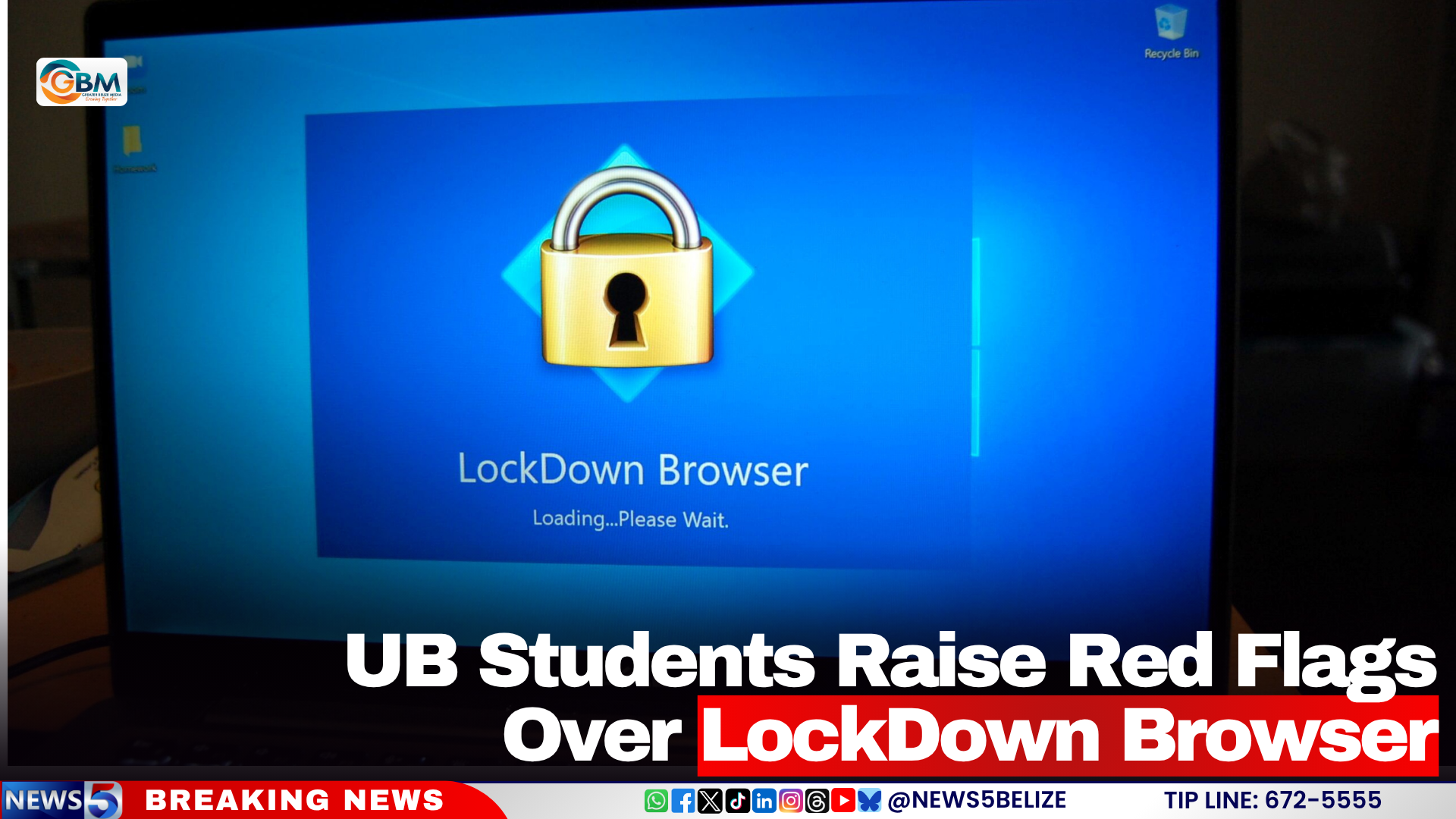
Amid the growing shift to digital assessment tools in higher education, students at the University of Belize (UB) are bringing forward a series of pressing concerns regarding the institution’s adoption of LockDown Browser for online quizzes and exams, highlighting technical failures, time-related disruptions, mental health strains, and privacy questions that have yet to be formally addressed by university leadership.
The core complaint from affected students centers on consistent technical glitches that cut into the limited allotted time for timed assessments. Multiple users have reported that the secure testing browser regularly freezes mid-assessment, crashes unexpectedly, or fails to launch properly during the initial verification process. For students working against strict time limits, these unplanned interruptions leave them with far less time to complete their work, a issue that many fear will ultimately drag down their academic performance.
Beyond the immediate technical disruption, students warn that poor performance stemming from these avoidable technical issues could carry long-term financial as well as academic consequences, from lost scholarship eligibility to lowered cumulative grade point averages that impact future education and career prospects.
The National Student Union of Belize (NSUB) has confirmed that it has collected dozens of informal complaints from UB students about the tool, and estimates the actual number of affected students is far higher. NSUB President Tomas Serrut explained that while fewer than 20 students have directly reached out to the union to report issues, most of those respondents noted that dozens of their classmates and friends have also encountered problems with the browser. Serrut added that the time-related disruptions have already created measurable harm to student well-being, driving increased anxiety and chronic stress around high-stakes online testing.
Privacy concerns have also been raised by some students, who question the extent of access the software grants university administrators to activity on students’ personal devices, which many use for both school and personal life. Serrut noted that while these privacy worries are valid, they must be balanced against the university’s stated goal of upholding academic integrity in online testing, a longstanding challenge for post-secondary institutions that has led to widespread adoption of secure browsing tools to prevent student cheating.
“I think that we need to look at modern solutions and also respect the privacy of students. But at the same time, we need to understand that we live in a digital age, so the concerns that the administration may have could be very well valid because there’s a lot of cheating that goes on as well in these institutions between students,” Serrut said in an interview.
When contacted by local outlet News 5, UB officials confirmed that the institution has not received any formal complaints about the use of LockDown Browser to date.
Serrut and the NSUB are now calling for an open, collaborative discussion between student representatives and university administration to address the growing list of student concerns, work through technical kinks, and find a solution that balances academic integrity protections with student privacy and well-being. “I think it’s important that we have open discussions about the way students are being educated and certain precautions, which we also understand, must be taken in this growing digital world,” Serrut added.