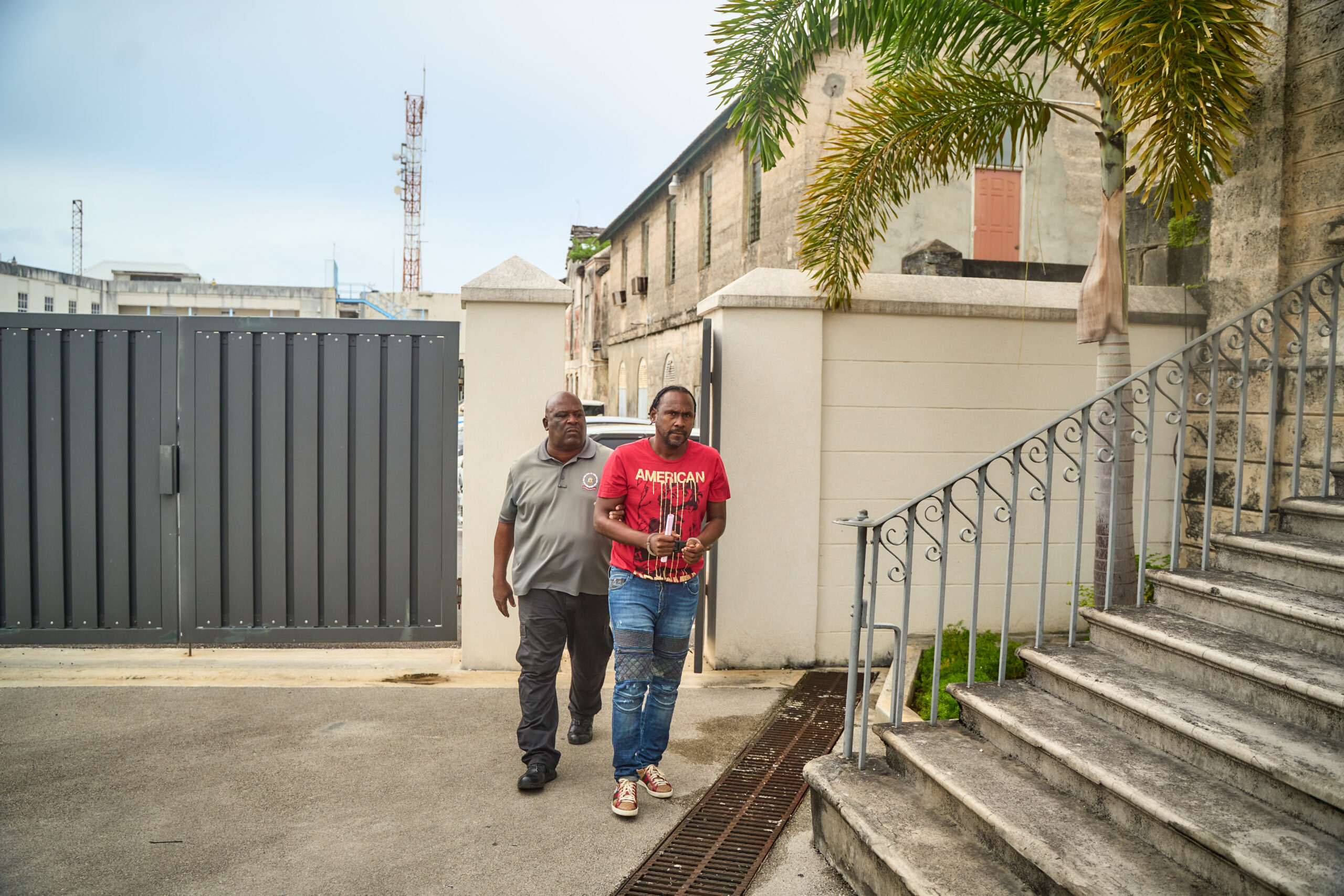
A criminal court hearing in Christ Church has concluded with a 47-year-old local supervisor being released on bail following charges connected to a major cannabis seizure. Ishan Saquan Alleyne, a resident of Town House #8 on Fordes Road in Clapham, faces three separate indictable offenses: possession of a controlled substance, possession with intent to supply, and trafficking of cannabis. All charges stem from an enforcement operation that took place on September 11. Law enforcement seized approximately 47.5 kilogrammes of suspected cannabis from the scene, which local authorities have valued at an estimated street price of $237,500. When the charges were formally read out in court by presiding Magistrate Jared Richards, Alleyne was not required to enter a plea at this procedural stage of the case. The defendant is represented by two experienced defense attorneys, Simon Clarke and Neville Reid, who argued for bail ahead of the next court hearing. In the end, Magistrate Richards granted bail set at $20,000, which requires two sureties to be secured before Alleyne’s release. The case is scheduled to resume in court on December 9, when further procedural steps or evidence presentation will take place. The seizure represents one of the larger bulk cannabis cases processed by local courts in recent months, highlighting ongoing enforcement efforts targeting drug trafficking and distribution in the region.
博客
-

Nurse Prevost urges Dominicans to prioritize health during festive season
As the Dominican Republic prepares for its annual independence festive season, a leading national nursing figure is sounding the call for all Dominican residents to center personal health and well-being as a year-round priority, not just a passing wellness goal. In an exclusive interview with independent news editor Richie Ferrol held on September 13, 2026, Priscilla Prevost, who serves both as a practicing family nurse practitioner and president of the National Nurses Council, laid out her public health message tailored to the upcoming period of widespread celebration.
Prevost opened her remarks by acknowledging that communal gatherings and joyful celebrations are deeply woven into the cultural fabric of Dominican life, and the upcoming independence season will bring a marked increase in these social events across the country. She noted that amid the excitement of holiday festivities, it is all too common for individuals to set aside their usual healthy habits and overlook the long-term impacts of their daily choices.
Beyond framing health as a personal goal, Prevost emphasized that protecting and maintaining individual wellness is a shared collective responsibility that ripples out to benefit entire communities. She described the human body as a sacred vessel, encouraging people to treat it with greater intentional care. Contrary to common misconceptions that health focus only centers on diet, she explained that holistic well-being encompasses far more than eating nutrient-dense foods. Key components include making intentional, responsible choices around alcoholic beverage consumption, prioritizing consistent, adequate sleep each night, and nurturing supportive, positive social connections.
Prevost also drew attention to the underrecognized impact of chronic exposure to negative environments and interactions, explaining that ongoing negativity can erode both a person’s overall emotional state and weaken their immune system function. Based on this, she encouraged all Dominicans to adopt sustainable, healthier daily habits and stay mindful of the interconnected factors that shape physical, mental, and emotional health outcomes.
The nursing leader further stressed that reckless personal choices do not only affect the individual making them—they can carry severe, life-altering consequences for family members, coworkers, and the broader public. To illustrate this point, she cited the common high-risk behavior of drinking and driving during holiday seasons, noting that a single irresponsible decision can lead to devastating road traffic accidents that harm innocent passengers, other drivers, and pedestrians, not just the person behind the wheel.
Closing her message, Prevost urged Dominicans to reflect on how individual choices shape collective community well-being, and to recognize the inherent value of each person’s ongoing contribution to national life. “Every decision that we make has consequences, whether for good or for bad,” she said, reaffirming that responsible personal conduct and sustained health investment are critical to allowing individuals to continue making meaningful, positive contributions to Dominican society for years to come.
-
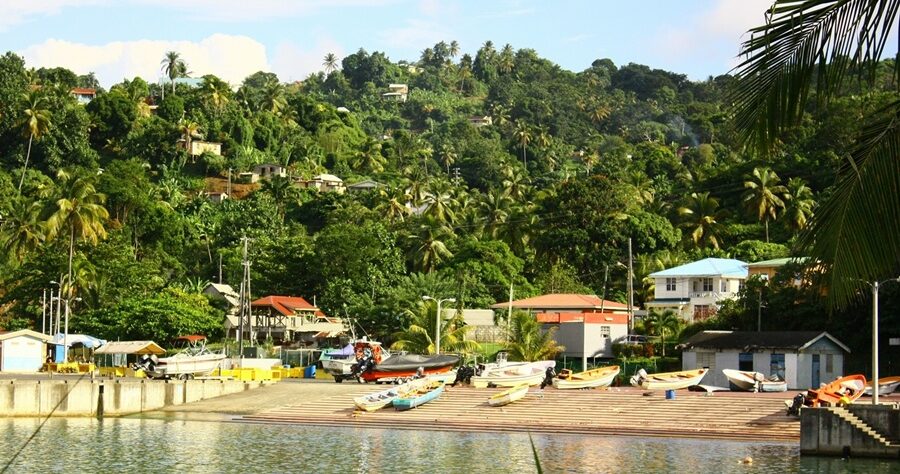
Government moving to establish Marigot as port of entry
Prime Minister Roosevelt Skerrit of Dominica has formally confirmed that the national government is pressing ahead with long-planned initiatives to convert the existing Marigot Fisheries Complex into a fully functional port of entry for the island. The announcement came during a recent press briefing held last week, where Skerrit outlined that earlier concerns raised by local fishing communities have now been successfully addressed, removing the last major barrier to advancing the project.
With stakeholder disagreements reconciled, government agencies and the Dominica Air and Sea Ports Authority (DASPA) can now begin installing the operational infrastructure, regulatory systems, and supporting facilities required to open the new port to international traffic. Skerrit emphasized that the local project coordinator has made significant progress on pre-operational preparations, and responsibility now shifts to state bodies and DASPA to bring the initiative across the finish line.
When completed, the new port of entry will be able to receive incoming vessels traveling from nearby French territorial jurisdictions in the Caribbean. Beyond streamlining cross-border maritime travel, the development is projected to unlock widespread commercial opportunities for local businesses, including new customer bases for neighborhood shops, coastal restaurants, local transportation providers, and a wide range of other service-focused enterprises.
Skerrit framed the port conversion as a transformative economic catalyst for not just Marigot, but the entire northeastern corridor of Dominica, stretching from Marigot through surrounding communities to Calibishie and the Kalinago Territory. The project is also integrated into a broader suite of regional development initiatives for Dominica’s northeast, which includes the construction of a new international airport and a proposed redevelopment of Douglas-Charles Airport. Once the new international airport becomes operational, the Douglas-Charles site is set to be repurposed into a dedicated cargo hub and multi-use alternative sports facility that can host motor racing competitions, car shows, motorcycle rallies, and other large public events.
Additional complementary components of the regional development strategy include expanding access to agricultural land leases and scaling up domestic food production across the northeast. Skerrit noted that the overarching goal of linking these interconnected projects is to generate sustained, broad-based economic growth and activity across Marigot and all adjacent communities, unlocking new livelihood opportunities for local residents and supporting long-term regional development.
-

PM Says Son Will Cooperate Fully With U.S. Subpoena in Alfa Nero Case
The political fallout surrounding the contentious sale of the Russian-linked Alfa Nero superyacht has taken a new turn, with Antigua and Barbuda Prime Minister Gaston Browne publicly confirming that his son, Gaston Andron Browne III, will comply fully with any U.S. court subpoena issued as part of the ongoing legal process. In a recent public statement, Browne clarified that his son remains based in the twin-island nation and has made no attempt to avoid being served with legal documents, after a U.S. federal court granted approval to collect testimony and records from the younger Browne alongside multiple other individuals and corporate entities based in Florida.
“Send somebody on a plane with the document. He will gladly receive it,” Browne stated plainly, adding that his son is prepared to appear before the Florida court and that the government and family are committed to full cooperation with the judicial process. The approval for pursuing subpoenas was granted September 7 by U.S. Magistrate Judge Marty Fulgueira Elfenbein, acting on an evidence-gathering application filed by Russian national Yulia Guryeva-Motlokhov, who intends to use the obtained materials in parallel legal proceedings hosted outside the United States. It is important to note that the judge’s order only permits the service of subpoenas, and makes no ruling on the validity of any claims Guryeva-Motlokhov has put forward in her application.
Browne acknowledged that his son will likely retain independent legal counsel to navigate the process, but stressed that no member of the family will take any step to obstruct or delay the U.S. court’s investigation. Beyond addressing the subpoena matter, the prime minister issued a firm denial of all allegations claiming that either he or his son illicitly profited from the sale of the 266-foot luxury superyacht. This includes rejecting claims the pair received $6 million in improper proceeds from the transaction, as well as unsubstantiated assertions that the family holds $700 million in hidden offshore assets.“I don’t have one cent outside of Antigua and Barbuda,” Browne asserted. “I have no savings, no stocks, no shares and no bonds outside of Antigua and Barbuda. I have no third party holding any stocks, bonds or savings for me.” The prime minister explained that all income he has earned during his career in Antigua and Barbuda has been reinvested in domestic assets within the country. He did acknowledge past limited offshore financial activity: he held personal bank accounts during his time residing in the United Kingdom, and made a roughly $30,000 stock investment during a period living in South America, most of which was lost when the global technology market crashed in the early 2000s.
Browne also addressed public scrutiny over his son’s residential property in Florida, explaining that the purchase was funded entirely by a roughly $2 million profit from a private land development deal in Antigua’s Long Bay area. “I can say categorically that he did not get a single cent – not even a toffee – from Alfa Nero,” Browne emphasized. Guryeva-Motlokhov’s application notes that any evidence obtained through the U.S. subpoena process will be utilized in upcoming legal proceedings in three jurisdictions: Antigua and Barbuda, Russia, and the United States. -
PM Drew’s health scare puts spotlight on four years of tireless public service – WIC News
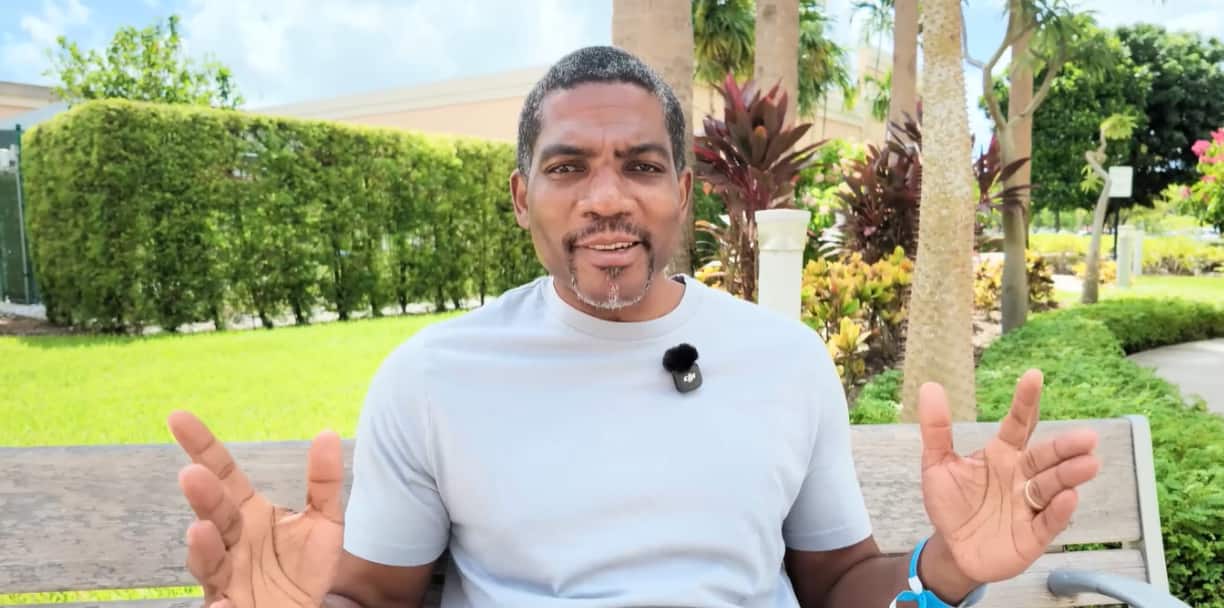
The head of government of the Federation of St. Kitts and Nevis has opened up about a sudden serious health event that has drawn new attention to his relentless four-year tenure in office, confirming he is now on the path to recovery after weeks of specialized medical care abroad.
Prime Minister Dr. Terrance Drew made the official announcement in a pre-recorded video address from Florida, United States, on September 13, 2026, nearly two weeks after he was first hospitalized for unexplained symptoms. The 8th Prime Minister of St. Kitts and Nevis confirmed that the medical episode he experienced at the end of August was a stroke, adding that he has been released from hospital care and is now progressing through a structured rehabilitation program.
The chain of events began on August 30, when Drew sought urgent care at Basseterre’s Joseph N. France General Hospital after reporting a suite of concerning symptoms: nausea, vomiting, neck stiffness, mild headache and persistent dizziness. When local clinicians stabilized his condition, he was first evacuated to Martinique for advanced assessment before being transferred to a Florida medical facility on September 2 for ongoing specialized treatment.
Sources close to the prime minister attribute the stroke to years of unrelenting professional pressure and a grueling work schedule that Drew maintained voluntarily throughout his time in office. A trained medical doctor before entering politics, Drew has prioritized hands-on governance since taking office four years ago, rejecting secondhand reports from cabinet ministers in favor of conducting on-site inspections of infrastructure and development projects across both islands of the federation. His schedule has long included frequent international diplomatic and economic engagements paired with constant community outreach, as he centered his administration on a core mission to improve quality of life for all citizens and build a more stable, prosperous nation.
Over his first term, Drew maintained a round-the-clock work ethic, never stepping back from public responsibilities even when facing fatigue. Colleagues and close aides confirmed that in the days leading up to his hospitalization, Drew continued to fulfill all his official duties and even attended scheduled site visits for ongoing development projects. He has repeatedly framed his public role as a calling rather than a burden, pouring all his personal time and energy into advancing the needs of St. Kitts and Nevis over the past four years – a level of dedication that ultimately led him to neglect his own physical health, insiders say.
In Drew’s absence, Deputy Prime Minister Dr. Geoffrey Hanley has stepped in to lead the federal cabinet on an acting basis. The Cabinet Secretariat has confirmed that all governance functions, as well as ongoing social and economic development initiatives across the federation, continue to operate without disruption. In his video address, Drew extended his sincere gratitude to members of the public across St. Kitts and Nevis and well-wishers around the world for the flood of prayers and support he has received since his hospitalization.
-
IMF cautions Caribbean states as Middle East war drives up energy costs
Six months into an expanding Middle East conflict that has severely disrupted shipping through the Strait of Hormuz, one of the world’s most critical energy chokepoints, small oil-importing Caribbean island nations are facing mounting economic pressure that is stretching already tight government budgets to breaking point. The conflict, which has escalated beyond the initial US-Iran confrontation, has cut ship traffic through the key route to just 10 percent of pre-war levels, sending global energy, shipping and commodity prices soaring and creating cascading economic risks for vulnerable regional economies.
With the exception of Guyana, which has recently grown into a major regional oil exporter, nearly all Caribbean nations rely almost entirely on imported fossil fuels to power their economies. Governments across the region have already rolled out emergency support programs to shield households and businesses from spiking energy and transport costs, but these interventions come at a steep fiscal cost. For St. Kitts and Nevis specifically, the energy shock overlaps with an additional hit from declining revenues from its flagship Citizenship by Investment (CBI) program, compounding the challenge for the federation’s policymakers.
Against this fragile economic backdrop, the International Monetary Fund (IMF) is calling on Caribbean governments to adopt a carefully balanced approach that protects vulnerable populations while safeguarding their limited remaining fiscal capacity. In an exclusive comment to SKNVibes.com, an IMF spokesperson emphasized that targeted, temporary support for low-income and at-risk groups is far preferable to broad, universal price interventions that distort market signals and drain public resources.
“Given limited fiscal buffers in many Caribbean countries, fiscal policy should prioritize protecting the most vulnerable through targeted and temporary measures, while avoiding broad-based interventions that distort price signals,” the spokesperson stated. The institution also warned regional governments against pushing back needed fiscal consolidation efforts, noting that rebuilding fiscal buffers is a critical priority amid already high public debt, persistent global uncertainty, and the constant risk of climate-fueled natural disasters that require emergency response capacity. Strengthening core fiscal frameworks, boosting domestic revenue mobilization, and improving the efficiency of public spending would, the IMF argues, leave regional governments better positioned to absorb future external shocks.
The economic ripple effects of the Middle East conflict extend far beyond energy prices alone. Higher shipping and transport costs have pushed up prices for imported food and other essential consumer goods, exacerbating cost-of-living pressures for households across the region. Brent crude prices have remained consistently elevated, a persistent drag on economies that import nearly all their energy needs.
The IMF has confirmed it stands ready to support Caribbean member states navigating these headwinds through policy guidance, institutional capacity building, and targeted financing where appropriate. As a recent example, the Fund’s Executive Board approved a 36-month precautionary Stand-By Arrangement worth $257 million for Barbados in June 2026 to help the country manage external economic shocks.
While the global economy has demonstrated unexpected resilience in the face of the ongoing energy shock, IMF officials stress that impacts are distributed very unevenly across countries, with energy-importing small states like those in the Caribbean bearing the brunt of the crisis. Speaking at a September press briefing, IMF Director of Communications Julie Kozack noted that the global economy has “weathered the shocks, the energy shock in particular, better than feared,” keeping 2026 global growth on track to hit around 3 percent. Kozack attributed this resilience to a range of policy adjustments, including countries drawing down strategic oil and gas reserves, shifting to alternative energy suppliers, and implementing targeted demand reduction measures.
Kozack also outlined the competing forces currently shaping the global economic outlook, saying the world economy is being pulled in two opposing directions. On one hand, the ongoing negative supply shock driven by elevated energy and broader commodity prices, including fertilizer and food, continues to weigh on growth and push up costs. On the other hand, a positive demand shock driven by the fast-expanding AI technology cycle is supporting growth in major advanced and emerging economies.
Despite the overall global resilience, the energy shock is far from over, Kozack warned. Elevated oil and gas prices have persisted, and refined fuel products including diesel and jet fuel remain far more expensive than pre-conflict levels. She added that while drawing down strategic reserves has helped ease near-term price pressures, those reserves will eventually need to be replenished, creating future upward pressure on prices. Additionally, growing energy demand from the rapid expansion of AI technology and the approaching winter in the Northern Hemisphere are expected to place further strain on global energy markets in the coming months.
Beyond the energy crisis, Kozack identified two other major systemic risks facing the global economy: soaring public debt and stalled disinflation. Global public debt now stands at nearly 100 percent of global GDP, its highest level since the end of World War II, and the IMF projects it will continue to climb in coming years. The disinflation process that followed the 2022 global cost-of-living crisis has now stalled, leading the Fund to revise its 2026 global headline inflation forecast upward to 4.7 percent in its July World Economic Outlook update. While core inflation projections remain largely unchanged and long-term inflation expectations remain anchored, short-term expectations have risen over the past year, adding to policy uncertainty.
For Caribbean governments, the overlapping challenges create a complex policy balancing act: policymakers must shield consumers from the immediate impact of spiking energy and food costs, while maintaining long-term fiscal stability and building resilience to withstand further potential external shocks.
-
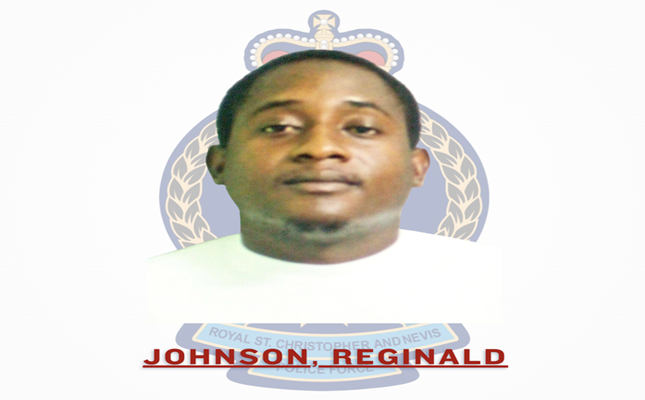
Johnson to spend 14 years behind bars for unlawful carnal knowledge
A local man from St. Kitts has been handed a total 14-year custodial sentence after a High Court conviction on two separate counts of unlawful carnal knowledge, court officials confirmed last week.
Reginald Johnson received his sentence on September 11 during a hearing at the Basseterre High Court, presided over by His Lordship Justice Patrick Thompson Jr. The legal proceedings stem from two separate offenses committed in late 2022, both involving violations of sexual offense laws in the Federation of Saint Kitts and Nevis.
Court records show Johnson entered a guilty plea for the first charge, which relates to an offense committed between June 1 and June 22, 2022. For this count, he was ordered to serve six years behind bars. The second charge, tied to an incident that occurred between December 1 and December 31 of the same year, went to a full jury trial, where Johnson was ultimately found guilty by the panel. He received an eight-year prison term for this second conviction.
Per the court’s sentencing order, Johnson will serve both sentences consecutively, rather than concurrently, resulting in a combined total sentence of 14 years of incarceration. Local law enforcement officials added that Johnson has already been held in remand custody for three years and 18 days leading up to his conviction and sentencing. That pre-conviction detention time will be deducted from his total 14-year term, reducing the amount of time he will spend in prison after the sentencing ruling.
The conviction closes a more than three-year-long legal process that began after the offenses were reported to authorities in 2022. The sentencing follows standard criminal procedure under St. Kitts and Nevis’ judicial system, which allows for credit of pre-sentencing remand time against final custodial sentences.
-

NPTA Honours Outstanding Parents, Students and Teachers at Third Annual Awards
On Tuesday, September 1st, 2026, the National Parents Teachers Association (NPTA) of Antigua and Barbuda hosted its third annual recognition awards ceremony at the Christian Assembly Ministries in Paynters, gathering educators, students, families, and community partners to honor outstanding achievement across the nation’s public and private education sectors.
Unlike generic education awards that focus on only one group of education stakeholders, this ceremony was designed to shine a spotlight on three critical pillars of academic success: dedicated parents that support student learning, high-performing students that excelled in national standardized examinations, and innovative, caring teachers that go above and beyond for their classrooms. Specifically, the awards recognize top performers who earned exceptional results on two key regional and national assessments: the Grade VI National Assessment and the Caribbean Secondary Education Certificate (CSEC) exams, alongside outstanding contributions from parents and teachers across both primary and secondary school levels.
This year’s honorees spanned public and private institutions across Antigua and Barbuda. For the Parent of the Year category, the awardees included Anesta Augustin-Edwards from private primary institution Seventh Day Adventist Primary, Claudette Browne from public primary school T. N. Kirnon Primary, Damian Tonge from public secondary school Irene B. Williams Secondary, and Ady Byrne from private secondary school St. Joseph’s Academy Secondary. For Student of the Year, the recipients were Caleb Jeremiah (Seventh Day Adventist Primary, private primary), Olivia Nicholas (Old Road Primary, public primary), Jahlisha Michael (Irene B. Williams Secondary, public secondary), and Amari Cornelius (St. Joseph’s Academy Secondary, private secondary). The 2026 Teacher of the Year winners were Bernadette Atkin (New Bethel SDA Primary, private primary), Kevin Scott (Golden Grove Primary, public primary), Tijah Myers (Irene B. Williams Secondary, public secondary), and Ellis Southwell (St. Joseph’s Academy Secondary, private secondary).
Opening the evening’s proceedings, NPTA President Alister Thomas extended a warm welcome to all attending guests and awardees. In his opening address, Thomas emphasized the urgent need for strengthened collaboration between three key actors: school leadership teams, the Antigua and Barbuda Ministry of Education, and the NPTA, to drive forward tangible improvements to the nation’s education system. He also shared a key milestone for the region: the NPTA’s annual awards program is the first initiative of its kind across the entire Caribbean, created specifically to recognize cross-stakeholder achievement in K-12 education.
The formal charge to the gathering was delivered by Rita Phillip-Harris, who brought personal context to the event as the 2025 Private Secondary School Parent of the Year winner.
Organizers noted that the annual ceremony would not be possible without widespread community and corporate support from across Antigua and Barbuda. A full roster of local sponsors stepped forward to fund and support the 2026 event, including Julees Restaurant, Sign Pro, Falmouth Harbour Marina, Antigua Masonry Products, Wadadli Events Services, Hadeed Group of Companies, Velvet Touch, Anjo Wholesale, Christo’s Supermarket, Go To, Townhouse Megastore, Crabb Hole Liquors, Gloria’s Supermarket, Newsco Limited (Observer Radio), ABS Television, Photogenesis Imaging, Stingray City, Jay’s Karaoke, Tropical Adventures, Lasoza Events, JCM Jewelry, SAC Stationery Art/Craft All in One, Harpers, Paper Clips, and Flower World.
-
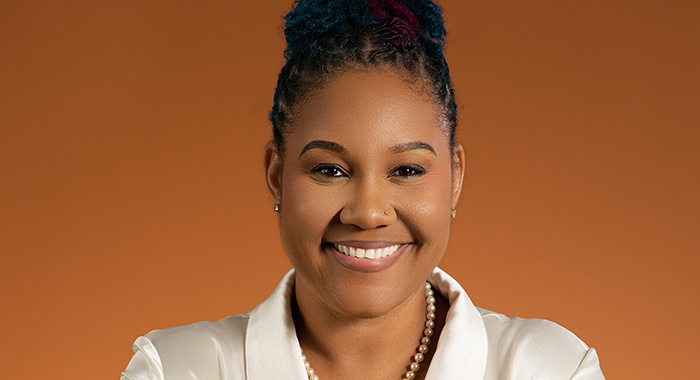
Tedra Kirby embraces challenge as chief of gov’t communication
St. Vincent and the Grenadines has made a landmark appointment to its public communications landscape, naming 37-year-old communications veteran Tedra Kirby as the country’s first-ever chief government communications executive, and the youngest leader in recent history to head the rebranded Agency for Public Information (API), formerly the Government Information Service.
The Ministry of Information made the appointment official in a public announcement last Friday, tasking Kirby with a three-year initial term in this newly restructured, strategy-driven role. As a senior advisor to the national government, her portfolio covers public relations, media outreach, public engagement, and the development of strategic communications policy, placing her work at the intersection of governance, public information dissemination, and media relations.
In an exclusive interview with iWitness News, Kirby acknowledged that she takes up the historic role fully aware of the heavy expectations and extensive work ahead. “I know there is a lot of work to be done but it is a challenge that I am looking forward to and that I am embracing immediately,” she said, noting that her youth at appointment is a rarity for a senior government leadership post in the country. Reflecting on the milestone, she joked, “When I look at the people who have come before me, I’m not sure if a director has ever been appointed that young.”
Kirby framed her relatively early entry into this senior role as a double-edged sword. On one hand, her appointment aligns with a growing global push to bring younger generations into senior government roles, leveraging their specialized expertise in fast-evolving areas such as digital communications. On the other, she recognizes that skepticism may arise: “People may say, ‘But you are this age. Do you really have what it takes to lead an agency at this level, given the requirements of the undertaking that you’ve really been appointed to lead?’”
Her appointment comes as part of a broader government initiative to revamp national public communications, with the stated goal of building “a more coordinated, responsive and contemporary government communications system,” per an official press release. A core priority of Kirby’s tenure will be transforming the API’s long-standing reputation and operating model: for years, the agency has positioned itself as a producer of “superior journalism” and operated as a competitor to independent private media outlets, leading to strained relations and criticism that it functions more as a partisan political tool than a neutral public information hub.
Kirby made clear that her approach will mark a clear break from this history, prioritizing collaborative partnership over rivalry. “I definitely think relationship building is one of the most important skills that a leader in any institution, including the API, needs to have,” she emphasized. “Given the responsibilities of the media on a whole, which include things like keeping governments accountable, ensuring that information in general is shared, utilising various platforms, I do think that it is extremely important for the overall success of the API to form closer relationships with the media and view that relationship as a partnership rather than competition.” She added that the API retains a unique role sharing public information that does not fit standard news formats, creating space for complementary work alongside private outlets.
Proactive public outreach, expansion of digital and multimedia content, and consistent media engagement round out Kirby’s core mandates. She brings more than 15 years of cross-sector experience to the role, spanning strategic corporate communications, broadcasting, media engagement, and education. Most recently, she spent three years as Network Communications Manager at the British High Commission in Barbados, leading communications strategy, public information campaigns, and regional media engagement across Barbados and the Eastern Caribbean. Kirby says that this external regional experience has given her valuable insight into global best practices that she plans to adapt to improve St. Vincent and the Grenadines’ government communications framework.
A well-credentialed professional, Kirby is a 2018 Chevening Scholar who holds a Master of Arts in corporate communications, marketing and public relations, a Postgraduate Diploma in secondary education for English instruction, a Professional Development Certificate in digital marketing, and a Bachelor of Arts in Communication Studies and History. Her career trajectory began in broadcasting, where she started working unpaid at local station Hitz FM before moving to Hot 97, where she hosted the popular solo Sunday morning program “Woman Is Boss” and co-hosted the weekday “Afternoon Kickout” show. She later transitioned to television, hosting a long-running weekly Sunday evening discussion show on SVG TV that made her a well-known public figure across the country. Beyond her core communications and education experience, she holds certification in sports event announcing and is currently pursuing project management certification.
Kirby steps into leadership at a time of internal transition at the API: many long-tenured staff have been transferred or requested reassignment following years of internal tensions with previous senior leadership. She says she welcomes respectful challenges to her leadership, and plans to build a collaborative work culture that empowers staff. “As a leader, we have to expect to be challenged, or we should expect to be challenged. We should, as leaders, empower our employees to not just do the work, but to also question what we do,” she explained.
Recognizing that building trust with existing staff will be a gradual process, Kirby says she is fully committed to nurturing that trust, and upskilling communications personnel across all government ministries, not just the API. She says capacity building is a core part of her mandate, and is already developing new frameworks, guidelines and policies to leave the agency and national government communications stronger than she found it. “When I leave the post, people are better equipped to do their job than when I got there,” she said.
-

Meer politie en toezicht in uitgaanscentrum Paramaribo
PARAMARIBO – Suriname’s national police force has announced plans to ramp up its visible presence and construct additional police posts in Paramaribo’s busy entertainment and tourist core, responding to widespread safety concerns raised by local business owners. The new security measures were finalized following a high-stakes roundtable discussion that brought together entrepreneurs, local district commissioners, and senior police leadership including the national police chief.
The meeting, organized by the Foundation for the Promotion of Entrepreneurship and Tourism, centered on growing public order challenges that have disrupted operations in the popular Waterkant district and surrounding areas. Business owners in the area used the closed-door session to outline the most pressing issues impacting daily activity, including persistent petty theft, unregulated homeless encampments, unlicensed street vending, and unauthorized individuals acting as private parking attendants to collect unregulated fees from visitors.
Among the clearest demands put forward by attendees was a call for a greater number of uniformed officers deployed to the area, particularly across the central city’s high-traffic tourist zones. Participants emphasized that increased visible policing would not only deter criminal activity but also reassure both local visitors and international tourists. In addition to more on-the-ground patrols, authorities are currently assessing locations for new permanent police posts in key hotspots, and are planning enhanced targeted surveillance at sites that have recorded frequent incidents.
The foundation, which spearheaded the discussion, noted that similar stakeholder conversations were held in years past, but the current effort aims to reestablish regular, recurring dialogue between the business community and government security agencies. The long-term goal of the renewed partnership is twofold: to enable faster, more targeted responses to emerging public safety issues, and to build a safer, more welcoming environment for Paramaribo’s key entertainment and tourism sector that drives local economic activity. All proposed measures are now moving into the detailed planning phase for implementation.