博客

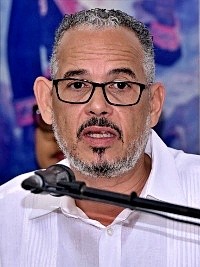
  • Union Blasts Labour Chief Over “Unlawful Ultimatums”

    Union Blasts Labour Chief Over “Unlawful Ultimatums”

    In a significant escalation of ongoing tensions between public sector unions and the government, Public Service Union (PSU) President Dean Flowers has launched scathing criticism against the Labour Commissioner for alleged failure to enforce national labor laws. The controversy centers on what Flowers characterizes as “unlawful ultimatums” delivered to terminal officers without proper union representation.

    The dispute emerged following a canceled meeting of the SARA (Substance Abuse Rehabilitation Agency) that prompted Flowers’ previous criticisms of government transportation and financial officials. The union leader now asserts that the Labour Commissioner’s absence from critical discussions has left workers vulnerable to violations of their rights under the Labour Act.

    Flowers presented a detailed indictment of the Commissioner’s performance, stating that proper oversight would have prevented the current impasse. He emphasized that the Commissioner possesses both the authority and responsibility to ensure government ministries communicate directly with legally recognized bargaining agents during workforce discussions. The union president questioned the fundamental purpose of established labor advisory bodies if the chief labor official fails to hold employers accountable for following collective bargaining agreements.

    The criticism extends to broader concerns about public service recruitment practices, with Flowers suggesting that flawed appointment processes have resulted in officials who perform inadequately when confronted with their professional responsibilities. He explicitly rejected characterizations of his criticism as personal or political, framing it instead as legitimate accountability for poor performance.

    This development represents a widening of the conflict between public sector unions and government administrators, with the PSU demonstrating determined opposition to what it perceives as systematic disregard for labor protections and proper negotiation protocols.

  • Elections : The CEP organizes 3 days of discussions on the electoral process (video)

    Elections : The CEP organizes 3 days of discussions on the electoral process (video)

    PORT-AU-PRINCE, Haiti – The Provisional Electoral Council (CEP) has initiated a comprehensive three-day dialogue series focusing on Haiti’s electoral framework, commencing October 26, 2026, at the Kinam II Hotel. This inaugural session specifically convened representatives from diverse civil society organizations to foster collaborative discussions.

    The agenda encompassed a detailed presentation outlining recent advancements within the electoral process. Participants engaged in thorough deliberations regarding the existing electoral decree and reviewed a comprehensively revised electoral calendar. Furthermore, the session provided a status update on activities that have already been successfully executed, establishing a clear baseline for future operations.

    This strategic initiative by the CEP is designed to mobilize and heighten awareness among all critical stakeholders in Haitian society. The primary objective is to galvanize active and informed participation in the forthcoming electoral proceedings, which are pivotal for the nation’s democratic trajectory. The Council has made key documents, including a substantial 70-page electoral decree comprising 414 articles and a concise 2-page revised calendar, publicly accessible to ensure transparency and facilitate informed discourse among the populace and interested parties.

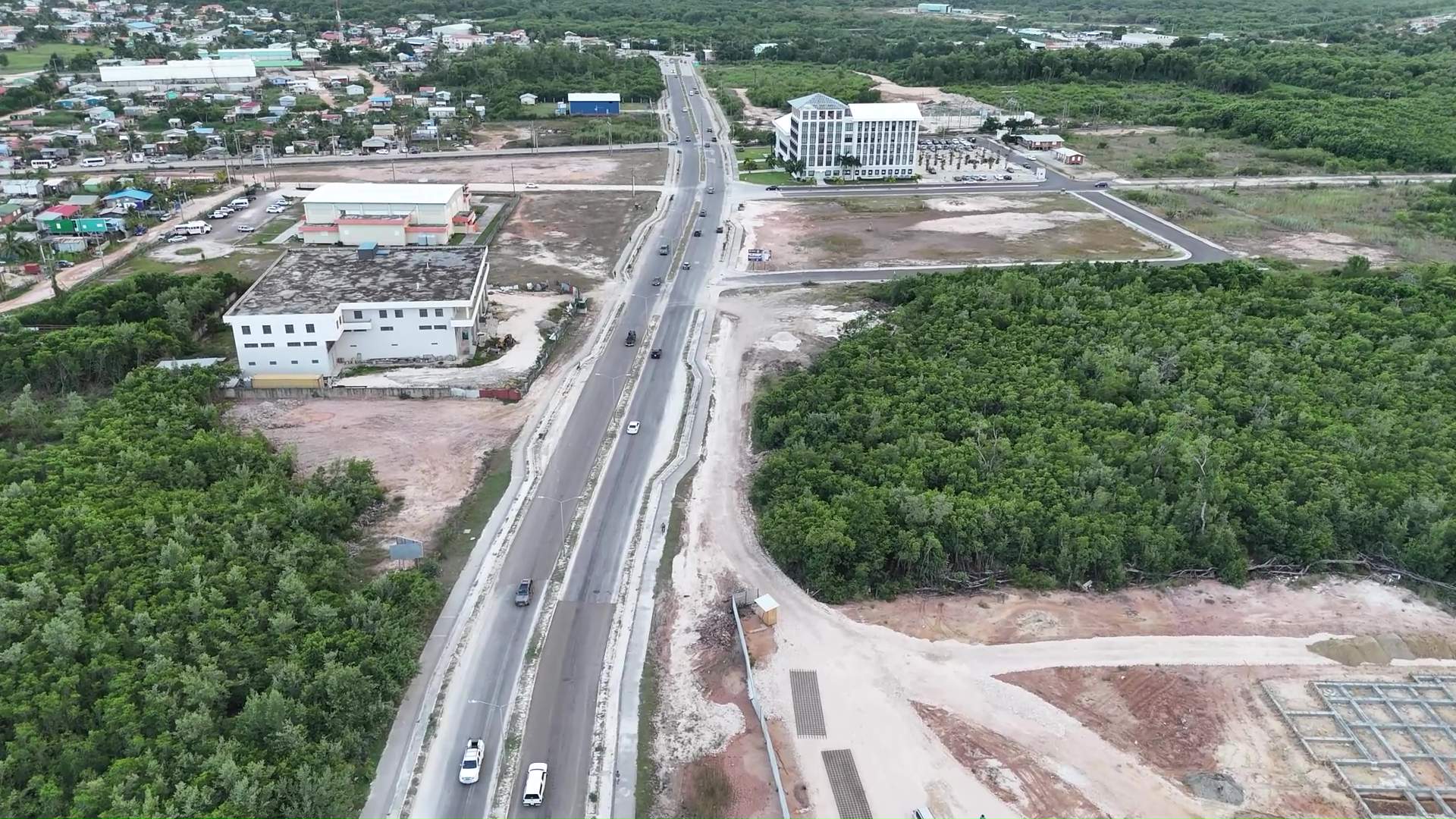
  • Major Works Planned For Lake Independence Boulevard

    Major Works Planned For Lake Independence Boulevard

    Belize City is preparing for significant infrastructure disruptions as two of its busiest bridges approach simultaneous shutdowns for complete replacement. The impending closures are shifting attention to the critical condition of Lake Independence Boulevard, which will serve as the primary alternate route during construction. Concerns are mounting about the boulevard’s capacity to handle diverted traffic, particularly during inclement weather when the road surface deteriorates dramatically.

    Deputy Mayor Eluide Miller has confirmed that the city administration and Ministry of Infrastructure Development and Housing (MIDH) have reached agreement on a comprehensive rehabilitation plan for the vital thoroughfare. While temporary repairs are currently underway, Miller emphasized that MIDH has committed to executing a permanent reconstruction solution before the bridge replacement projects commence.

    “MIDH recognizes the strategic importance of Lake Independence Boulevard as the essential alternate route during the bridge replacements,” stated Miller. “We’ve received firm commitment that complete rehabilitation work will be prioritized ahead of the BelCan Bridge closure. The current patchwork improvements, while appreciated, are insufficient for the increased traffic volume expected.”

    The infrastructure enhancement plan comes in response to growing concerns about transportation accessibility during what officials anticipate will be an extended period of construction. Miller expressed confidence that the boulevard rehabilitation would provide residents with a reliable alternative route before the city faces the compounded challenge of simultaneous bridge closures.

    This coordinated approach between municipal and national infrastructure authorities represents a proactive measure to minimize disruption for Belize City commuters and commercial traffic. The timeline for both the boulevard rehabilitation and subsequent bridge replacements remains under development by MIDH engineers.

  • Jacobie wins US college conference high jump title

    Jacobie wins US college conference high jump title

    In a remarkable display of athletic prowess, Saint Lucian track and field star Jenneil Jacobie secured the women’s high jump championship at the Southland Conference Indoor Championships on February 25. The 21-year-old athlete from Grande Riviere, Gros Islet, achieved a winning clearance of 1.75 meters at Birmingham’s Crossplex facility in Alabama, marking an impressive comeback after missing the entire 2025 season due to injury.

    Jacobie, who previously claimed the 2024 outdoor championship title, has demonstrated extraordinary resilience in her return to competition. Earlier this season, the East Texas A&M University student-athlete set a new personal best of 1.87 meters, cementing her position among the NCAA Division I’s top ten high jumpers nationally.

    The championship competition unfolded strategically as Jacobie entered the event at 1.69 meters, a height that eliminated most of the twenty competitors. Only three athletes remained in contention at this level, with Jacobie clearing the bar effortlessly on her first attempt. Competitors Iradi Blasco from Nicholls State and Jacobie’s teammate Amara Idinna also cleared 1.69 meters, though both required three attempts to advance.

    At 1.72 meters, the competition narrowed to the two East Texas A&M teammates after Blasco failed to clear the height. Both Jacobie and Idinna required three attempts each to continue, setting up a dramatic finale. Idinna, whose previous career best stood at 1.68 meters, ultimately secured the silver medal after failing to clear 1.75 meters. Jacobie clinched the gold medal decisively, clearing the winning height on her initial attempt.

    As the current Southland Conference record holder in high jump, Jacobie now awaits confirmation of her qualification for the NCAA Division I Championships, potentially representing another milestone in her inspiring athletic journey.

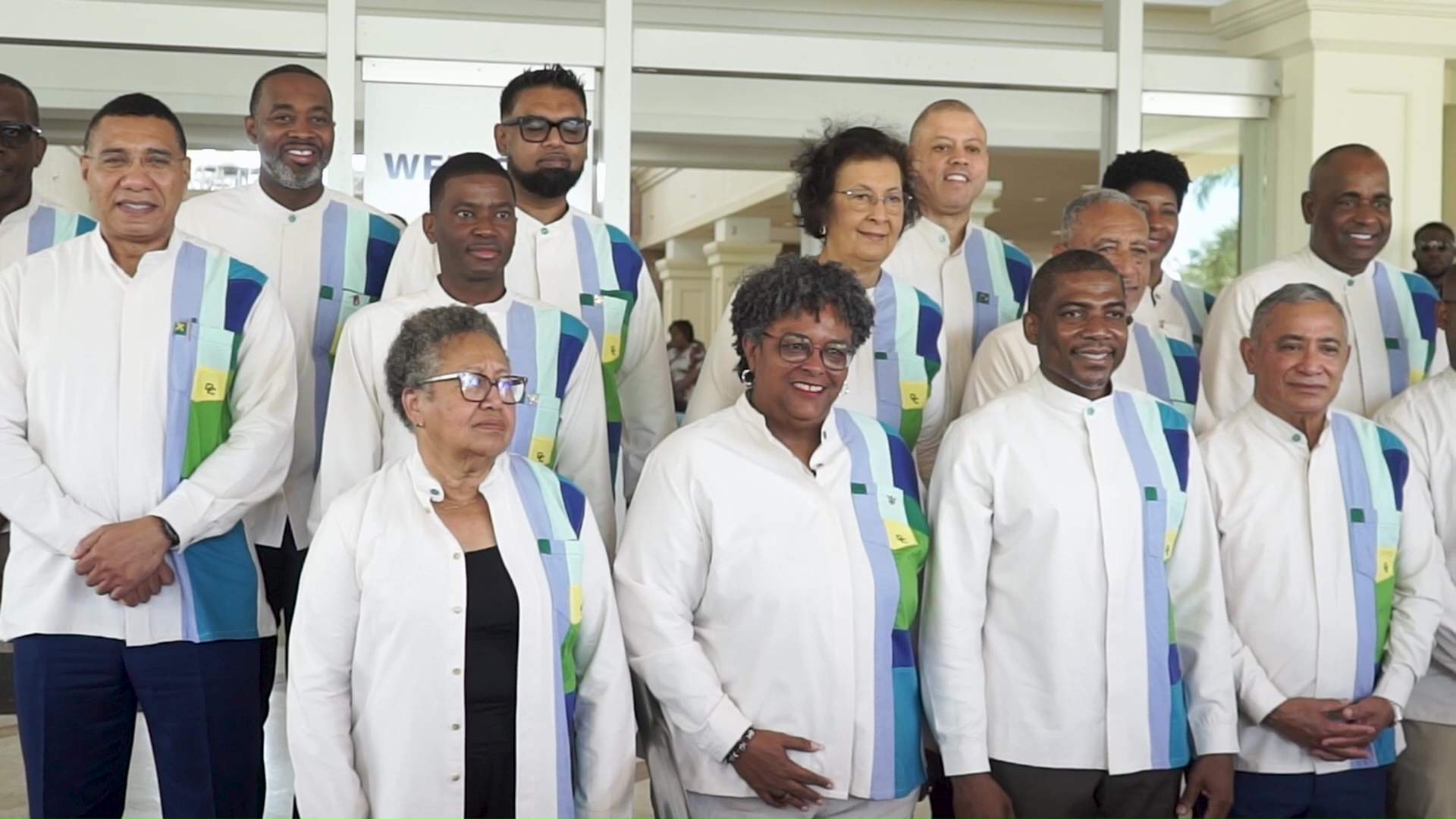
  • CARICOM Leaders Hold High‑Stakes Nevis Caucus

    CARICOM Leaders Hold High‑Stakes Nevis Caucus

    CARICOM heads of government convened for a critical strategic assembly on February 26, 2026, in Nevis, marking one of the most significant diplomatic gatherings in recent years. The meeting, held away from public scrutiny and ceremonial formalities, provided a platform for candid discussions on pressing regional challenges.

    Government representatives departed from St. Kitts earlier that morning to engage in intensive deliberations focused on complex integration matters requiring substantial political resolve. Insider sources revealed the agenda addressed longstanding regional impediments that have historically hindered deeper collaboration among member states.

    The secluded Nevis setting facilitated unfiltered dialogue absent the typical diplomatic protocols, enabling leaders to confront contentious issues directly. This unusual approach to regional diplomacy underscores the urgency of the matters under consideration and demonstrates leadership commitment to finding viable solutions.

    The closed-door nature of the proceedings highlights the sensitivity of the topics discussed and the need for discreet negotiation away from media attention. Such high-level strategic caucuses typically indicate turning points in regional cooperation efforts and often precede significant policy developments within the CARICOM framework.

  • New Rules, Bigger Prize as ‘Belize at 45’ Competition Begins

    New Rules, Bigger Prize as ‘Belize at 45’ Competition Begins

    Belize has officially launched its national theme competition for the country’s 45th independence celebrations, introducing significant changes to this year’s contest format. The “Belize at 45” competition now features stricter submission guidelines, a prohibition on artificial intelligence-generated entries, and a substantially increased cash prize.

    According to Eluide Miller of the National Celebrations Commission, this year’s competition builds on last year’s success which attracted nearly 400 submissions. The 2025 winning theme “Belize at Forty-four: Stronger Together, Rising Forever” was jointly created by two citizens who captured the nation’s spirit during the independence season.

    The revised competition criteria mandate that all submissions must not exceed ten words, emphasizing conciseness while authentically reflecting the Belizean spirit. Participants are limited to a maximum of three entries each, with violations resulting in disqualification.

    A notable new regulation prohibits the use of AI-generated content, with all entries undergoing automated screening for AI detection. Submissions exceeding a 40-50% AI score threshold will be automatically disqualified from consideration.

    The competition deadline has been set for April 10th, with the prize money dramatically increased to $2,000 Belize dollars—double the amount offered in previous years. This financial incentive aims to encourage broader participation and higher quality submissions from creative citizens across the nation.

    The National Celebrations Commission expresses strong enthusiasm for this year’s independence festivities, viewing the theme competition as a cornerstone event that engages national pride and creative expression among Belizeans worldwide.

  • 50th CARICOM : PM returns from Saint Kitts and Nevis (Video summary)

    50th CARICOM : PM returns from Saint Kitts and Nevis (Video summary)

    Following his participation in the 50th Ordinary Session of the CARICOM Conference of Heads of State and Government in Saint Kitts and Nevis, Haitian Prime Minister Alix Didier Fils-Aimé returned to Port-au-Prince on February 26, 2026, delivering a decisive address at Toussaint Louverture International Airport. Surrounded by key government officials, including Secretaries of State, the Acting Commander-in-Chief of the Haitian National Police, and representatives of the Armed Forces of Haiti, the Prime Minister articulated a clear vision for national recovery.

    The administration’s unwavering commitment to reestablishing state authority across Haiti’s territory formed the cornerstone of his message. Prime Minister Fils-Aimé identified security enhancement as the fundamental prerequisite for organizing free, inclusive, and credible general elections, emphasizing that this remains the government’s paramount priority.

    During the CARICOM summit, the Prime Minister engaged in substantial bilateral diplomacy. High-level discussions with U.S. Secretary of State Marco Rubio, Jamaican Prime Minister Andrew Holness, CARICOM Secretary-General Carla Barnett, and distinguished CARICOM representative Kenny Anthony focused on reinforcing regional cooperation mechanisms. These dialogues centered on developing concrete initiatives for stabilizing Haiti and facilitating economic recovery.

    International partners reportedly expressed strong approval of Haiti’s National Pact for Stability and the Organization of Elections, which has been endorsed by over 200 political parties, socio-economic organizations, and civil society groups. This widespread domestic support is interpreted as a significant indicator of Haitian stakeholders’ dedication to resolving the crisis through dialogue and nationally-owned solutions.

    Additional diplomatic engagements included constructive talks with representatives from the United Arab Emirates regarding potential strategic partnerships in security enhancement, foreign investment attraction, and financial oversight capacity building. Concurrently, discussions with Jamaican officials progressed plans to reopen the Haitian Embassy in Kingston and intensify bilateral cooperation against illicit trafficking and organized crime, particularly through enhanced security presence in the Bay of Port-au-Prince.

    The Prime Minister also secured international support through meetings with European nations. Representatives from Austria discussed establishing scholarship programs for Haitian university students, while Finland committed a substantial contribution exceeding two million dollars to address the ongoing humanitarian crisis.

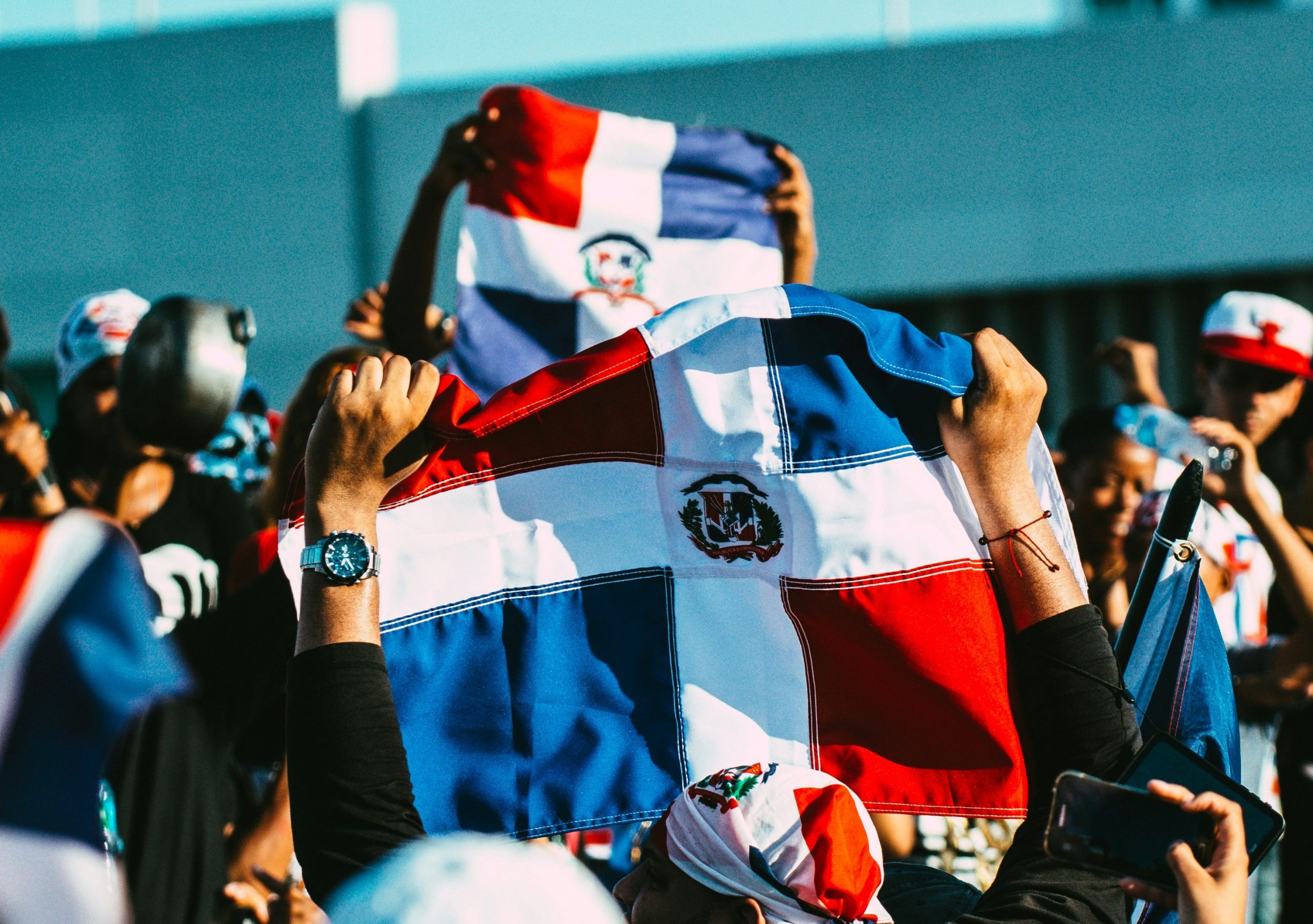
  • Dominican Republic commemorates 182nd anniversary of national independence

    Dominican Republic commemorates 182nd anniversary of national independence

    The Dominican Republic observes its 182nd National Independence Day on Friday, February 27, 2026, commemorating the nation’s hard-won sovereignty declared in 1844. This annual celebration serves as a powerful testament to the enduring principles of freedom, national identity, and self-determination that form the foundation of the Dominican state.

    The path to independence distinguished itself through collaborative leadership rather than singular authority. While Juan Pablo Duarte, Francisco del Rosario Sánchez, and Matías Ramón Mella are recognized as principal architects of liberation, they operated alongside numerous patriots including Antonio Duvergé, Pedro Santana, Ramón Santana, the Puello brothers, and José María Imbert. This collective effort underscored the movement’s strength through unified action.

    Duarte’s strategic vision materialized through underground organizations La Trinitaria (founded July 16, 1838) and later La Filantrópica, which became instrumental in galvanizing opposition against Haitian governance. His leadership during the 1843 anti-Boyer movement established him as a central figure in republican reform efforts, though subsequent political developments forced his temporary exile.

    The movement persevered under Sánchez and Mella’s direction, culminating in the January 16, 1844 Manifesto of Independence which articulated the nation’s liberal republican framework. The definitive rebellion commenced on February 27, 1844, when Mella fired the symbolic first shot at Puerta de la Misericordia. Sánchez subsequently orchestrated the final uprising at Puerta del Conde, raising the national flag in the early hours of February 28 under the enduring motto “God, Fatherland, and Liberty.”

    Post-independence, Sánchez’s presidency of the Central Governing Board provided crucial guidance during the nation’s formative period. The successful revolution demonstrated how shared purpose and coordinated effort could achieve national liberation against formidable challenges.

    Today’s anniversary transcends historical remembrance, serving as both a tribute to the Founding Fathers’ legacy and a contemporary call to uphold their ideals. It reinforces the continuing relevance of unity and collective responsibility in advancing national progress and democratic development.

  • Is a La Ruta Maya Boycott Coming?

    Is a La Ruta Maya Boycott Coming?

    BELIZE CITY – This Saturday’s Guinness-powered Boom to the City canoe race has evolved into a potential precursor for broader athletic protests, according to emerging reports from the Belize Canoe Association. Vice President Elvin Penner indicates the event may foreshadow significant disruptions to the upcoming La Ruta Maya Belize River Challenge, including the possibility of an organized paddler boycott.

    The escalating tensions between the Belize Canoe Association and Love FM, the longstanding organizer of La Ruta Maya, have reached a critical juncture. Penner has publicly called for solidarity from paddlers, sponsors, and enthusiasts to demonstrate against what he characterizes as “years of disrespect, disregard, abuse, mistreatment and unfair treatment” from the event organizers.

    Following Saturday’s race, the Association will convene a decisive meeting to determine their official stance regarding the modified La Ruta Maya event, which has unexpectedly altered its traditional finish line for the first time in its history. Central to the discussion will be whether to require official sanctioning of the race by the governing canoe association.

    Penner outlined the potential consequences of such a decision: “Should Love FM refuse our sanctioning requirements, we would then implement sanctions against any paddler participating in an unsanctioned event. This would prohibit their participation in future Association-sanctioned races and disqualify them from representing Belize in international competitions.”

    In a significant development, the Association has already initiated discussions about creating an alternative event. “Preparations have commenced to develop a superior competition, executed properly from inception,” Penner confirmed.

    The Association is also considering economic pressure tactics, including potentially requesting that Bowen and Bowen support the paddlers’ position. Failure to gain corporate backing could result in a consumer boycott of Belikin products.

    Additional protest measures under consideration include a comprehensive media blackout of Love FM coverage and symbolic demonstrations at the race finish line, signaling a profound shift in Belize’s canoe racing landscape.

  • Dominica Medical Council established with passing of new Bill

    Dominica Medical Council established with passing of new Bill

    The Commonwealth of Dominica has taken a significant step toward modernizing its healthcare regulatory framework with the parliamentary passage of the Medical Profession Bill 2026. This landmark legislation establishes the Dominica Medical Council, a comprehensive regulatory body designed to oversee the nation’s medical profession with enhanced authority and independence.

    Health Minister Cassanni Laville presented the bill before Parliament, emphasizing its critical role in transforming healthcare governance. “This legislation creates a contemporary, autonomous regulatory entity tasked with supervising registration, licensing, professional standards, and disciplinary procedures,” Minister Laville declared during his parliamentary address.

    The newly formed council will supersede the existing medical board, implementing a governance structure that aligns with current healthcare demands and international standards. Its mandate encompasses several key functions: ensuring proper credentialing of medical practitioners, monitoring professional conduct, establishing clear disciplinary protocols, and maintaining elevated qualification standards through continuous education requirements.

    Minister Laville highlighted the council’s sophisticated organizational design, which includes appointed positions such as a registrar and auditor, along with specialized committees focused on education, training, and disciplinary matters. “This architectural framework guarantees institutional robustness, ethical integrity, and operational independence,” Laville explained. “These safeguards benefit patients, protect medical professionals, and preserve the healthcare system’s overall credibility.”

    The legislation also introduces strengthened legal protections for medical practitioners operating within Dominica, providing enhanced professional security while ensuring accountability. This balanced approach aims to elevate healthcare quality while addressing both practitioner needs and patient safety concerns.

    The establishment of the Dominica Medical Council represents the most substantial overhaul of medical regulation in recent history, positioning the nation’s healthcare system for improved standards, greater transparency, and enhanced public trust.