博客

  • Scrub Life Cares Team Selected for 2026–27 Black Futures Policy Institute Fellowship

    Scrub Life Cares Team Selected for 2026–27 Black Futures Policy Institute Fellowship

    A community public health organization focused on equitable health access is marking a major milestone this week, with three of its team members earning spots in the highly competitive 2026–27 Black Futures Policy Institute Fellowship, an initiative organized by Black Futures Lab. The program is designed to build policy expertise, advocacy skills, leadership capacity, and community organizing power among groups working to advance equity and improve outcomes for Black communities across the U.S.

    Selected to represent Scrub Life Cares in the upcoming cohort are the organization’s founder and CEO Tanya Ambrose; Shaterica Neal, a political social worker and veteran grassroots community organizer; and Kennedi Outland, a public health professional and current Scrub Life Cares intern. The selection followed a rigorous multi-stage application process: after submitting a detailed policy proposal and supporting organizational documentation, the Scrub Life Cares team advanced to final interviews with Black Futures Policy Institute leadership, where they outlined their policy priorities, demonstrated their organizational capacity, and confirmed their readiness to engage in the year-long program.

    Scrub Life Cares will act as the official sponsoring organization for the fellowship team, providing the institutional infrastructure and support needed for the three members to fully participate in all of the institute’s activities, which include immersive training, one-on-one mentorship, collaborative policy development, and grassroots campaign building.

    For Ambrose, this selection represents a pivotal turning point that aligns with the organization’s long-term strategic trajectory. “This is an exciting milestone for Scrub Life Cares because it reflects the direction our work has been moving for some time,” she explained. “We have spent years working directly with communities, providing education and resources, conducting community-led research, and listening closely to the barriers people continue to face. This fellowship gives us the opportunity to build the policy skills needed to address those barriers at a deeper, systems level.”

    Over the course of the 12-month fellowship, the team will build core expertise in high-impact advocacy areas, including legislative strategy, cross-sector coalition building, power mapping, policy analysis, grassroots campaign development, and transformative leadership. The team’s core policy focus grows out of years of on-the-ground work in South Carolina, where Scrub Life Cares has long delivered menstrual health education and free products to underserved communities. In recent years, the organization has increasingly turned its attention to how outdated K-12 school policies create systemic barriers to consistent menstrual product access and accurate, comprehensive health education.

    The organization’s shift toward policy-focused work has been supported by a formal partnership launched in 2025 with Georgia State University’s School of Public Health, which established the organization’s first public health internship cohort through the university’s Applied Practice Experience program. Outland, one of the first interns to join through that partnership, has played a central role in helping Scrub Life Cares expand its research and policy analysis capacity. In 2026, that partnership produced a groundbreaking policy analysis examining menstrual education and equity gaps in South Carolina K-12 schools, allowing the organization to bridge its years of direct community service with formal public health research. This work positioned the group to move beyond documenting community-level gaps to developing actionable, systems-level solutions.

    The policy proposal the team submitted to the Black Futures Policy Institute centers on expanding equitable access to free menstrual products in schools and advancing consistent, age-appropriate menstrual health education curricula, with a specific focus on rural, under-resourced, and majority-Black school communities. For Scrub Life Cares, the fellowship is far more than a single policy project: it is an investment in the organization’s long-term capacity to engage meaningfully in state and local policy conversations and lead sustained systems-level advocacy.

    “As public health practitioners, we understand that many of the challenges we respond to at the community level are shaped by policy,” Ambrose noted. “Whether we are talking about menstrual health, reproductive health, maternal health, youth wellbeing, education, or safeguarding, the systems around people matter. We want to be able to serve communities today while also helping to shape the policies that affect their health and wellbeing tomorrow.”

    The fellowship selection also highlights the rapid growth of Scrub Life Cares’ work, which now spans communities across the United States and the Caribbean. In Antigua and Barbuda, the organization continues to expand its footprint through school and community health education programs, targeted menstrual health initiatives, its annual Grow With The Flo Health Expo, youth-led outreach projects, free product distribution campaigns, cross-sector research partnerships, and local advocacy work.

    Ambrose emphasized that the fellowship represents a natural evolution of both her personal career in public health and the organizational growth of Scrub Life Cares. “Our work has always started with community,” she said. “But over time, it has become increasingly clear that direct service alone cannot change the systems that continue to create the same gaps. Community work showed us the problem, research helped us better understand it, and now we are building the policy knowledge and strategy needed to help create lasting change.”

    For the organization, this selection marks a clear, intentional next step in its growth: a progression from direct community service, to participatory research, to policy advocacy, and ultimately to transformative systems change for Black communities.

  • This Is The State Of The Nation… According to the Prime Minister

    This Is The State Of The Nation… According to the Prime Minister

    On September 15, 2026, Belizean Prime Minister John Briceño delivered his annual State of the Nation Address in the capital city of Belmopan, painting a detailed picture of the country’s progress across economic, social, infrastructure and national security sectors, while addressing ongoing challenges and outlining a clear roadmap for future development.

    Briceño opened his address with optimistic economic data from the Statistical Institute of Belize (SIB), confirming that the country has hit a 5.1% year-to-date economic growth rate, paired with an extraordinary national employment rate of 98%. He noted that consistent year-over-year expansion has outpaced Belize’s historical averages, marking broad-based strength across nearly all key macroeconomic indicators. The prime minister added that the government will disburse $324 million in capital investments this fiscal year, with funding allocated to critical priorities including highway modernization, healthcare system upgrades, expanded education access and enhanced citizen protection.

    A key independent validation of the government’s fiscal management came from global rating agency Standard & Poor’s, which reaffirmed Belize’s sovereign credit rating at B-/B with a stable outlook. Briceño emphasized that this rating serves as outside confirmation of the government’s disciplined approach to managing national public finances.

    Despite the positive overall trajectory, Briceño did not shy away from acknowledging external vulnerabilities facing key sectors. Most notably, the country’s critical sugar industry has been hit hard by widespread Fusarium disease and mealybug infestations, which have cut total production by nearly 50% compared to three years ago. In response, the government has allocated $5 million for pest control and an additional $3 million for disease eradication efforts. A separate $50 million grant from the Green Climate Fund will provide direct support to 5,000 sugarcane farming households, with an estimated 87,000 indirect beneficiaries, covering costs for replanting, improved irrigation systems and long-term pest management.

    On the foreign investment front, Briceño reported that BelizeINVEST, the investment promotion arm of the Belize Trade and Investment Development Service (BELTRAIDE), has approved 13 new projects worth a total of more than $255 million for the 2025-2026 fiscal year. These projects are projected to create over 900 new local jobs. An additional seven large-scale projects worth more than $900 million are awaiting final approval, and 11 more small to mid-sized projects valued at over $67 million are in the early development pipeline.

    The tourism sector, a core driver of Belize’s economy, has faced headwinds in recent months from widespread sargassum blooms that have fouled popular beach destinations including Ambergris Caye, Caye Caulker, Hopkins and Placencia, leading to a dip in visitor arrivals. Briceño noted that the Belize Tourism Board has already finalized a comprehensive response plan, funded through a mix of the board’s own reserves and grants and loans from international financial institutions. He also highlighted a bright spot for the sector: just days before the address, global social media data ranked Belize as the second most popular mountain destination in Central America, a grassroots endorsement that Briceño called the best possible proof of the high quality of Belize’s tourism offerings.

    To address widespread public concern over rising cost of living, driven largely by imported inflation that sits outside the government’s direct control, Briceño announced a suite of targeted relief measures for workers and households. He confirmed that the national minimum wage, which was recently lifted to $5 per hour for roughly 50,000 Belizean workers, will increase by another 20% to $6 per hour in the near future. Nearly 16,000 public sector employees — including teachers, police officers, coast guard members, soldiers and civil servants — will receive an 8% salary adjustment by the end of this fiscal year, representing a total annual investment of $112 million in public sector compensation.

    Tax relief measures have already been rolled out to support low and middle-income workers: the Pay-As-You-Earn (PAYE) income tax threshold was raised to $29,000 per year in 2025, completely eliminating income tax obligations for all workers earning at or below that level. This change has put approximately $2.6 million back in the pockets of 2,851 workers, averaging more than $900 in additional take-home pay per worker. A separate targeted tax credit for workers earning between $29,000 and $32,000 annually has benefited an additional 2,179 Belizeans, bringing the total number of workers receiving direct income tax relief to more than 5,000.

    Other cost-of-living measures include the full removal of the General Sales Tax (GST) on residential electricity bills for all 100,000 customers of Belize Electricity Limited (BEL), and an expansion of eligibility for the company’s discounted social electricity rate. For public transportation, the Cabinet has approved a new round of fuel subsidies for private bus operators to prevent fare hikes, alongside a $20 million investment to purchase a fleet of new electric buses for the National Bus Company. Briceño noted that electric buses have far lower operating costs than the aging diesel fleet currently in use, which will deliver long-term financial benefits for the company’s private shareholders while offering commuters safer, more comfortable rides. Briceño also added that back-to-school GST-free shopping days already provided more than $1 million in consumer relief, and upcoming GST-free weekends around the Christmas holiday are projected to save Belizean households an additional $5 million.

    Briceño used the address to announce the start of what he called the largest infrastructure project in Belize’s national history: the full redevelopment of the Port of Belize in Belize City, with construction set to break ground next year. The $800 million+ project will include deepening and widening the marine access channel to Belize City, constructing new state-of-the-art cargo handling facilities, and building a modern gateway for cruise tourism. Briceño emphasized that the most immediate benefit for ordinary Belizeans will be lower shipping costs for imported goods, reducing household expenses across the board.

    The prime minister also confirmed that Belize will receive a $250 million development compact from the U.S. Millennium Challenge Corporation, with funding targeted at energy and education sector improvements, and thanked the opposition and civil society social partners for their bipartisan support of the program.

    Addressing recent public frustration over widespread power outages, Briceño called rolling load shedding an “anachronism of our time” and laid out a three-pronged, short, medium and long-term plan to resolve the crisis and strengthen national energy security. He confirmed that the government has struck a six-month contract with Belgium-based Power Solutions N.V. to bring 20 megawatts of mobile diesel generation online immediately, reducing the risk of outages when electricity imported from Mexico experiences price spikes or supply cuts. Under a five-year declared energy emergency, BEL will partner with local investors to rapidly deploy 30 megawatts of new solar generation paired with five-hour battery storage, to be completed by June 2027. In the long term, the government aims to bring 120 megawatts of solar generation and 40 megawatts of battery storage online by 2030, with $127 million in financing already secured from the Saudi Fund for Development and the World Bank. Briceño highlighted that six years ago, the country had no plan for energy independence, but today the financing is in place to deliver reliable, low-cost renewable power. A new submarine electricity cable to San Pedro, funded through the Millennium Challenge Corporation, will bring cheap renewable power from the mainland to Ambergris Caye and Caye Caulker, replacing the expensive gas turbine generation currently used on the islands, which will only be kept for emergency backup. BEL has also begun rolling out smart meters nationwide as part of a broader modernization of the national grid, addressing years of underinvestment that Briceño’s administration inherited.

    Turning to foreign affairs and territorial sovereignty, Briceño addressed a recent incident on the Sarstoon River, where a group of 53 Belizean citizens were blocked from completing their journey by 12 foreign vessels. Briceño forcefully reaffirmed Belize’s sovereignty over Sarstoon Island and the Sarstoon River, noting that the mid-channel of the river has served as the official border under international treaty since 1859, and no show of force can rewrite established law and history. While reaffirming the government’s commitment to resolving the broader territorial dispute through the International Court of Justice — a commitment rooted in Belize’s respect for the rule of law — Briceño warned that the international community should not mistake the country’s patience for weakness. He praised the professionalism and steady response of Belize Defence Force and Belize Coast Guard personnel who were on scene during the incident, closing the section with the clear declaration: “Sarstoon is Belizean. Belize is whole.”

    In the education sector, Briceño highlighted record-breaking progress, with total national enrollment from pre-primary through university reaching 101,506 students, taught by 6,044 teachers across 646 institutions — the largest cohort of learners in Belize’s history. The government’s Education Upliftment Program now covers 27 high schools, including all 20 public secondary schools and 7 government-aided institutions, benefiting more than 14,000 students. In total, more than 19,000 secondary students — 83% of all secondary enrollees — now receive full or partial financial assistance, supporting more than 8,500 families. The government has invested $16 million in financial assistance this year alone, a $5 million increase from the previous year. A national school feeding program now provides a daily hot meal to 20,000 students across 104 schools, a $10.4 million investment, with Briceño noting simply that “a hungry child cannot learn.” Internet access has been expanded to 283 schools, benefiting more than 78,000 students and 4,500 teachers, and the government continues to expand access to the 501Academy digital curriculum platform. More than 1,100 teachers and school administrators participated in the country’s second annual EdTech Conference this year, and the $46.8 million earmarked for education under the Millennium Challenge Corporation compact has already been activated to support further improvements, aligned with the new Belize Education Sector Plan 2026-2030.

    Finally, Briceño reported major gains in national security, noting that the government has added 15 new vehicles to the police fleet, installed new surveillance cameras at key strategic locations, and boosted officer morale over the past two months, leading to improved interdiction capabilities. The national police conviction rate has climbed to a record high of 80%, and law enforcement has made major drug seizures so far this year, including 1,372 kilograms of cannabis, 582 kilograms of cocaine, and quantities of methamphetamine, hashish, crack cocaine and heroin. Briceño emphasized that these results demonstrate the government’s unwavering commitment to blocking drug cartel activity in Belize and protecting citizens from addiction and drug-related violence.

  • Minister Fernandez Calls for Study to Guide Sustainable Tourism Growth

    Minister Fernandez Calls for Study to Guide Sustainable Tourism Growth

    As the Caribbean nation of Antigua and Barbuda pursues broad expansion of its tourism sector — including growing air access, expanding cruise ship operations, increasing hotel inventory, and attracting new tourism-focused investment — government leaders have announced a landmark national tourism carrying capacity study. The goal of this groundbreaking research is to answer a critical question: how much additional visitor growth can the small island nation support without compromising the environmental, social, and economic foundations that make it a top global travel destination.

    The upcoming assessment will conduct a comprehensive review of key systems that underpin the country’s tourism industry, from popular beaches and natural attractions to public infrastructure, local communities, and fragile natural resources. Researchers will evaluate whether current systems can absorb additional visitor volumes without eroding the quality of life for Antigua and Barbuda’s residents or diminishing the unique, high-quality experience that draws travelers to the islands.

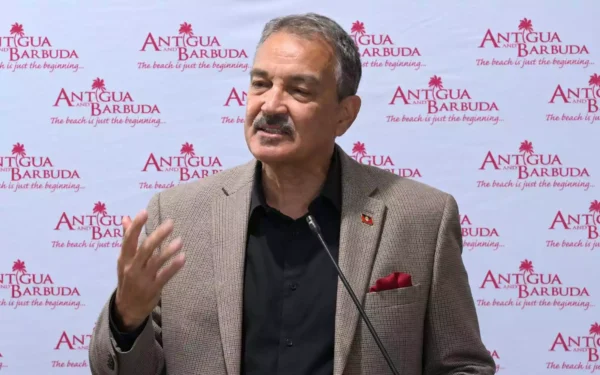
    Speaking on the policy shift, tourism minister Charles Fernandez emphasized that the country’s tourism strategy can no longer center solely on growing raw arrival numbers. Instead, he argued, policymakers must prioritize attracting higher-spending, higher-value visitors while implementing measures to ensure a larger share of tourism revenue circulates within and benefits the local economy, rather than leaking out to foreign-owned entities.

    Fernandez also stressed that as the tourism sector expands, protecting Antigua and Barbuda’s irreplaceable natural environment, distinct cultural heritage, and important historical assets must remain a non-negotiable priority. These assets are the core of the country’s tourism brand, he noted, and their degradation would undermine long-term industry success.

    To diversify the national tourism portfolio and reduce reliance on seasonal leisure travel, Fernandez identified the meetings, incentives, conferences, and exhibitions (MICE) segment as a high-potential growth area. Developing the MICE market would help attract visitors during traditional off-peak periods, smoothing revenue fluctuations and creating more stable, year-round employment for local workers.

    Looking ahead, the minister emphasized that the long-term success and sustainability of Antigua and Barbuda’s tourism sector will depend on coordinated collaboration across a wide range of stakeholders. This includes national and local government bodies, tourism regulatory agencies, international airlines, hotel operators, ground transport providers, tour companies, local small businesses, and the communities that host millions of visitors each year.

    Above all, Fernandez reiterated that Antigua and Barbuda is committed to pursuing sustainable, climate-resilient tourism growth, rather than chasing unchecked increases in visitor numbers at the expense of the country’s long-term well-being.

  • Nurse Prevost urges healthier eating amid rising concerns over non-communicable diseases and cancer

    Nurse Prevost urges healthier eating amid rising concerns over non-communicable diseases and cancer

    Against a backdrop of escalating public health concerns over the rising prevalence of non-communicable diseases (NCDs) and cancer in the Dominican Republic, a leading national nursing figure has issued a clear call for citizens to prioritize balanced, nutritious dietary habits to reduce individual and systemic health risks.

    Priscilla Prevost, a family nurse practitioner who serves as president of the National Nurses Council, outlined her evidence-based dietary guidance during a public address on September 13, 2026. She stressed that consistent intake of nutrient-dense whole foods forms the foundation of long-term physical wellness, and that intentional dietary choices are a powerful, accessible tool for preventing chronic illness.

    Prevost broke down the core components of a balanced daily diet, noting that the body requires consistent intake of six key groups: carbohydrates, proteins, healthy fats, vitamins, minerals, and water. She specifically advised the public to cut back on consumption of simple carbohydrates, particularly added sugar and sugar-sweetened beverages, and increase intake of fiber-rich whole foods. She highlighted many locally grown staples as excellent fiber sources, including ground provisions, breadfruit, plantains, and green bananas, alongside a wide range of other fresh fruits.

    The nursing leader also offered clear guidance for making informed choices around protein and fat consumption. She outlined common animal-based protein sources including meat, fish, eggs, milk, and cheese, while emphasizing that plant-based options such as beans, peas, nuts, seeds, and soy products deliver high-quality protein with additional nutritional benefits. Prevost encouraged Dominicans to shift toward a more plant-forward eating pattern, limiting consumption of animal products to moderate portions rather than making them the center of every meal.

    She added that many essential healthy fats, vitamins, and minerals that the body needs to function optimally are readily available in local fresh produce grown across the Dominican Republic, making nutrient-dense eating accessible for most communities. As the country continues to grapple with the growing public health and economic burden of chronic illnesses and cancer, Prevost emphasized that adopting simple, sustainable healthy dietary practices can significantly strengthen individual long-term health outcomes.

    Prevost also drew attention to dietary risks that often arise at social events and communal gatherings, urging both hosts and guests to make more intentional choices. She called on event organizers to include a range of nutritious meal options, and advised attendees navigating buffet settings to prioritize balanced plates filled with vegetables, complex carbohydrates, and moderate portions of quality protein, rather than overindulging in meats, cheeses, and other foods high in saturated fat.

    Wrapping up her address, Prevost warned that repeated poor dietary choices do not only increase the risk of serious health complications such as high cholesterol — they also drive up individual and national medical expenses, placing unnecessary strain on households and the country’s healthcare system. She closed by reinforcing a core message: prevention and personal responsibility are critical to reducing the population-wide risk of NCDs and cancer, and meaningful progress starts with small, consistent healthier choices at every meal.

    “We could have done better by just making healthier food choices,” she said.

  • ABTA Begins Two-Day Strategy Talks to Shape Tourism Priorities Through 2028

    ABTA Begins Two-Day Strategy Talks to Shape Tourism Priorities Through 2028

    The tourism governing body of Antigua and Barbuda has launched a comprehensive strategic review that will shape the destination’s travel and hospitality trajectory over the next 24 months. Top of the agenda for the review is exploring targeted ways to expand on the Caribbean nation’s already well-established core tourism products that have drawn global visitors for decades. These flagship offerings include world-class luxury resorts and private accommodation options, postcard-perfect pristine white-sand beaches, a globally renowned yachting and sailing industry, romantic getaway packages for couples and honeymooners, and large-scale international events that draw crowds from across North America and Europe.

    Beyond building on existing strengths, the talks will also center on designing actionable strategies to address two key industry goals: encouraging longer visitor stays and lifting average per capita spending among tourists. Industry stakeholders note that extending the length of average visits not only boosts revenue across accommodation, dining, attractions and local businesses but also spreads out tourism-related impact more evenly across the peak and off-peak seasons. Increasing visitor spending, meanwhile, supports higher income for local workers and helps fund ongoing infrastructure improvements that benefit both residents and returning travelers. The strategic review is expected to deliver a finalized actionable plan that aligns with long-term tourism development targets for the small island nation.

  • Thea LaFond-Gadson to receive honorary UWI Doctor of Laws

    Thea LaFond-Gadson to receive honorary UWI Doctor of Laws

    When Thea LaFond-Gadson landed her historic 15.02-meter triple jump at the 2024 Paris Olympic Games, she did more than claim gold – she etched her name into the history books as Dominica’s first-ever Olympic medalist and champion. Two years after that landmark achievement, the trailblazing Caribbean athlete is set to add another prestigious honor to her growing collection of accolades: an honorary Doctor of Laws (LLD) from The University of the West Indies (UWI).

    The UWI Council has formally approved the honorary doctorate for LaFond-Gadson, naming her one of 13 distinguished honorary graduands selected for the university’s 2026 graduation cycle. Recipients of this year’s honorary degrees hail from across a wide range of sectors, with honorees recognized for extraordinary contributions to journalism, diplomacy, medicine, agriculture, law, public service, culture, music, and sport. For LaFond-Gadson, the recognition marks one of the highest-profile tributes to her groundbreaking career and impact beyond the track.

    Born in Dominica, LaFond-Gadson moved to the U.S. state of Maryland with her family at age five, growing up far from her Caribbean homeland. Her early athletic journey was not centered on track and field: she spent years training and competing in dance before discovering her natural talent for jumping events while attending John F. Kennedy High School. That discovery would set her on a path to stardom.

    She earned a full athletic scholarship to the University of Maryland, where she emerged as a dominant collegiate competitor, claiming multiple conference titles, earning All-American status, and setting the university’s all-time record in the women’s triple jump. Even as she built her professional athletic career, LaFond-Gadson has consistently represented Dominica on the global stage, carrying the flag for the small island nation at every major international competition.

    Months before her historic Olympic win in 2024, LaFond-Gadson notched another first for Dominica: she claimed the country’s first World Indoor Championship title with a 15.01-meter jump, a feat made even more remarkable by the fact that she competed with a serious knee injury that she only learned of after the event. That performance underscored the resilience and grit that have become defining traits of her career.

    Her trailblazing Olympic victory cemented her status as a national hero. Beyond the medal, the win put Dominica on the global Olympic map, drawing international attention to the small Caribbean nation that had never before reached an Olympic podium. In recognition of her contributions to national pride and global outreach, the government of Dominica has already appointed her to two key ambassadorial roles: National Sports Ambassador and Destination Brand Ambassador.

    UWI’s honorary doctorate is not merely a celebration of LaFond-Gadson’s gold medal and athletic records. The institution highlighted that the award recognizes her outstanding personal character, her unwavering determination in the face of injury and adversity, and her critical role in elevating Dominica’s international profile across the global sporting community.

    The 2026 UWI honorary degree presentations will take place during the university’s annual graduation ceremonies, which are scheduled to run from October 10 to November 14, 2026, across the institution’s multiple regional campuses.

  • The Fine Print Behind Belize’s Tax-Free US$125  Million

    The Fine Print Behind Belize’s Tax-Free US$125  Million

    As Belize prepares to launch a landmark $125 million development compact backed by the U.S. Millennium Challenge Corporation (MCC) this week, questions have emerged over the sweeping tax, duty and fee exemptions written into the agreement. Officials are now clarifying the rationale behind the fine print, emphasizing that the exemptions are standard practice for international grant-funded programs and critical to delivering maximum impact for local development projects.

    Joseph Waight, Belize’s Financial Secretary and chair of the board managing the Millennium Challenge Account-Belize program, explained that the tax waivers are not a special concession designed to benefit outside interests, but a necessary structure to preserve the full value of the U.S. grant for its intended purposes. Since the total amount of the grant is fixed at $125 million, any portion diverted to pay domestic taxes and government fees would directly reduce the capital available to implement planned projects.

    “If the government were to charge taxes on services and on goods and services being funded by this grant, there’s less grant to spend,” Waight noted in his explanation of the policy.
    Waight added that this exemption model is far from unique to the MCC program. It is a standard inclusion across nearly all bilateral and multilateral international grant initiatives, designed to ensure 100 percent of contributed funding goes toward the end development goals outlined in the funding agreement. “Any bilateral program and any multilateral program, there is a tax waiver in there because you want that money to fund the ultimate project. The government shouldn’t get any of that money for itself,” he stressed.

    Contrary to speculation that the governing board holds broad discretion over allocation of the compact funds, Waight clarified that all project priorities and budget breakdowns are already finalized in the original agreement, which spans 125 pages including supporting annexes. The board’s primary mandate is not to reallocate funding or approve new projects, but to provide independent oversight as the five-year implementation process gets underway.

    The compact is officially scheduled to enter into force on September 18, 2026, marking the official start of the half-decade implementation period that will deliver targeted development investments across Belize.

  • US$12.55 million regional project to strengthen climate resilience in Caribbean fisheries

    US$12.55 million regional project to strengthen climate resilience in Caribbean fisheries

    Five Eastern Caribbean nations are set to deliver transformative support to over 21,800 workers and communities dependent on fisheries, as a landmark regional climate adaptation initiative officially kicked off last week.

    Launching at an inaugural inception meeting hosted in Dominica on September 15, 2026, the Climate Change Resilience in the Caribbean Fisheries Sector Project, known as CC4FISH-II, aims to shield small-scale fishing livelihoods from the growing threats of climate change and extreme weather events across Dominica, Grenada, St Kitts and Nevis, St Vincent and the Grenadines, and Trinidad and Tobago.

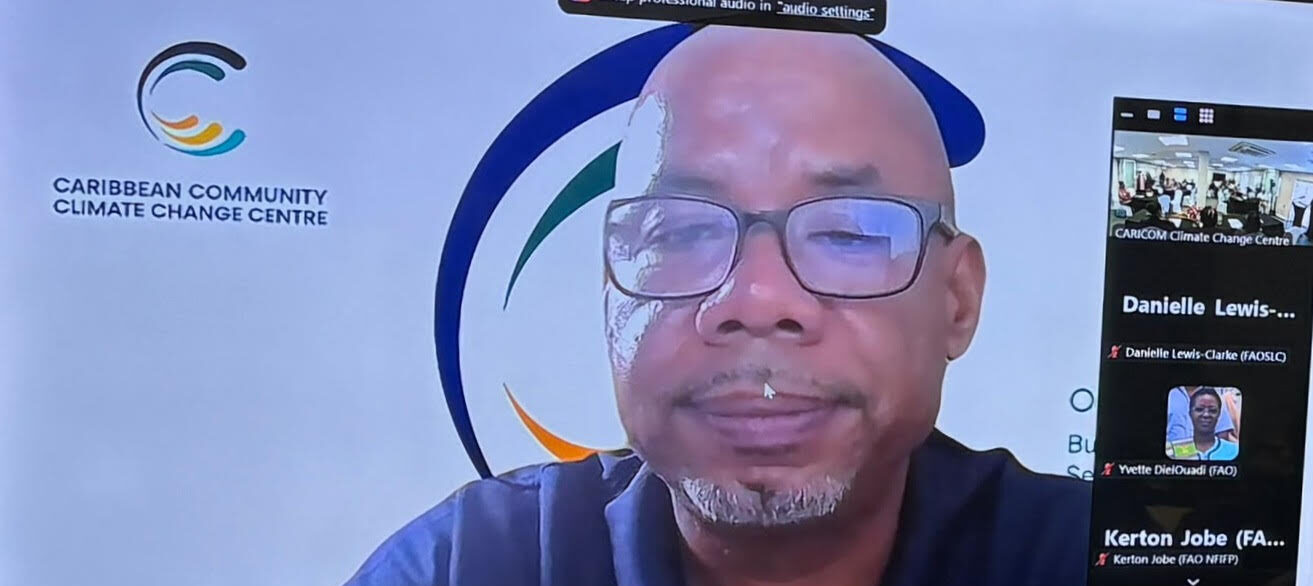
    Backed by $12.55 million in grant financing from the Global Environment Facility (GEF), the five-year initiative is led by the Caribbean Community Climate Change Centre (CCCCC) and implemented in partnership with the United Nations Food and Agriculture Organization (FAO) alongside a network of regional and national stakeholder groups. CC4FISH-II builds on the foundational research of the first CC4FISH project, which operated between 2017 and 2022 to map climate vulnerability across seven Eastern Caribbean fishing industries.

    The launch of this new program comes at a critical juncture for Caribbean Small Island Developing States, where rising ocean temperatures, collapsing fish populations, irreversible damage to critical marine habitats, and widespread biodiversity loss have pushed food security, local employment, and coastal economic development to the brink. Unlike many top-down climate projects, CC4FISH-II centers direct engagement with the people most dependent on healthy fisheries: small-scale fisherfolk, vessel owners, fish processors, market vendors, cross-border traders, and entire coastal settlements. The initiative also places intentional priority on expanding economic opportunity, leadership representation, and resilience support for women and youth working across the sector.

    Speaking to attendees at the Fort Young Hotel Conference Room during the opening workshop, CCCCC Executive Director Dr. Colin Young emphasized that strengthening fishing community resilience is non-negotiable for long-term regional sustainable development. “Through improved infrastructure, expanded access to climate-smart fishing techniques, and built-out community-level capacity, we are working to protect and improve the livelihoods that millions in our region depend on,” Dr. Young said. He added that the project’s core mission goes beyond disaster risk reduction: it seeks to equip communities not only to withstand climate shocks when they hit, but to recover faster and adapt proactively to long-term climatic shifts that are reshaping Caribbean fisheries.

    CC4FISH-II will deliver its goals through four interconnected streams of work. First, it will upgrade critical climate-resilient infrastructure, including fishing vessels, landing sites, processing facilities, and local market hubs, to reduce damage during extreme events. Second, it will focus on restoring and continuously monitoring key blue ecosystems that underpin healthy fish populations, including coral reefs, mangrove forests, and seagrass beds. Third, it will work with national governments to update fisheries management policies, improve cross-sector disaster preparedness planning, and expand access to fisheries insurance and affordable climate adaptation financing for small-scale operators. Finally, it will establish a regional Community of Practice to share actionable knowledge and scale successful climate adaptation models across the Caribbean.

    By integrating proven traditional ecological knowledge held by long-time fishing communities with cutting-edge climate science and sustainable fishing technology, CC4FISH-II aims to lock in long-term gains: promoting resilient sustainable livelihoods, strengthening the social fabric of coastal communities, and boosting the adaptive capacity of the entire Caribbean fisheries sector through to 2030.

  • What does the US want in return for US$125  million?

    What does the US want in return for US$125  million?

    For weeks, speculation has swirled across Belize over the $125 million Millennium Challenge Compact grant from the United States, with many residents asking one persistent question: What does Washington expect in return for the multi-million dollar investment? On September 15, 2026, the head of the Millennium Challenge Corporation (MCC) for Belize directly addressed those public concerns during an appearance on the local current affairs program *Open Your Eyes*, pushing back against rumors of hidden strings attached to the funding.

    Jenner Edelman, MCC’s Country Director for Belize, framed the compact as a natural extension of a decades-long bilateral partnership between the two nations, rather than a transaction with unstated demands. She emphasized that the relationship between Belize and the U.S. has been rooted in close economic, social, and security alignment for generations, noting that the U.S. already holds its position as Belize’s largest trading partner.

    To illustrate the depth of people-to-people connections between the two countries, Edelman pointed to Belize’s thriving tourism sector, which draws hundreds of thousands of American visitors to the Central American nation each year. Beyond economic and cultural ties, she added that the compact aligns with overlapping priorities: both nations share core security interests and a common commitment to inclusive sustainable development in Belize.

    Crucially, Edelman framed the investment as a mutual benefit rather than a one-sided gift. “From our perspective, what’s good for Belize is good for the American people as well,” she explained. The compact is targeted at three key development areas in Belize: expanding energy access, building professional skills, and strengthening the local workforce. Improvements in these sectors, Edelman argued, will not only lift living standards for Belizeans but also generate shared economic and social gains that benefit residents of the United States, cementing the longstanding partnership for years to come.

  • Government suspends increase in firearm license fees

    Government suspends increase in firearm license fees

    In a move that demonstrates responsiveness to public feedback, the government of Dominica has put a planned hike to firearm license fees on hold, announcing it will first launch extensive consultations with gun owners, industry representatives and other key stakeholders before moving forward with any changes.

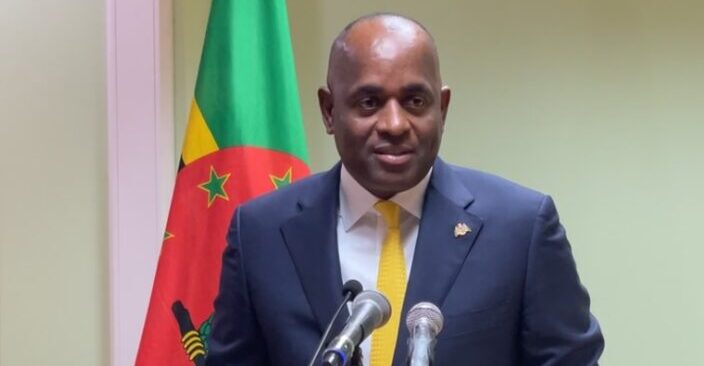
    Speaking at a recent press briefing, Prime Minister Roosevelt Skerrit clarified the original intent behind the fee increase, which was first unveiled as part of the 2026–2027 national budget presentation. Contrary to assumptions that the adjustment was designed to boost government revenue, Skerrit emphasized that the policy was framed as a mechanism to reinforce personal accountability among individuals who hold the legal privilege of owning and carrying a firearm.

    However, widespread concerns raised by multiple groups—including individual firearm owners, licensed firearm suppliers, and the Police Welfare Association—compelled the national Cabinet to hit pause on immediate implementation of the new fee structure. Skerrit noted that stakeholders have already put forward a range of constructive recommendations covering critical areas of firearms governance, from improved firearms safety training protocols to more secure storage requirements and updated regulatory frameworks for legally held weapons.

    Following a review of these submitted concerns and ideas, Cabinet formally approved the suspension of the fee increase and authorized the launch of a broad, inclusive consultation process focused on comprehensive reform of the firearms licensing system. The first gathering with participating stakeholders is scheduled to be held in the near future.

    Skerrit framed the decision to revisit the policy as a reflection of the administration’s commitment to open governance. When stakeholders raise legitimate, evidence-based concerns about the practical impact of proposed government policies, he said, the administration is willing and prepared to re-evaluate its decisions to craft more effective, widely supported outcomes.