博客

  • OP-ED: At UN summit, CARICOM to focus on global risks to Bloc

    OP-ED: At UN summit, CARICOM to focus on global risks to Bloc

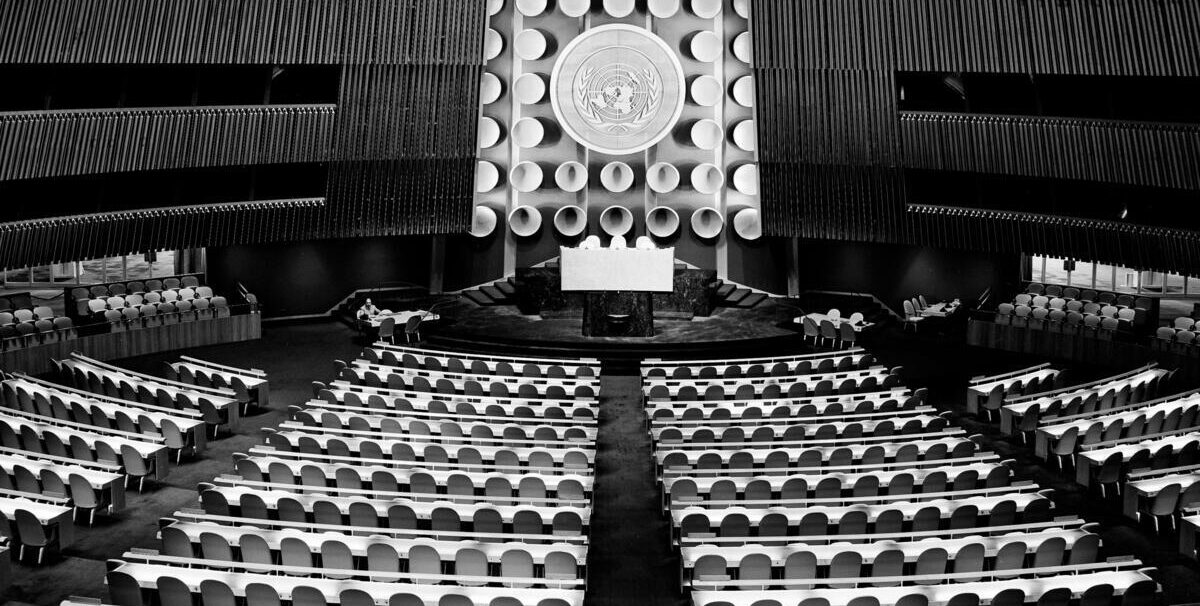
    As world leaders prepare to gather in New York City next week for the General Debate of the 81st United Nations General Assembly (UNGA), leaders from the Caribbean Community (CARICOM) bloc are expected to center their remarks on the growing crisis facing global multilateral cooperation — a challenge that is already inflicting tangible damage on their small island nations. The 81st UNGA session, which opened earlier this month, carries the overarching theme ‘Restoring Trust, Managing Transformation: A United Nations That Delivers for All’, and is led by General Assembly President Khalilur Rahman of Bangladesh. High-Level Week, running from September 18 to 28, will host a packed schedule of special summits, thematic meetings, and bilateral engagements, with the flagship General Debate kicking off on September 22 in the iconic UN General Assembly Hall. The session is set to conclude in September 2027.

    For CARICOM member states, all classified as Small Island Developing States (SIDS), the UN-centered multilateral system has long been a cornerstone of their foreign policy strategies, enabling them to amplify their voices and advance their strategic autonomy on the global stage. This commitment was reaffirmed by CARICOM leaders during last year’s 80th UNGA session, though recent policy disagreements within the bloc have sparked questions about unified alignment on this front.

    In a public statement issued this past July, CARICOM leaders underlined their unwavering commitment to a multilateral order rooted in the UN Charter and international law, a stance echoed across the community of SIDS and low-lying coastal nations. These small states, long sidelined by major global powers, are currently punching above their weight in one key area: the selection of the next UN Secretary-General. Three of the eight candidates vying to succeed António Guterres when his term ends in 2027 hail from SIDS, drawing new global attention to their stake in ongoing multilateral reform efforts.

    SIDS including CARICOM members warn that rising great-power polarization, unfolding against a historic post-Cold War shift in the global balance of power, has eroded their ability to shape their own national trajectories. This polarization directly undermines the collective cooperation that small states depend on, and CARICOM leaders are expected to spotlight this threat during their General Debate addresses. They will also draw attention to spillover effects from pressing global conflicts, most notably tensions between the United States and Iran that have disrupted shipping through the Strait of Hormuz, sending ripples through global energy markets that impact Caribbean nations far from the Middle East.

    From CARICOM’s perspective, growing global fragmentation and the rise of transactional foreign policy — which favors powerful nations with greater military and economic leverage — has stretched multilateralism to breaking point, leaving small states at a systemic disadvantage. The long-term prosperity of CARICOM nations hinges on delivering tangible progress through multilateral channels, and with the UN serving as a critical force multiplier for their diplomatic goals, Caribbean small states are active participants in efforts to reform the 81-year-old global body. They have pinned their hopes on a renewed multilateral system that can deliver equitable outcomes for all nations, regardless of size.

    Against a backdrop of eroding trust, waning legitimacy, and growing questions about the UN’s effectiveness, institutional reform has emerged as a top global priority. The UN80 Initiative, launched to make the world body more agile, integrated, and responsive to 21st-century challenges, has been a focal point of these efforts, and it has garnered close attention from small states including CARICOM’s 14 sovereign member states.

    The selection of Guterres’ successor, who will take office in January 2027, will have major implications for the future of this reform agenda. The incoming Secretary-General will inherit the mandate to drive reform across the UN’s three core pillars: peace and security, human rights, and sustainable development. One of the most pressing challenges will be advancing the 2030 Agenda for Sustainable Development, whose 17 Sustainable Development Goals (SDGs) are already off track to meet their 2030 deadline, according to the 2026 SDG Report. The next Secretary-General will also need to advance the Pact for the Future, a framework designed to update global institutions for modern challenges that outlines 56 concrete actions across five core priority areas.

    Three interconnected trends define today’s most pressing global challenges that the next UN leader will need to address: a historic power shift away from the post-Cold War unipolar order toward a contested multipolar system; the growing influence of Global South nations amid this geopolitical churn; and the rising prioritization of transactional, power-centric foreign policy over collective cooperation. CARICOM nations recognize the opportunity their collective diplomatic standing gives them to help address the multilateralism crisis, even as they acknowledge it is far from an easy fix. They are unified in their expectation that the next UN Secretary-General must prioritize addressing this systemic crisis, which has left the UN grappling with financial strains and growing questions about whether its core institutions are still fit for purpose in the modern era.

    As outgoing UN Secretary-General António Guterres noted during the 18th BRICS Summit in New Delhi earlier this month, the global order looks unrecognizable from what it was in 1945, and global institutions must adapt to reflect this change. Guterres emphasized that the old order must evolve to accommodate the rising influence of emerging economies, framing BRICS as a clear example of the shift toward a multipolar world. He outlined four core priorities for inclusive global growth: financing, technology, climate justice, and peace. This shift has created growing tensions between established Western powers and the rising bloc of emerging Global South nations, creating a challenging landscape for small states like those in CARICOM.

    CARICOM currently faces two key risks: that UN reform efforts will fall short of delivering meaningful change that advances small state interests, and that ongoing geopolitical dynamics will continue to undermine efforts to renew collective multilateral cooperation. These challenges are compounded by existing internal geopolitical divisions within the bloc, most recently highlighted by Trinidad and Tobago’s foreign policy approach to regional security dynamics involving Venezuela, which aligned with the revamped Monroe Doctrine advanced by the U.S. and exposed disagreements over the Caribbean’s longstanding goal of operating as a ‘Zone of Peace’.

    Even with these challenges, the upcoming UNGA High-Level Week represents an unparalleled opportunity for CARICOM to make its mark on multilateral reform and shape the global agenda for cooperation. This year, the bloc has extra reason to lead from the front: CARICOM has formally endorsed Guyana’s Permanent Representative to the UN, Ambassador Carolyn Rodrigues-Birkett, as its candidate for the next UN Secretary-General, and she is currently reported to be the front-runner in the selection process. When CARICOM leaders take the stage in New York in the coming days, they will not only lay out their shared concerns about the state of multilateralism but also highlight this historic milestone for the Caribbean bloc and the Global South as a whole.
  • El Niño Drives Record-Low Atlantic Hurricane Activity

    El Niño Drives Record-Low Atlantic Hurricane Activity

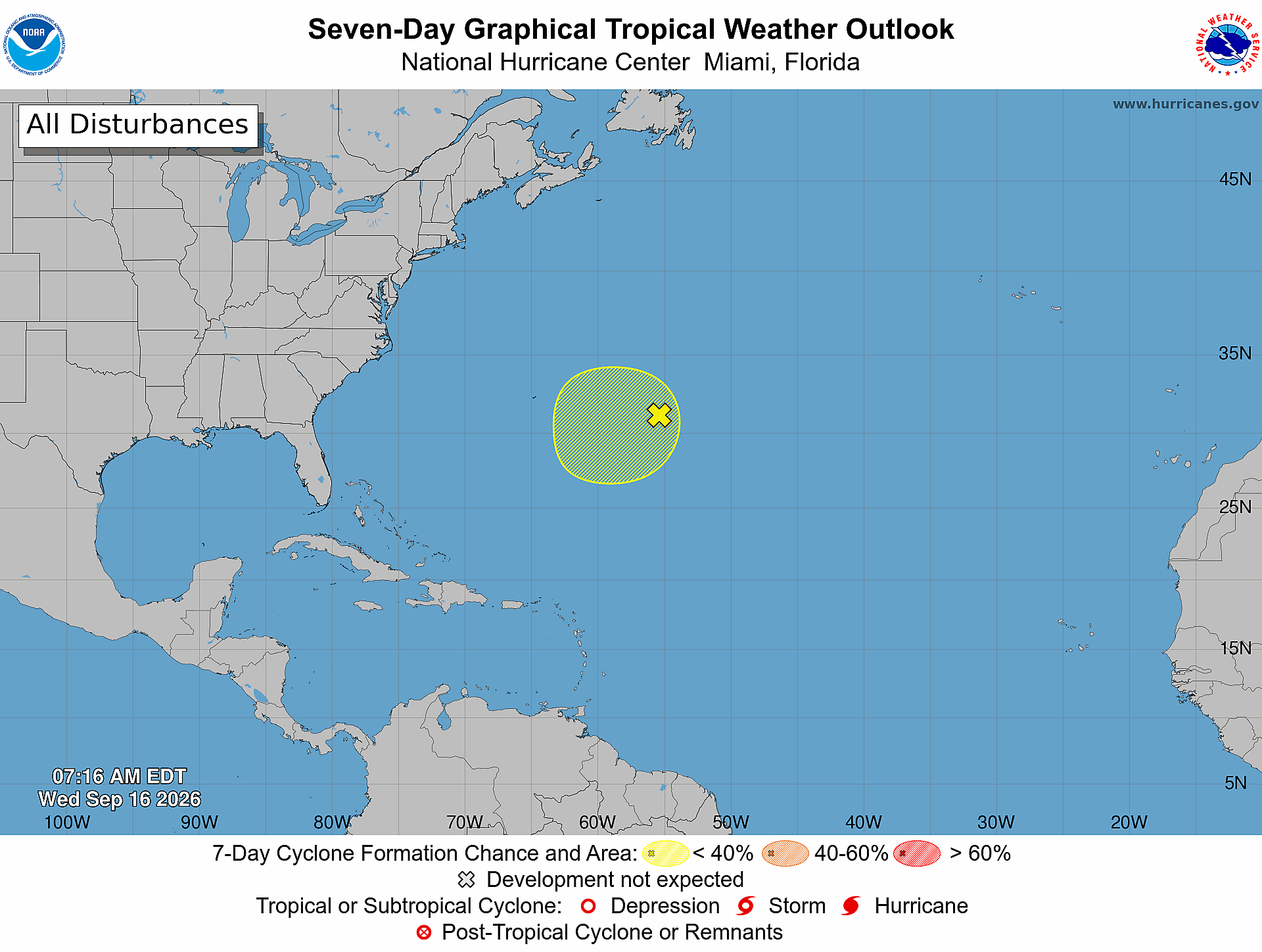
    The 2026 Atlantic hurricane season has delivered a highly unusual pattern at its traditional peak point: not a single hurricane has formed, a lull directly tied to the influence of a powerful El Niño event that has dramatically suppressed tropical storm development across the basin.

    To date, only five short-lived tropical storms have emerged across the Atlantic. This marks the longest delay for the first hurricane formation in the basin since consistent satellite monitoring of hurricane activity was introduced in the 1960s, according to meteorological data.

    Phil Klotzbach, a leading hurricane researcher at Colorado State University, reported that overall storm activity in the Atlantic so far this season measures at just 7% of the average activity recorded for this point in a typical year.

    Meteorologists from the National Oceanic and Atmospheric Administration (NOAA) and other leading institutions explain that El Niño has triggered an extreme increase in wind shear across the stretch of ocean between West Africa and the Caribbean. This sharp difference in wind speed and direction at different atmospheric altitudes tears apart nascent tropical weather systems before they can consolidate and strengthen into organized storms or hurricanes. El Niño’s influence has also created broader unfavorable conditions: dry atmospheric layers, wind-carried Saharan dust, and sinking air masses have all combined to further block the formation of new tropical cyclones.

    While the basin has seen an unprecedented lull in activity, forecasters are urgently warning residents of Antigua and Barbuda, as well as communities across the wider Caribbean and Gulf of Mexico, against dropping their guard. Even one late-season hurricane can cause catastrophic damage to coastal and island communities, they emphasize, and the official Atlantic hurricane season does not conclude until November 30, leaving a window of several weeks for unexpected storm development.

    In a striking reversal of the Atlantic pattern, El Niño has had the opposite effect on the Eastern and Central Pacific. The climate pattern has amplified conditions favorable for tropical cyclone development, leading to a far more active season than normal in that basin, matching typical El Niño impacts.

  • Major animal vaccination campaign to combat anthrax in Haiti

    Major animal vaccination campaign to combat anthrax in Haiti

    On September 15, 2026, agricultural authorities in southern Haiti kicked off a large-scale free anthrax vaccination campaign targeting domestic livestock, a public health and food security initiative designed to curb the deadly disease that threatens both animal herds and human communities across the region. The launch ceremony took place in Laborde’s 3rd communal section, within the Les Cayes commune, led by the veterinary division of the South Departmental Directorate of Agriculture (DDAS) and implemented in close partnership with the Resilient Agriculture for Food Security Project (PARSA).

    Organized under the oversight of Haiti’s Ministry of Agriculture, the campaign will roll out across every commune in the department, reaching all livestock-owning households at no cost. Speaking at the opening event held in Kafou Tiboul, Dr. Atenord Oreus, lead veterinary official for the initiative, outlined that the program’s core mission is to protect local cattle, goats and sheep from anthrax—a highly lethal infectious disease that can wipe out entire herds, destabilize household incomes, and put both community food security and public safety at grave risk.

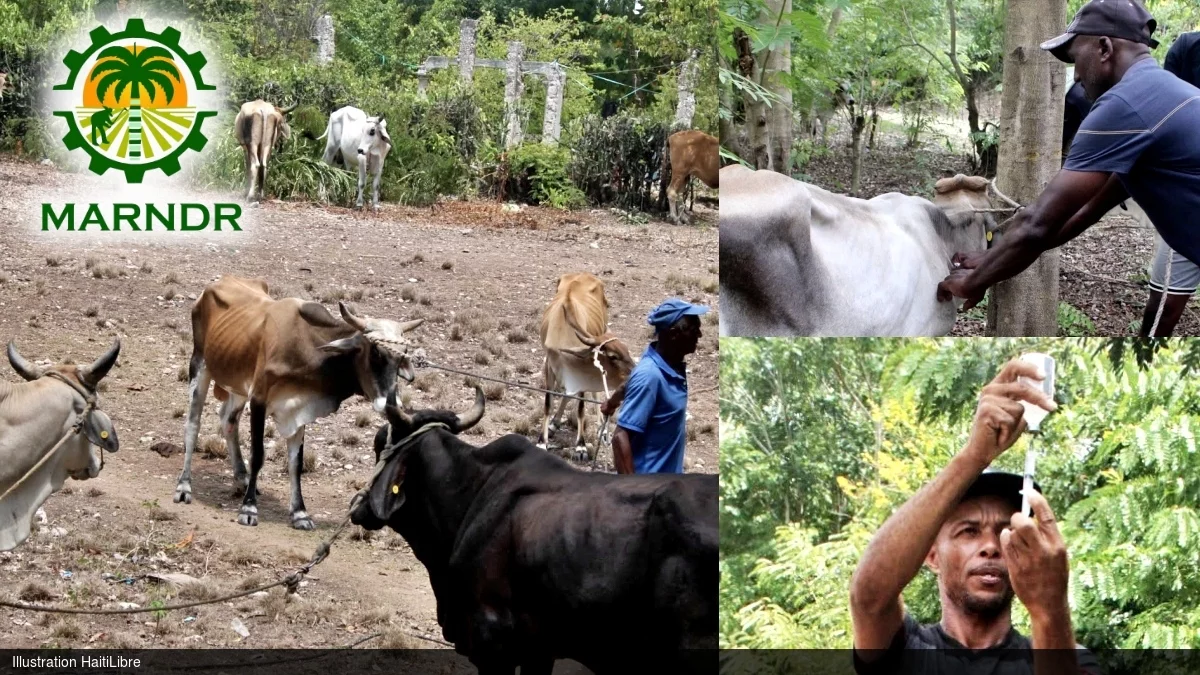
    High turnout marked the first day of operations, with hundreds of local farmers bringing their animals to mobile vaccination stations deployed across the launch area. The mobilized veterinary teams administered doses to a wide range of livestock, as farmers turned out en masse to take advantage of the free public health service.

    During his address to attending farmers, Dr. Oreus emphasized the critical role of routine preventive vaccination in preserving herd health and sustaining the livelihoods of the thousands of southern Haitian households that depend on livestock rearing for income and food. He went on to detail the ambitious coverage target set for the campaign: more than 100,000 head of livestock are scheduled to receive the anthrax vaccine by the end of the initiative, a goal that underscores both the scale of the effort and DDAS’s commitment to bolstering regional disease prevention systems.

    Alongside announcing the vaccination goals, Dr. Oreus issued a critical public safety warning to all livestock owners: under no circumstances should anyone consume meat from animals that have died from suspected or confirmed anthrax cases. He reminded farmers that sudden, unexplained livestock death is a key red flag for anthrax, and urged anyone who observes such an event to immediately notify local veterinary services for rapid testing and safe disposal of infected carcasses to avoid transmission to humans.

    Dr. Camille Joseph, PARSA’s Animal Production Assistant for the Grand Sud region, reinforced these warnings, stressing that vigilance against anthrax is a shared responsibility that protects both livestock herds and community health. Echoing Dr. Oreus, Joseph urged producers to avoid consuming or selling meat from sick animals or animals found dead under suspicious circumstances, to prevent outbreaks of the disease in human populations.

    Joseph framed the campaign as ongoing support from Haiti’s Ministry of Agriculture to smallholder livestock producers and the broader animal production sector. He encouraged local producers to organize into collective groups to better communicate their needs to agricultural authorities, which would help make preventive vaccination programs a regular, sustained feature of regional agricultural health, rather than a one-time response. He added that sustained control of anthrax cannot be achieved through single campaigns, but requires continuous collaboration between livestock owners, veterinary services, and supporting institutions to maintain protection for herds and the families that rely on them.

    Local livestock producers who have already accessed the campaign have expressed widespread satisfaction with the free initiative, which addresses a longstanding unmet need for anthrax prevention in the region.

  • Paris court awards Kim Kardashian 1 euro after her 2016 robbery

    Paris court awards Kim Kardashian 1 euro after her 2016 robbery

    Nearly nine years after a high-profile armed robbery targeting celebrity reality star Kim Kardashian during Paris Fashion Week, a French court has handed down final civil rulings in the case, concluding the legal process for all parties involved.

    On Tuesday, a Paris judicial panel granted Kardashian the 1 euro ($1.15) in compensation she requested, according to a lawyer familiar with the ruling. The decision comes one year after the same court convicted eight people for their roles in the October 2016 heist, which Kardashian has described as “the most terrifying experience of my life.”

    Two men disguised as police officers gained entry to Kardashian’s private suite at the luxury Hôtel de Pourtalès, where she bound the star with zip ties and duct tape before stealing more than $6 million worth of jewelry — including a diamond ring she had worn to that evening’s Givenchy runway show. The group of aging perpetrators, six of whom were in their 60s and 70s at the time of trial, earned the nickname *les papys braqueurs* (the grandpa robbers) in French media due to their advanced ages.

    Last year, all eight defendants were convicted on charges of armed robbery, kidnapping, and criminal conspiracy. Having already served their required pre-trial detention time, none were ordered back to prison, and no defendant has filed an appeal against the conviction ruling.

    In addition to Kardashian’s award, the court also granted 1 euro in damages to Kardashian’s stylist Simone Harouche, who was present during the robbery, matching the amount she requested. A former receptionist at Hôtel de Pourtalès, who testified that he suffered lasting trauma from the heist, was awarded 109,516 euros ($126,472) — a partial victory, as he had originally sought 550,000 euros ($634,868) in damages and interest. His lawyer, Mohand Ouidja, praised the court’s ruling as a win for his client. The hotel itself was also awarded 50,000 euros ($57,741) in damages.

    In a joint statement released to the Associated Press, Kardashian and Harouche expressed gratitude to the French justice system for the ruling. “The experience was deeply traumatic, and its impact has stayed with us,” the statement read. “Today’s decision is not about the compensation, but about accountability and recognition. We are thankful to the Court and everyone who supported us throughout this process, and we hope to now move forward and continue to heal.”

    Following the 2024 conviction, Kardashian released a separate statement reaffirming her gratitude to French law enforcement and judicial authorities for seeing the case through to a just outcome. “The crime was the most terrifying experience of my life, leaving a lasting impact on me and my family,” she said at the time. “While I’ll never forget what happened, I believe in the power of growth and accountability and pray for healing for all. I remain committed to advocating for justice and promoting a fair legal system.”

  • A lionfish epidemic ravages Florida’s reefs. This man has gone to war

    A lionfish epidemic ravages Florida’s reefs. This man has gone to war

    Along the sun-drenched coastlines of Florida, one of the most devastating invasive species crises in modern marine history is unfolding. Prized once for their striking striped fins and dramatic appearance in home aquariums, red lionfish have exploded in population across the state’s iconic coral reef systems, leaving a trail of ecological destruction in their wake.

    Native to the Indo-Pacific region, lionfish were first spotted off Florida’s Atlantic coast in the 1980s, widely believed to have been introduced when private aquarium owners released unwanted specimens into open water. With no natural predators in the Western Atlantic, their population has grown exponentially: a single female lionfish can produce more than two million eggs per year, allowing the species to spread rapidly from shallow coastal estuaries to deep offshore reefs.

    The impact on native marine life has been catastrophic. Lionfish are voracious predators, consuming more than 50 species of small native fish and crustaceans, including juvenile reef fish that play critical roles in maintaining reef health and controlling algae growth. Studies have shown that invasive lionfish can reduce native reef fish populations by up to 80% in heavily infested areas, throwing the entire delicate reef ecosystem out of balance. This destruction also hits hard at Florida’s coastal economy, which relies heavily on healthy reefs for commercial fishing, recreational diving, and coastal storm protection.

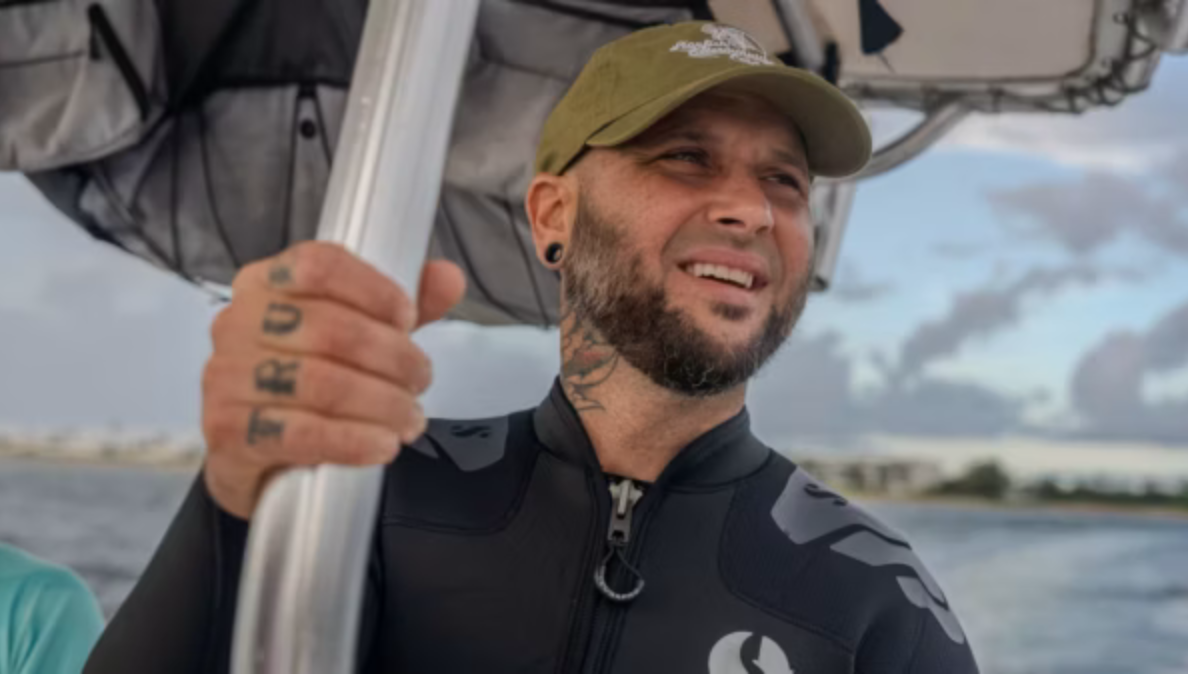
    Against this growing crisis, one local activist has launched a one-man campaign to turn the tide. Unlike many large-scale conservation efforts that can be slow to secure funding and government approval, he has taken a hands-on, grassroots approach, dedicating hundreds of hours every month to culling lionfish from infested reefs. Armed with a modified spear and specialized diving gear, he leads regular dives into high-priority reef zones, removing as many as hundreds of lionfish per trip. Beyond direct culling, he also works to educate local recreational divers, boaters, and restaurant owners about the invasion, encouraging more community participation in control efforts. He has even partnered with local chefs to promote lionfish as a sustainable seafood option, creating a market incentive for commercial divers to target the invasive species.

    While his effort alone cannot eliminate the established lionfish population, marine biologists say that grassroots, community-led control efforts like his are critical to slowing the invasion’s spread and protecting the most ecologically valuable reef areas. As climate change continues to put additional pressure on Florida’s coral reefs, controlling invasive species like lionfish has become one of the most urgent priorities for marine conservation in the region. The activist’s work stands as a powerful example of how individual action can contribute to protecting one of the world’s most threatened marine ecosystems.

  • PM Browne Urges Public to Identify Suspect in Villa Home Break-In

    PM Browne Urges Public to Identify Suspect in Villa Home Break-In

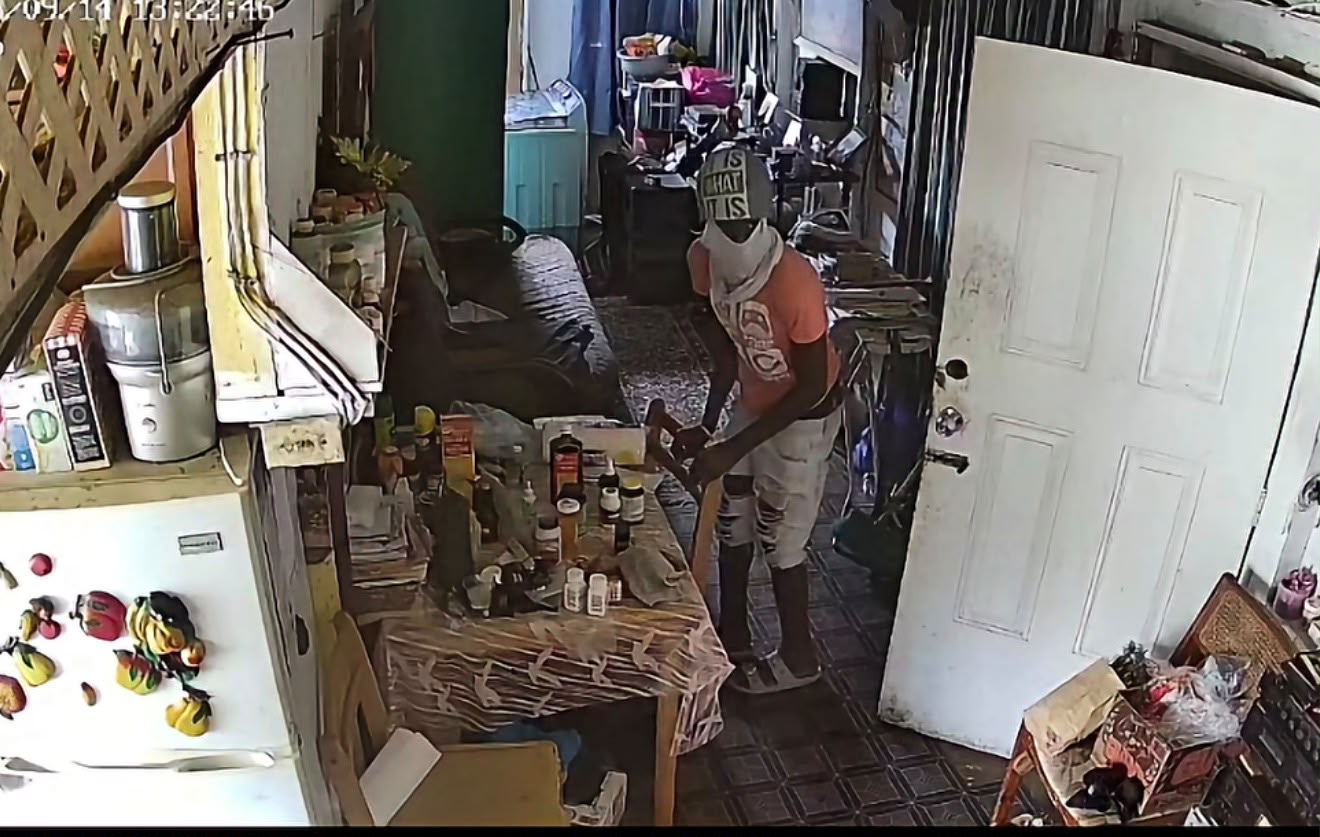
    A daylight residential break-in in the Villa neighborhood has prompted the top elected official of Antigua and Barbuda to issue a public appeal for community assistance in identifying the perpetrator. Prime Minister Gaston Browne has taken the unusual step of asking local residents to review surveillance footage of the incident and step forward with any information that can help law enforcement. The alleged burglary, which unfolded in front of onlookers during normal daytime hours on Tuesday, was fully captured by a home security camera system, providing clear visual evidence of the suspect. Local law enforcement is currently processing all incoming tips, but officials say the case has hit an early standstill without public recognition of the man shown in the recording. Browne emphasized that community collaboration is critical to solving property crimes that erode public safety and trust in residential neighborhoods. Any individual who can match the suspect’s appearance to a known identity has been directed to reach out directly to the Antigua and Barbuda Royal Police Force to share their information confidentially. Officials have not released details about any items reportedly stolen during the break-in, nor have they confirmed whether the suspect targeted any specific belongings in the home.

  • Saint Lucia gets access to support for resilient infrastructure

    Saint Lucia gets access to support for resilient infrastructure

    Four Eastern Caribbean nations, including Saint Lucia, are now the first beneficiaries of a newly launched regional initiative that delivers specialized technical support to help governments cut through implementation bottlenecks and complete climate-resilient infrastructure projects.

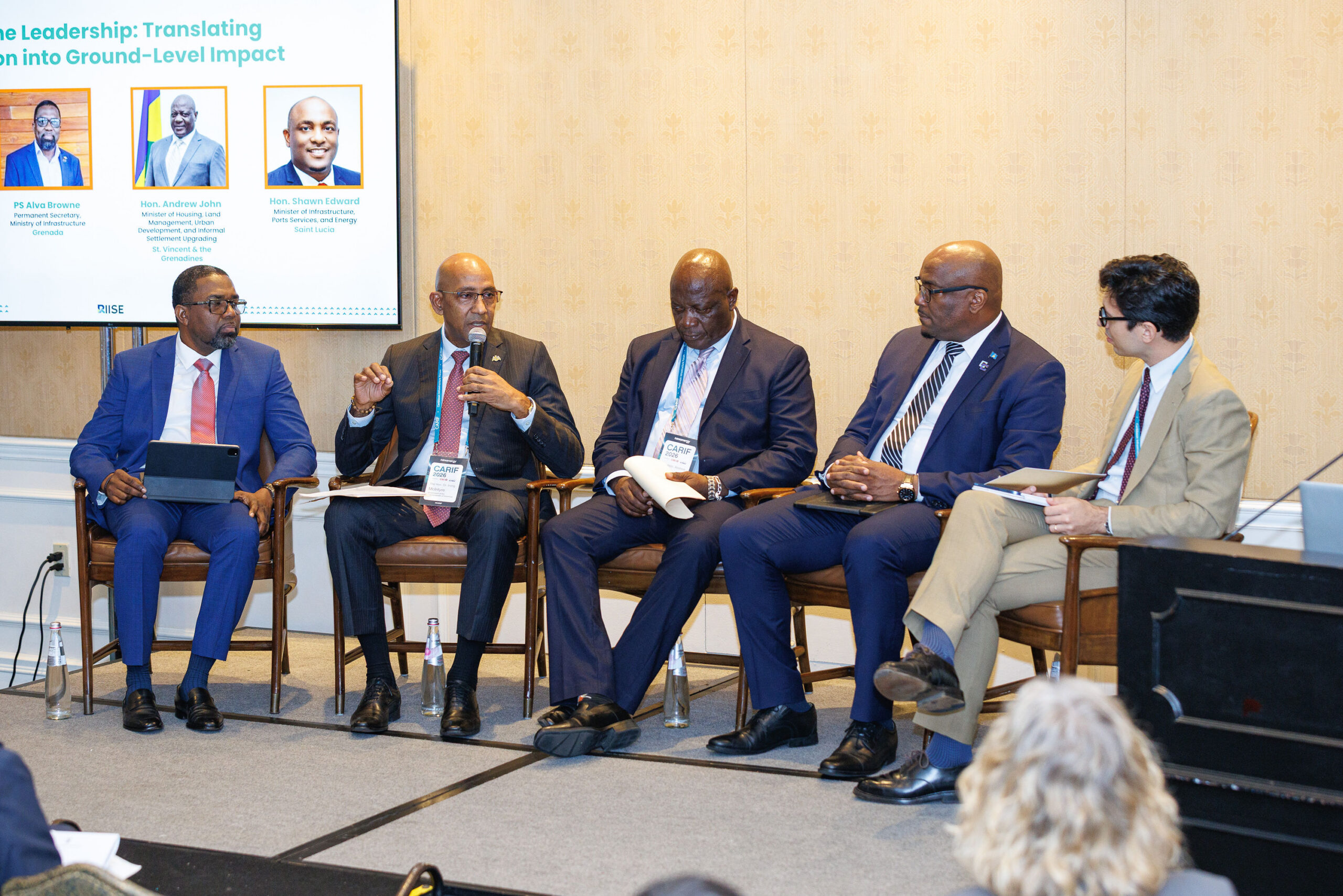
    The Caribbean Resilient Infrastructure Implementation and Skills Exchange (RIISE) Facility, which began operations following its official launch on September 14 during a side event at the Caribbean Infrastructure Forum in Miami, targets the persistent delays that often derail critical infrastructure projects across the region. Joining Saint Lucia as initial participating countries are Dominica, Grenada, and Saint Vincent and the Grenadines.

    For Saint Lucia, eligible projects span a wide range of climate-critical sectors, from water access, sanitation, and coastal protection to transportation, renewable energy, public buildings, disaster recovery, healthcare, education, and affordable housing. The support RIISE offers covers nearly every stage of project delivery, including project management, procurement and contract administration, engineering and technical reviews, and financial oversight. It also brings specialized expertise in climate resilience planning, environmental and social risk mitigation, gender equality and social inclusion, cross-stakeholder engagement, public communications, progress monitoring and reporting, and proactive risk management.

    Participating governments have two flexible pathways to access support: short-term targeted technical advice to resolve specific, immediate challenges, or temporary on-site deployment of specialists to boost the capacity of local project teams. Ministries and public institutions in the four member countries can submit assistance requests through their appointed National Focal Points via an online portal, where they are required to outline project details, the specific implementation challenge they face, and the desired outcome. After submission, the RIISE Secretariat evaluates each request and collaborates with the requesting institution to define the exact scope of support and match it with the appropriate technical expertise.

    The initiative is funded by the Government of Canada and hosted by the United Nations Office for Project Services (UNOPS), with its secretariat based in Barbados. It is governed by the participating Caribbean countries, with independent technical guidance provided by a panel of regional and global experts.

    Brenda Wills, Canadian High Commissioner to Barbados and the Eastern Caribbean, emphasized that climate-resilient infrastructure forms the backbone of long-term economic development, effective climate adaptation, and improved quality of life for Caribbean communities. “Canada is pleased to support RIISE as a regionally led facility that will help governments access the expertise and support needed to deliver priority infrastructure investments,” she stated.

    Giuseppe Mancinelli, UNOPS Caribbean Director, echoed this sentiment, noting that the organization’s core role is to fill gaps in government capacity and deliver hands-on implementation support. “Governments across the region have set a bold vision for more resilient infrastructure; our role is to help turn that ambition into results by providing national institutions with the additional capacity, expertise and implementation support they need to deliver for their people,” he explained.

    Beyond addressing immediate implementation hurdles, RIISE has a longer-term goal of building and retaining local technical expertise across the Caribbean. Over time, the facility plans to facilitate knowledge exchange between regional specialists and public sector teams, allowing countries to share lessons learned and best practices for resilient infrastructure delivery. While the initiative currently focuses on four Eastern Caribbean nations, its framework is designed to support expansion to additional Caribbean countries as new needs emerge and additional funding and partnerships are secured.

  • Catherine Edmund is Saint Lucia’s CIBC 2026 Unsung Hero

    Catherine Edmund is Saint Lucia’s CIBC 2026 Unsung Hero

    A young Saint Lucian community advocate has earned high regional honors for her quiet, consistent commitment to lifting up vulnerable children and strengthening local connections, after being named CIBC Caribbean’s 2026 Unsung Hero for the island nation.

    Thirty-one-year-old Catherine Edmund, a resident of Seaview Estate in Ciceron, is the driving force behind Birthday Fairies, a volunteer initiative she co-founded with her sister Maria in early 2023. The project addresses a simple but often overlooked need: creating meaningful, joyful birthday experiences for children whose families lack the financial resources to host celebrations.

    Working closely with school administrations across the island, Edmund transforms ordinary classrooms into custom-themed party spaces, provides sweet treats for the entire class to enjoy, and sources a personalized gift for the birthday child, using insights and preference details shared by their teachers. To date, Birthday Fairies has brought celebrations to young people at multiple local educational institutions, including Leon Hess Comprehensive Secondary School, Bexon Infant School, and Ciceron Primary School, with more partnerships continuing to develop.

    Edmund’s contributions to her community stretch far beyond her birthday initiative. As an active member of the Pantastic Muzik steel orchestra, she regularly takes on uncredited behind-the-scenes work: preparing meals for the group during extended rehearsal sessions and coordinating safe rides home for fellow musicians after late-night practices. She is also a core participant in the Ciceron Youth Development Group, where she lends her time to organizing local community events and supporting public outreach programs that benefit neighborhood residents.

    The official recognition of Edmund’s work took place at an intimate dinner ceremony Sunday evening, where she was joined by her family, partnering school principals, and senior executives from CIBC Caribbean.

    Nigel Ollivierre, Country Manager for CIBC Caribbean in Saint Lucia, noted that the scale of Edmund’s impact at such a young age makes her work particularly inspiring for future generations of volunteers. “There is something especially heartening about seeing a young woman of Catherine’s age already so deeply committed to giving of herself to others. It tells us that the tradition of community service is not disappearing; it is being carried forward by another generation,” Ollivierre explained.

    He added that Edmund’s work perfectly embodies the core mission of the Unsung Heroes programme, which centers on the age-old idea that it takes a village to raise a child. “Catherine is showing these children what ‘the village’ feels like. Someone who is not their parent sees them, cares enough to show up and creates a moment in which the people around them celebrate them. She is helping to keep the village alive – and that is something worth recognising,” he said.

    For her part, Edmund framed the award as recognition not just of her own efforts, but of the entire network of supporters that have helped her work grow over the past three years. “I feel extremely honoured and grateful to be recognised as a CIBC Caribbean Unsung Hero. While I am the one receiving this recognition, what I do would not be possible without God and the support of my family, friends and community, and the many people who have helped Birthday Fairies and my other community work along the way,” she said.

    She also used the moment to encourage other people to step forward to help their communities, urging them not to discount the impact of small, consistent acts of kindness. “I have seen for myself that even the smallest gestures and acts of kindness can bring the biggest smiles,” she noted.

    Edmund was selected for the national honor by a local judging panel made up of community leaders Susanna Gurley and Ronald Hinkson. As Saint Lucia’s national Unsung Hero, she receives a $5,000 USD grant to expand her ongoing philanthropic work. Her national selection also qualified her for consideration for the regional CIBC Caribbean Unsung Hero title, and organizers recently confirmed that she has advanced to the top three regional finalists. The final winner and two runners-up will be announced at a formal awards ceremony in Barbados on September 19.

    The Unsung Heroes programme is one of CIBC Caribbean’s flagship corporate social responsibility projects. First launched in 2003 and recently relaunched in 2025, the initiative highlights unrecognized individuals who carry out outstanding voluntary work across the Caribbean, spanning social support programs, environmental action, youth mentorship, and extraordinary acts of courage or compassion.

  • Schools remain open, Alexandra closed due to flooding

    Schools remain open, Alexandra closed due to flooding

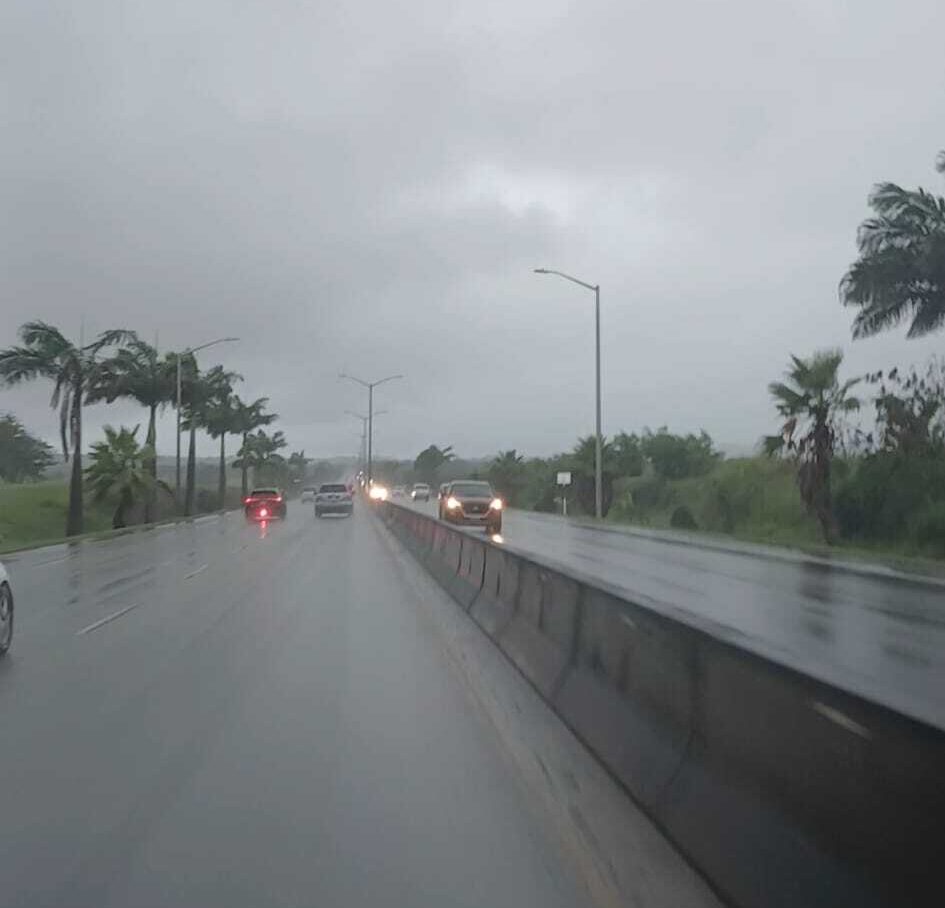
    As unfavorable weather conditions swept across Barbados, education officials have made the call to keep nearly all of the island nation’s educational institutions operational for the day, marking only one notable closure in response to unsafe conditions. Alexandra School, located in the country, has been forced to shut its doors Wednesday after severe flooding rendered the campus unsafe for both learning and occupancy, making it the lone outlier in the government’s decision to maintain normal school operations.

    The decision to avoid broad campus closures came following a coordinated consultation between top leadership from two key government agencies: the Ministry of Education Transformation and the Barbados Meteorological Services. Dr. Ramona Archer-Bradshaw, the nation’s Chief Education Officer, held detailed discussions with Sabu Best, Director of the Barbados Meteorological Services, to assess the scope and severity of the ongoing weather systems. After a comprehensive review of meteorological data and on-the-ground conditions, the pair concluded that weather impacts were not extreme enough to justify shutting down schools across the country.

    Even with the overall decision to keep schools open, officials acted swiftly to close Alexandra School once flooding was reported on the site. The priority of this closure is to safeguard the well-being of all students, teachers, and non-teaching staff who would otherwise be required to be on campus Wednesday. Beyond the closure at Alexandra, the Ministry of Education Transformation has issued clear guidance for families across the island, urging parents and guardians to take proactive steps to keep their children safe during their daily commute to and from school. Specifically, the ministry is encouraging caregivers to ensure young people wear proper weather-appropriate protective clothing, and to plan ahead for any potential travel hazards that may arise due to the ongoing bad weather.

  • Grenada hosts first-ever capacity-building session

    Grenada hosts first-ever capacity-building session

    Grenada has etched its name into the history of regional climate action, becoming the first member of the Organisation of Eastern Caribbean States (OECS) to host a specialized capacity-building initiative under the bloc’s landmark Climate Finance Action Platform (CFAP). The event marks a watershed moment for collective regional efforts to expand access to climate, nature and sustainable finance, turning national and regional climate commitments into investment-ready projects that boost community resilience, advance low-carbon development and deliver tangible economic and social benefits across all OECS member states.

    Titled *Strengthening Grenada’s Capacity to Access, Mobilise and Deploy Climate Finance*, the full-day session was held on September 10, 2026 at the Radisson Grenada Beach Resort. It drew cross-sectoral participation from senior representatives of key government ministries and agencies, including members of Grenada’s national Climate Change Sectoral Focal Point Network, as well as specialists focused on climate action, public finance, economic planning, public investment and project delivery.

    This tailored training forms a core component of a broader CFAP country mission to Grenada, delivered by the OECS Commission with generous financial backing from the European Union through the EUROCLIMA Programme and its Technical Assistance Facility. The EU’s funding has enabled the OECS Commission to launch and operationalize the CFAP, which provides targeted technical support and skills-building to member states looking to strengthen climate finance coordination, improve project preparation, boost investment readiness and scale up resource mobilization.

    Speaking at the opening of the session, Titus Antoine, Director of Climate Resilience at Grenada’s Ministry of Climate Resilience, the Environment and Renewable Energy, underscored the urgent need for sustained investment in national capacity to unlock much-needed climate funding. “Strengthening our climate finance capacity is non-negotiable if Grenada is to turn our climate and development priorities into tangible action,” Antoine explained. “This session has deepened our collective understanding of how the global climate finance landscape is evolving, the full range of financing opportunities and instruments now available, and what it takes to develop robust, investment-ready projects. Building this expertise and capacity across government will put Grenada in a far stronger position to mobilize the funding we need to deliver on our climate goals and build a more resilient, sustainable future for all Grenadians.”

    The training curriculum was designed to give participants hands-on insight into the changing global climate finance ecosystem, existing funding sources and instruments, and the unique opportunities available to small island developing states (SIDS) like Grenada. A central focus of the session was strengthening the country’s ability to turn broad climate priorities into thoroughly prepared, investment-ready projects that can be matched to the most appropriate funding sources. Participants also engaged in reflective discussions about Grenada’s past experience accessing climate finance, key lessons learned from previous projects, and opportunities to strengthen implementation, impact tracking and future investment pipeline development.

    Dr. Sherry Constantine, a senior climate finance expert leading the technical assistance through EUROCLIMA, emphasized the critical importance of strengthening every stage of the process from priority-setting to funding access. “Accessing climate finance is far more than just identifying a fund and submitting an application,” Dr. Constantine noted. “We have to start with our core climate and development priorities, translate those priorities into well-designed investment projects, prepare those projects to meet the rigorous standards that financiers require, and then match them to the funding sources and instruments that fit best. The CFAP exists specifically to help OECS member states strengthen this entire end-to-end pathway from priority to investment.”

    The session also introduced participants to the full suite of support services that CFAP will offer to all OECS member states, including a dedicated Project Preparation Facility, a regional Knowledge Hub, ongoing targeted capacity-building initiatives, comprehensive financing-source mapping, climate finance matchmaking between project developers and funders, and investment mobilization support. These services have been intentionally designed to address longstanding barriers that have held back climate action across OECS member states, including fragmented institutional coordination, low overall climate finance readiness, underdeveloped project pipelines, prohibitive project preparation costs, limited private sector engagement, and persistent challenges matching viable investment opportunities with appropriate funding sources.

    Shanna Emmanuel, a representative of the OECS Commission leading the CFAP initiative, highlighted the platform’s member-driven governance model. “The CFAP is being developed as a platform owned and led by OECS member states themselves,” Emmanuel explained. “These in-country engagements are absolutely essential to making sure the support we deliver is practical, targeted and responsive to national priorities. Grenada’s trailblazing experience here, and the rich discussions that emerged from this first capacity-building session, will help shape how the platform supports all member states moving forward.”

    The Grenada mission is part of a broader rollout of CFAP engagement across all OECS member states, designed to ensure the platform addresses the unique national climate finance priorities and capacity needs of each country. Key takeaways and insights from the Grenada session will be used to develop a customized CFAP Country Support Package for Grenada, covering ongoing capacity building, targeted project preparation support and investment mobilization assistance. As the first country-level capacity-building session held under the CFAP initiative, the Grenada engagement marks a critical milestone in helping OECS member states turn ambitious climate priorities into fully financed, investment-ready projects that deliver on the ground.