博客

  • Prevo Cinemall to help boost sales of Kalinago arts and crafts

    Prevo Cinemall to help boost sales of Kalinago arts and crafts

    A new two-day showcase of Indigenous Kalinago creativity is set to open its doors in downtown Roseau next week, giving local artists and craft producers a high-traffic platform to connect directly with consumers and celebrate Dominica’s rich Indigenous heritage.

    Scheduled to run September 17–18, 2026, the Kalinago Expo is a centerpiece event for this year’s Kalinago Week, organized through a collaborative partnership between Prevo Cinemall, the Kalinago Council, and independent arts vendors and creators from the Kalinago Territory. The popular commercial hub is donating all event space—including its dedicated exposition hall, central courtyard, and adjacent sidewalk areas—at no cost to the Kalinago community, removing a key financial barrier for small producers to participate in the public celebration.

    For Prevo Cinemall, hosting the expo aligns with a decades-long institutional mission to uplift and promote Dominican cultural heritage, a commitment rooted in the property’s own unique history. The modern mall is built within the carefully preserved and repurposed structure of the historic Carib Cinema, originally constructed in the 1950s before its transformation into a mixed-use commercial center. Today, the space houses a diverse range of local businesses: retail outlets, casual eateries, professional offices, meeting and conference facilities, and the aforementioned exposition hall. Situated at the intersection of Kennedy Avenue and Old Street, Prevo Cinemall sits at the core of Roseau’s bustling central business district, placing the expo within easy reach of thousands of daily visitors and local residents.

    Prevo Cinemall General Manager Vanessa Prevost emphasized that cultural stewardship has been embedded in the property’s founding mission from day one. This is not the first time the mall has partnered with local creative communities to showcase Dominican art: in 2024 and 2025, the venue collaborated with the Waitukubuli Artist Association to host pop-up art exhibitions during major annual events including the World Creole Music Festival, national Independence celebrations, and the Christmas holiday season.

    This year’s Kalinago Week event marks an important step in expanding access to Indigenous cultural celebrations for urban audiences. By bringing a selection of Kalinago Week activities to central Roseau, the partnership opens up the experience to groups that may face barriers to traveling to the Kalinago Territory, including primary, secondary, and Dominican State College students. In addition to the display and sale of authentic arts, crafts, food, and locally made souvenirs, the two-day expo will also feature live traditional Kalinago cultural performances for attendees to enjoy.

    Prevost is calling on all Dominicans to support the event in a tangible way that sustains Indigenous cultural production. She noted that preserving Dominica’s unique cultural identity—an eclectic fusion of Kalinago, European, and African heritage—requires more than just verbal appreciation; it demands active economic support for the creators who keep traditional practices alive. “To keep Dominica’s culture alive, we need to put our money where our mouth is,” Prevost said. “The same way we pay for World Creole Music Festival, is the same way we must buy authentic locally made arts and crafts, for ourselves, our family and our friends.”

    She also praised the Kalinago Council and broader Kalinago community for choosing to extend their celebrations into the capital, and expressed hope that the Prevo Cinemall Kalinago Week Expo will grow into a permanent annual fixture on Dominica’s cultural calendar.

  • Cricket West Indies Staff Get Three Extra Days Off for Menstruation, Menopause and Age-Related Symptoms

    Cricket West Indies Staff Get Three Extra Days Off for Menstruation, Menopause and Age-Related Symptoms

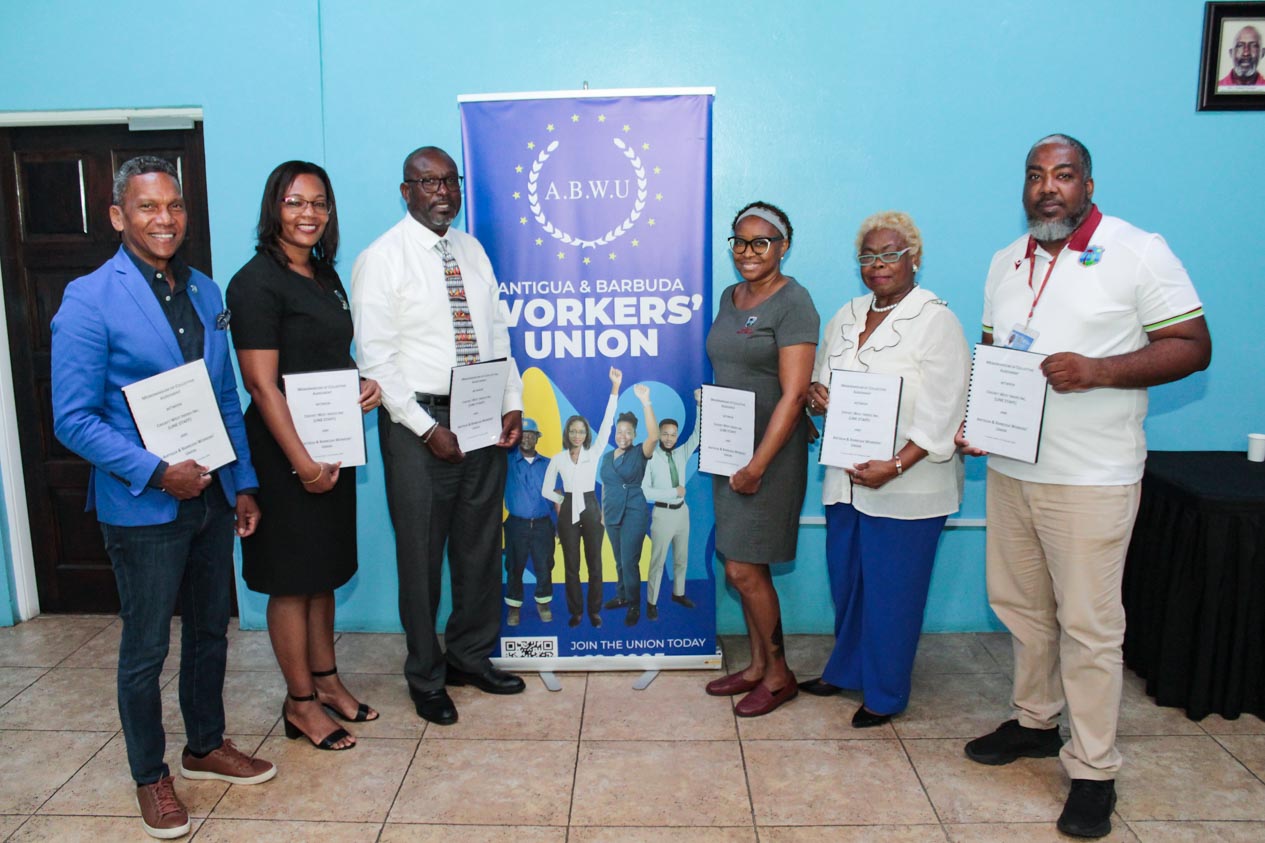
    Cricket West Indies, the governing body for professional cricket across the Caribbean region, has made history by rolling out a groundbreaking employee leave policy that grants three additional paid days off annually to staff experiencing debilitating symptoms related to menstruation, menopause, and age-related health issues.

    This policy change comes as workplaces globally are increasingly re-evaluating outdated leave structures that have long ignored the specific health needs of people experiencing menstrual pain, severe menopausal symptoms, and mobility or wellness challenges linked to older age. Prior to this update, Cricket West Indies’ standard leave package did not allocate separate paid time off for these specific health concerns, leaving many staff to choose between showing up to work unwell or using their general sick leave for these targeted needs.

    Industry analysts note that this move positions Cricket West Indies as a pioneer in employee wellness within international sports administration. The policy is designed to reduce the stigma around open discussions of menstrual and menopausal health, while also acknowledging that age can bring unique physical challenges that require flexible accommodation. Employees will be able to access these extra days without invasive medical checks or unnecessary bureaucratic hurdles, making the policy both accessible and supportive for all eligible staff.

    Reaction from workplace equality advocates has been largely positive, with many noting that this sets a new standard for sports organizations worldwide to follow. While some critics argue that additional leave days could create operational challenges for smaller administrative teams, Cricket West Indies has indicated that it has planned for this adjustment in its annual budgeting and staffing framework, confident that the long-term benefits of improved employee wellbeing and retention will outweigh any short-term operational adjustments.

  • Sports minister urges more private sector support for netball

    Sports minister urges more private sector support for netball

    Saint Lucia’s national netball team has stunned local sports fans by withdrawing from the 2027 Netball World Cup Americas Qualifier scheduled to take place next month in Barbados, a decision rooted in persistent funding gaps that sports officials and government leaders say can only be fixed through expanded private sector support. The country’s Youth Development and Sports Minister Kenson Casimir laid out the government’s position during Monday’s pre-Cabinet press briefing, aligning fully with the stance of Netball Saint Lucia, the sport’s local governing body.

    In an exclusive conversation with local outlet St Lucia Times, Netball Saint Lucia president Sanya Antoine explained that the federation exhausted all efforts to raise the capital needed for travel and event participation but fell well short of the required target. She issued a public call for stepped-up engagement from Saint Lucia’s business community, a plea that Casimir has publicly backed. Minister Casimir emphasized that securing long-term, reliable sponsorship and financing for any national sport depends on building broader public and private buy-in, a challenge that netball in particular has yet to overcome.

    “Right now, our biggest hurdle is getting more leaders from the commercial sector, and even everyday Saint Lucians, to actively invest in and support netball,” Casimir told reporters. “Our moving forward will focus on expanding the commercial footprint of the sport – to put it plainly, we need to make netball more attractive to draw the sustained private investment we need to compete internationally.”

    Antoine echoed this framing, noting that private investors expect clear returns when they back a sporting property, and that the federation’s core priority right now is building that marketable product. “If an investor puts money into netball, they need to see what value they gain from that partnership,” she explained. “It is our job to build that valuable product, and that is exactly what we are working to do right now.”

    Casimir pushed back against any assumption that the national government can cover the full cost of sending every national team to every international competition, pointing to the 2024 Central American and Caribbean (CAC) Games as a recent example of the government’s existing commitment. While the CAC Games were organized by the Saint Lucia Olympic Committee, the government contributed significant funding through the National Lotteries to support the national delegation, which went on to secure a historic bronze medal – a result Casimir said the entire country is proud of.

    “Honestly, government simply cannot cover 100 percent of the costs for every team that wants to compete in every international event,” Casimir said. “We would love to be able to give every athlete the chance to compete on the global stage, but we have not been able to establish a steady, consistent revenue stream that allows us to fully fund every national team to the level they need.”

    Looking ahead, the minister confirmed that his ministry is ready to partner with national governing bodies for underfunded sports including netball, basketball, and volleyball to help them build more appeal for commercial sponsors. While he promised the government will continue to contribute as much as it can, he repeated that a mixed funding model with substantial private sector support is the only sustainable path forward for growing these sports and supporting international competition. The withdrawal from the 2027 World Cup qualifiers has put a renewed spotlight on the need for systemic change to support niche national sports in Saint Lucia.

  • Hotels Get Step-by-Step Guide for Introducing AI at Work

    Hotels Get Step-by-Step Guide for Introducing AI at Work

    As artificial intelligence continues to reshape global industries, the Caribbean’s $59 billion tourism economy is taking a proactive step to prepare its workforce for the digital future. The Caribbean Hotel and Tourism Association (CHTA) has unveiled the latest addition to its industry-leading AI resource collection: *AI Workforce Transformation Guide for Caribbean Hospitality: Practical Strategies for People Management, Learning and Leadership*, the third volume of the association’s popular AI Guidebook Series.

    Unlike generic AI resources that overlook the unique needs of the region’s tourism sector, this new guide is tailored specifically to Caribbean hospitality businesses, which rely on the balance of operational efficiency and the iconic warm, personalized guest experience that draws millions of visitors to the region each year. It fills a critical gap in industry resources by centering workforce impacts of AI adoption, a topic that many early AI guides for hospitality have largely ignored.

    CHTA President Sanovnik Destang emphasized the dual nature of artificial intelligence for the regional tourism sector in his remarks on the guide’s launch. “AI presents an important opportunity for Caribbean hospitality, but its value will ultimately depend on how our industry uses it to support its people and strengthen its businesses,” Destang said. “This guide is designed to help our members move from understanding AI to applying it responsibly: improving productivity, supporting their teams, and preserving the warmth and personal connection that define Caribbean hospitality.”

    The guide is structured into two interconnected sections that build from foundational understanding to actionable implementation. The first section, *Understanding AI in Workforce Transformation*, breaks down how AI is reshaping job roles, required skill sets, and core people management practices across hotels, resorts, and tourism businesses. It also addresses critical underdiscussed topics including ethical governance, responsible adoption frameworks, and the leadership competencies needed to lead teams through digital transition.

    The second section, *An Implementation Guide: Turning Strategy into Action*, goes beyond theoretical discussion to provide hospitality leaders with actionable, ready-to-use tools. These resources include customizable templates for an organizational ethical AI charter, AI algorithm bias audit protocols, third-party AI vendor evaluation scorecards, AI pilot project plans, and return on investment calculators. The guide also supplements these templates with step-by-step implementation road maps, progress checklists, real-world regional case studies, and sample organizational policies to help businesses integrate AI into daily operations smoothly.

    Currently, a public preview of the guide, featuring key insights and an overview of the new edition, is available for free access to all industry stakeholders on CHTA’s official website. Full access to the complete guide, including all downloadable implementation templates and practical resources, is exclusive to CHTA members through the association’s member portal. Organizations interested in joining CHTA to access this guide and the association’s growing library of industry resources can learn more through the membership page on CHTA’s website or contact the association’s membership team directly for more information.

  • LIVE FROM 11AM: Press Conference Independence Celebrations 2026

    LIVE FROM 11AM: Press Conference Independence Celebrations 2026

    The World Health Organization (WHO) has published its latest 2025 Global Childhood Obesity Observatory report, revealing a sharp upward trend in childhood overweight and obesity rates across low- and middle-income countries over the past decade. The report estimates that by 2025, more than 39 million children under the age of five are living with overweight or obesity globally – a 10 million increase from figures recorded in 2015.

    Data shows that the fastest growth is occurring in the African region, where childhood overweight rates have risen by 8% since 2000, outpacing growth rates in all other WHO regions. Experts attribute this sharp increase to a combination of factors, including the rapid expansion of ultra-processed food marketing targeted at children, increasing urbanization that has reduced opportunities for active play, and inadequate access to affordable nutritious food in low-income communities.

    “What we are seeing is a silent public health emergency that is unfolding right in front of our eyes,” said Dr. Maria Chen, WHO’s Director of Nutrition for Health and Development, in a press briefing launching the report. “Childhood obesity does not just affect a child’s physical health in the short term. It increases their risk of developing chronic conditions like type 2 diabetes, cardiovascular disease, and certain cancers later in life, and it also has significant impacts on mental health and educational outcomes.”

    The report calls on governments around the world to implement coordinated, multi-sectoral policy actions to reverse this trend. Key recommendations include implementing restrictions on marketing of unhealthy foods and beverages to children, introducing mandatory front-of-package warning labels, improving access to affordable fresh fruit and vegetables in underserved communities, and integrating nutrition education into early childhood education curricula.

    Dr. Chen emphasized that the problem is solvable with timely, committed action. “If countries act now to implement these evidence-based policies, we can cut childhood obesity rates by 25% by 2030,” she said. “But delay will only lead to higher public health costs, greater burden on health systems, and a generation of children facing life-limiting health conditions.”

  • St. Kitts and Nevis Moves to Let Overseas-Born Grandchildren Become Citizens

    St. Kitts and Nevis Moves to Let Overseas-Born Grandchildren Become Citizens

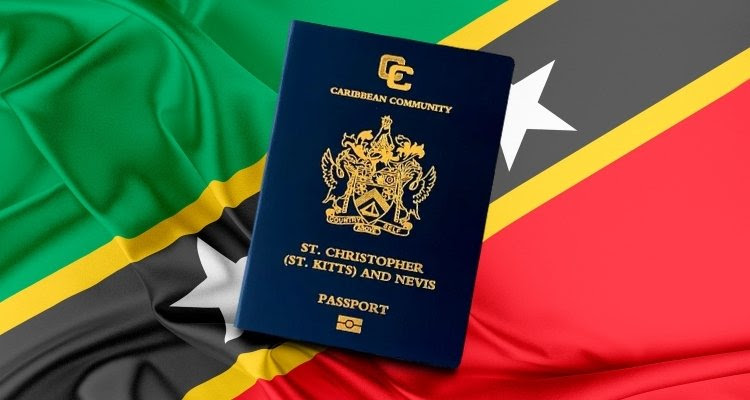
    After decades of advocacy from overseas communities, the Cabinet of Saint Christopher and Nevis has given formal approval to table the long-awaited Citizenship (Amendment) Bill 2026 before the National Assembly. If enacted, the landmark legislation will create new eligibility pathways for adult descendants of the country’s founding citizens who were born abroad, resolving a longstanding inequity in the nation’s citizenship laws that has stood since independence in 1983.

    Under the current framework outlined in Saint Kitts and Nevis’ Constitution, automatic citizenship by descent is only extended to people born overseas if one of their direct parents was born within the Federation. Adults born in subsequent generations – those who can trace citizenship eligibility only through a grandparent who gained citizenship at independence in September 1983, or whose parent became a citizen by descent rather than birth – have previously been locked out of any legal route to claim citizenship. The gap has disproportionately impacted members of the country’s large global diaspora, who have campaigned for reform across multiple successive national administrations.

    Diaspora advocates have raised the issue consistently for more than 40 years, through formal correspondence with government officials, engagement with Saint Kitts and Nevis’ overseas diplomatic missions, and advocacy work through diaspora and family community groups. Most recently, the pressure culminated in a formal petition submitted directly to the National Assembly in 2025, which pushed the current administration to advance the legislative reform.

    Acting Prime Minister Dr. Geoffrey Hanley emphasized that the bill directly responds to the decades-long calls from overseas communities. “This Bill corrects a gap that has existed since 1983 and our diaspora have asked for this for a long time, and this Administration has listened,” Hanley stated. He clarified that the new eligibility rules are targeted and regulated, not an open pathway for all people with distant ancestry: “The pathway is a defined one. An adult born after Independence whose parent or grandparent became a citizen at Independence may apply, subject to proof and security screening. It is not a general claim based on ancestry.”

    Two illustrative examples demonstrate how the reform will change outcomes for eligible diaspora members. First, a 23-year-old woman born in Hamilton, Bermuda, whose grandfather was born in Dieppe Bay, Saint Kitts, was previously denied citizenship because the Constitution only extends automatic descent rights to children of parents born in the Federation. Her mother was also born in Bermuda, leaving her with no existing eligibility. Under the new grandparent-focused pathway in the bill, she will be able to submit an application supported by her grandfather’s birth certificate.

    The second example involves a 30-year-old man born in New York City in 1996. His father was born in Brooklyn in 1965, and gained Saint Kitts and Nevis citizenship at independence because his own mother (the man’s grandmother) was born in Gingerland, Nevis. When the man was a child, his father was eligible to apply to register him for citizenship, but failed to do so before the man turned 18 – when the minor eligibility lapsed. Under the new bill, the man can now submit an application in his own right based on his father’s citizenship status.

    The bill is scheduled to have its first reading in the National Assembly on September 18, 2026. If passed by legislators, the government will draft implementing regulations that outline the official application form, required supporting documentation, and application fees. The amendment will officially go into effect on a date set by the responsible government minister, and full details of the application process will be published publicly before the application window opens.

    In the lead-up to the process launching, government officials have advised eligible members of the diaspora to begin collecting and authenticating their family historical records, including birth, marriage and citizenship documents. Officials have also stressed that applications cannot be accepted until the government formally announces the opening of the application portal, to avoid processing delays and confusion.

  • American charged with firearm, ammunition offences

    American charged with firearm, ammunition offences

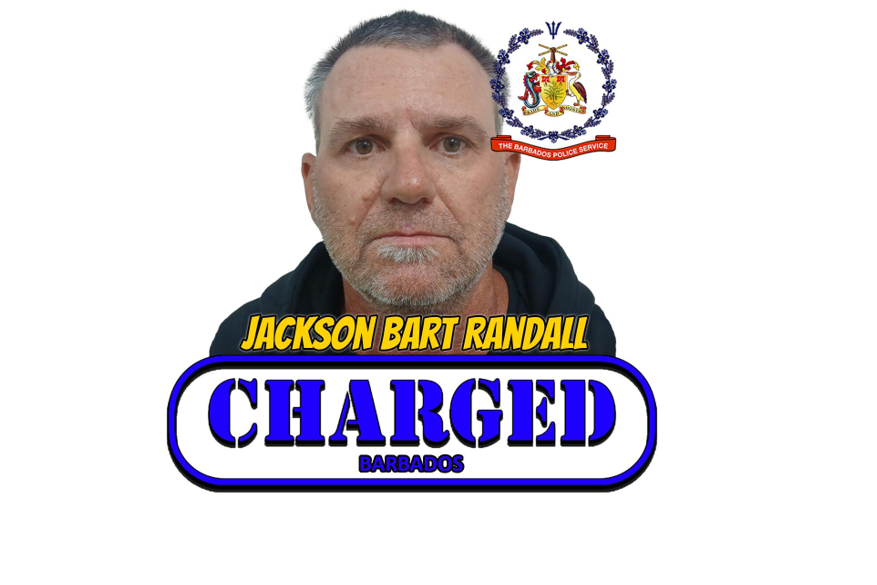
    A 47-year-old man from the United States is scheduled to make his first court appearance Wednesday in Barbados, facing two criminal charges related to illegal possession of a weapon and ammunition. Jackson Bart Randall, a resident of Lake Havasu, Arizona, was formally charged this week by detectives from the Criminal Investigations Department (South Division) of the Barbados Police Service, after law enforcement wrapped up an initial probe into the alleged offense. Prosecutors allege that Randall was found in illegal possession of one unregistered firearm and seven live rounds of ammunition during an encounter with officers this past Monday. Following processing by law enforcement, the accused is set to appear before the District ‘B’ Magistrates’ Court to answer to the charges against him, marking the opening of the legal process in this cross-border criminal case.

  • Elections : Strengthening women’s participation in political life

    Elections : Strengthening women’s participation in political life

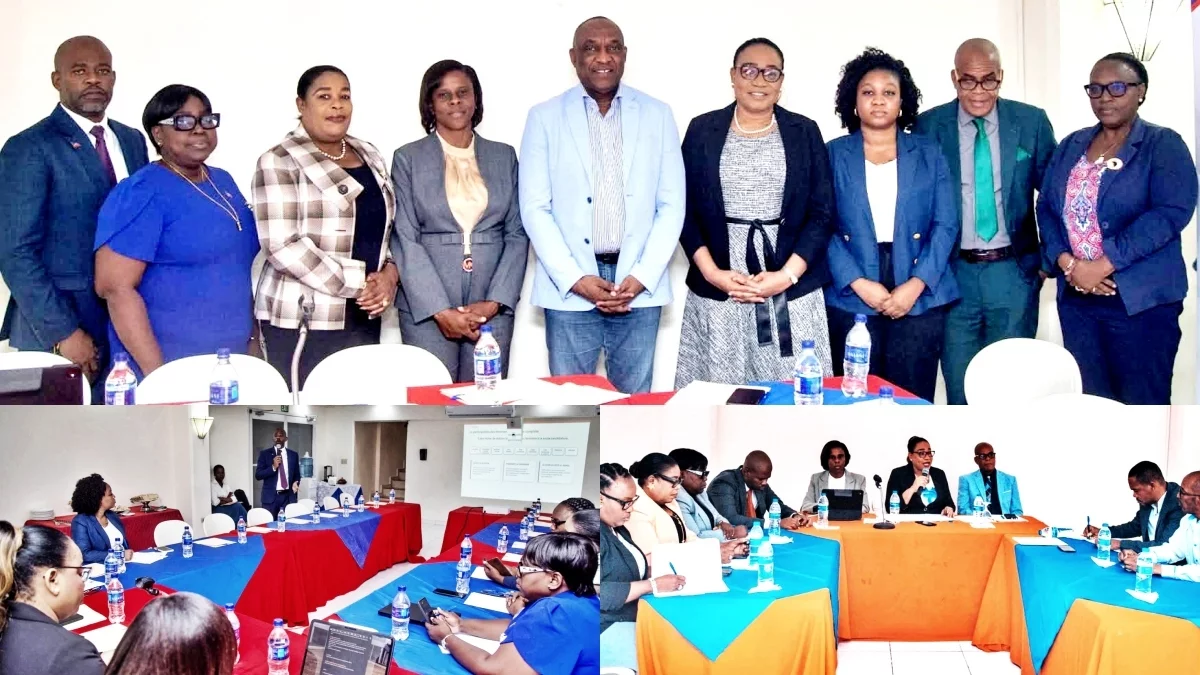
    Against a long-standing backdrop of gender imbalance in Haitian governance, the country’s Ministry of the Status of Women kicked off a landmark three-day series of cross-party consultations on September 14, 2026, aimed at cementing greater female representation in the upcoming national elections. Hosted at Pétion-Ville’s Hotel Montana, the initiative carries a clear, ambitious goal: securing commitments from all major political forces to deliver at least 30 percent female participation across every stage of the electoral process.

    The opening day of talks drew senior representatives from five of Haiti’s most prominent political organizations. Attendees included former Senator Joseph Lambert of Konbit Nasyonal (KONA), former Deputy Ketel Jean Phillipe of the Organisation du Peuple en Lutte (OPL), and delegations from the DEBLOKE party, LAPEH, and the An Avan Pou Ayiti coalition. In her welcoming address to the gathered stakeholders, Women’s Affairs Minister Pedrica Saint Jean praised the cross-party turnout, framing collective commitment to expanding women’s political access as a non-negotiable pillar of a healthy, representative democracy. Saint Jean underscored that inclusive access to decision-making roles does not just advance gender equity—it strengthens the legitimacy and responsiveness of Haiti’s governing institutions as a whole.

    Following the opening remarks, attorney Mosler Georges led a detailed walkthrough of the newly updated electoral decree, centering the 12 key articles that contain provisions designed to remove barriers for female candidates. The session broke down both the new legal opportunities opened to women and the formal obligations placed on political parties to identify, nurture, and support women seeking public office. From there, open discussions turned to actionable strategies to streamline the process of recruiting, registering, positioning, and protecting female candidates ahead of polling day.

    Participants did not shy away from acknowledging the deeply rooted challenges that continue to suppress women’s political advancement in Haiti. Attendees collectively identified consistent difficulties in recruiting women to run for office, compounded by a lack of sufficient financial and logistical backing for female candidates, widespread political insecurity that disproportionately discourages women from participating, and persistent harmful social norms that frame political leadership as a male-only domain. Political organization representatives also emphasized that beyond temporary candidate recruitment, long-term investment is needed to build a sustained pipeline of trained, qualified women ready to assume elected office and leadership roles across government.

    The first day closed with a synthesis of key takeaways and an outline of priorities for the remaining sessions. On September 15, the second day of consultations expanded the conversation to include another slate of major political stakeholders, including former Senator Youri Latortue of the Ayiti An Avan (AAA) party, former Minister-Delegate Patrick Sully Joseph of the COPPOS-Haïti & Allies coalition, Djina Guillet Delatour, former Director of the National School Canteen Program, representing the Delivrans party, and representatives from the Engagés pour le Développement (EDE) and KAPAB political groups.

    Saint Jean opened the second day by reaffirming the core mission of the consultations, noting that while persistent structural barriers continue to block women’s access to electoral politics, their full inclusion remains an essential foundation of a legitimate democratic process. She framed the multi-day dialogue as a critical collaborative space: by bringing political actors to the table, the ministry can gain a clearer on-the-ground understanding of the challenges female candidates face, and co-design targeted support mechanisms for women planning to stand in the upcoming vote.

    Georges repeated his deep dive into the new electoral decree’s gender equity provisions on the second day, once again highlighting the 12 key articles (numbered 22, 27, 30, 37, 45, 108, 114, 122, 139, 140, 142, and 158) that shape requirements and opportunities for female participation. The presentation sparked fresh, targeted discussions between the ministry and party representatives on how to implement the decree’s provisions effectively, and what structural changes are needed to create more accessible conditions for women to run competitive campaigns.

    As of September 16, the consultation series entered its final day, with additional political parties and groupings joining the conversation to wrap up planning for the initiative. When complete, the talks are expected to produce a shared roadmap for delivering on the 30 percent participation target, laying the groundwork for the most gender-inclusive electoral cycle in Haiti’s recent history.

  • BREAKING: PAHO Opens Access to Twice-Yearly HIV Prevention Injection in 14 Countries

    BREAKING: PAHO Opens Access to Twice-Yearly HIV Prevention Injection in 14 Countries

    In a landmark move aimed at transforming HIV prevention across the Americas, the Pan American Health Organization (PAHO) has announced the widespread rollout of a groundbreaking twice-yearly injectable pre-exposure prophylaxis (PrEP), expanding access to this life-changing intervention across 14 countries in the Latin American and Caribbean region. This expansion marks a critical step forward in addressing long-standing gaps in HIV prevention, offering a highly effective, low-burden alternative to daily oral PrEP that has the potential to drastically reduce new infection rates among at-risk populations.

    Unlike daily oral pills, which require consistent adherence that can be challenging for many people to maintain over time, the long-acting injectable version only needs to be administered twice a year. This discreet, convenient format removes many of the structural and social barriers that have prevented millions of people from accessing consistent HIV prevention, including stigma around daily medication use, difficulty remembering daily doses, and limited access to regular pharmacy refills.

    The 14 countries participating in the initial rollout span the Caribbean and South and Central America, a region that has seen stubbornly persistent HIV transmission rates in recent decades, particularly among key populations including sex workers, men who have sex with men, transgender people, and young people living in high-prevalence areas. PAHO officials have emphasized that expanding access to this new prevention tool is central to the region’s goal of ending the AIDS epidemic as a public health threat by 2030, a target aligned with United Nations Sustainable Development Goals.

    The rollout is supported by partnerships between global health funding bodies, national ministries of health, and local community organizations, which are working together to train healthcare workers, scale up distribution networks, and outreach to at-risk communities who stand to benefit most from the intervention. Public health experts note that this expansion represents not just a technological win for HIV prevention, but a major equity win, bringing an innovative, high-impact health tool to a region that has often been left behind in the global rollout of new medical innovations.

  • Recognizing the warning signs of a stroke and acting quickly can save a life

    Recognizing the warning signs of a stroke and acting quickly can save a life

    As one of the top global causes of permanent disability and mortality, stroke demands urgent public awareness of its warning signs, according to leading medical experts at the Mayo Clinic. Early recognition of symptoms and immediate access to emergency care, professionals emphasize, can drastically alter a patient’s long-term prognosis, preserving brain function and saving lives in the process.

    “When it comes to stroke care, time lost equals brain lost,” explains Dr. Josephine Huang, a board-certified neurologist based at Mayo Clinic’s Florida campus. “Every minute a patient waits to receive care raises the risk of irreversible brain damage. The quicker we can intervene, the higher the likelihood we can cut long-term disability and set patients up for a stronger recovery.”

    A stroke occurs when the supply of oxygen-rich blood to the brain is interrupted. This interruption stems from one of two causes: a blocked artery that cuts off circulation, or uncontrolled bleeding within the brain tissue. Both classifications of stroke require urgent medical assessment, as timely intervention has been proven to dramatically boost recovery outcomes and lower the risk of lasting impairment, experts confirm.

    Stroke symptoms typically emerge with little warning, and common indicators include sudden facial drooping on one side of the face, unexpected weakness or numbness in an arm or leg, slurred or garbled speech, difficulty understanding or forming language, sudden changes to vision, dizziness, and sudden loss of coordination or balance. To help the public easily recall these critical warning signs, Mayo Clinic specialists developed the accessible BE FAST mnemonic:
    – **B (Balance)**: Sudden difficulty maintaining balance or coordinating movements
    – **E (Eyes)**: Sudden blurry vision, partial vision loss, or complete vision loss in one or both eyes
    – **F (Face)**: Drooping or numbness that leaves one side of the face uneven when smiling
    – **A (Arm)**: Sudden weakness or numbness that causes one arm to drift downward when raised
    – **S (Speech)**: Slurred speech or trouble understanding what others are saying
    – **T (Time)**: Call emergency services immediately if any of these signs appear, even if they fade on their own

    Rapid medical intervention works to restore blood flow to the brain before permanent damage sets in. Mayo Clinic experts emphasize that emergency assessments must begin the moment symptoms are noticed, rather than waiting to see if symptoms fade or worsen. For ischemic strokes, which are caused by a blood clot blocking brain circulation, care providers have multiple effective intervention options, including clot-dissolving thrombolytic medications and minimally invasive thrombectomy procedures to physically remove the blockage.

    “Minimally invasive clot removal is a game-changing intervention for many patients,” Dr. Huang notes. “Using image guidance, doctors thread a thin guidewire through a patient’s blood vessel directly to the clot, extract it, and immediately restore normal blood flow to the affected area of the brain.”

    For hemorrhagic strokes, which occur when a blood vessel ruptures and causes bleeding in the brain, treatment priorities shift to controlling elevated blood pressure, reversing the effects of anticoagulant medications if the patient takes them, and in some cases, performing emergency surgery to relieve dangerous pressure on the brain tissue.

    Beyond acute treatment, experts also stress that proactive prevention plays a central role in reducing stroke incidence. A range of controllable risk factors raise an individual’s chance of having a stroke, including chronic high blood pressure, type 2 diabetes, tobacco use, obesity, high cholesterol, a sedentary lifestyle, and atrial fibrillation. According to Mayo Clinic data, as many as 90% of all strokes can be prevented through targeted management of these risk factors and sustained adjustments to daily lifestyle habits.

    To lower long-term stroke risk, specialists recommend routine preventive health screenings, consistent daily physical activity, and a nutrient-dense balanced diet. “Identifying underlying risk factors early and ensuring they receive appropriate, ongoing management makes an enormous difference in stopping a stroke before it ever occurs,” Dr. Huang says.