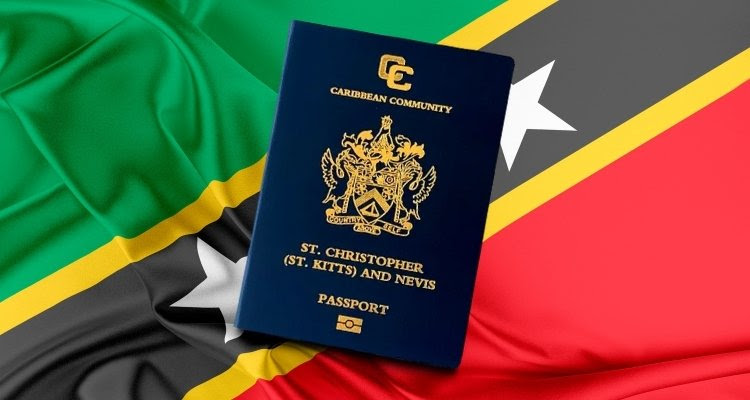
After decades of advocacy from overseas communities, the Cabinet of Saint Christopher and Nevis has given formal approval to table the long-awaited Citizenship (Amendment) Bill 2026 before the National Assembly. If enacted, the landmark legislation will create new eligibility pathways for adult descendants of the country’s founding citizens who were born abroad, resolving a longstanding inequity in the nation’s citizenship laws that has stood since independence in 1983.
Under the current framework outlined in Saint Kitts and Nevis’ Constitution, automatic citizenship by descent is only extended to people born overseas if one of their direct parents was born within the Federation. Adults born in subsequent generations – those who can trace citizenship eligibility only through a grandparent who gained citizenship at independence in September 1983, or whose parent became a citizen by descent rather than birth – have previously been locked out of any legal route to claim citizenship. The gap has disproportionately impacted members of the country’s large global diaspora, who have campaigned for reform across multiple successive national administrations.
Diaspora advocates have raised the issue consistently for more than 40 years, through formal correspondence with government officials, engagement with Saint Kitts and Nevis’ overseas diplomatic missions, and advocacy work through diaspora and family community groups. Most recently, the pressure culminated in a formal petition submitted directly to the National Assembly in 2025, which pushed the current administration to advance the legislative reform.
Acting Prime Minister Dr. Geoffrey Hanley emphasized that the bill directly responds to the decades-long calls from overseas communities. “This Bill corrects a gap that has existed since 1983 and our diaspora have asked for this for a long time, and this Administration has listened,” Hanley stated. He clarified that the new eligibility rules are targeted and regulated, not an open pathway for all people with distant ancestry: “The pathway is a defined one. An adult born after Independence whose parent or grandparent became a citizen at Independence may apply, subject to proof and security screening. It is not a general claim based on ancestry.”
Two illustrative examples demonstrate how the reform will change outcomes for eligible diaspora members. First, a 23-year-old woman born in Hamilton, Bermuda, whose grandfather was born in Dieppe Bay, Saint Kitts, was previously denied citizenship because the Constitution only extends automatic descent rights to children of parents born in the Federation. Her mother was also born in Bermuda, leaving her with no existing eligibility. Under the new grandparent-focused pathway in the bill, she will be able to submit an application supported by her grandfather’s birth certificate.
The second example involves a 30-year-old man born in New York City in 1996. His father was born in Brooklyn in 1965, and gained Saint Kitts and Nevis citizenship at independence because his own mother (the man’s grandmother) was born in Gingerland, Nevis. When the man was a child, his father was eligible to apply to register him for citizenship, but failed to do so before the man turned 18 – when the minor eligibility lapsed. Under the new bill, the man can now submit an application in his own right based on his father’s citizenship status.
The bill is scheduled to have its first reading in the National Assembly on September 18, 2026. If passed by legislators, the government will draft implementing regulations that outline the official application form, required supporting documentation, and application fees. The amendment will officially go into effect on a date set by the responsible government minister, and full details of the application process will be published publicly before the application window opens.
In the lead-up to the process launching, government officials have advised eligible members of the diaspora to begin collecting and authenticating their family historical records, including birth, marriage and citizenship documents. Officials have also stressed that applications cannot be accepted until the government formally announces the opening of the application portal, to avoid processing delays and confusion.