博客

  • Tent Bay assessment ‘underway’ as fishers await haul-out facility

    Tent Bay assessment ‘underway’ as fishers await haul-out facility

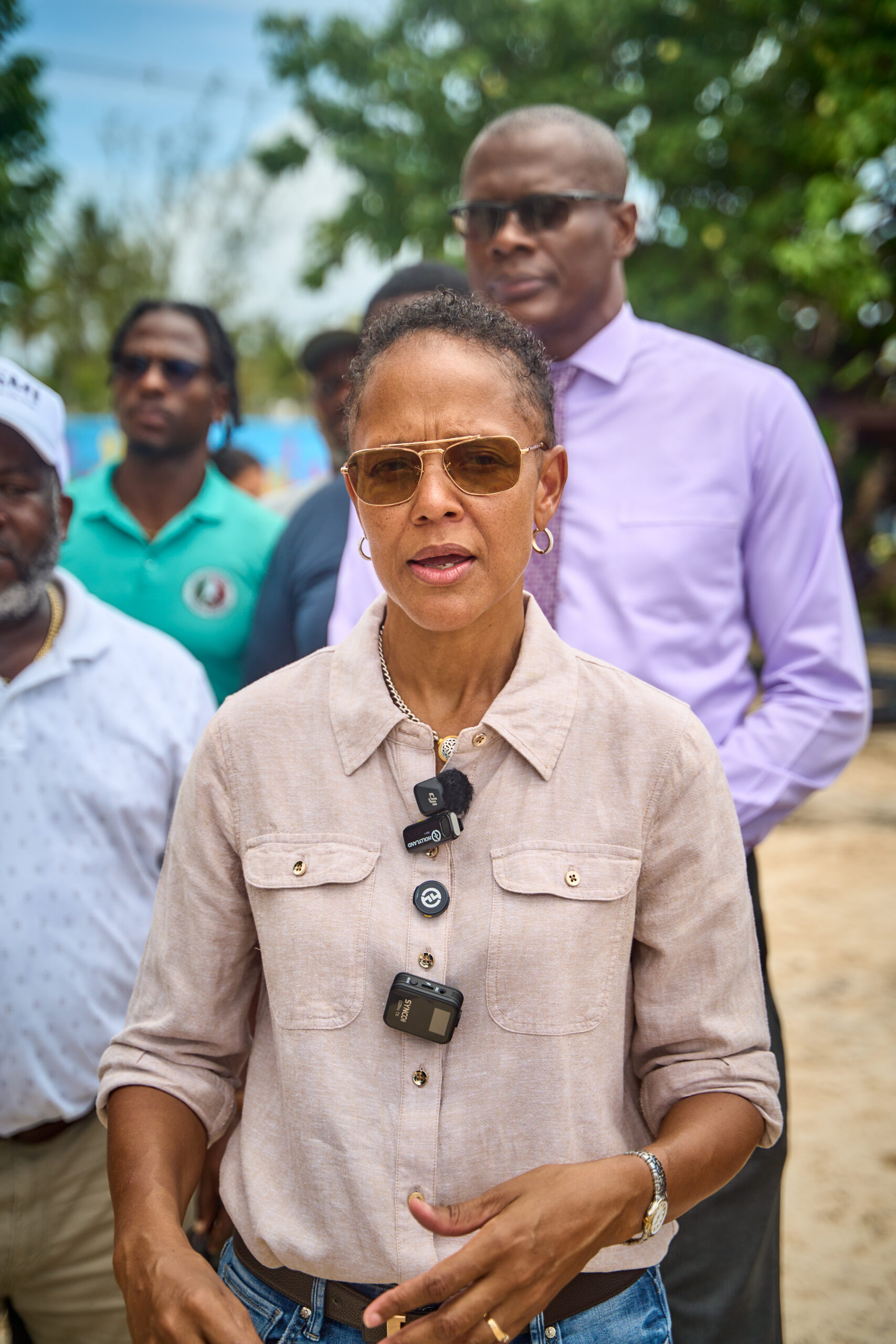
    Barbados’ Deputy Prime Minister and Minister of Fisheries Santia Bradshaw has formally confirmed that technical and fisheries teams are currently conducting a full assessment to map out the required scope of work and projected funding for restoring the aging haul-out facilities at Tent Bay, a move that comes after local fishing representatives raised urgent alarms over accelerating shoreline erosion and repeated structural failures of existing infrastructure last month.

    The official review was triggered after Moonesh Dharampaul, president of the Black Fin Fleet Co-operative Society, publicly highlighted the growing risks fishers face from disappearing shoreline and the lack of functional, safe facilities to pull vessels out of the water. Bradshaw noted that the Fisheries Division has partnered with engineering experts from the Scotland District road infrastructure project to evaluate the site and outline a clear path forward, building on her past experience leading the public works portfolio when the Scotland District upgrade was first launched.

    “The chief fisheries officer and our entire fisheries team are on the ground working through every detail of the Tent Bay situation,” Bradshaw explained in a recent statement. “Given my previous role at the Ministry of Public Works, I know that the Scotland District project team, which oversaw the regional road upgrade, has deep local knowledge of this coastline, so our officials are now in active discussions with both the ministry and the project leadership to address the concerns that fishers have brought forward.”
    Bradshaw emphasized that the Tent Bay site has a decades-long history of failed engineering attempts to support local fishing and marine traffic. She revealed that multiple haul-out structures have been constructed at the location over the years, but past projects likely skipped critical preliminary geotechnical and coastal assessments, resulting in repeated structural collapse that has left the facility unusable for many fishers today.

    Complicating the restoration effort, the original Scotland District road upgrade initiative never included allocations or planning for marine infrastructure improvements at Tent Bay, meaning a full independent assessment is required before any public funding can be allocated to the project. “The Scotland District project was always focused on road improvements, not haul-out facility upgrades, so our fisheries team has to start from scratch to figure out exactly what this site needs, and how much public investment will be required to properly restore it,” Bradshaw said.

    The minister also cautioned that any immediate work at Tent Bay must be balanced against the island’s broader national budget constraints and existing commitments to large-scale coastal infrastructure projects across Barbados. The government currently has active maritime infrastructure upgrades underway at multiple sites, including Conset Bay, where a contract for a new boat yard facility has already been awarded, alongside planned upgrades to the local community centre and the main landing site and associated buildings.

    Bradshaw made clear that the Mia Mottley administration cannot address every long-standing gap in the country’s maritime infrastructure in a single budget cycle, and appealed to Tent Bay’s fishing community for patience as the government works through competing priorities. “We simply can’t deliver upgrades to every facility across the island all at once,” she stated. “We’ve asked stakeholders to understand that we face both operational capacity limits and significant financial constraints that require us to phase projects. Even the planned upgrades to the Oistins facility required securing international funding to move forward, which demonstrates the scale of the investment we’re working with.”

    While Bradshaw reaffirmed that Tent Bay’s restoration remains on the government’s long-term list of priorities, she noted that immediate national focus has shifted to post-disaster recovery work following Hurricane Beryl, and to expanding safe shelter facilities for fishing vessels along vulnerable coastlines to prevent repeated destruction during future severe weather events.

    “Tent Bay is absolutely on our radar, but right now we have prioritized sites that suffered severe damage from Hurricane Beryl, as well as coastal locations on the eastern side of the island that can provide safe harbour for large numbers of fishing vessels,” she explained. “If another storm like Beryl hits, we need to give boat owners the ability to pull their vessels up onto safe shore along the eastern coast, so we don’t see a repeat of the widespread vessel destruction we saw last year.”
  • PM Browne Says Criminal Migrants Will Be Deported As Police Probe Recent Violence

    PM Browne Says Criminal Migrants Will Be Deported As Police Probe Recent Violence

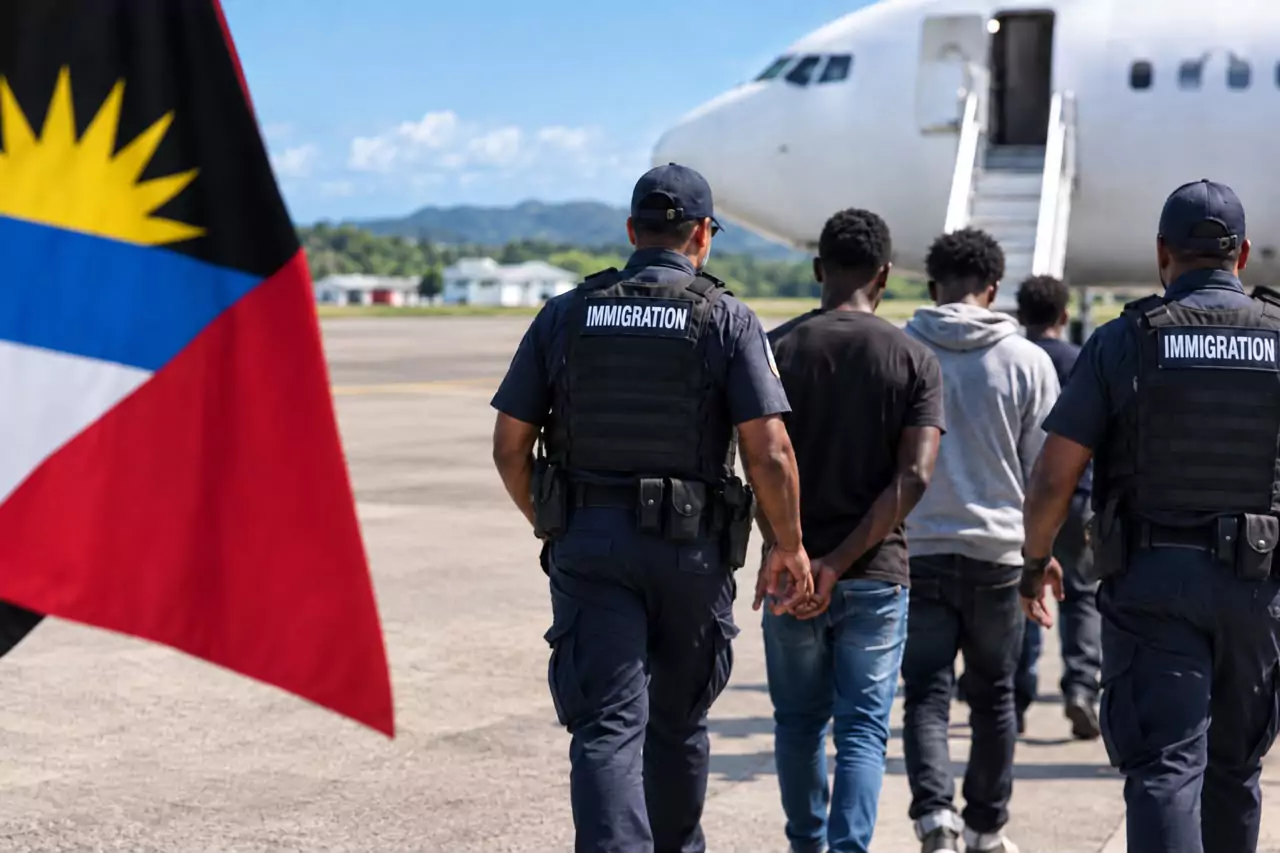
    The prime minister of Antigua and Barbuda, Gaston Browne, has drawn a hard line against transnational criminal activity, making clear that the twin-island nation will never serve as a safe haven for foreign nationals linked to serious violent offenses. His comments come on the heels of a string of high-profile violent incidents that have put public safety at the top of the national agenda, including a fatal shooting in the community of Swetes and an armed robbery at a service station along Buckleys Line. Browne noted that law enforcement agencies have recently flagged growing concerns over criminal involvement by a small subset of Jamaican nationals, but he was quick to clarify that these observations do not reflect negatively on the broader Jamaican community residing in Antigua and Barbuda. The prime minister emphasized that the government has a longstanding policy of welcoming and supporting citizens from across the CARICOM bloc, including granting citizenship and social support to eligible migrants. Law-abiding Jamaican residents and citizens, he confirmed, will continue to enjoy full state protection and all the rights afforded to people living in the country. For those who do engage in serious criminal activity, however, Browne warned that deportation will be a clear consequence. This zero-tolerance approach is not new, the prime minister added: authorities have already removed multiple foreign nationals suspected of criminal activity in recent operations, including citizens from Trinidad and Tobago, St Vincent and the Grenadines. One Jamaican national is already facing charges connected to the recent Buckleys Line service station robbery, he confirmed. Turning to the fatal shooting in Swetes, Browne shared that preliminary findings from law enforcement point to the killing being drug-related, though he acknowledged that investigations are still ongoing and details remain subject to change. Most importantly, the prime minister stressed that this strict enforcement policy applies equally to criminal offenders from every country around the world, with no exceptions made based on nationality or origin. The announcement marks a clear push by the Antigua and Barbuda government to curb cross-border crime and reassure residents that public safety remains a core priority.

  • Farmers feel the heat as drought threat grows

    Farmers feel the heat as drought threat grows

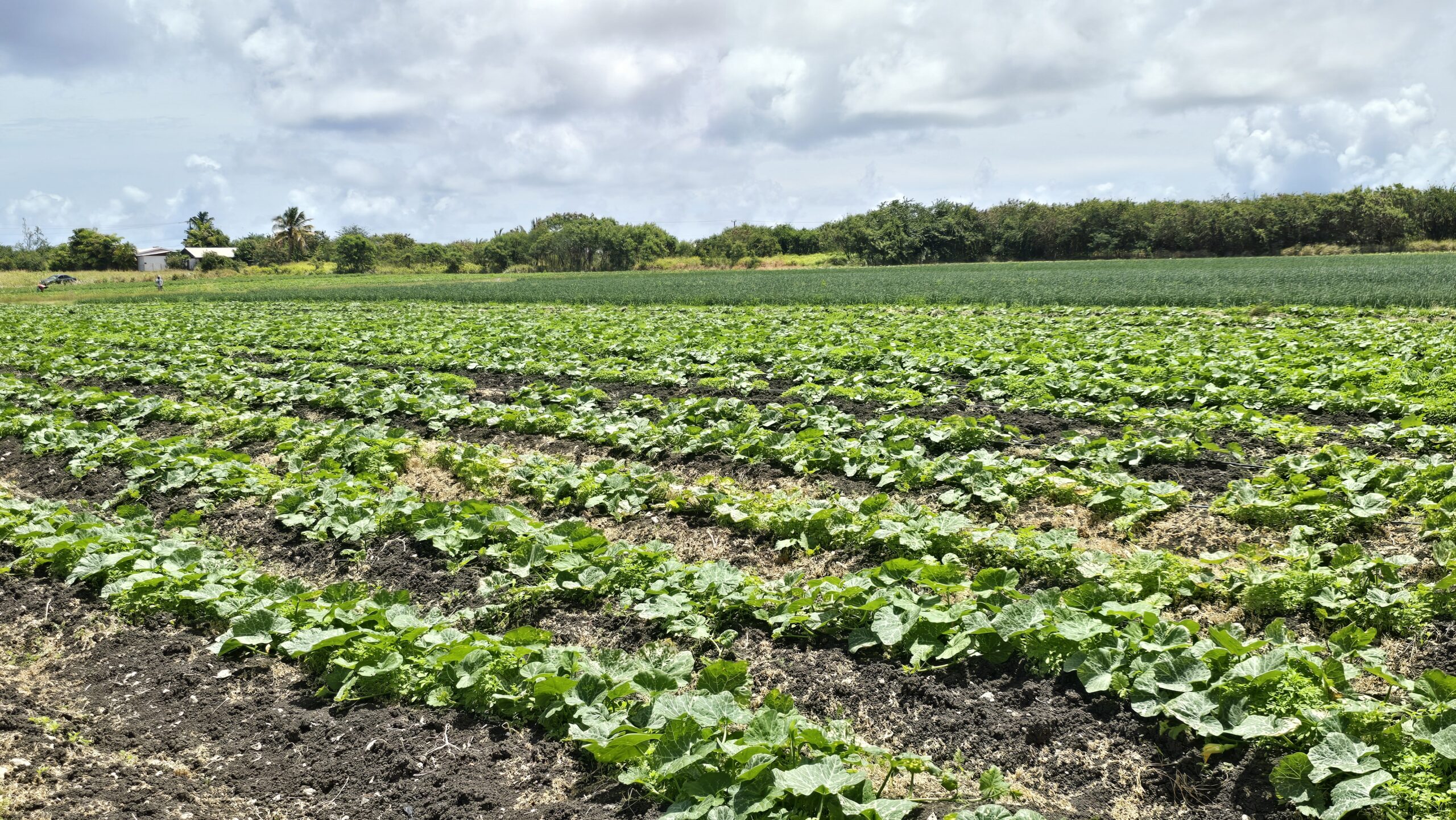
    A groundbreaking UNICEF-commissioned climate report has delivered a stark warning for the Caribbean nation of Barbados, projecting that by the middle of this century, the island could face extended stretches of moderate to severe drought lasting up to four months every year. This looming climate shift threatens to intensify the mounting pressure on local food production, compounding the water scarcity, extreme heat damage, and declining harvests that Barbadian farmers already grapple with on a daily basis. What is more alarming is that on-the-ground conditions reported by local producers already align with the study’s dire mid-century forecasts, signaling climate change is progressing faster than many anticipated.

    The analysis, officially titled *Child-Centred Climate Analysis for Building Resilience*, was commissioned by the UNICEF Eastern Caribbean Area Office and carried out by independent sustainability research firm Meru Labs. The study covered Barbados and five other neighboring Eastern Caribbean island nations, with researchers identifying Barbados and Grenada as the two most vulnerable to worsening drought patterns. Current baseline data shows moderate to severe drought occurs 21% of the time annually, but the report projects that by 2050, that figure will rise enough to bring three to four months of such dry conditions each year on average.

    The ramifications of this shift for Barbados’ agricultural sector and overall national climate resilience are severe. The study cites existing research showing major, repeated drought events can cut total national food production by between 20% and 40%, a drop that would directly compromise the Caribbean region’s already precarious food security. Beyond agricultural and economic impacts, the report also warns that recurring climate shocks carry unique long-term risks for children, including higher rates of malnutrition and widespread disruptions to education caused by failing school water and sanitation systems.

    Local farming leaders have already confirmed that the negative impacts outlined in the report are no longer a distant future threat. Ronald Moore, secretary of the St George Farmers Cooperative, explained that member producers have already seen dramatic production declines driven by unrelenting heat stress and inconsistent, scattered rainfall. “Production has clearly reduced,” Moore explained in an interview. “There’s a big difference between groundwater and rainwater. From the time the rain falls, you see the plants perform way better, the growth is faster, and you get a more solid structured fruit or vegetable. We are seeing smaller yields for sure, and in some cases, you are getting a lot of heat damage.” Moore added that even with consistent groundwater irrigation, extreme atmospheric heat negates any benefits, saying: “No matter how you water, it is just the humidity that you’re experiencing that causes the plants to wither and sometimes cook.” He recounted the story of one local grower who lost an entire two-acre tomato crop to heat stress: the plants reached maturity without producing any flowers at all, a total failure directly tied to above-ground temperatures that are too high for reproductive growth.

    These worsening growing conditions have forced many small-scale producers to completely overhaul their planting strategies, with many abandoning water-intensive vegetable crops entirely. “Root crops are definitely down, tremendously down,” Moore noted. “Things like beets and carrots are, to some extent, almost non-existent because carrots especially need a lot of water. A lot of people are not planting carrots at all.” Smallholders that rely entirely on rainfall for irrigation are being pushed to the edge of financial viability, with scattered short downpours offering only temporary relief that is not enough to sustain steady crop growth. “The downpours we’re getting don’t last for very long and aren’t consistent,” Moore said. “Even if you get a heavy downpour for a few hours and then get periods of days afterwards with little to no rain, it puts the plant in a lot of stress, and you’re not getting the yield that you want.”

    Other producers say operational cost increases have compounded the challenges of adapting to harsher weather patterns. Hamilton Corbin, a small-scale producer operating as Samuel Corbin by His Precious Hands, noted that irrigation costs naturally spike during extended dry periods, and argued that long-term proactive moisture conservation strategies are needed to adapt to increasingly unpredictable rainfall. “When temperatures increase, we have to try to look at doing a bit more mulching,” Corbin said. He expressed frustration with the nation’s reactive approach to recurring dry seasons: “We usually wait till we have these drier conditions to try to put things in place to mitigate it. When we have good rains, we usually forget about droughts. I think we’ve got to be a little bit more proactive and show more urgency about this matter.” Corbin is calling on local authorities to speed up development of long-discussed agricultural water catchment infrastructure, warning that without reliable water storage systems, producers will remain completely vulnerable to the whims of a changing climate.

    Peter Alleyne, president of the Fruit and Vegetable Division at the Barbados Agricultural Society (BAS), echoed this call, noting that consistent access to irrigation water remains the top priority for producers in major farming districts including St Lucy, St Philip, and Gibbons in Christ Church. “The farmers are crying out for more water,” Alleyne said. “The government is doing what it has to do to help farmers, but the wells can only give so much water at present. If they have a desalination plant, they could be pumping water from the sea, or using brackish water for irrigation.” Alleyne also recommended that farmers immediately adopt protective practices such as mulching with organic grass and leaf matter to cool soil and support healthy germination and growth, noting that even recent scattered rains that replenish underground aquifers are quickly evaporated by extreme post-storm sunshine. “The sun comes out double hot afterwards and dries out the earth really, really fast,” he explained.

    Right now, the Barbados Water Authority and the Ministry of Agriculture are exploring long-term recycled water initiatives for agricultural use, but farmers still face a highly uncertain future. As Moore observed, if water supplies tighten further under prolonged climate stress, national water priorities will inevitably prioritize domestic human consumption over agricultural use. “Domestic use is going to be looked after first because it’s all about people’s survival,” Moore reflected. “Something will have to give, and we have to wait and see how it plays out.”

  • St Brice: Give young people real say in climate decisions

    St Brice: Give young people real say in climate decisions

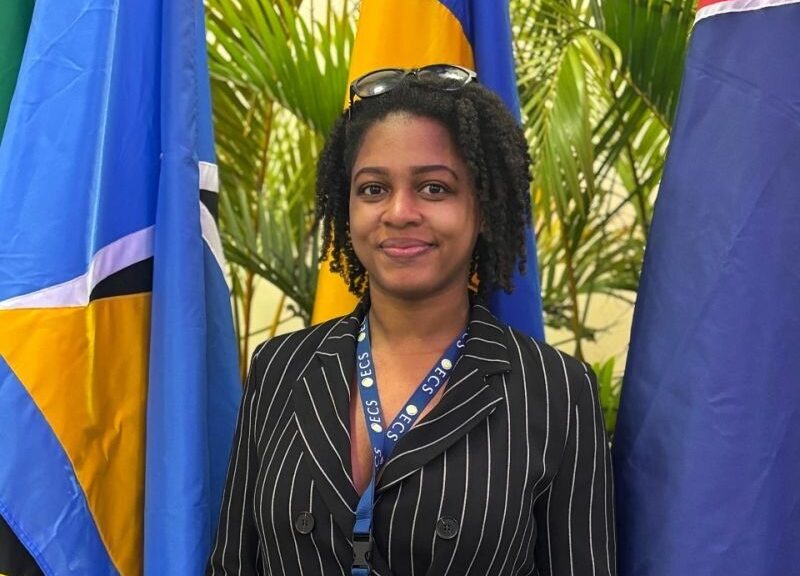
    On a Wednesday morning at Rodney Bay’s Bay Gardens Hotel, a prominent young climate leader from Saint Lucia made a forceful call to redefine how young people are included in global and regional climate action, arguing that token representation at decision-making tables is no longer acceptable. Kezia St Brice, president of the regional youth organization Climate and Health Action for the Rising Generation (CHARGE), delivered her remarks during the official launch of a new UNICEF-commissioned report, the *Child-Centered Climate Analysis for Building Resilience*, which focuses on climate vulnerability across six Eastern Caribbean nations: Barbados, Dominica, Grenada, St Kitts and Nevis, Saint Lucia, and St Vincent and the Grenadines.

    St Brice pushed back against the common practice of inviting young stakeholders to climate discussions only after major policy decisions have already been finalized, emphasizing that young people are already navigating the daily harms of climate change and actively developing community-level solutions. “They must be part of the conversations from the start. Our responsibility is to ensure that the participation is meaningful, not just a seat at the table, but a voice at the table, not just a voice, but influence, and not just influence, but action,” she told attendees. Unlike older generations that have contributed most to greenhouse gas emissions but will not live with the long-term impacts, young people are already bearing the brunt of climate breakdown today, she noted.

    Across Eastern Caribbean communities, St Brice pointed out, young people are already leading the way: organizing local climate action campaigns, educating their peers about climate risks, designing context-appropriate solutions, and holding decision-makers accountable by asking tough questions that older leaders often avoid.

    The youth advocate also highlighted that children and young people experience climate disasters differently than adults, with impacts that extend far beyond the immediate event itself. A single flood, for example, can force students to miss days or even weeks of school; a hurricane-damaged home can leave families displaced; disrupted local livelihoods can push households into food insecurity; and repeated climate shocks erode children’s long-term sense of safety, harm their educational progress, limit future opportunities, and shape the trajectory of their entire lives. These disparities, she argued, mean climate action cannot be separated from conversations about global development, equitable opportunity, and intergenerational justice. “The child who has the least ability to influence a climate crisis can often be amongst those who experience its greatest consequences,” she said.

    The landmark UNICEF report underscores this vulnerability: its analysis finds that more than one-third of all children, schools, and healthcare facilities across the six study countries are already located in zones exposed to at least three separate climate hazards, including hurricanes, flooding, and sea-level rise. By the middle of the 21st century, that share is projected to grow dramatically as climate change accelerates. To address this growing risk, the report outlines a framework for action across four core priority areas: anticipatory pre-disaster action, shock-responsive social protection systems to support vulnerable families after disasters, structural investments in long-term community resilience, and systemic fiscal transformation to fund climate adaptation.

    For small island developing states like those in the Eastern Caribbean, which are on the frontlines of climate change despite contributing almost nothing to global emissions, resilience cannot be an afterthought added to policy plans at the last minute, St Brice stressed. Instead, it must be embedded into every level of governance, community planning, public investment, education systems, and national development strategy. She also pushed back against the misconception that proactive climate preparedness is a form of defeatism. “Preparedness is not pessimism,” she said. “Preparing our young people for climate-related challenges does not mean we are giving up on their future. It means we believe their future is worth protecting.”

    With the report now published, St Brice emphasized that tangible action must follow, warning that data and recommendations on a page cannot deliver real change on their own. “A report cannot strengthen a school. A statistic cannot feed a family after a disaster. A recommendation cannot protect a child unless it is translated into action,” she said. She went on to challenge regional governments and global stakeholders to turn the report’s findings into policy, rather than letting it collect dust on a shelf. “Will this study sit on a shelf? Or will it sit at the table when policies are developed, budgets are prepared, programmes are designed, and decisions are being made?” she asked. “The greatest value of this work will not be measured by the number of pages in the reports. It will be measured by what we do with what we have learned.”

    Shifting focus to long-term impact, St Brice noted that climate action must center on empowering the next generation, not just preparing for the next storm. “What can we teach today that will empower a young person to become part of the solution tomorrow?” she asked. Following the official launch of the report, UNICEF and the Caribbean Disaster Emergency Management Agency (CDEMA) hosted a two-day workshop for regional journalists, designed to strengthen media coverage of climate change, disaster risk, and the specific impacts of these crises on children.

  • Nieuw handboek met procedures financieel beheer commissariaten

    Nieuw handboek met procedures financieel beheer commissariaten

    After a decade since its last major overhaul, a revised framework for local financial governance has officially been delivered to Suriname’s regional development authorities and district commissioners, marking a key step to streamline bureaucratic processes and align local financial practices with modern administrative needs.

    The refreshed Budget, Finance and Management (BFB) handbook was formally transferred on September 15 to the Ministry of Regional Development (RO), district commissioner leadership, and relevant administrative stakeholders. Jennyfer Jozefzoon-Wachter, deputy director of the Sub-directorate for District Governance and Decentralization (ODDD), led the handover ceremony, presenting the document to RO Minister Miquella Huur, RO Director Mavrick Boejoekoe, and Patrick Kensenhuis, dean of the College of District Commissioners.

    According to Jozefzoon-Wachter, the updated manual equips district commissioners with clear, practical guidance to carry out their day-to-day financial management responsibilities effectively. The last revision of the core BFB handbook dates back to 2016, meaning the prior framework had not been updated to reflect 10 years of shifts in administrative priorities, regulatory requirements, and local governance demands.

    Kensenhuis expressed strong approval of the revised handbook, noting that the update addresses longstanding operational bottlenecks for district leadership. Previously, limited and outdated financial frameworks constrained commissioners’ ability to deliver local services and implement planned projects. The new guidelines expand operational flexibility, giving local officials greater latitude to execute their mandated work.

    The full revision process was led by the interdepartmental BFB Revision Commission, which brought together senior staff from both the Ministry of Regional Development and the Ministry of Finance and Planning to ensure the new guidelines align with national budget rules and local administrative realities. Beyond district commissioners, the updated framework is also designed to strengthen support for district administrators, who handle day-to-day financial execution at the local level.

    Key contents of the new BFB handbook include standardized procedures for revenue collection and public fund disbursement, updated reporting requirements for spending plan disclosures, and clear mandatory standards for the annual policy plans that each district commission is required to submit to the Ministry of Regional Development for approval. Officials expect the updated guidelines to cut red tape, reduce procedural confusion, and improve transparency and accountability in local public financial management across Suriname.

  • Antigua and Barbuda Parliament Sitting Postponed to September 28

    Antigua and Barbuda Parliament Sitting Postponed to September 28

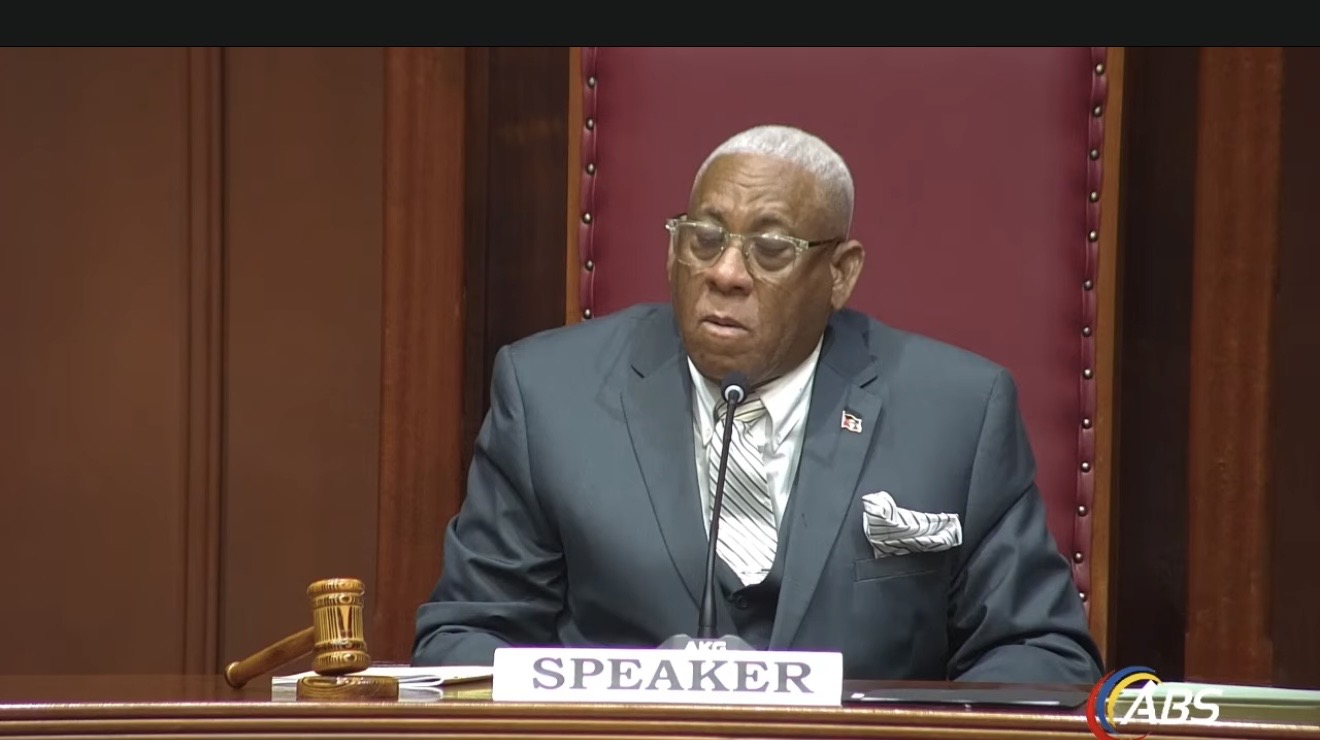
    A last-minute schedule shift has altered plans for the next parliamentary sitting in Antigua and Barbuda, pushing the gathering from its original September 18 date to September 28, according to an official announcement from Maurice Merchant, the nation’s Director General of Communications. Merchant confirmed the adjustment during a press briefing held immediately after this week’s Cabinet meeting on Thursday, but offered no public explanation for why the delay was ordered.

    Despite the change in timeline, the upcoming sitting is set to tackle a slate of high-priority policy issues touching public safety, social welfare and public health that have been in preparation for months. Among the most closely watched items is a planned review of the country’s Child Justice Act, where government officials are expected to outline updated positions on a divisive policy question: whether juveniles charged with firearms violations and other major violent offenses should face trial in adult court, rather than being routed away from formal judicial processes through diversion programs.

    Lawmakers will also deliberate on sweeping changes to sexual offense sentencing rules, designed to crack down on repeat offenders. The Cabinet has already thrown its support behind a proposal tabled by Prime Minister Gaston Browne to consider chemical castration as a sentencing option for serial sexual offenders, alongside discussions of stiffer prison terms and heavier financial penalties for these crimes.

    In addition to justice reform, Social Transformation Minister Rawdon Turner will update parliament on progress toward establishing a new dedicated care facility. The site is intended to house children removed from unsafe household environments and women fleeing intimate partner abuse, addressing a longstanding gap in the country’s social support infrastructure.

    Mental health system overhaul is another key item on the tentative agenda. The Cabinet has recently approved a $95,000 USD contribution to a technical cooperation partnership with the Pan American Health Organization (PAHO) that will back the rollout of new national mental health legislation, expand community-focused treatment programs, train clinical and administrative workforces, and upgrade national mental health crisis response capacity. Merchant noted that drafting work on a new, updated Mental Health Bill has already advanced substantially, bringing the reform effort closer to a parliamentary vote. As of the post-Cabinet briefing, the full formal agenda for the September 28 sitting has not been made public.

  • Falcons Storm Into First CPL Final With Nine-Wicket Rout of Guyana

    Falcons Storm Into First CPL Final With Nine-Wicket Rout of Guyana

    BRIDGETOWN, Barbados — In a stunning display of controlled aggression and clinical execution that has rewritten Caribbean Premier League (CPL) record books, the Antigua and Barbuda Falcons have secured their maiden berth in the tournament’s grand final after steamrolling the Guyana Amazon Warriors by a nine-wicket margin in Thursday night’s Qualifier 1 at Kensington Oval.

    The clash, which will go down as one of the most one-sided playoff matches in CPL history, saw the Falcons’ bowling attack tear through Guyana’s batting line-up to dismiss the Amazon Warriors for a paltry total of 76 all out. The Falcons then chased down the tiny target in just 5.2 overs, ending the contest at 77 for one with a staggering 88 balls left unused in their innings. This lopsided win marks the second-fastest completed victory in the 10-year history of the CPL.

    Two Pakistani international stars spearheaded the Falcons’ bowling demolition: Shadab Khan and Sufyan Moqim combined to claim all but two of the ten Guyana wickets, with each bowler finishing with four wickets apiece.

    The match started deceptively for the Amazon Warriors, who reached 34 for the loss of just one wicket by the end of the mandatory Powerplay overs. But the bottom fell out of their innings in spectacular fashion after Shadab Khan triggered a historic collapse, claiming a hat-trick by removing key batters Shimron Hetmyer, Mehidy Hasan Miraz and Quentin Sampson off three consecutive deliveries.

    From a relatively stable 40 for two, Guyana crumpled to 49 for nine in quick succession. A late-order 27-run stand between pace bowlers Romario Shepherd and Shamar Joseph pushed the final total past 75, but the damage had already been done. Shadab closed his devastating spell with figures of four wickets for just 16 runs, while Moqim was even more economical, taking four wickets for 13 runs to round out the attack’s dominance.

    When it came to chasing the modest target, Antigua and Barbuda opening batter Rahkeem Cornwall made sure the Falcons did not spend any unnecessary time at the crease. The home-grown talent bludgeoned 49 runs off only 16 deliveries, smashing six sixes and three fours to take the Falcons to the brink of victory. He fell just one run short of a half-century, but by that point the Falcons had already reached 76 on the scoreboard, leaving just one run to get.

    Opener Evin Lewis closed out the chase unbeaten on 23, wrapping up the victory after only 32 deliveries from the Falcons’ batters.

    The lopsided win guarantees the Falcons a direct spot in Sunday’s CPL final, which is scheduled to take place on September 20 at Kensington Oval. They will await the winner of Qualifier 2, which will be contested between the defeated Guyana Amazon Warriors and the Jamaica Kingsmen for the second final spot.

  • KLM houdt rekening met krimp en verlies van banen richting 2030

    KLM houdt rekening met krimp en verlies van banen richting 2030

    Dutch flag carrier KLM has outlined four distinct future scenarios to prepare for the evolving aviation landscape through 2030, with one option including a scaled-down operational model featuring a reduced fleet and significant job cuts. The scenarios are not final decisions, but exploratory frameworks designed to help the airline proactively adapt to industry shifts as it works to secure its long-term international competitiveness. According to aviation industry outlet Luchtvaartnieuws, carrier leadership has concluded that waiting for changes to unfold is not viable if KLM intends to retain its position as a major global airline.

    The scenarios cover a range of core strategic priorities for the airline, including long-term financial stability, workforce structuring, sustainability progress, and KLM’s ongoing operational footprint in the Netherlands. One scenario explores deeper integration within the broader Air France-KLM group, while another maps out a transformative restructuring that would shrink KLM’s overall size through fleet reductions and workforce cuts. Company representatives emphasize that all four are still exploratory, and no final pathway has been selected.

    KLM CEO Marjan Rintel argues that proactive planning is critical, given the speed of industry change that often leaves little room for reactive adjustments. The scenarios are not intended as concrete predictions, Rintel notes, but as a tool to identify potential opportunities, risks, and strategic tradeoffs before the company commits to a long-term direction.

    The release of the future scenarios comes as KLM reports improving short-term financial results, but warns that progress to date has not been enough to build the structural financial strength the carrier needs. In its first half 2026 results published recently, KLM posted total revenue of €6.9 billion, an 8% increase compared to the same period in 2025. Its operating result hit €68 million, representing a €92 million improvement from the first half of 2025. These gains follow the carrier’s ongoing “Back on Track” improvement program, which delivered €315 million in cost savings during the first six months of the year.

    Even with these positive short-term movements, KLM has sounded the alarm over persistent headwinds including rising operational costs, cutthroat global competition, and ongoing geopolitical uncertainty that creates widespread market instability. “One strong six-month period does not make KLM structurally strong,” Rintel said of the results, echoing the carrier’s view that more change is needed to secure long-term resilience.

    Dutch trade union FNV has issued a critical response to the release of the exploratory scenarios, with aviation publication Up in the Sky reporting that the union says the four frameworks lack a clear overarching strategic direction for KLM. FNV’s primary concern centers on the potential impact of the downsizing scenario on employment across the Netherlands, with union leaders warning that widespread job cuts would have severe knock-on effects for Dutch aviation workers and local economies.

    The planning process for these 2030 scenarios was first announced earlier in 2026, when KLM revealed during the release of first quarter results that it would co-develop future pathways alongside employees and key stakeholders. At that time, the airline framed the work as a necessary step to control costs and rebuild the structural resilience of the business.

    Ultimately, the four scenarios are intended to help KLM leadership map out what strategic decisions are required to keep the airline financially healthy and globally competitive through the end of the decade. As of now, no final decision on which pathway the carrier will pursue has been made, and the full impacts on the company’s fleet and workforce remain undetermined.

  • COP GETS $343,000

    COP GETS $343,000

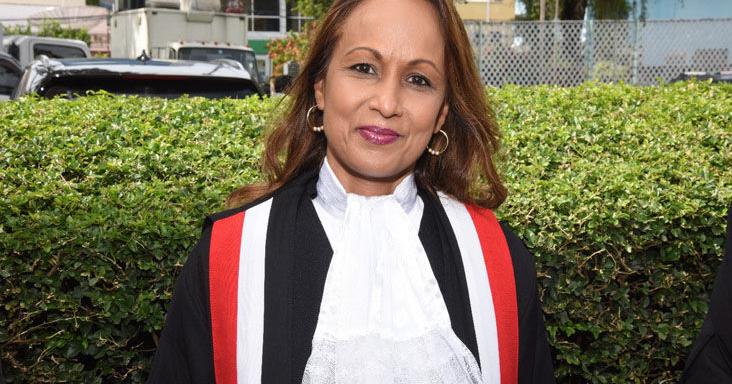
    A years-long case of unlawful administrative action against a police officer has concluded with a landmark High Court ruling that vindicates the rights of public employees and reinforces constitutional safeguards against punitive action without due process. After more than four years of unpaid suspension that never resulted in criminal charges or formal disciplinary proceedings, Police Constable Miguel Jaikaran Singh has been granted more than $343,800 in compensatory damages by Justice Margaret Mohammed, who ruled that his extended suspension was illegal, unconstitutional, and had devolved into an unapproved penalty.

    Singh was attached to the now-disbanded Special Operations Response Team (SORT) when he was placed on suspension effective January 13, 2022. The suspension was tied to an investigation into the 2021 in-custody deaths of Andrew Morris and Joel Balcon, two men arrested in connection with the high-profile kidnapping and murder of Andrea Bharatt. Court records show that Singh and other SORT officers were taken into custody and questioned over the deaths in April 2021, but Singh was released shortly after and never faced any criminal charges or formal disciplinary action connected to the case.

    In her sweeping ruling, Justice Mohammed outlined multiple failures on the part of the Police Commissioner that rendered the suspension invalid from the start. First, the official suspension notice failed to meet the mandatory requirements of Regulation 152, as it provided Singh no clear details of the allegations against him. The judge noted that the evidence presented to the court contained no specification of the offense Singh was accused of committing, no rationale for the commissioner’s suspicion, and no justification for the suspension on grounds of public interest or protecting the reputation of the Police Service. “The claimant was suspended without being provided with any clear reasons for his suspension, which is unlawful,” Mohammed wrote in her judgment.

    Beyond the flawed initial notice, the court found that the commissioner never conducted any regular review of Singh’s suspension over the entire four-year period. Legal frameworks for police suspensions outline that such a measure is only intended to be a temporary, interim step ahead of planned criminal or disciplinary proceedings, not a permanent status. The commissioner’s argument that an open investigation justified holding Singh on suspension indefinitely was rejected outright by the court.

    Most critically, Justice Mohammed ruled that the extraordinary length of Singh’s suspension transformed a temporary administrative measure into a de facto punishment, which directly violates section 129(4) of the national Constitution. That constitutional provision explicitly states that no penalty may be imposed on a public servant outside of formal disciplinary proceedings. “The effect of the claimant’s suspension without the instituting of any disciplinary proceedings or the institution of any criminal charge for over four years has made the claimant’s suspension indefinite which has the effect of making it into a penalty,” the judgment explained.

    While Singh continued to receive his base salary during the suspension, he was stripped of multiple work-related allowances. The court awarded him $263,802.56 to compensate for the lost allowances, which included commuted overtime, plain clothing, and meal benefits. An additional $80,000 was granted to cover non-pecuniary harm: Singh documented significant mental distress, public embarrassment, and professional humiliation stemming from the four-year limbo of his unproven suspension.

    Justice Mohammed ultimately quashed the Police Commissioner’s December 29, 2021 suspension decision, declaring the entire measure illegal, null, void, and without legal effect. She also ordered the commissioner to cover all of Singh’s legal costs incurred throughout the case. Singh was represented by attorneys Gerald Ramdeen and Dayadai Harripaul, while the commissioner was represented by a legal team including Jinai Chong Sing, Janique Mitchell, Rachel Wright, and Justay Guerra.

  • Martin: Crime  fight will not  end after SoE

    Martin: Crime fight will not end after SoE

    After four months of heightened security measures and two parliamentary extensions, the state of emergency first declared in Trinidad and Tobago earlier this year officially expired at midnight yesterday. First proclaimed on March 2, 2026, and implemented the following day, the emergency order has been a core national security strategy aimed at curbing crime across the twin-island nation, with its scope extended twice by lawmakers – first for an initial short-term extension on March 13, followed by a further three-month extension granted on June 10.

    In an official audio address released immediately following the expiration, Deputy Commissioner of Police (Operations) Suzette Martin moved quickly to reassure residents that the end of the emergency declaration does not signal a retreat from the Trinidad and Tobago Police Service’s (TTPS) core mission of protecting the public.

    “With the conclusion of the state of emergency, I want to be clear to all people of Trinidad and Tobago: the TTPS remains ready, visible, and fully responsive to community safety needs,” Martin stated. “The end of this emergency order is not the end of our commitment to public safety. It simply marks a transition to a long-term, sustainable policing model that is led by intelligence and centered on community partnerships.”

    The new policing framework, which carries forward under the ongoing Operation Watchtower 2026, will be anchored by three newly commissioned micro police units, launched yesterday at strategic locations: Tarouba, Grand Bazaar, and the Eddie Hart Ground in Tacarigua. These small, agile units are designed to boost uniformed police presence across high-traffic areas, cut response times to emergency calls, strengthen targeted intelligence gathering, deepen local community engagement, and enable focused operations against criminal activity.

    “Our guiding principle is straightforward: we must maintain a visible presence, we must remain alert to emerging threats, and we must always be ready to act,” Martin added.

    Emphasizing that sustainable public safety cannot be delivered by law enforcement alone, Martin issued a public call for ongoing collaboration between the TTPS, ordinary residents, civil society groups, and other key stakeholders. “Building safer communities requires shared responsibility and active partnership,” she noted. “We need members of the public to keep engaging with our officers, sharing vital information that helps us disrupt criminal activity, and working side-by-side with us to protect our neighborhoods. We also need continued collaboration from our national security partners, government agencies, local authorities, private sector leaders, and community organizations to sustain this progress.”

    Martin also extended formal gratitude to the rank-and-file officers of the TTPS and partner agencies for their relentless work throughout the state of emergency. “To every man and woman serving in the TTPS, I offer my deepest appreciation for your service, your unwavering commitment, and the personal sacrifices you made throughout the state of emergency. I also thank our core partner agencies, the Trinidad and Tobago Prison Service and Trinidad and Tobago Defence Force, along with every stakeholder that stood with us in this national security effort. Your service matters, your partnership matters,” she said.

    Concluding her address, Martin reaffirmed that the TTPS’s new approach will remain rooted in the rule of law, evidence-based practice, professional standards, and respect for the communities the force serves. “The state of emergency may have drawn to a close, but our responsibility to protect the public never ends. The watch continues. And working together – police and community – we will keep pushing forward to build a safer Trinidad and Tobago for all,” she said.