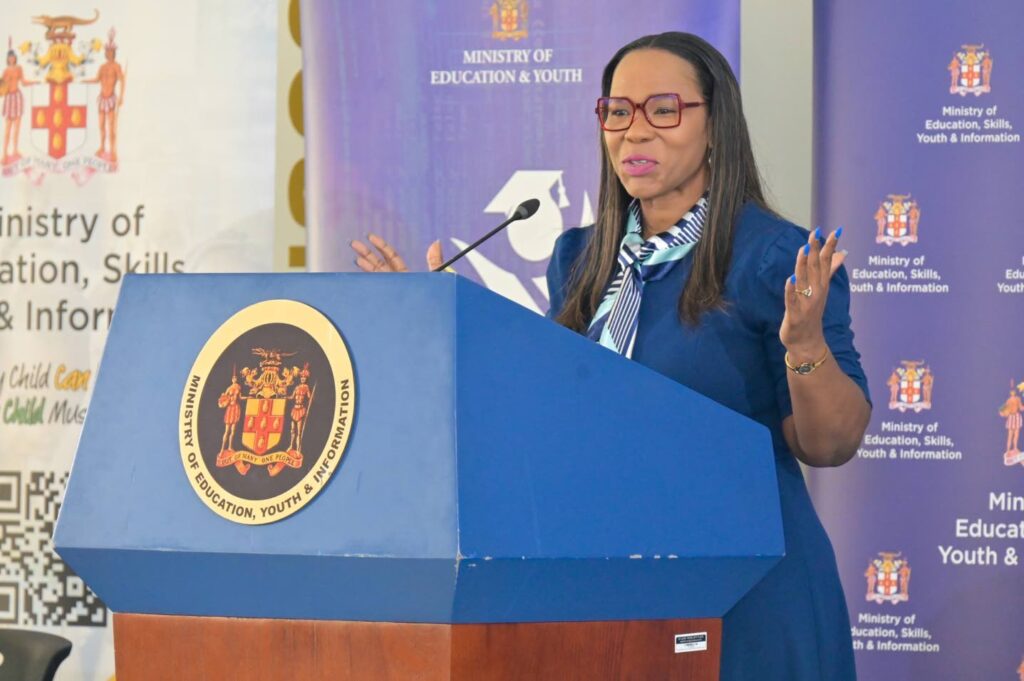
Jamaica’s education system faces a persistent challenge in overcoming student reluctance to utilize guidance counselling services, according to Dr. Kasan Troupe, Permanent Secretary at the Ministry of Education, Skills, Youth and Information. Speaking at Thursday’s Education Transformation Oversight Committee quarterly briefing at Shortwood Teachers’ College, Dr. Troupe identified deeply entrenched trust issues stemming from misconceptions about confidentiality as the primary barrier.
The official, drawing from her nine years of experience as a guidance counsellor at The Queen’s School, provided candid insights during a session prompted by a student’s question from Immaculate Conception High School. Dr. Troupe acknowledged the profession has long struggled with perceptions of trustworthiness while explaining the complex ethical dilemmas counsellors face.
A critical misunderstanding revolves around the non-absolute nature of confidentiality in counselling relationships. Dr. Troupe clarified that guidance professionals operate within strict ethical boundaries that sometimes require disclosure—particularly when students express intentions of self-harm or pose safety concerns. “When a student reveals plans to hurt themselves,” she explained, “the counsellor assumes an additional responsibility to engage other stakeholders for protection purposes. While this may appear as a confidentiality breach, it constitutes a professional obligation.”
The Ministry recognizes that traditional counselling approaches don’t suit all students, especially those uncomfortable with face-to-face adult conversations. In response, education authorities are developing complementary support structures including enhanced peer-to-peer counselling frameworks and student-led initiatives that operate alongside professional services.
Dr. Troupe vigorously defended the competence and dedication of practising school counsellors, emphasizing that existing distrust reflects systemic misunderstandings rather than professional inadequacy. The Ministry continues to work toward multidimensional support systems that address both psychological needs and privacy concerns within Jamaica’s educational institutions.