博客

  • ‘An honour and privilege’

    ‘An honour and privilege’

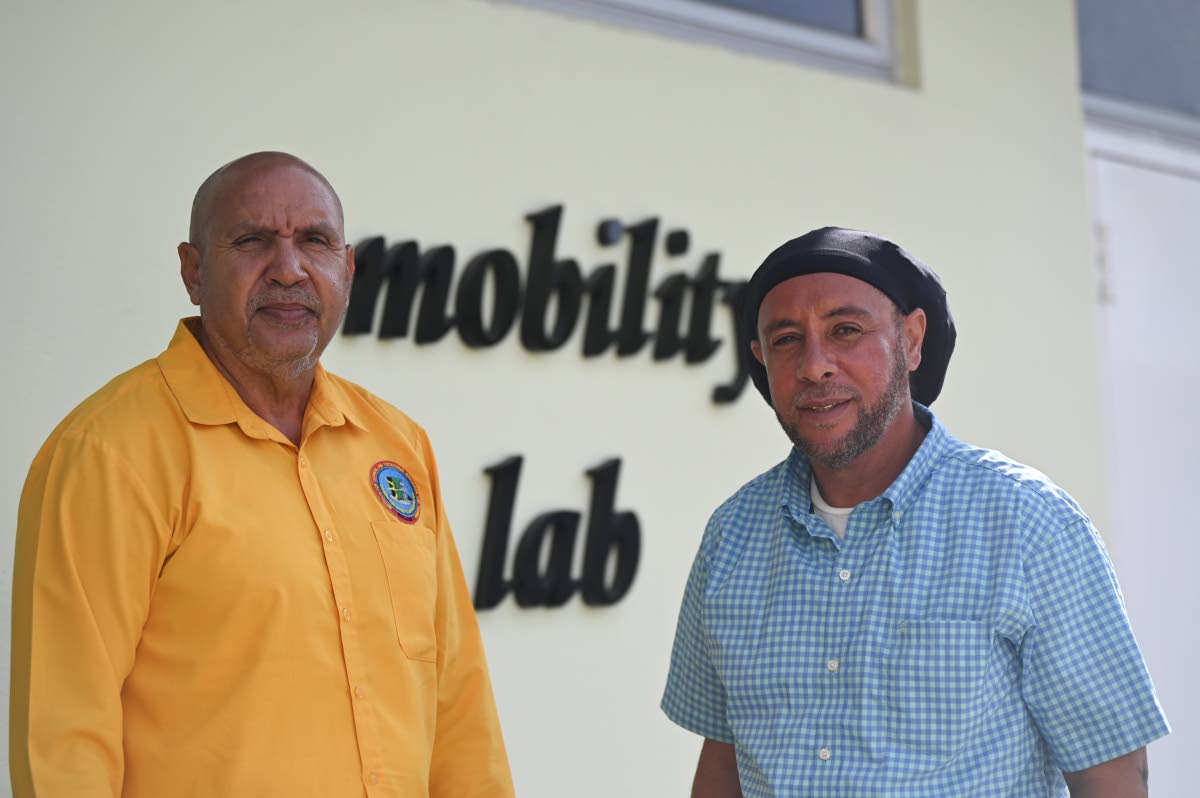
    In a groundbreaking demonstration of regional cooperation, automotive specialists from seven Caribbean nations have successfully assembled the region’s first collaboratively built electric vehicle. The historic achievement emerged from a specialized EV Assembly workshop hosted by The University of the West Indies (UWI) Mona’s Faculty of Science and Technology, which simultaneously marked the official inauguration of the university’s state-of-the-art E-Mobility Laboratory.

    Participants from Jamaica, Antigua, Belize, Grenada, St Kitts and Nevis, and St Lucia contributed diverse mechanical and electrical expertise during the intensive week-long program. The workshop represented a multinational partnership funded by the JPS Foundation, Inter-American Development Bank (IDB) Lab, German Embassy, and UWI’s science and technology department.

    Belizean automotive instructor Eric Vernon, a 15-year veteran educator from the Institute for Technical and Vocational Education and Training, described the experience as profoundly significant. “Knowing our hand prints are forever etched in this E-Mobility Lab for generations to come as a result of our collaborative efforts is beyond words,” Vernon reflected during post-workshop celebrations. The 60-year-old instructor particularly valued the opportunity to balance a 32-cell battery pack—a technical skill he had previously only encountered through research.

    From St Kitts, Nicholson Webster, chief foreman mechanic at the Public Works Department, emphasized the workshop’s practical relevance to his government’s impending transition to electric mobility. “We are set to receive two EV buses from Taiwan, so that is the whole purpose of me being here,” Webster revealed, noting that the comprehensive hands-on training provided crucial exposure to EV motor systems previously unavailable in the Caribbean.

    Dr. Louis-Ray Harris, senior lecturer in UWI’s Department of Physics, guided participants through the complex assembly process. Teams worked systematically from chassis installation to electrical wiring, motor mounting, and battery management system programming. The resulting three-wheeled, two-seater electric vehicle with exoskeleton frame demonstrated the successful integration of diverse technical skills.

    JPS Foundation Chairman Damian Obiglio endorsed the initiative as a critical milestone in the region’s e-mobility transition. The workshop formed part of the concluding phase of the five-year e-Drive program partnership between JPS Foundation and IDB, focusing on innovative technology, capacity building, and market sensitization.

    The newly operational E-Mobility Lab will serve as an ongoing educational resource, with plans for repeated disassembly and reassembly of the prototype vehicle to train future student cohorts. Dr. Harris envisions the facility becoming the Caribbean’s premier destination for scientific innovation, potentially inspiring secondary students to pursue STEM careers through hands-on electric vehicle technology experience.
  • Meteorologist says giant Saharan dust cloud will bypass Dominican Republic

    Meteorologist says giant Saharan dust cloud will bypass Dominican Republic

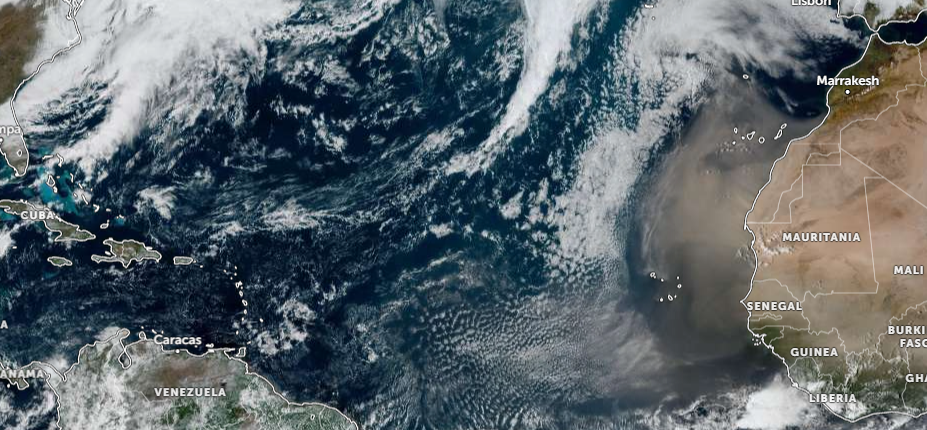
    SANTO DOMINGO – An immense plume of Saharan dust, measuring approximately 31 times the land area of the Dominican Republic, is traversing the Atlantic Ocean but is projected to bypass the Caribbean nation entirely, meteorological expert Jean Suriel confirmed. The colossal dust mass, while historically significant for its off-season timing and immense scale, presents no immediate threat to the island.

    Suriel’s analysis indicates the dust cloud will predominantly disperse over the ocean, with a significant segment charting a course toward the Amazon basin. This trajectory definitively precludes its arrival in Dominican territory. The phenomenon is notably occurring ahead of the region’s typical Saharan dust season, which officially spans from May to September, with concentration peaks observed from June through August.

    Meteorological investigations trace the origin of this atypical event to altered atmospheric conditions. Recent powerful storm systems across Europe have disrupted established wind currents originating from the Indian Ocean. This atmospheric interference catalyzed intense sandstorms across North Africa, facilitating the genesis and transit of this abnormally extensive dust formation.

    Concurrently, the Dominican Republic is bracing for a distinct weather challenge: a significant thermal anomaly. Forecast models predict a substantial escalation in ambient temperatures and heat index readings over the ensuing eight-day period. The most intense heat is anticipated daily between 10:00 a.m. and 5:00 p.m. This impending warming trend is attributed to a dual meteorological shift: the retreat of a polar air mass that previously moderated temperatures and the influx of easterly and east-southeasterly winds. These winds are transporting heated air masses from the Atlantic Ocean and the Caribbean Sea, culminating in a pronounced spike in local heat conditions.

  • Column: Een wereld die bewapent en wegkijkt

    Column: Een wereld die bewapent en wegkijkt

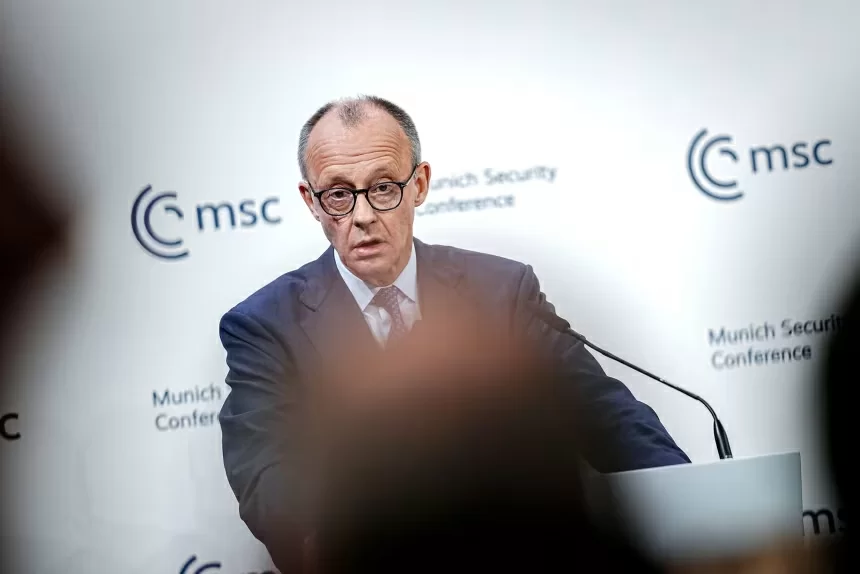
    The 62nd Munich Security Conference has delivered a sobering assessment of the current global landscape, with German Chancellor Friedrich Merz declaring that ‘the old world order no longer exists.’ The gathering revealed a world increasingly characterized by rearmament, geopolitical tensions, and diminishing trust among nations.

    Major powers are actively redistributing spheres of influence while strengthening their military arsenals, often appearing indifferent to human suffering in conflict zones that fall outside their strategic interests. What was once viewed as an era of globalization and interconnectedness is rapidly transforming into an age of fragmentation and intense competition.

    Europe is accelerating its rearmament efforts, largely driven by the ongoing war in Ukraine which is perceived as an existential threat. Simultaneously, as the United States and China escalate their power struggle, numerous crisis regions including Syria, Sudan, Myanmar, Kenya, and Gaza continue to demand international attention and humanitarian assistance that remains insufficient.

    The conference highlighted concerning trends: the rules-based international order that provided stability since the end of the Cold War appears increasingly obsolete. Major nations are prioritizing their own security interests above collective action, resulting in eroding trust among traditional allies. Recent tensions surrounding Greenland and ongoing trade conflicts between the US and European partners illustrate this fragmentation.

    This new reality emphasizes national sovereignty as the supreme value while international cooperation faces unprecedented pressure. The emerging paradigm requires nations to ensure self-reliance in security matters, leading to increased military spending, technological competition, cybersecurity enhancements, and expansion of geopolitical influence.

    Alarmingly, as global powers focus on armament and strategic positioning, millions suffer in forgotten conflicts. Syria’s decade-long war has produced hundreds of thousands of casualties and millions of refugees. Sudan descends into chaos amid renewed conflict, Myanmar remains trapped under military dictatorship, Kenya experiences escalating violence, and Gaza continues to endure daily casualties in a conflict spanning decades.

    The Munich Conference served as a mirror reflecting this troubling reality—a world where sanctions, alliance-building, and weapons accumulation take precedence over human security. The fundamental question remains: how can sustainable peace be achieved when the international community turns away from the suffering of its most vulnerable populations?

    The path forward requires conscious choice between continuing the cycle of distrust and armament or investing in innovative forms of cooperation and trust-building. True security may ultimately depend less on military might and more on recognizing shared humanity across all nations and conflicts.

  • LVV start traject om export van sopropo naar EU te hervatten

    LVV start traject om export van sopropo naar EU te hervatten

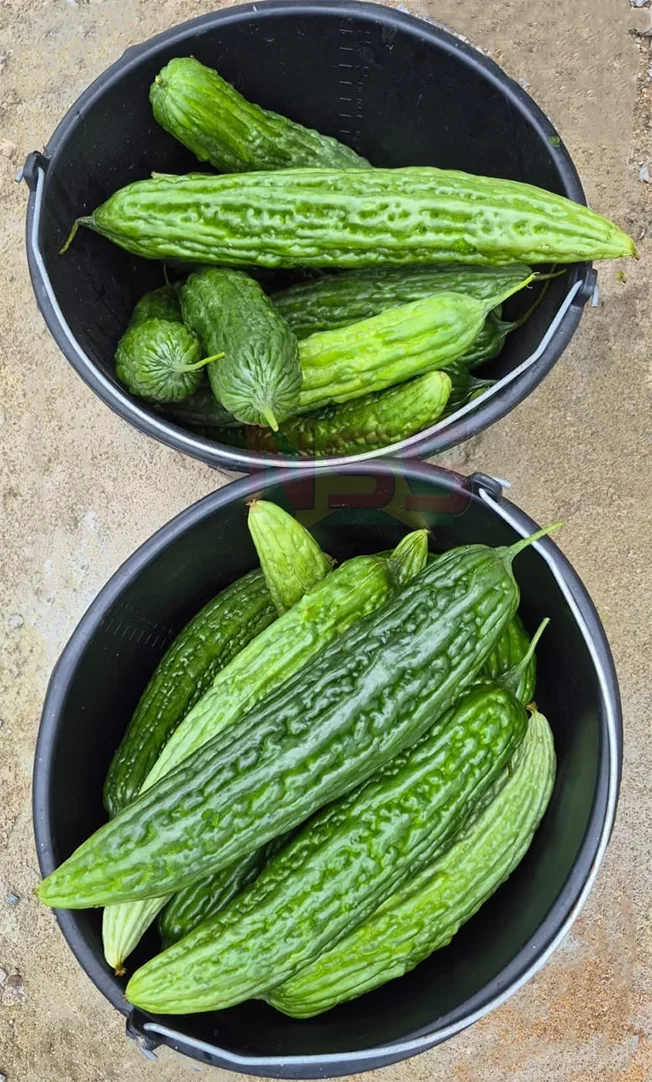
    The Surinamese Ministry of Agriculture, Animal Husbandry and Fisheries (LVV) has initiated a comprehensive strategy to restore bitter melon (sopropo) exports to the European Union market after a multi-year suspension due to insect contamination issues.

    Agriculture Minister Mike Noersalim confirmed to media outlets that authorities are developing a detailed documentation package for EU submission to facilitate export resumption. The action plan has already been shared and discussed with vegetable exporters, whose input Minister Noersalim described as ‘essential’ to the process.

    The ministerial approach recognizes that agricultural exports involving air freight require cross-governmental coordination. The Ministries of Transport, Communications and Tourism (TCT) and Justice and Police are key participants in addressing both phytosanitary concerns and logistical challenges.

    Following recent consultations with exporters, Minister Noersalim committed to engaging with relevant ministerial counterparts within two weeks. These discussions will address not only sanitary issues but also organizational aspects affecting export efficiency. ‘Suriname’s success as an exporting nation depends on all actors involved in this process,’ Noersalim emphasized.

    The National Plant Protection Organization (NPPO) presented data on export-related notifications received by Suriname, leading to proposed operational improvements for the coming period.

    LVV’s policy focuses on accelerated agricultural sector development and expanded export capabilities. Additionally, the ministry aims to promote increased processing of locally produced raw materials, with the Directorate of Agricultural Research, Marketing and Processing playing a pivotal role.

    The government plans to maintain regular consultations with vegetable exporters, seeking both problem identification and immediate solutions where possible. Noersalim characterized the effort as a collaborative process requiring close cooperation among all stakeholders.

    ‘This is a process that demands new thinking patterns. We will not avoid the challenges surrounding vegetable exports,’ the minister asserted, indicating a determined approach to market reentry.

  • Punta Cana Carnival 2026 sets dates to celebrate Dominican culture and folklore

    Punta Cana Carnival 2026 sets dates to celebrate Dominican culture and folklore

    PUNTA CANA, Dominican Republic – Grupo Puntacana has officially unveiled plans for the 17th iteration of its renowned Punta Cana Carnival, setting the stage for a vibrant two-day cultural extravaganza on February 20-21, 2026. The celebrations will unfold along Boulevard 1ro de Noviembre at The Village Puntacana, continuing the event’s legacy as a premier showcase of Dominican cultural heritage.

    The festivities will commence on Friday, February 20, with an exclusive Carnival Gala designed specifically for the Punta Cana community. This inaugural evening will feature preview performances by the event’s signature troupes—Las Musas de Punta Cana and Los Tres Caras—accompanied by live musical arrangements.

    Saturday’s programming begins with gates opening at 2:30 PM, building anticipation for the grand parade spectacle commencing at 4:00 PM. This centerpiece event will showcase more than 20 elaborately costumed dance troupes and over 1,500 participants from both Dominican Republic and international locations, collectively celebrating the nation’s rich folkloric traditions. Event coordinators project attendance will surpass 15,000 spectators.

    A signature tradition continues with the coronation of King or Queen Momo, an honor recognizing prominent national figures whose accomplishments inspire Dominican society. The 2025 recipient was Olympic and world champion athlete Félix Sánchez, joining an esteemed roster of previous honorees including fashion icon Oscar de la Renta, musician Eddy Herrera, swimmer Marcos Díaz, jazz virtuoso Michel Camilo, conductor José Antonio Molina, cultural advocate Freddy Ginebra, baseball legend George Bell, and merengue superstar Milly Quezada as the carnival’s inaugural Queen Momo.

    While maintaining its status as a free public event, organizers will offer premium ticketed seating available through digital platforms. Emphasizing family accessibility, the carnival will provide enhanced security measures, diverse culinary options through food trucks, continuous live entertainment, and a specially designed children’s area operational from 3:00 PM near the Grupo Puntacana corporate headquarters.

  • Migration authorities detain 454 Haitians in Los Mina operation

    Migration authorities detain 454 Haitians in Los Mina operation

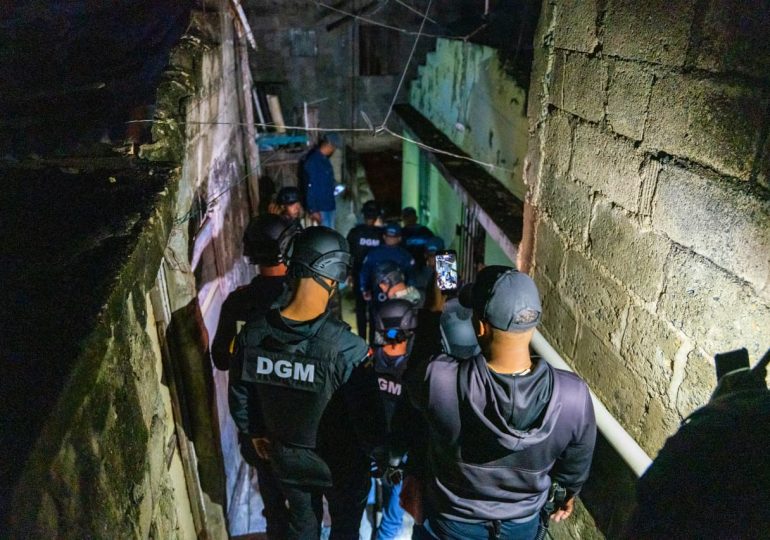
    In a significant enforcement operation targeting irregular migration, Dominican authorities detained 454 Haitian nationals during coordinated raids in Santo Domingo Este. The large-scale intervention, conducted in the early hours of February 13, represents the latest escalation in the Caribbean nation’s efforts to strengthen border security and immigration compliance.

    The multi-agency operation involved personnel from the General Directorate of Migration (DGM), National Police, and Dominican Armed Forces, with strategic coordination provided by the Ministry of the Interior and Police, Ministry of Defense, and the Office of the Attorney General. Brigadier General Eddy Pérez Peralta led the mission alongside senior migration and military officials, operating under the legal framework of General Migration Law 285-04.

    Law enforcement initially concentrated operations in the Katanga sector before expanding to adjacent areas including Vietnam and surrounding streets. During systematic inspections of irregular settlements, authorities identified 280 adult males among the detained individuals, all found lacking proper legal documentation for residence in the Dominican Republic.

    All apprehended migrants were transported to the Haina Migrant Processing Center, where officials implemented standardized protocols including identification verification, security vetting, criminal background investigations, and biometric registration. The procedures were conducted in accordance with international human rights standards governing migration management.

    Luis Rafael Lee Ballester, Vice Admiral and Director General of Migration, confirmed that individuals unable to establish legal residency status would face deportation to their country of origin following completion of due legal processes. The official reiterated the institution’s commitment to systematic migration control throughout national territory, emphasizing the operation’s dual purpose of maintaining public security and regulatory compliance.

  • Why is Cuba prioritizing the development of pneumococcal vaccines?

    Why is Cuba prioritizing the development of pneumococcal vaccines?

    The Finlay Vaccine Institute of Cuba is making significant strides in developing advanced pneumococcal vaccines, with two candidates—Quimi-Vio 11 and Quimi-Vio 16—progressing through accelerated development pathways. This initiative aims to safeguard vulnerable populations using proven conjugation technology that has demonstrated both efficacy and safety.

    Quimi-Vio 11, currently in Phase II-III clinical trials, represents a groundbreaking approach by targeting both older adults and infants. The vaccine candidate incorporates four additional serotypes beyond the original heptavalent formula, addressing serotypes with significant disease incidence. Adult trials are underway in Havana health institutions, while pediatric studies are being conducted in Cienfuegos, Santiago de Cuba, and soon expanding to the capital.

    The development builds upon the success of Quimi-Vio® (heptavalent), which received national registration in 2024 after demonstrating remarkable effectiveness. In Cienfuegos province, where 93% of children aged 1-5 were vaccinated between 2017-2019, mortality rates from pneumococcal meningitis and other invasive diseases dropped from 3.1-9.1 per 10,000 infants to zero—a reduction that has been maintained despite the COVID-19 pandemic.

    Dr. Darielys Santana Medero, head of the pneumococcal vaccine project, emphasized the severity of Streptococcus pneumoniae infections, which cause approximately 1.6 million global deaths annually according to WHO estimates. The bacterium leads to invasive diseases including acute meningitis, pneumonia with pleural effusion, and bloodstream infections, particularly affecting children under five and elderly populations.

    The institute’s director general, Dr. Yury Valdés Balbín, highlighted the unique advantages of their conjugation platform technology, which has enabled rapid development of the new candidates. Quimi-Vio 16, targeting 16 serotypes, is already undergoing animal model evaluations, adding five epidemiologically relevant serotypes beyond the Quimi-Vio 11 formulation.

    The vaccine program, ongoing for over two decades, represents a significant achievement of Cuban biotechnology, overcoming substantial scientific, chemical, and technological challenges. The name ‘Quimi-Vio’ honors scientist Violeta Fernández Santana, a principal researcher and promoter of the project who passed away in 2011.

  • More than 32,000 pregnant women at risk due to fuel blockade against Cuba

    More than 32,000 pregnant women at risk due to fuel blockade against Cuba

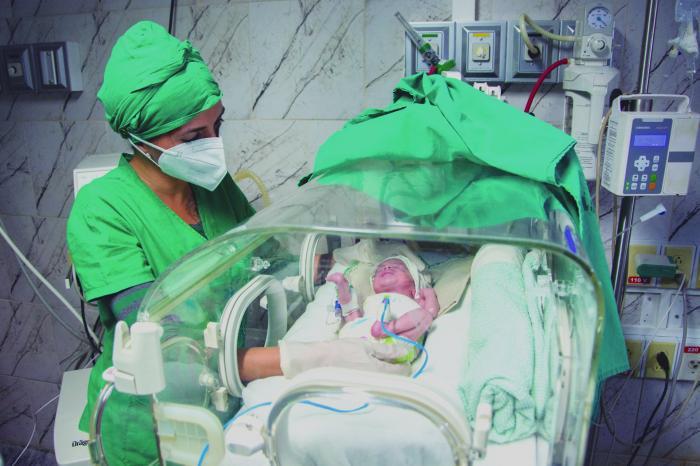
    Cuba’s healthcare system is facing unprecedented challenges as the US government’s energy blockade creates severe limitations on medical services, particularly affecting vulnerable populations including pregnant women, newborns, and patients with chronic conditions. According to the Cuban Ministry of Public Health, more than 32,880 pregnant women now face additional risks due to restricted access to essential obstetric services.

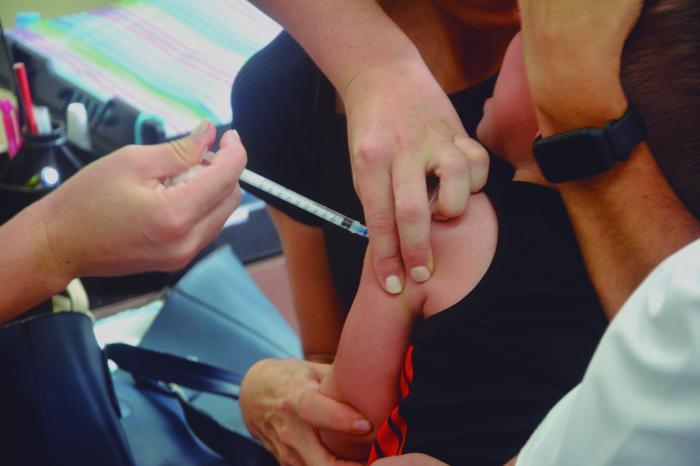
    The fuel shortage has created a cascade of healthcare complications, limiting critical services across multiple medical domains. Maternal and child health programs are experiencing significant disruptions, including reduced availability of obstetric ultrasounds for fetal monitoring and genetic screening. The mobilization of specialized medical commissions for severe maternal morbidity and critical neonatal cases has been severely constrained, while childhood vaccination schedules face concerning delays.

    Children with special medical needs requiring home ventilation, mechanical aspiration, and climate control systems are particularly vulnerable under the current conditions. The limited availability of medical transport services further jeopardizes emergency response capabilities for urgent cases.

    The broader healthcare implications extend to over 61,830 children under one year of age who require specialized care during this crucial developmental stage. Cancer patients, diabetics, and those requiring surgical interventions or emergency care are experiencing deteriorating access to treatment. The blockade also exacerbates mortality rates by limiting follow-up care for both communicable and noncommunicable chronic diseases.

    Supply chain disruptions have created critical shortages in medicines, medical supplies, reagents, consumables, and instruments. Equipment procurement and maintenance have become increasingly challenging due to decreased commercial flight frequency and elevated freight costs, affecting the operational capacity of hospitals, specialized wards, operating theaters, and intensive care units.

    Despite these overwhelming challenges, Cuban health professionals and institutions continue working tirelessly to maintain medical services. The healthcare system, developed as a fundamental achievement of the Cuban revolution, remains committed to providing care and human support to the population despite the intensifying economic warfare that directly threatens millions of lives.

  • Carnival : Ethnographic studies on the Jacmel carnival

    Carnival : Ethnographic studies on the Jacmel carnival

    In a significant cultural documentation effort, Haiti’s National Bureau of Ethnology (BNE) has intensified its ethnographic research on the renowned Jacmel Carnival under the leadership of Director General Erol Josué. The institution, colloquially known as the ‘laboratory of people’s science’ (laboratwa syans pèp la), deployed its technical team on February 15, 2026, to conduct comprehensive field studies during the vibrant carnival celebrations.

    The research initiative encompassed multiple methodological approaches, including in-depth audiovisual interviews with Elie Blaise, Director of the Jacmel Art Center, who provided expert insights into the carnival’s artistic significance. The team conducted systematic observations at the Jacmel Carnival Interpretation Center (CICAJ), examining historical and contemporary aspects of the tradition. Throughout various city neighborhoods, researchers captured extensive footage and documented carnival scenes through both filming and participatory observation techniques. The ethnographic mapping extended to recording cultural elements along the entire carnival route, preserving this year’s unique manifestations.

    This scholarly investigation reveals the fundamental principles underlying Jacmel’s carnival traditions, highlighting the community’s exceptional creativity, generosity, and convivial spirit. The research demonstrates remarkable cultural resilience and critical thinking among Jacmel residents, showcasing how this centuries-old practice serves as crucial identity formation mechanism for both urban and surrounding communities. The documentation effort provides valuable insights into the intergenerational transmission processes that sustain Haitian cultural heritage, offering academic validation of carnival’s role in preserving national identity while adapting to contemporary social contexts.

  • Grote brand bij olieverwerkingsbedrijf aan Naaldvarenweg

    Grote brand bij olieverwerkingsbedrijf aan Naaldvarenweg

    A severe fire incident has engulfed an oil processing company located on Naaldvarenweg, with two massive storage tanks completely consumed by flames. Emergency response teams from multiple fire stations have been deployed in a large-scale operation to contain the dangerous blaze.

    According to preliminary reports, the fire originated around 8:00 PM at the terminus of Naaldvarenweg, adjacent to the industrial estate where the facility operates. Dramatic footage shows flames shooting meters high into the night sky, creating a visible inferno across extensive areas of Para district. Local residents have reported intense burning odors and substantial smoke proliferation throughout the region.

    Firefighting authorities have initiated a comprehensive containment strategy utilizing numerous tanker trucks and specialized response units. As a safety precaution, Naaldvarenweg has been temporarily closed to all vehicular traffic. Officials are advising nearby residents to keep windows and doors securely closed due to potentially hazardous air quality conditions resulting from the substantial smoke emissions. The cause of the explosion and subsequent fire remains under investigation by relevant authorities.