博客

  • More land for small-scale gold miners

    More land for small-scale gold miners

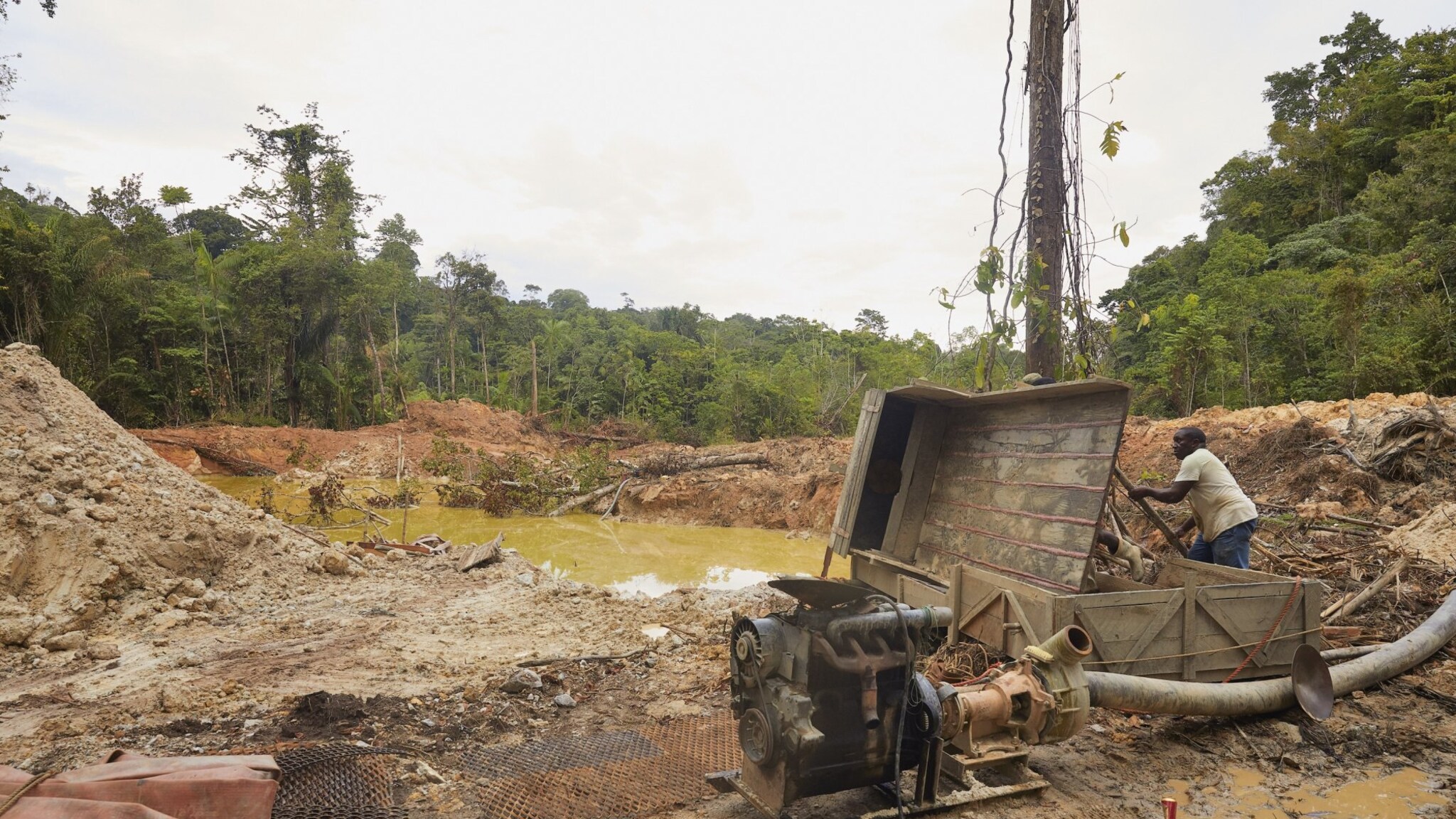
    The Guyanese government has unveiled a substantial expansion of land access for small-scale gold miners, marking a significant shift in the nation’s mining policy. The Ministry of Natural Resources announced that within the next two to three months, it will distribute at least 225 parcels of mining land across various regions, with each allocation increasing from 27 to 50 acres per miner.

    This strategic initiative, dubbed the ‘Troy-like’ allocation model, builds upon the successful framework previously implemented in the Issano 14 Mile area following Troy Resources’ closure. The program allows beneficiaries to relinquish exhausted parcels and apply for new 50-acre allocations, creating a sustainable cycle of mining opportunities.

    The government is complementing these measures with advanced geological surveying through U.S.-based company Global Venturing, whose aerial surveys are nearing completion. This data-driven approach aims to reduce prospecting costs, minimize environmental impact, and enhance operational efficiency across the mining sector.

    Simultaneously, authorities are intensifying enforcement against illegal mining operations. Joint exercises between the Guyana Geology and Mines Commission and police forces have resulted in the seizure of over 400 pieces of equipment and nearly 100 prosecutions since enforcement operations intensified in recent months.

    The Guyana Gold Board will further support miners through the introduction of mobile purchasing units to serve remote operations, while maintaining the legal requirement that all gold must be sold to the Board or licensed buyers.

    This comprehensive approach balances expanded access with strengthened regulation, aiming to build a transparent and sustainable mining sector while recognizing small and medium-scale miners as the backbone of Guyana’s gold industry.

  • Amid corruption allegations, Housing Minister wonders if  SVG is world’s ‘pit-latrine capital’

    Amid corruption allegations, Housing Minister wonders if  SVG is world’s ‘pit-latrine capital’

    A major political controversy has erupted in St. Vincent and the Grenadines as the newly installed New Democratic Party (NDP) administration launches an investigation into alleged financial misconduct within the previous government’s housing initiative. The scrutiny centers on the ‘Lives to Live’ program, established under former Prime Minister Ralph Gonsalves’ Unity Labour Party (ULP) administration.

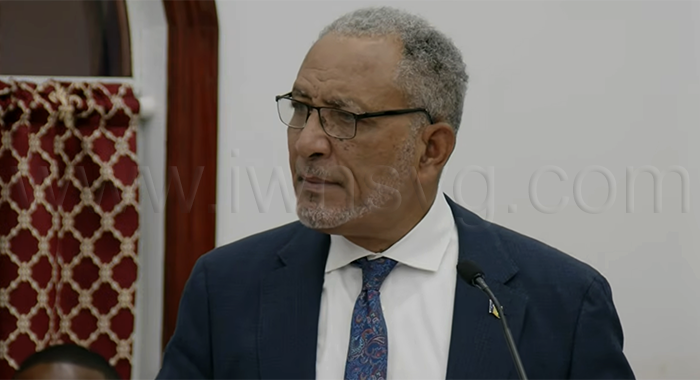
    Housing Minister Andrew John ignited the debate during parliamentary discussions on the 2026 national budget, questioning the allocation of millions toward a program that demonstrated insufficient results relative to its substantial funding. The minister specifically highlighted the Diamond Estate community within his South Windward constituency as a case study of systematic failures.

    The Lives to Live program, designed to assist marginalized populations including indigent citizens, persons with disabilities, and those displaced by development projects, operated under the Ministry of Housing with significant expenditures on construction materials and essential household fixtures.

    Minister John presented compelling evidence of irregularities, noting that despite the previous administration’s reported expenditure of US$9 million (EC$24.3 million) from the Saudi Fund for Development specifically allocated to this program, numerous communities still lack basic sanitation infrastructure. ‘One might wonder if St. Vincent and the Grenadines has become the pit-latrine capital of the world,’ John remarked during his parliamentary address.

    The government has designated Diamond Estate as a pilot project for informal settlement upgrades, allocating EC$150,000 initially for essential services including electricity, potable water, and proper bathroom facilities. ‘This transcends mere infrastructure—it concerns human dignity,’ Minister John emphasized, outlining plans for comprehensive community rehabilitation including proper road systems.

    The investigation has revealed substantial financial transactions with Jamaica-based Tankweld Ltd., totaling tens of millions of dollars over multiple administrations for construction materials, particularly following natural disasters including Hurricane Beryl’s devastation in July 2024.

  • ULP’s criticism of $105m deficit proves their fiscal irresponsibility — PM

    ULP’s criticism of $105m deficit proves their fiscal irresponsibility — PM

    In a fiery conclusion to the parliamentary debate on St. Vincent and the Grenadines’ 2026 national budget, Prime Minister Godwin Friday launched a robust defense of his administration’s fiscal strategy while delivering a scathing critique of opposition claims. The government passed its EC$1.9 billion fiscal package without support from the three-member parliamentary opposition, simultaneously approving EC$200 million in domestic borrowing.

    The opposition Unity Labour Party (ULP), led by former Prime Minister Ralph Gonsalves, had characterized the budget’s EC$105 million current account deficit as fiscally irresponsible, warning of potential regional fundraising difficulties and predicting overdraft dependence amid a looming cash crunch. The ULP suffered a decisive electoral defeat in November, retaining only one parliamentary seat.

    Prime Minister Friday framed the opposition’s criticism as politically motivated fearmongering, questioning why any political faction would seemingly wish for International Monetary Fund intervention. ‘Now, no matter your politics, why would you wish that on your country? Why would you wish that on your people?’ Friday challenged lawmakers.

    The Prime Minister noted a ‘rare moment of agreement’ with Opposition Leader Gonsalves regarding the deficit figures while completely rejecting the ULP’s interpretation. Friday presented historical context revealing that during the ULP’s final term, cumulative current account deficits exceeded EC$200 million, including a EC$70 million deficit in 2025 alone.

    ‘They cannot, on the one hand, claim that 90% of the budget is a carryover of their plans and programmes… and then, on the other hand, they deny responsibility for the fiscal position those same plans produced,’ Friday argued, characterizing the opposition’s stance as contradictory.

    The Prime Minister positioned the current deficit not as governmental failure but as transparent accounting of what he termed a ‘rescue mission’ inherited from the previous administration. He emphasized that allocated funds would address longstanding social injustices while charting a sustainable economic path informed by the principles of the 1984-1989 New Democratic Party administration, which achieved the unprecedented feat of winning all parliamentary seats.

    Friday concluded by reaffirming his government’s commitment to responsible economic management, stating: ‘We are charting a sustainable, forward-looking path for our country. We are not doing it on a wing and a prayer.’

  • Time to take occupational health and safety seriously in SVG

    Time to take occupational health and safety seriously in SVG

    A series of fatal workplace incidents in St. Vincent and the Grenadines has exposed critical gaps in occupational safety enforcement, prompting urgent calls for systemic reform. Recent tragedies include a worker who fell to his death from a steel structure near high-voltage power lines and multiple construction site fatalities involving falls from height—incidents that safety experts characterize as preventable rather than isolated accidents.

    As an emerging nation pursuing international recognition and improved living standards, SVG faces mounting pressure to elevate workplace safety from peripheral concern to national priority. In truly developed economies, comprehensive safety protocols are deeply integrated into governmental policy, corporate operations, and individual conduct through rigorous planning, enforcement, and cultural adoption.

    The implementation of robust occupational health standards would yield multifaceted benefits across SVG’s economy. For the vital tourism sector, demonstrable safety protocols signal a well-regulated destination—a key consideration for modern, safety-conscious travelers. Commercial enterprises would experience fewer accidents, reduced operational disruptions, enhanced productivity, and strengthened reputational standing.

    From an investment perspective, consistent enforcement of national safety regulations provides essential assurance to businesses considering SVG operations. While many corporations maintain internal safety standards, they require host countries to establish reliable legal frameworks—particularly when competing for international contracts and tenders where safety records undergo intense scrutiny.

    Beyond economic implications, workplace safety fundamentally affects family welfare. Workers rightly expect to return home safely after shifts, and families deserve confidence that adequate protections exist for their employed relatives. Employers bear not only legal obligations to establish safe working systems but also profound moral responsibilities toward those sustaining their operations.

    Comprehensive occupational safety represents more than regulatory compliance—it constitutes ethical necessity and economic wisdom. Preventable accidents extract human lives, devastate families, overload public services, and tarnish national image.

    Although SVG’s Occupational Safety and Health Act provides legislative foundation, experts emphasize that meaningful implementation remains lacking. With each preventable incident, the same urgent question emerges: was this death avoidable?

    Businesses must integrate safety into daily operations as practiced reality rather than bureaucratic formality. Simultaneously, workers and citizens should be empowered to identify hazards, voice concerns, and reject the normalization of unsafe conditions.

    [Opinion disclaimer: The views expressed represent the author’s perspective and may not align with iWitness News editorial stance]

  • Gov’t conducting comprehensive assessment of VAT

    Gov’t conducting comprehensive assessment of VAT

    The government of St. Vincent and the Grenadines has announced sweeping fiscal reforms that could eliminate Value-Added Tax on residential electricity consumption, offering substantial relief to thousands of households served by national utility provider VINLEC. Prime Minister Godwin Friday unveiled these measures during his 2026 Budget Address to Parliament, signaling a major shift in economic policy aimed at alleviating financial strain on vulnerable populations.

    In a comprehensive budgetary presentation, Prime Minister Friday revealed that the Ministry of Finance, the Inland Revenue Department, and key stakeholders are conducting an extensive evaluation of VAT reduction strategies. This assessment specifically targets essential commodities and domestic power consumption, with the dual objective of providing tangible consumer relief while maintaining fiscal responsibility.

    The current VAT framework exempts most residential consumers who stay below the 250 kWh monthly threshold. Those exceeding this consumption level face a 16% VAT charge on their electricity bills—a tax structure originally implemented at 15% in May 2007 by the previous Ralph Gonsalves administration, later increased by one percentage point to contribute to natural disaster recovery funds.

    Prime Minister Friday emphasized his administration’s acute awareness of mounting cost-of-living pressures, noting that elevated prices for food, electricity, and essential goods are eroding wages, straining household budgets, and threatening social stability. He characterized addressing these economic pressures as a fundamental governance obligation rather than a policy option.

    These developments fulfill campaign promises made by the New Democratic Party during the November 2025 general election, which included reducing VAT rates from 16% to 13% across the economy and eliminating VAT on essential items like fresh produce and pharmaceuticals. The government is additionally evaluating the implementation of VAT-free shopping initiatives during financially demanding periods such as back-to-school seasons and Christmas holidays.

    The Prime Minister stressed that all tax relief measures must be precisely targeted, administratively practical, and aligned with broader fiscal consolidation goals, including public debt reduction and sustainable Primary Balance achievement. The government intends to present its comprehensive assessment findings to the public and Parliament ahead of an October 2026 implementation deadline, ensuring evidence-based policy-making rather than impulsive fiscal decisions.

    Friday concluded that responsible governance delivers cost-of-living solutions through meticulous reform rather than rhetoric, promising practical, costed measures that return disposable income to households while preserving fiscal stability.

  • President Abinader inaugurates long-awaited Higüey Municipal Market

    President Abinader inaugurates long-awaited Higüey Municipal Market

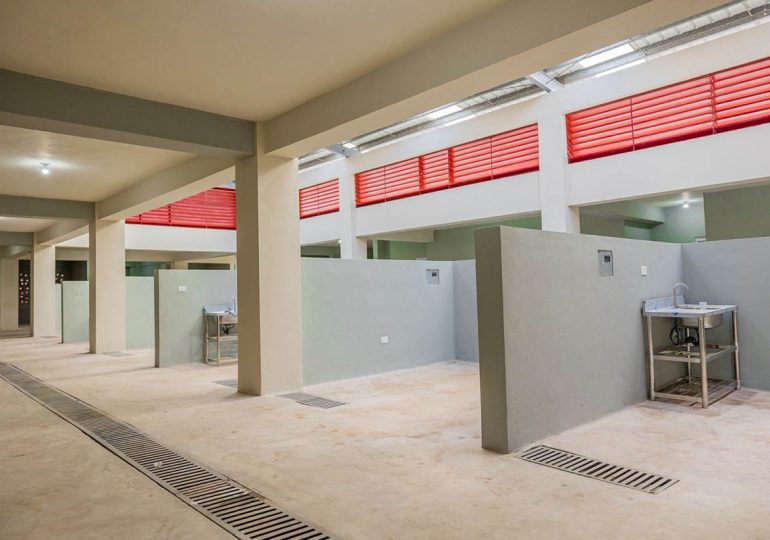
    HIGÜEY, La Altagracia – In a landmark ceremony, President Luis Abinader officially inaugurated the state-of-the-art Higüey Municipal Market, a transformative infrastructure project poised to revolutionize local commerce in the eastern Dominican Republic. This modern facility, constructed with an investment of RD$335 million, directly addresses long-standing grievances by replacing unsafe and unsanitary vending conditions with an organized, hygienic, and secure commercial environment for over 200 local vendors.

    Minister of Public Works Eduardo Estrella, present at the inauguration, heralded the market as a cornerstone of both economic recovery and urban modernization for the municipality. He emphasized that the project is a critical component of a broader infrastructure overhaul in Higüey, which includes extensive road paving initiatives and the construction of the Otra Banda ring road, signaling a new era of development for the region.

    The market’s sophisticated design is engineered for efficiency and cleanliness. It comprises six distinct modules, or pavilions, strategically organized by product type. These include dedicated sections for handicrafts, meats and sausages, grains and canned goods, and three separate pavilions exclusively for fresh produce and vegetables. Beyond the 212 commercial spaces, the complex is equipped with comprehensive amenities such as administrative offices, modern sanitary facilities, designated unloading zones, and a spacious parking area accommodating more than 200 vehicles and motorcycles.

    Now fully operational, the new market is projected to significantly boost commercial activity in La Altagracia province. Its impact extends beyond direct sales, anticipated to generate substantial indirect employment opportunities and enhance the city’s appeal to both domestic and international visitors. Ultimately, the facility restores dignity to the work of hundreds of merchants and reinforces Higüey’s pivotal role as a primary economic hub in the eastern part of the nation.

  • Public Health inaugurates Air Entry Point office at Las Américas Airport

    Public Health inaugurates Air Entry Point office at Las Américas Airport

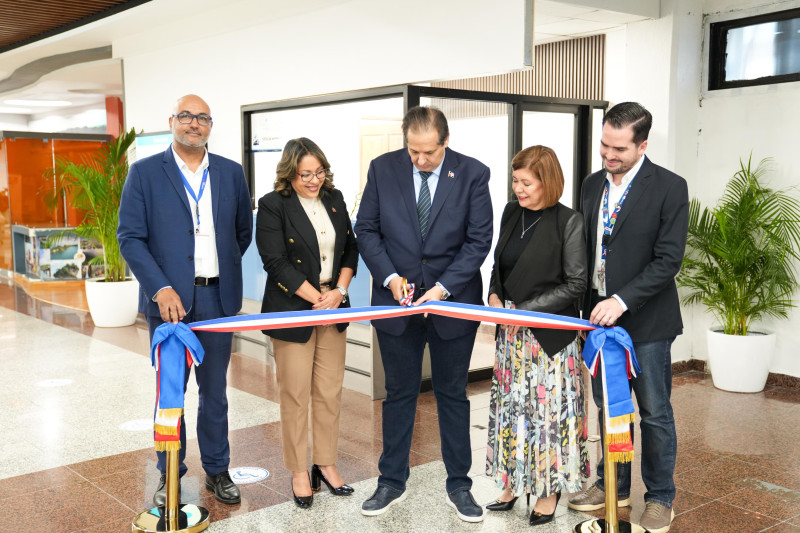
    Santo Domingo has taken a significant step in strengthening its national health security infrastructure with the formal inauguration of a specialized Air Entry Point office at Las Américas International Airport (AILA). The new facility, launched under the leadership of Health Minister Víctor Atallah, represents a strategic government initiative designed to enhance prevention capabilities, improve detection mechanisms, and ensure rapid response to potential public health threats entering through the country’s primary aviation gateway.

    Minister Atallah characterized the project as a critical state decision reflecting the realities of our interconnected global landscape, where national preparedness directly contributes to international health security. Beyond its primary health protection function, the minister emphasized the office’s economic importance, noting that robust health controls at entry points simultaneously safeguard the nation’s vital tourism industry and support sustained economic development.

    The operational enhancement was further elaborated by Deputy Minister of Risk Management and Health Gina Estrella, who identified the facility as a substantial advancement in fortifying both the National Public Health System and the country’s comprehensive health security framework. The office has been established in full compliance with the International Health Regulations (IHR) mandated by the World Health Organization, providing essential infrastructure for early identification of health risks, including potential infectious disease outbreaks.

    International health authorities have welcomed this development. Alba María Ropero Álvarez, representing the Pan American Health Organization (PAHO/WHO) in the Dominican Republic, commended the achievement, underscoring the critical function that airports serve within the IHR framework for maintaining health security at national, regional, and global levels.

  • Unscheduled cruise call MS Ambience brings over 1,300 passengers to St Kitts   – WIC News

    Unscheduled cruise call MS Ambience brings over 1,300 passengers to St Kitts   – WIC News

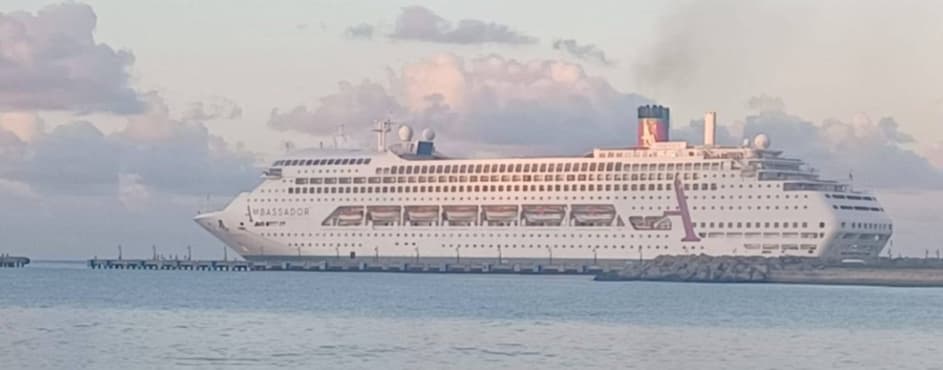
    In an unexpected tourism windfall, the luxury cruise vessel MS Ambience made an unscheduled docking at Port Zante, St Kitts on Sunday, February 15, 2026, delivering 1,340 passengers to the Caribbean island nation. The surprise visit, orchestrated by UK-based Ambassador Cruise Line, provided substantial economic stimulation to local businesses during the peak cruise season.

    The unforeseen arrival resulted from revised travel advisories concerning Cuba. Originally scheduled to visit Havana during its 40-night ‘Jewels of the Caribbean Sea’ itinerary, the MS Ambience redirected to alternative ports following updated guidance from the UK Foreign, Commonwealth & Development Office recommending against non-essential travel to Cuba. This diversion brought both Guadeloupe and St Kitts onto the ship’s revised route.

    Simultaneously, the Renaissance—Ambassador Cruise Line’s sister vessel—maintained its scheduled visit to St Kitts with 1,108 passengers aboard. The concurrent presence of both ships created an unprecedented scenario with over 2,400 visitors descending upon Port Zante within a single day. This dual arrival generated exceptional commercial activity across the tourism ecosystem, benefiting tour operators, transportation services, retail establishments, and culinary venues.

    Local tourism authorities extended a warm welcome to the disembarking passengers, who enthusiastically explored the island’s diverse attractions and cultural offerings. The spontaneous influx of visitors underscores St Kitts and Nevis’ growing prominence within the competitive Caribbean cruise market and demonstrates the destination’s capacity to accommodate unexpected tourism opportunities.

    Industry analyst Melissa Mayntz of Cruisehive noted that itinerary adjustments of this nature reflect the cruise industry’s adaptability to evolving travel advisories while maintaining passenger experience quality. The successful integration of these unscheduled visits highlights the robust infrastructure and operational readiness of St Kitts’ tourism sector.

  • Veiligheidsconferentie: toenemende geopolitieke spanningen eisen internationale samenwerking

    Veiligheidsconferentie: toenemende geopolitieke spanningen eisen internationale samenwerking

    The annual Munich Security Conference concluded with a resounding appeal for strengthened international cooperation amidst escalating geopolitical tensions. The three-day gathering, which focused extensively on the Ukraine conflict, evolving US-Europe relations, and shifting global power dynamics, highlighted the critical need for collaborative action and dialogue.

    European Commission President Ursula von der Leyen captured the profound transformation occurring among European leaders when she stated: ‘Boundaries have been crossed that cannot be reversed.’ This sentiment emerged against the backdrop of strained transatlantic relations following Donald Trump’s return to the White House. The American president’s attempt to annex Greenland has dramatically intensified European doubts about Washington’s commitment to continental protection through NATO.

    US Secretary of State Marco Rubio offered limited reassurance to European attendees in his conference address. While expressing desire for cooperation and employing a warmer tone than Vice President JD Vance previously, Rubio criticized Europe’s recent political direction and notably avoided any mention of NATO, Russia, or Moscow’s war in Ukraine—issues that have created significant rifts within the alliance.

    With the conflict approaching its fifth year and Moscow increasingly perceived as a growing threat by its European neighbors, continental leaders declared they would accelerate efforts to strengthen their own defense capabilities and reduce dependence on the United States.

    This position theoretically aligns with the Trump administration’s expectation that Europe will assume primary responsibility for conventional defense of the continent. In exchange, Washington would maintain its nuclear umbrella over Europe and honor NATO’s mutual defense pact.

    German Chancellor Friedrich Merz, French President Emmanuel Macron, and British Prime Minister Keir Starmer pledged their commitment to building a stronger ‘European pillar’ within NATO. However, enhanced independent defense capabilities also serve as insurance should Trump or future American leaders decide against defending Europe.

    ‘This new beginning is correct under all circumstances. It is correct if the United States continues to distance itself. It is correct as long as we cannot independently guarantee our own security,’ Merz stated during Friday’s sessions.

    In another indication of unease regarding American security commitments, Merz revealed he had initiated discussions with Macron about European nuclear deterrence. France possesses Europe’s only truly independent nuclear deterrent, as Britain’s Trident missiles are manufactured and maintained by the United States.

    The central challenge for European leaders remains translating rhetoric into reality—acquiring and developing new weapons systems, addressing arsenal gaps in areas like long-range missiles, and coordinating efforts effectively.

    Current signals are mixed. Driven by fear of Russia and Trump’s prodding, European nations have increased defense spending. NATO members agreed last year to raise core defense expenditures from 2% to 3.5% of GDP, with an additional 1.5% allocated for other security-related investments. Von der Leyen noted that European defense spending has surged by nearly 80% since before Ukraine’s invasion.

    European countries are forming consortia to develop complex weapons systems. Defense ministers from France, Germany, Italy, Poland, and Sweden signed a letter of intent to advance the European Long-range Strike Approach (ELSA), a project focused on developing ‘deep strike’ missiles. During a parallel NATO defense ministers meeting, European coalitions agreed to collaborate on four projects including ballistic missile defense and air-launched munitions.

    However, several high-profile pan-European initiatives face significant challenges. The future of the French-German-Spanish FCAS fighter jet project hangs by a thread after months of disputes over work distribution among involved companies. Debates surrounding EU defense projects continue regarding whether they should remain exclusive to EU companies or open to external participants.

    France remains the strongest proponent of ‘buy European’ clauses, while Germany and the Netherlands advocate for a more open approach.

    Amid these discussions at the luxurious Bayerischer Hof hotel, Ukrainian President Volodymyr Zelensky presented the stark reality of modern warfare, surrounded by massive screens displaying imagery and statistics of Russian attacks. Ukraine alone faced over 6,000 drones and 150 missiles last month.

    ‘During this war, weapons are evolving faster than political decisions designed to stop them,’ he told delegates.

    As the Munich Security Conference concludes, the world continues to confront urgent security challenges while maintaining hope that collective efforts may yield sustainable solutions within an increasingly complex geopolitical landscape.
  • Declassified U.S. files mention Dominican Republic in Jeffrey Epstein case

    Declassified U.S. files mention Dominican Republic in Jeffrey Epstein case

    Newly unsealed documents from the U.S. Department of Justice’s investigation into Jeffrey Epstein contain multiple references to the Dominican Republic, shedding light on the financier’s Caribbean operations and travel patterns. The extensive cache of evidence—comprising emails, internal communications, and witness statements—details Epstein’s connections to the nation primarily through transit activities and logistical operations.

    Judicial records identify Puerto Plata province as a frequent transit hub for Epstein during journeys between his private island in the U.S. Virgin Islands and other Caribbean destinations. Investigators have traced electronic communications originating from Dominican territory, though substantial portions remain redacted to protect legally sensitive information.

    The documentation further reveals Epstein’s employment of Dominican nationals at properties associated with his network, alongside administrative correspondence regarding local services, staffing arrangements, and medical provisions received within the country.

    U.S. authorities have clarified that the inclusion of geographical locations or individuals in these materials does not denote criminal implication, but rather demonstrates the exhaustive nature of the investigative process. This document release forms part of continued judicial transparency efforts in a case that continues to captivate global attention due to its international scope and involvement of prominent figures.