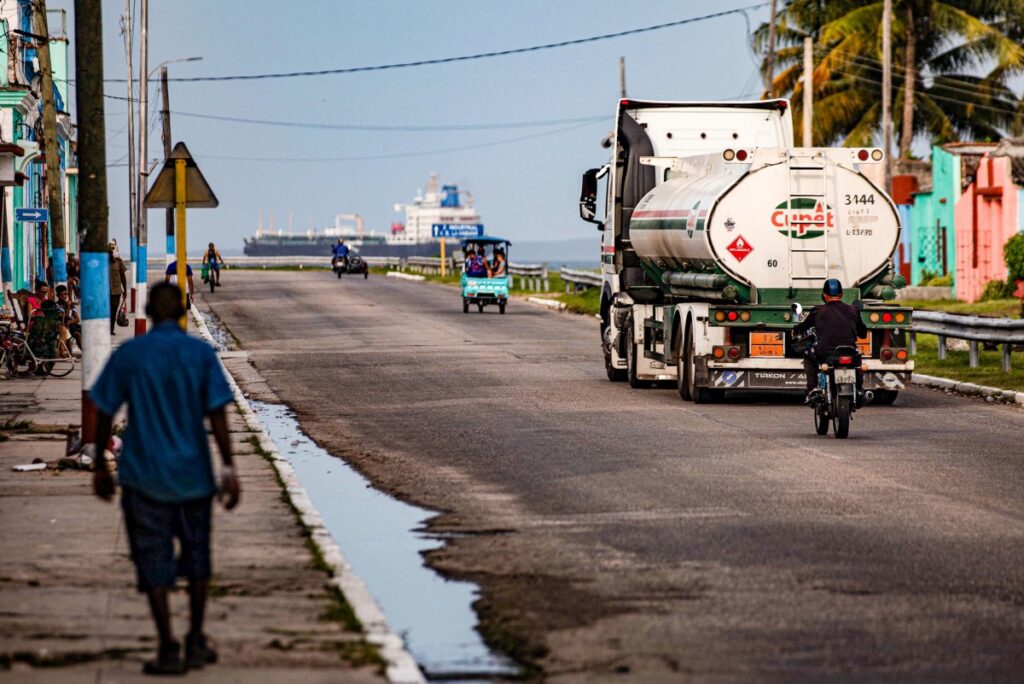
HAVANA, Cuba — A Russian-flagged oil tanker, the Anatoly Kolodkin, docked in Cuba’s port of Matanzas on Tuesday, delivering 730,000 barrels of crude in the first such shipment to the island nation since January. The arrival comes as Cuba grapples with severe blackouts, fuel rationing, and crippling transportation shortages, exacerbating public frustration with the communist government.
The shipment, permitted through a temporary exemption by the Trump administration, represents a complex geopolitical maneuver. While U.S. President Donald Trump stated he had “no problem” with Russia or other nations providing oil for humanitarian reasons, he simultaneously dismissed the gesture as insignificant, declaring, “Cuba’s finished.” The White House clarified that the decision was made on a case-by-case basis and did not signal a broader shift in sanctions policy.
Cuban citizens expressed mixed reactions to the development. Many, like retiree Rosa Perez, welcomed the relief, stating, “We’ll welcome it with open arms. You have no idea how badly we need that oil.” Others were more skeptical. Raul Pomares, a gardener in Havana, called it “a drop in the bucket” and “a symbolic gesture that won’t have any real impact on the economy for ordinary Cubans.”
Energy experts estimate the shipment will yield approximately 250,000 barrels of diesel upon refining, enough to meet national demand for just 12.5 days. Jorge Piñon, an energy sector specialist at the University of Texas at Austin, explained the government now faces a critical decision on allocating these limited resources between backup power generators and the transportation sector.
The crisis intensified earlier this year after the U.S. captured Venezuela’s socialist leader Nicolás Maduro, depriving Cuba of its primary regional ally and oil supplier. The situation has triggered rare public protests over persistent shortages of food, medicine, and other essentials. As retiree Orlando Ocaña noted, the Russian aid is merely a “Band-Aid,” with the real solution lying in long-term infrastructure investment, such as building new thermoelectric power plants.