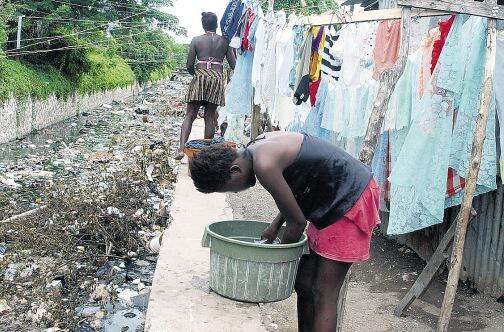
Jamaica has achieved a significant milestone in poverty reduction, with official statistics revealing the national poverty rate has plummeted to a historic low of 8.2 percent. This represents a dramatic improvement from 16.7 percent recorded in 2001, according to the latest Jamaica Survey of Living Conditions (JSLC).
The joint annual publication by the Planning Institute of Jamaica and the Statistical Institute of Jamaica indicates substantial progress across all regions. The Greater Kingston Metropolitan Area demonstrated the most remarkable improvement, with poverty rates falling from 10.4 percent to just 3 percent. Other Urban Centres saw a decline from 15.5 percent to 9 percent, while Rural Areas improved from 22.1 percent to 11.5 percent.
Extreme food poverty showed notable improvement, dropping from 5.8 percent in 2021 to 2.7 percent in 2023. The survey particularly highlighted the accelerated poverty reduction among younger demographics, narrowing the gap between youth and older persons from 10 percentage points in 2021 to approximately 4 percentage points.
Despite these achievements, the report reveals a concerning counter-trend: economic vulnerability has reached its highest level since 2012. Approximately 9.5 percent of Jamaicans now live within 10 percent above the poverty line, placing them at significant risk of falling into poverty. When combined with those already below the poverty threshold, 17.7 percent of the population faces economic insecurity.
The survey also documented improvements in poverty depth and severity metrics, which declined to 2.2 percent and 0.010 respectively from 4.4 percent and 0.018 in 2021. Additionally, economic inequality decreased substantially as measured by the consumption-based Gini coefficient, improving from 0.3991 in 2021 to 0.3560 in 2023.