博客

  • LOO Demands Explanation for Fuel Price Increase

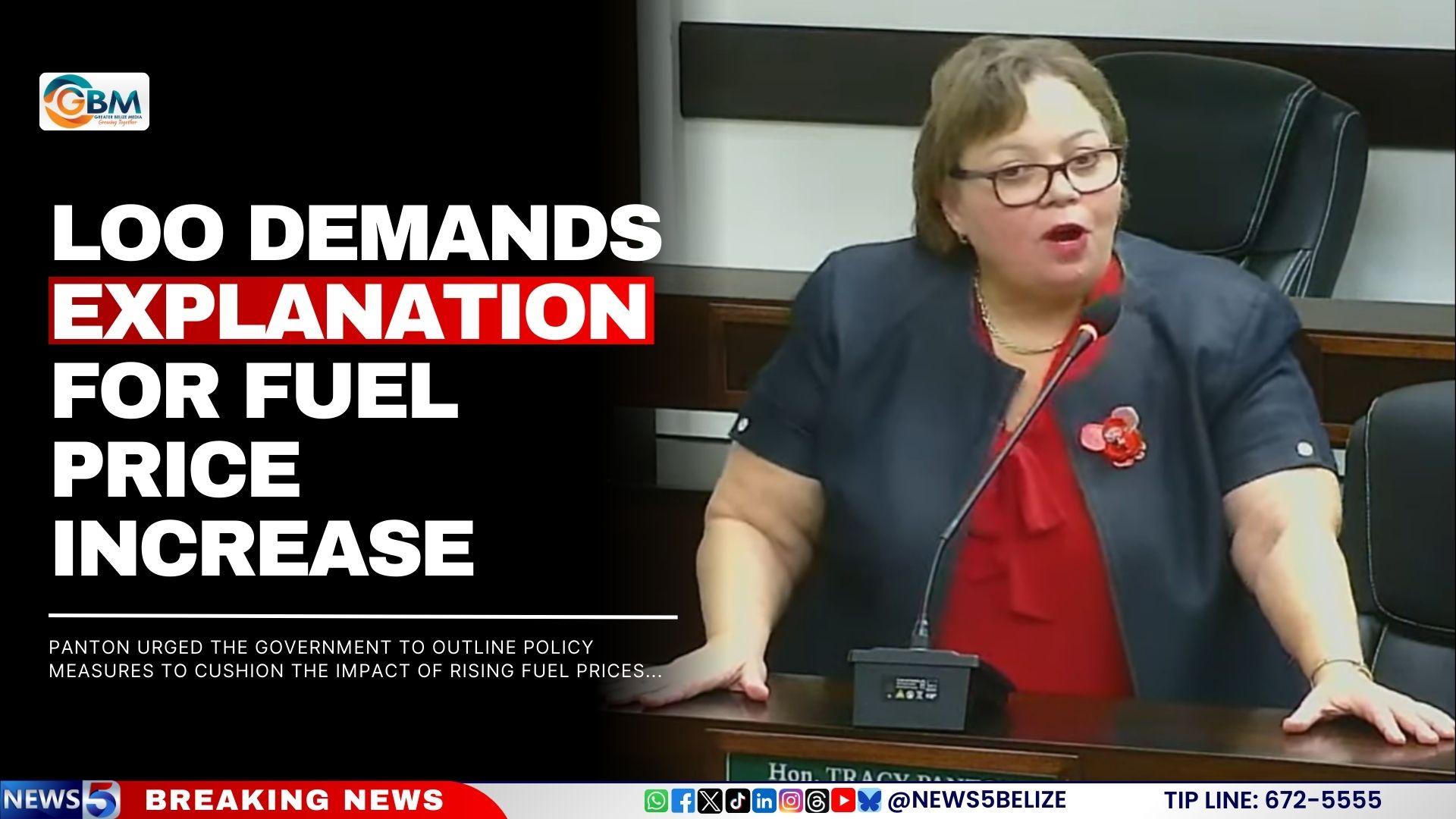
    LOO Demands Explanation for Fuel Price Increase

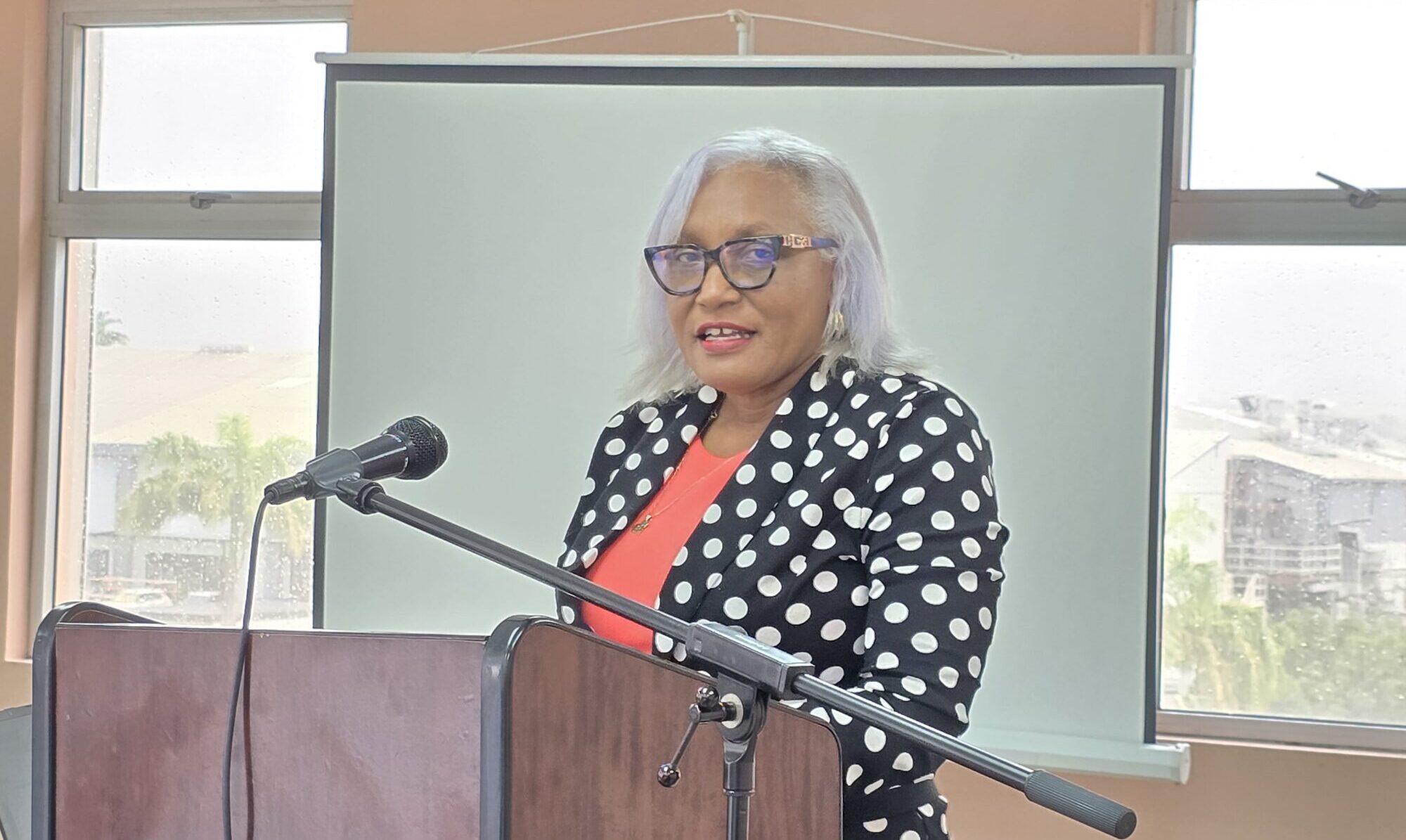
    BELIZE CITY – Opposition Leader Tracy Panton has issued a forceful demand for the Briceño administration to deliver a comprehensive explanation for the recent abrupt escalation in domestic fuel prices, challenging the government’s reference to international market conditions as insufficient justification.

    Prime Minister John Briceño previously attributed the price hike to escalating global fuel costs, specifically referencing the closure of the Strait of Hormuz following unexpected Middle East conflict developments. “This should surprise no one,” Briceño stated on Friday. “We’ve observed considerable price increases in the United States, and with twenty percent of global oil supplies transiting through the Strait of Hormuz now disrupted, Belizeans have been anticipating this adjustment.”

    Panton countered that such geopolitical explanations lack transparency for a government that once pledged exemplary accountability standards. She emphasized that Belize primarily imports refined petroleum products from Mexico and the United States rather than directly from conflict zones currently affecting global markets.

    The Opposition Leader highlighted that global crude oil prices have remained relatively stable within the $95-$100 per barrel range, questioning the mathematical correlation between international headlines and domestic price increases. Panton further pressed the administration to disclose whether it has pursued regional energy partnerships, specifically noting recent diplomatic engagements with Guyana—CARICOM’s largest oil producer—and Venezuela, which maintains the world’s largest proven oil reserves and historical ties with Belize.

    Panton concluded by urging the government to implement previously proposed policy measures, including reducing the fuel intake tax by at least $2 per gallon—a solution the current administration had advocated while in opposition.


  • Cletus Abraham band leader of Belles Combo better known as ‘Halibut’ has passed

    Cletus Abraham band leader of Belles Combo better known as ‘Halibut’ has passed

    The Caribbean music community is mourning the profound loss of legendary Dominican musician Cletus Andrew, universally celebrated by his stage name ‘Halibut,’ whose passing was confirmed by regional media outlets. An instrumental figure in the evolution of Creole music, Andrew cemented his legacy as the frontman and creative force behind the seminal cadence-lypso ensemble Belles Combo during the 1970s. His band’s innovative fusion of traditional cadence rhythms with calypso sounds defined a generation of Dominican music.

    Andrew achieved widespread acclaim with his iconic hit single ‘PAWABOL,’ a track that transcended its era to become a perennial anthem at cultural celebrations and remains a cornerstone of the genre. His recent artistic engagement included a celebrated appearance alongside the Midnight Groovers at the prestigious 2025 World Creole Music Festival, demonstrating his enduring vitality and connection to audiences.

    Dominica News Online, in formally announcing his death, has conveyed profound sympathies to Andrew’s grieving family, his wide circle of friends, and the entire musical fraternity across the island nation and the wider Caribbean. His departure signifies the loss of a genuine cultural architect whose contributions laid a foundational pillar for the Creole music scene. Tributes from fellow artists, historians, and fans are pouring in, commemorating a man whose work ensured the preservation and vibrant continued life of Dominican musical heritage.

  • Treasure Hunter Released After 10 Years; 500 Gold Coins Linked to Belize Still Missing

    Treasure Hunter Released After 10 Years; 500 Gold Coins Linked to Belize Still Missing

    After serving a ten-year prison term for contempt of court, renowned deep-sea explorer Thomas G. “Tommy” Thompson has been released from custody. The 73-year-old treasure hunter, who achieved fame in 1988 by locating the historic SS Central America shipwreck, completed his sentence on March 4, 2026.

    The SS Central America, famously known as the “Ship of Gold,” met its tragic end during a hurricane in 1857 while transporting substantial quantities of California gold. The maritime disaster claimed over 400 lives. Thompson’s groundbreaking discovery of the wreck off the South Carolina coast yielded treasure valued at tens of millions of dollars.

    Thompson’s release concludes one chapter of a complex legal saga that began when expedition investors filed lawsuits in 2005. These investors claimed they were denied their rightful shares from an estimated $50 million gold sale. The legal confrontation intensified when Thompson failed to appear in court proceedings in 2012, resulting in an arrest warrant.

    Following his capture in 2015, Thompson was held in contempt for refusing to disclose the whereabouts of 500 gold coins described as commemorative “restrikes” from the recovered treasure. Throughout legal proceedings, Thompson maintained that these coins were transferred to a trustee in Belize around 2009 and that he possesses no knowledge of their current location.

    Although the contempt order against Thompson was lifted in 2024, he remained incarcerated to complete a separate two-year sentence for his failure to appear in court. His release conditions include one year of supervised release and $250,000 in fines. The mystery of the missing gold coins, potentially linked to Belizean interests, remains unresolved.

  • Trump dreigt Kharg-eiland aan te vallen terwijl Iran strijd opvoert in Golfregio

    Trump dreigt Kharg-eiland aan te vallen terwijl Iran strijd opvoert in Golfregio

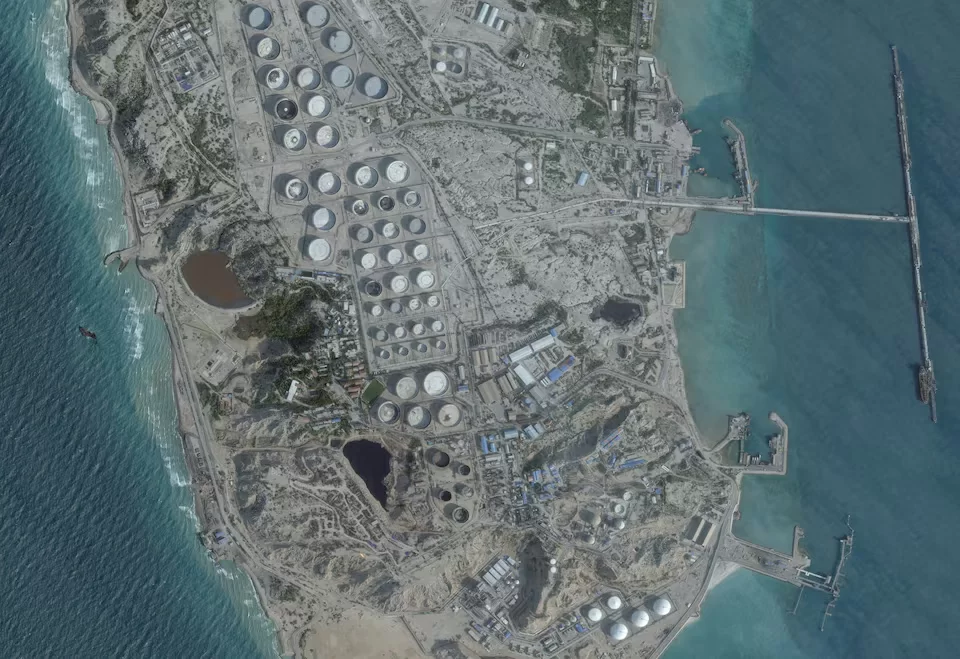
    U.S. President Donald Trump has issued a stark warning to Iran, threatening to target oil infrastructure on the strategic Kharg Island if Tehran continues attacking vessels in the Strait of Hormuz. This escalation intensifies pressures on global oil markets and energy security worldwide.

    Kharg Island serves as Iran’s primary oil export terminal, handling approximately 90% of the nation’s crude shipments. Located 500 kilometers northwest of the Hormuz Strait—a vital waterway transporting 20% of global oil daily—any attack on this facility could trigger significant disruptions to worldwide energy supplies.

    While acknowledging previous U.S. strikes had avoided oil infrastructure, Trump declared this restraint would end if Iran continues impeding maritime transit. “I will immediately reconsider this decision,” he stated on social media, noting U.S. forces had already “completely destroyed military targets on the island.”

    Iran responded defiantly, downplaying damage to Kharg while threatening enhanced retaliation including ballistic missiles. The Revolutionary Guard explicitly named parts of the United Arab Emirates (UAE) as legitimate targets, asserting Iran’s right to defend its sovereignty by striking U.S. missile assets concealed within Emirati cities.

    Recent hostilities include Iran’s launch of nine ballistic missiles and 33 drones toward the UAE on Saturday, bringing total conflict numbers to 294 ballistic missiles, 15 cruise missiles, and 1,600 drones. Iranian authorities advised UAE civilians to evacuate ports and military installations to avoid casualties.

    Despite attacks, Kharg Island’s oil exports continue uninterrupted according to local officials. The U.S. Navy announced plans to escort tankers through the Hormuz Strait to ensure energy security for the critical fossil fuel corridor.

    Supreme Leader Mojtaba Khamenei, successor to his assassinated father, declared the Strait must remain closed as leverage while conflict persists.

    The 39-kilometer Hormuz Strait represents the world’s most crucial oil transit chokepoint, connecting the Persian Gulf with the Gulf of Oman. It provides the only ocean access for Gulf exporters and facilitates one-fifth of global oil and LNG shipments.

    Iran’s military warned that attacks on its energy infrastructure would trigger retaliatory strikes against regional oil facilities cooperating with the U.S.

    In the UAE, a fire at Fujairah port—a key bunkering hub—temporarily halted some oil loading operations after intercepted drone debris caused blazes, though no injuries were reported.

    Despite warfare, Iran has increased oil production, exporting 1.1-1.5 million barrels daily primarily to China, the world’s largest oil market.

    Oil prices remain highly volatile amid Trump’s fluctuating statements regarding war duration, with escalations affecting global energy and stock markets.

    Beyond military tensions, casualties continue mounting with approximately 2,000 deaths reported since the conflict’s inception—mostly in Iran but also across Lebanon and the Gulf region—displacing millions.

    Additional developments include a rocket attack on the U.S. embassy in Baghdad Saturday, while Iranian media reported further missile attacks on Israel coordinated with Lebanon’s Hezbollah. An Israeli strike on a South Lebanon health center killed at least 12 medical personnel.

  • Police warrant issued for ‘Shots’

    Police warrant issued for ‘Shots’

    Barbados law enforcement has initiated a public search operation for Livardo Rogelio Hinds, a 35-year-old male known by the alias ‘Shots,’ who remains at large after failing to appear before the No. 3 Supreme Court. The Barbados Police Service (TBPS) confirms Hinds is wanted in connection with multiple serious criminal offenses currently under judicial review.

    Authorities have outlined proper surrender protocols, indicating Hinds may present himself voluntarily at either the No. 3 Supreme Court or the Central Police Station, provided he is accompanied by legal representation of his choosing.

    The TBPS has established multiple communication channels for information regarding Hinds’ whereabouts, directing citizens to contact the Central Police Station at 430-7676, Police Emergency services at 211, Crime Stoppers anonymously at 1-800-8477, or any nearby police precinct.

    In a stern warning to the public, the police service emphasized that harboring or providing assistance to wanted individuals constitutes a criminal offense under Barbadian law, with prosecutable consequences for those found aiding fugitives from justice. This development highlights the ongoing collaboration between law enforcement and community members in maintaining public safety and judicial accountability.

  • Accessibility, healthcare top priorities for disabled ahead of Budget

    Accessibility, healthcare top priorities for disabled ahead of Budget

    As Barbados prepares for Monday’s national budget announcement, disability advocates are intensifying calls for substantive government measures to improve accessibility, foster inclusion, and expand support systems for persons with disabilities. This mobilization comes despite the landmark passage of the Rights of Persons with Disabilities Act in 2025, which advocates acknowledge as significant progress but emphasize requires robust enforcement mechanisms to realize its full potential.

    At a recent Health Fair organized by the Social Empowerment Agency, numerous individuals with disabilities articulated specific challenges and expectations. Christopher Gilkes, living with Spina Bifida and Hydrocephalus, highlighted the prohibitive cost and complex processes involved in obtaining essential assistive devices. “The bureaucratic hurdles and financial burden to acquire something as basic as a wheelchair remain overwhelming,” Gilkes stated.

    Accessibility in public infrastructure emerged as a recurring concern. Quadriplegic Christopher Rouse noted the partial progress in transportation, acknowledging some wheelchair-accessible buses while criticizing the persistent inadequacy of supporting infrastructure. “From inaccessible bus terminals to sidewalks that force disembarkation onto roads, the challenges remain substantial,” Rouse explained, emphasizing that transportation solutions require comprehensive infrastructure overhaul.

    Healthcare accessibility beyond basic services was another priority. Suzanne Haewood, who has Rheumatoid Arthritis, advocated for expanded coverage to include dental and vision care in the upcoming budget. Amputee Meldine Norville brought attention to the critical need for prosthetic support, describing the financial and systemic barriers that prevent individuals from regaining mobility. “Prosthetic legs are prohibitively expensive, and government support for restoring mobility remains insufficient,” Norville asserted.

    Norville further detailed systemic employment discrimination and physical barriers in public spaces, noting that many establishments lack adequate facilities, ramps, or even accessible restrooms, effectively excluding disabled individuals from routine activities. This sentiment was echoed by Afeefa Manjra, who is blind and partially deaf, calling for increased braille implementation in public areas and prescription labeling.

    Pedro Belgrave emphasized the need for policies promoting independence through improved access to housing, sports, and educational opportunities. Acting Director of the Social Empowerment Agency, Wayne Nurse, acknowledged these concerns while outlining the government’s commitment to healthcare accessibility in new policy frameworks. “Our recently passed policy specifically addresses equitable healthcare access for persons with disabilities, ensuring they receive care equivalent to other citizens,” Nurse stated, though concrete budgetary allocations remain to be seen.

  • Govt ‘lighting up’ playing fields – sports minister

    Govt ‘lighting up’ playing fields – sports minister

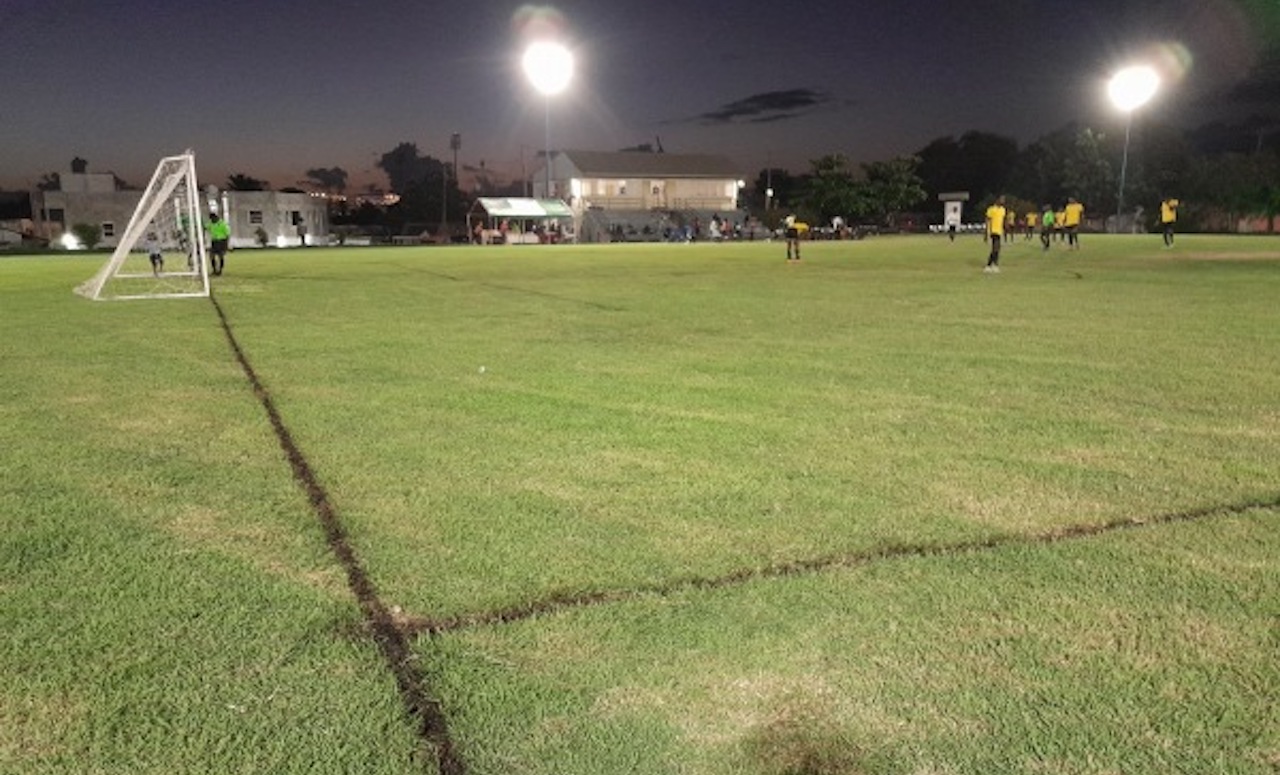
    The Barbadian government is executing a comprehensive national strategy to enhance community sports infrastructure through an extensive field lighting initiative. Minister of Sports and Community Empowerment, Charles Griffith, announced the program’s details during the ongoing Parliamentary Estimates debate on Friday, emphasizing its role in broadening sports participation at the grassroots level.

    Minister Griffith, responding to inquiries from government backbencher William Duguid, revealed that the systematic program has already seen several locations retrofitted with new lighting systems and decayed poles replaced. The initiative specifically targets state-owned playing fields, though the government acknowledges the need to extend lighting to certain non-state facilities, such as the YMCA’s dedicated football field.

    “Our methodical approach ensures we will systematically reach all fields,” Griffith stated from Parliament. “This lighting initiative represents a fundamental strategy for sports development by enabling greater community involvement. By broadening the base of our sports pyramid, we create opportunities for raw talent to emerge and excel.”

    Despite ambitious plans, budget limitations have presented challenges. Nicholas Matthias, Senior Superintendent of Works at the National Sports Council, identified seven locations that require completion outside the original project scope: Ignatius Byer Primary School and Crab Hill (both in St Lucy), YMPC on Beckles Road, Queen’s Park, The Lodge School in St John, Proute in St Thomas, and Gemswick in St Philip.

    The government is simultaneously addressing community facility needs beyond lighting infrastructure. In response to concerns raised by St James South MP Sandra Husbands regarding community spaces in St James, officials confirmed several potential venues are under consideration, including the former St John the Baptist School on Holders Hill, though final decisions remain pending.

    Chief Community Development Officer John Hollingsworth confirmed budgetary allocations specifically for addressing facility shortages in St James South and St James Central, noting: “We recognize the urgent need for this facility, as the closest community centers currently available are Weston and Eden Lodge, which underscores the significance of this project.”

    Minister Griffith further assured Parliament that maintenance structures are being implemented alongside new installations. The National Sports Council is establishing center management committees at all pavilions to create formal channels for community feedback regarding property and playing field conditions, ensuring sustainable upkeep of the enhanced facilities.

  • Nurses unveil Budget Day wish list

    Nurses unveil Budget Day wish list

    As Barbados prepares for its annual budget announcement, the Barbados Nurses Association (BNA) has outlined urgent priorities requiring government attention and funding. With Minister of Finance Ryan Straughn set to deliver the financial blueprint on Monday afternoon, healthcare professionals await concrete measures addressing long-standing workforce challenges.

    The BNA’s comprehensive agenda centers on three fundamental pillars: finalization of extended leave arrangements, resolution of job evaluation procedures, and expansion of nursing positions across both clinical and educational settings. Association President Dr. Fay Parris confirmed ongoing discussions with government ministries throughout the past year, expressing optimism that budgetary allocations would address these critical needs.

    At the forefront of negotiations is the long-awaited long leave agreement, which would establish clear parameters for extended time off for nursing professionals. The association simultaneously anticipates conclusive outcomes from the protracted job evaluation exercise that will determine appropriate salary structures and career progression pathways.

    Compensation adjustments form another crucial component, with the BNA advocating for significant elevation of entry-level nursing positions from the current Z23 grade to Z16. This recalibration aims to enhance recruitment prospects and recognize the professional demands placed on nursing staff.

    Beyond remuneration concerns, Dr. Parris emphasized the dual need for expanded clinical staffing and reinforced academic capacity. The current shortage of nursing educators threatens the nation’s ability to sustain pipeline development, potentially compromising long-term healthcare delivery. The association seeks budgetary ratification for additional posts that would strengthen both service delivery and educational infrastructure simultaneously.

  • Minister ensures swimmers’ training ahead of CARIFTA

    Minister ensures swimmers’ training ahead of CARIFTA

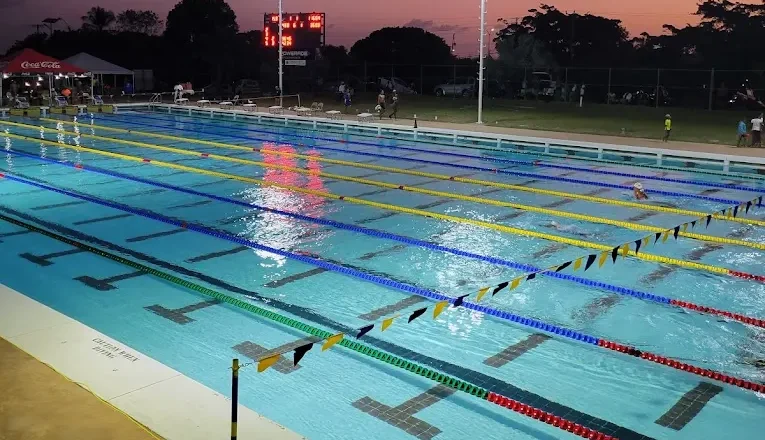
    In a decisive move to protect the competitive prospects of national athletes, Barbados Sports Minister Charles Griffith has authorized emergency training arrangements for the national swim team following the abrupt closure of the National Aquatic Centre. The shutdown, implemented by the Ministry of Health on Thursday afternoon, occurred mere hours before scheduled training sessions and threatens to extend for a minimum two-week period according to officials.

    Sharon Small, Vice President of the Barbados Aquatics Sport Association, identified critical malfunctions within the facility’s filtration infrastructure as the primary reason behind the closure. This development posed a significant threat to athletic preparations with the prestigious CARIFTA Aquatic Championships scheduled for April 3–8 in Martinique.

    Minister Griffith swiftly intervened to secure exclusive access to the swimming pool at the Ursuline Convent for the national squad. This arrangement will remain in effect continuously until the team departs for the regional championships. Emphasizing the strategic importance of the event, Griffith stated, ‘Our swimmers must not be disadvantaged in any way in their bid for podium places on the regional swimming stage, which serves as crucial preparation for the 2028 Los Angeles Olympics.’

    The 31-member Barbadian team, which achieved an impressive haul of 32 medals at the previous championships, will be led by a seasoned coaching staff comprising Dave Farmer, Antonio Petrolanda, and Damien Thorne. The delegation will be managed by Kay Chandler, with Dawn Boxill providing physiotherapy support. Andre Johnson and Tikeisha Pounder will fulfill chaperone responsibilities for the athletes competing at the Pierre Samot Aquatics Centre.

  • Business leader calls for joint approach to cost-of-living crisis ahead of budget

    Business leader calls for joint approach to cost-of-living crisis ahead of budget

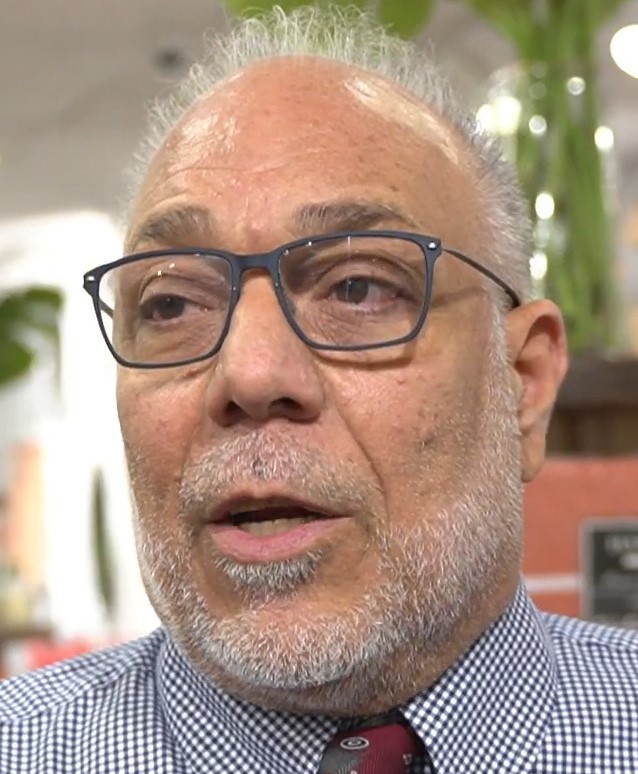
    Ahead of Barbados’ national budget announcement, prominent private sector leader Eddy Abed has issued a compelling appeal for collaborative action between government and businesses to address the island’s escalating cost of living challenges. The Managing Director of Abed & Company Ltd emphasized that current economic pressures demand more than isolated policy measures, advocating instead for a unified strategy to tackle systemic issues affecting consumers.

    Central to Abed’s concerns is Barbados’ current method of calculating import duties, which incorporates both merchandise costs and freight charges into the taxable base. This compounding effect, he argues, artificially inflates retail prices by 15-20%, creating an unnecessary burden on both retailers and consumers. The business leader pointed to international alternatives, specifically noting that the United States calculates duties solely on the Free On Board (FOB) value of goods, excluding transportation and insurance costs.

    With global oil prices threatening to push freight costs even higher, Abed warned that without structural reforms, these increased logistics expenses would inevitably transfer to consumers through elevated retail prices. Beyond immediate fiscal adjustments, he highlighted broader systemic improvements needed in Barbados’ business environment, particularly regarding regulatory approvals for development projects requiring substantial capital investment.

    Abed specifically proposed creating an “expedited window” for large-scale investments, suggesting that establishing clear thresholds would demonstrate government commitment to valuing private sector contributions while maintaining necessary oversight.

    The business leader also addressed Barbados’ energy infrastructure, emphasizing the critical need to accelerate renewable energy adoption and reduce dependence on volatile fossil fuel markets. He expressed particular concern about the island’s vulnerability should oil prices reach $150-200 per barrel, noting that current dependency creates damaging ripple effects throughout the economy.

    Abed revealed that technical projects for energy transition have already gone to tender but stressed that ensuring grid reliability requires coordinated public-private effort. “It needs to be a joint approach towards storing this energy so it works efficiently for the grid in Barbados,” he stated, underscoring the interconnected nature of economic and energy reforms needed to build sustainable economic resilience.