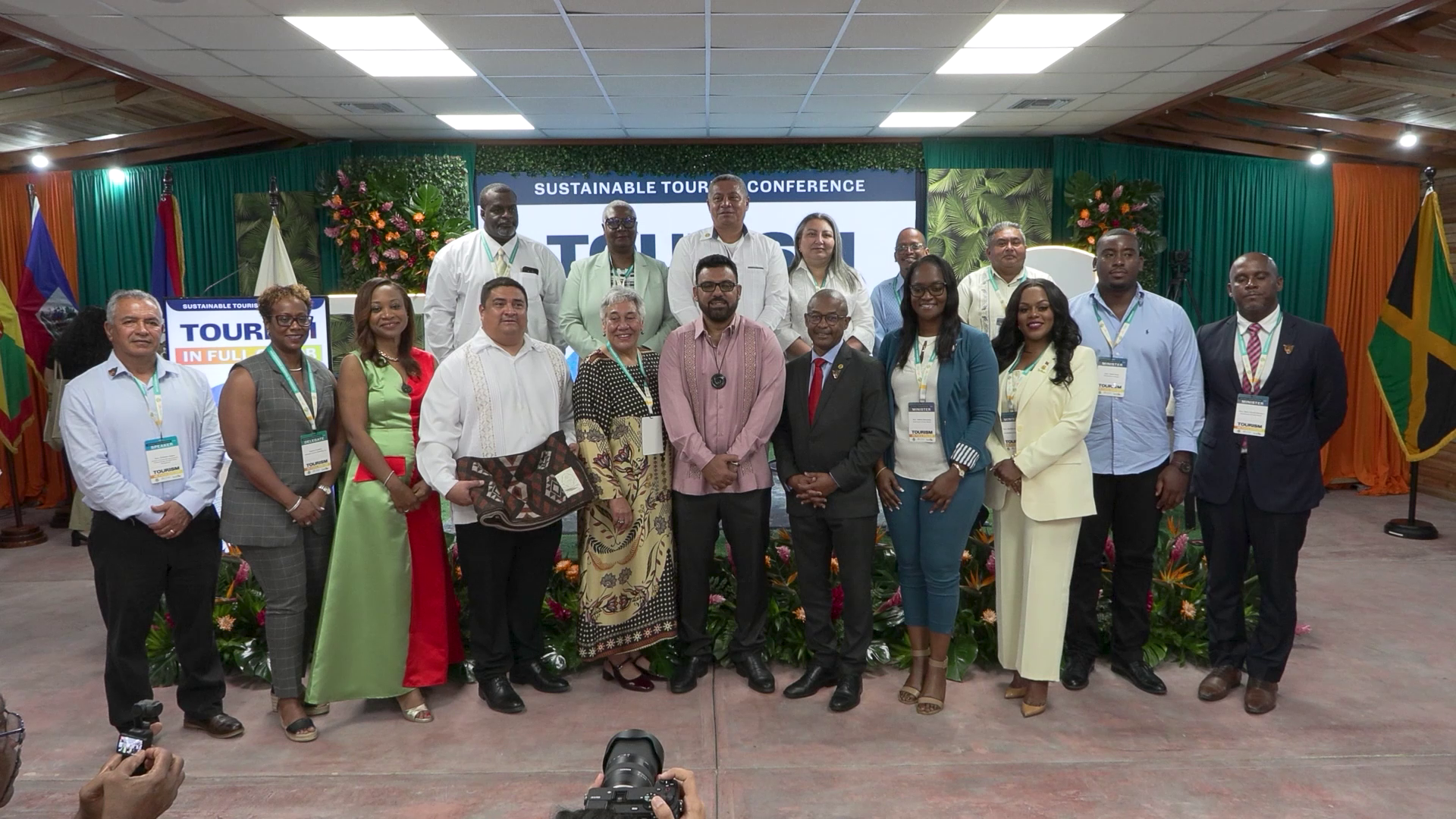
The Caribbean nation of Belize has stepped into the center of the regional tourism stage this week, opening the doors of the 17th Caribbean Conference on Sustainable Tourism Development to more than 300 delegates hailing from 29 nations across the globe. The event, organized through a collaborative partnership between the Belize Tourism Board and the Caribbean Tourism Organization, launched on April 27 under the unifying theme “Tourism in Full Color” — a framework designed to explore how Caribbean destinations can expand their tourism sectors without compromising the fragile natural ecosystems that draw visitors to the region in the first place.
For small and island economies across the Caribbean, tourism is far more than a single economic sector: it is the foundational backbone of regional prosperity. Industry data shows tourism contributes roughly one-third of the Caribbean’s total combined gross domestic product, with some smaller island nations relying on the sector for nearly 90% of their total economic output.
In his opening address to assembled delegates, Belize’s Tourism Minister Anthony Mahler extended a warm welcome while highlighting the unique natural and cultural assets that make his country stand out as a Caribbean destination. Mahler noted that Belize, which spans 8,867 square miles — roughly twice the geographic size of Jamaica — boasts extraordinary biodiversity, sprawling unspoiled landscapes, and a rich tapestry of cultural traditions that have shaped the nation’s identity.
“To our international guests who are visiting for the first time, you are in a country that holds extraordinary natural and cultural wealth, and all this in 8,867 square miles,” Mahler said in his remarks. “And for those of you who don’t know, that’s about twice the size of Jamaica, we can push out our chest, right? And as one people, we’ve built a nation of warmth and cultural richness. This is Belize, where the natural world and the human story are extraordinary and truly worth protecting. This is precisely why we’re here this week, to advance sustainable tourism across the Caribbean and beyond.”
Mahler emphasized that the long-term survival of Caribbean communities, economies, and natural environments hinges on adopting responsible growth frameworks for tourism. Citing recent data from UN Tourism, he noted that the global tourism sector hit a new milestone in 2025, with international tourist arrivals reaching a record 1.5 billion worldwide, generating $2.2 trillion in annual export revenues. Of that total, the Caribbean welcomed an estimated 70 million visitors in 2025, split evenly between cruise ship passengers and overnight leisure and business travelers.
“For many of our nations, tourism is not merely a sector of the economy. It is the economy,” Mahler added.
Over the course of the week-long conference, delegates will participate in a full schedule of working sessions, panel discussions, and collaborative workshops focused on three core priority areas: building climate resilience for coastal and island tourism destinations, advancing inclusive community-led tourism development, and mapping out a long-term sustainable strategy for the future of the Caribbean tourism industry. This event is the 17th iteration of the recurring regional conference, which brings together industry leaders, policymakers, non-profit stakeholders, and community representatives to address the most pressing challenges facing Caribbean tourism.