博客

  • Column: Drie namen, maar waar zijn de anderen?

    Column: Drie namen, maar waar zijn de anderen?

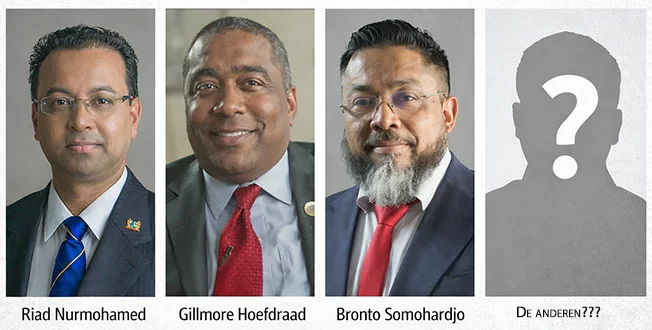
    Suriname’s National Assembly confronts a constitutional crossroads today as it deliberates on whether to authorize criminal proceedings against three former high-ranking officials. The decision transcends individual cases involving Riad Nurmohamed, Bronto Somohardjo, and Gillmore Hoefdraad, representing instead a fundamental test of how the nation handles the serious constitutional process of charging political officeholders.

    While no one disputes the necessity of thorough investigation or advocates for impunity, the Assembly cannot be expected to rubber-stamp the Public Prosecutor’s requests without proper scrutiny. Significant unanswered questions persist across all three cases, and the legislature maintains the constitutional authority to establish an investigative commission for further examination.

    The Nurmohamed case presents particularly complex allegations regarding the Pan Am project, raising concerns about whether the investigation has adequately addressed potential accomplices beyond the primary suspect. The Somohardjo matter relies heavily on a CLAD report that remains inaccessible to lawmakers, despite the defendant’s persistent claims of innocence and his unusual request for formal charges to clear his name. The Hoefdraad situation proves most problematic as the former official remains missing, making cross-examination impossible despite this being the third attempt to bring charges against him.

    This unprecedented situation crosses political boundaries, with each former minister representing different parties: Hoefrabd (NDP), Nurmohamed (VHP), and Somohardjo (Pertjajah Luhur). The Assembly’s decision must therefore demonstrate legal rigor rather than political motivation, avoiding any appearance of partiality.

    The incomplete nature of the current files suggests this process represents merely the beginning of a broader accountability effort. Strong indications point to wider involvement in the Pan Am case, suggesting that charging a single former official would be inadequate. The political ramifications will undoubtedly be significant as Suriname establishes precedents for handling allegations against political figures.

    [Editor’s Note: The article concludes with a tribute to former police spokesperson Ro Gajadhar, recognizing his unparalleled contribution to police communications and media relations.]
  • Edesur announces scheduled power outages in Greater Santo Domingo

    Edesur announces scheduled power outages in Greater Santo Domingo

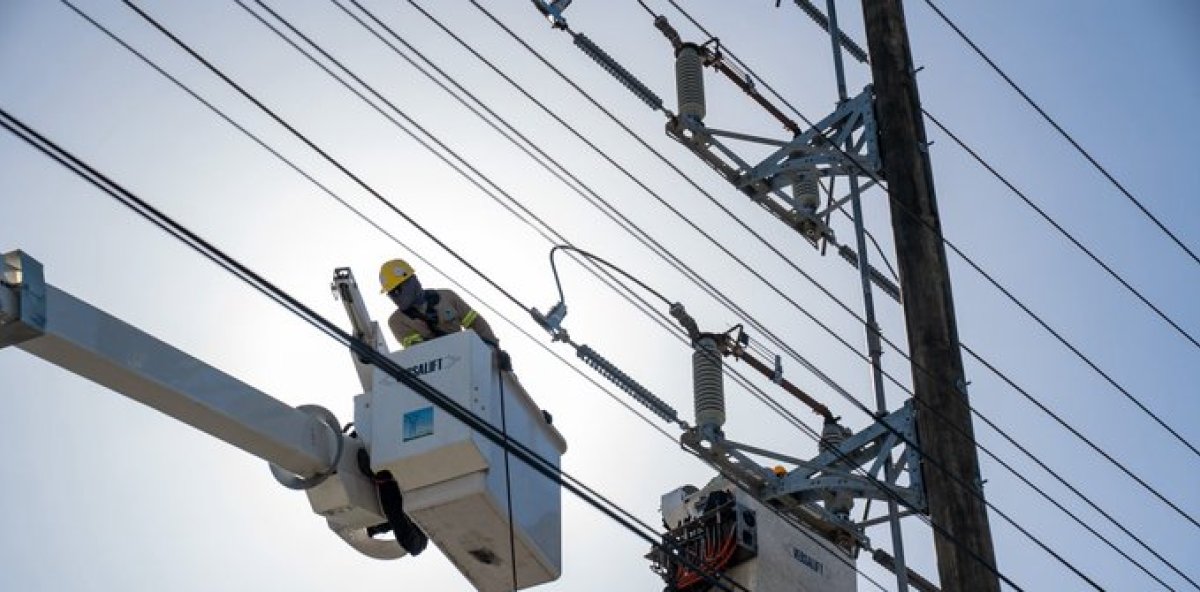
    Residents across multiple districts of Santo Domingo are set to experience temporary power disruptions this week as Edesur Dominicana proceeds with critical infrastructure upgrades. The electricity distributor has announced scheduled outages on Tuesday, Wednesday, and Friday affecting neighborhoods in the National District, Los Alcarrizos, and Santo Domingo Oeste regions.

    The modernization initiative centers on two key substations: Arroyo Hondo and Alfa. At the Arroyo Hondo facility, technicians will install advanced distribution cells and enhance existing infrastructure to fully utilize the station’s 56 MVA capacity. This work necessitates power interruptions from 9:00 a.m. to 5:00 p.m. on Tuesday, impacting Viejo Arroyo Hondo, Las Palmas, Los Jardines, and Los Pinos.

    Concurrently, integration efforts at the new Alfa substation will involve comprehensive power line installation and pole positioning designed to reinforce electrical supply networks. These operations will trigger additional service suspensions on Wednesday (9:00 a.m. to 1:00 p.m.) and Friday (9:00 a.m. to 3:00 p.m.).

    Affected communities encompass Tierra Llana, Villa Peravia, Villas Naco, La Ciénaga, Los Hidalgos, San Miguel de Manoguayabo, and Pueblo Nuevo. Numerous sectors within Los Alcarrizos—including Savica, Los Multifamiliares, El Chucho, Los Rieles, and Carmen Renata—will likewise experience temporary electricity cuts.

    Edesur has extended apologies for any inconvenience caused, emphasizing that these essential improvements will significantly boost service reliability and address the region’s escalating energy demands. The company reaffirmed its commitment to delivering enhanced electrical infrastructure through these strategic modernization projects.

  • Productie Krediet Fonds keurt SRD 41 miljoen goed: groei productie en werkgelegenheid

    Productie Krediet Fonds keurt SRD 41 miljoen goed: groei productie en werkgelegenheid

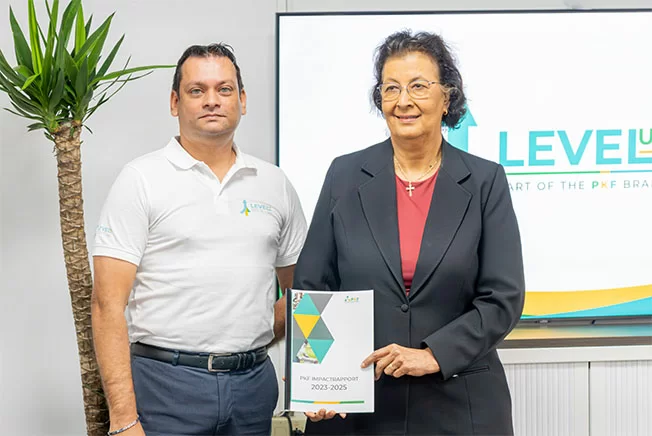
    Suriname’s Production Credit Fund (PKF) has demonstrated significant economic impact in its second year of operation, approving over SRD 41 million in loans that substantially enhanced production capacity and job creation across the nation. According to the fund’s second impact report presented to President Jennifer Simons by the National Development Bank, credit demand has surged dramatically, enabling businesses to expand their production output by nearly 50 percent on average.

    The fund, specifically targeting small and medium-sized enterprises, has experienced accelerated activity with credit applications increasing by approximately 63 percent. The average loan size has grown to SRD 1.7 million, reflecting both increased business confidence and expanding operational needs.

    Beyond production growth, the PKF has made substantial contributions to Suriname’s labor market. Companies receiving financing have expanded their workforce by an average of 25 percent, with recent projects estimated to create between 63 and 108 new jobs collectively.

    While the majority of loans have benefited businesses in Paramaribo and Wanica, districts such as Nickerie, Para, and Marowijne are showing increased application rates. However, the report highlights ongoing concerns regarding regional distribution and gender equity, with female entrepreneurs experiencing lower approval rates.

    The fund has identified structural challenges facing Surinamese entrepreneurs, including bureaucratic procedures, land allocation issues, and inadequate financial management systems. In response, PKF has expanded its mandate beyond credit provision to include technical assistance and policy improvement initiatives.

    Recently introduced youth credit programs target entrepreneurs aged 18-27, while future priorities include innovation support, enhanced assistance for women and youth entrepreneurs, and strategic partnership development. After two years of successful operation, the PKF has transitioned from pilot project to recognized instrument for economic growth and diversification in Suriname.

  • Politic : Towards strengthening cooperation with the UN system

    Politic : Towards strengthening cooperation with the UN system

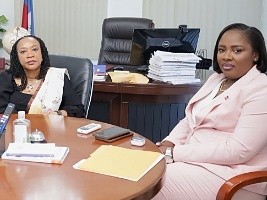
    In a significant diplomatic engagement on March 23, 2026, Haiti’s Minister of Planning and External Cooperation Sandra Paulemon convened with United Nations System Resident Coordinator Nicole Kouassi to reinforce institutional collaboration. The high-level meeting marked a pivotal step in aligning international support with Haiti’s national development agenda.

    UN representative Kouassi extended formal congratulations on Minister Paulemon’s appointment, acknowledging her distinguished professional trajectory. She articulated the UN’s comprehensive cooperation framework, emphasizing the organization’s sustained commitment to advancing priorities outlined in Haiti’s National Pact for Stability and Election Organization. Kouassi specifically highlighted UN support for policies facilitating the return of internally displaced populations, economic rehabilitation initiatives, and institutional capacity building.

    The Resident Coordinator reaffirmed the UN’s readiness to serve as a strategic technical partner for government programs, ensuring alignment with established objectives. This commitment extends across multiple sectors including humanitarian assistance, governance strengthening, and sustainable development initiatives.

    Minister Paulemon emphasized the critical importance of rigorous project alignment with national priorities as defined in the National Pact. She outlined the Ministry’s structured approach through short, medium, and long-term planning frameworks under Prime Minister Fils-Aimé’s directives, designed to address the population’s most urgent needs effectively.

    The Minister detailed ongoing efforts to harmonize interventions across sectoral ministries, prioritizing operational performance and sustainable outcomes. She stressed the implementation of quick-impact projects and enhanced coordination mechanisms to generate measurable benefits for vulnerable communities. Key initiatives include subsidy programs for disadvantaged families, healthcare infrastructure restoration, SME support mechanisms, and educational access equality measures.

    Paulemon affirmed her Ministry’s central role in coordinating public actions to tangibly improve living conditions within Haiti’s broader economic and social recovery framework.

    Both parties agreed to establish strengthened monitoring mechanisms and continue high-level exchanges to further consolidate this strategic partnership in service of Haiti’s development objectives.

  • Abinader promotes transparency, anti-corruption agenda at OECD Forum

    Abinader promotes transparency, anti-corruption agenda at OECD Forum

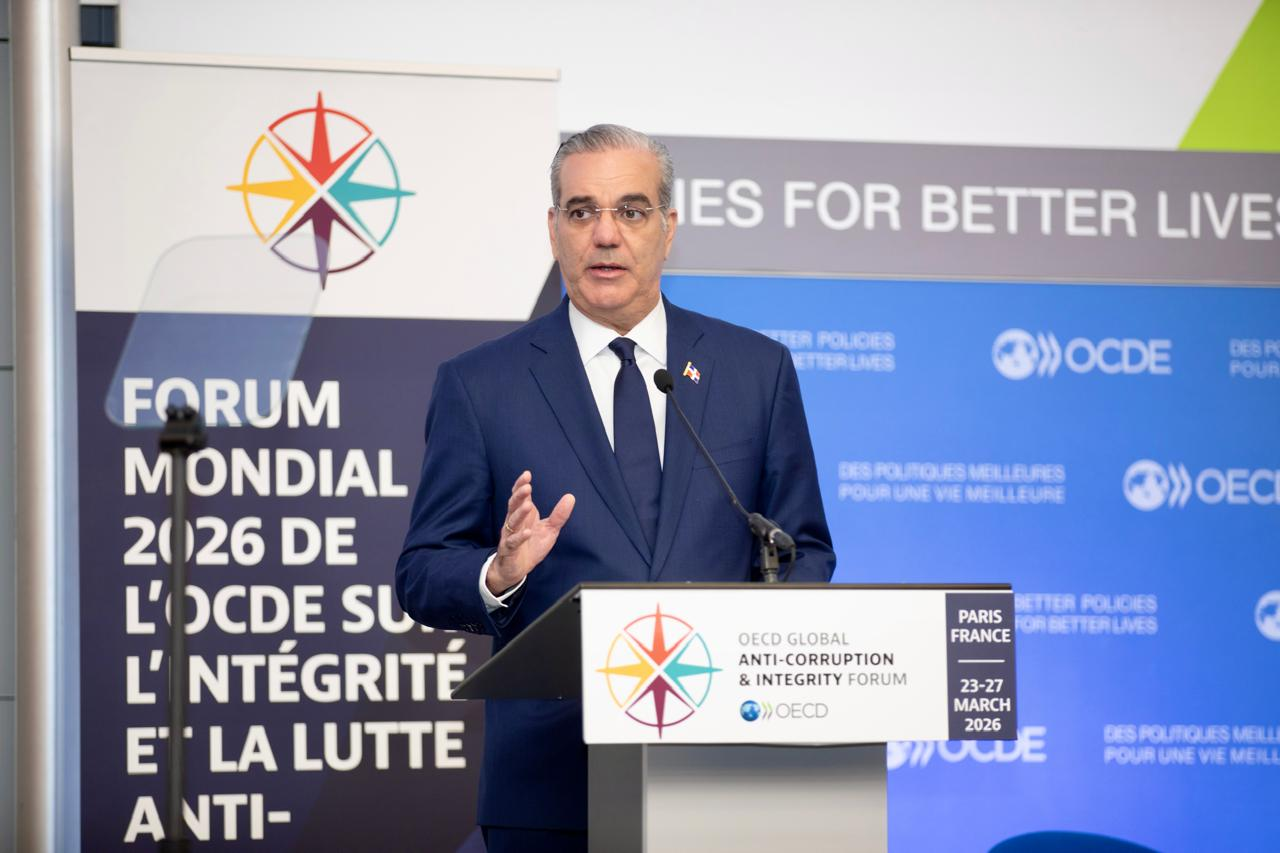
    PARIS – Dominican Republic President Luis Abinader delivered a powerful address at the Organisation for Economic Co-operation and Development (OECD) Global Anti-Corruption and Integrity Forum in Paris, positioning institutional integrity as the fundamental driver of his nation’s economic and democratic advancement.

    In his keynote speech, President Abinader articulated a comprehensive governance model structured around four strategic pillars: prevention, transparency, coordination, and compliance. He emphasized that integrity constitutes more than political rhetoric—it represents an operational system founded on rigorous legal frameworks, institutional accountability, and public openness. This system, he argued, directly fortifies citizen trust and ensures long-term governmental stability.

    The President characterized corruption as an ‘invisible tax’ that inflates operational costs, deters foreign investment, and suppresses national productivity. To counter this, his administration has implemented innovative structural measures including the establishment of Integrity and Compliance Commissions across all government bodies. These commissions are tasked with proactively identifying institutional risks and strengthening internal control mechanisms.

    Abinader detailed significant constitutional reforms demonstrating his commitment to judicial independence, notably the appointment of an autonomous attorney general and the removal of presidential influence over this critical role. He referenced ongoing high-profile corruption prosecutions as evidence of the government’s unwavering commitment to equitable justice.

    Recognizing Milagros Ortiz Bosch for her pioneering transparency initiatives, Abinader concluded that integrity serves as a strategic national asset that catalyzes foreign investment, fosters innovation, and reinforces democratic resilience, ultimately positioning the Dominican Republic as a leader in international governance standards.

  • Elections : New political dynamic to include the diaspora in the democratic process

    Elections : New political dynamic to include the diaspora in the democratic process

    In a landmark move toward democratic inclusion, Haiti’s government has initiated a comprehensive strategy to formally incorporate its diaspora population into the nation’s electoral framework. On March 23, 2026, Minister J.E. Kathia Verdier of the Ministry for Haitians Living Abroad (MHAVE) convened a high-level assembly at the Provisional Electoral Council (CEP) headquarters, gathering representatives from key state institutions including the National Identification Office (ONI).

    This groundbreaking meeting, conducted under Prime Minister Fils Aimé’s vision for a more representative democracy, marks a significant shift in Haiti’s political landscape. The government is establishing a structured process to examine, guide, and implement mechanisms for broader diaspora participation while maintaining compliance with institutional requirements and national circumstances.

    Technical discussions centered on critical aspects including legal frameworks, organizational prerequisites, and essential technical conditions necessary for evolving Haiti’s electoral system. This methodological approach emphasizes gradual development through consultation, institutional accountability, and the pursuit of context-appropriate solutions.

    Minister Verdier characterized this initiative as a pivotal political advancement in modernizing state infrastructure and strengthening democratic legitimacy. She highlighted the growing acknowledgment of the diaspora’s strategic importance in shaping national policy directions, while emphasizing the need for rigorous, systematic, and inclusive implementation methodologies.

    The Prime Minister’s office reaffirmed its dedication to advancing this democratic expansion with transparency and public service ethos, ensuring alignment with institutional equilibrium and national development priorities.

  • Panton Puts Cost‑of‑Living Crisis Front and Center

    Panton Puts Cost‑of‑Living Crisis Front and Center

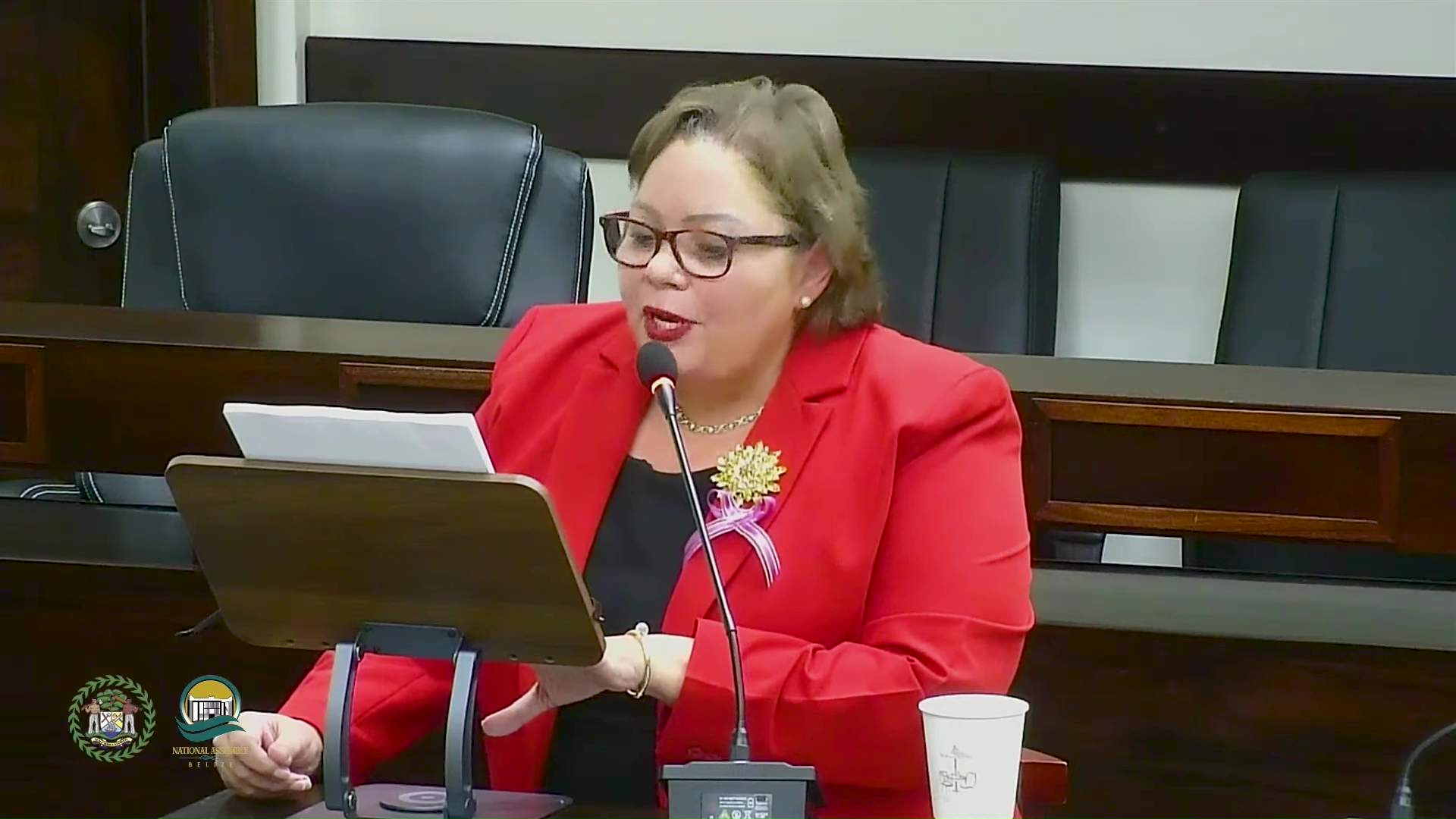
    BELIZE CITY – Opposition Leader Tracy Panton launched a fierce critique of government taxation policies during Monday’s budget debate, positioning the cost-of-living crisis as the central issue affecting Belizean families. Panton strategically shifted focus from abstract economic projections to the tangible realities confronting citizens, particularly emphasizing the impact of fuel prices on household budgets.

    The political confrontation centered on what Panton characterized as excessive government taxation on petroleum products, with her analysis revealing that 41% of regular fuel costs and 46% of premium fuel prices directly fund government coffers through various levies including revenue replacement tax, import duties, excise tax, environmental tax, and GST.

    Panton delivered a comprehensive assessment of economic pressures, citing consecutive increases across essential services and commodities including water rates, electricity costs, grocery items, rent expenses, and licensing fees. She issued a stark warning about impending price hikes for liquid petroleum gas (butane), predicting the government would soon attribute increases to ‘unpredictable global developments.’

    The opposition leader specifically targeted Prime Minister Briceño’s ‘budgeting for prosperity’ framework, labeling it profoundly disconnected from contemporary economic realities. Panton argued that global geopolitical tensions, particularly Middle East instability and ongoing conflicts, have created sustained volatility in oil markets that immediately impacts Belizean consumers long before new shipments arrive in port.

    Her critique extended to the administration’s approach to global economic influences, suggesting the government’s apparent disregard for international political changes has left Belize vulnerable to external shocks rather than providing insulation from their effects.

  • Authorities launch road safety operation in Higüey ahead of Easter

    Authorities launch road safety operation in Higüey ahead of Easter

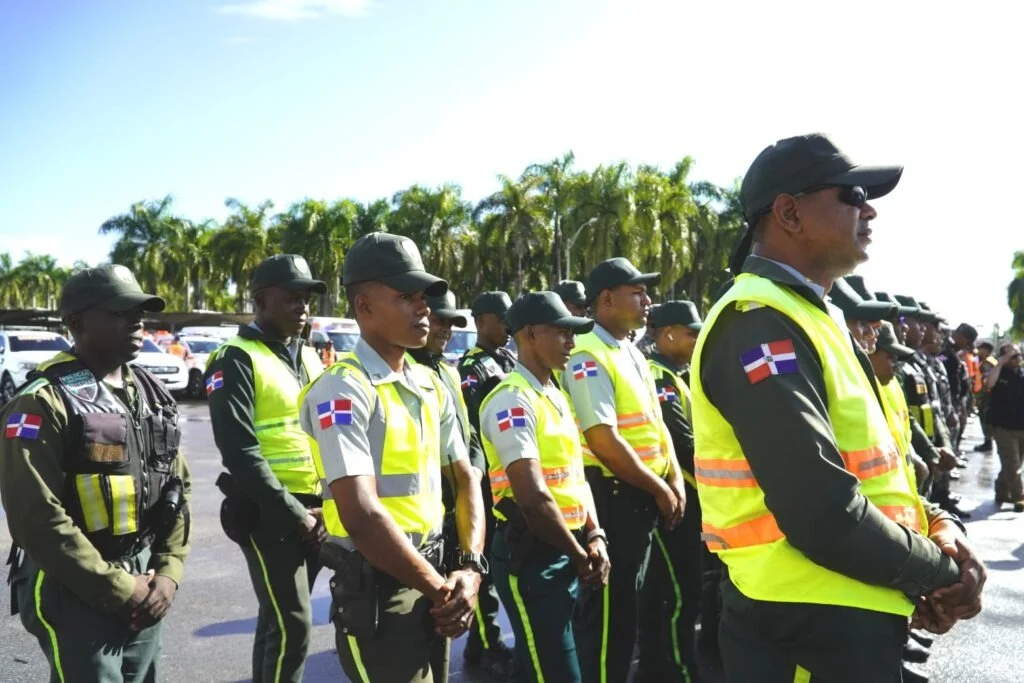
    Higüey, La Altagracia – In a proactive move to combat holiday road fatalities, Dominican authorities have initiated a comprehensive traffic safety campaign during the Easter period, historically one of the most dangerous times for road travel in the country.

    The multi-faceted operation, spearheaded by the General Directorate of Traffic Safety and Land Transport (Digesett), emphasizes preventive measures through direct community engagement. The program features targeted interventions for different risk groups: motorcycle taxi operators received instruction on fundamental safety protocols, public transport drivers underwent mandatory alcohol screening, and educational institutions hosted road safety seminars to instill responsible practices among young students.

    This collaborative effort enjoys support from provincial governance, transportation unions, and commercial enterprises, all advocating for shared responsibility in accident prevention. Government officials have confirmed plans to extend these safety initiatives to additional urban centers to maximize their protective reach.

    Rafael Tejeda Baldera, official spokesperson, emphasized that reducing traffic casualties requires both regulatory enforcement and personal accountability. Authorities reinforced their advisory for heightened public vigilance, maintaining that preventive strategies constitute the most effective approach to preserving lives throughout the Holy Week celebrations.

  • Opposition Leader Calls Out PM’s ‘Hypocrisy’ on Pump Prices

    Opposition Leader Calls Out PM’s ‘Hypocrisy’ on Pump Prices

    In a dramatic turn during Belize’s budget debate proceedings, Opposition Leader Tracy Panton launched a scathing critique against Prime Minister John Briceño, accusing him of blatant hypocrisy regarding fuel pricing policies. The political confrontation escalated into a deeply personal exchange that shifted the discourse from policy matters to questions of parliamentary decorum.

    Panton strategically reminded the assembly of Briceño’s previous tenure as opposition leader, when he orchestrated public protests demanding a two-dollar reduction in fuel taxes during the Barrow administration. She highlighted the stark contrast between his former advocacy and current policies, noting that premium fuel prices have surged dramatically from ten dollars per gallon during his protest leadership to significantly higher rates under his current governance.

    The debate took an unexpectedly personal turn when Panton, who has a physical disability, accused the Prime Minister of mocking her decision to remain seated during her parliamentary presentation. This allegation prompted her emotional rebuttal referencing Briceño’s wife’s work with disabled individuals, transforming the political disagreement into a charged personal confrontation.

    The intense exchange has fundamentally altered the tone of the budget debate proceedings, creating a palpable tension that observers suggest may influence subsequent parliamentary discussions. Panton’s dual-pronged attack—combining policy criticism with personal allegations—has positioned this confrontation as a defining moment in the current political session, potentially affecting public perception of both leadership figures.

  • Fonseca says Opposition Offers Only “Gloom, Not Solutions”

    Fonseca says Opposition Offers Only “Gloom, Not Solutions”

    Freetown Area Representative Francis Fonseca delivered a scathing critique of the Opposition Leader’s budget response during Monday’s parliamentary session, characterizing the nearly two-hour address as fundamentally lacking in substantive solutions.

    In his opening remarks, Fonseca systematically dismantled the opposition’s approach, describing their presentation as excessively lengthy yet remarkably devoid of meaningful content. “I listened very carefully to the leader of the opposition’s presentation,” Fonseca stated. “It was long. That is really the only memorable thing about it—that it was long.”

    The government representative further criticized the tone and substance of the opposition’s response, labeling it “a very weak, tired, uninspiring presentation” that demonstrated a pessimistic worldview. Fonseca accused the opposition of employing what he termed a “classic case of seeing the glass half empty” approach, suggesting they were deliberately exaggerating the nation’s challenges while failing to provide constructive alternatives.

    “It is easy to see the glass half empty,” Fonseca continued. “The entire presentation focused on seizing any opportunity where we face challenges—and of course, as a developing nation, we encounter many daily challenges—and attempting to portray them as larger than reality, evolving them into seemingly insurmountable problems.”

    The exchange has significantly heightened tensions in the ongoing budget debate, with both government and opposition factions now firmly entrenched in their contrasting visions for Belize’s economic future. This rhetorical clash underscores the deepening political divisions regarding the country’s fiscal direction and development strategy.