博客

  • The Guild of Students at UWI Five Islands: Championing Our Green Spaces

    The Guild of Students at UWI Five Islands: Championing Our Green Spaces

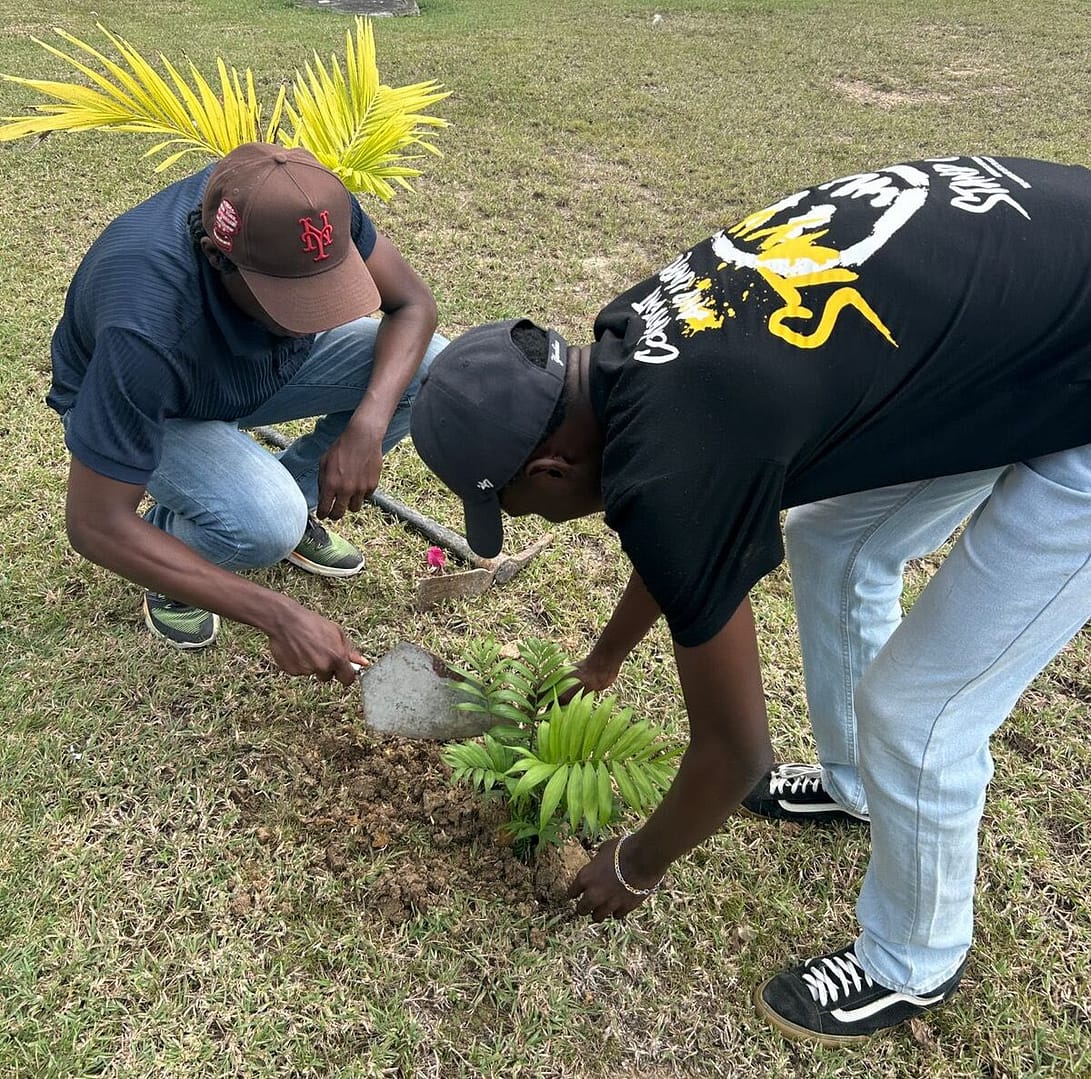
    The University of the West Indies Five Islands Campus has embarked on an ambitious environmental stewardship program spearheaded by its Guild of Students. This initiative, centered around strategic tree planting, represents a profound commitment to ecological preservation and sustainable development throughout the Caribbean region.

    Under the leadership of Guild President Kerron McKenzie, the project transcends mere environmental symbolism, serving as a tangible demonstration of youth-led climate action. McKenzie emphasized the initiative’s deeper significance, stating that preserving green spaces constitutes both an environmental responsibility and an intergenerational duty. The program directly aligns with United Nations Sustainable Development Goals 13 and 15, addressing climate action and terrestrial ecosystem conservation.

    The operational success of the endeavor was orchestrated by Project Manager Tanisha Phillips, who articulated the project’s multifaceted benefits. “Our tree planting initiative contributes to improved air quality, enhanced biodiversity, and the creation of more sustainable communal spaces,” Phillips noted. “This represents more than environmental activism—it embodies our commitment to long-term ecological responsibility.”

    Complementing these efforts, Policy Officer Joshua Blenman provided strategic direction, ensuring alignment between student-led activities and broader regional environmental priorities. This collaborative approach has established a framework for future sustainability projects that integrate academic excellence with practical environmental leadership.

    The initiative underscores the critical importance of localized environmental actions in small island developing states, where climate change impacts remain particularly acute. By combining immediate action with long-term vision, the UWI Five Islands campus demonstrates how educational institutions can serve as catalysts for sustainable development and environmental resilience throughout the Caribbean community.

  • ABCAS Performing Arts Students Merge Creativity And Entrepreneurship In “Roots & Rhythm” Showcase

    ABCAS Performing Arts Students Merge Creativity And Entrepreneurship In “Roots & Rhythm” Showcase

    Students from the ABCAS (Academy for Business and Creative Arts Studies) Performing Arts program are redefining the modern artist’s journey with their groundbreaking showcase, ‘Roots & Rhythm.’ This innovative production transcends a traditional performance, serving as a dynamic fusion of creative expression and entrepreneurial strategy. The event demonstrates a forward-thinking curriculum that equips artists with the necessary tools to thrive in a competitive creative economy.

    The showcase is a carefully curated tapestry of dance, music, and theatrical pieces, each act rooted in cultural heritage while pulsating with contemporary rhythm. Beyond the footlights, the students have been instrumental in every facet of the production’s lifecycle. Their involvement extends to strategic marketing, brand development, audience engagement analytics, and financial management, transforming the stage into a real-world business incubator.

    This pedagogical approach addresses a critical gap in arts education, moving beyond pure technique to instill vital skills in self-promotion, project funding, and sustainable career building. Faculty mentors report that ‘Roots & Rhythm’ acts as a capstone experience, challenging performers to view their art as both a cultural product and a viable enterprise. The initiative has garnered significant attention from local arts advocates and business leaders, who see it as a model for nurturing the next generation of artist-entrepreneurs.

  • Yellow Fever detected in monkey in Trinidad and Tobago, health officials on alert

    Yellow Fever detected in monkey in Trinidad and Tobago, health officials on alert

    Health authorities in Trinidad and Tobago have initiated comprehensive monitoring protocols across multiple regions following the laboratory-confirmed detection of Yellow Fever in a deceased Red Howler monkey. The Ministry of Health issued an official statement confirming the diagnosis while emphasizing that no human cases have been identified within the nation’s borders.

    The discovery has triggered intensified surveillance operations and vector control measures in affected zones, with officials implementing precautionary monitoring systems. This development aligns with broader hemispheric concerns, as health agencies throughout the Caribbean and Americas have reported Yellow Fever cases in several Southern Hemisphere countries over the past year.

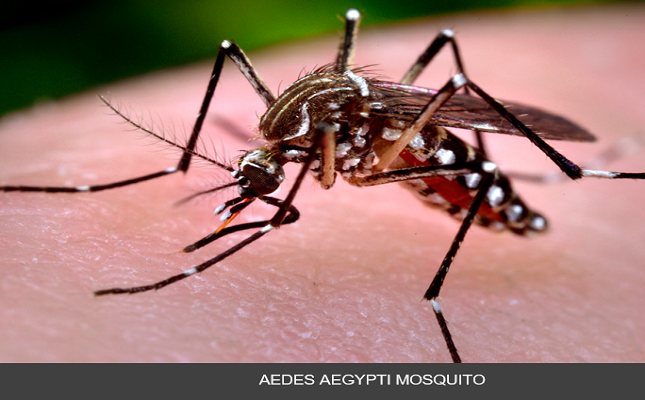
    In response to the potential threat, Trinidad and Tobago has implemented enhanced travel regulations requiring visitors arriving from specified destinations to provide valid Yellow Fever vaccination certificates. The viral disease, transmitted primarily through infected Aedes aegypti mosquitoes, finds non-human primates like the Red Howler monkey serving as critical environmental indicators for viral presence.

    Health officials note that while the primate infection doesn’t indicate immediate human transmission risk, it signals the necessity for heightened public health awareness. The ministry has issued guidelines for residents to implement protective measures against mosquito bites and eliminate potential breeding sites in residential areas. Early symptoms of Yellow Fever typically manifest within three to six days post-infection, including sudden fever onset, chills, severe headache, back pain, nausea, vomiting, and jaundice.

  • Energie, water, obligaties: Wat zijn de doelen van Iran als Trump elektriciteitscentrales aanvalt?

    Energie, water, obligaties: Wat zijn de doelen van Iran als Trump elektriciteitscentrales aanvalt?

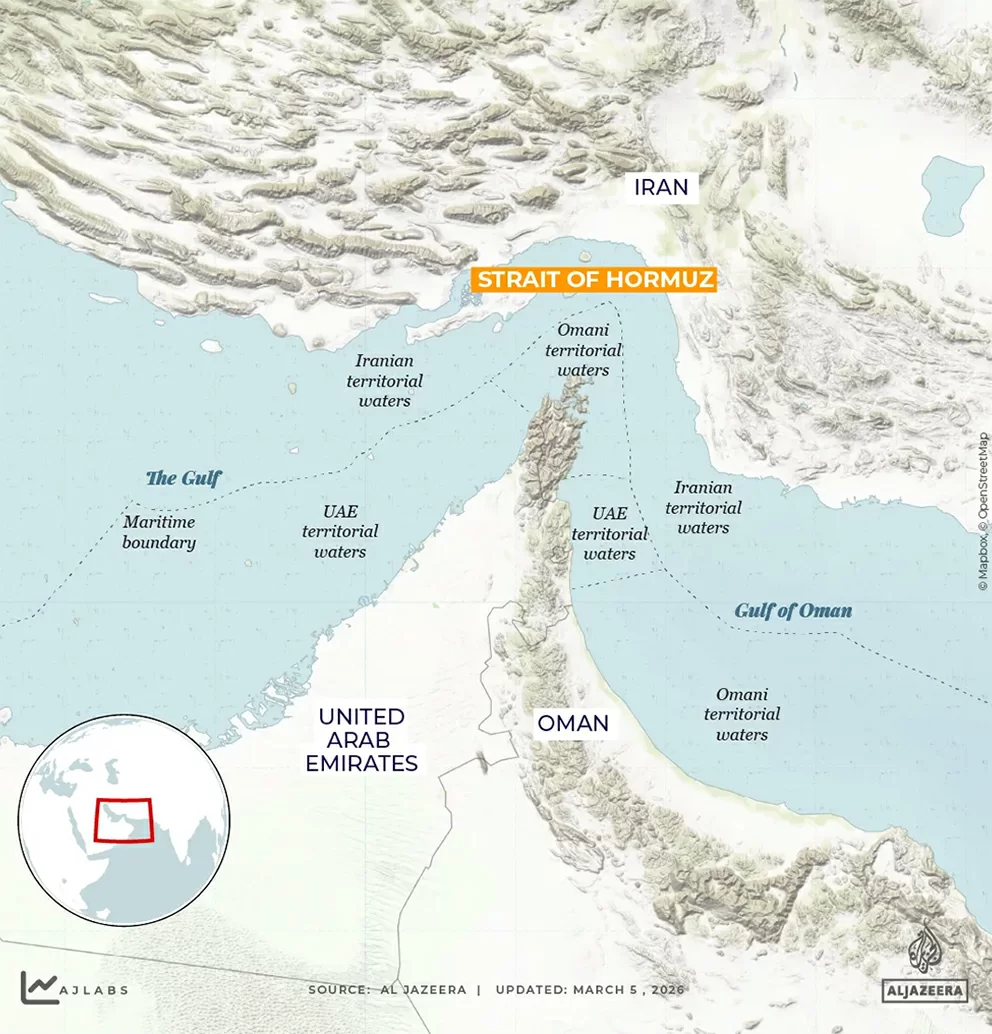
    In a dramatic escalation of Middle East tensions, former U.S. President Donald Trump has ordered a five-day pause in planned attacks on Iran’s energy infrastructure, according to his statements on Monday. This development follows Trump’s 48-hour ultimatum issued Sunday demanding Iran reopen the Strait of Hormuz—a critical global oil transit route—or face targeted strikes on Iranian power facilities.

    Trump claimed on Truth Social that Washington and Tehran had engaged in “very good and productive talks” regarding a “complete and total resolution of our hostilities in the Middle East,” adding that “this time Iran is serious; they want to settle. They want peace.” These assertions were immediately contradicted by Iranian officials, with the Tasnim news agency reporting no negotiations were occurring and Parliament Speaker Mohammad Bagher Ghalibaf dismissing the claims as “fake news” designed to manipulate financial markets.

    The confrontation stems from Iran’s March 2nd announcement closing the Strait of Hormuz, through which 20% of global oil and gas passes, contributing to oil prices surpassing $100 per barrel. Trump’s Saturday threat specified that if Iran didn’t fully reopen the strait within 48 hours, the U.S. would “ATTACK AND DESTROY their various ELECTRIC POWER PLANTS, STARTING WITH THE LARGEST.” Potential targets include Iran’s Damavand plant near Tehran (2,900 MW capacity), Kerman plant (1,910 MW), and Ramin plant (1,890 MW).

    Iran’s Islamic Revolutionary Guard Corps (IRGC) responded with counter-threats, vowing to target Israeli power plants and facilities supporting U.S. military bases in the region. The IRGC stated the strait would remain closed “until our destroyed power plants are rebuilt,” while Iranian officials clarified the passage remains open to all except “ships belonging to our enemies.”

    The situation has triggered regional energy disruptions, with QatarEnergy halting LNG production after attacks on Ras Laffan and Mesaieed facilities, and Saudi Arabia suspending operations at its Ras Tanura refinery following fires allegedly caused by intercepted Iranian drones. Iranian officials denied involvement in these incidents.

    Iran has expanded its potential retaliation targets to include financial entities supporting U.S. military activities, specifically mentioning U.S. Treasury bond holders. Companies like Berkshire Hathaway ($360 billion in holdings), Tether ($100 billion), and Circle—all with regional investments—could potentially be affected. The IRGC-linked Tasnim agency also listed technology firms including Google, Microsoft, Palantir, IBM, Nvidia, and Oracle as “new targets for Iran” due to their Israeli connections and military applications.

    Critical water desalination infrastructure has already been impacted, with both Iran and Bahrain reporting attacks on facilities. This is particularly significant for Gulf states which rely on desalination for 50-100% of their water needs due to extreme water scarcity.

  • CIBC Caribbean Donates $177,000 to Cancer Support Groups in Antigua

    CIBC Caribbean Donates $177,000 to Cancer Support Groups in Antigua

    In a landmark achievement for community health initiatives, CIBC Caribbean has allocated $177,000 to advance cancer care services in Antigua and Barbuda. The substantial contribution, derived from the bank’s annual “Walk for the Cure” campaign and associated events, was formally presented during a ceremony held at the Royalton Chic Hotel.

    The donation was equally distributed between two pivotal organizations: the Breast Friends cancer support group and the Oncology Department at the Sir Lester Bird Medical Centre. This year’s fundraising total marks a dramatic 69% increase from the $105,000 raised in 2024, establishing a new benchmark for the institution’s philanthropic efforts in the region.

    According to bank representatives, the initiative has evolved significantly from its original walking event. It now encompasses a diverse portfolio of activities branded under the “For the Cure” banner, including “Jam for the Cure,” “Raffle for the Cure,” “Gala for the Cure,” and “Music for the Cure.” This expanded approach has successfully engaged robust participation from both corporate sponsors and the general public.

    Recipients from both beneficiary organizations expressed profound gratitude for CIBC Caribbean’s sustained commitment. They emphasized the critical role these funds play in confronting cancer, which remains one of the most severe public health challenges in the community. The bank concurrently extended its appreciation to all donors and participants involved in the 2025 campaign, signaling optimism for continued collaborative support throughout 2026.

  • International Day of Forests Observed in Antigua and Barbuda

    International Day of Forests Observed in Antigua and Barbuda

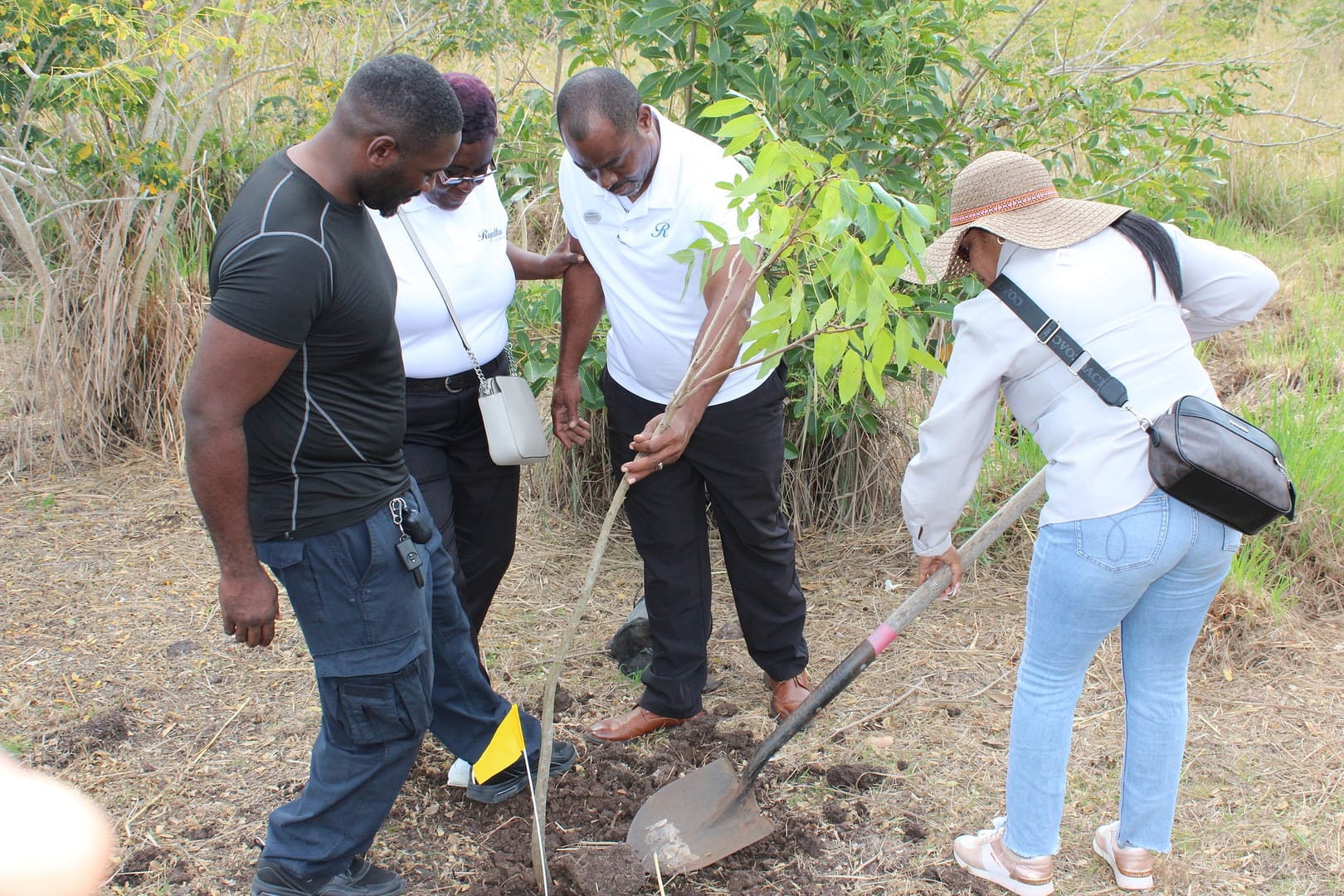
    BENDALS, ANTIGUA – In a powerful demonstration of environmental stewardship, Antigua and Barbuda commemorated the International Day of Forests through a collaborative tree-planting ceremony at Body Pond in Bendals Village. The strategic alliance brought together the Forestry Unit of the Ministry of Agriculture, Lands, Fisheries & the Blue Economy and Royalton Antigua Resort, showcasing how public-private partnerships can drive ecological restoration.

    The initiative assembled forestry experts, hospitality industry representatives, and community volunteers, all dedicated to addressing environmental degradation. Participants successfully planted over 100 trees as part of a broader rehabilitation strategy for the Body Pond ecosystem, which has endured prolonged environmental stress.

    Leadership was provided by Agriculture Director Gregory Bailey and Forestry Officer Camilla Wallace-Tonge, who were joined by Royalton Antigua’s delegation including Executive Assistant Jeroma Andrew and key managerial staff. Wallace-Tonge revealed that the Body Pond restoration represents a 17-year commitment dating back to 2007, with formal International Day of Forests observances commencing two years ago to heighten national consciousness about forest conservation.

    Ms. Andrew conveyed the resort’s enthusiasm for participating in sustainability efforts, extending regrets from the absent General Manager while affirming the property’s dedication to environmental and community welfare.

    Director Bailey delivered a comprehensive perspective on forests’ multidimensional value, noting their critical functions in maintaining supply chains, regulating hydrological systems, and preserving ecological equilibrium. He detailed the specific challenges facing Body Pond, including invasive lemon grass colonization, persistent wildfires, and detrimental human interventions that have collectively eroded biodiversity and compromised habitats.

    ‘Forests constitute both environmental and economic assets,’ Bailey asserted. ‘They generate direct employment in forestry, agriculture, watershed management, landscaping, and ecotourism while underpinning numerous other sectors reliant on robust natural systems.’

    The Director further articulated how forest conservation advances multiple United Nations Sustainable Development Goals, specifically referencing SDG 6 (Clean Water), SDG 13 (Climate Action), SDG 15 (Terrestrial Ecosystems), SDG 1 (Poverty Elimination), SDG 8 (Economic Growth), and SDG 2 (Food Security). He concluded with an inspirational note to volunteers: ‘Your work is essential, and it is valued.’

    This reforestation effort exemplifies how coordinated action, sustained dedication, and shared vision can foster greener, more sustainable futures for small island developing states like Antigua and Barbuda.

  • Abinader signs OECD memorandum in Paris

    Abinader signs OECD memorandum in Paris

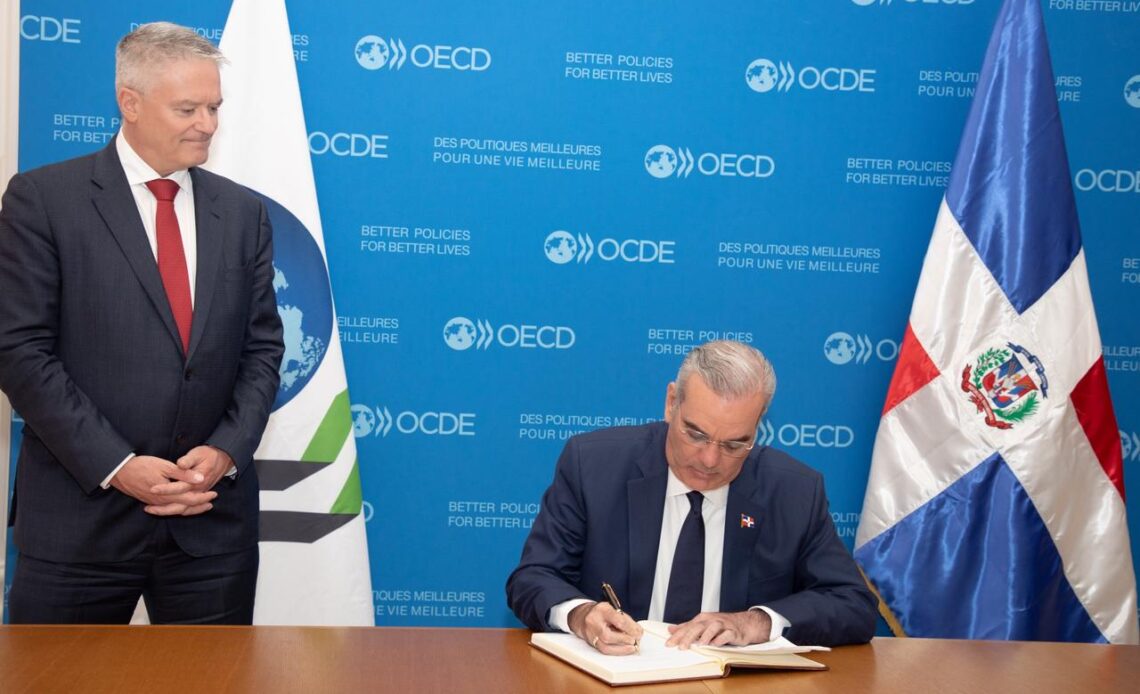
    PARIS – In a significant diplomatic ceremony attended by President Luis Abinader, the Dominican Republic formalized a strategic partnership with the Organisation for Economic Co-operation and Development (OECD) through the signing of a comprehensive Memorandum of Understanding. The signing event, held during the OECD Global Anti-Corruption and Integrity Forum in Paris, marks a pivotal step in the Caribbean nation’s integration with global governance standards.

    Foreign Minister Roberto Álvarez and OECD Secretary-General Mathias Cormann executed the agreement that establishes an institutional framework for enhanced cooperation across multiple policy domains. This partnership is designed to facilitate knowledge transfer, promote transparency initiatives, and implement international best practices within the Dominican Republic’s public administration systems.

    The memorandum outlines specific collaboration areas including economic policy reform, fiscal management modernization, environmental sustainability programs, and public governance enhancement. These measures are strategically positioned to attract foreign direct investment by demonstrating the country’s commitment to institutional integrity and international compliance standards.

    Additionally, the agreement provides mechanisms for expanded participation in OECD technical committees and policy networks, accelerating the alignment of Dominican legislation with OECD instruments. This engagement is expected to drive state modernization efforts and elevate the nation’s economic competitiveness on the global stage through improved regulatory frameworks and governance practices.

  • Life imprisonment sentenced to terrorist who assaulted police officer in Camaguey

    Life imprisonment sentenced to terrorist who assaulted police officer in Camaguey

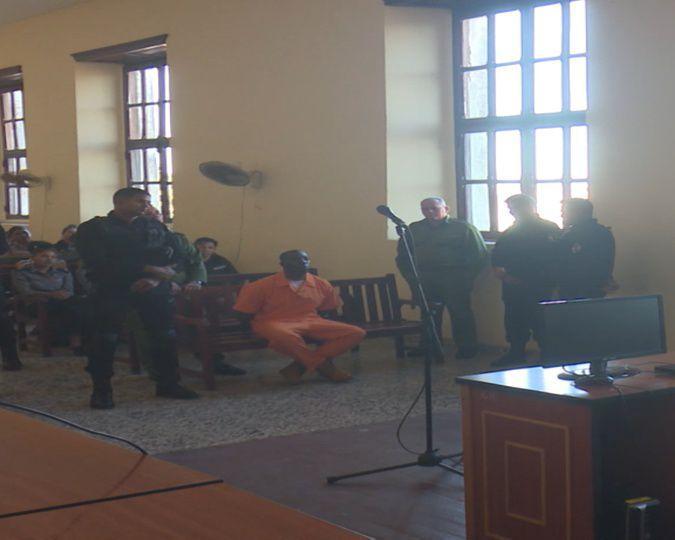
    In a landmark ruling, the First Chamber of the Camagüey Provincial People’s Court has sentenced Osvaldo Fernández Pichardo to life imprisonment for committing acts of terrorism and unlawfully possessing weapons or explosives. The verdict concludes case number 6 of 2025, which involved a violent assault on a National Revolutionary Police officer in Camagüey city.

    The court established that Fernández Pichardo, a U.S. resident with documented anti-government activism, accepted a payment of $600 to execute a brazen attack on a uniformed police officer. Surveillance footage from May 29th of the previous year captured the defendant approaching the unarmed officer from behind on República Street and stabbing her with a knife, exploiting his physical advantage in the assault.

    The sustained injuries were deemed life-threatening, requiring immediate medical intervention. Beyond the life sentence, the court imposed additional penalties including the revocation of civil rights, confiscation of assets connected to the crime, and travel restrictions prohibiting passport acquisition and international departure.

    The convicted individual was further ordered to provide financial compensation to the injured officer for damages incurred. Judicial authorities confirmed that all legal procedures and constitutional guarantees were strictly maintained throughout the investigation and trial process.

    This case has drawn significant public attention since its initial disclosure, with widespread condemnation of the attack on law enforcement personnel tasked with maintaining public safety. The court characterized the life sentence as an exceptional yet proportionate response to the severity of the offenses committed.

  • Determination in Preventing and Confronting Terrorism

    Determination in Preventing and Confronting Terrorism

    Cuba has formally reaffirmed its commitment to combating terrorism in all manifestations, citing its extensive history as a victim of externally orchestrated attacks. The Caribbean nation has implemented a robust legal and strategic framework to address ongoing security threats, particularly those originating from foreign soil.

    Historical records indicate that over six decades, Cuba has endured numerous terrorist incidents including the bombing of Cubana de Aviación Flight 455 that killed 73 passengers, the La Coubre explosion, hotel bombings, and armed assaults on fishing vessels. These acts, predominantly organized and financed from United States territory, have frequently resulted in impunity for perpetrators despite Cuba’s presentation of evidence to international bodies.

    In response, Cuba has ratified approximately twenty United Nations counterterrorism instruments and integrated these provisions into domestic law through Article 8 of its Constitution. The nation developed a Comprehensive National Strategy against Terrorism outlining prevention protocols, operational plans, and international cooperation mechanisms.

    The 2022 Criminal Code amendment significantly strengthened penalties for terrorism-related offenses, establishing sentencing ranges from 10-30 years imprisonment to life sentences or capital punishment for extreme cases. The legal definition encompasses acts intended to coerce governments, international organizations, or terrorize populations through various means including hostage-taking, attacks on protected persons, and cyber terrorism.

    Notably, the Code specifically criminalizes terrorism financing, addressing the collection, transportation, or provision of resources intended for terrorist activities. Judicial procedures mandate that convicted terrorists serve at least two-thirds of their sentence before parole eligibility, with no statute of limitations for prosecution and permanent criminal records for offenders.

    Cuba’s Prosecutor General published an updated National List identifying 62 individuals and 20 entities based in the United States allegedly involved in organizing, financing, and executing terrorist acts against Cuba. This inventory, documented in 2025’s Resolution 13, represents Cuba’s implementation of UN Security Council Resolution 1373 regarding counterterrorism obligations.

    The government emphasized that despite ongoing threats, its revolutionary policy remains committed to preventing terrorism without exemption, including opposition to state-sponsored terrorism. Cuban authorities assert there will be no impunity for those involved in anti-Cuba terrorist activities.

  • Column: Drie namen, maar waar zijn de anderen?

    Column: Drie namen, maar waar zijn de anderen?

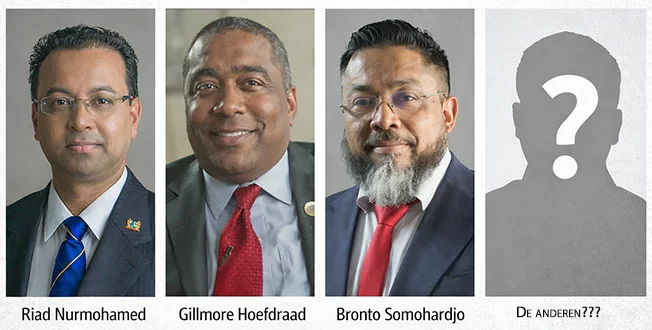
    Suriname’s National Assembly confronts a constitutional crossroads today as it deliberates on whether to authorize criminal proceedings against three former high-ranking officials. The decision transcends individual cases involving Riad Nurmohamed, Bronto Somohardjo, and Gillmore Hoefdraad, representing instead a fundamental test of how the nation handles the serious constitutional process of charging political officeholders.

    While no one disputes the necessity of thorough investigation or advocates for impunity, the Assembly cannot be expected to rubber-stamp the Public Prosecutor’s requests without proper scrutiny. Significant unanswered questions persist across all three cases, and the legislature maintains the constitutional authority to establish an investigative commission for further examination.

    The Nurmohamed case presents particularly complex allegations regarding the Pan Am project, raising concerns about whether the investigation has adequately addressed potential accomplices beyond the primary suspect. The Somohardjo matter relies heavily on a CLAD report that remains inaccessible to lawmakers, despite the defendant’s persistent claims of innocence and his unusual request for formal charges to clear his name. The Hoefdraad situation proves most problematic as the former official remains missing, making cross-examination impossible despite this being the third attempt to bring charges against him.

    This unprecedented situation crosses political boundaries, with each former minister representing different parties: Hoefrabd (NDP), Nurmohamed (VHP), and Somohardjo (Pertjajah Luhur). The Assembly’s decision must therefore demonstrate legal rigor rather than political motivation, avoiding any appearance of partiality.

    The incomplete nature of the current files suggests this process represents merely the beginning of a broader accountability effort. Strong indications point to wider involvement in the Pan Am case, suggesting that charging a single former official would be inadequate. The political ramifications will undoubtedly be significant as Suriname establishes precedents for handling allegations against political figures.

    [Editor’s Note: The article concludes with a tribute to former police spokesperson Ro Gajadhar, recognizing his unparalleled contribution to police communications and media relations.]