博客

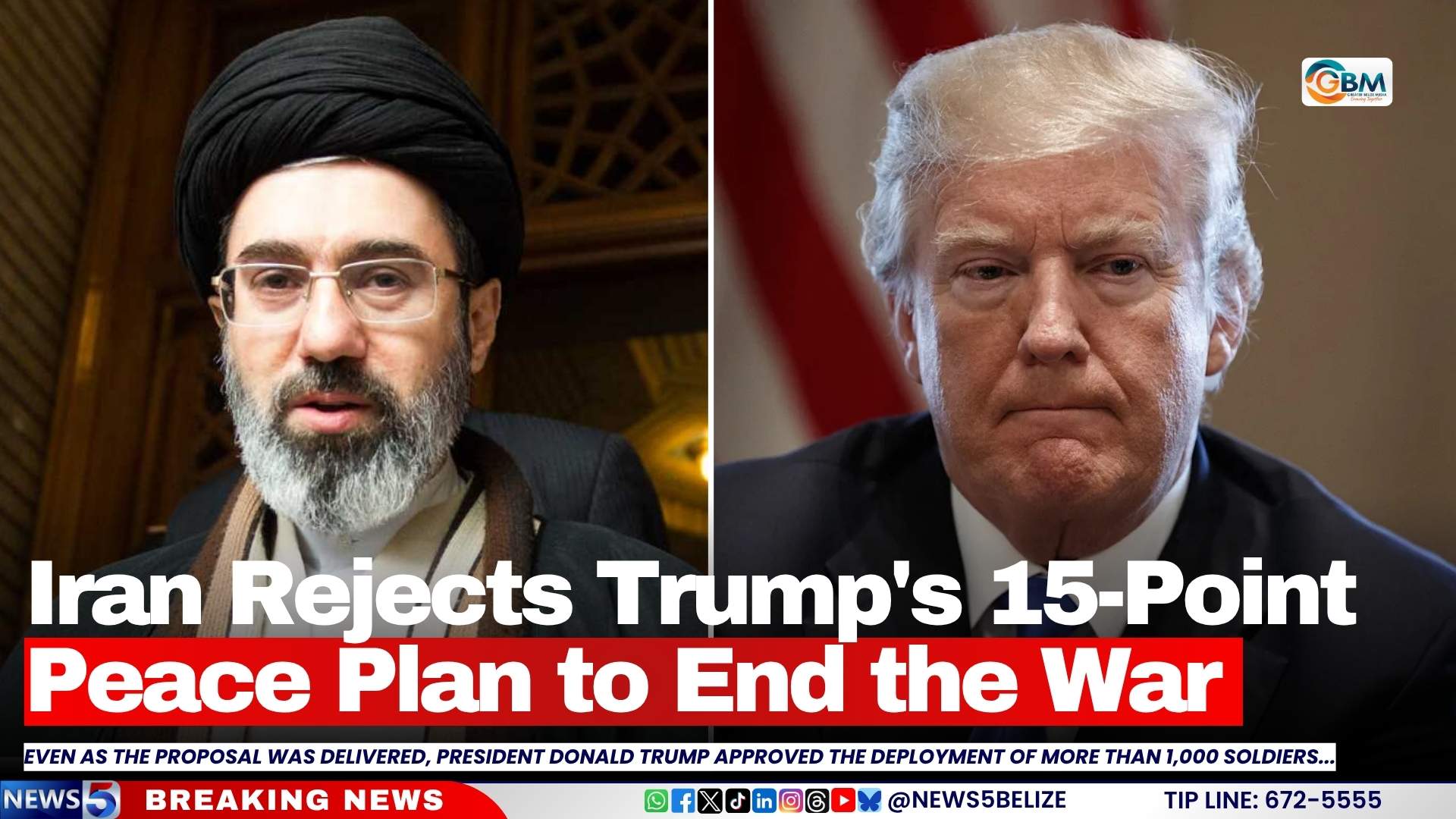
  • Iran Rejects Trump’s 15-Point Peace Plan to End the War

    Iran Rejects Trump’s 15-Point Peace Plan to End the War

    In a significant diplomatic development, Iran has formally rejected a comprehensive 15-point peace proposal delivered by the United States through Pakistani intermediaries. The initiative, designed to de-escalate ongoing Middle East conflicts, encountered immediate resistance from Tehran officials who characterized it as an attempt to impose American terms.

    Iranian state media conveyed the government’s firm position, quoting senior officials who declared Tehran would not accept Washington’s predetermined conditions or timeline for peace negotiations. Rather than embracing the American proposal, Iranian authorities presented counter-demands including the cessation of what they termed “U.S. and Israeli aggression and targeted assassinations,” alongside formal recognition of Iran’s sovereign control over the strategic Strait of Hormuz—a critical maritime corridor for global oil transportation.

    The diplomatic rejection coincided with heightened military preparations as President Trump authorized the deployment of over 1,000 soldiers from the 82nd Airborne Division to the region. While these troops remain stationed stateside according to NBC News reports, their imminent deployment signals potential escalation.

    Adding to the tense atmosphere, Iranian Parliament Speaker Mohammad Bagher Ghalibaf issued a stark warning via social media, emphasizing that Iranian forces are closely monitoring U.S. military movements. “Do not test our resolve to defend our land,” he declared, underscoring Tehran’s preparedness to respond to perceived provocations. This development highlights the widening gap between diplomatic overtures and military posturing in the increasingly volatile Middle East region.

  • ELECTORAL OFFICE Introduces weekly voter confirmation services in Roseau

    ELECTORAL OFFICE Introduces weekly voter confirmation services in Roseau

    OpenAI has officially acknowledged a significant technical malfunction affecting the voice functionality of its ChatGPT service. The AI research company confirmed the system failure on its official communication channels, attributing the disruption to an undisclosed open-source component within its complex software infrastructure.

    The incident, which temporarily disabled voice-based interactions with the AI assistant, prompted immediate investigation by OpenAI’s engineering teams. Company representatives clarified that the issue stemmed not from internal proprietary code but from an external open-source element integrated into their system architecture.

    Technology analysts note this disclosure marks a notable transparency shift for AI developers, who typically maintain secrecy regarding system vulnerabilities. The admission highlights the industry-wide challenge of managing dependencies in complex AI systems that increasingly rely on open-source foundations.

    OpenAI has assured users that service has been fully restored following the implementation of a technical resolution. The company maintains that no user data was compromised during the incident, though independent security experts continue to scrutinize the implications of such vulnerabilities in large-language model platforms.

    The temporary outage affected users across multiple regions, demonstrating the critical infrastructure role that AI assistants now play in daily digital interactions. Industry observers suggest this incident may prompt broader discussions about dependency management and fault tolerance in rapidly evolving AI ecosystems.

  • Guyana contributing rice to Cuba’s relief effort

    Guyana contributing rice to Cuba’s relief effort

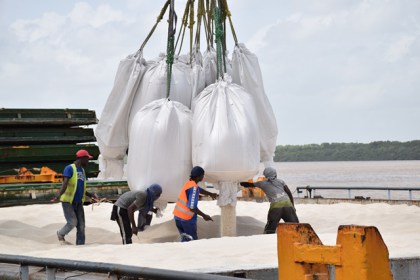
    In a significant demonstration of regional solidarity, Guyana has pledged a substantial rice consignment to Cuba as part of a Caribbean Community (CARICOM) humanitarian assistance program. President Irfaan Ali confirmed the initiative on Wednesday, March 25, 2026, emphasizing his nation’s ongoing commitment to regional cooperation and crisis response.

    President Ali explicitly stated to Demerara Waves Online News that “We’re part of this effort, we have always been, and we’re committed to have rice supplied,” underscoring Guyana’s consistent role in supporting neighboring Caribbean nations during times of need. While specific quantitative details regarding the shipment volume were not immediately disclosed, the characterization of the consignment as “huge” indicates a substantial contribution that will likely address significant food security needs in Cuba.

    This humanitarian gesture occurs within the broader framework of CARICOM’s collective relief mechanisms, which mobilize resources from member states to address emergencies and shortages throughout the Caribbean region. Guyana’s agricultural capacity, particularly in rice production, positions it as a key contributor to such regional food security initiatives. The announcement reflects ongoing diplomatic efforts to strengthen inter-Caribbean relations and mutual support systems, particularly important given the complex economic challenges facing several nations in the region.

    The timing of this commitment suggests continued cooperation despite evolving global economic pressures and shifting international alliances. Such bilateral assistance within the CARICOM framework reinforces the organization’s founding principles of economic integration and functional cooperation among member states, demonstrating practical application of these principles through tangible humanitarian assistance.

  • Uitbetaling SRD 1000 tijdelijk vertraagd, overheid garandeert uitkering

    Uitbetaling SRD 1000 tijdelijk vertraagd, overheid garandeert uitkering

    The Surinamese government has officially notified citizens of a temporary postponement in distributing the promised SRD 1000 financial assistance to vulnerable populations, including disabled individuals, economically disadvantaged households, and Old Age Pension (AOV) recipients. Originally scheduled for March disbursement, the payment process has encountered administrative hurdles that have slowed implementation.

    According to Vincent Fernandes, Director of the Ministry of Finance and Planning, the delay stems from final-stage documentation processing that has temporarily halted further advancement of the payment procedures. Fernandes emphasized through the Suriname Communication Service that despite the current setback, the government remains fully committed to honoring its financial commitment to these vulnerable groups.

    Government agencies are now collaborating intensively to complete the necessary formalities and expedite the payment process. Officials have appealed for understanding and patience from affected beneficiaries and the broader public, assuring that additional updates will be provided as soon as clearer timelines for distribution are established.

    The SRD 1000 benefit program represents part of the government’s social welfare initiatives designed to support those most affected by economic challenges. While the temporary delay may cause inconvenience, authorities maintain that the complete distribution will proceed once administrative processes are finalized.

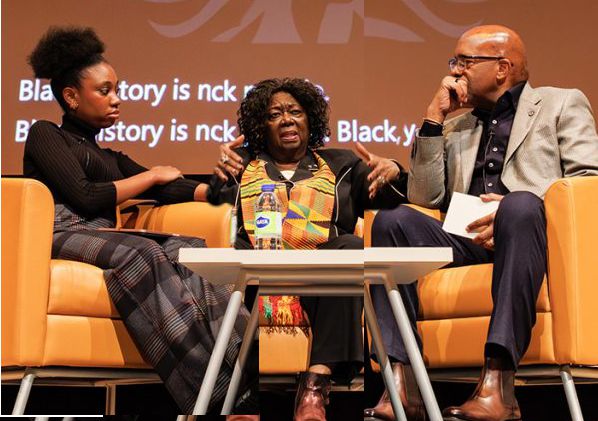
  • McMaster University launches Africa and Black Diaspora Studies Institute

    McMaster University launches Africa and Black Diaspora Studies Institute

    A significant academic celebration recently unfolded as McMaster University honored the profound contributions of Grenadian and broader Caribbean figures to Canadian society. The event served as a platform to recognize the enduring legacy of individuals who have shaped cultural and social landscapes.

    Among those celebrated was the late Nicholas Brathwaite, a former Prime Minister of Grenada remembered for his pivotal role in the nation’s political development. The ceremony also paid tribute to Jean Augustine, a trailblazing Grenadian-Canadian politician who became the first Black woman elected to Canada’s Parliament, setting a precedent for future generations.

    Contemporary voices were equally highlighted, including Lincoln Depradine, an accomplished journalist and cultural commentator whose work with publications like The Caribbean Camera has documented the Caribbean diaspora experience. The arts were represented through figures like Keziah Gibbs and the PETNA Foundation, organizations dedicated to preserving and promoting Caribbean artistic expression and cultural heritage.

    University officials, including representative Susan Tighe, emphasized the institution’s commitment to diversifying academic narratives and acknowledging the multicultural fabric that strengthens both academic discourse and national identity. The event underscored the importance of recognizing immigrant contributions to Canada’s development, particularly from Caribbean nations that have maintained strong cultural ties while fostering integration and success in Canadian society.

  • CCJ says process contract must be “recognised” in Guyana’s procurement process

    CCJ says process contract must be “recognised” in Guyana’s procurement process

    In a landmark judicial decision with far-reaching implications for commercial law, the Caribbean Court of Justice (CCJ) has formally recognized the doctrine of process contracts within Guyana’s legal framework. The ruling emerged from the protracted case of Cara Investments Limited versus Christopher Ram, Receiver of Hotel Towers Limited (HTL), which originated from a 1999 receivership sale.

    The regional court, serving as Guyana’s final appellate authority, determined that process contracts may arise in both public and private tender processes when the intention of parties—objectively derived from tender documents and surrounding circumstances—supports such a conclusion. Justice Maureen Rajnauth-Lee, delivering the lead judgment, emphasized that this legal doctrine enhances competitive bidding integrity by imposing binding obligations of fairness, good faith, transparency, and accountability throughout tender proceedings.

    The case centered on whether Cara Investments’ response to a 1999 Request for Proposal (RFP) constituted a binding process contract (termed ‘Contract A’). The court meticulously examined the submission, which was explicitly framed as a conditional Expression of Interest subject to due diligence completion and additional information provision. Justice Rajnauth-Lee concluded that the proposal lacked necessary elements for contract formation, functioning instead as a preliminary inquiry rather than a compliant bid.

    Critical to the determination was the court’s finding that Cara’s conditions—including altered timelines and pending financial backer approval—demonstrated absence of intent to form immediate contractual relations. The CCJ further noted that Cara’s premature initiation of legal proceedings potentially disrupted the tender process, undermining its own claims.

    The unanimous judgment upheld prior decisions from Guyana’s High Court and Court of Appeal, dismissing Cara’s allegations of contractual breach, unfair treatment, and misrepresentation. The court affirmed that without the foundational ‘Contract A,’ no claims for damages or lost opportunities could be sustained.

    Legal representatives for the Receiver expressed satisfaction with the clarification provided by the CCJ, acknowledging the guidance established for future jurisprudence. The ruling establishes significant precedent for tender processes across the Caribbean community, balancing bidder protections with procedural realities in commercial transactions.

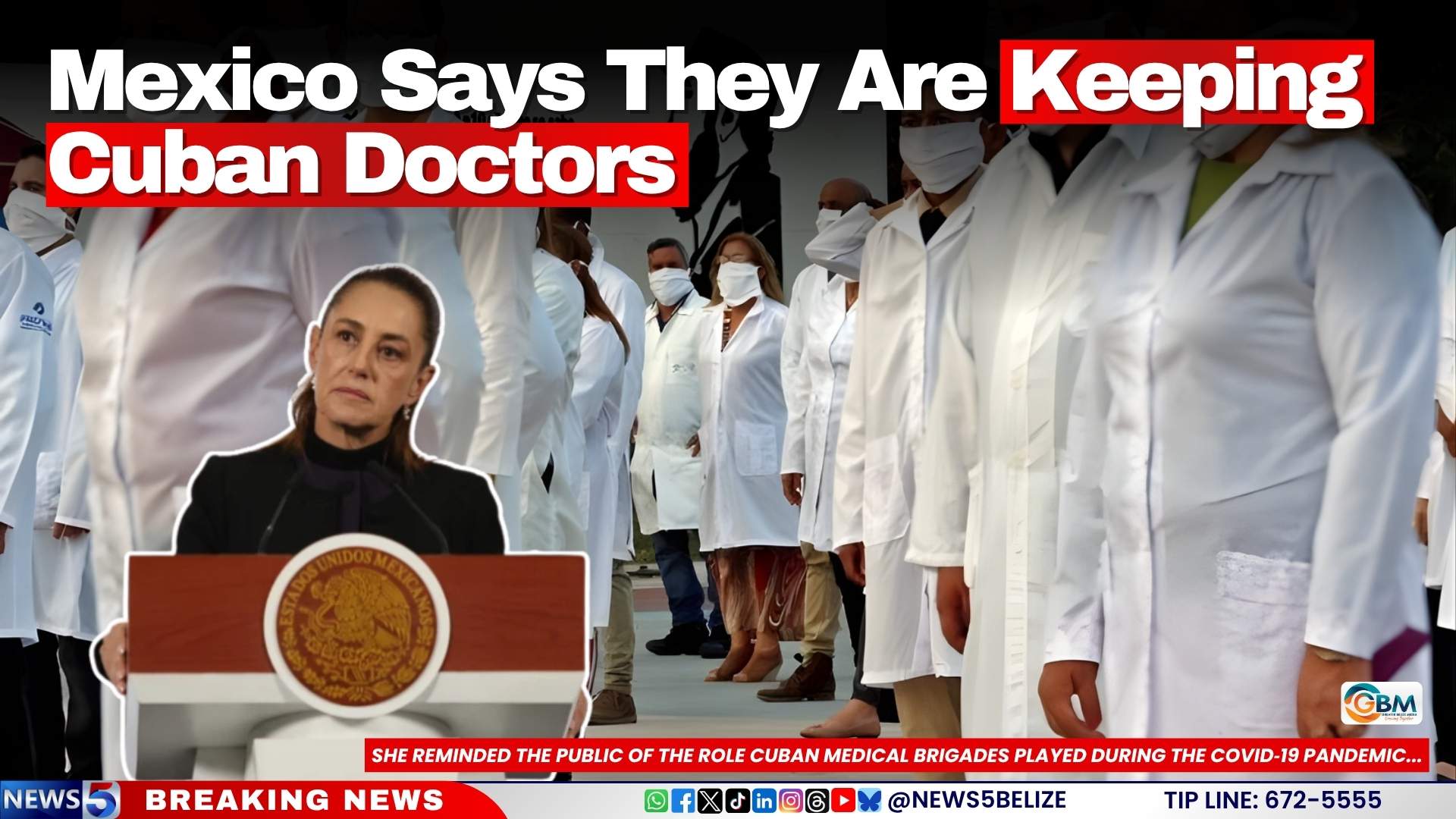
  • Mexico Says They Are Keeping Cuban Doctors

    Mexico Says They Are Keeping Cuban Doctors

    In a decisive move that challenges Washington’s foreign policy objectives, Mexican President Claudia Sheinbaum has publicly reaffirmed her nation’s commitment to its medical cooperation agreement with Cuba. The announcement positions Mexico in direct opposition to a U.S.-led campaign that has persuaded multiple Western Hemisphere nations to terminate similar arrangements.

    Speaking at her regular morning press conference, President Sheinbaum characterized the bilateral health initiative as mutually beneficial, emphasizing its critical importance for Mexico’s underserved populations. She invoked the crucial assistance provided by Cuban medical brigades during the peak of the COVID-19 crisis and their ongoing role in remote regions where healthcare infrastructure remains inadequate.

    This declaration comes amid sustained criticism from the United States government, which has consistently denounced Cuba’s international medical missions as instruments of ‘forced labor’ and ‘human trafficking.’ The Trump administration previously intensified efforts to diplomatically isolate Cuba through stringent economic measures, including restrictions on oil imports, while actively encouraging regional partners to dismantle their healthcare collaborations with Havana. Several Caribbean and Central American nations—including Honduras, Jamaica, Guyana, and Costa Rica—have complied with these appeals by repatriating Cuban medical personnel.

    President Sheinbaum countered these allegations by highlighting the practical benefits of the program, noting that Cuban healthcare professionals demonstrate willingness to serve in geographically isolated and resource-limited areas where attracting Mexican medical specialists has proven challenging. Beyond addressing immediate public health needs, she framed the cooperation as a continuation of Mexico’s longstanding diplomatic solidarity with Cuba, suggesting the partnership strengthens bilateral relations while delivering essential services to vulnerable communities.

  • Former Rector of Costa Rican University decries ties drop with Cuba

    Former Rector of Costa Rican University decries ties drop with Cuba

    A former Costa Rican legislator and university rector has publicly denounced a unilateral decision made by the country’s outgoing executive branch, arguing the move comes at a particularly tense moment marked by growing threats of United States interference against Cuba’s people and ruling government.

    In a formal statement released to the public — which he endorsed both in his public capacity and as a private Costa Rican citizen — the ex-lawmaker pointed out that the outgoing administration’s stance, announced shortly after the country’s February 1 general elections, directly contradicts longstanding core traditions of pacifism and international solidarity that define the Costa Rican national identity.

    He stressed that there is no plausible justification for the executive branch’s action, which he says lays bare the current government’s subservient posture to U.S. interests. The decision, he argues, reflects the arrogance of foreign powers seeking to undermine the inherent sovereignty of the Cuban people and their government.

    Former legislator Salom, the author of the statement, further contextualized the critique by recalling the long history of diplomatic ties between the two Latin American nations, which were first established back in 1907. Across that more than 11-decade relationship, Salom emphasized, the Cuban government has never taken a single action that could warrant the punitive decision communicated recently by Costa Rica’s Ministry of Foreign Affairs.

    The statement closes with a clear appeal directed both to the Cuban people and government, and to fellow Costa Rican citizens: Salom expressed his earnest hope that the nation’s incoming democratic leadership will reverse what he frames as an irrational, servile act by the current outgoing administration.

    Costa Rica’s February 1 elections brought a historic result, with former government minister Laura Fernández voted in as the country’s next president. Fernández is set to be inaugurated on August 8, and will become only the second woman to hold the nation’s highest office, following former president Laura Chinchilla who served in the role earlier this century.

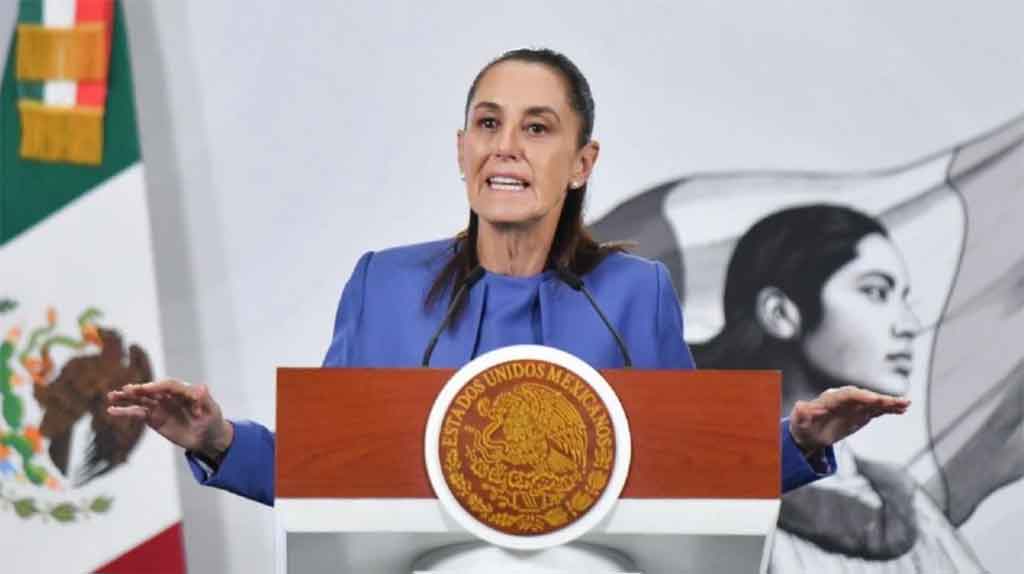
  • Mexican President Defends the Work of Cuban Medical Brigades

    Mexican President Defends the Work of Cuban Medical Brigades

    Against a backdrop of mounting U.S. pressure on Latin American nations to cut off medical collaboration with Cuba, Mexico’s executive leader has reaffirmed that the bilateral agreement between Mexico and Cuba delivers substantial mutual benefits, calling the arrangement particularly valuable for Mexico.

    Recounting Cuba’s critical support during one of Mexico’s darkest public health crises, the head of government emphasized that Cuban medical personnel stepped up to assist Mexico at the height of the COVID-19 pandemic, working under extraordinarily challenging conditions. Today, these medical professionals remain deployed across multiple regions of Mexico, and the leader confirmed that all contractual payments owed to them are honored in full.

    Beyond emergency pandemic support, the executive highlighted the longstanding and cutting-edge medical advancements Cuba has developed, noting that Mexico has already procured the Cuban-developed Abdala COVID-19 vaccine. The countries have also partnered on a specialized treatment program for diabetic foot ulcers, centered on the Cuban biologic medication Heberprot-P.

    According to the leader, Mexico plans to expand the network of specialized diabetic foot clinics offering this treatment, which provides a life-changing alternative to amputation for patients with advanced diabetes who have reached the stage of severe tissue damage that would typically require surgical removal of a limb.

    As the United States has intensified its decades-long economic blockade against Cuba, Mexico has continued to send material aid to the island nation, a policy the Mexican leader defended as an expression of the country’s long-held commitment to Mexican Humanism. “We lend a hand to those who suffer,” the leader said, framing the aid as a moral obligation rather than a political gesture.

    The executive also issued a firm rebuke of Washington’s blockade, particularly the widely criticized oil embargo that the U.S. frames as a measured policy. Mexico will always stand firm in defending two core principles, the leader emphasized: the right of the Cuban people to independently choose their own leaders, determine their system of governance and economic structure, and exercise full sovereignty over their national affairs, as well as Cuba’s inherent right to engage in international trade with all nations.

  • Italy: AAMOD holds cultural event in solidarity with Cuba

    Italy: AAMOD holds cultural event in solidarity with Cuba

    As part of a growing global wave of solidarity with the Cuban people amid a tightening U.S. economic blockade, a new outreach initiative is set to launch in Rome this evening, joining a series of international actions already taken in support of Havana. This event, themed “With Cinema and the Cuban People,” will be hosted at Rome’s Zavattini Hall, bringing together activists, cultural figures, and diplomatic representatives to stand with Cuba against escalating trade and financial restrictions.

    Organized by the Cuban Embassy in Italy, the gathering boasts broad backing from major Italian civil society and labor groups: the Italy-Cuba Friendship Association (ANAIC), the Italian General Confederation of Labor (CGIL), the National Association of Italian Partisans (ANPI), the Italian Cultural Association for Social Promotion (ARCI), and the Italian Federation of Film Clubs (FICC) have all thrown their support behind the initiative.

    Key speakers will include Jorge Luis Cepero, Cuba’s current Ambassador to Italy, who will deliver remarks in person in Rome. Attendees will also connect via live broadcast to Havana for an address from Mirta Ibarra, the celebrated Cuban actress and filmmaker who directed the documentary at the center of the event.

    AAMOD, one of Italy’s most respected cultural institutions focused on preserving, researching, and sharing the country’s historical and audiovisual heritage, is playing a central role in curating the gathering. The organization says the event is designed to create an open space for information sharing, critical reflection, and public participation, centering two key topics: the ongoing situation in Cuba under the embargo, and the urgent need for the global community to expand tangible support for the Cuban people.

    This new event is the latest in a string of international solidarity actions responding to the U.S.’s recent tightening of its long-running economic blockade of Cuba. Previous initiatives include the European Convoy that recently traveled to the island nation, the cross-regional Our America Convoy, and the global Energy for Life campaign, all of which have worked to deliver direct, practical support to Cuban citizens impacted by the embargo.