博客

  • Babonneau escape with back-to-back PM Cups following low-scoring thriller

    Babonneau escape with back-to-back PM Cups following low-scoring thriller

    Cricket enthusiasts witnessed an epic showdown on Saturday, March 28th at Mindoo Philip Park, where Babonneau narrowly defeated Choiseul by a single wicket in a heart-stopping Prime Minister’s Cup Final that extended to the tournament’s ultimate delivery. The electrifying atmosphere, fueled predominantly by vocal Choiseul supporters, reached fever pitch as the match culminated in a finish reminiscent of the previous year’s championship thriller.

    Choiseul, having overcome local rivals Soufriere in their semifinal clash, entered the final determined to dethrone the defending champions. Their innings commenced explosively with Jason Simon’s blistering 41-run contribution, though their momentum was substantially curtailed by Babonneau’s bowling ace Sacchin Cepal. Delivering a masterclass performance that earned him Finals MVP honors, Cepal recorded impressive figures of 4-18, creating critical early breakthroughs during the powerplay overs.

    The middle overs witnessed Babonneau’s spin duo—Larry Edward (2-16) and Yunieski Gustave (2-19)—apply relentless pressure through disciplined bowling, ultimately restricting Choiseul to a seemingly manageable total of 137-9. However, Babonneau’s response began shakily as they lost seasoned openers Dane Edward and Johnnel Eugene within the powerplay. A period of cautious consolidation followed, with the required run rate escalating steadily.

    As the match approached its climax, Babonneau’s innings descended into chaos courtesy of Choiseul captain Kuston Jules’ heroic bowling effort. The skipper claimed six wickets while conceding merely 27 runs across his four overs, singlehandedly reigniting his team’s hopes. With six runs needed from the final over, Jules commenced with two immediate wickets, intensifying the drama exponentially.

    The equation narrowed to two required from the last ball, bringing McKay Brigitte to the crease. Having struggled throughout his innings, Brigitte delivered under extreme pressure, striking the ball toward third man where a fielding error permitted the decisive second run. Babonneau’s players erupted in euphoric celebration as they secured their second consecutive title in the most dramatic fashion imaginable.

    During post-match ceremonies, tournament organizers recognized several outstanding performers: Stephen Naitram (Most Runs, 359), Dillan John (Most Wickets, 14), and Dane Edward (Tournament MVP). Babonneau’s head coach Jervaughn Charles, in conversation with St. Lucia Times, described the victory as a ‘nerve-wracking, emotional rollercoaster’ while paying tribute to Choiseul’s exceptional performance in a contest that exemplified cricket’s capacity for breathtaking uncertainty.


  • Beloningsstructuur en organisatie rechterlijke macht worden herzien

    Beloningsstructuur en organisatie rechterlijke macht worden herzien

    Suriname’s National Assembly has initiated comprehensive revisions to the Judicial Position Act, targeting both compensation structures and organizational frameworks within the nation’s judiciary. According to NDP parliamentarian Ebu Jones, the preparatory phase involves extensive exploration of various options to enhance the judicial system’s functionality and independence.

    The proposed amendments extend beyond mere salary adjustments for judges, encompassing the entire judicial chain—from the President of the Court of Justice to prosecutors and court clerks. This holistic approach aims to align responsibilities with appropriate remuneration while reinforcing the rule of law. Jones emphasized that the reforms seek to make judicial positions both attractive and independent, addressing systemic vulnerabilities.

    Structural reforms constitute a critical component of the overhaul. One key proposal involves establishing dedicated administrative bureaus for both the Court of Justice and the Public Prosecutor’s Office. These entities would assume responsibility for personnel management, financial processing, and other administrative duties that currently fall under senior judicial officials.

    This strategic separation aims to shield top judicial figures—including the Court President and Attorney General—from potential conflicts of interest and public speculation regarding appointments and budget management. By relieving judges of administrative burdens, the reforms intend to prevent the judiciary from being drawn into political or managerial positions, thereby safeguarding its integrity and independence.

    The legislative review also examines a previous decision by former President Chan Santokhi that granted judicial leadership autonomy in organizing internal structures. Jones referenced Parliament’s operational model as an ideal framework, where a dedicated bureau handles administrative and financial matters, allowing lawmakers to focus solely on their core legislative duties.

    While specific adjustments to these powers remain undetermined, multiple scenarios are under consideration. The coming period will determine the concrete implementation of these proposals and the ultimate direction of Suriname’s judicial modernization efforts, all oriented toward strengthening both the position and performance of the judicial branch.

  • Actions for the restoration of security in Haiti

    Actions for the restoration of security in Haiti

    Haiti’s escalating security crisis took center stage at the 6th Sectoral Security Roundtable conference this week, where government officials and international partners convened to address rampant gang violence and its devastating societal impacts. Hosted at Port-au-Prince’s Karibe Hotel with support from the United Nations and the Center for Analysis and Research in Human Rights (CARDH), the high-level gathering focused on establishing a specialized Anti-Gang Force and comprehensive security restoration measures.

    Serge Gabriel Collin, Haiti’s Minister of Economy and Finance, delivered a stark assessment of how insecurity has crippled the nation’s economic foundations and social fabric. He revealed alarming statistics: approximately 5.7 million Haitians now face severe food insecurity while over 1.4 million have been internally displaced due to gang-related violence. The minister attributed poor economic performance directly to the deteriorating security situation, emphasizing that without stability, economic recovery remains impossible.

    Minister Collin outlined the Ministry’s multifaceted approach to combating the crisis through both direct security measures and indirect economic interventions. Key strategies include intensifying efforts against illicit trafficking networks that supply armed groups with narcotics, firearms, and ammunition. The government is strengthening border control operations at ports, airports, and land crossings to disrupt these supply chains. Additionally, financial security measures are being enhanced through aggressive anti-money laundering initiatives and counter-terrorism financing operations.

    Beyond security-focused actions, the Ministry is deploying economic tools to address root causes of instability. These include supporting entrepreneurship programs, creating wealth redistribution mechanisms, and allocating specific budgetary resources to finance ongoing law enforcement operations. Social protection programs are being expanded to reduce inequalities and prevent factors that contribute to instability, representing a comprehensive approach to security restoration.

    Axel Joseph, Chief of Staff to the Prime Minister, reinforced the government’s unwavering commitment to security restoration, emphasizing that this remains the administration’s top priority. The Organization of American States (OAS) representative advocated for a coordinated, sustainable approach centered on building national capacity rather than relying solely on external interventions.

    Conference participants unanimously concluded that only through concerted, multi-dimensional action can Haiti hope to achieve lasting stability. The consensus emphasized that security restoration must be accompanied by institutional strengthening and economic revitalization to create a sustainable foundation for peace and development.

  • Fuel, in Haiti Beginning of panic among consumers

    Fuel, in Haiti Beginning of panic among consumers

    Port-au-Prince, Haiti – March 28, 2026: A wave of consumer anxiety has swept across Haiti, manifesting in lengthy queues at service stations and a resurgence in the use of jerrycans amid intensifying rumors of imminent fuel shortages and price surges. In a decisive response, the Ministry of Commerce and Industry has moved to quell the panic and enforce distribution laws.

    Minister James Monazard issued an official statement categorically denying the existence of a national fuel crisis. ‘No fuel shortage has been observed on the national market,’ the Minister asserted, confirming that petroleum products remain available at official pumps with distribution secured through formally authorized channels.

    The Ministry has enacted a strict prohibition on the sale of fuel outside these legal channels, specifically targeting unauthorized containers like jerrycans. The decree warns that any individuals or entities engaged in such illegal sales will face immediate enforcement actions, including product seizure, closure of offending outlets, and legal prosecution under Haitian law. Relevant authorities, including inspection services and law enforcement agencies, have been instructed to apply a zero-tolerance policy.

    To substantiate its claims and directly counter public rumors, the Ministry conducted a series of inspections on Saturday, March 28th. Teams visited multiple service stations in key areas including Delmas, Tabarre, Pétion-Ville, and the second district of Port-au-Prince. These operations verified the actual presence of fuel, contradicting widespread allegations of a shortage.

    A parallel inspection mission was executed in the Northeast Department, covering the communes of Ouanaminthe, Fort-Liberté, and Trou-du-Nord. Under the supervision of Departmental Director Lesly Théogène and Inspector Egains Joseph, eleven stations were assessed. The survey revealed that the vast majority were adequately stocked; only a single station in Ouanaminthe was found to be out of gasoline. The Ministry acknowledges that while availability is overall acceptable, the situation remains fragile.

    The government is urging public cooperation, encouraging citizens to report any illegal fuel practices to the authorities to help stabilize the market and prevent unnecessary panic.

  • Mass parties at beaches and resorts are prohibited during Holy Week

    Mass parties at beaches and resorts are prohibited during Holy Week

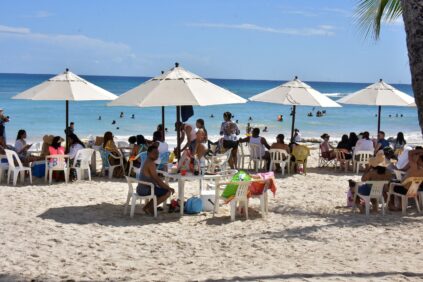
    As one of the most widely observed religious and recreational periods in the region approaches, the Dominican Ministry of the Interior and Police (MIP) has rolled out a comprehensive suite of security regulations designed to protect public safety across high-traffic tourist and leisure hubs during Holy Week 2026.

    Through official Resolution MIP-RR-0001-2026, the MIP has enacted targeted restrictions on large-scale gatherings and high-risk activities that are common during the week-long holiday. The regulatory framework covers a range of crowd-focused activities, setting clear rules for sound amplification equipment use, temporary public structure installation, and group alcohol consumption in public spaces.

    The most notable restriction imposed by the resolution is a full ban on all mass gatherings for parties, whether publicly organized or private, across coastal beaches, rivers, streams, and surrounding resort areas. The temporary structure ban also applies to these same zones, and both restrictions will remain in effect from March 29 through April 5, 2026, covering the full span of Holy Week celebrations.

    Additional rules include a complete prohibition on the sale of alcoholic beverages across the country on Good Friday, a key solemn day of reflection for observant believers. To guarantee full compliance with the new resolution, MIP has formally directed two specialized state bodies—the Dominican National Police and the Directorate for the Control of Alcohol Sales (COBA)—to carry out regular patrols and enforcement actions throughout the holiday period.

    In an official statement justifying the new measures, MIP emphasized that unregulated large parties held in open public spaces often create avoidable risks to community safety. These events, which typically feature loud music, large crowds, and widespread alcohol consumption, frequently disrupt public order, impede local transportation and mobility, and erode peaceful citizen coexistence in popular recreational areas. The new regulatory package is crafted to mitigate these risks, balancing the public’s desire for holiday leisure with the need to maintain safety and order for residents and visitors alike.

  • Japan viert 50 jaar diplomatie met Suriname met traditioneel fluitconcert

    Japan viert 50 jaar diplomatie met Suriname met traditioneel fluitconcert

    In a significant cultural demonstration marking five decades of diplomatic relations between Japan and Suriname, the Japanese Embassy hosted a captivating Shakuhachi concert in Paramaribo on Friday. The event, organized in collaboration with the Chamber of Commerce and Industry, Suriname Conservatory, and Spice Quest, showcased Japan’s rich musical heritage through the mesmerizing sounds of the traditional bamboo flute.

    The evening’s centerpiece featured renowned Japanese Shakuhachi master and composer Yosuke Irie, whose performance transported attendees into a meditative soundscape characteristic of Japan’s ancient musical traditions. Irie’s masterful interpretation created an atmosphere of profound tranquility and cultural appreciation among the diverse audience.

    Following his performance, Irie engaged directly with attendees, providing detailed explanations of the instrument’s historical significance and demonstrating specialized playing techniques. In a symbolic gesture strengthening cultural ties, the artist personally presented a Shakuhachi flute to Charmain Belfor, Director of the Suriname Conservatory, facilitated by Japanese Ambassador Akima Umezawa.

    The embassy emphasized that this cultural initiative underscores the continuing importance of artistic exchange in fostering mutual understanding between the two nations. Officials expressed strong commitment to further developing such collaborative cultural programs, recognizing them as essential components of international diplomacy and cross-cultural appreciation.

  • Residents of Villa Mella are requesting increased police surveillance and patrols.

    Residents of Villa Mella are requesting increased police surveillance and patrols.

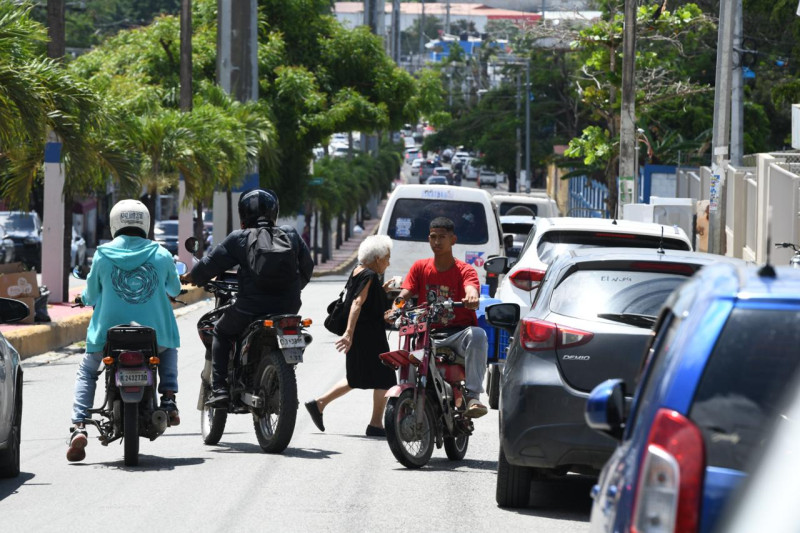
    In the municipality of Santo Domingo Norte, residents of Villa Mella are raising urgent concerns over a dramatic decline in nighttime police patrols, which they directly link to a surge in criminal activities throughout their community. A recent investigative tour through several sectors revealed a neighborhood gripped by fear, with local businesses resorting to extreme protective measures. Numerous grocery stores now operate behind iron-barred counters, maintaining only small openings for transactions in a desperate bid to deter robberies.

    Personal testimonies from residents paint a distressing picture of pervasive insecurity. Luis, a local businessman, recounted two separate home invasions on Jacobo Majluta Street where thieves stole appliances and cash. Despite relocating to Guaricano, he continues to face attempted break-ins, describing the persistent vulnerability as ‘a horrible feeling of insecurity.’ He has joined growing calls for the National Police to significantly enhance patrol services.

    The sentiment is echoed by Miguel Ángel, who expressed terror about walking near his residence after dark due to scarce police presence. He emphasized that patrols rarely appear during critical nighttime hours when criminal activity peaks, leaving citizens exposed. Community members report observing patrols conducting traffic stops for motorcycle violations during daytime hours while their repeated requests for consistent nighttime coverage go unanswered.

    Juan de la Cruz summarized the collective frustration, stating that residents cannot even safely enjoy fresh air outside their homes without fear of mugging. He criticized what he described as empty promises from officials while conditions deteriorate daily. Some city authorities have identified rampant substance abuse as a root cause of the crime wave, citing it as a primary driver behind失控的社会行为 and youth involvement in criminal acts. Despite this recognition, tangible solutions remain elusive for the beleaguered community.

  • Passengers stranded at AILA protest and demand answers

    Passengers stranded at AILA protest and demand answers

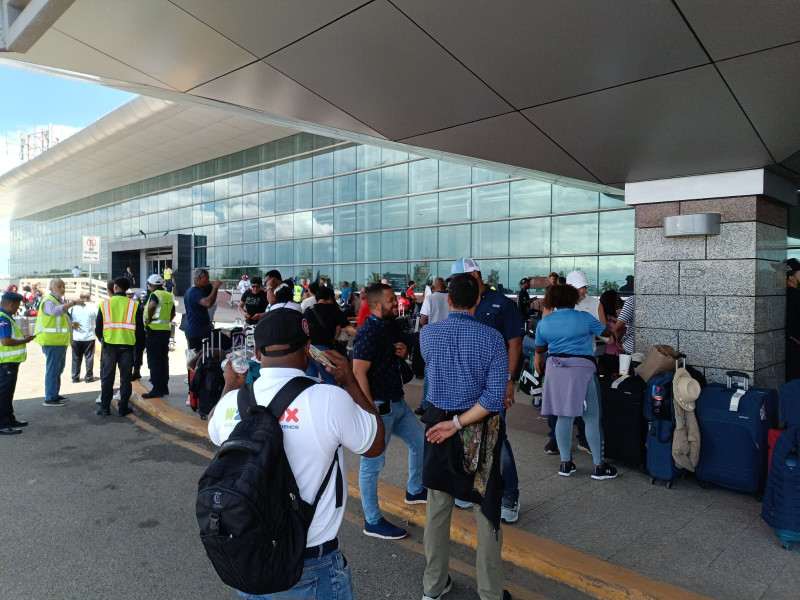
    A scene of collective frustration unfolded at Las Américas International Airport José Francisco Peña Gómez (AILA) in the Dominican Republic this Friday, where 435 passengers bound for Madrid found themselves stranded due to an aircraft malfunction. The disruption began on Thursday evening when World2Fly Flight 2W 3410, scheduled for the Santo Domingo-Madrid (SDQ-MAD) route, was abruptly suspended after technicians identified a mechanical issue requiring immediate safety repairs.

    Passengers described experiencing hours of informational void as airline representatives initially provided minimal assistance or clarity regarding their situation. The atmosphere grew increasingly tense throughout Thursday night and into Friday morning, with travelers reporting feelings of desperation and distress due to the communication breakdown.

    The situation escalated into a visible protest at the terminal entrance as frustrated passengers demanded answers and viable travel alternatives. In response to mounting tensions, airport security personnel reinforced controls in the area to maintain order and prevent potential disturbances.

    Amid the turmoil, partial resolutions began emerging. The airline initiated transfers via minibus to accommodate stranded travelers in various hotels throughout the capital. Héctor Porcella Dumas, President of the Civil Aviation Board (JAC), intervened personally, confirming that World2Fly had committed to providing comprehensive assistance including meals, accommodations, and necessary facilities until operations normalize.

    JAC facilitation inspectors were deployed to oversee passenger care coordination with airport committees. While the original aircraft remains under technical maintenance, authorities are exploring contingency plans including deploying alternative aircraft or relocating passengers to other carriers. The institution continues monitoring the situation to ensure passenger rights are upheld throughout the resolution process.

  • 2026 World Cup in Friendly Haiti loses [0-1] to Tunisia (Video)

    2026 World Cup in Friendly Haiti loses [0-1] to Tunisia (Video)

    In a tightly contested World Cup preparatory match at Toronto’s BMO Field on March 28, 2026, Tunisia secured a narrow 1-0 victory against a determined Haitian squad. The friendly encounter, attended by an enthusiastic Haitian diaspora, saw the 44th-ranked Tunisian side capitalize on an early goal while weathering sustained pressure from the 83rd-ranked Grenadiers throughout the match.

    The decisive moment arrived in the 7th minute when Tunisian striker Sebastian Tounekti unleashed a spectacular right-footed strike into the top corner, assisted by Ismaël Gharbi. This early advantage forced Haiti into an offensive posture that would characterize the remainder of the contest.

    Despite the unfavorable scoreline, Haiti demonstrated superior ball possession with 51% control and outshot their opponents 11-9. Head coach Sébastien Migné’s strategic 4-2-3-1 formation generated consistent attacking opportunities, though the team struggled with finishing precision against Tunisia’s organized 4-3-3 defensive structure.

    The second half witnessed increased Haitian intensity with strategic substitutions including Duckens Nazon and Wilson Isidor entering the fray. Their renewed offensive efforts consistently tested the Tunisian defense but ultimately failed to produce an equalizer. The match concluded on a sour note for Haiti as midfielder Danley Jean Jacques received his second yellow card in stoppage time, resulting in dismissal.

    This preparatory encounter highlighted both teams’ strengths and areas for improvement as they continue their journey toward the 2026 FIFA World Cup. Haiti will seek to convert their offensive dominance into tangible results when they face Iceland in their next friendly match on March 31, 2026.

  • Soufriere, gem of a town

    Soufriere, gem of a town

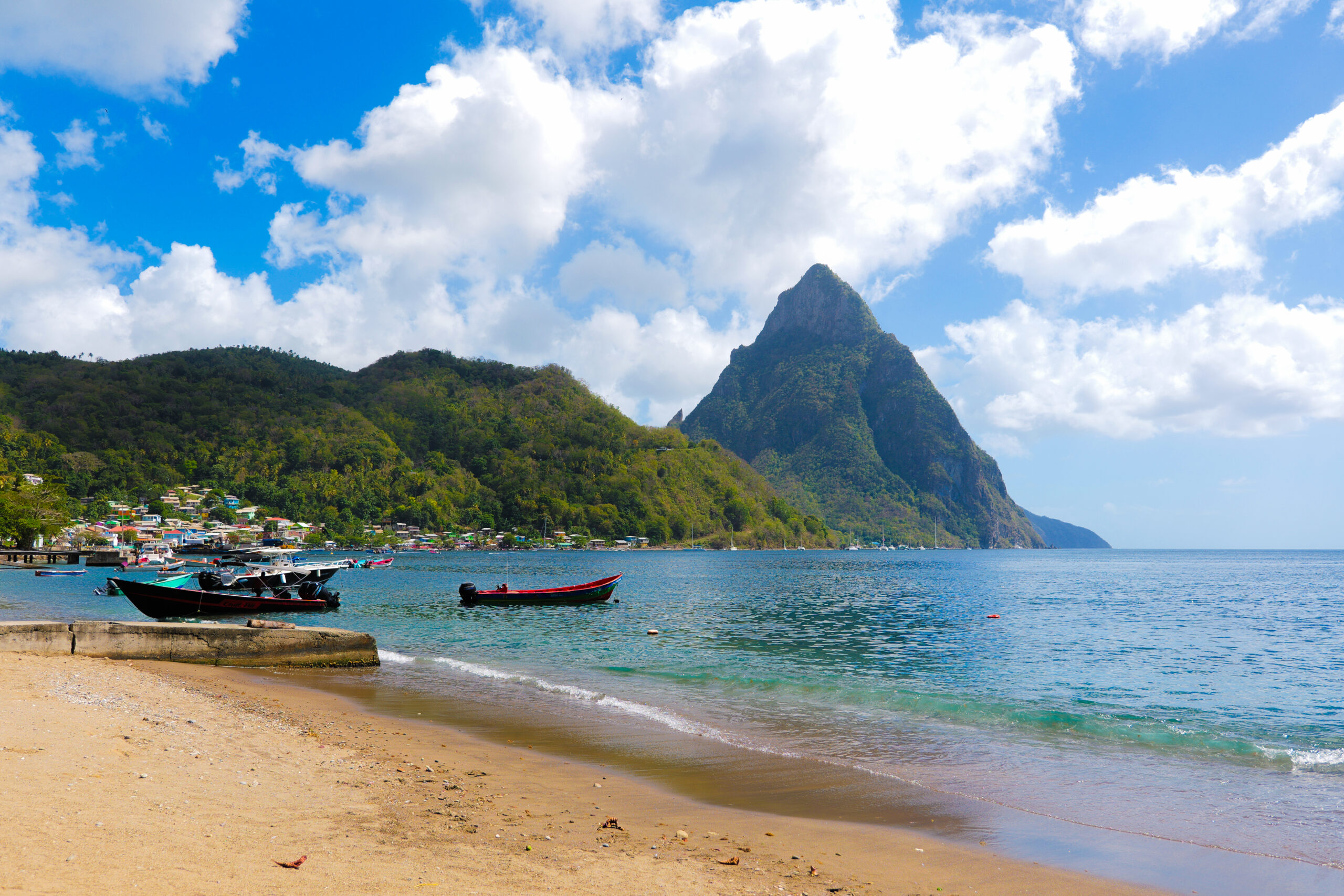
    Nestled on Saint Lucia’s southwestern coast, Soufriere emerges as the Caribbean’s crown jewel, captivating visitors and residents alike with its extraordinary blend of natural splendors and cultural depth. This picturesque town, whose French-derived name signifies ‘sulphur in the air,’ represents far more than volcanic origins—it embodies a living tapestry of resilience, community, and sustainable development.

    Local educator Nadiege Lucien poetically describes Soufriere as ‘a wonderful pot’ where surrounding communities converge with unique historical and cultural experiences. This sentiment echoes through the voices of international visitors like Brad from London, who celebrates the region’s refreshing atmosphere, warm hospitality, and exceptional cuisine.

    Soufriere’s geological marvels include the UNESCO World Heritage-listed Pitons—twin volcanic peaks rising dramatically from the Caribbean Sea—and the renowned Sulphur Springs Park, often called the ‘drive-in volcano.’ Beyond these iconic landmarks, the region boasts waterfalls, pristine beaches, nature trails, ancient petroglyph caves, and botanical gardens that gained cinematic fame in Superman II.

    The area’s aquatic treasures have inspired artistic creation, with Grammy-winning artist India Arie composing her hit ‘God is Real’ after diving in Soufriere’s vibrant coral reefs. This creative inspiration finds roots in a complex historical tapestry dating to the 1746 French colonization, when Soufriere served as Saint Lucia’s original capital. The town hosted historical luminaries including the future Empress Joséphine de Beauharnais and Queen Elizabeth II, while enduring revolutions, slave revolts, and natural disasters that forged its resilient character.

    Modern Soufriere balances preservation with progress through the Soufriere Regional Development Foundation (SRDF), established in 1993 as a community-driven organization now operating under government oversight. The SRDF manages key attractions while generating employment opportunities and maintaining dialogue with environmental agencies. ‘Our mandate ensures we create employment while preserving our natural heritage,’ explains SRDF Communications Manager Lovely St Aime-Joseph.

    The Foundation’s initiatives include enhancing visitor experiences at Sulphur Springs Park—where knowledgeable guides like 27-year veteran Angel St Hill provide immersive geological and historical tours—and revitalizing infrastructure including the Gros Piton nature trail, Soufriere Beach Park, and waterfront developments. New offerings under development include wedding services, café facilities, and cultural events that have spurred growth in local accommodations, with over 100 Airbnb options now available.

    Cultural revival remains central to Soufriere’s identity, with the SRDF spearheading carnival resurgence and establishing the community jazz festival through the Soufriere Events Management Organisation. This cultural vibrancy complements economic initiatives like the revival of the cacao industry, which now produces premium chocolate at resort destinations including Hotel Chocolat and Jade Mountain.

    With approximately 200,000 annual visitors to Sulphur Springs and thousands attending cultural events, Soufriere demonstrates how tourism development can harmonize with environmental sustainability and community values. As Anse Chastanet Resort manager Peter Jn Paul observes, ‘We possess a wealth of talent which blends with the community spirit residents bring—this is what makes Soufriere truly special.’