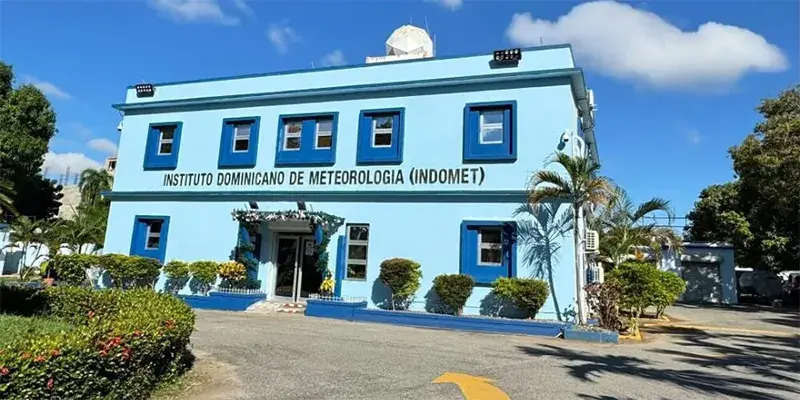
Several regions across the Dominican Republic, including Elías Piña, San Juan, Dajabón, Santiago Rodríguez, Azua, Santiago, Hato Mayor, Monte Plata, El Seibo, and San Pedro de Macorís, are bracing for moderate to heavy downpours, thunderstorms, and gusty winds today. The Dominican Meteorological Institute (Indomet) has attributed these weather conditions to a trough, with precipitation expected to commence in the afternoon and persist into the evening. Despite the rainfall, temperatures are forecasted to remain high, ranging from 21°C to 23°C at their lowest and soaring between 33°C and 35°C at their peak. In light of these conditions, the Meteorological Service has issued advisories urging the public to stay hydrated, wear lightweight and light-colored clothing, and minimize exposure to direct sunlight, particularly between 11:00 a.m. and 4:00 p.m., to mitigate the risks associated with the intense heat and humidity.
博客
-

Ferries, not Flights: Caribbean officials push for cost-effective, cargo-friendly sea links
For decades, the Caribbean has grappled with limited maritime connectivity, primarily relying on sub-regional transportation like L’Express Des Îles, which serves French and Creole-speaking islands. However, the potential of ferry services to revolutionize regional travel and trade has become a focal point for tourism officials, business leaders, and policymakers. At the State of the Tourism Industry Conference (SOTIC) 2025, ministers from across the Caribbean emphasized the transformative impact of expanded ferry networks on both economic and social fronts. Tashia Burris, Secretary of Tourism for Tobago, highlighted the challenges faced by international visitors due to overbooked domestic flights. She underscored the strategic advantage of ferry services in connecting Tobago with neighboring islands like Grenada, Barbados, and Trinidad, calling it a ‘no-brainer’ for regional integration. Grenada’s Tourism Minister, Adrian Thomas, echoed this sentiment, noting that ferries could not only facilitate passenger travel but also address agricultural waste by providing a reliable means to transport perishable goods. He advocated for investments in vessels equipped with cold storage to support farmers and reduce food spoilage. Zhavargo Jolly, Minister of Tourism for Turks and Caicos, passionately argued for the establishment of a regional supply chain to reduce costs and improve efficiency. He criticized the current reliance on North American hubs like Miami for intra-Caribbean shipments, which inflates costs and impacts the cost of living. Jolly called for collaborative efforts within regional organizations like CARICOM and the Caribbean Tourism Organisation to turn these discussions into actionable plans. While the enthusiasm for ferry services is palpable, the realization of this vision hinges on the commitment of key decision-makers to invest in infrastructure and foster regional cooperation.
-
DLP slams family leave law as ‘immoral, employer-first’
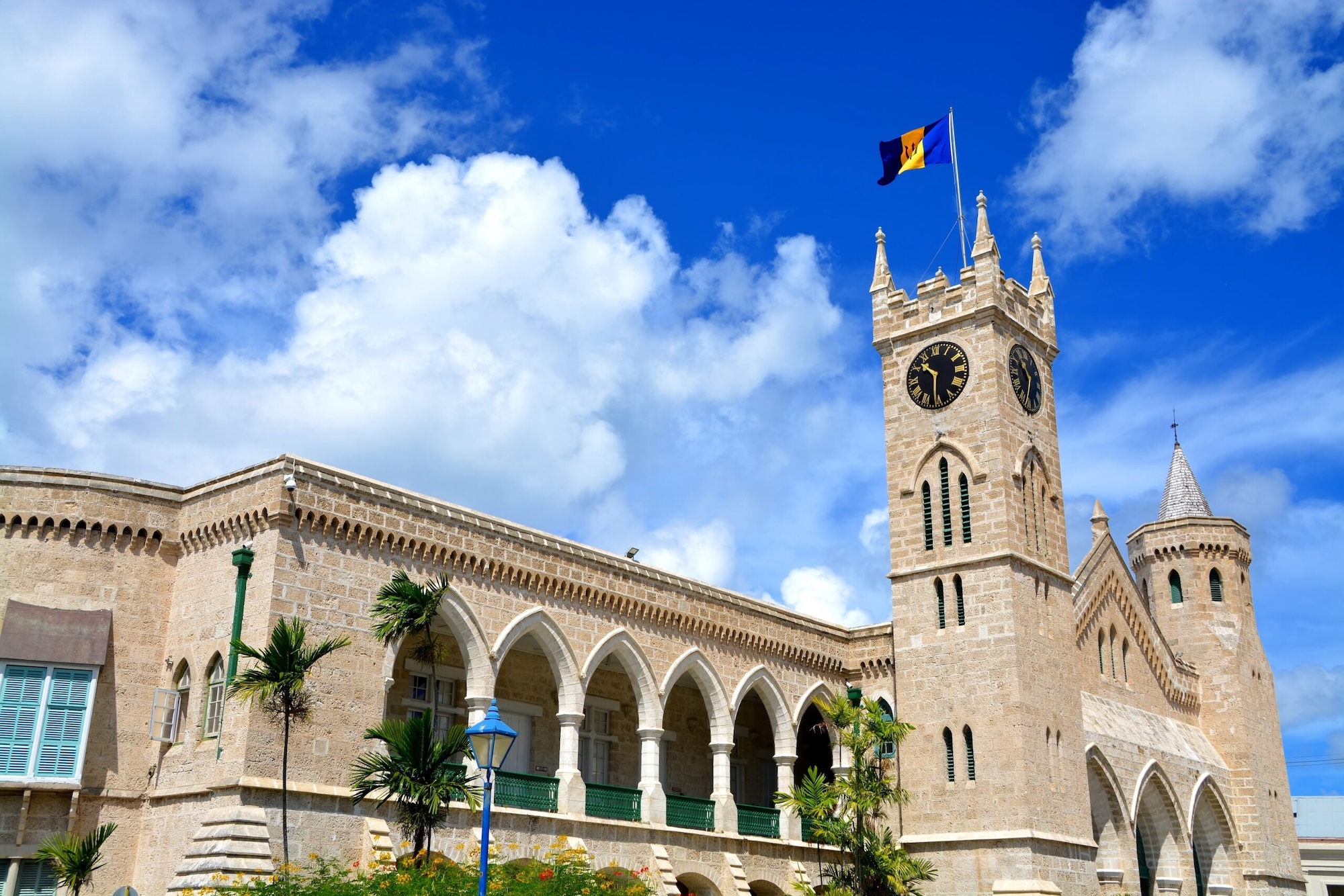
The Democratic Labour Party (DLP) has launched a scathing critique of Barbados’ newly enacted Family Leave Act, condemning it as a law that criminalizes parents, infringes on women’s reproductive rights, and prioritizes employers over families. Introduced by Labour Minister Colin Jordan, the legislation has been celebrated by the government as a historic advancement in parental rights, introducing statutory paternity leave for the first time in the nation’s history. Fathers are now entitled to three weeks of leave, which can be taken consecutively or split within the first six months of a child’s life. Maternity leave has been extended from 12 to 14 weeks (17 weeks for multiple births), and the maternity grant has been replaced with a gender-neutral child grant. However, during a virtual discussion hosted by the DLP, party representatives and legal experts argued that the law is not only insufficient but also ‘immoral.’ Malissa Howard, a DLP candidate, acknowledged the introduction of paternity leave as an improvement over the repealed Employment of Women (Maternity Leave) Act but criticized the three-week period as inadequate compared to international standards. She emphasized the need for greater support for women, suggesting six months of leave for fathers. Opposition Senator Andre Worrell echoed these concerns, advocating for extended leave beyond the immediate post-natal period, particularly when mothers return to work. He warned that without such provisions, parents are often forced to rely on nurseries, which many prefer to avoid in a child’s first year. Worrell also criticized the provision granting fathers an additional three weeks of leave if their partner dies during childbirth, calling it insufficient. Section 15 of the law, which criminalizes providing false information about pregnancy or birth with penalties of up to $10,000 or 24 months’ imprisonment, has drawn particular ire. Opposition Leader Ralph Thorne condemned this as an intrusion of criminal law into family life, arguing that it undermines the sanctity of pregnancy and birth by treating it as a contractual matter. Thorne also criticized the requirement that both parents must be employed continuously for 12 months to qualify for leave, calling it ‘immoral’ and discriminatory. Attorney Damien Fanus highlighted that some women may not know they are pregnant until months into employment, leaving them ineligible for benefits. Felicia Dujon, the DLP’s education spokesperson, accused the law of violating women’s reproductive rights and warned of potential workplace discrimination. Fanus further noted that protections against dismissal only apply during leave, leaving parents vulnerable upon their return to work. The DLP has called for significant revisions to the law, arguing that it fails to adequately support families and disproportionately favors employers.
-
New network of air quality sensors to warn of health risks
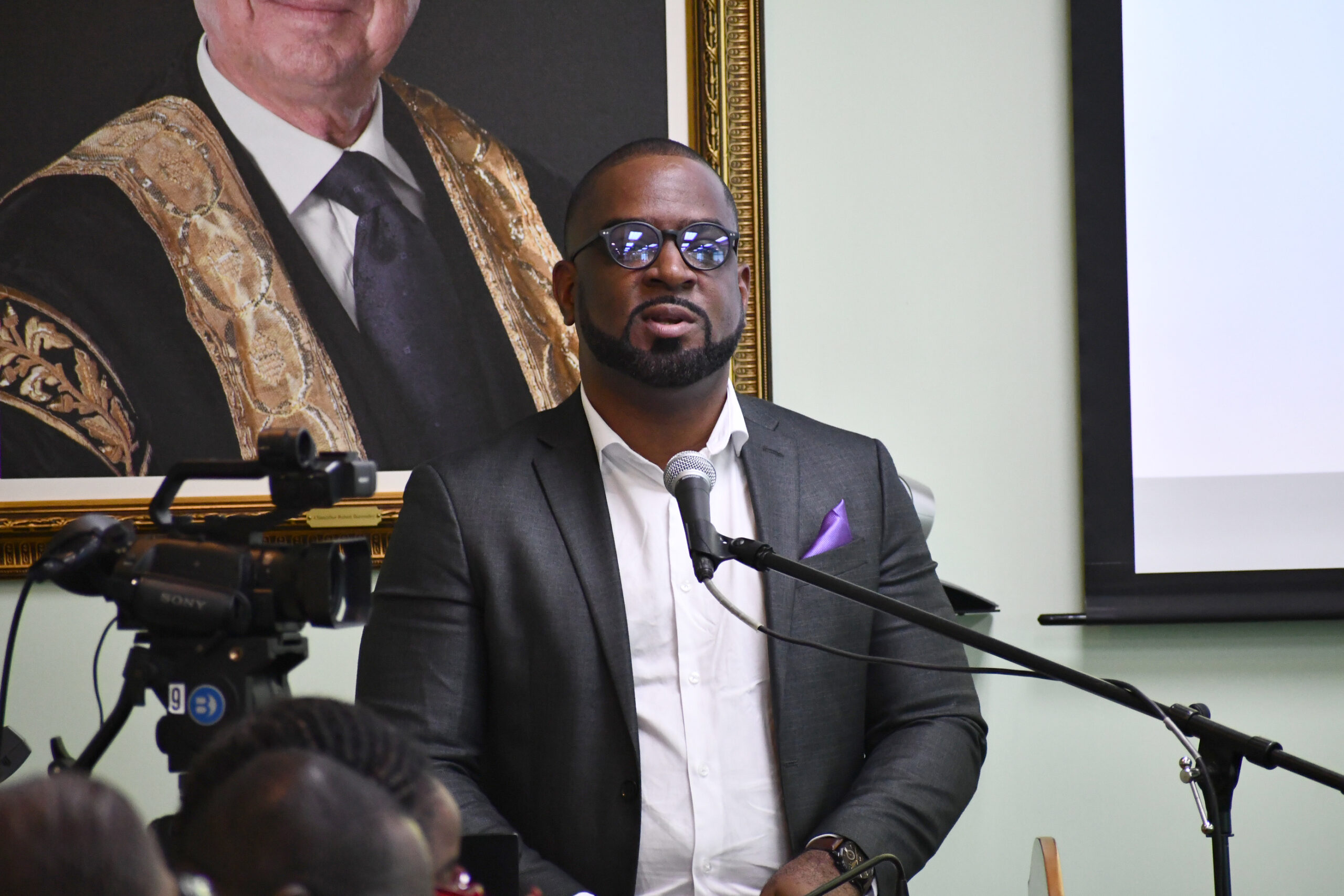
Barbados is on the verge of a groundbreaking advancement in public health protection, as the University of the West Indies (UWI) spearheads the deployment of an extensive network of air quality sensors across the island. This initiative, developed in collaboration with national agencies such as the Barbados Meteorological Services (BMS) and the Department of Emergency Management (DEM), aims to provide real-time warnings about hazardous smoke and air pollution, particularly benefiting individuals with respiratory illnesses.
-
Misbehaving students prompt pleas for adult accountability
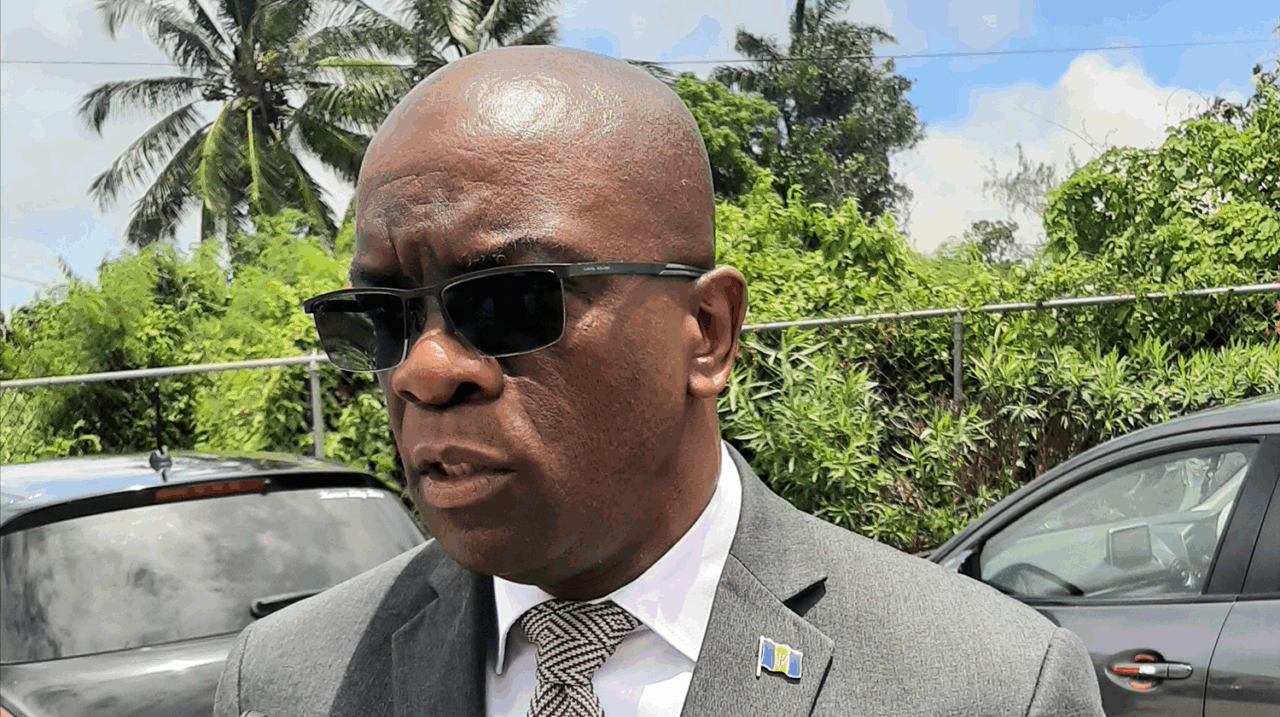
Barbados is confronting a growing issue of lewd and disruptive behavior among schoolchildren on public buses, prompting urgent calls for intervention from government officials, union leaders, and parent advocates. Minister of Youth, Sports, and Community Empowerment Charles Griffith, Congress of Trade Unions and Staff Associations of Barbados (CTUSAB) General Secretary Dennis Depeiza, and Paula-Ann Moore, spokesperson for the Group of Concerned Parents, have all emphasized the need for immediate action, though their perspectives on the root causes and solutions differ. Griffith attributes the problem to a breakdown in parenting and community mentorship, advocating for enhanced parental training, peer support networks, and intergenerational guidance. He stressed the importance of strong Parent-Teacher Associations (PTAs) and the involvement of retired elders as mentors to instill positive values. Depeiza, however, points to a lack of enforcement and adult accountability as key factors, warning that without decisive action, the situation will worsen. He highlighted longstanding issues on ZR minibuses that have now affected the broader Transport Board system. Moore described the behavior as deeply concerning and urged both children and adults to take responsibility. She emphasized the need for societal unity in modeling appropriate behavior and enforcing zero tolerance for misconduct. A female student commuter shared firsthand accounts of disruptive behavior, including instances where bus drivers had to intervene. All stakeholders agree that a comprehensive, community-driven approach is essential to address this pressing issue.
-
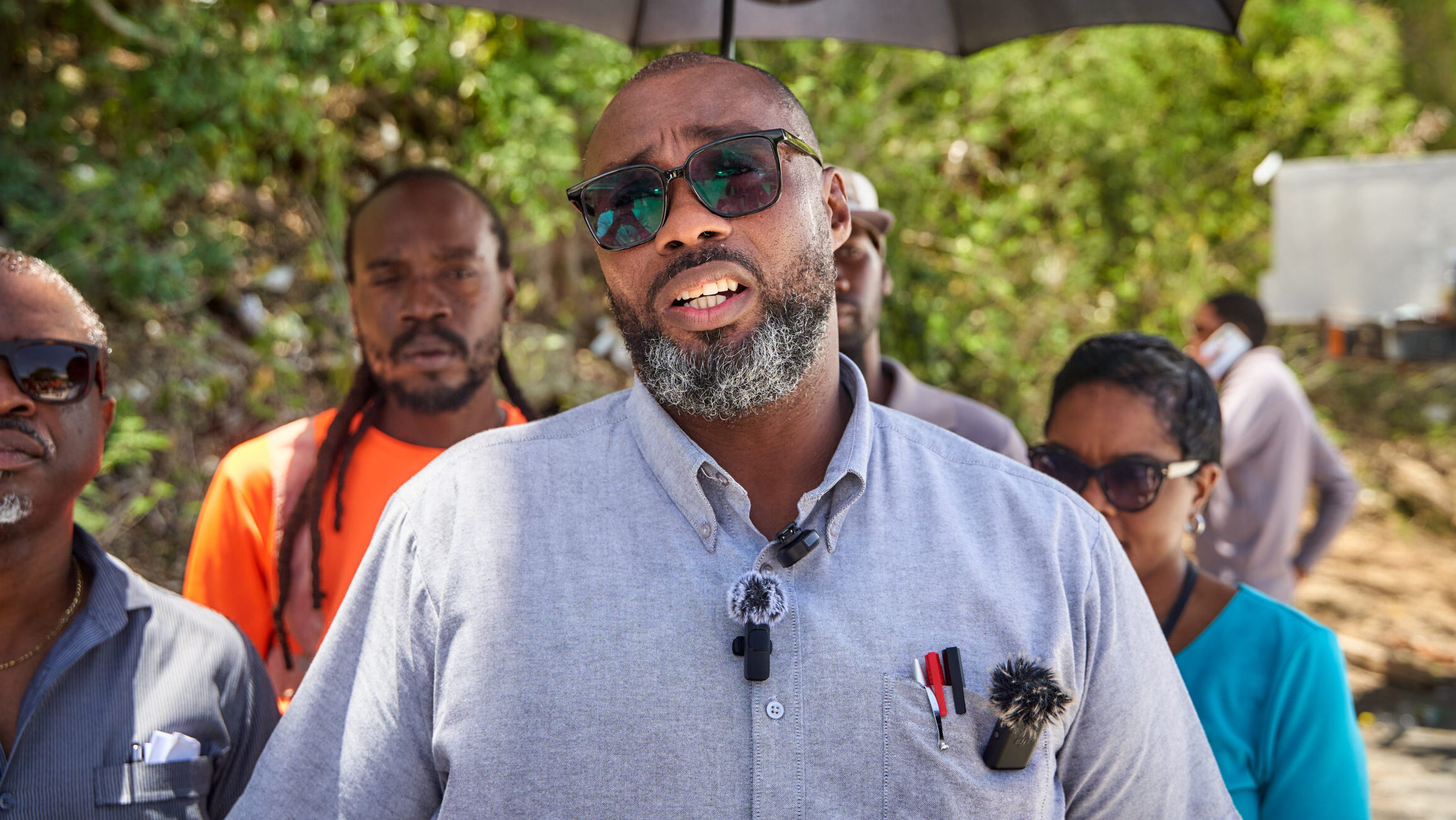
BWU will take health, safety breaches to Labour Department
The Barbados Workers’ Union (BWU) has issued a stern warning to employers, vowing to escalate unresolved health and safety violations to the Labour Department. This comes amid growing concerns over the hazardous working conditions faced by many Barbadian employees across various sectors.
-
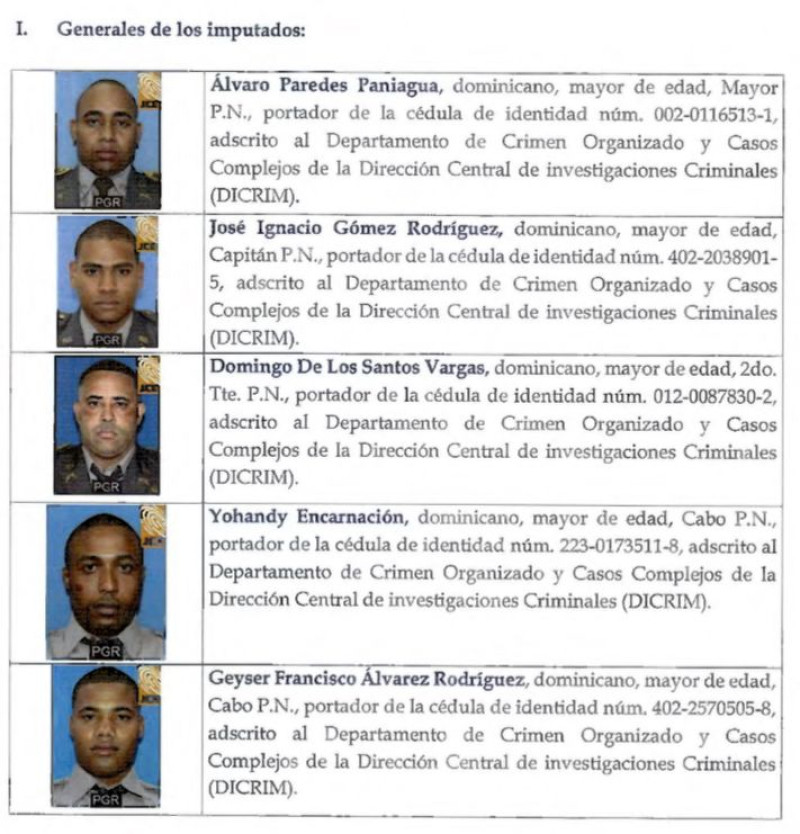
Public Prosecutor’s Office: The 11 police officers did not give the 5 victims the opportunity to speak.
In a shocking development, the Public Prosecutor’s Office in Santiago, Dominican Republic, has requested 18 months of pretrial detention for eleven officers from the National Police’s Central Directorate of Criminal Investigation (Dicrim). The officers are accused of orchestrating the planned execution of five men in a Santiago square on September 10, 2025. The prosecution has also sought a declaration of complexity for the case, citing the gravity of the crime and the high rank of the accused as reasons for the maximum investigation time.
-
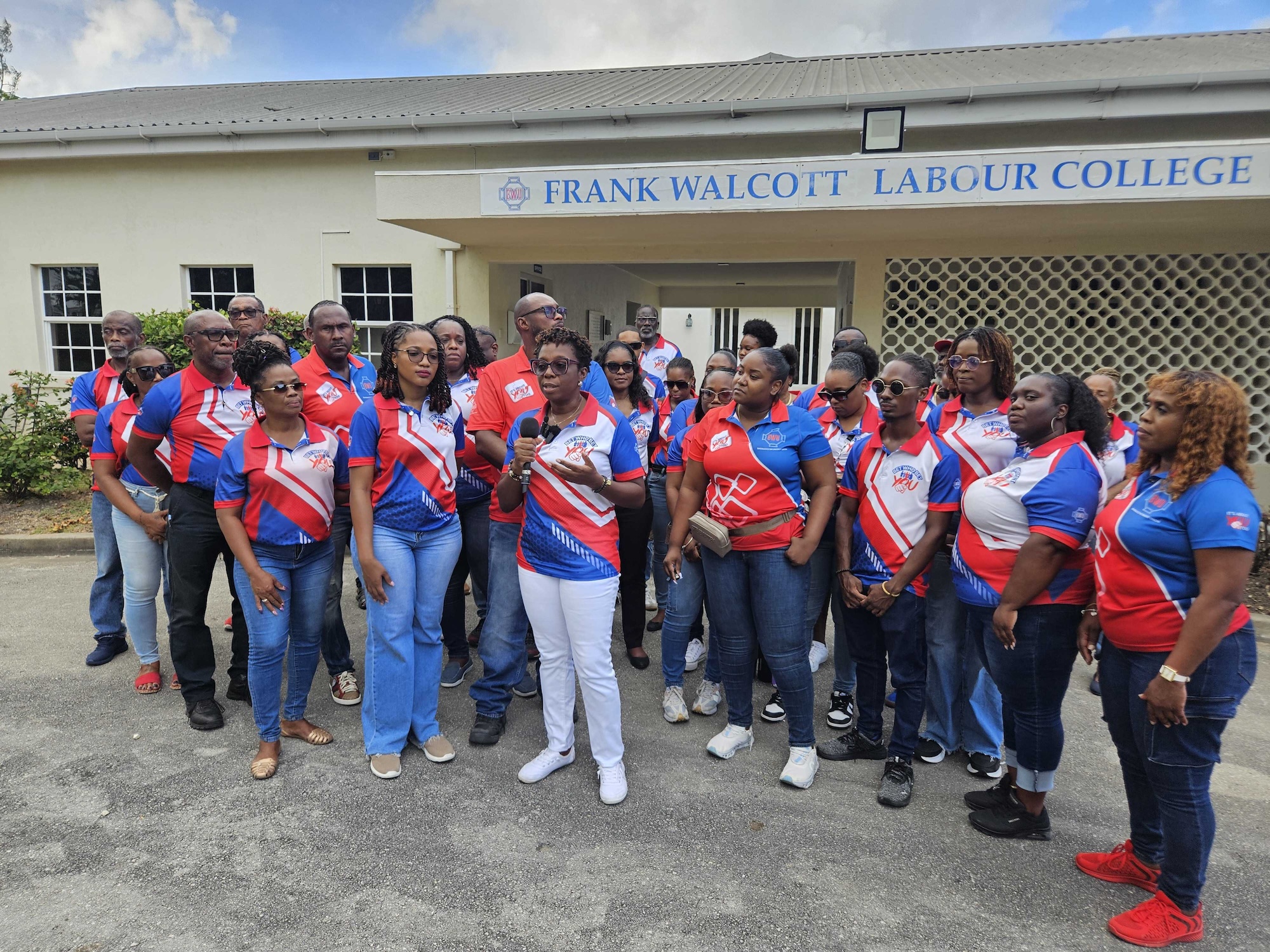
‘Secret’ union sign-ups prompt BWU concern over busting tactics
The Barbados Workers’ Union (BWU) has observed a significant increase in employees seeking to join the union anonymously, citing fears of victimization if their union affiliation is revealed. This trend was disclosed by BWU General Secretary Toni Moore during a speech at the Frank Walcott Labour College, following a tour of 12 companies as part of the union’s 84th anniversary celebrations. Moore highlighted that some employers are resorting to intimidation tactics to undermine union representation, with a recent case at a hardware store exemplifying such behavior. In this instance, management allegedly pressured workers to abandon the union, promising benefits in return. Moore condemned these actions as union-busting, noting that the employer further attempted to divide workers by offering wage increases only to those believed to be non-unionized. Despite these challenges, the BWU has seen a notable rise in membership through discreet payment methods, such as First Pay and direct bank transfers, allowing workers to keep their union affiliation private. Moore emphasized that even shop stewards are often unaware of the true extent of union membership within their workplaces, as many workers choose to join anonymously. The union has identified wages, lack of upward mobility, unpredictable schedules, and health and safety concerns as key issues affecting workers. To address these challenges, the BWU continues to prioritize education, offering classes to help workers understand their rights and navigate workplace difficulties.
-
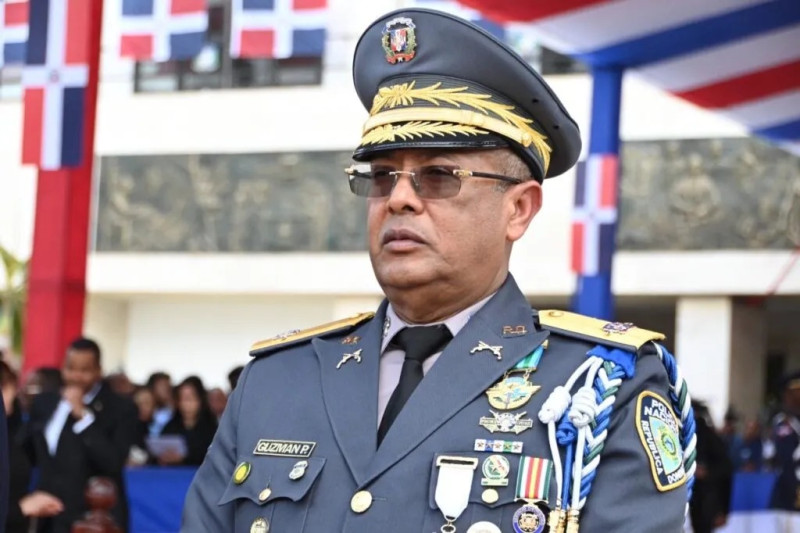
The director of the National Police says they are working to make citizens feel confident and proud.
In a significant step toward fostering closer ties with the Dominican Republic’s citizens, the National Police has reaffirmed its commitment to enhancing public trust and pride in its role. Major General Ramón Antonio Guzmán Peralta, the institution’s director, emphasized the Police’s unwavering dedication to safeguarding the public, upholding individual rights, and delivering essential services. Speaking at the inauguration of a new police station at the El Seibo exit toward Hato Mayor, Guzmán Peralta highlighted the government’s robust support in modernizing law enforcement infrastructure. This includes the construction of new stations, the provision of advanced vehicles and technology, and comprehensive training programs. Additionally, the government conducts weekly inspections across the country to ensure operational efficiency and responsiveness. President Luis Abinader personally oversees these sessions at the Police Palace, addressing progress, needs, and public concerns. During the ribbon-cutting ceremony, Guzmán Peralta expressed gratitude to God, President Abinader, Central Romana company, and Ángel De La Cruz for their contributions to the state-of-the-art facility, which has garnered widespread satisfaction among the local community.
-

P Diddy sentenced to over four years in prison after begging judge for ‘mercy’
Sean ‘Diddy’ Combs, the once-revered hip-hop mogul, was sentenced to 50 months in prison on Friday, marking a dramatic fall from grace for the music icon. The sentencing followed a highly publicized trial that exposed his involvement in a series of disturbing sex crimes. Judge Arun Subramanian delivered the verdict after a nearly six-hour hearing, emphasizing the gravity of Combs’ actions. ‘You abused them, physically, emotionally, and psychologically,’ Subramanian stated, highlighting the prolonged nature of the crimes due to Combs’ power and resources. The trial, which lasted two months, revealed harrowing details of Combs’ private life, including allegations of violence and exploitation. While the sentence was shorter than the five-to-six-year term recommended by federal guidelines, it was significantly longer than the 14 months his defense team had argued for. Combs, clad in a wrinkled sweater and reading glasses, delivered a 12-minute statement, apologizing to his victims but largely focusing on his own remorse. ‘I’m not this larger-than-life person, I’m just a human being,’ he said, acknowledging his past mistakes. The trial also saw emotional moments as Combs’ children addressed the court. Once a towering figure in the music industry, Combs’ empire, Bad Boy Records, was valued at nearly $1 billion. His sentencing marks a stark contrast to his former life of luxury and celebrity.