博客

  • Renewed push to revive Oistins Fish Festival

    Renewed push to revive Oistins Fish Festival

    Barbados’ long-running Oistins Fish Festival is poised for a major revitalization, as local leaders, vendors, residents and community representatives have launched a collaborative consultation process to reverse years of stagnation and set the event up for long-term growth ahead of its 50th anniversary in 2027.

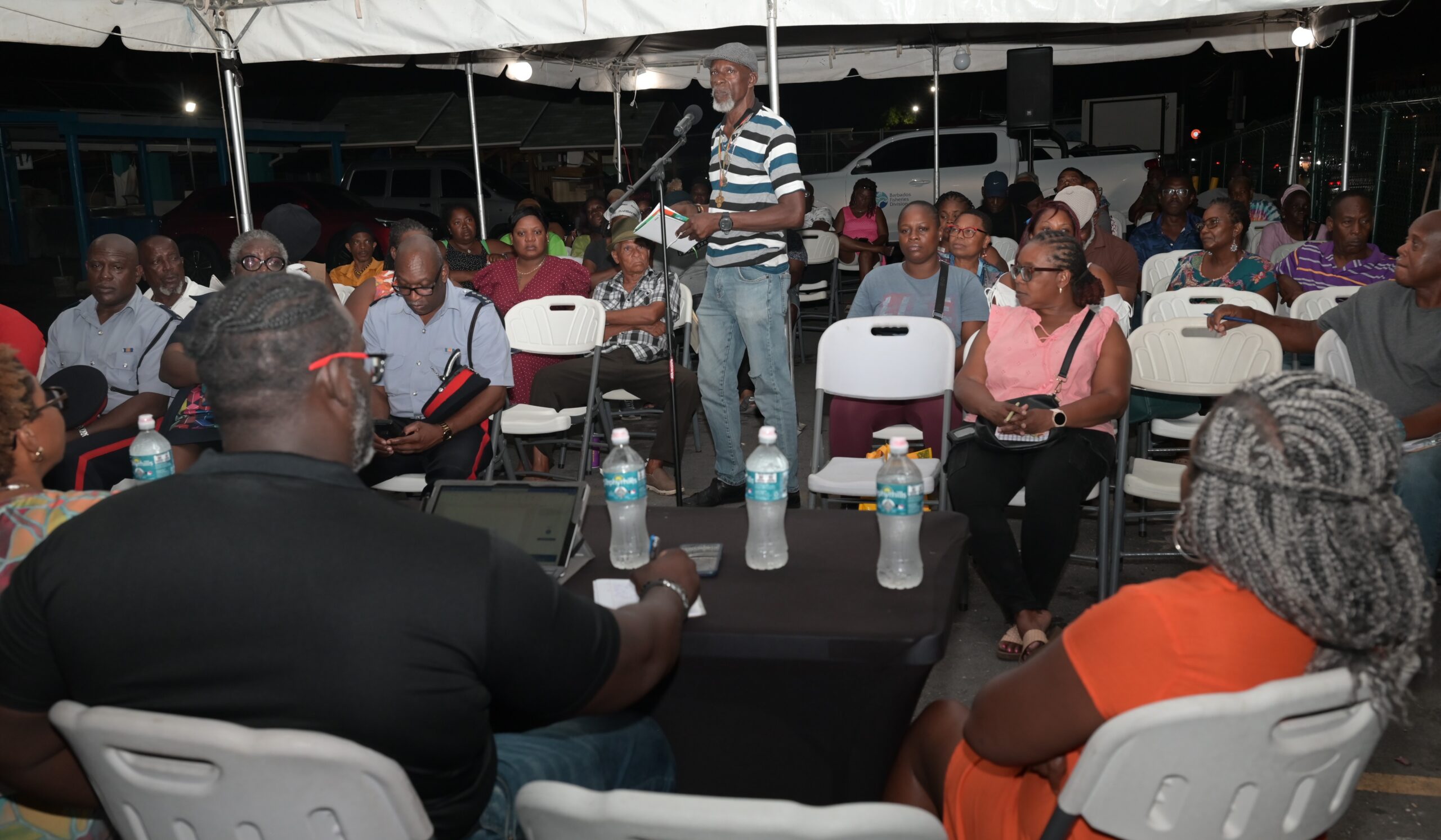
    The first public town hall meeting focused on the festival’s revival took place Thursday evening in the car park of the Berinda Cox Fish Market, drawing a large crowd of Oistins-based vendors, fishing community members, local residents and other invested stakeholders eager to share their ideas for improvement. Officers from the Oistins Police Station also attended the session, pledging to uphold a secure, welcoming environment for both local attendees and out-of-town visitors at all future festival events.

    Leading the revitalization effort is Dr. Shantal Munro-Knight, Member of Parliament for Christ Church South and Barbados’ Agriculture Minister, who has pledged that under her leadership, the historic festival will not only survive, but emerge stronger than ever. Munro-Knight emphasized that the planning process will center the needs and voices of the local fishing and vendor communities that form the core of the event’s identity.

    During the meeting, organizers compiled a range of actionable concerns and proposals from attendees. Many long-time participants called for formal recognition of the founding members who built the festival from its early days, a request Munro-Knight described as an easy, high-priority win for the revitalization team. Vendor Sue Ann Gilkes-Smith put forward two key suggestions: reconfiguring vendor stalls into a single continuous stretch along the event route, rather than the current fragmented layout, and boosting safety measures to encourage older patrons, who have historically been core spenders at the festival, to return comfortably.

    Kemar Harris, Chairman of the Oistins Bay Garden Board, explained that the series of town hall meetings was launched to address a years-long breakdown in communication between festival organizers and local stakeholders, which had gradually eroded the event’s quality. “What leads to breakdowns is a lack of communication,” Harris told attendees. “Over the years, people have been complaining, so there will be a series of these meetings to hear you, see you and feel you. Consultation is paramount, and this MP believes in that, so when consultations stop, you cannot say no stone has been left unturned.”

    Edwin Warner, Deputy Chairman of the Oistins Bay Garden Board and owner of local food stall Crazy Eddies, shared harsh criticism of the most recent festival held over the 2024 Easter weekend, calling it one of the worst iterations in recent memory. Warner argued that the previous organizing committee had grown stagnant after years in charge, failed to consult local Oistins Bay Garden stakeholders, and brought in outside participants without centering the community that anchors the event. He also put forward a series of proposals to expand the festival, including cleaning up the local boatyard to create additional space for vendor stalls, involving fishing communities from across Barbados, and adopting a regional approach that invites fisherfolk from neighboring Caribbean countries such as St. Lucia and Grenada to participate.

    Harris confirmed that the series of public consultation meetings will continue in the coming months, with all discussions centered on supporting local vendors and strengthening the festival’s roots in the Oistins community ahead of its milestone 50th anniversary in 2027.
  • Police investigate stabbing incident at Market Hill

    Police investigate stabbing incident at Market Hill

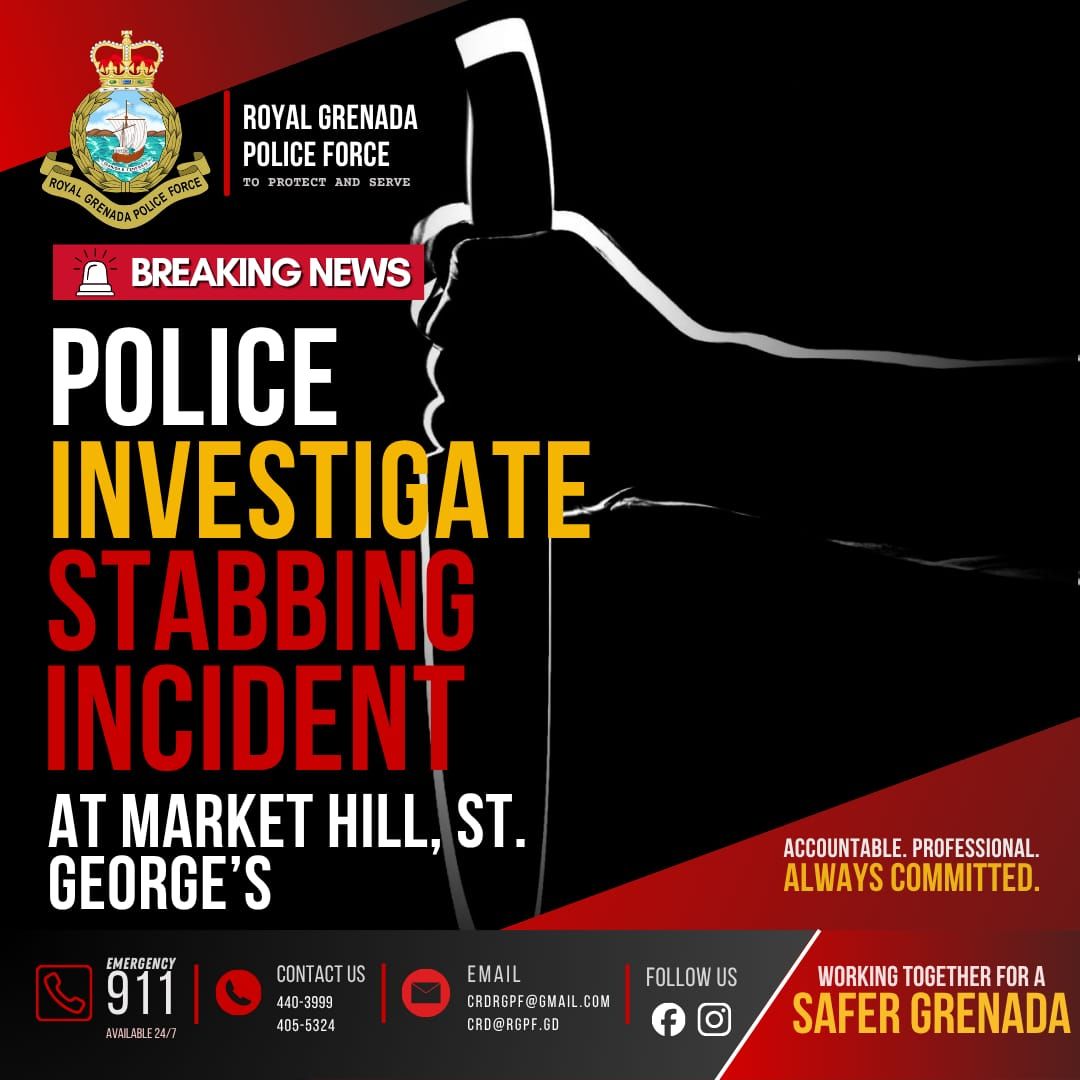
    Authorities in Grenada have launched an active criminal investigation into a violent altercation that left one woman with multiple stab wounds in the island’s capital district. The incident took place on 15 May 2026 in the Market Hill neighborhood of St George’s, according to official updates from the Royal Grenada Police Force.

    Early findings from the investigation confirm the injured victim was engaged in a confrontation with a second woman when the attack unfolded. During the dispute, the victim suffered cutting and stabbing injuries across multiple areas of her body, requiring urgent emergency medical intervention.

    Following the attack, first responders moved the injured woman to Grenada’s General Hospital for urgent treatment. Hospital officials admitted her for ongoing care, and as of the latest police update, her medical status has been listed as stable, giving investigators room to continue building their case.

    Law enforcement has confirmed that no further details about the identities of the parties involved or the possible motive for the altercation have been released to the public at this stage. Investigations into the circumstances of the incident remain active, with detectives working to piece together a full account of what led to the violence. This update was officially released through the Office of the Commissioner of Police in Grenada.

    NOW Grenada, the platform distributing this official update, has noted that it does not take responsibility for contributor-supplied content or statements included in public official updates, and provides a reporting pathway for users to flag any abusive content associated with the posting.

  • Temporary suspension – Decal sticker collection at Galleria Mall

    Temporary suspension – Decal sticker collection at Galleria Mall

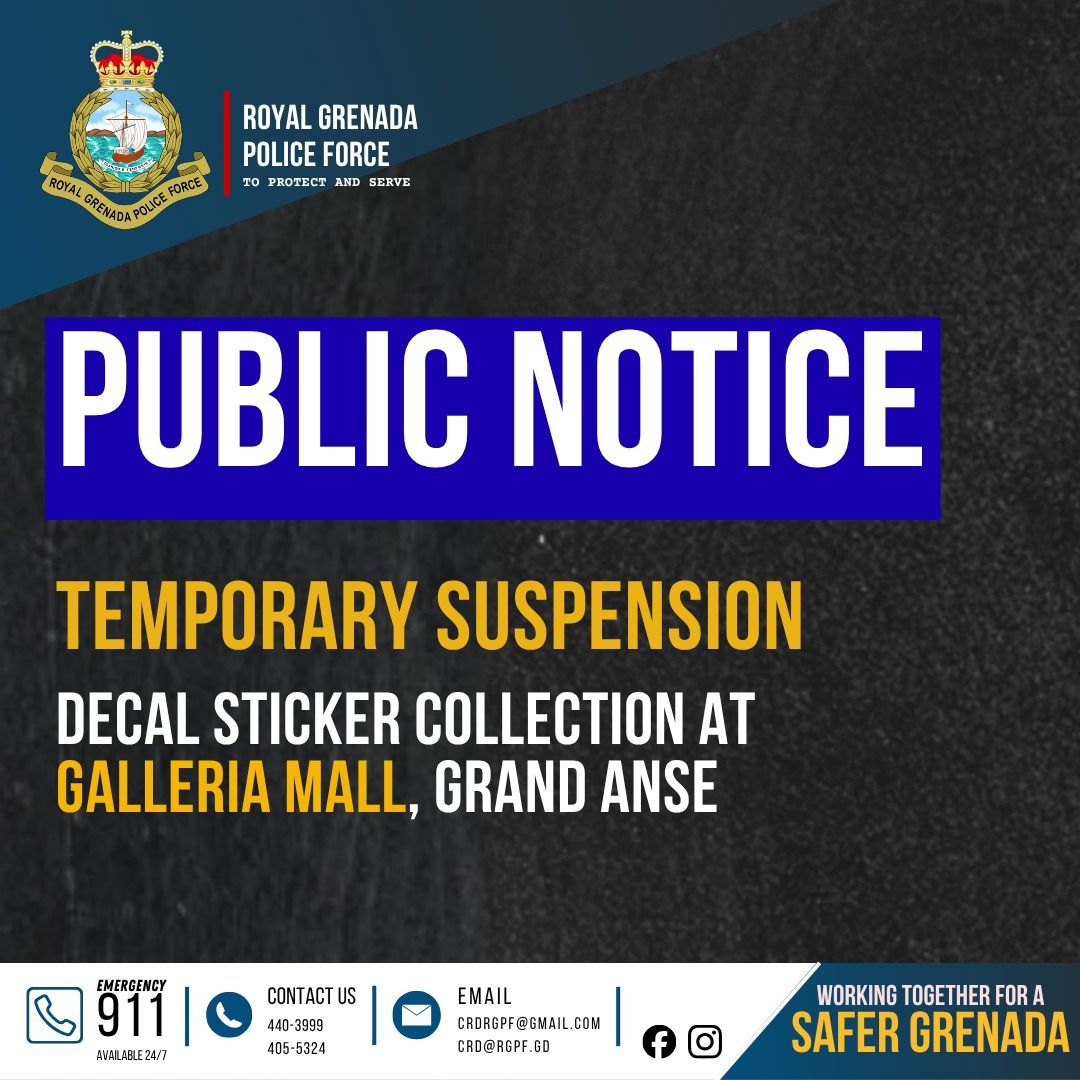
    Residents and motorists across Grenada have been notified of an unexpected service disruption by the Royal Grenada Police Force (RGPF). Technical issues have forced the immediate temporary halt to all license decal sticker (also referred to as license disc) distribution operations at the RGPF’s service outlet located inside Galleria Mall, a popular commercial hub in Grand Anse, St George. Until an official update is issued to resolve the technical problems, the RGPF has directed all people seeking new or renewed decal stickers to two alternative collection points. The first alternate location is the main office of the Inland Revenue Department, situated on Young Street in central St George’s. The second option for collectors is the service desk at the Kirani James Athletics Stadium, a prominent local venue that has been arranged to accommodate additional decal pickup requests. In an official statement released through the Office of the Commissioner of Police, the RGPF extended a sincere apology to all motorists and community members for the disruption to routine services. The law enforcement agency also expressed gratitude for the public’s patience, understanding, and cooperation as it works to address the underlying technical difficulties that prompted the service suspension. This notice comes as a routine administrative adjustment to ensure motorists can still complete required vehicle licensing processes without extended delays, even with the temporary closure of the Galleria Mall location. Any further updates on the resumption of services at the mall outlet will be shared with the public as soon as they become available.

  • Traffic Arrangements – Spicemas Carnival Build-up Road Show

    Traffic Arrangements – Spicemas Carnival Build-up Road Show

    The Traffic Division of the Royal Grenada Police Force (RGPF) has issued an official public advisory outlining adjusted traffic rules for the upcoming Spicemas Carnival Build-up Road Show, a key pre-carnival event scheduled to take place on Port Highway in St George’s on Saturday, 16 May 2026. The temporary restrictions will run from 5:00 p.m. local time through to midnight, impacting all motorists traveling through the central St George’s area during the event window.

    To accommodate the large-scale public event and ensure attendee safety, the RGPF has implemented adjusted through-traffic rules for Port Highway. For vehicles heading toward Grand Anse along Port Highway, travel will only be permitted up to the Port entrance, which also marks the entry point to Angel Harps Pan Yard, with no access beyond this point for the duration of the restrictions. Motorists traveling in the opposite direction toward downtown St George’s will only be allowed to travel as far as the Grenada Yacht Club entrance, with no through passage past this checkpoint.

    Parking arrangements have also been restructured to support event operations. Designated parking for event performers, official sponsors, and Spicemas organizing staff has been allocated at the Old Trafford lot. For general attendees and members of the public driving to the event, public parking spaces will be available along The Carenage.

    A temporary no-parking zone will be enforced along Tanteen public road for the full stretch between Burns Point and the Sir Eric Matthew Gairy Roundabout. For the entire duration of the event restrictions, no vehicles will be permitted to park on either side of this road segment, and any unauthorized parked vehicles may be subject to enforcement action.

    The RGPF has called on all road users, local residents, and event attendees to familiarize themselves with the new traffic arrangements ahead of the event and cooperate with on-site law enforcement personnel to ensure the event runs smoothly and safely. The advisory was formally released via the Office of the Commissioner of Police in Grenada.

  • How Much Longer Can Tourism Absorb Sargassum’s Hit?

    How Much Longer Can Tourism Absorb Sargassum’s Hit?

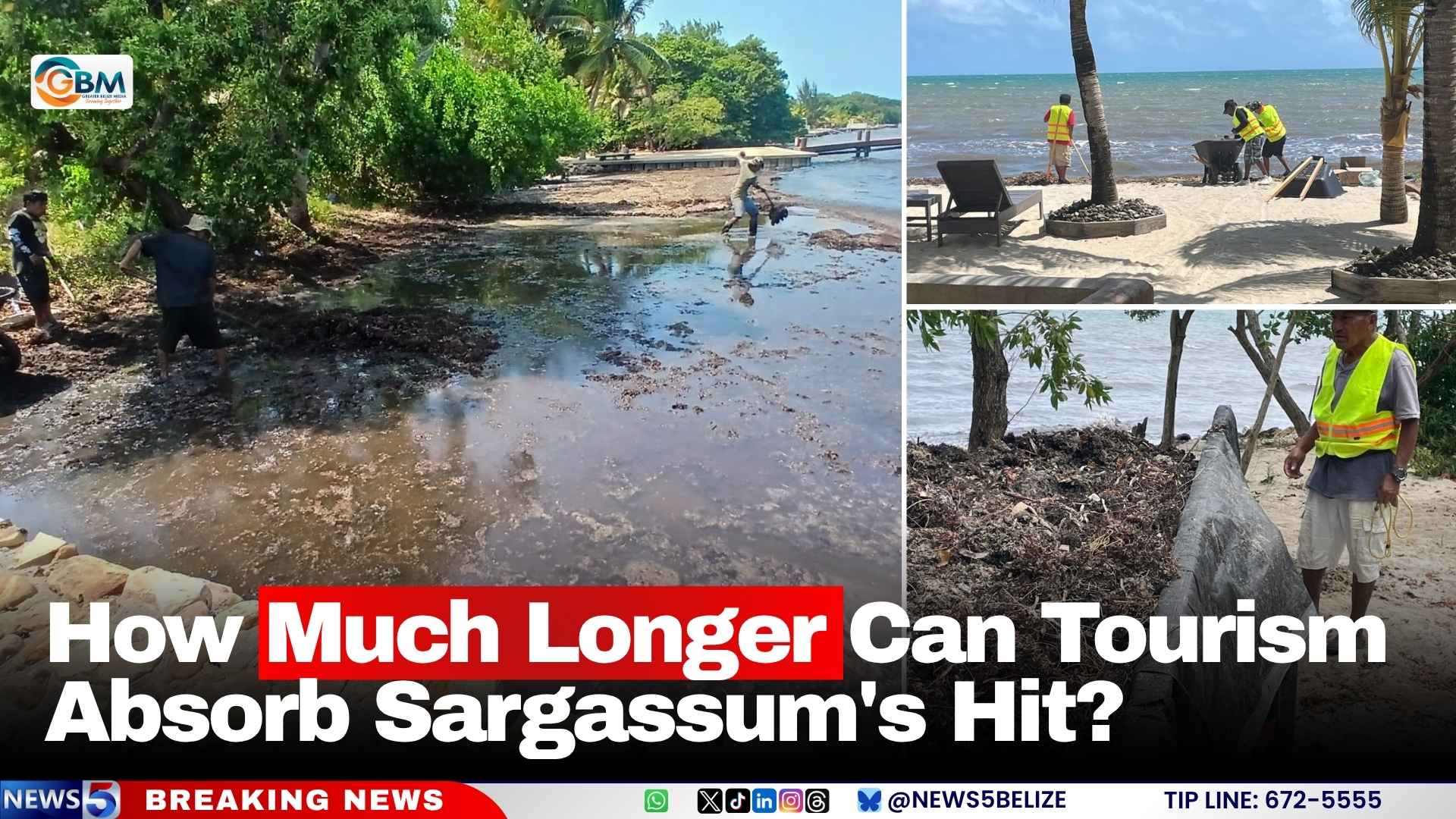
    As peak tourism season kicks off in Belize, a persistent, growing environmental threat is putting the nation’s most critical economic sector at risk: massive accumulations of sargassum, a brown seaweed, that choke the country’s pristine shorelines just when travelers flock to its tropical beaches. For more than a decade, veteran tourism industry insider Eugene Baptist has tracked the steady escalation of the sargassum crisis. As co-founder of newly launched coastal cleanup venture Coastal Green Horizon, Baptist has seen the problem transform from a manageable nuisance into a potentially existential challenge for Belize’s tourism-dependent economy.

    Ten years ago, Baptist estimates the total volume of sargassum washing onto Belize’s coasts each year was less than a third of what the nation confronts today. And with climate change amplifying the conditions that drive massive sargassum blooms in the Atlantic, he sees no signs of the problem reversing on its own. The annual invasion lines up perfectly with Belize’s peak tourism window, when coastal communities and hospitality businesses depend on clean, attractive beaches to draw international visitors. For an industry already recovering from past economic shocks, this annual hit is one that many businesses can no longer absorb.

    Baptist warns that without urgent action, the damage will soon show up in hard numbers: resort occupancy rates, the key metric of tourism industry health. Currently, top Belizean resorts regularly hit 90 to 100 percent capacity during peak season, but Baptist projects that could drop sharply within five years. International travelers from Europe and Canada, core markets for Belize tourism, have no shortage of alternative tropical destinations that do not face widespread sargassum contamination. Why would visitors choose a sargassum-choked Belizean beach, he asks, when they can visit other tropical locations with clean, unspoiled shorelines?

    Comparing the crisis to the COVID-19 pandemic that crippled global tourism, Baptist notes a critical difference: unlike the public health crisis, sargassum is not a temporary shock that will fade on its own. “We thought we were affected by COVID. Sargassum is not going away. And we need to take it seriously,” he says. While root causes of the growing sargassum blooms are tied to global climate change that cannot be reversed overnight, Baptist argues that Belize cannot afford to wait for a perfect, large-scale solution. Too many businesses have already suffered substantial revenue losses, he says, and inaction will only make the damage worse. “We need to stop talking and start doing,” he emphasizes.

    For their part, Baptist and his business partner Dana Meeks have already taken action. They launched Coastal Green Horizon in December 2025, just ahead of the 2026 sargassum season, to run targeted cleanup operations in two popular coastal areas: Hopkins and Maya Beach. Rather than just hauling the collected sargassum to landfills, the pair is working to repurpose the seaweed into value-added usable products, including construction bricks, paving stones, and garden planters. For Belizeans, Baptist says, running from the crisis is not an option. “So, it’s just best to tackle it head-on and just do your small part,” he says.

  • Surinaamse studenten behalen 3e plek op internationale PetroBowl-competitie in Argentinië

    Surinaamse studenten behalen 3e plek op internationale PetroBowl-competitie in Argentinië

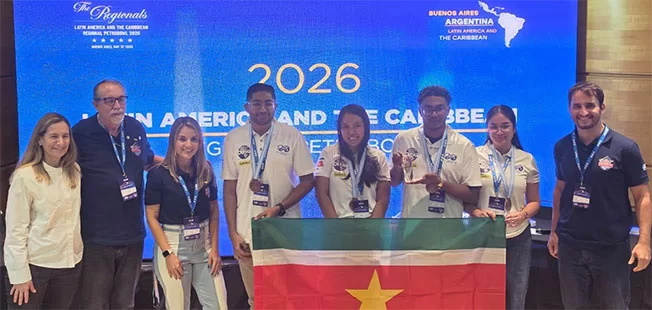
    A team of petroleum engineering students from Suriname has earned international recognition by claiming an impressive third-place finish at the 2026 SPE Latin America and Caribbean Regional PetroBowl Championship, held in Buenos Aires, Argentina. The competition, which took place on May 15 as a flagship feature of the regional Latin America and Caribbean Student Symposium, brought together 21 top university teams from across the region to test their expertise in the oil and gas sector.

    Organized by the Society of Petroleum Engineers (SPE), the PetroBowl is a globally recognized academic quiz competition that centers on petroleum technology, emerging industry trends, and modern developments across the oil and gas space. This year’s event drew talented student competitors from eight regional nations, including Argentina, Brazil, Ecuador, Colombia, Guyana, Venezuela, and Suriname, all vying for the top podium spot in a fast-paced, intense series of knowledge challenges.

    The Surinamese delegation, representing the SPE Student Chapter Suriname at Anton de Kom University of Suriname (AdeKUS), was made up of team captain Rishano Hapdoel and members Altaaf Sultan, Latusca Reboe, and Ariantxa Djojodikromo. The team was coached and mentored by academic advisors Manisha Ori and Shaïza Simons, with participation made possible through financial and logistical support from SPE Suriname and multiple industry partners.

    Against a stacked field of elite regional competitors, the young Surinamese team outperformed most expectations to secure a spot in the top three, finishing behind first-place winners Universidad de Buenos Aires and second-place holders Instituto Tecnológica de Buenos Aires. This result marks another major milestone for the AdeKUS student chapter, building on its historic 2024 regional championship win that first put Surinamese energy talent on the international map.

    Beyond the podium finish, the result underscores Suriname’s rapidly growing standing in the regional oil and gas sector, as the nation continues to expand its domestic energy industry and develop a new generation of skilled petroleum professionals. For the students, the competition delivered far more than an award: it provided a valuable opportunity to test their academic knowledge in a global arena, gain hands-on international experience, and build professional connections with peers and industry leaders across the region. As a long-standing initiative of SPE, the PetroBowl remains dedicated to nurturing academic growth and preparing the next generation of experts to lead the evolving global energy sector.

  • CARPHA Issues Update #2 on the Hantavirus Outbreak

    CARPHA Issues Update #2 on the Hantavirus Outbreak

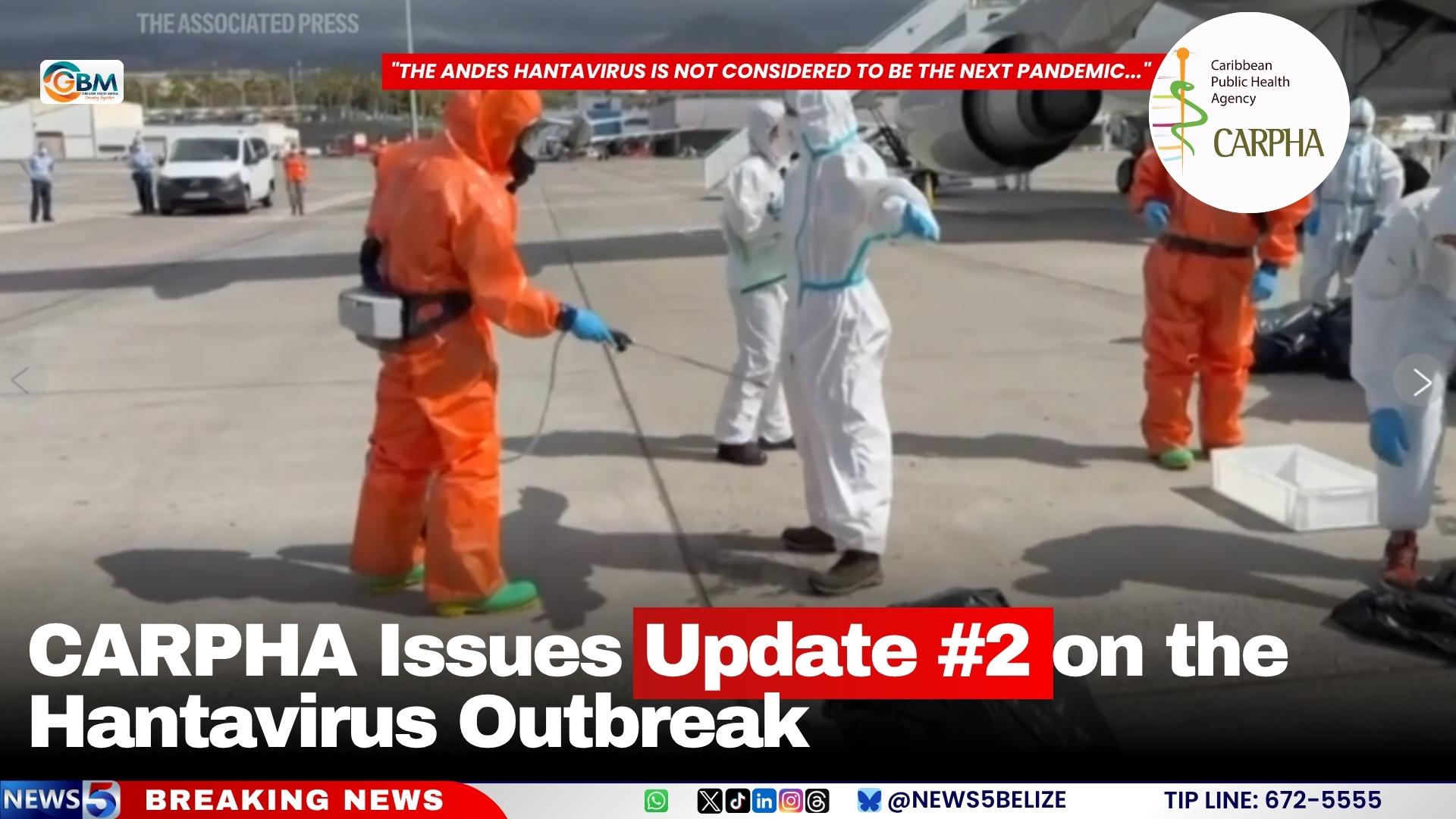
    Nearly six weeks after a hantavirus outbreak was first detected on an international expedition cruise ship, the Caribbean Public Health Agency (CARPHA) has released its second official guidance update for its 12 member states, including Belize, reassuring regional health authorities that the public health risk across the Caribbean remains low at this stage.

    The outbreak, which has been traced to the MV Hondius, a polar expedition vessel that set sail from Ushuaia, Argentina on April 1, has resulted in 11 confirmed cases and three fatalities to date. Of the 11 reported cases, eight have received formal laboratory confirmation. Affected passengers hold citizenship from a range of countries across North America and Europe, including the United States, France, Switzerland, Spain, the Netherlands, as well as South Africa. After completing its journey through isolated Antarctic and South Atlantic routes, the vessel docked in Tenerife, Spain on May 10, where all remaining passengers and crew were safely disembarked and repatriated to their home countries via specially arranged non-commercial flights.

    Genetic sequencing has confirmed the outbreak is caused by the Andes strain of hantavirus, the only known variant of the pathogen capable of limited human-to-human transmission. CARPHA emphasized that this spread only occurs through extended, close personal contact, meaning the virus cannot transmit easily through casual interactions or airborne routes in most public settings. In its update, the agency explicitly pushed back against speculation that the strain could trigger a new global pandemic, repeating its assessment that the Caribbean faces minimal current risk from the outbreak.

    Despite the low current risk, CARPHA highlighted that the Caribbean’s status as the world’s top cruise tourism destination leaves the region uniquely vulnerable to imported infectious disease outbreaks linked to international maritime travel. To mitigate any potential spillover risk, the agency has issued a set of precautionary recommendations for all member states: maintaining routine mandatory surveillance for all incoming vessels, systematically reviewing onboard medical logs to identify potential undiagnosed cases, strengthening sanitation and biosecurity protocols at all regional ports of call, and requiring immediate reporting of any suspected hantavirus cases to local public health authorities.

    “Sustained vigilance remains essential given the Caribbean’s status as the world’s leading cruise tourism destination,” the agency noted in its official statement.

    As of the latest update, there remains no specific, targeted antiviral treatment for hantavirus infection, and no vaccine approved for widespread public use globally. Public health experts stress that early recognition of symptoms and prompt supportive medical care drastically improves patient outcomes for those infected.

  • NODS Begins Damage Assessment Following 6.4 Earthquake in Antigua and Barbuda

    NODS Begins Damage Assessment Following 6.4 Earthquake in Antigua and Barbuda

    A mid-morning earthquake that shook the Eastern Caribbean on Saturday has triggered immediate damage assessment efforts led by Antigua and Barbuda’s National Office of Disaster Services (NODS), with regional officials working to document impacts across multiple island territories.

    The tremor, recorded at 10:50 a.m. local time, was first categorized as a magnitude 6.5 event by the University of the West Indies (UWI) Seismic Research Centre, the entity that tracks seismic activity across the Eastern Caribbean. The center later issued a correction, updating the earthquake’s official magnitude to 6.4.

    The shaking was not confined to Antigua and Barbuda: the quake was felt as far north as Tortola, with reports of tremors also coming from Montserrat and Guadeloupe. Crucially, officials confirmed the event did not pose a major tsunami risk to coastal communities across the region.

    In line with standard seismic protocol, the UWI center has warned local populations to prepare for aftershocks in the coming hours and days. Some of these secondary tremors could reach magnitudes of 3.5 or higher, and are strong enough to be felt by residents across affected areas.

    Thus far, Antigua and Barbuda has reported no casualties from the main earthquake. Volunteer District Disaster Coordinators, deployed across every community on the islands in partnership with NODS, have been mobilized to conduct on-the-ground checks to confirm unconfirmed damage reports. To build a full picture of commercial impacts, NODS has also established direct communication with the Antigua and Barbuda Chamber of Commerce, which is compiling feedback from local business owners.

    Beyond Antigua and Barbuda’s borders, the disaster agency also holds oversight responsibility for several smaller sub-regional territories, including St. Kitts and Nevis, Anguilla, the British Virgin Islands, and St. Martin, as well as Montserrat, where the quake was felt. NODS has been in contact with officials across all these territories to coordinate assessment efforts.

    NODS has issued a public call for any resident or business owner that has sustained damage from the earthquake to contact the office directly at 462-4206 to file a report. The agency has also reminded the public to follow standard earthquake safety protocol: whenever a tremor strikes, people should drop to the ground, take cover under a sturdy piece of furniture, and hold on until shaking stops. Full damage cost data will be released to the public as soon as assessment work is completed.

  • JCI Antigua Congratulates Members on Senate Appointments

    JCI Antigua Congratulates Members on Senate Appointments

    The Junior Chamber International (JCI) branch in Antigua has issued a formal statement celebrating multiple milestones achieved by its members, highlighted by the appointment of three young members to the country’s national Senate and a special service honor for another longstanding contributor.

    In the official release, the organization opened by extending warm congratulations to Shenella Govia, Angelica O’Donoghue, and Tiffany Strann-Peters, the three JCI Antigua members who have recently been tapped as government senators. JCI Antigua emphasized that these appointments are far from coincidental: they serve as a public, national validation of the consistent leadership, relentless dedication, and unwavering commitment to inclusive national development that each of the three women has demonstrated throughout their careers and volunteer work with the organization.

    Beyond celebrating the three new national senators, JCI Antigua also highlighted an internal win for the community: Nneka Hull James has been appointed a JCI senator, a prestigious recognition within the global JCI network that honors exceptional service and sustained contribution to the organization’s mission. The branch noted that this honor is thoroughly well-earned, crediting Hull James with years of visionary leadership and grassroots work that has strengthened the JCI movement across Antigua and the broader Caribbean region.

    Reflecting on the string of achievements, JCI Antigua shared that it takes immense pride in watching its emerging young leaders translate the organization’s core values of service and leadership into tangible impact at the highest levels of national governance. The organization stressed that these public and internal successes do more than honor the individual recipients: they set a powerful example for current and future JCI members, inspiring a new generation of young people to step into leadership roles, prioritize community service, and work to deliver tangible, positive change across Antigua’s neighborhoods and national institutions. Closing the statement, JCI Antigua extended its best wishes to all five honorees, expressing confidence that they will bring fresh energy and community-focused perspective to their new roles.

  • President calls on public to support Joint Services, amid threats from adversaries

    President calls on public to support Joint Services, amid threats from adversaries

    On Saturday, May 16, 2026, as Guyana prepares to mark the 60th anniversary of its independence from British rule, President Irfaan Ali, the nation’s commander-in-chief of the armed forces, has issued a urgent call for wholehearted public backing of the country’s Joint Services, amid a high-stakes territorial dispute with neighboring Venezuela that has put regional security on edge.

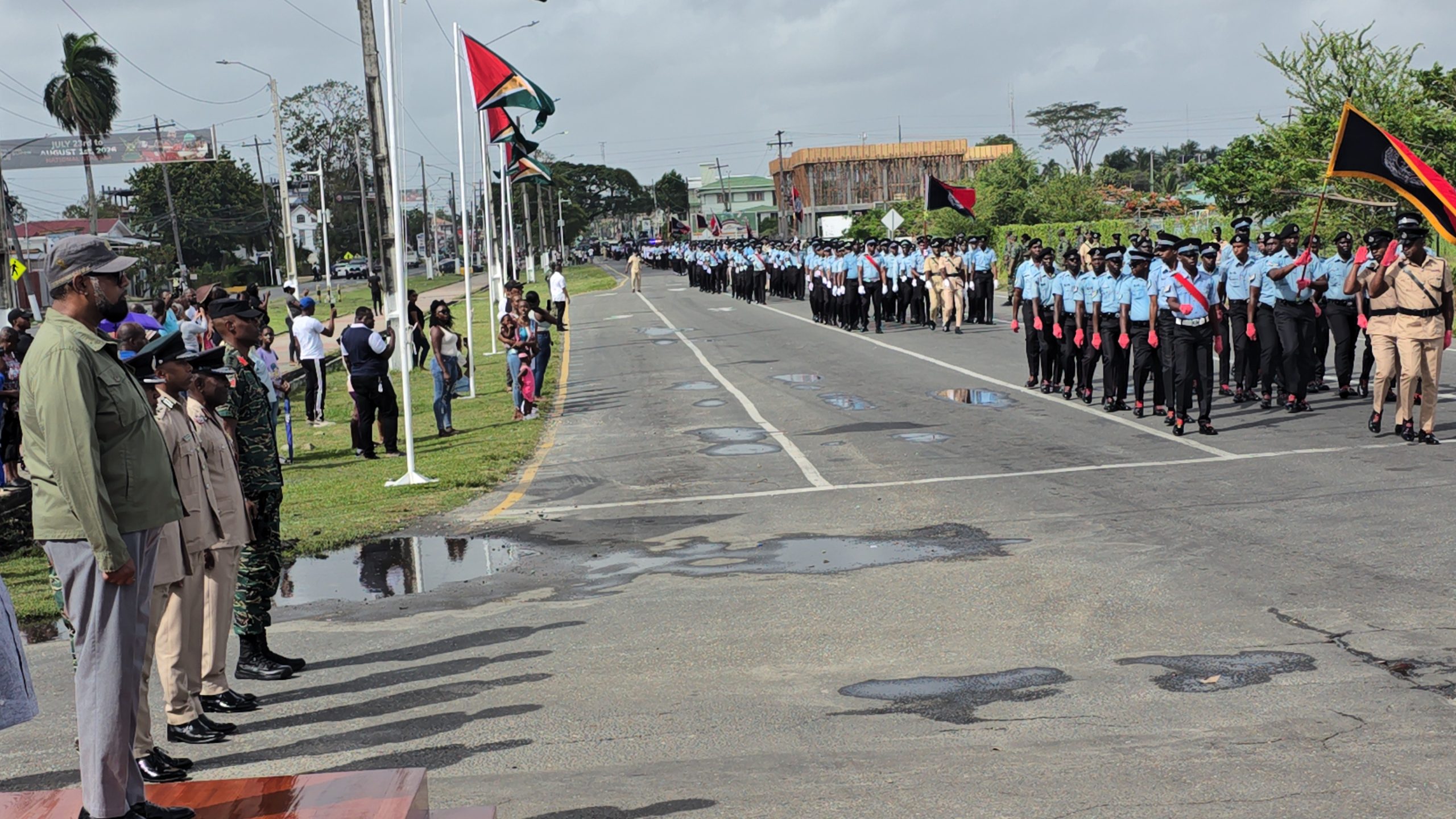
    Ali made the appeal during a ceremonial address following a joint service route march through the streets of Georgetown, the capital of Guyana. The event was one of the lead-up activities ahead of the official 60th independence jubilee celebrations scheduled for May 26, 2026. Standing alongside top security leadership including Chief-of-Defence Staff Brigadier Omar Khan, Acting Police Commissioner Ravindradat Budhram, Chief Prison Officer Nicklon Elliott, Fire Chief Gregory Wickham, and National Intelligence and Security Agency Director Colonel Sheldon Howell, Ali took the salute from a combined parade of the country’s uniformed security forces before addressing the gathering.

    The president stressed that Guyana’s Joint Services — which includes the military, national police, prison service, fire service, and intelligence agencies — carry two critical mandates for the country: cracking down on transnational drug trafficking, and upholding domestic stability against criminal activity. To succeed in these roles, Ali argued, the uniformed services cannot operate without consistent public support, especially at a moment of heightened external tension over the country’s western border.

    “Not supporting our Joint Services sends an adverse signal when potential adversaries look at Guyana,” Ali stated, speaking while dressed in an olive green utility uniform emblazoned with national symbols including the cacique crown, a map of Guyana, and the Guyanese flag. “They ask themselves: Does Guyana enjoy unity? Do they value their protectors? Never let our adversaries see division and disunity because a divided house does not need to be invaded. It simply crumbles.”

    Ali expanded on this warning, noting that public disregard for the country’s security personnel sends a dangerous message to the international community that Guyana does not take its own sovereign freedom seriously. “That message is more dangerous than any bullet,” he said. The president did acknowledge that public accountability is appropriate when service members fail to uphold their oaths, noting that multiple personnel across the joint services have faced accusations or convictions for serious offenses in recent years, ranging from robbery, assault and weapons theft to murder and narcotics trafficking. Most recently, a senior Guyanese police officer was placed on administrative leave after being sanctioned by the U.S. Office of Foreign Assets Control over alleged links to drug trafficking. Even with this accountability, Ali stressed that the public must not abandon the institution of the Joint Services as a whole.

    The current tension stems from a decades-long border dispute between Guyana and Venezuela, centered on the 1899 Arbitral Tribunal Award that established the current boundary between the two nations. Venezuela has long rejected the ruling, and the dispute has reignited in recent years following the discovery of massive oil reserves in the disputed Guyanese territory. The case over the validity of the 1899 award is currently before the International Court of Justice (ICJ), with a final ruling expected in the coming days.

    Venezuelan President Delcy Rodriguez reaffirmed her government’s position earlier this month, telling the ICJ that Venezuela will not accept any ruling that upholds the 126-year-old boundary agreement. Rodriguez has instead insisted that the only path forward is a bilateral negotiation anchored in Venezuela’s interpretation of the 1966 Geneva Agreement, which Caracas claims serves as a new governing treaty for the dispute.

    Despite Venezuela’s pre-emptive rejection of the ICJ ruling, Ali struck an optimistic tone about the process. He expressed confidence that the court’s decision will bring an end to decades of territorial pressure from the neighboring South American nation, noting that Guyana has faced repeated threats of incursion and diplomatic intimidation over its sovereign territory. “Our territorial integrity has been threatened before. It will never be threatened again; not only with words but with the threat of incursions and pressures dressed in diplomacy,” Ali said.

    The president issued a direct warning to what he framed as Guyana’s adversaries, cautioning them against misreading the country’s commitment to peaceful resolution of the dispute. “Do not mistake our peace for weakness,” Ali said, noting that Guyana’s security forces are backed by principled international diplomacy and a united population that will never surrender its sovereign birthright.

    Closing his address, Ali paid tribute to the Joint Services for their decades-long work protecting national security, enabling Guyana’s ongoing economic expansion, and upholding the country’s position in international diplomacy. “To you, I say you kept the promise of 1966 alive,” he said. “You’ve made sure that independence is not symbolic but a lived reality.”

    Guyana officially attained full independence from the United Kingdom on May 26, 1966, with 2026 marking six decades of sovereign nationhood for the South American country.