博客

  • SCHOOLYARD BRAWLS

    SCHOOLYARD BRAWLS

    A wave of growing student indiscipline that has shaken Jamaica’s education system in recent weeks has reached St Elizabeth Technical High School (STETHS), triggering an immediate campus closure for most students on Thursday and leaving families uncertain about when regular classes will resume.

    The shutdown came after a day of escalating violent incidents at the Santa Cruz-based institution on Wednesday, according to unofficial sources familiar with the situation. Multiple physical altercations broke out across the campus, one of which reportedly involved a bladed weapon, leaving one student injured. The escalating chaos forced school administrators to call on local law enforcement to intervene to restore order mid-morning.

    Following the initial confrontation, additional fights flared up across the school grounds—some even unfolding directly in front of senior school leaders, sources confirmed to the Jamaica Observer. In a formal advisory sent to parents and guardians Wednesday, STETHS Principal Keith Wellington announced the suspension of classes, noting the move was implemented to safeguard the well-being of every student and staff member on campus, and to give administrators time to restore order and implement new disciplinary measures. When reached for comment by the Observer Thursday evening, Wellington declined to share further details, stating he would not address the situation publicly until his internal handling of the crisis was complete.

    Only students scheduled to sit external examinations were permitted to access the campus after the shutdown. Deputy Superintendent Owen Brown, operations head of the Jamaica Constabulary Force’s St Elizabeth Division, confirmed that police worked alongside school leaders and responding parents to bring the unrest under control. No students were taken into custody following the incident, Brown confirmed, adding that the situation was resolved through on-site coordination between law enforcement, school officials, and family members.

    Brown emphasized that STETHS is one of many local institutions participating in the police’s School Resources Officer (SRO) Programme, which places dedicated law enforcement officers on campus to prevent violence and mediate student conflicts. “One core goal of the SRO initiative is to teach students to work through their disagreements through dialogue rather than physical confrontation,” Brown explained. “We help them understand how to resolve conflicts amicably, instead of turning to violence.”

    The senior police official reaffirmed the force’s commitment to tackling school violence across the parish, extending beyond Wednesday’s incident at STETHS. “We have promised to work with every school in St Elizabeth, not just STETHS, to help foster orderly, safe learning environments for all students,” he said.

    Brown also called on parents to take a leading role in teaching conflict resolution skills to young people, noting that family socialization lays the foundation for how children behave in public spaces. “The home is the first and most important place children learn how to interact with others. We are urging parents to be more intentional about teaching basic social skills, especially how to handle disagreement,” he said. “A difference of opinion doesn’t have to end in a fight. If adults model healthy conflict resolution for children, they will carry those skills into their school and community interactions.”

    Wednesday’s shutdown is just the latest in a string of deadly and disruptive violent incidents at Jamaican schools since the start of 2024. At least two students have been killed in conflicts with peers this year, with multiple other assaults, fights, and bullying cases reported across the island. In March, 16-year-old Devonie Shearer was fatally killed during a dispute at Ocho Rios High School in St Ann; a 17-year-old classmate has been arrested and charged in connection with his death. Just last month, 13-year-old Seaforth High School student Kland Doyle was fatally stabbed during a confrontation with a peer in Morant Bay, St Thomas, resulting in the arrest of three other schoolboys. Also last month, Jamaica College drew widespread public criticism after a video showing one student being beaten by two classmates went viral on social media—the second high-profile incident of violence at the institution in as many months.

  • Big battle ahead!

    Big battle ahead!

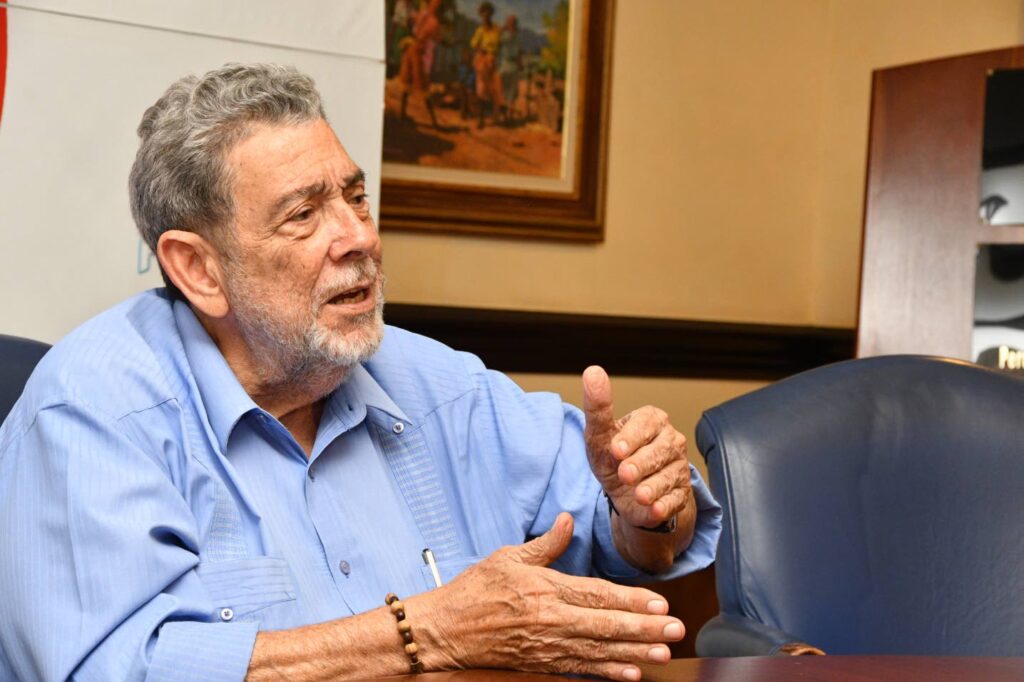
    The global movement pushing for reparations for the transatlantic slave trade and centuries of colonial exploitation is entering a historic new phase, with Caribbean advocates launching their most coordinated, cross-international campaign to date, according to senior Caribbean political figure Dr. Ralph Gonsalves. The former prime minister of St. Vincent and the Grenadines, who now serves as opposition leader in his home country and senior advisor to the global Repair Campaign, laid out the movement’s year-long action plan during a speaking engagement at the Jamaica Observer Press Club this Wednesday, outlining a strategy that expands regional advocacy into major global diplomatic, legal, and academic institutions.

    For decades, Caribbean nations have led calls for reparatory justice from Britain and other Western European powers that built their economies through the forced enslavement of millions of Africans and the systemic exploitation of Caribbean colonies. What began as regional advocacy has gained rapid international traction in recent years, with new partnerships and institutional backing turning a scattered movement into a cohesive global push.

    Gonsalves emphasized that the moment has come for disparate advocacy groups and international institutions to align their efforts to build unstoppable momentum. In remarks that framed the movement as a convergence of multiple streams of work, he noted, “I want to see all these tributaries be conjoined into a mighty river towards reparatory justice. So that is CRC, the Caricom entities, they are the authoritative bodies. But other entities have to feed into them and work with them, and engineer the canals for the streams to come and build the bridges.”

    The movement is already building on a landmark diplomatic win achieved earlier this year: a UN General Assembly resolution adopted on March 25, co-sponsored by Ghana, Caricom, and a bloc of African nations, that formally designated the transatlantic slave trade and racialized chattel slavery “the gravest crime against humanity” and explicitly called for global action to deliver reparatory justice. That resolution opened the door for a series of high-profile engagements planned across the rest of the year.

    The next major milestone is scheduled for June, when Ghana will host an international conference bringing together the African Union, civil society groups, and other global stakeholders to map out the long-term strategic direction of the movement. Following that gathering, the Caribbean Community (Caricom) Reparation Commission (CRC) is set to advance an unprecedented academic and outreach partnership with the University of London, designed to engage British political, economic, religious, and social elites directly on the issue. Gonsalves confirmed that planning for the high-level London gathering is already underway, with the Repair Campaign working alongside the CRC to finalize logistics.

    In July, regional leaders will gather for the Caricom Heads of Government meeting in St. Lucia, where the Caricom Prime Ministerial Subcommittee on Reparations will present a full progress update and request new strategic guidance from regional heads. September will bring two key global opportunities: first, the 25th anniversary of the landmark Durban Conference Against Racism in South Africa, which produced the Durban Declaration and Programme of Action — the foundational international document that first formally recognized slavery and the transatlantic slave trade as crimes against humanity, and which remains a core legal pillar of modern reparation advocacy. Later that month, Caribbean leaders will bring the issue back to the UN General Assembly, where they will leverage months of diplomatic progress to push for deeper global institutional commitment to reparatory justice.

    The most politically contentious moment of the year is expected to come in November, when the Commonwealth Heads of Government Meeting (CHOGM) convenes in Antigua. Gonsalves framed the summit as a critical “staging post” where English-speaking Caricom nations will directly confront Britain over the issue of reparations. He warned that British officials and their key allies — including Canada, Australia, and New Zealand — are already pushing to block reparations from being added to the official CHOGM agenda, setting the stage for a high-stakes diplomatic battle in the months leading up to the summit.

    Notably, Gonsalves pointed out that King Charles III, head of the Commonwealth, has already publicly stated that the issue merits open discussion, making any attempt to sidelined the topic untenable. “The head of the Commonwealth, [King] Charles [III], already said that the time has come for this issue to be discussed and ventilated, so you can’t keep it off the agenda,” he added.

    The Repair Campaign, which launched in 2022 founded by Irish businessman Denis O’Brien, works in formal partnership with the Caricom Reparation Commission to support research, public outreach, and advocacy efforts across Caribbean nations affected by centuries of slavery and colonial exploitation. Today, key global institutions including the United Nations, the African Union, and UNESCO have all grown their involvement in the push for reparatory justice, marking a major shift from the movement’s early days as a regional cause.

  • Appeal denied

    Appeal denied

    Two men serving life sentences for a deadly 2011 home invasion in Westmoreland, Jamaica, have seen their final attempt to overturn their convictions rejected after the island’s Court of Appeal refused permission to introduce previously undisclosed police evidence that they claimed would prove their innocence.

    Carvel Hines and Bruce Lamey were found guilty by a seven-member jury at the Westmoreland Circuit Court in February 2017 on charges of murder and wounding with intent. The crimes dated back to January 27, 2011, when the pair allegedly forced entry into the home of 72-year-old Bernice Clarke and her 67-year-old husband Clement in Clark’s Town. Prosecutors argued the attack was carried out that night shortly after 8 p.m., leaving Bernice dead and Clement wounded by gunfire. He survived only by playing dead after the shooting.

    In March 2017, the court handed down dual sentences: 18 years of hard labor for the wounding conviction, and a life term for the murder conviction, with a requirement that each man serve a minimum of 33 years behind bars before becoming eligible for parole. All sentences were ordered to run concurrently. An initial application for leave to appeal was turned down in 2018, and the pair launched a second bid that included a motion to admit the new evidence from the 2011 police station log.

    The appeal panel, made up of three senior judges, heard the application across two hearings in December 2023 and May 2024, and issued a final ruling rejecting the motion. In their ruling, the judges issued an unqualified apology to both the convicted men and other parties for the multi-year delay in delivering their decision.

    The sole eyewitness to the crime was Clement Clarke, who survived the attack. He told the trial that he heard a loud impact on his front door, went to investigate, and found Hines — a man he already knew — standing inside his hallway, armed with a gun. Clarke grabbed a machete to defend himself, but Hines shot him, forcing him to drop the weapon. As he retreated to his bedroom, Hines continued firing and followed him inside, then shot Bernice Clarke. Lamey, who Clarke also knew by sight, joined Hines in the bedroom and also opened fire on the 72-year-old, according to the eyewitness testimony. Clarke fell on top of his wife and pretended to be dead until the two men left the property, then called police for help. He was treated for his wounds at a local hospital, but Bernice Clarke died from her injuries.

    At the original trial, both Hines and Lamey denied any involvement in the attack and claimed they were not present at the scene. Hines argued he was with his partner in St Ann on the night of the murder, while Lamey stated he was a father of three and would never commit such a violent crime.

    The fresh evidence the pair sought to introduce was a single line entry from the Bethel Town Police Station diary, written the day after the murder by a detective corporal, that noted the killing was believed to be a reprisal attack. Attorneys for the men argued that the prosecution’s failure to disclose this diary entry before and during the trial violated its legal duty to share potentially exculpatory evidence. They contended the entry undermined the credibility of Clement Clarke’s identification of the two men as the attackers, and would have opened new avenues of investigation for the defense that could have changed the trial’s outcome.

    Prosecutors pushed back against these claims, noting that the defense never requested access to the police station diary before or during the 2017 trial, and that the document was available for the defense to obtain if they had sought it out. The Crown also argued that the line about a reprisal motive was purely speculative, not factual, and would not have impacted the jury’s assessment of Clarke’s identification of the defendants.

    In their ruling dismissing the application, the appeal judges agreed with the prosecution’s assessment. They noted that the diary entry was not a record of direct sensory observation by the officer, but merely a note of an unsubstantiated belief about the motive, meaning it could not qualify as credible factual evidence. Even if it had been introduced at trial, the panel ruled, the entry would not have changed the jury’s guilty verdict. The court added that the core information from the entry was already brought to the jury’s attention as part of the defense’s original case, so it could not qualify as new material that meets the legal standard for admission on appeal. For these reasons, the application to admit the fresh evidence was refused.

  • Antigua and Barbuda election review 2026

    Antigua and Barbuda election review 2026

    After the final votes were counted and all results certified, the dust has settled on the 2026 general election in Antigua and Barbuda – the second major Caribbean electoral contest of the year, one that follows a distinct regional political trend while carving out its own unprecedented place in Caribbean political history. This historic result offers rich analytical ground for scholars and political observers, with several standout takeaways that invite deeper examination from local and regional commentators.

    ### Unprecedented Regional Milestones
    The Antigua and Barbuda Labour Party (ABLP), led by incumbent Prime Minister Gaston Browne, first claimed national power in 2014. With its 2018, 2023, and now 2026 election victories, this marks four straight consecutive terms for the ABLP under Browne – a feat never before seen in Antigua and Barbuda’s national political history, and an extremely rare accomplishment across the broader Caribbean. Browne joins a small elite group of regional leaders that includes Dominica’s Roosevelt Skerrit and St. Vincent and the Grenadines’ Ralph Gonsalves, all of whom have broken the widely held psychological three-term barrier for incumbent prime ministers.

    What makes Browne’s fourth-term win unique among this elite group is the scale of his victory. Unlike Gonsalves, who saw just 1% growth in popular support during his fourth consecutive win, and Skerrit, who recorded a modest 2% gain, Browne and the ABLP secured a 13% double-digit swing in popular vote share and picked up additional parliamentary seats. This puts the 2026 result firmly in landslide territory, a historic first for any fourth-term incumbent government across the Caribbean.

    A second rare achievement is that this landslide swing to the incumbent occurred while the ABLP already held office. For most governments globally, and particularly across the Caribbean, first election wins usually mark a peak of support, with gradual erosion in subsequent contests. It is extremely uncommon for an incumbent government to grow its support share over time. The few exceptions include Skerrit in Dominica, former Barbados Prime Minister Owen Arthur, Jamaica’s Andrew Holness, and St. Lucia’s Philip Pierre. What sets Browne apart is that this is the second time he has pulled off this feat (following his 2018 win), placing him in the same rarefied air as Skerrit, who has also twice improved his incumbent support share.

    ### Key National Observations from the Contest
    Beyond the regional milestones, several national-level trends emerged from the 2026 election, most notably a sharp drop in overall voter turnout. While total registered voters grew by 4% (adding 2,397 new names to the roll) compared to the 2023 contest, this marked a major slowdown from 2023, when a 19% expansion added nearly 10,000 new voters. This contraction is largely attributed to a national voter recertification exercise, which required eligible voters to reconfirm their registration to receive a new polling card. Many disinterested voters opted not to complete the process, removing them from the active roll.

    Even accounting for the cleaner voter list, overall turnout remained far lower than the 2023 election and historical averages. It is worth noting that Antigua and Barbuda’s polling card requirement already produces a cleaner voter list than most regional counterparts, leading to historically higher reported participation than countries like Barbados, where bloated, outdated voter rolls skew turnout data. Even so, the 11% drop in turnout compared to 2023 represents a significant decline that warrants further discussion.

    The drop in participation disproportionately harmed the main opposition United Progressive Party (UPP). Data shows the ABLP won support from 38% of all registered voters, a 14% increase from 2023, while the UPP captured just 23% of registered voters – a 27% decline. This outcome aligns with pre-election polling from Caribbean Development Research Services (CADRES), which projected a convincing ABLP win and detected a major motivation gap among UPP supporters that kept many from heading to the polls.

    ### Political Context and Projection Accuracy
    A core factor behind the ABLP’s historic win was Prime Minister Browne’s decision to call an early election, a move that political analysts describe as a strategic masterstroke. While critics debate whether prime ministers should hold the power to call snap elections for political advantage, the region’s constitutions explicitly permit this practice, and Browne joins other recent leaders including Skerrit (2022, Dominica), Mia Mottley (2022 and 2026, Barbados), and Pierre (2025, St. Lucia) who have turned early election calls into major victories.

    Browne now enters his fourth term as the most electorately dominant fourth-term prime minister in Caribbean history, benefiting both from his own strong personal approval and significant weaknesses in the UPP. This was the first national election contested by UPP leader Jamal Pringle, and his debut at the head of the opposition ended in political disappointment. Pre-election CADRES polling from March accurately predicted the final result: it projected a 13% swing to the ABLP, which matched the exact swing recorded on election day, April 30. The poll also found 60% of voters preferred Browne as prime minister, compared to just 15% who favored Pringle – a gap that left Pringle unable to mobilize his base to turn out.

    The 13% swing to the ABLP represents a complete reversal of the 12% negative swing the party recorded in 2023. It restored the parliamentary configuration last seen in 2018, with the UPP holding just a single seat (won by Pringle himself), spurring the popular post-election moniker “Single-Pringle.” This swing is also a national historic record: it is the largest positive swing ever recorded for the ABLP, and the largest any party has ever achieved in Antigua and Barbuda’s electoral history.

    The only outlier in the national result was the constituency of Barbuda, which bucked the national trend to easily return Barbuda People’s Movement (BPM) incumbent Trevor Walker. This marked the only constituency where the ABLP lost support, even after the party fielded a cross-over candidate in an attempt to peel support away from the BPM. The candidate failed to gain any BPM backing and also lost existing ABLP support, leaving Walker with a comfortable win. This outcome aligns with Barbuda’s long history of distinct voting patterns, though it still surprised many observers given the ABLP’s national momentum.

    On policy issues, the election followed a familiar regional trend: cost of living was one of the most frequently cited voter concerns, matching results from recent contests in Barbados, St. Vincent, and St. Lucia. In Antigua and Barbuda, however, cost of living ranked second behind local issues of water access, road quality, and general infrastructure. The persistent prioritization of water access is particularly notable – the issue has topped CADRES polling in the country since 2004, when the UPP held office, and it was a core issue that helped the ABLP win power in 2014. Twenty years later, the problem remains unresolved, alongside long-running concerns over road quality. Even so, voters demonstrated that they viewed the Browne administration as the most capable of addressing these persistent issues, leading to their historic victory.

    *Peter W. Wickham is a political consultant and director of Caribbean Development Research Services (CADRES)*

  • Twelve Newly Elected ABLP Representatives Sworn In as Prime Minister Browne Calls for Excellence, Unity and National Renewal

    Twelve Newly Elected ABLP Representatives Sworn In as Prime Minister Browne Calls for Excellence, Unity and National Renewal

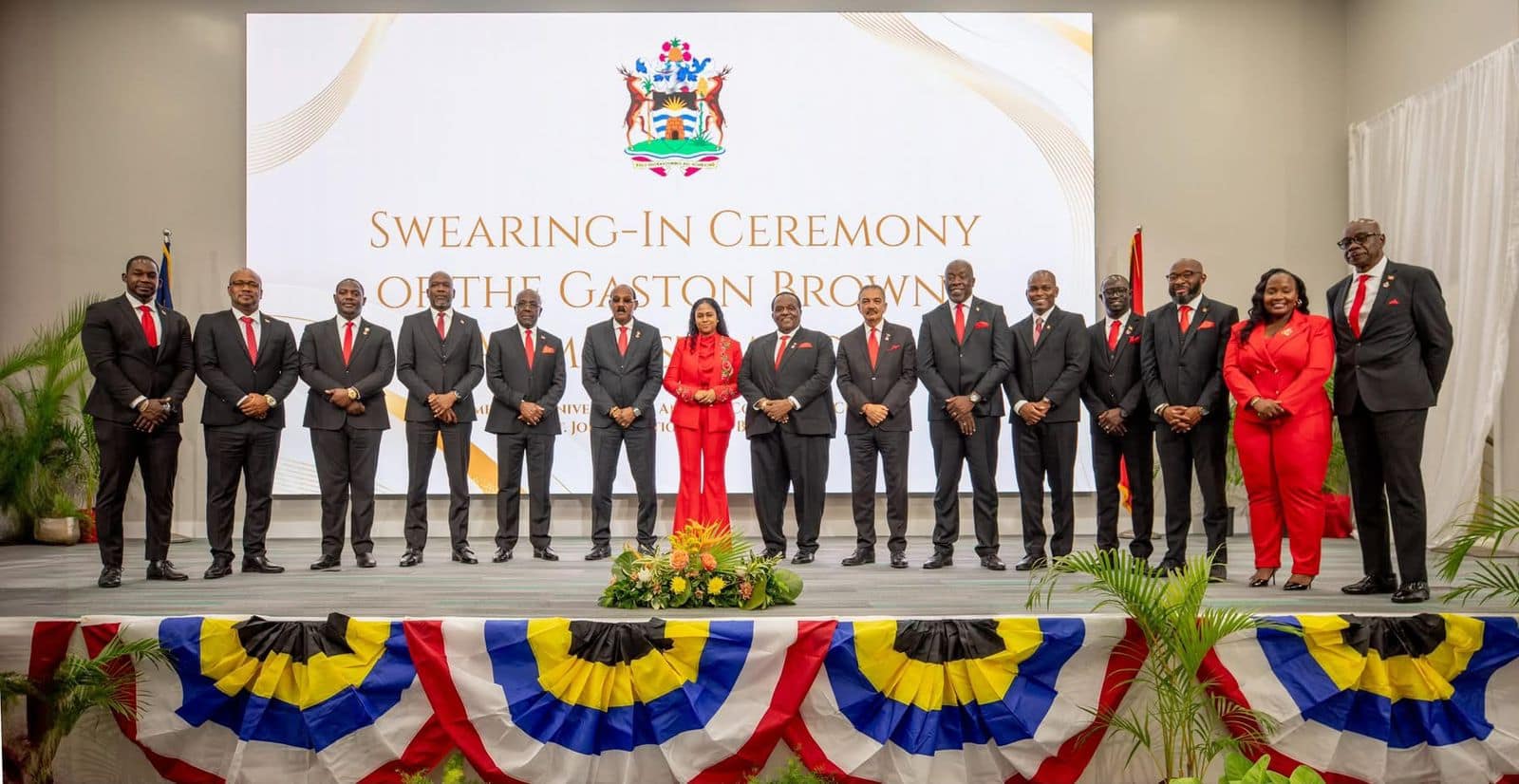
    On a celebratory Tuesday ceremony steeped in national identity and a collective vow to serve the public, 12 freshly elected members of the Antigua and Barbuda Labour Party (ABLP) formally took office to begin their legislative terms. Among the group of incoming parliamentarians, three earned promotion to cabinet-level roles, completing their oaths of office as official Ministers of State. The public event drew hundreds of local residents from across both islands, marking a defining turning point for the nation’s governance just weeks after ABLP secured a resounding win in the 2023 General Elections. The decisive outcome of the vote handed Prime Minister the Hon. Gaston Browne’s administration a strong popular mandate to advance its policy agenda for the coming term. The ceremony blended formal constitutional tradition with widespread public celebration, as attendees gathered to witness the peaceful transition of legislative power and reaffirm shared confidence in the new government’s ability to deliver on campaign promises.

  • Antigua and Barbuda Eligible for Up to €80,000 in New Caribbean Plastic Waste Grants

    Antigua and Barbuda Eligible for Up to €80,000 in New Caribbean Plastic Waste Grants

    Small island developing states across the Caribbean are among the regions most vulnerable to the growing global plastic pollution crisis, with fragile coastal and marine ecosystems bearing the brunt of unmanaged plastic waste leakage. To address this urgent environmental challenge while advancing inclusive green economic growth, a new community-centered funding initiative, the Sustainable Small Grants Programme, has been launched to support locally led solutions that cut plastic pollution and build robust circular economy systems across five participating Eastern Caribbean nations.

    ### Core Mission and Strategic Objectives
    The initiative is designed to deliver both environmental and social impact, with six clear core goals guiding its work. First, it seeks to drastically cut the volume of plastic waste that leaks into Caribbean land, coastal and marine environments. Second, it aims to scale up circular economy systems centered on reuse, recycling and material recovery. Third, the programme prioritizes economic empowerment for marginalized groups including women, young people and micro, small and medium-sized enterprises (MSMEs) through green economic opportunities. Additional objectives include strengthening local waste management infrastructure, supporting scalable community-designed environmental solutions, and improving sustainable production and material recovery practices across the region.

    ### Thematic and Geographic Scope
    All projects funded through the programme must align with at least one of seven key thematic focus areas: plastic waste reduction and prevention at source, building formal recycling and reuse systems, developing sustainable circular economy business models, community-led waste collection and management, sustainable material recovery and processing, local green entrepreneurship, and the expansion of inclusive green value chains.

    Geographically, the initiative is open to projects based in five eligible Caribbean island states: Antigua and Barbuda, Grenada, Saint Lucia, St. Kitts and Nevis, and St. Vincent and the Grenadines. Funding allocations are distributed equally across each of the five participating nations to ensure equitable access to resources across the region.

    ### Funding Structure and Timeline
    The programme operates with a total combined budget of €400,000. Individual projects can apply for grants ranging from €30,000 to €80,000, depending on project scope and needs. All funded projects will have a maximum implementation period of 12 months, and all project activities must be fully completed no later than 1 August 2027.

    ### Eligibility Requirements for Applicants
    To qualify for funding, applicants must be legally registered entities based in one of the five eligible countries. Eligible entities include community-based organizations, civil society organizations (CSOs), MSMEs and small enterprises, and local implementation partners with a proven track record of relevant environmental or development work.

    Additional requirements for all applicants include a commitment to including women and youth in project leadership roles, the implementation of robust monitoring and evaluation frameworks to track impact, a limit of one application per organization, and a valid institutional bank account with multiple signatories for fund disbursement.

    ### Project Requirements and Priority Areas
    All funded projects are required to center their work on widely recyclable plastic types including polyethylene terephthalate (PET), high-density polyethylene (HDPE) and polypropylene (PP). Projects targeting complex composite plastics are only approved if viable local processing solutions already exist. All proposals must demonstrate compatibility with existing local waste management systems, outline clear and viable recycling or reuse pathways for collected materials, establish or strengthen local and regional markets for recycled plastic products, and prove long-term economic and operational sustainability.

    The programme prioritizes three broad categories of interventions. Upstream and midstream solutions including source reduction, reuse systems, product redesign and material circularity initiatives top the priority list. Downstream solutions including recycling infrastructure development, formal waste collection and sorting systems, and resource recovery processing are also heavily prioritized. Finally, community empowerment-focused projects, including women-led green enterprises, youth-led environmental action, and MSME participation in circular economy value chains, receive additional priority consideration during the review process.

    ### Expected Impact
    By the end of the implementation period, funded projects are expected to deliver measurable progress across six key outcome areas: reduced plastic pollution in targeted local communities, strengthened local recycling and reuse infrastructure, the creation of sustainable green livelihoods for local residents, increased adoption of circular economy practices across the region, improved public environmental awareness and community participation in waste management, and the development of replicable, scalable community-led waste management models that can be adopted across other small island states.

    ### Why This Initiative Fills a Critical Gap
    This programme responds to a unique set of challenges facing small island developing states in the Caribbean, where plastic pollution threatens critical tourism and fishing industries while damaging irreplaceable marine ecosystems that support local livelihoods. By centering community leadership rather than top-down external solutions, the programme builds local capacity while addressing pressing environmental needs. It also advances inclusive green growth by intentionally centering groups that are often excluded from economic opportunities in the environmental sector, strengthening local circular economy infrastructure, promoting sustainable resource use, and encouraging community-led innovation that can be scaled across the region and beyond.

    ### Common Application Pitfalls and Tips for Success
    Programme administrators have outlined common mistakes that applicants should avoid when drafting proposals, including submitting projects with no clear recycling pathways for collected plastic, focusing on non-recyclable or complex composite materials without existing local processing solutions, failing to demonstrate economic viability or clear market linkages for recycled products, excluding women and youth from leadership roles, lacking measurable environmental outcome targets, and proposing projects incompatible with existing local waste management systems.

    To build a competitive application, administrators advise applicants to focus on practical, locally appropriate plastic reduction or recycling systems, demonstrate clear existing local market demand for recycled materials, center community participation and local ownership of the project, explicitly highlight women and youth-led components, prove clear financial and operational feasibility, and align all project activities closely with core circular economy principles.

    ### Key Frequently Asked Questions
    – What is the Sustainable Small Grants Programme? It is a targeted funding initiative supporting community-led plastic waste reduction and circular economy projects across five participating Caribbean island states.
    – What is the range of funding available per project? Grants range from €30,000 to €80,000.
    – Which countries are eligible to participate? The five eligible nations are Antigua and Barbuda, Grenada, Saint Lucia, St. Kitts and Nevis, and St. Vincent and the Grenadines.
    – What is the maximum project duration? Projects can run up to 12 months, with all work required to be completed by 1 August 2027.
    – What types of plastic does the programme prioritize? Projects targeting PET, HDPE and PP plastics are prioritized.
    – Who is eligible to apply? Legally registered community groups, CSOs and MSMEs based in eligible countries can submit proposals.
    – Can an organization submit more than one application? No, only one application per organization is permitted.

  • Antigua and Barbuda Joins Regional Push Against Mercury in Skin-Lightening Products

    Antigua and Barbuda Joins Regional Push Against Mercury in Skin-Lightening Products

    Widespread global use of harmful skin-lightening products laced with mercury has spurred the World Health Organization (WHO) to roll out a groundbreaking new behavioural insights toolkit, designed to help nations tackle the root causes of this dangerous public health trend and advance global efforts to eliminate toxic mercury-containing cosmetics.

    Developed as a core component of WHO’s multi-country initiative to eradicate mercury-infused skin-lightening goods, the toolkit equips public health authorities with structured resources to unpack the social, cultural and personal drivers that lead communities to use these products. The data and insights gathered through the framework are critical to crafting targeted, context-appropriate policies and interventions that reduce consumer demand for goods linked to severe health and environmental harm.

    Skin-lightening practices remain common across dozens of countries worldwide. While these products work by suppressing the body’s production of melanin, the pigment that gives skin its color, a large share of over-the-counter options contain hazardous mercury, a chemical WHO has ranked among the top 10 substances posing the greatest threat to global public health. Even low-dose exposure to mercury can trigger permanent neurological damage, and it carries particularly severe risks for fetal development and young children’s growth. Beyond human health, mercury also inflicts lasting environmental damage: when product residue is washed off during daily use, it enters wastewater systems, accumulates in soil, waterways and ecosystems, and persists in the environment without breaking down.

    Global momentum to eliminate mercury-containing cosmetics has grown in recent years, aligned with obligations under the Minamata Convention on Mercury, the international treaty designed to protect human and environmental health from mercury pollution. Convention parties have increasingly recognized that regulatory action alone cannot solve the problem; understanding the behavioural drivers of consumer demand is essential to effective prevention. This growing consensus is formalized in the 2025 Libreville Commitment, signed in Gabon, which requires nations to integrate behavioural science approaches into national strategies to eliminate mercury-containing skin-lightening products.

    Between 2022 and 2026, pilot projects implemented in Gabon, Jamaica and Sri Lanka with funding from the GEF-UNEP partnership generated key lessons for national-scale implementation. The trials underscored the urgent need for targeted workforce capacity-building, iterative tool testing and adaptation, audience segmentation to address different user groups, efficient resource allocation, and strengthened national data analysis systems.

    A standout feature of the new toolkit is a customizable user journey mapping template, which helps public health stakeholders visualize the full cycle of how consumers first encounter skin-lightening products, begin regular use, and eventually adopt the practice as a long-term habit. By building on existing research to map context-specific user journeys, officials can identify high-impact intervention points where public health messaging and policy will resonate most effectively. This framework shifts action away from one-size-fits-all generic solutions toward targeted, strategic interventions that align with real-world behavioural patterns, allowing nations to prioritize limited resources for maximum impact. The first published user journey, focused on women’s experiences with skin-lightening products, draws on evidence from a 2026 global systematic review of skin whitening practices led by researcher Williams et al.

    “Understanding the complex set of social, cultural and economic influences that lead people to voluntarily use skin-lightening products has to be the first critical step in designing effective interventions and policies to end these harmful practices,” explained Elena Altieri, Global Lead for Behavioural Insights at WHO headquarters. “Behavioural insights and user journey mapping show us exactly where, when and how to intervene most effectively. This toolkit gives researchers a standardized, evidence-based approach while still enabling them to generate context-specific insights that work for their national populations.”

    The toolkit was officially launched on February 25, 2026, in Panama City during a regional workshop focused on mercury elimination for the Americas and Caribbean. The launch event brought together senior representatives from ministries of health and environment across the region, including delegations from Antigua and Barbuda, The Bahamas, Barbados, the Dominican Republic, Guyana, Mexico, Saint Vincent and the Grenadines, and Trinidad and Tobago, alongside other public and private sector stakeholders.

    In addition to the user journey mapping framework, the full toolkit includes qualitative and quantitative data collection instruments, clear ethical guidance for conducting behavioural research with vulnerable communities, and practical actionable recommendations for translating insights into policy. It is built on empirical evidence from behavioural studies conducted across 43 countries, as well as on-the-ground implementation lessons from the recent pilot projects, making it a tested, adaptable resource for nations of any income level grappling with harmful skin-lightening practices.

  • LIVE NOW: DOMLEC Press Conference – Geothermal transition and recent outages

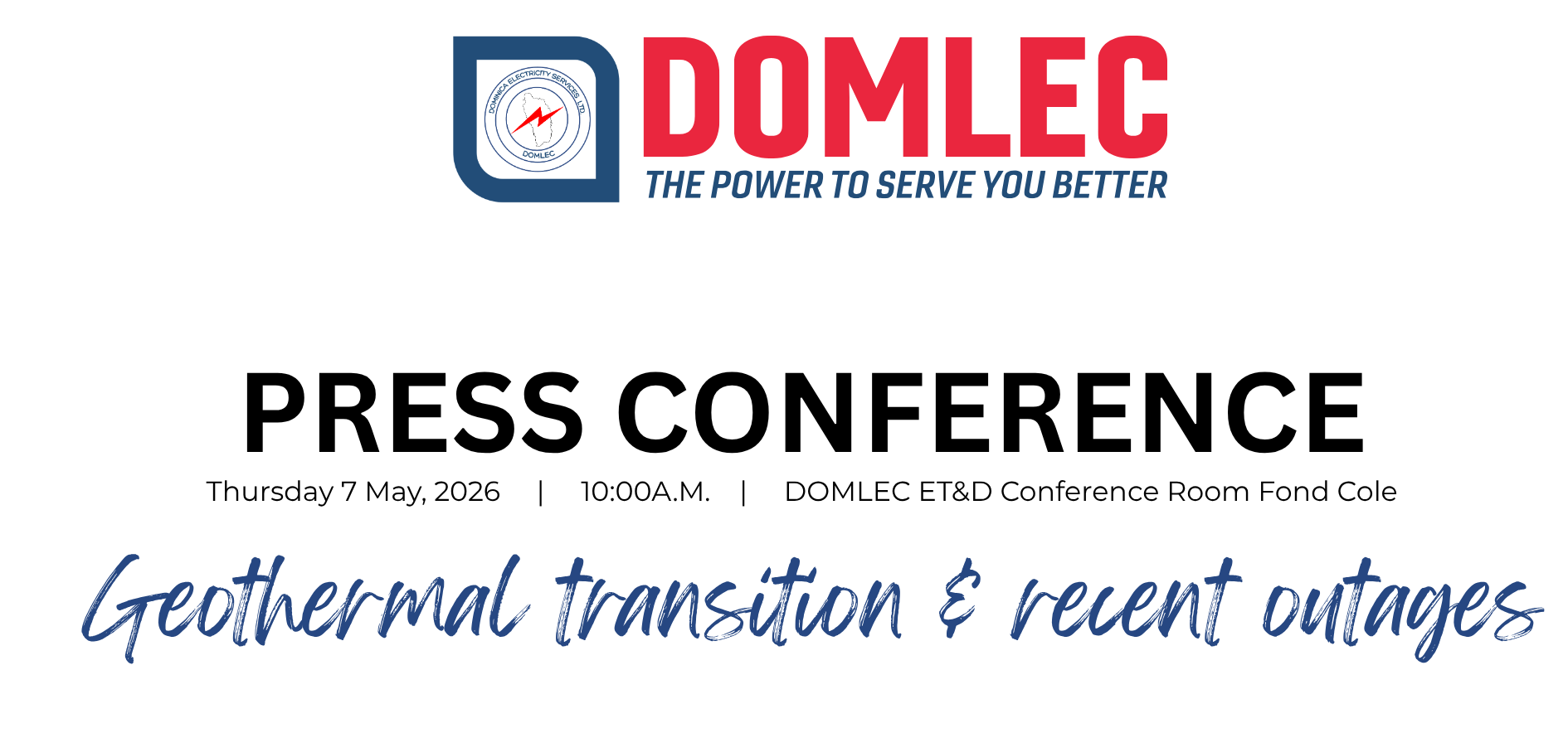
    LIVE NOW: DOMLEC Press Conference – Geothermal transition and recent outages

    The submitted news submission only includes social media sharing buttons and an image link, with no complete, legible news text content available for analysis, restructuring, or rewriting. Without the core textual information that conveys the news event, background details, key arguments, or relevant data, it is impossible to complete the comprehensive news processing workflow requested. Users who wish to have a news piece analyzed and rewritten need to provide the full, complete text of the original news alongside any supplementary materials to allow for accurate processing.

  • Residents demand action after near-fatal fall into uncovered well

    Residents demand action after near-fatal fall into uncovered well

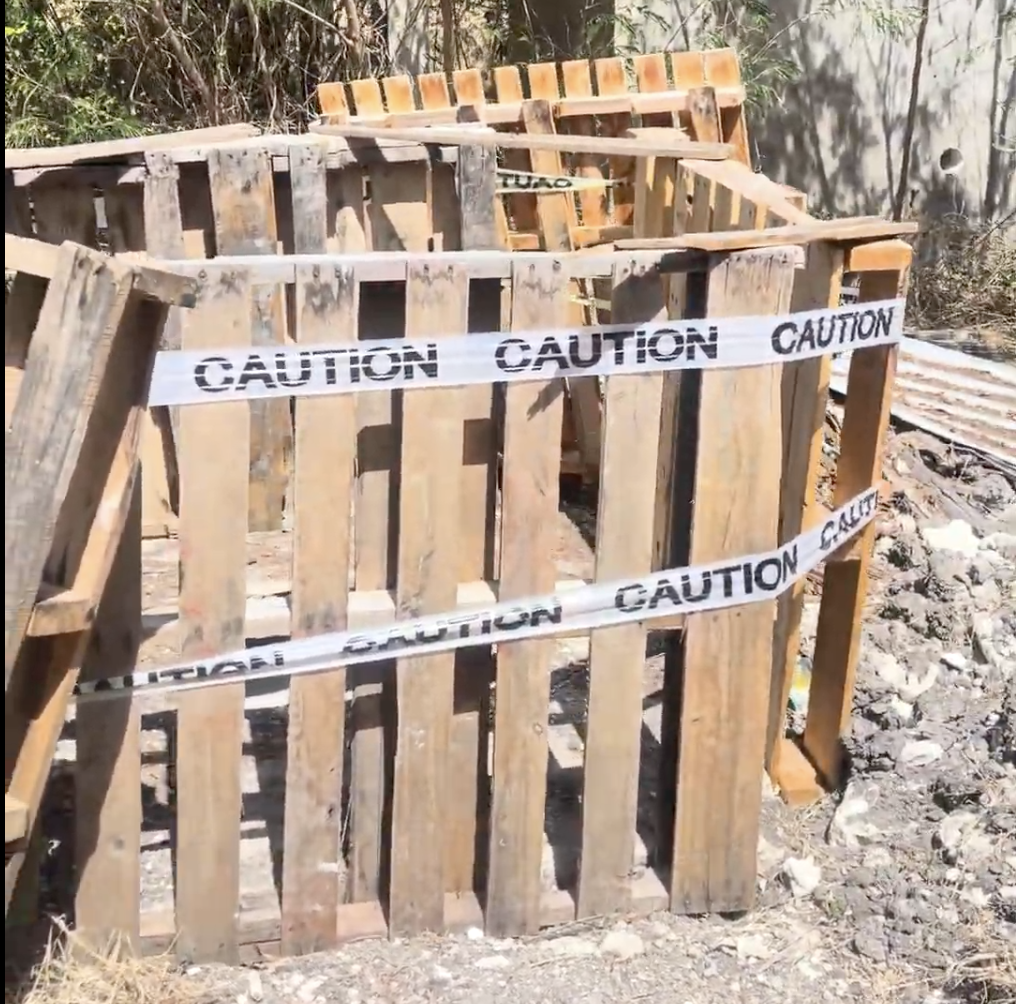
    The normally peaceful residential neighborhood of Goodland Gardens in Christ Church has been thrown into turmoil after a 72-year-old local resident, Lolene Rawlins, survived a near-death plunge into an unmarked, uncovered well hidden beneath thick brush in January. Swift emergency response teams ultimately pulled Rawlins from the 87-foot shaft, but the terrifying incident has reignited long-simmering anger among locals over years of unaddressed safety hazards across the area. For decades, residents say, abandoned open wells have been allowed to sit neglected across Goodland Gardens, with repeated warnings about the risk of injury or death falling on deaf ears. Now, after Rawlins’ close call, the community is coming together to demand systemic action before a tragedy occurs. One long-time female resident, still shaken by the event, emphasized that local residents have long been aware of the presence of unmarked wells across the area, and that dangerous close calls have happened repeatedly before. “I walk through that stretch all the time – I could just as easily have been the one who fell,” she said. “This should never have gotten to the point where someone almost died. Fixing the problem doesn’t have to be a complicated, expensive project. We all know these wells exist; the simplest solution is just to secure and cover them. We shouldn’t have to wait for another person to get hurt before someone acts.” Another local resident, Anthony Yearwood, pointed out that at least two additional open wells on the same plot of land where Rawlins fell remain unsecured and exposed to the public. He echoed calls for immediate remediation of these remaining hazards to prevent another incident. For many locals, the danger extends far beyond the single well that caused Rawlins’ fall, pointing to a broader failure of oversight and mapping that has left the community unaware of how many abandoned shafts lie hidden across the area. “I know the area well and I can point out most of the wells here, but this one was completely unknown to me,” explained Christopher Alleyne, another Goodland Gardens resident. “It was hidden completely by overgrown brush. If one can slip past even long-term residents’ knowledge, how many more are out there that we don’t know about?” Alleyne criticized the longstanding pattern of reactive, after-the-fact action on these hazards, warning that this approach will eventually lead to an avoidable death. “It’s always the same story: we wait until something terrible happens, issue a temporary alert, then go back to business as usual until the next incident,” he said. “Next time, we might not get lucky – the victim might not survive to be rescued.” This uncertainty has left everyday life in the neighborhood altered, with residents reporting constant anxiety about moving through green and bushy areas, especially for families with young children. “I definitely feel less safe now, of course you do,” Alleyne said. “Kids run around, fly kites, play in the brush all the time. We have no idea where all these hidden wells are, so no one can warn the children away.” While some local residents have taken matters into their own hands, launching independent efforts to locate, map and mark abandoned wells across the neighborhood, the community is unified in calling for national-level coordination, clear regulatory accountability, and a formal plan to address the hazard across the country. “There should be a central registry of these abandoned wells somewhere, so authorities and residents know where they are,” Alleyne argued. “Right now, no one seems to know who is actually in charge of securing these sites. Where do we even go to report this? Are we just supposed to sit and wait for the next casualty?” Despite widespread frustration with the lack of prior action, Alleyne also emphasized that community members have a role to play in solving the problem, urging locals to move past complaining and get involved. “Instead of just sitting back and talking about the issue, everyone can do their small part,” he said, encouraging residents to report potential hazards they find and work together to map unrecorded shafts. In the immediate aftermath of Rawlins’ fall in January, workers from Barbados’ Ministry of Transport and Works attended the site to secure the well with temporary plywood barriers, and a permanent perimeter gate has now been installed around the opening. However, Transport Minister Kirk Humphrey has not yet responded to requests for comment on broader plans to address unmarked wells across Goodland Gardens or the wider area. For residents of the shaken community, the clock is already ticking. With multiple unsecured hazards still unaddressed and unknown wells potentially scattered across the neighborhood, locals say another incident could end in death – and there is no more time to wait.

  • Nationals of 12 countries left hantavirus cruise in St Helena: WHO

    Nationals of 12 countries left hantavirus cruise in St Helena: WHO

    What is presented here is an incomplete structural snippet pulled from a Lebanese news aggregation platform that organizes content across multiple topical and geographic beats. The platform’s navigation menu outlines its full range of coverage, including breaking developments on the ongoing Israel-Gaza war, global world news, updates from across Lebanon, Middle East regional reporting, analysis of Lebanon’s struggling domestic economy, technology and culture features, sports coverage, curated press highlights, and general news bulletin reports. Below the navigation framework, a partial dataset lists major administrative regions of Lebanon alongside corresponding numerical values: Beirut at 22, Bekaa at 20, Keserwan at 23, Metn at 23, Mount Lebanon at 20, North Lebanon at 22, and South Lebanon at 22. No additional context is provided to explain what these numerical values represent, though they align closely with common daily temperature readings in degrees Celsius recorded across Lebanese regions throughout much of the year. The incomplete snippet does not contain a full, coherent news story, only the structural outline and partial regional data entry.