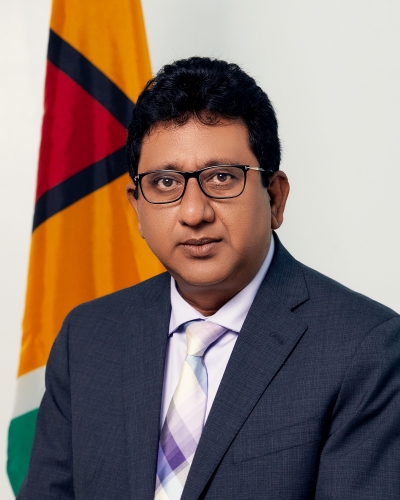
Attorney General and Minister of Legal Affairs, Anil Nandlall, has dismissed claims that the charges against Guyanese businessmen Azruddin Mohamed and his father Nazar “Shell” Mohamed by the United States are politically motivated. Speaking on his social media program, “Issues In The News,” Nandlall emphasized that the 11-count indictment spans multiple administrations in both Guyana and the US, indicating a long-standing investigation rather than a politically driven action. The charges, unsealed on Monday, relate to alleged fraud and money laundering involving gold exports and the importation of a Lamborghini luxury car, which reportedly defrauded the Guyana Revenue Authority (GRA) of taxes. Nandlall refuted the notion that the People’s Progressive Party Civic (PPPC) could influence the US Department of Justice, calling such claims “outrageous.” He also highlighted that the Mohameds had previously enjoyed close ties with the PPPC, questioning the logic behind accusations of political persecution. Azruddin Mohamed, whose political party, We Invest in Nationhood (WIN), secured 16 parliamentary seats in the recent elections, suggested that the charges were personal, viewing himself as a political threat to the PPPC. However, Nandlall clarified that holding parliamentary or constitutional office does not grant immunity from criminal prosecution. If convicted, the Mohameds face severe penalties, including up to 20 years imprisonment per count, substantial fines, and asset forfeiture. The indictment also accuses the Mohameds of bribing Guyanese officials to evade taxes and royalties on gold shipments. The case underscores the complexities of international legal cooperation and the challenges of addressing transnational financial crimes.
博客
-
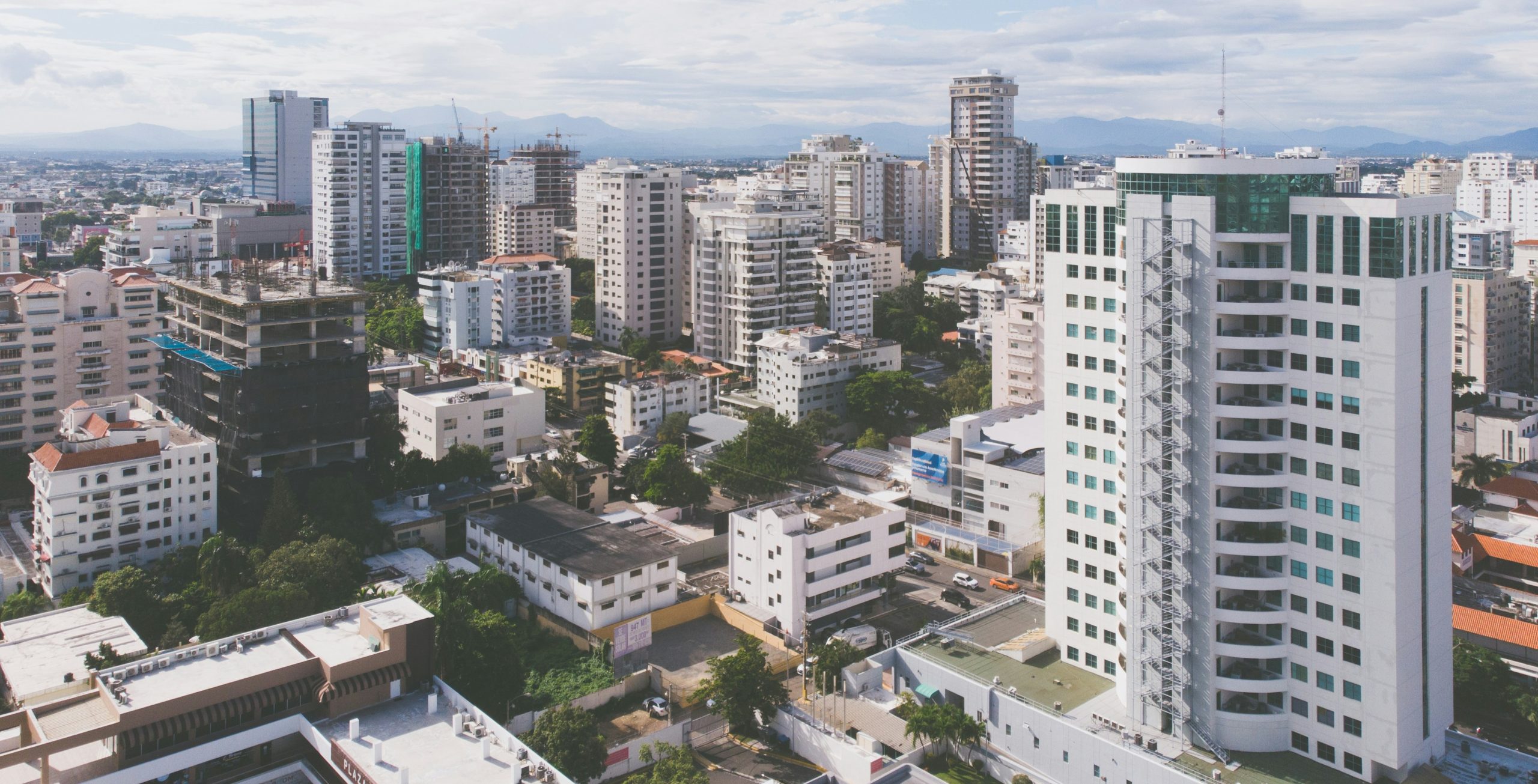
Dominican Republic leads Latin America in low inequality and steady economic growth
The Dominican Republic has emerged as a regional leader in economic performance and social development, according to a recent report by the Economic Commission for Latin America and the Caribbean (ECLAC). Over the past decade, the country has maintained an impressive average economic growth rate of 5%, significantly outpacing the regional average. This robust growth has been accompanied by substantial reductions in poverty, with the poverty rate dropping to 18.2% and extreme poverty to 4.9%. Additionally, the Dominican Republic achieved the lowest inequality index in Latin America, with a Gini coefficient of 0.39 by 2023.
The findings were detailed in the ECLAC report titled ‘Strengthening Protection to Eradicate Poverty and Advance Towards Inclusive Social Development in the Dominican Republic,’ which was presented to President Luis Abinader. Alberto Arenas de Mesa, Director of ECLAC’s Social Development Division, outlined three key policy priorities for the country: expanding and modernizing the social protection system, promoting labor inclusion for women, youth, and informal workers, and strengthening social institutions through comprehensive legislation and enhanced intersectoral coordination.
Dominican economic authorities project continued growth, with national GDP expected to increase by 3.5% this year, followed by a 5% rise in 2024. These projections solidify the Dominican Republic’s position as the largest economy in the Caribbean and the seventh-largest in Latin America. The country’s sustained economic momentum and commitment to inclusive development serve as a model for the region.
-
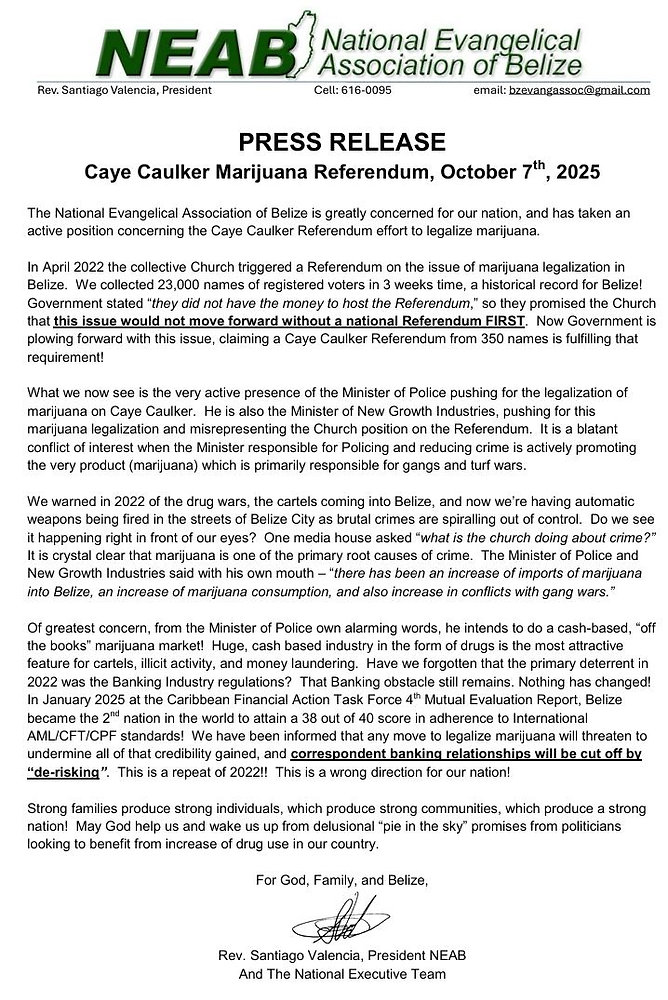
Church Voices Concern Over Caye Caulker Marijuana Referendum
The National Evangelical Association of Belize (NEAB) has voiced significant apprehensions regarding the forthcoming Caye Caulker Referendum on marijuana legalization. The Church contends that the government’s decision to proceed with a local vote contradicts its prior commitment to conduct a national referendum first. This development follows a historic grassroots effort in April 2022, when NEAB mobilized to gather 23,000 registered voter signatures in just three weeks—a record for Belize—to initiate a nationwide vote on the issue. At the time, the government cited financial constraints as the reason for delaying the referendum, pledging that no action would be taken without a national mandate. NEAB argues that the current local referendum, driven by a mere 350 signatures, violates this promise. The Church has also criticized the involvement of the Minister of Police, who oversees both law enforcement and New Growth Industries, including the promotion of marijuana legalization. NEAB labeled this dual role as a “blatant conflict of interest,” emphasizing the link between marijuana and escalating gang violence and crime in Belize City. The Church reiterated its 2022 warnings about drug-related violence and cartel activity, pointing to the recent surge in automatic weapon use on the streets. NEAB further highlighted the Minister’s acknowledgment of increased marijuana imports, consumption, and gang conflicts. Additionally, the Church cautioned that a cash-based marijuana market could foster illicit activities and money laundering, potentially jeopardizing Belize’s robust international banking reputation. In January 2025, Belize achieved a 38 out of 40 score for adherence to AML/CFT/CPF standards from the Caribbean Financial Action Task Force—a credibility NEAB fears could be undermined by legalization. The Church concluded with a call for societal vigilance, stating, ‘Strong families produce strong individuals, strong communities, and a strong nation. May God help us wake up from delusional promises by politicians seeking to benefit from increased drug use.’
-

SCA Crowned New CODICADER Champions in San José
Saint Catherine Academy (SCA) has etched its name in Belizean sports history by clinching the IX Central American Student Games (CODICADER) Volleyball Championship for High School Students at the Intermediate (Under-18) level. The thrilling final took place at the Gimnasio Nacional Eddy Cortés in La Sabana, San José, Costa Rica, where SCA emerged victorious against Costa Rica’s Liceo Experimental Bilingüe de Turrialba in straight sets. This triumph not only secured the regional title but also reinforced SCA’s dominance in the tournament. The Belizean team had previously defeated the same opponents in the group stage, showcasing their unwavering momentum and exceptional teamwork. SCA’s journey to the championship was marked by stellar performances, beginning with a hard-fought 2–0 victory over Nicaragua’s Colegio San Francisco Hermanos Maristas on October 4, followed by another impressive win against the Costa Rican hosts in the group stage. This victory is a testament to SCA’s dedication and skill, positioning them as one of Central America’s premier volleyball programs. The win has sparked national pride, as Belize celebrates this remarkable achievement on the regional stage.
-

Caye Caulker Cannabis Revenue Model Projects Over $10 Million Annually
A groundbreaking proposal for Caye Caulker, Belize, suggests that legalizing and regulating cannabis production and sales could generate over $10 million in annual tax revenues, positioning the island as a pivotal hub for the nation’s cannabis industry. Conservative estimates indicate that local consumption alone could yield $413,000 annually, based on a price of $6.75 per gram plus tax. With a quarter of the island’s 2,729 residents consuming 10 grams three times weekly, total annual consumption would reach 979,200 grams. Tourism further amplifies this potential, as approximately 17,000 overnight visitors consuming at the same rate could contribute an additional $74,266.87 yearly. The proposal envisions Caye Caulker as the central point for all legally produced, tested, and sold cannabis in Belize. If just one-eighth of the national population—around 52,463 people—consumed cannabis at this rate, the country could earn an extra $10 million in tax revenues annually. However, the Roman Catholic Diocese of Belize City–Belmopan has voiced strong opposition, citing moral and spiritual concerns. The Church warns that legalization could normalize drug use, harm youth, damage families, threaten public health, and undermine tourism. The referendum, scheduled for October 8, will determine the island’s path forward.
-
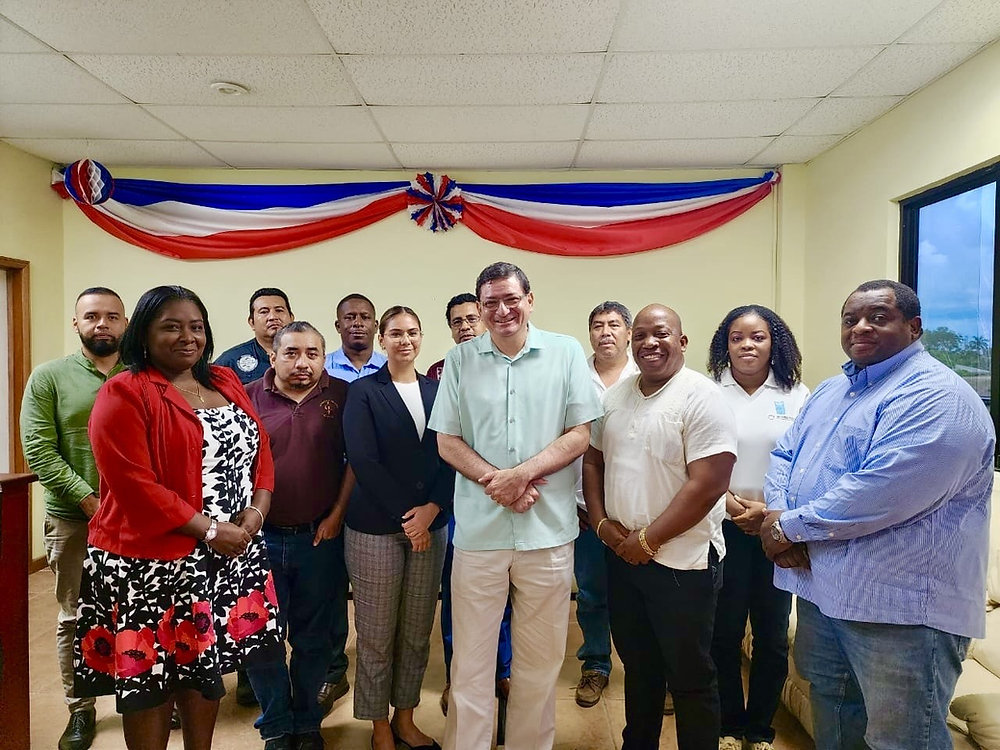
Bus Consolidation Committee Moves Forward with National Transport Reform
The National Bus Consolidation Pro Tempore Advisory Committee is making significant strides in establishing the Consolidated National Bus Company, a transformative public-private partnership aimed at modernizing Belize’s transportation infrastructure. During a pivotal meeting on October 3, the committee reviewed progress and outlined the next steps in this ambitious transition.
Officials revealed that the new entity has already secured a commanding 71 percent of the national market share, thanks to commitments from existing bus operators. Financial audits of these operators are currently in progress, with an opening balance sheet anticipated by mid-November. This financial groundwork will be instrumental in determining equity participation and shaping the company’s financial projections.
Stakeholder consultations have gained momentum, engaging a diverse array of participants, including bus operators, financial institutions, and international partners. These discussions are centered on fostering transparency, inclusivity, and gathering critical insights as the sector moves toward consolidation.
The implementation timeline remains firmly on track, with the Consolidated National Bus Company slated to commence operations on January 1, 2026. The rollout will introduce enhanced safety standards, upgraded and new terminals, and the phased introduction of modern buses over the next two to three years.
The committee underscored that this initiative is not a nationalization effort but a strategic public-private partnership designed to bolster public transportation and align Belize with global sustainable development goals.
The committee comprises representatives from key entities, including the Ministry of Infrastructure Development and Housing, the Statistical Institute of Belize, the University of Belize, the National Trade Union Congress of Belize, the Ministry of Economic Transformation, the Attorney General’s Ministry, the media, bus operators, commuters, the business community, and the United Nations Development Programme (UNDP).
-

Man Acquitted of Rape After Jury Finds Him Not Guilty
In a high-profile case at the High Court, a man accused of rape has been acquitted following a four-hour deliberation by a mixed jury. The case, which originated from an alleged incident on 30 March 2020, centered on conflicting testimonies. The complainant alleged that she was assaulted after becoming intoxicated during a night out, while resting in a vehicle. However, the accused’s girlfriend, who was present at the time, testified that no such assault occurred. Prosecutors argued that a subsequent sexual encounter was non-consensual, but the defense countered that it was consensual. During the trial, inconsistencies in the complainant’s statements, including the timing of a text message she claimed to have sent that night, were highlighted. After hearing closing arguments, the jury unanimously found the defendant not guilty of both rape and serious indecency. The verdict has sparked discussions about the complexities of such cases and the challenges in establishing consent and credibility.
-

Bail Granted to Two Men Accused in Sanderson Estate Shooting
Two individuals implicated in a violent altercation at Sanderson Estate earlier this month have been granted bail as they await further court proceedings. Brian Benjamin, 59, from All Saints, and Bryan Benjamin, 32, from Swetes, appeared before Magistrate Ngaio Emanuel, who scheduled the next hearing for December 4, 2025. The charges against them stem from an incident on October 1, where a farm dispute escalated into a shooting, leaving two men with gunshot wounds. Both Benjamins face charges of assault, wounding, and battery against Jace Farrell. Additionally, Brian Benjamin is charged with shooting with intent to murder Simon Farrell, while Bryan Benjamin is accused of using threatening language. The injured men are currently hospitalized in stable condition. Authorities are continuing their investigation into the incident and have urged the public to resolve disputes through legal and non-violent means.
-

PM Mitchell missing in oil and gas working group town hall
A significant town hall discussion focusing on Grenada’s oil and gas sector is set to take place on 9 October 2025 at the Trade Centre in Grand Anse. The event, organized by the Oil and Gas Working Group chaired by Nazim Burke, will provide the public with updates and insights into the nation’s emerging energy industry. However, Prime Minister Dickon Mitchell will not be present in person, as he is scheduled to attend the 3rd EU-Caribbean Global Gateway Conference on Sargassum in Brussels, Belgium, on 8–9 October.
-

U.S. Senate Confirms Herschel Walker as Ambassador to The Bahamas
In a landmark decision on Tuesday, the U.S. Senate confirmed Herschel Walker, a former NFL star and political figure, as the United States’ ambassador to The Bahamas. This appointment marks the end of a 15-year vacancy in the position, signaling a renewed focus on strengthening bilateral relations between the two nations. The confirmation was part of a broader package of over 100 nominees approved under newly streamlined Senate procedures. Wendall Jones, The Bahamas’ Ambassador to the U.S., expressed optimism about Walker’s role, stating that he would be warmly received and well-equipped to address shared concerns. Walker’s appointment comes at a critical juncture, as The Bahamas has lacked a formal U.S. ambassador since 2011, one of only five countries in such a prolonged diplomatic void. During his confirmation hearing, Walker highlighted the growing Chinese influence in The Bahamas, including a $3 billion deepwater port, investments in sensitive sectors, and a new hospital project. He emphasized that these developments could pose challenges to U.S. national security and its strategic interests in the Caribbean region.