博客

  • Ceasefire plan published by Iran not the one agreed by US, says White House

    Ceasefire plan published by Iran not the one agreed by US, says White House

    Just hours after a fragile US-Iran ceasefire took effect to pave the way for new negotiations, confusion and public disagreement have thrown the future of the diplomatic process into question on Wednesday. A senior anonymous United States government official based in Washington told reporters that the 10-point peace framework published by Iranian state media does not match the terms the White House agreed to as the foundation for a temporary halt to hostilities.

    “The document being circulated by news outlets is not the working framework we agreed to,” the official stated, declining to elaborate on the content of the actual agreed framework. The official explained that the US administration has chosen to avoid public negotiations to protect the integrity of the diplomatic process, saying “We’re not going to negotiate in public out of respect for the process.”

    This clarification has amplified existing worries about the stability of the truce, which was announced late Tuesday. The ceasefire came just hours before a harsh deadline set by former President Donald Trump, who had threatened that Iran would face the destruction of its “whole civilization” if it failed to meet US demands.

    When Trump first announced the two-week truce to allow space for negotiations, he indicated that Iran’s submitted 10-point proposal provided a viable foundation for talks. Shortly after that announcement, Iranian state media released the full text of their 10-point plan, which includes several non-negotiable terms that directly contradict Washington’s public stated demands. Key provisions of the public Iranian plan include permanent Iranian sovereignty over the strategically vital Strait of Hormuz, a full lifting of all international economic sanctions imposed on Tehran, and international recognition of Iran’s right to conduct uranium enrichment.

    Later on Wednesday, Trump took to his own social media platform Truth Social to lash out against individuals and outlets spreading what he called false information about supposed agreements and documents that are not part of the actual ongoing negotiation process. “In many cases, they are total Fraudsters, Charlatans, and WORSE,” he wrote in his post.

    Trump stressed that only one set of agreed points is acceptable to the United States, and that those points will be discussed exclusively behind closed doors throughout the 14-day truce period. “These are the POINTS that are the basis on which we agreed to a CEASEFIRE,” he added, offering no further details about the content of the undisclosed framework.

  • Activist warns COI immigration plan threatens constitutional rights

    Activist warns COI immigration plan threatens constitutional rights

    As the Bahamas gears up for a shift in its political landscape ahead of potential elections, the Coalition of Independents (COI) has put forward an ambitious 100-day immigration overhaul that has quickly drawn sharp criticism from a prominent immigration rights advocate, who argues the proposals threaten core constitutional protections and lack critical operational and budgetary planning.

    Louby Georges, a leading voice on immigration advocacy in the country, has called for rigorous public and legislative scrutiny of the COI’s wide-ranging policy framework, which targets three core priorities: shoring up the country’s border security, expanding immigration enforcement operations, and fundamentally restructuring the nation’s citizenship rules. The most controversial proposal at the heart of the plan is the full elimination of the naturalisation pathway for foreign-born residents seeking Bahamian citizenship.

    Under the COI’s proposed timeline, the party would move to amend the Bahamas Nationality Act in its very first week in office to strike naturalisation provisions, followed by a national referendum on the change within the first 12 months of an incoming administration. However, Georges and constitutional analysts point out a critical procedural flaw: citizenship rules are enshrined in the Bahamas Constitution, meaning any change to naturalisation would require a constitutional amendment before any legislative adjustments can be made, a step the COI’s plan does not explicitly address.

    Beyond the citizenship proposal, the COI’s plan lays out a string of additional policy changes: merging the country’s existing immigration and national security agencies under a single unified cabinet ministry; rolling out a 30-day immigration amnesty program that mandates biometric screening and official immigration status verification for all undocumented residents; and launching a new digital platform that requires employers and private landlords to confirm the legal immigration status of workers and tenants respectively.

    Additional restrictive measures include an immediate moratorium on new work permit approvals for Haitian nationals, a full top-down review of all existing work permits held by Haitian residents, increased resources and patrols for maritime border enforcement, the closure of unregulated informal shanty town settlements, the development of government-authorized regulated housing for migrant communities, and a new mandate requiring all immigrants to hold active private health insurance coverage to reside in the country.

    COI officials have defended the proposal, framing it as a necessary measure to reclaim national control over the Bahamas’ borders and improve overall compliance with existing immigration laws. But the plan leaves major questions unanswered: it does not include clear details on how the sweeping series of reforms would be funded, nor does it lay out a concrete operational roadmap to deliver all the changes within the aggressive 100-day timeline the party has laid out.

    Georges acknowledged that the Bahamas is grappling with genuine, long-standing immigration challenges that demand policy attention. But he argued that the COI’s proposal is rooted less in evidence-based practical governance and more in politically opportunistic fear-mongering to win voter support. He emphasized that immigration cannot be fixed through hasty, overly broad reactionary policies that fail to account for their long-term social and legal ripple effects.

    “Eliminating naturalisation, in particular, is a deeply troubling proposal,” Georges said in comments to local media. “For generations of Bahamian history, countless people who arrived first as migrants, or who are descended from migrants, have gone on to build their lives here as proud, contributing Bahamian citizens. Their work has shaped every sector of our country, from business to education to public service, and that legacy cannot be ignored.”

    Georges described the elimination of a legal pathway to citizenship as profoundly short-sighted, warning that the proposal represents a draconian shift in the country’s immigration framework. “When you start restricting core rights and access to legal pathways at this scale, the negative consequences don’t stay limited to just one migrant community,” he explained. “They undermine the entire structure of our immigration system and the legal protections it is built on.”

    While Georges agreed that improvements to immigration enforcement and accountability for non-compliance are necessary, he stressed that any meaningful reform must be rooted in respect for the country’s existing constitution and backed by detailed, realistic implementation planning. “Good governance depends on balance, not extreme, overreaching policies,” he said. “We have to address our immigration challenges in a way that protects our national borders, while also upholding the rule of law, our constitutional framework, and the inclusive values that have made the Bahamas what it is today.”

    Matt Aubry, executive director of the Nassau-based non-profit Organisation for Responsible Governance, declined to offer a direct endorsement or criticism of the COI’s proposal. Instead, he urged Bahamian voters to carefully evaluate all political campaign pledges ahead of any election, asking whether the promises parties make are actually realistic and achievable within the timelines they propose. Aubry noted that campaign platforms often overlook critical practical constraints, from limited public budget allocations to the lengthy procedural timelines required to roll out large-scale governmental reforms.

  • Court appearance for soldier charged in girlfriend’s murder delayed to Friday

    Court appearance for soldier charged in girlfriend’s murder delayed to Friday

    MANCHESTER, JAMAICA – The first court hearing for a Jamaica Defence Force (JDF) service member accused of murdering his romantic partner in a brutal domestic incident in Manchester last week has been rescheduled for Friday, after a last-minute delay pushed the originally scheduled Wednesday appearance.

    Twenty-seven-year-old Damanice Tyrone Williamson, the accused soldier, was set to face a preliminary hearing at the Manchester Parish Court this week. But when assembled reporters arrived to cover the high-profile case, the defendant’s legal representative, attorney Norman Godfrey, confirmed that proceedings would be pushed back to the end of the week.

    The charges against Williamson stem from the fatal killing of 29-year-old Tanzanya Dunkley, which took place at a residential property in the Three Chains community of Manchester. Authorities confirmed that Williamson has confessed to the killing, which unfolded during a verbal confrontation between the pair. But the details of his confession have sent shockwaves across the island nation: an anonymous police source briefed on the investigation told local media that Williamson claimed an unknown “voice” commanded him to carry out the deadly attack.

    According to the police source’s account of the confession, the confrontation began when Dunkley made the decision to end her relationship with Williamson. In response, the soldier grabbed her mobile phone; when Dunkley held onto him to retrieve the device, Williamson says the voice ordered him to kill her. He then picked up a knife and sliced her throat, the confession alleges.

    Law enforcement has also released additional chilling details about the moments leading up to the killing. Before the attack, they confirmed, Williamson approached Dunkley’s 12-year-old daughter, told her he needed to speak privately with her mother, and directed the child to go upstairs to the upper level of the family home. Moments later, he murdered Dunkley before fleeing the property.

    Neighbors who were in the area that Friday afternoon corroborated the timeline, telling local reporters they heard loud screams coming from the residence around 3 p.m. Shortly after, they saw a man matching Williamson’s description running from the home, his clothing covered in what witnesses described as blood.

    In the aftermath of the killing, a second video has also spread widely across Jamaican social media, adding more fuel to public outcry. The footage, which was reportedly filmed inside the Mandeville Police Station after Williamson was taken into custody, shows a man believed to be the accused holding what looks to be a knife, begging responding officers to shoot and kill him on the spot. The clip has now gone viral, drawing tens of thousands of views and intense public comment.

    The brutal killing has already reignited long-simmering national conversations about the pervasive crisis of domestic violence in Jamaica, a problem that advocacy groups have repeatedly highlighted as requiring urgent systemic intervention. As the public awaits Williamson’s rescheduled court appearance this Friday, community leaders and anti-violence activists continue to call for greater action to address gender-based harm across the country.

  • NWC eases water restrictions on Constant Spring network

    NWC eases water restrictions on Constant Spring network

    KINGSTON, Jamaica — Thousands of residential and commercial customers relying on the Constant Spring water distribution network across Kingston and St. Andrew will soon regain full, uninterrupted water access, after Jamaica’s National Water Commission (NWC) announced it will roll back emergency supply restrictions starting Wednesday, April 8, 2026.

    The policy shift comes after two consecutive weeks of consistent, widespread rainfall across the island’s catchment areas, which has reversed months of declining water reserves at the critical Hermitage Dam. Prior to the rainy spell, storage levels at the dam had dipped below 65 percent, forcing the NWC to implement rolling outages and targeted supply cuts to prevent a total depletion of reserves. Steady inflows over the past fortnight have pushed storage volumes up to roughly 90 percent of total capacity, creating enough of a buffer to resume standard service.

    In an official media statement published this week, NWC’s Acting Vice President for Operations Herman Fagan emphasized that the decision to relax restrictions honors the commission’s public promise to restore normal service as soon as hydrological conditions improved. “This adjustment is not just a response to recent rainfall—it’s a commitment we made to the public that we would act quickly when conditions allowed,” Fagan explained. “The improved inflows have given us the operational buffer we need to return to regular 24-hour supply for all customers connected to the Constant Spring system.”

    While welcoming the end of restrictions, Fagan urged all customers to maintain long-term water stewardship habits to reduce the risk of renewed shortages during the upcoming dry season. Key recommended practices include routine water conservation, immediate reporting of broken infrastructure to NWC teams, and prompt repairs to leaks on private property, which account for a significant share of unaccounted-for water loss across the island.

    The NWC added that it will maintain continuous real-time monitoring of dam storage levels and inflow rates through the coming months. If precipitation drops off sharply and reserves decline again during the projected dry period, the commission did not rule out reintroducing targeted supply restrictions to protect reliable water access for all communities across the service area.

  • Mom not told son’s leg ‘amputated’ at PMH

    Mom not told son’s leg ‘amputated’ at PMH

    A devastating medical negligence case involving a teenage Bahamian national rugby player has taken a critical turn, with the Supreme Court of the Bahamas upholding a default judgment that finds the Public Hospitals Authority (PHA) liable for damages arising from the un-consulted partial amputation of the athlete’s leg. The ruling marks the end of years of procedural delay and clears the path for a formal hearing to determine the size of the compensation package for 19-year-old (at time of ruling) Miguel Russell, who suffered life-altering complications following routine treatment for a sports injury.

    The incident dates back to when Russell, a minor representing The Bahamas in international rugby competition, sustained a dislocated knee during a match and was admitted for treatment at Princess Margaret Hospital (PMH), the country’s leading public healthcare facility. After being placed on dialysis following his initial procedure, Russell’s condition rapidly deteriorated. According to the formal claim filed against the PHA, medical staff at PMH proceeded to amputate a portion of Russell’s leg without notifying or gaining consent from his mother, who was his legal guardian at the time of the procedure.

    As his infection spread and wounds failed to heal, Russell’s family eventually arranged for specialized care in Cuba, where attending clinicians documented extensive tissue necrosis, widespread bacterial infection, and catastrophic open wounds that aligned with the young athlete’s allegations of improper care. What followed after the family filed suit was years of unexplained procedural inaction on the part of the PHA, which has drawn sharp criticism from the court.

    Court records show the initial writ of summons was first filed in December 2017, with an amended complaint submitted just two months later in February 2018. The PHA entered a formal appearance in the case in April 2018, but took no substantive steps to mount a legal defense for more than six years. Russell’s legal team finally submitted a full statement of claim in September 2024, which was served to the PHA shortly after. While the PHA acknowledged receipt of the claim the following month, it still failed to file a formal response or defense.

    By January 2025, Russell’s legal team moved for a default judgment, which was granted by the court during a March 19 2025 hearing. Notably, PHA representatives attended the hearing but made no formal objection or request for an extension of time to prepare their defense. It was only after the default judgment was entered that the PHA attempted to reverse the ruling, filing an application to set aside the judgment and revive its defense.

    In its application, the PHA claimed it had a viable defense to the negligence allegations, blaming its years-long delay on logistical hurdles in obtaining Russell’s medical records from Cuban healthcare providers. The authority also argued that Russell’s severe complications stemmed from the initial severity of his rugby injury, not negligent care, and maintained that he had received appropriate, evidence-based treatment at PMH.

    Russell’s legal team pushed back against the PHA’s claims, noting that the authority already had full access to all relevant domestic medical records and had repeatedly missed opportunities to move the case forward over the preceding six years. They argued the PHA had no substantive defense to the core allegations and had intentionally relied on delay to avoid liability.

    In her ruling, Assistant Registrar Akeira D Martin sided entirely with Russell, applying the country’s Civil Procedure Rules to evaluate whether the PHA met the legal requirements to set aside a default judgment. To successfully reverse a default ruling, defendants must demonstrate they acted promptly after the entry of judgment, provided a credible explanation for their prolonged inaction, and prove they have a genuine prospect of successfully defending the claim at trial. The PHA failed to meet all three criteria, Martin found.

    The ruling specifically notes that the PHA did not act with any urgency to request medical records, with key documentation only being requested years after the PHA first entered the case. The court also confirmed that many of the records the PHA claimed it needed were already in its possession long before the default judgment was granted. Martin further found that the PHA’s proposed defense consisted almost entirely of general denials of negligence, with no substantive response to the core claims: that Russell developed preventable bedsores during his stay at PMH, that the partial amputation was performed without required consent from his mother, and that he was never provided adequate medical guidance about his worsening condition.

    By contrast, the court highlighted that Russell’s account of events was fully supported by independent medical evidence from Cuban clinicians, whose documentation of severe infection and tissue damage aligned perfectly with his allegations of improper care. Martin emphasized that the court was not making a final ruling on the underlying negligence at this procedural stage, but found that the PHA had failed to demonstrate it had a strong enough defense to justify reopening the case. The court also refused to grant the PHA an extension of time to file a defense, dismissing the authority’s application in full and ordering the PHA to pay all legal costs incurred by Russell to date.

    With liability now effectively settled (barring a successful appeal by the PHA), the case will next move to a directions hearing for the formal assessment of damages, where the court will determine how much compensation the PHA must pay Russell for his life-altering injuries and ongoing harm. This phase of the proceedings is expected to include testimony from independent medical experts and a detailed review of the care Russell received at PMH and the progression of his condition following the initial injury.

  • Terrelonge leads Jamaica’s delegation to OACPS summit

    Terrelonge leads Jamaica’s delegation to OACPS summit

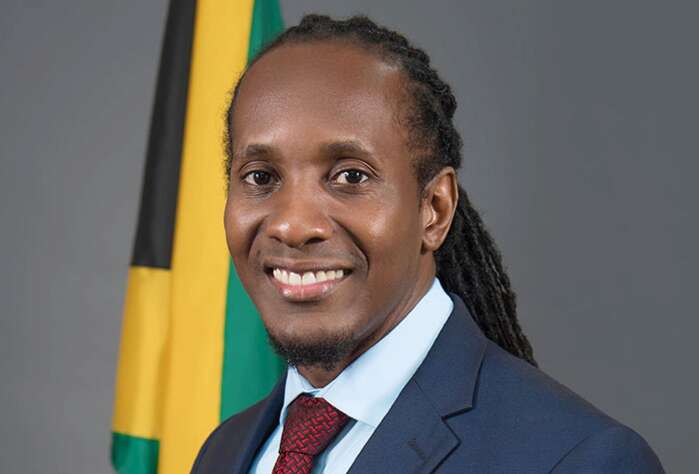
    From March 27 to 29, the capital of Equatorial Guinea, Malabo, played host to the 11th high-level summit of the Organization of African, Caribbean and Pacific States (OACPS), a gathering that brought together delegations from 79 member nations to confront shared global challenges under the unifying theme “A Transformed and Renewed OACPS in a Changing World”. Leading Jamaica’s delegation to the event was Alando Terrelonge, Minister of State in the Ministry of Foreign Affairs and Foreign Trade, who stood in for Prime Minister Andrew Holness during the three days of talks.

    Against a backdrop of shifting global geopolitics and mounting economic volatility, the summit centered its agenda on accelerating progress in South-South cooperation, advancing collective sustainable development goals, scaling up ambitious climate action, and forging more effective cross-regional partnerships. For Jamaica, one of the world’s most climate-vulnerable Small Island Developing States (SIDS), the summit offered a critical international platform to amplify the urgent, existential risks that climate change poses to small island nations.

    Speaking at the summit, Terrelonge opened with a stark example of the immediate harm of climate inaction, referencing the devastating impact of Hurricane Melissa, which is projected to strike Jamaica in October 2025. Early estimates place total damage from the storm at more than US$12 billion – a sum that equals roughly 56.7% of Jamaica’s entire annual gross domestic product. The minister emphasized that for SIDS, climate change is far from an abstract academic debate or a distant future threat.

    “For Small Island Developing States, climate change is not a scientific or academic discussion; it is an existential threat that disrupts livelihoods, damages critical infrastructure, affects food and water security, and undermines economic growth – particularly in climate-sensitive sectors on which our economy is heavily reliant, such as tourism, agriculture and fisheries. In extreme cases, it also costs lives. It is therefore imperative that global action matches the scale and urgency of the crisis,” Terrelonge stated during the summit.

    As a panelist at the official SIDS forum held alongside the summit, Terrelonge doubled down on Jamaica’s longstanding calls for systemic change in global climate governance. He reaffirmed the nation’s demand for equitable, universally accessible climate financing that meets the unique needs of vulnerable small island states, more robust and accountable implementation of existing global climate commitments, and formal legal and institutional recognition of SIDS’ special circumstances in all international climate and development frameworks.

    Beyond climate action, Terrelonge also added his voice to growing calls for internal reform of the 50-year-old OACPS organization. He reiterated Jamaica’s position that targeted reforms to strengthen OACPS’ governance structures, boost its operational efficiency, and enhance its financial accountability are necessary to create a more responsive organization that can deliver tangible outcomes for all member states. He also emphasized the critical role OACPS continues to play in advancing inclusive multilateral cooperation, deepening economic and social engagement across member states, and driving sustainable development progress across the Global South.

    Founded in 1975 via the Georgetown Treaty, OACPS has long centered its core mission on advancing sustainable development and reducing poverty across its member states, while supporting greater, more equitable integration of member nations into the global economy. This latest summit reinforced the shared commitment of OACPS members to coordinate collective action on climate finance and sustainable development – two top policy priorities for Jamaica in ongoing multilateral negotiations.

    Closing his remarks, Terrelonge made clear that Jamaica will continue to leverage every available international platform to advocate for decisive, equitable, and urgent global action that meets the unique needs of Small Island Developing States on the frontlines of the climate crisis.

  • Gunmen kill 60 in northwest Nigeria—humanitarian groups

    Gunmen kill 60 in northwest Nigeria—humanitarian groups

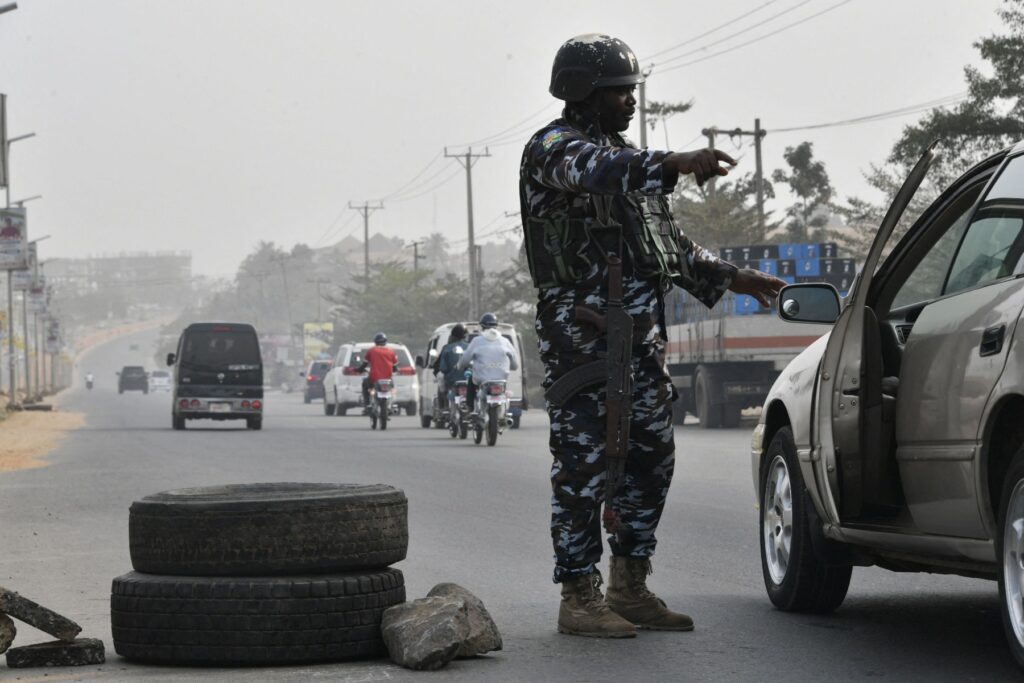
    In a devastating wave of violence that has underscored Nigeria’s deepening insecurity crisis in its predominantly Muslim northern region, armed gunmen have killed no fewer than 60 civilians across a series of remote rural villages in two neighboring northwestern states this week, local religious leaders and humanitarian organizations confirmed Wednesday in statements to Agence France-Presse.

    The coordinated assaults targeted at least 10 settlements spread across Kebbi and Niger states, according to regional clergymen and a detailed humanitarian situation report reviewed by AFP. The document, which draws on testimony from three on-the-ground humanitarian sources including a local medical facility and a community advocacy group, records 20 fatalities from a Tuesday strike on Erena, a community located in Niger state’s Shiroro local government area.

    A separate classified military security assessment identifies the perpetrators of the Erena attack as well-armed bandits who launched a direct incursion on a local military outpost. Regional police have verified the assault, adding that three additional members of the local security ecosystem — two volunteer vigilante fighters and a driver assigned to the joint security task force — were also killed in the clash.

    Shiroro district has long been a hotspot for persistent violence, terrorized repeatedly by both local criminal gangs known locally as bandits and transnational jihadist insurgent networks. In recent years, security analysts have documented a growing trend of collaboration between these two groups, whose joint raiding campaigns have displaced tens of thousands of residents across northwest Nigeria.

    In neighboring Kebbi state, one anonymous clergy member — who requested anonymity out of concern for his personal safety — confirmed an initial death toll of 24, but added that updated witness reports put the actual number of fatalities above 40. A second senior Christian leader in the region corroborated this estimate, placing the Kebbi death toll at approximately 40.

    Speaking to AFP, the first clergy member described a campaign of indiscriminate violence that spared no group: “They killed everybody in sight, they killed Christians, Muslims and traditional worshippers. They killed indiscriminately.” The attackers burned down religious sites of both Christian and Muslim communities, slaughtered livestock including sheep and cattle, and destroyed stored food reserves, he added. The incursion unfolded over three straight days of rampage, with gunmen systematically combing the surrounding brush where residents typically flee to hide during attacks.

    “They comb the surrounding bushes where villagers would ordinarily hide during attacks and hunt around for those who were hiding in the bush and shoot them down,” he said. “They were not leaving anything, they were not taking anything. They were there to kill and destroy.”

    More than 500 displaced residents have fled the affected villages to take shelter in churches and public schools in Kebbi’s Yauri town, and the security situation remains so precarious that families cannot return to their homes to recover and bury their dead, the clergy member added.

    No insurgent group has yet claimed responsibility for the coordinated attacks, but Kebbi state police have pinned the blame on a local jihadist cell known as the Mahmuda group, which operates across the northwest region. The cell is affiliated with Mahmud al-Nigeri, a senior commander in the Ansaru jihadist network. Ansaru split from the notorious Boko Haram insurgent group more than a decade ago and has since aligned itself with Al-Qaeda in the Islamic Maghreb (AQMI), a regional branch of al-Qaeda.

    Kebbi state, which shares international borders with Benin and Niger, has seen a sharp uptick in jihadist attacks since 2025, according to regional security data. Armed Conflict Location & Event Data Project (ACLED), a leading independent conflict monitoring organization, has recorded a major recent surge in violence across northwest Nigeria carried out by insurgent groups aligned with both al-Qaeda and the Islamic State. Like other northern Nigerian states, Kebbi faces a dual security threat: both transnational jihadist insurgency and banditry, criminal gangs that raid villages, seize residents and hold them for ransom.

  • Australia PM welcomes Iran ceasefire, says Trump threats not ‘appropriate’

    Australia PM welcomes Iran ceasefire, says Trump threats not ‘appropriate’

    In a development that reverberated across global diplomatic circles this week, top Australian officials have offered a mixed response to the sudden US-Iran two-week ceasefire, welcoming the de-escalation of conflict while sharply criticizing inflammatory rhetoric from former US President Donald Trump that threatened the complete annihilation of Iranian civilian infrastructure.

    The ceasefire agreement came into effect barely 60 minutes before Trump’s self-imposed deadline for Iran to reach a negotiated deal was set to expire, ending a month of open hostilities between the US-Israeli bloc and Iranian forces that had upended global energy markets. Ahead of the deadline, Trump issued a chilling warning that if Iran did not comply with his demands, “a whole civilization will die tonight, never to be brought back again” — a comment that has drawn widespread international rebuke for its extreme tone.

    Speaking to Sky News Australia on Wednesday, Australian Prime Minister Anthony Albanese broke ranks with the previous pro-strike position of his government to push back against the US leader’s language. “I don’t think it’s appropriate to use language such as that from the president of the United States, and I think it will cause some concern,” Albanese said, adding that threats targeting entire civilian populations have no place in modern diplomatic discourse.

    Despite his criticism of Trump’s comments, the prime minister welcomed the ceasefire as a step in the right direction, aligning with his government’s weeks-long calls to dial back regional tensions. “What we have called for is a de-escalation, and that is what has occurred, and that’s a good thing,” Albanese noted. “This is positive news. We’ve been calling for a de-escalation for some time. We want to see a resolution of the conflict.”

    For its part, Iran has framed the ceasefire as a strategic victory. In the wake of more than a month of coordinated US and Israeli attacks, Tehran announced it would temporarily reopen the Strait of Hormuz — the world’s most critical chokepoint for global oil and gas shipments, which Iran had effectively closed after US-Israeli strikes on February 28 reignited full-scale regional conflict. The closure sent global energy prices soaring to multi-year highs, inflicting economic pain on energy-importing nations around the world, Australia included.

    Australia’s Foreign Minister Penny Wong echoed Albanese’s condemnation of Trump’s remarks during an interview with the national public broadcaster ABC, doubling down on the government’s call for the ceasefire to be extended across the entire Middle East region. “I don’t think anyone should be threatening the destruction of a civilisation,” Wong said. The foreign minister added that Australia, which is heavily reliant on imported fuel and currently holds only around 39 days of national petrol supply, has already felt the severe economic fallout of the conflict. “The damage that is happening to the global economy, to global energy markets, means that the world does need this ceasefire to hold,” she emphasized.

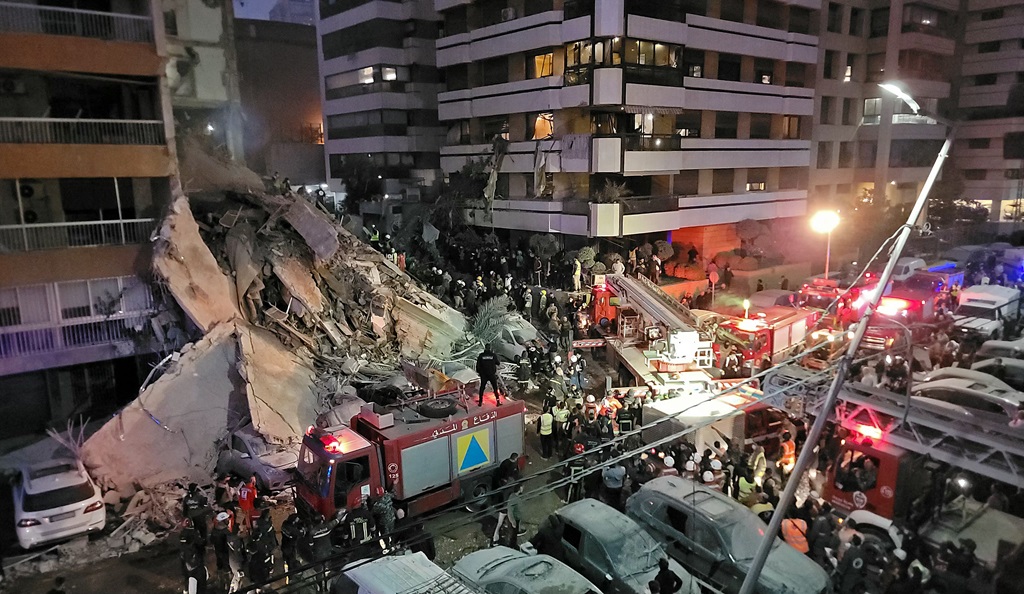
    Wong also pushed back against Israeli claims that the ceasefire does not extend to Lebanon, where weeks of Israeli bombardment have killed more than 1,500 people and displaced over a million residents according to Lebanese official statistics. “The world expects the ceasefire to apply to the region,” Wong stated.

    The shift in the Australian government’s public position comes after it initially voiced support for the US-Israeli strikes on Iran. Last week, Albanese already signaled a change in tone, saying the original military objectives of the campaign had been achieved and it remained unclear what further gains could be made through continued conflict. To offset the domestic impact of skyrocketing fuel prices driven by the regional crisis, the Canberra government has already moved to cut petrol taxes, easing cost-of-living pressures for Australian households.

  • BOOT Jamaica named business of the year at St Ann Chamber awards

    BOOT Jamaica named business of the year at St Ann Chamber awards

    RUNAWAY BAY, St Ann — The St Ann Chamber of Commerce’s annual awards ceremony, one of the most prestigious business events in the region, crowned BOOT Jamaica as its 2026 Business of the Year on March 29, capping off a night of celebration for outstanding enterprise across the parish. Held at the Cardiff Hall Hotel in Runaway Bay, the gathering drew a cross-section of attendees, from local business owners and chamber leadership to national government representatives and cross-sector stakeholders invested in St Ann’s economic growth.

    As the highest accolade of the night, the Business of the Year award was presented by Jamaica’s Prime Minister Andrew Holness, who also delivered the event’s keynote address focused on driving private sector growth across the country’s northern parishes. Founder and Executive Director Wayne Boothe alongside Chief Operating Officer Alexcia Boothe accepted the award on the company’s behalf, marking a major milestone in BOOT Jamaica’s years-long trajectory of expansion and innovation across Jamaica.

    In his acceptance remarks, Wayne Boothe framed the recognition as a milestone that comes as the company enters a new era of strategic growth. “This award comes at a defining moment for BOOT Jamaica. As we expand through developments such as BOOT 2 and planned growth in parishes, including St James and Trelawny, we are reimagining what convenience and service look like across Jamaica,” he said. “We are honoured by this recognition and remain committed to sustained investment, innovation, and excellence in St Ann and beyond.” Boothe also extended gratitude to his company’s team, community partners, and loyal customers, reaffirming the organization’s core mission of delivering exceptional customer service while driving inclusive economic growth and sustainable community development across the island.

    Beyond its commercial success, BOOT Jamaica’s commitment to community emergency preparedness also earned special recognition during the ceremony. Custos of St Ann Joseph Issa highlighted the work of the Custos Commandos, a volunteer emergency response initiative, in strengthening local disaster response systems across the parish. Alexcia Boothe was separately honored for leading a parish-wide shelter support initiative launched in the wake of Hurricane Melissa. The program delivered 2,000 sleeping bags and soup kits to vulnerable communities, while also funding critical infrastructure upgrades to shelters that improved access to reliable power during emergencies and boosted overall response efficiency in post-storm recovery efforts.

    The St Ann Chamber of Commerce’s annual awards were created to celebrate outstanding business performance and measurable contributions to local economic development across the parish. For the 2026 iteration, organizers awarded 12 honors across diverse categories, including social responsibility and community impact, education excellence, and small business of the year, with Business of the Year standing as the pinnacle of achievement for local enterprises. BOOT Jamaica claimed the top prize from a competitive pool of high-profile nominees that included Pure Chocolate Jamaica and the Jamaica Public Service Company. Judges and peer industry voters highlighted the company’s aggressive, forward-thinking expansion strategy as the key deciding factor in its selection, pointing specifically to the 2025 groundbreaking of the highly anticipated BOOT 2 development as evidence of the company’s outsized impact on the parish’s economic outlook.

  • No ongoing egg importation, says Agriculture Ministry

    No ongoing egg importation, says Agriculture Ministry

    Jamaica’s Ministry of Agriculture, Fisheries and Mining has formally wrapped up its emergency temporary duty waiver for egg imports, with the policy officially expiring on February 28, 2026 and no further imports permitted under the arrangement. According to an official statement released Tuesday, the government has not approved any new egg import licenses since December 2025, a deliberate policy choice rooted in clear confirmation from local industry groups that domestic egg production has fully bounced back from widespread weather-related disruptions last year.

    The temporary import program, launched in the wake of Hurricane Melissa that hit the island in October, was established at the direct request of the Jamaica Egg Farmers’ Association. At the time, the storm had devastated local production capacity, creating severe supply gaps that the domestic sector could not fill on its own. The association turned to the government for support to stabilize market supplies and prevent crippling price spikes for consumers, leading to the implementation of the short-term duty waiver.

    A revealing detail from the ministry’s breakdown shows that more than 60 percent of all eggs imported through the scheme were brought in by local egg producers themselves. This statistic underscores a key point about the policy: it was entirely driven by the domestic industry and designed to address an urgent short-term crisis, rather than being an outside intervention that undercut local farmers. The temporary measure was never meant to permanently replace domestic production, only to bridge the gap while the sector rebuilt.

    Government officials emphasized that their approach to managing the egg market has always struck a deliberate balance between two core priorities: ensuring consumers have consistent access to affordable eggs, and protecting the long-term economic health and viability of Jamaica’s domestic agriculture sector. Temporary import relaxation, they noted, is only activated during periods of genuine crisis, and is never intended to undermine local farming operations. Instead, it serves as a safety net to keep markets stable when unforeseen events disrupt domestic output.

    Now that the domestic egg industry has demonstrated a full recovery from Hurricane Melissa’s impacts, the government has shifted its full focus back to supporting long-term growth for local producers. Key priorities going forward include strengthening domestic production capacity, building greater climate resilience across the sector to withstand future extreme weather events, and maintaining targeted support for small and large egg farmers alike. The ministry closed its statement by calling for continued collaboration across all parts of Jamaica’s egg industry, to ensure the sector remains strong, self-sufficient, and able to meet all of the country’s domestic demand for eggs moving forward.