博客

  • Husbands: We need skilled construction workers

    Husbands: We need skilled construction workers

    Barbados is currently grappling with an acute shortage of skilled construction workers, a crisis that has been amplified by surging demand from two of the island nation’s key economic sectors: tourism and residential housing. During the launch event for the sixth annual World Skills Barbados Junior Future Skills Camp held Wednesday at the Technical and Vocational Education and Training (TVET) Council headquarters in Hastings, Christ Church, Sandra Husbands, the island’s Minister of Technological and Vocational Training, outlined the urgent need to add thousands of new trained professionals with up-to-date construction competencies to the local workforce.

    Husbands explained that the labor challenge extends beyond just a simple headcount gap. The country also faces a critical need to update the technical abilities of construction workers already active in the industry. “In Barbados we have a severe shortage of artisans who possess the modern skills that are standard in contemporary construction,” she stated, confirming that shortages hit core trades including masons, electricians, plumbers, and carpenters particularly hard.

    To align the local workforce with current industry needs, Husbands emphasized that widespread skills upgrades are essential. Key areas requiring additional training include advanced modern construction methodologies, sustainable green building practices, photovoltaic panel installation for renewable energy systems, smart building infrastructure, digital construction management tools, formal project management, and professional site supervision.

    The Junior Future Skills Camp, the initiative launched this week, is designed to introduce young Barbadians to accessible career pathways in construction and other trade sectors, helping them build hands-on, employable skills early in their professional development. “This Future Skills Camp directly addresses our labor challenge by giving young people early, meaningful exposure to real-world industry skills and clear career trajectories,” Husbands explained. “It enables young participants to build foundational basic skills quickly, allowing them to entry the construction sector with a competitive advantage.”

    Minister Husbands highlighted the track record of the government’s existing Construction Gateway Programme, which first launched in 2022 with the goal of upskilling the general population, certifying new artisans, and expanding the pool of qualified male and female workers for open construction roles. To date, the programme has already facilitated skills upgrades for roughly 3,000 young Barbadians. Even with this progress, however, Husbands stressed that current supply of trained labor still lags far behind industry demand.

    “Right now in Barbados, we actually need approximately 4,500 additional skilled construction workers. Our local contractors reach out constantly looking for staff, but they specifically need skilled professionals,” Husbands said. “They don’t need general day laborers — they are searching for workers with specialized, certified construction skills.”

    Beyond filling immediate open positions, the government’s workforce development strategy also aims to encourage young people to pursue advanced technical education and build long-term, sustainable careers in the construction sector. Husbands also provided context for the growing labor demand, revealing the full scope of upcoming construction activity across the island. In addition to the government’s large-scale public housing development initiative, a wave of new hotel construction is slated to begin in the coming months.

    “There are around nine new hotels scheduled to be built in Barbados, and that doesn’t even account for the thousands of new homes the Barbados government is aiming to deliver, so this labor shortage is not a hypothetical — it’s a real, immediate crisis,” she noted. Despite the magnitude of the challenge, Husbands ended on a hopeful note, sharing that interest among young people in construction-focused training programmes remains encouragingly high.


  • Land Minister urges patience, says lawsuit could ‘open can of worms’

    Land Minister urges patience, says lawsuit could ‘open can of worms’

    A political standoff over controversial pre-election land allocations in St. Vincent and the Grenadines has escalated, with 215 land recipients threatening legal action against the newly installed New Democratic Party (NDP) government, while the nation’s housing and land chief is urging patience as a review of the deals nears completion.

    Housing and Land Management Minister Andrew John, speaking publicly during an interview with NBC Radio this Tuesday, addressed the growing tensions surrounding land parcels distributed by the previous Unity Labour Party (ULP) administration ahead of the last general election. The minister clarified that the current government has not moved to overturn all of the previous government’s land distribution decisions, but a full review of the process is required to ensure transparency and fairness.

    The threatened lawsuit comes after the NDP government halted further payments from the 215 recipients toward their land purchases. Representing the affected claimants, lawyer Adrian Odle confirmed that his legal team has interviewed all 215 Vincentians, who have alleged discriminatory treatment and breach of contract by the current government. Odle also noted that recipients across the country holding formal land contracts have been informed that no additional down payments or installments will be accepted by the state.

    John pushed back on the claims, questioning the circumstances of the last-minute land distribution that raised immediate red flags for his administration. He called the impending lawsuit “amusing”, arguing that the sheer volume of parcels allocated right before the election cycle, concentrated heavily in a single constituency, makes the original distribution politically questionable at face value. As a responsible governing body, the NDP has a binding obligation to audit the entire allocation process, the minister emphasized.

    Data shared by John shows that out of all the pre-election land distributions, more than 150 parcels were allocated in North Windward constituency alone: 67 in Tourama and 91 in Langley Park. The minister noted that not all recipients are residents of North Windward, a fact that deepens concerns about the original distribution’s motives. He openly questioned whether the previous ULP administration deliberately pushed through the last-minute allocations to sway the election outcome in key competitive districts.

    John pointed to a broader national context of land scarcity in St. Vincent and the Grenadines, with only North Windward and North Leeward holding surplus available land for distribution – parcels many citizens have historically avoided due to their proximity to the active La Soufrière volcano. Even so, all citizens deserve equal access to the limited available land, the minister said, which is why a full review is necessary.

    Since taking office and assuming his full portfolio, which also covers urban development and informal settlement upgrading, John revealed that his department inherited no centralized list of people who had formally applied for land allocations. Thousands of Vincentians have been waiting years for land allocation responses, he said, yet many of the pre-election parcels went to applicants who had never gone through the standard formal application process.

    John framed the threatened legal action as a move that will “open a can of worms” for recipients. Under the original land contract terms, purchasers have a 12-month window to complete required payments, a rule that has been widely ignored over the past 20 years, with thousands of people building homes on allocated land without fulfilling their payment obligations. If the lawsuit proceeds, the government will be forced to retroactively review all past breaches of contract, which could ultimately result in land being reclaimed from recipients who failed to meet their obligations – a route the current government has no desire to take, John said.

    The minister stressed that the NDP administration has not notified any recipient that they will lose their land, even though the original allocations were approved via Cabinet memo, a document that can be reversed by a new Cabinet. He rejected claims that the government is targeting or victimizing land recipients, noting that the review is rooted in a commitment to equitable distribution for all Vincentians, including the many long-time applicants who have yet to receive any response from the government despite years of waiting.

    “All we are asking is for some time to review, and the process is almost finished,” John reiterated, calling on affected recipients to wait for the outcome of the audit before moving forward with legal action.

  • San Pedro Hospital Costs Spiral Over Budget

    San Pedro Hospital Costs Spiral Over Budget

    A major infrastructure project in Belize is facing unexpected financial headwinds, as the newly constructed San Pedro Hospital has recorded substantial cost overruns that far outstrip its original budget. The facility, which draws the vast majority of its original funding from a grant provided by Taiwan, has left officials grappling with an unplanned budget shortfall that remains unconfirmed by the country’s top leadership.

    Belizean Prime Minister John Briceño has publicly acknowledged the cost overrun issue, but has so far declined to share an official figure for the growing budget gap. Independent local reports have pegged the overrun at approximately 15 million U.S. dollars, a significant increase from the project’s original agreed-upon budget.

    Briceño attributed the ballooning costs to broad-based price inflation across the global construction sector, pointing to dramatic spikes in key building material prices as a core driver. To illustrate the scale of the increases, he noted that the price of construction sand alone has doubled in just a few months, jumping from $850 per unit to $1,700. “Everything has been going up. I mean, you don’t need to be a genius to know that,” Briceño told reporters.

    The central unresolved question now facing the Belizean government is which party will cover the unplanned extra costs. The entire original budget for the hospital was covered by the grant from Taiwan, Belize’s diplomatic ally in the region. With costs now exceeding the original agreement, Belizean officials are preparing to enter negotiations with Taiwan to negotiate how the additional expenditure will be split between the two parties.

    Briceño made clear that the Belizean government will cover any remaining portion of the shortfall after talks with Taiwan conclude. “It’s something that we will sit down with the Taiwanese and see what they’re prepared to help and whatever the shortfall, obviously the government will have to pay,” the prime minister said.

  • Island positioning as regional investment centre with landmark forum partnership

    Island positioning as regional investment centre with landmark forum partnership

    Barbadian businesses and project owners are positioning themselves to compete for a slice of up to $2 billion in planned investment deals, when hundreds of top global investors converge on the island next month for the first-ever Caribbean Economic Forum (CEF) 2026, an exclusive report from Barbados TODAY has confirmed.

    State-backed investment promotion agency Invest Barbados has formalized a strategic partnership with CEF organizers to support the launch of the two-day event, which is set to bring together roughly 150 key stakeholders spanning global institutional investors, development finance bodies, regional government leaders, infrastructure fund managers, and private sector C-suite executives. The summit will center on four high-growth, high-impact industry verticals critical to the Caribbean’s long-term development: clean energy transition and climate-resilient power grids; climate-adapted water systems, port upgrades and core infrastructure; modernization of regional food and agricultural supply chains; and sustainable blue economy development, maritime infrastructure and coastal protection projects.

    According to event planning teams, more than $5 billion in blended financing, capital guarantees, and targeted technical assistance is already earmarked for projects across these priority sectors. The forum has set a clear minimum target of securing $2 billion in finalized transaction agreements by the close of the June 18–19 gathering, hosted at the Hilton Barbados Resort.

    In an exclusive interview with Barbados TODAY, Invest Barbados Chief Executive Kaye Greenidge outlined that the agency is casting a wide net to bring forward investable projects across every productive sector of Barbados’ economy, from large public infrastructure initiatives to small local manufacturing operations. “We are engaging all sectors across Barbados – even small local manufacturers that are already producing quality goods, but need investor backing to scale and reach global export markets,” Greenidge explained. She confirmed that at least two small Barbadian creative and manufacturing ventures will already pitch for funding at the event, as local entrepreneurs seek capital to expand their operations and bring Barbadian-made products to international consumers.

    “The scope of projects ranges from small-scale manufacturing and renewable energy ventures to large public sector infrastructure projects that need long-term financing. The forum is open to any project owner that wants to present their vision to global investors and showcase their work to attract interest,” Greenidge added.

    At its core, the initiative is focused on driving long-term economic growth and diversification for Barbados, Greenidge emphasized. The core mission is simple: connect viable, investable projects with capital holders that have the resources to back them, matchmake opportunities, and unlock the funding needed to break ground on new developments. “When these Barbadian projects get off the ground, the benefits flow straight to the people – that means new job creation, broader economic growth, and more sustainable development for the entire country,” she said.

    Greenidge noted that Invest Barbados jumped at the chance to partner with CEF 2026 because the landmark event is being hosted on Barbadian soil, giving local projects prime access to a global audience of capital providers. The agency will work to ensure that as many Barbadian projects seeking financing as possible get a spot in the event’s showcase. The summit follows a interactive pitch format: first, Invest Barbados will lay out the overall value proposition of investing in Barbados across all priority sectors, then pre-vetted project leaders will pitch directly to attending investors on-site to turn proposals into active, funded projects.

    While the current partnership centers on next month’s inaugural forum, Greenidge disclosed that the agreement opens the door for ongoing future collaboration with CEF beyond Barbados’ borders. “Looking ahead, we expect to participate in any future forums CEF organizes across the region and around the world, where we can continue to pitch Barbadian projects to global investors. Even this first event is not exclusive to Barbados – developers from across the Caribbean will also bring their projects to the table, with Barbados serving as the regional host for this year’s summit. As CEF expands across the Caribbean in coming years, Invest Barbados will remain a core partner,” she confirmed.

    Organizers describe CEF 2026 as a historic first for the Caribbean, marking the region’s first dedicated deal origination and investment platform purpose-built to rewrite the rulebook for how capital flows into Caribbean development. Unlike traditional industry conferences, which focus on discussion rather than action, CEF is structured as a goal-oriented deal-making environment. It is designed to cut down the standard 12 to 24-month timeline required to connect project sponsors with banks, development finance institutions, private investors and government stakeholders, compressing that process into just 48 hours to deliver tangible, finalized investment outcomes.

    The partnership between Invest Barbados and CEF marks a major milestone in Barbados’ long-term strategy to establish itself as the leading regional hub for capital mobilization and sustainable economic transformation across the Caribbean. Under the terms of the agreement, Invest Barbados will serve as CEF’s premier founding partner, with the event officially branded as “Caribbean Economic Forum 2026, Powered by Invest Barbados.”

  • Briceño: Belizeans Must Keep Up With Technology

    Briceño: Belizeans Must Keep Up With Technology

    In a landmark push to align the Central American nation with global digital advancement, the government of Belize has announced a new collaborative digital skills training program called TalentUp, developed in partnership with tech giant Google and the Inter-American Development Bank (IDB). Scheduled to prioritize young Belizeans, the initiative forms a core component of Belize’s newly unveiled Digital Transformation Roadmap, which was formally presented to stakeholders this Tuesday and outlines the country’s strategic technology development targets through 2030.

    Prime Minister John Briceño, who directly oversees the nation’s e-governance portfolio, made a point of personally attending the TalentUp launch to underscore the critical urgency of the project. Addressing reporters on site, Briceño emphasized that rapid global technological evolution leaves no room for delay for small developing nations like Belize. “If we do not keep up, we’re going to be left behind,” he warned, framing the initiative as a make-or-break opportunity for the country’s long-term economic and social competitiveness.

    For Belize, a small nation with a persistent pattern of youth brain drain, where many young people have traditionally felt forced to relocate abroad to access professional and economic opportunities, this program marks a strategic shift. Backed by two major global institutions, TalentUp is fundamentally a targeted investment in creating high-quality digital opportunities within Belize’s borders. But Briceño stressed that this bet on local development will only succeed if Belizeans, and particularly the country’s youth, actively engage with the training and seize the opportunities it creates.

    “I felt it was important for me to be here to express our support as a government, and also to encourage Belizeans, especially young people, to participate, to be able to scale up,” Briceño added. The launch comes as governments across the developing world increasingly prioritize digital skills development as a core strategy for retaining talent, boosting local economic growth, and integrating more fully into the global digital economy.

  • PM Briceño Defends NHI Bill After Opposition Calls It a “National Hustle”

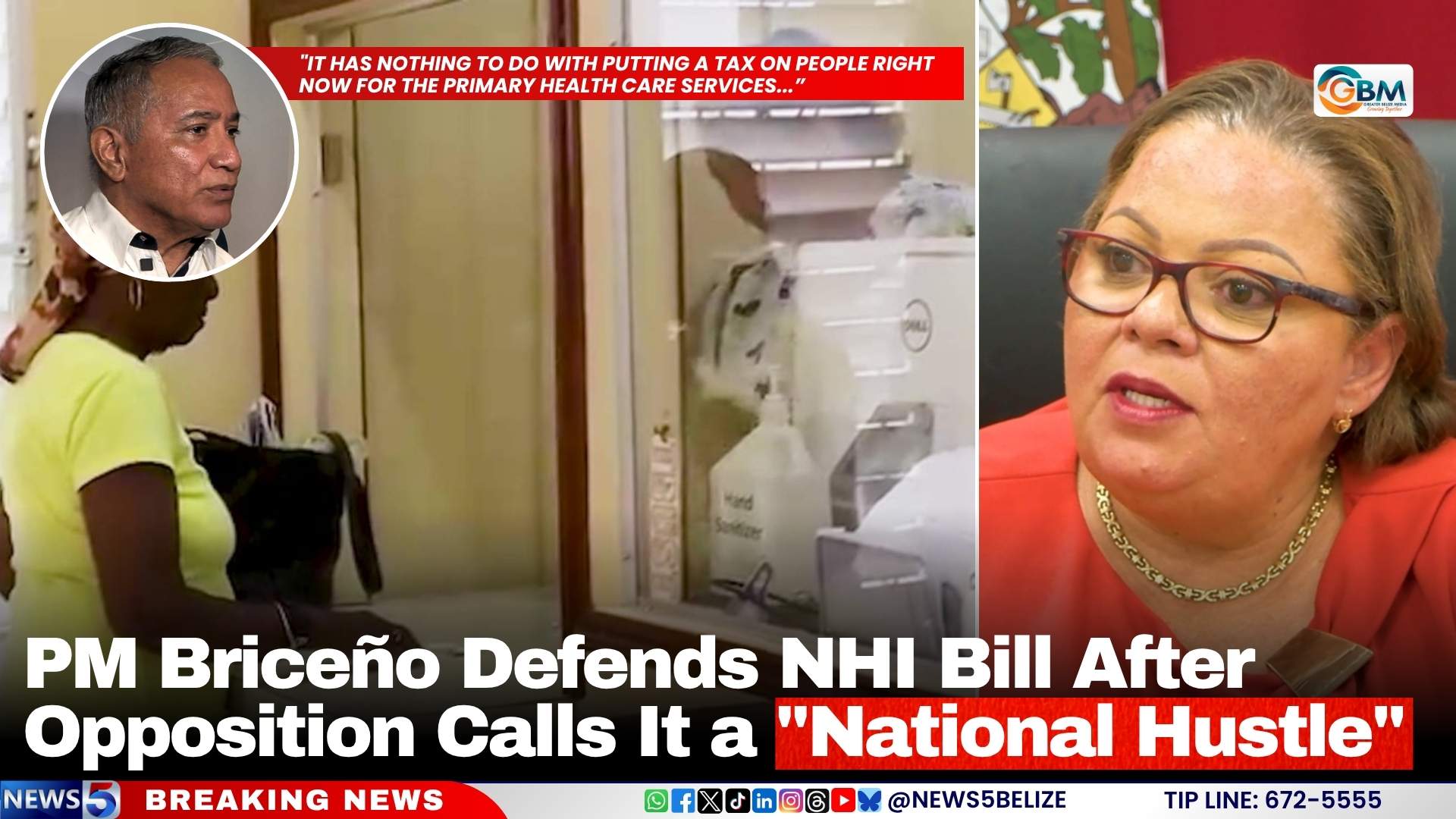
    PM Briceño Defends NHI Bill After Opposition Calls It a “National Hustle”

    A heated political debate has erupted in Belize centered on the proposed National Health Insurance Authority (NHI) Bill, pitting Prime Minister John Briceño against the country’s opposition leader over the future of the nation’s healthcare financing framework.

    The controversy ignited earlier this week when United Democratic Party (UDP) Leader Tracy Panton lambasted the legislation, dismissing it as a so-called “national hustle.” Panton argued the bill lacks clear transparency mechanisms for oversight and contains ambiguous language around long-term funding structures. She claimed the legislation would ultimately force Belizean residents to pay two separate mandatory contributions: existing Social Security Board (SSB) payments and a new additional tax earmarked for the NHI program. In her remarks, Panton stressed that the government has been dishonest about the bill’s true implications for household finances, rejecting its framing as a progressive expansion of national healthcare.

    Speaking publicly on the proposed legislation on May 20, 2026, Briceño pushed back forcefully against Panton’s accusations, clarifying that mandatory additional contributions are not part of the current iteration of the bill. The prime minister emphasized that the core goal of the legislation in its current form is to expand access to primary healthcare services that are already offered to Belizeans at nearly no cost out of pocket, and no new tax is being imposed on these services under the current plan.

    Briceño explained that the contested provision referenced by the opposition is a forward-looking policy placeholder designed to enable future expansion of the NHI program. Currently, the Belizean government allocates roughly $20 million in annual taxpayer funding to support the NHI program, which is limited to primary care services. The placeholder language would allow the government to eventually extend coverage to include secondary and tertiary medical services, a structure modeled after the successful universal healthcare systems implemented in neighboring Costa Rica. Once the primary care framework is fully established and operating smoothly, Briceño noted, policymakers will revisit the question of expanding services and adjusting funding structures to support that growth.

    The clash over the NHI Bill underscores deep divides between the ruling People’s United Party and the opposition UDP over how to expand accessible, affordable healthcare to all Belizeans while balancing fiscal responsibility. As the legislation moves through the legislative process, the debate over its funding provisions and long-term implications is expected to remain a central political issue in the country in the coming weeks.

  • COMMENTARY: Bee together for people and the planet, a partnership that sustains us all

    COMMENTARY: Bee together for people and the planet, a partnership that sustains us all

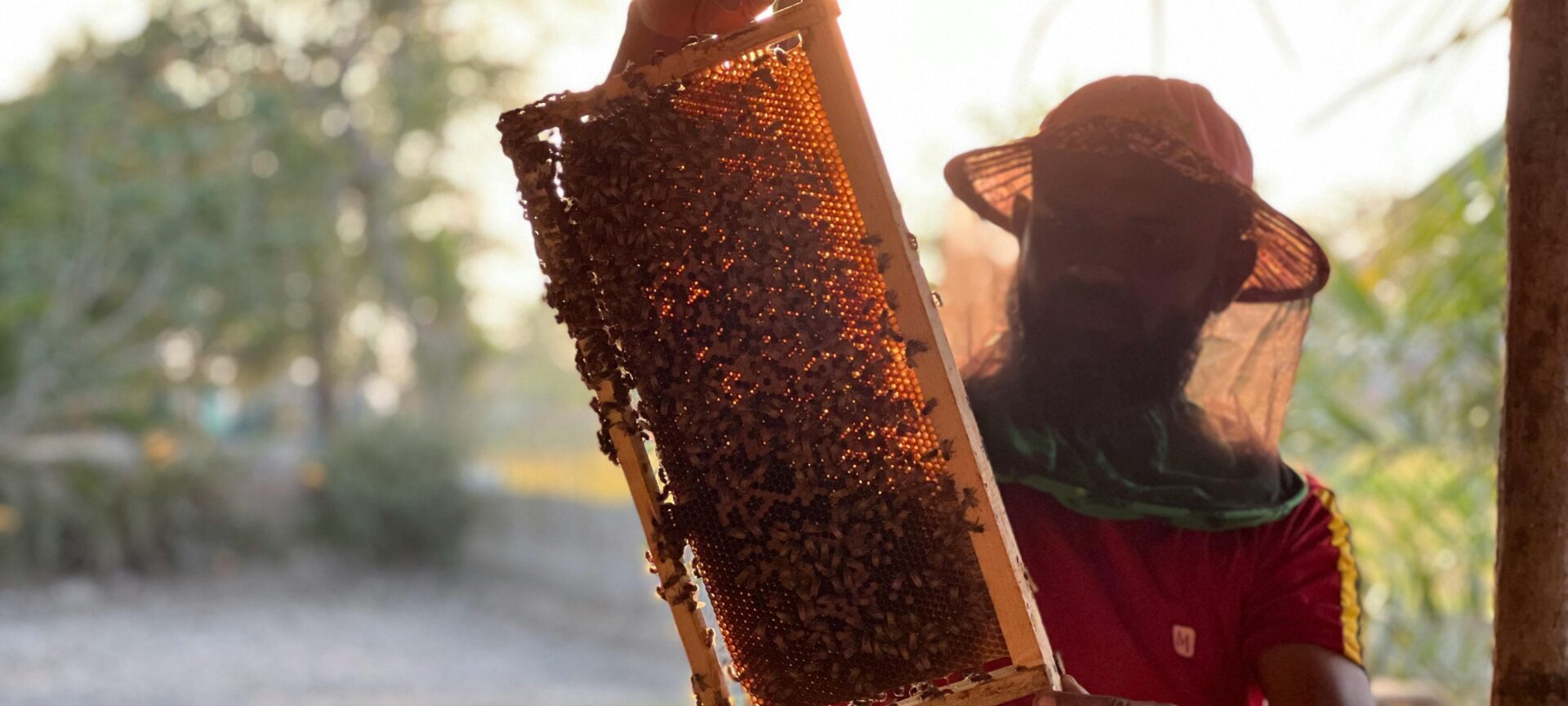
    Across the globe, the extraordinary diversity of bees remains vastly underappreciated by the general public. To date, scientific documentation has recorded more than 20,700 distinct bee species – a total that exceeds the combined number of all known bird and mammal species on Earth. This number continues to grow annually, as entomologists uncover new taxa in understudied ecosystems. While some high-profile groups such as honeybees, bumblebees, and stingless bees are well researched, over 96% of all bee species lack comprehensive scientific documentation. Of particular note are the more than 600 species of stingless honey bees, which thrive in tropical and subtropical regions worldwide, living in large colonies typically nested in tree hollows and producing nutrient-dense, flavorful honey.

    Since 2018, the international community has marked May 20 as World Bee Day, a global observance designed to encourage coordinated action across governments, nonprofits, civil society groups, and individual citizens to protect pollinator habitats, boost pollinator populations and diversity, and advance sustainable beekeeping practices. The date was intentionally chosen to honor the birth of Anton Janša, a Slovenian pioneer of modern apiculture who came from a multi-generational family of beekeepers in a region where apiculture has long been a central part of agricultural and cultural heritage.

    The 2026 theme for World Bee Day, “Bee Together for People and the Planet: A Partnership That Sustains Us All”, centers on the millennia-long interdependence between humans and bees, while calling for urgent collaborative action to shield pollinators from growing modern threats. This year’s observance highlights how coevolution between human communities and bees has shaped apiculture across every inhabited continent, and promotes innovative, inclusive strategies that improve bee health and productivity while supporting the livelihoods of marginalized beekeeper groups, including women and young people. It also emphasizes that combining traditional Indigenous and community-held knowledge of beekeeping with cutting-edge modern technology can drive more sustainable apiculture, while cross-sector partnerships can advance the transformation of global agrifood systems to benefit both pollinators and people.

    In line with this year’s theme, the Caribbean Agricultural Health and Food Safety Agency (CAHFSA), an intergovernmental body under the Caribbean Community (CARICOM) focused on strengthening regional agricultural health, food safety, and cross-border agricultural trade, has used World Bee Day to draw attention to the critical role pollinators play in underpinning Caribbean agriculture, biodiversity, and regional food security. By raising public and policy awareness of pollinator protection, CAHFSA continues to support regional efforts to build safe, resilient, and sustainable agricultural systems across the Caribbean.

    Pollinator populations are currently declining at an alarming rate globally. Wild bees, butterflies, hoverflies, moths, and other pollinating species face intensifying threats from widespread habitat destruction, industrial intensive agriculture, toxic pollution, invasive species incursion, and human-driven climate change. The impacts of these losses extend far beyond wild ecosystems: pollinators are foundational to global food systems, ecosystem resilience, and global biodiversity. To address this growing crisis, the Food and Agriculture Organization (FAO) is currently consulting with governments, research institutions, and key stakeholders to develop a new Global Pollinator Platform, which will strengthen cross-border cooperation, improve knowledge sharing, and expand policy support for global pollinator conservation efforts.

    Within the Caribbean, Jamaica’s beekeeping sector stands out as a fast-growing, economically valuable agricultural sub-sector. Beyond their irreplaceable role as pollinators that boost crop yields and strengthen national food security, bees provide a range of high-value products, including the globally beloved honey, as well as royal jelly, bee pollen, beeswax, propolis, and medicinal honeybee venom. For thousands of Jamaicans, apiculture has become a critical source of household income, with honey production offering particularly strong profit margins.

    To protect local bee populations from the global threat of Colony Collapse Disorder and introduced pathogens, Jamaica enforces a strict ban on imported bee products. While this policy has successfully shielded local colonies from foreign diseases, it requires domestic beekeepers to manage their own wax processing and colony expansion independently. The Jamaican government’s Apiculture Unit, housed within the Ministry of Agriculture, Fisheries and Mining, continues to lead the development of the domestic beekeeping industry, and reports show growing public interest in the sector: every month, dozens of aspiring beekeepers express interest in establishing their own apiaries, and community and interest groups regularly request formal apiculture training to enter the industry. Currently, Jamaica’s domestic beekeeping sector manages more than 100,000 active bee colonies.

    The 2026 World Bee Day theme places particular emphasis on the role of youth as future leaders in pollinator conservation and sustainable apiculture. Young people bring energy, innovative thinking, and technological literacy to the sector, positioning them to develop new solutions for sustainable beekeeping and advocate more effectively for pollinator protection. In Jamaica’s St. Elizabeth parish, industry leaders are actively urging young people to enter the growing beekeeping sector to meet unmet local and international demand for honey and other bee-derived products. “Jamaica has potential; very, very big potential in beekeeping, because honey is in short supply both locally and internationally,” explained Elton Cawley, First Deputy Chairman of the Jamaica Federation of Commercial Apiculturists (JFCA). Formal beekeeping training is currently available across Jamaica through the HEART Trust/NTA’s Ebony Park Academy in Clarendon and the national Jamaica 4-H Clubs network.

    As the global community marks World Bee Day 2026, the call to action remains clear: strengthening the mutually beneficial partnership between humans and bees requires collective, inclusive action across all sectors of society. As St. Francis de Sales once observed, bees harvest nectar from flowers without damaging the plant itself, leaving it intact and healthy just as they found it – a model of sustainable coexistence that human communities can learn from as we work to protect pollinators for future generations.

  • World Bee Day: Bee together for people and the planet

    World Bee Day: Bee together for people and the planet

    As one of the planet’s most ecologically critical groups of insects, bees play an irreplaceable role in supporting global ecosystems and sustaining the world’s food supplies. Science has already documented more than 20,700 distinct bee species across the globe – a total that exceeds the combined number of all bird and mammal species on Earth – and new species are added to scientific records every year.

    Bee species exhibit extraordinary diversity in their lifestyles: well-known groups including honeybees, bumblebees, and stingless bees live in cooperative social colonies, while over 96% of all bee species lead solitary lives. Beyond their ecological role as primary pollinators of most staple food crops, many bee species also produce valuable goods for human use. More than 600 species of stingless honey bees, for example, thrive in tropical and subtropical regions worldwide, nesting in large colonies in tree hollows and producing a nutrient-rich, flavorful honey prized by communities.

    Despite their overwhelming importance, the vast majority of bee species remain poorly studied by scientists, and pollinator populations around the world are now declining at an alarming rate. Habitat destruction, intensive industrial agriculture, widespread pollution, invasive species incursion, and the accelerating impacts of climate change are pushing wild pollinators – including bees, butterflies, hoverflies, and moths – into growing jeopardy, with consequences that extend far beyond biodiversity loss to threaten global food security and ecosystem resilience.

    Since 2018, the global community has marked May 20 as World Bee Day, a dedicated observance designed to encourage action from governments, organizations, civil society groups, and individual members of the public to protect pollinators, restore their habitats, boost their populations, and support sustainable beekeeping practices. The date was chosen to honor the birth of Anton Janša, a Slovenian pioneer of modern apiculture who came from a multigenerational family of beekeepers in a region where beekeeping has deep cultural and agricultural roots.

    The 2026 theme for World Bee Day, “Bee Together for People and the Planet. A partnership that sustains us all,” centers on the longstanding, mutually beneficial relationship between humans and bees, and underscores the urgent need for cross-sector collaboration to address the threats pollinators face. This year’s observance explores how human-bee partnerships have evolved over thousands of years across diverse cultures and landscapes, while elevating innovative strategies that improve bee health and productivity, and support sustainable livelihoods for beekeepers – particularly marginalized groups including women and young people. It also emphasizes how combining traditional ecological knowledge of beekeeping with modern technological innovation can advance sustainable apiculture, and how inclusive cross-stakeholder partnerships can secure a resilient future for both pollinators and human communities, while driving much-needed transformation of global agrifood systems.

    In the Caribbean region, the Caribbean Agricultural Health and Food Safety Agency (CAHFSA), an intergovernmental body established by the Caribbean Community (CARICOM) to strengthen regional agricultural health, food safety, and cross-border agricultural trade, is using World Bee Day to draw attention to the outsized role pollinators play in supporting Caribbean agriculture, biodiversity, and food security. By raising public awareness of pollinator conservation needs, CAHFSA is backing regional efforts to build safe, resilient, and sustainable agricultural systems across the Caribbean.

    At the global level, the Food and Agriculture Organization (FAO) is currently consulting with national governments, researchers, and a wide range of stakeholders to develop a new Global Pollinator Platform, an initiative designed to strengthen international cooperation, expand knowledge sharing, and improve policy support for pollinator conservation worldwide.

    In Jamaica specifically, beekeeping has emerged as a fast-growing, profitable agricultural sub-sector that delivers multiple benefits to local communities. Beyond their critical role boosting crop yields and supporting national food security as pollinators of fruit and seed crops, bees produce a range of high-value products including honey, royal jelly, pollen, beeswax, propolis, and honeybee venom. For many Jamaicans, beekeeping has become a vital source of income, with honey sales offering particularly strong profit margins.

    To protect local bee populations from the global threat of Colony Collapse Disorder and introduced pathogens, Jamaica enforces a strict ban on imported bee products. This policy has successfully shielded domestic bee colonies from outside diseases, but requires local beekeepers to manage their own colony development and wax production independently.

    Jamaica’s Apiculture Unit, under the country’s Ministry of Agriculture, Fisheries and Mining, continues to lead the expansion of the domestic beekeeping industry, and reports growing public interest in joining the sector. Dozens of new inquiries from prospective beekeepers are received every month, and numerous community groups have applied for formal beekeeping training to enter the industry. As of 2026, Jamaica is home to more than 100,000 managed bee colonies.

    Industry leaders emphasize that young Jamaicans have particular opportunities to build successful careers in the growing sector, as global and local demand for honey and other bee products far outpaces current supply. “Jamaica has potential; very, very big potential in beekeeping, because honey is in short supply both locally and internationally,” explained Elton Cawley, First Deputy Chairman of the Jamaica Federation of Commercial Apiculturists (JFCA). Formal beekeeping training is currently available to aspiring beekeepers through HEART Trust/NTA’s Ebony Park Academy in Clarendon and the Jamaica 4-H Clubs, giving young people the skills they need to enter the field.

    Proponents of pollinator conservation note that young people are uniquely positioned to drive change in the sector, as the future generation of beekeepers and environmental stewards. Young people bring energy, digital literacy, and innovative vision to advance pollinator protection and build more sustainable apiculture practices, and many are already actively engaged in global and local conversations about bee conservation.

    As the world marks World Bee Day, the 2026 theme calls on all stakeholders to strengthen the collaborative partnership between humans and bees that sustains both people and the planet. Echoing the words of St Francis de Sales, bees exemplify sustainable harvest: they collect honey from flowers without damaging the plants, leaving them whole and healthy just as they found them – a model of harmonious coexistence that human communities can strive to emulate.

  • PM Encourages Sugar Farmers to Explore Cattle Farming

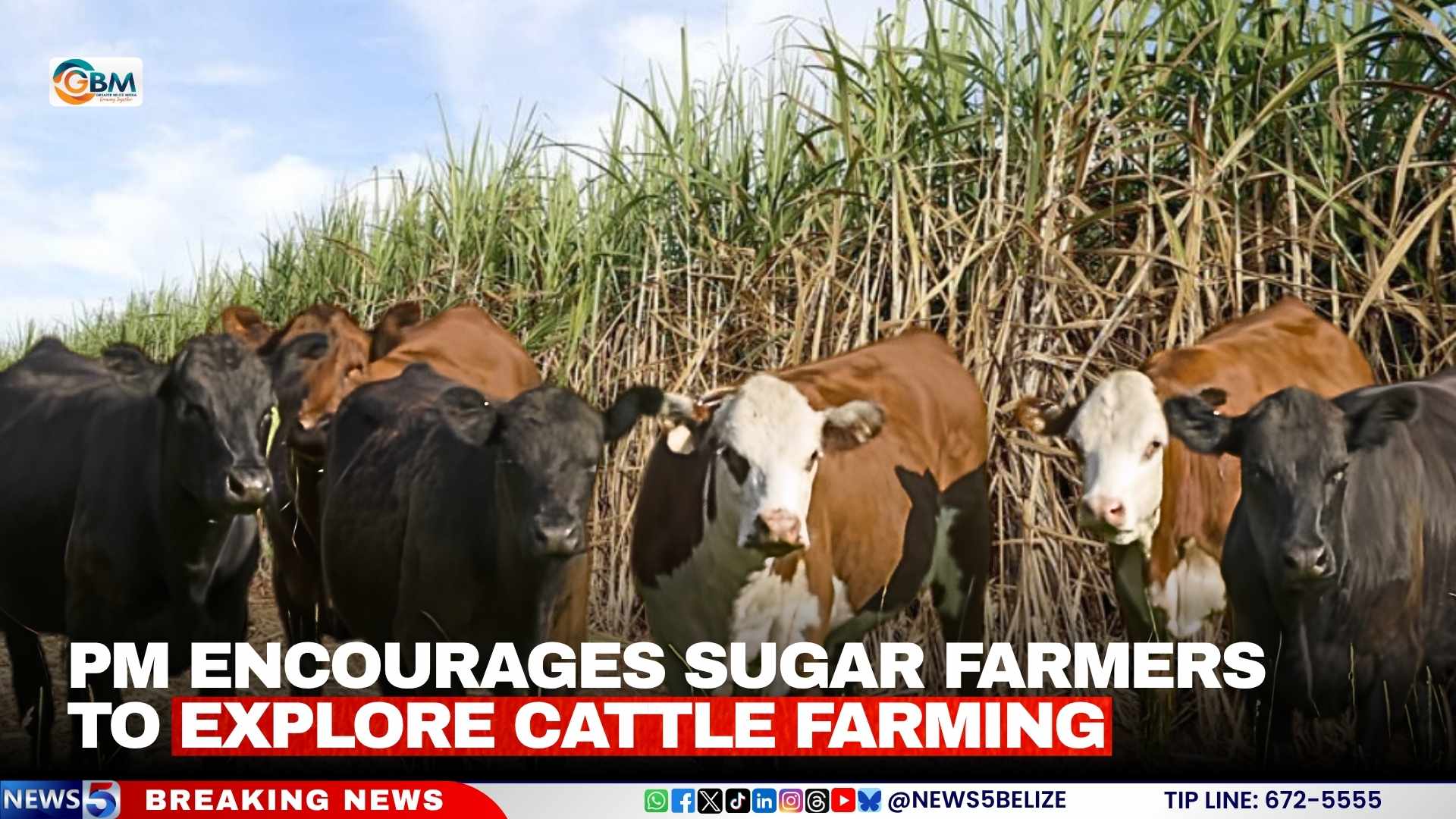
    PM Encourages Sugar Farmers to Explore Cattle Farming

    Amid ongoing uncertainty and persistent challenges across Belize’s sugar industry, Prime Minister John Briceño has issued a renewed call for small-scale sugar producers to explore economic diversification, with cattle farming identified as a high-potential alternative for growth.

    Briceño’s remarks build on guidance recently shared by former Agriculture Minister Jose Abelardo Mai, who previously advised low-income sugar farmers to reduce their overreliance on sugar cane cultivation by expanding into adjacent agricultural sectors. Speaking to journalists on Thursday, Briceño emphasized that for decades, national leaders have repeated the warning to agricultural stakeholders against concentrating all their livelihoods in a single commodity – a core principle that remains just as critical for sugar producers today.

    According to the Prime Minister, cattle farming stands out as one of the most promising untapped opportunities for sugar farmers in 2026, driven by fast-growing cross-border export demand in neighboring Mexico and Guatemala. Briceño recommended that farmers holding underutilized or low-yield sugar cane land should evaluate converting a portion of that property into grazing pasture for cattle production, noting that domestic producers are well-positioned to satisfy rising regional demand for beef. “We can meet the demand,” Briceño confirmed to reporters.

    Beyond agricultural policy, the Prime Minister also addressed public questions surrounding the health of former Agriculture Minister Jose Abelardo Mai, who recently underwent knee surgery. Briceño clarified that medical teams made the decision to prioritize knee surgery before addressing an ongoing chronic back condition, explaining that the minister’s impaired gait – caused by severe knee pain – meant that any intervention on his back would not deliver meaningful improvement until the knee issue was resolved. “The doctor said the first thing they need to do is the knee because he was walking sideways. So if you do anything with your back and you’re still walking sideways, you’re not doing anything,” Briceño said.

    When pressed about a potential return for Mai to the national cabinet, Briceño declined to set a timeline, saying that any decision on the former minister’s political future will be made at a later date once his recovery progresses further.

  • Raveen Koelfat DSB benoemt Raveen Koelfat tot Chief Commercial Officer

    Raveen Koelfat DSB benoemt Raveen Koelfat tot Chief Commercial Officer

    Leading Surinamese financial institution De Surinaamsche Bank N.V. (DSB) has formally appointed Raveen Koelfat to the position of Chief Commercial Officer (CCO), following official approval from the Central Bank of Suriname. Koelfat officially joined the bank’s executive management team in April 2026, marking a key leadership update for one of the country’s prominent banking organizations.

    In his new executive role, Koelfat will take ownership of DSB’s overall commercial strategy, and lead ongoing efforts to expand and strengthen the bank’s core commercial business operations. His appointment comes after more than a decade of service within DSB, where he has built a deep track record across multiple commercial and client-facing roles since joining the institution in 2013.

    Over his 13-year tenure at DSB, Koelfat has held a range of progressively senior leadership positions across the commercial division. These include stints as Head of Commerce, Manager of Corporate Banking, Manager of Corporate Lending, and Senior Relationship Manager. Across these roles, he has accumulated extensive hands-on experience in all areas of commercial banking, contributed to the development of customer-centric financial solutions, and played an integral part in driving the bank’s sustained commercial growth over the years.

    DSB officials noted that the elevation of Koelfat to the C-suite reflects the institution’s strong confidence in his longstanding commitment to the bank and the deep institutional expertise he has developed over his career. In his new capacity, Koelfat will prioritize expanding DSB’s market position, with a specific focus on nurturing long-term, sustainable client relationships and advancing strategic market development initiatives across Suriname’s banking sector.

    With Koelfat’s addition to the executive team, DSB’s board of statutory directors now comprises four core C-suite leaders: Alexander van Petten, Chief Operations Officer; Waldo Halfhuid, Chief Financial Officer; Ashna Kamta, Chief Risk Officer; and Raveen Koelfat, Chief Commercial Officer.