In a development that reverberated across global diplomatic circles this week, top Australian officials have offered a mixed response to the sudden US-Iran two-week ceasefire, welcoming the de-escalation of conflict while sharply criticizing inflammatory rhetoric from former US President Donald Trump that threatened the complete annihilation of Iranian civilian infrastructure.
The ceasefire agreement came into effect barely 60 minutes before Trump’s self-imposed deadline for Iran to reach a negotiated deal was set to expire, ending a month of open hostilities between the US-Israeli bloc and Iranian forces that had upended global energy markets. Ahead of the deadline, Trump issued a chilling warning that if Iran did not comply with his demands, “a whole civilization will die tonight, never to be brought back again” — a comment that has drawn widespread international rebuke for its extreme tone.
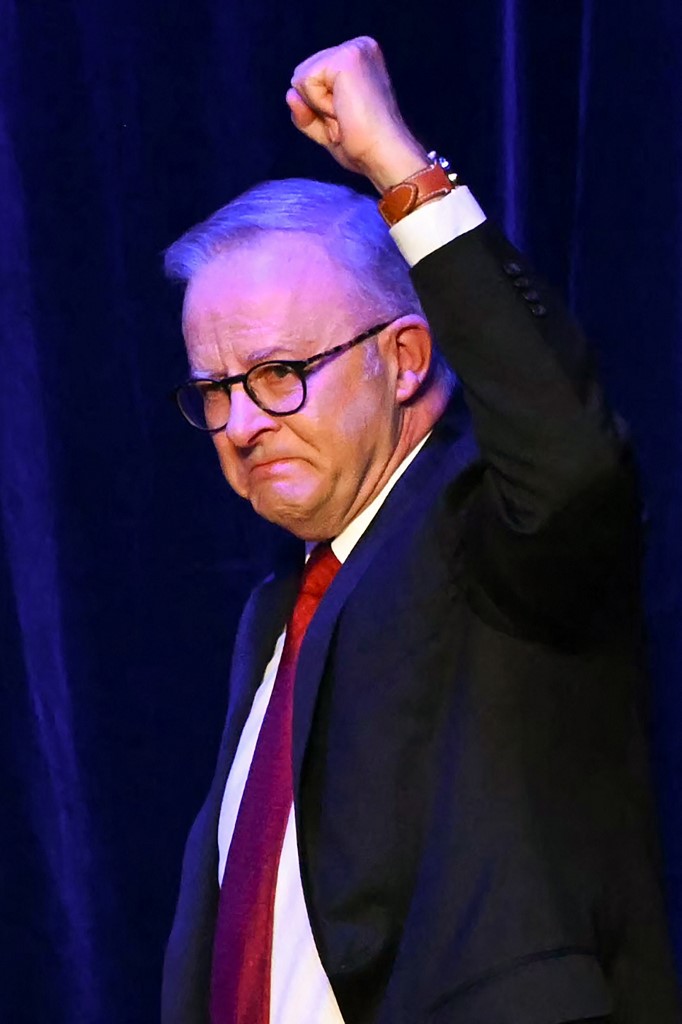
Speaking to Sky News Australia on Wednesday, Australian Prime Minister Anthony Albanese broke ranks with the previous pro-strike position of his government to push back against the US leader’s language. “I don’t think it’s appropriate to use language such as that from the president of the United States, and I think it will cause some concern,” Albanese said, adding that threats targeting entire civilian populations have no place in modern diplomatic discourse.
Despite his criticism of Trump’s comments, the prime minister welcomed the ceasefire as a step in the right direction, aligning with his government’s weeks-long calls to dial back regional tensions. “What we have called for is a de-escalation, and that is what has occurred, and that’s a good thing,” Albanese noted. “This is positive news. We’ve been calling for a de-escalation for some time. We want to see a resolution of the conflict.”
For its part, Iran has framed the ceasefire as a strategic victory. In the wake of more than a month of coordinated US and Israeli attacks, Tehran announced it would temporarily reopen the Strait of Hormuz — the world’s most critical chokepoint for global oil and gas shipments, which Iran had effectively closed after US-Israeli strikes on February 28 reignited full-scale regional conflict. The closure sent global energy prices soaring to multi-year highs, inflicting economic pain on energy-importing nations around the world, Australia included.
Australia’s Foreign Minister Penny Wong echoed Albanese’s condemnation of Trump’s remarks during an interview with the national public broadcaster ABC, doubling down on the government’s call for the ceasefire to be extended across the entire Middle East region. “I don’t think anyone should be threatening the destruction of a civilisation,” Wong said. The foreign minister added that Australia, which is heavily reliant on imported fuel and currently holds only around 39 days of national petrol supply, has already felt the severe economic fallout of the conflict. “The damage that is happening to the global economy, to global energy markets, means that the world does need this ceasefire to hold,” she emphasized.
Wong also pushed back against Israeli claims that the ceasefire does not extend to Lebanon, where weeks of Israeli bombardment have killed more than 1,500 people and displaced over a million residents according to Lebanese official statistics. “The world expects the ceasefire to apply to the region,” Wong stated.
The shift in the Australian government’s public position comes after it initially voiced support for the US-Israeli strikes on Iran. Last week, Albanese already signaled a change in tone, saying the original military objectives of the campaign had been achieved and it remained unclear what further gains could be made through continued conflict. To offset the domestic impact of skyrocketing fuel prices driven by the regional crisis, the Canberra government has already moved to cut petrol taxes, easing cost-of-living pressures for Australian households.