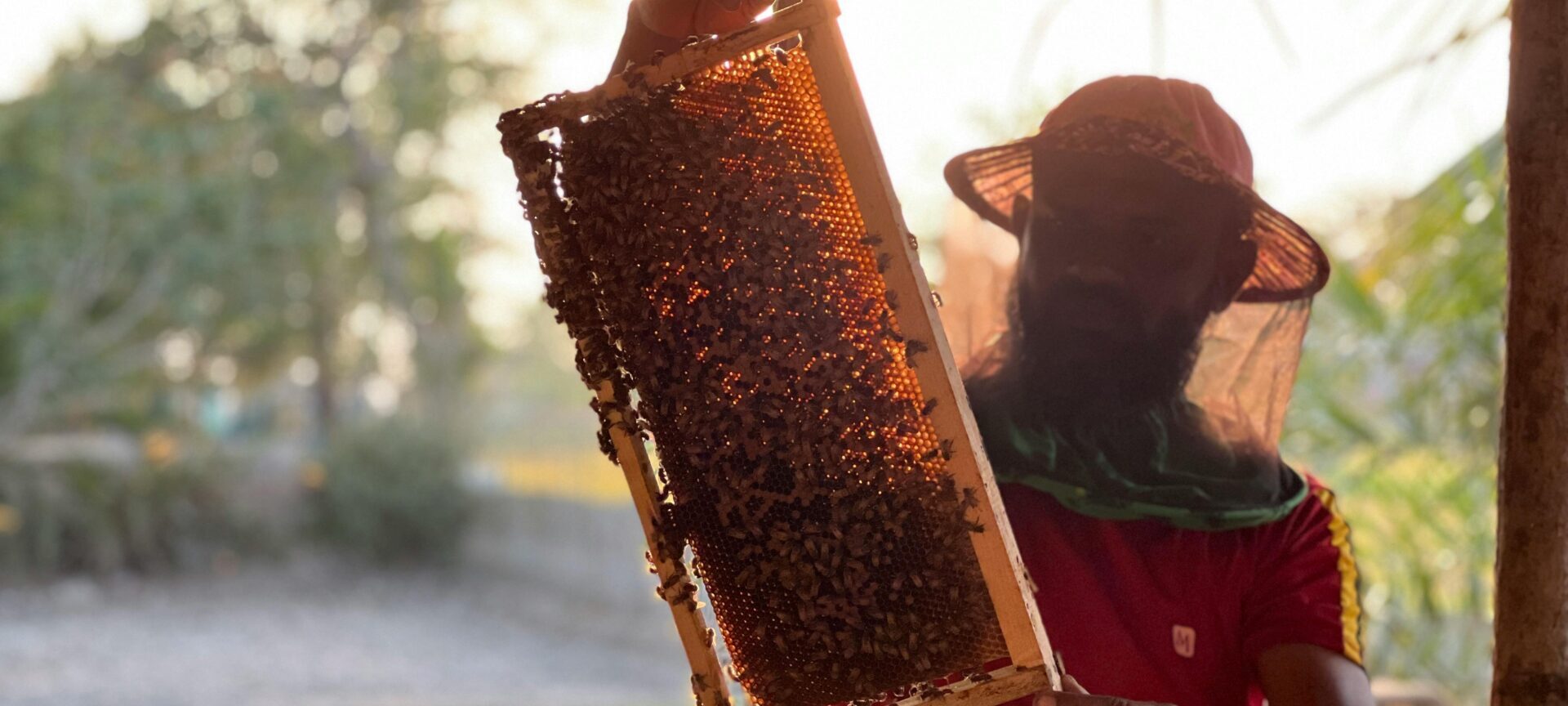
Across the globe, the extraordinary diversity of bees remains vastly underappreciated by the general public. To date, scientific documentation has recorded more than 20,700 distinct bee species – a total that exceeds the combined number of all known bird and mammal species on Earth. This number continues to grow annually, as entomologists uncover new taxa in understudied ecosystems. While some high-profile groups such as honeybees, bumblebees, and stingless bees are well researched, over 96% of all bee species lack comprehensive scientific documentation. Of particular note are the more than 600 species of stingless honey bees, which thrive in tropical and subtropical regions worldwide, living in large colonies typically nested in tree hollows and producing nutrient-dense, flavorful honey.
Since 2018, the international community has marked May 20 as World Bee Day, a global observance designed to encourage coordinated action across governments, nonprofits, civil society groups, and individual citizens to protect pollinator habitats, boost pollinator populations and diversity, and advance sustainable beekeeping practices. The date was intentionally chosen to honor the birth of Anton Janša, a Slovenian pioneer of modern apiculture who came from a multi-generational family of beekeepers in a region where apiculture has long been a central part of agricultural and cultural heritage.
The 2026 theme for World Bee Day, “Bee Together for People and the Planet: A Partnership That Sustains Us All”, centers on the millennia-long interdependence between humans and bees, while calling for urgent collaborative action to shield pollinators from growing modern threats. This year’s observance highlights how coevolution between human communities and bees has shaped apiculture across every inhabited continent, and promotes innovative, inclusive strategies that improve bee health and productivity while supporting the livelihoods of marginalized beekeeper groups, including women and young people. It also emphasizes that combining traditional Indigenous and community-held knowledge of beekeeping with cutting-edge modern technology can drive more sustainable apiculture, while cross-sector partnerships can advance the transformation of global agrifood systems to benefit both pollinators and people.
In line with this year’s theme, the Caribbean Agricultural Health and Food Safety Agency (CAHFSA), an intergovernmental body under the Caribbean Community (CARICOM) focused on strengthening regional agricultural health, food safety, and cross-border agricultural trade, has used World Bee Day to draw attention to the critical role pollinators play in underpinning Caribbean agriculture, biodiversity, and regional food security. By raising public and policy awareness of pollinator protection, CAHFSA continues to support regional efforts to build safe, resilient, and sustainable agricultural systems across the Caribbean.
Pollinator populations are currently declining at an alarming rate globally. Wild bees, butterflies, hoverflies, moths, and other pollinating species face intensifying threats from widespread habitat destruction, industrial intensive agriculture, toxic pollution, invasive species incursion, and human-driven climate change. The impacts of these losses extend far beyond wild ecosystems: pollinators are foundational to global food systems, ecosystem resilience, and global biodiversity. To address this growing crisis, the Food and Agriculture Organization (FAO) is currently consulting with governments, research institutions, and key stakeholders to develop a new Global Pollinator Platform, which will strengthen cross-border cooperation, improve knowledge sharing, and expand policy support for global pollinator conservation efforts.
Within the Caribbean, Jamaica’s beekeeping sector stands out as a fast-growing, economically valuable agricultural sub-sector. Beyond their irreplaceable role as pollinators that boost crop yields and strengthen national food security, bees provide a range of high-value products, including the globally beloved honey, as well as royal jelly, bee pollen, beeswax, propolis, and medicinal honeybee venom. For thousands of Jamaicans, apiculture has become a critical source of household income, with honey production offering particularly strong profit margins.
To protect local bee populations from the global threat of Colony Collapse Disorder and introduced pathogens, Jamaica enforces a strict ban on imported bee products. While this policy has successfully shielded local colonies from foreign diseases, it requires domestic beekeepers to manage their own wax processing and colony expansion independently. The Jamaican government’s Apiculture Unit, housed within the Ministry of Agriculture, Fisheries and Mining, continues to lead the development of the domestic beekeeping industry, and reports show growing public interest in the sector: every month, dozens of aspiring beekeepers express interest in establishing their own apiaries, and community and interest groups regularly request formal apiculture training to enter the industry. Currently, Jamaica’s domestic beekeeping sector manages more than 100,000 active bee colonies.
The 2026 World Bee Day theme places particular emphasis on the role of youth as future leaders in pollinator conservation and sustainable apiculture. Young people bring energy, innovative thinking, and technological literacy to the sector, positioning them to develop new solutions for sustainable beekeeping and advocate more effectively for pollinator protection. In Jamaica’s St. Elizabeth parish, industry leaders are actively urging young people to enter the growing beekeeping sector to meet unmet local and international demand for honey and other bee-derived products. “Jamaica has potential; very, very big potential in beekeeping, because honey is in short supply both locally and internationally,” explained Elton Cawley, First Deputy Chairman of the Jamaica Federation of Commercial Apiculturists (JFCA). Formal beekeeping training is currently available across Jamaica through the HEART Trust/NTA’s Ebony Park Academy in Clarendon and the national Jamaica 4-H Clubs network.
As the global community marks World Bee Day 2026, the call to action remains clear: strengthening the mutually beneficial partnership between humans and bees requires collective, inclusive action across all sectors of society. As St. Francis de Sales once observed, bees harvest nectar from flowers without damaging the plant itself, leaving it intact and healthy just as they found it – a model of sustainable coexistence that human communities can learn from as we work to protect pollinators for future generations.